The coronavirus has brought about unprecedented economic disruption, prompting an acceleration of workplace closures and mass layoffs and furloughs across industries, including the tourism and hospitality sector which is bearing the brunt of the virus outbreak.
On April 8, Thailand’s Joint Standing Committee on Commerce, Industry and Banking (JSCCIB) released its evaluation of the millions of jobs that are at risk in the wake of the pandemic.
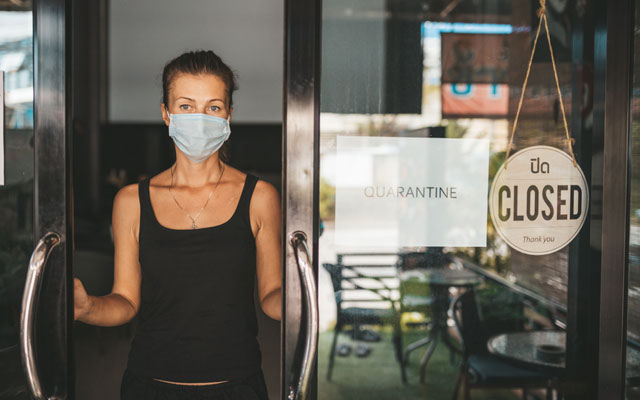
Coronavirus forces more business closures, prompting mass layoffs and furloughs throughout Thailand; a store owner closing a restaurant in Thailand during quarantine pictured
JSCCIB, which comprises Thai Chamber of Commerce (TCC), Board of Trade of Thailand (BOT), Federation of Thai Industries and Thai Bankers’ Association (TBA), believes the unfolding pandemic is having greater adverse effects on the economy than the 1997 Asian Financial Crisis, as most businesses affected back then were large to medium-sized enterprises, and financial corporations with loans denominated in foreign currencies.
“The Covid-19 crisis has affected all types of businesses – from small to mid-sized and some large (enterprises) – and led to a higher number of people losing their jobs, particularly from labour-intensive and grassroots enterprises, such as service providers of all sizes and tourism businesses,” Supant Mongkolsuthree, JSCCIB chairman, told Bangkok Biz News.
Pridi Daochai, TBA chairman, on Tuesday noted that the economic damage from the coronavirus so far is pegged at an estimated 1.3 trillion baht (US$40 billion), or 7.7 per cent of the GDP, 1.1 trillion of which was attributed to the tourism sector, reported Post Today. The economic contraction is set to steepen if the pandemic isn’t contained by mid-year.
“Bigger (corporations) with many hotels and good credit ratings will be fine for up to 18 months or longer if necessary… (but) many smaller individual hotels without financial support have already decided to shut down completely, and many will go on sale,” commented Gavin Vongkusolkit, who sits on the board of The Erawan Group.
The JSCCIB projects that more than seven million people, out of approximately 38 million in the formal workforce, are at risk of losing their jobs by end-June. Of those, 978,000 come from the three million formally and informally employed in the hotel industry.
Tourism-related businesses such as restaurants, entertainment venues, spas, massage parlours and retailers are expected to furlough an additional 4.75 million employees. Some 95 per cent of those who are being rendered jobless have a monthly income of less than 20,000 baht.
Vongkusolkit: Big-name hotels may be well poised to ride out the Covid-19 crisis, but several smaller hotels have shuttered completely
Kalin Sarasin, chairman of both TCC and BOT, told a briefing last week that the outlook is even bleaker, estimating that the number of job losses will hit 10 million if the pandemic drags on for another two to three months.
Gavin added: “Everyone, almost without exception, in the (hotel) industry will have to take leave without pay. Currently, the standard (pay during the leave) seems to be 25-50 per cent (of one’s monthly salary), regardless of whether you are a big hotel group or independent hotel. Some hotels also feed their staff, and I hear that some that are still operating in special conditions also offer accommodation… to partially compensate for (pay cuts).”
JSCCIB has asked the government to issue a closure order for all hotels in the country to enable hotel staff to claim financial aid equivalent to 62 per cent of their monthly salary, capped at 9,300 baht, from the Social Security Fund (SSF) for a period of no more than 90 days.
Currently only hotels or similar businesses in 13 provinces, including Ayutthaya, Chonburi, Kalasin, Kanchanaburi, Khon Kaen, Nakorn Ratchasima, Nan, Phang Nga, Phetchaburi, Phuket, Prachuabkirikhan, Supanburi and Suratthani, have received such orders.
In response, on Tuesday, Sutthi Sukosol, Ministry of Labour permanent secretary and Social Security Committee chairman, told Thansetthakij that the SSF now categorises the Covid-19 crisis as a force majeure event, and as such, those registered in the social security system who have been suspended or terminated from their jobs are eligible to tap on SSF’s unemployment insurance fund, which currently holds 164 billion baht.
The SSF will start releasing the funds this week, with the average financial aid allotted to each person estimated at 7,080-8,000 baht. – Additional reporting by Anne Somanas
The UNWTO is calling on all governments to continuously review travel restrictions and ease or lift them once it is safe to do so, following its recent findings that almost all worldwide destinations have introduced travel restrictions in response to the pandemic.
The landmark report, highlighting the unprecedented disruption caused by Covid-19 to global tourism, shows that almost all global destinations have imposed restrictions on travel since January 2020, including complete bans on all travel as they work to contain the pandemic.
Coronavirus crushes tourism, with 96 per cent of all global destinations imposing travel restrictions
The UN body noted that its observations of a continuous trend towards more openness in travel facilitation in recent years has been dramatically interrupted by the pandemic.
As of April 6, 96 per cent of all worldwide destinations have implemented travel restrictions amid pandemic, found the study. Around 90 destinations have completely or partially closed their borders to tourists, while a further 44 are closed to certain tourists depending on country of origin.
UNWTO secretary-general Zurab Pololikashvili said: “Covid-19 has impacted travel and tourism like no other event before in history. Governments have put public health first and introduced full or partial restrictions on travel.
“With tourism suspended, the benefits the sector brings are under threat: millions of jobs could be lost, and progress made in the fields of equality and sustainable economic growth could be rolled back. UNWTO therefore calls on governments to continuously review travel restrictions and ease or lift them as soon as it is safe to do so.”
The UNWTO global review shows that the global regions are largely consistent in their response to Covid-19. In Africa, Asia and the Pacific and the Middle East, 100 per cent of destinations have adopted Covid-19-related restrictions since January 2020. In the Americas, 92 per cent of destinations have taken similar steps, while in Europe, the proportion is 93 per cent, as of April 6.
Specifically, the analysis identifies four key types of restrictive measures, namely, complete or partial closure of borders to tourists; destination-specific travel restrictions; total or partial suspension of flights; as well as different measures, including requirements for quarantine or self-isolation, medical certificates, invalidation or suspension of visa issuances, etc.
However, UNWTO also noted that in many instances, destinations have already adjusted their restrictive measures as the situation has evolved.
A host of tourism and hospitality bodies has rolled out free online training programmes for stakeholders to stay relevant and strengthen their industry knowledge and skills during the coronavirus downtime.
The Philippine Department of Tourism (DOT) has launched an online training programme, dubbed DOT Online Training which is done via video-conferencing app Zoom, to upskill tourism stakeholders and facilitate transition to recovery.
The Philippine Department of Tourism rolls out online training programme for industry stakeholders
DOT secretary Bernadette Romulo-Puyat said in a statement: “This was conceptualised as an alternative to the regular training programmes being conducted by the Office of Industry Manpower Development. This is our vision in embracing a new normal for our industry.”
She added that the course covers two subject areas, namely, Tourism Enterprise which involves monitoring, evaluating and learning from past and present situations to enable stakeholders to prepare better for the future; and Filipino Brand of Service which applies the seven Filipino values or “7Ms” that characterise Filipino hospitality – May Likha, Makatao, Makakalikasan, Makabansa, Masayahin, May-Bayanihan and May-Pag-asa.
“We can turn the temporary inactivity during lockdown into an opportunity to enhance the quality of tourist services. We can objectively look back at our past and current performance and utilise the breathing space to plan how we can further upgrade our services in our respective areas in the industry with the values of Filipino hospitality,” Puyat said.
She added that the DOT is set to develop additional modules on other topics “to enhance skills, assist and encourage stakeholders to cope, transition and move towards recovery”.
As well, the IATA is offering free access to online training courses for up to 5,000 aviation workers, to support the sector’s recovery.
Current employees, or those who wish to become a part of the aviation or related industries, can select one from eight of IATA’s most popular e-learning courses: Aviation Competition Law, Destination Geography, Travel Agency Fees: A Professional Approach, Accounting and Financial Management for Travel Agencies, Geography in Travel Planning, Distribution and Airline Retailing Diversity and Inclusion, and Aviation Law – Fundamentals.
Courses will be allocated on a first-come-first-served basis for 5,000 online training opportunities, with applications to be received before April 27, 2020.
Also providing free education to the industry is global hospitality learning platform Typsy which launched the Typsy COVID Support Plan offering individuals, businesses, and schools free online access to its platform and library of over 650 hospitality video lessons, until September 30, 2020.
Typsy CEO Jonathan Plowright said in a statement: “The negative impacts on hospitality and tourism are devastating, however, a stronger community is building. People are rallying to provide initiatives that give the industry the best chance at a strong rebound in the future. Being able to offer free access to Typsy at this time allows us to support not only our existing customers, but we can also help many more people whose lives and businesses have been disrupted by the effects of Covid-19.
“Community has never been more important than it is now, and providing online learning is a positive and accessible way to help people stay productive, connected and engaged with their employers and the hospitality industry.”
Typsy is backed by the Swiss-based education group Ecole Hoteliere de Lausanne (EHL); and counts dozens of global groups, including Radisson, Delaware North, Wyndham and Hyatt, as clients.
“Our clients have been impacted enormously, both commercially and operationally, which has had a ripple effect on all suppliers. Whilst our revenue has taken a major hit, we are incredibly fortunate to have strong backing from our partner, EHL, who is steadfast in their resolve to help support the industry. This puts us in a fortunate position whereby we can invest in the increased computing and other costs necessary to provide free access to the platform during this difficult period,” Plowright added.
Typsy courses are led by world-class instructors and designed for hotel and restaurant chains, learning institutions, small businesses, as well as individuals looking to upskill and improve their resume and job opportunities.
The Typsy course library consists of lessons in a variety of categories including leadership, beverage, service, hotel and culinary. Endorsed certificates are earned for every course completed on Typsy.
To address ways in which hospitality practices can evolve and adapt to deal with the impact of Covid-19, the company has also released a Covid-19 course which includes topics such as how to serve guests safely during take away service. A Health and Wellbeing for Hospitality course will also be released this month, covering topics including the effects of stress, stress management, common myths about mental health, and substance use in hospitality.
Indonesian president Joko Widodo has announced an additional stimulus package for businesses in the hard-hit tourist and creative economy sectors to counter Covid-19, amid projections that the country will post a US$10 billion loss in tourism revenue this year due to the pandemic.
Jokowi said in a Cabinet meeting on Thursday (April 16) that the economic stimulus is aimed at ensuring the tourism businesses’ survival without having to resort to large-scale layoffs, reported The Jakarta Post.
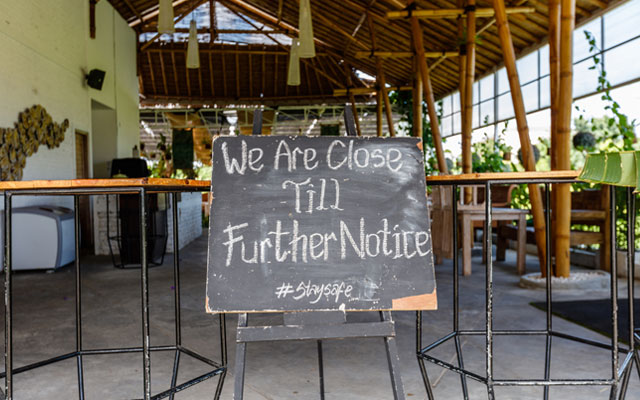
Tourism businesses and workers in Indonesia will get further support from the government; a closed cafe in Canggu, a popular tourist spot in Bali, amid Covid-19 pictured
On top of setting up a social safety net programme for workers in the tourism sector, Jokowi also asked the Tourism and Creative Economy Ministry to reallocate its budget to labour-intensive jobs for these workers, said the report.
However, it added, Jokowi remains optimistic that the country will see a “tourism boom” next year once Covid-19 is over.
The pandemic has shuttered over 1,260 hotels in the country, affecting more than 150,000 employees, according to the Indonesian Hotel and Restaurant Association.
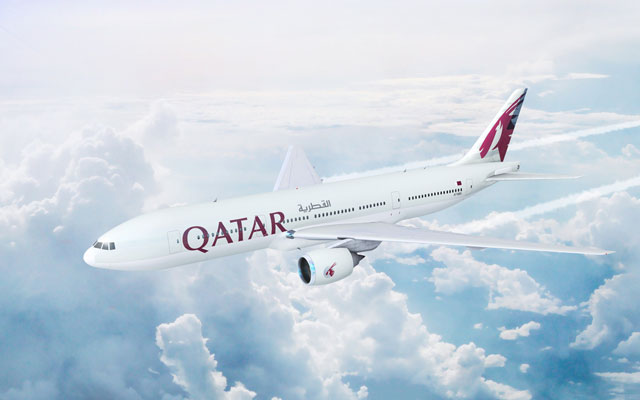
Qatar Airways has secured US$850 million in financing from Standard Chartered, pledging seven Boeing 787-9 aircraft as collateral.
Qatar Airways Group CEO Akbar Al Baker said in a statement: “I am grateful to Standard Chartered for their continued support to Qatar Airways. The bank has been a close partner of Qatar Airways for many years and have proven their support for the airline by closing this transaction during difficult times resulting from Covid-19.
Qatar Airways bags US$850 million in funding to boost cash flow
“Qatar Airways’ focus remains on finding solutions to get as many people back to their homes to be with their families and loved ones during these difficult times, and this is made possible by the support we have from so many people, including our close partners such as Standard Chartered.”
Qatar Airways serves more than 160 business and leisure destinations, with a fleet of more than 250 aircraft.
Japan
The Japan National Tourism Organization (JNTO) has long been courting Muslim travellers out of Asian markets with a substantial Muslim population, such as Malaysia, Indonesia, Brunei and India.
With the JNTO Singapore office at the helm of this effort, the NTO has accomplished much to convey Japan’s warm welcome for Muslim travellers.
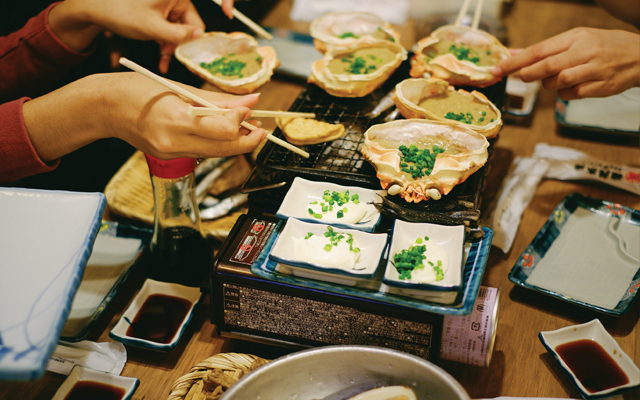
Muslim travellers can indulge in a variety of halal and Muslim-friendly restaurants across Japan
According to Susan Maria Ong, deputy director, JNTO Singapore, who was involved in the Muslim travel project since 2006, the tourism office published a number of guide books that provided detailed information about Muslim-friendly accommodation, dining establishments, religious and prayer facilities as well as shopping.
Over time, many local prefectures have gone ahead to publish their own Muslim guide books, while JNTO has turned its Muslim guide books into a website (muslimguide.jnto.go.jp) that allows users to search for information by geographical areas.
Ong shared that JNTO takes the Muslim travel market seriously, evidenced by the lengths the organisation took to ensure its commitment to the market was matched by travel and tourism suppliers knowledgeable in the various needs of Muslim travellers.
“We had bilateral exchanges of information with Japanese stakeholders to develop prayer facilities, halal restaurants at the airport and elsewhere in the destination, as well as shopping outlet malls which this segment of travellers liked. We also conducted education seminars for Japanese travel and tourism suppliers on how best to cater to the needs of Muslim travellers,” Ong explained.
And to promote Japan’s readiness for Muslim travellers, JNTO ran frequent fam trips aimed at Muslim travel agencies and Muslim media representatives, where the itinerary involved site inspections of prayer facilities such as mosques, and experiences at halal restaurants, among others, she explained.
Ong opined that with approximately 100,000 Muslim residents in Japan, the country is gifted with many authentic restaurants that are certified halal.
“There are also many Muslim-friendly restaurants that use only halal-certified ingredients, and these are all captured in our Muslim guides. We even detail if the restaurant is owned by a Muslim or if the kitchen is led by a Muslim chef,” she said.
In the Kanto region alone – which is Japan’s largest island and where Tokyo sits – there are 93 listed Muslim-friendly restaurants.
As JNTO evolves its marketing efforts towards Muslim travellers, it has chosen to split the responsibility across offices in key geographical markets. Today, JNTO offices in Malaysia, Indonesia and India – with the exception of Brunei – are driving their own destination promotions for the Muslim travel market. – Karen Yue
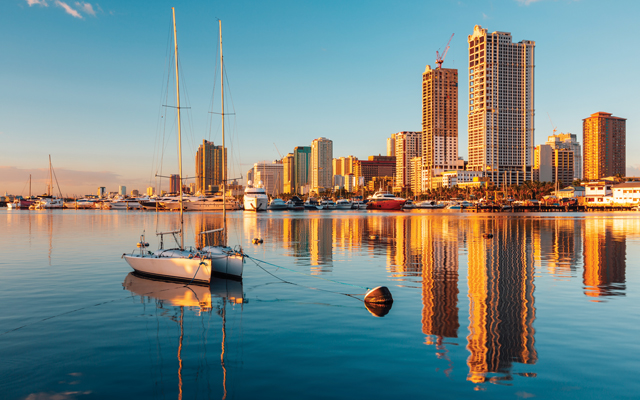
Metro Manila’s selection of halal restaurants is slowly growing
The Philippines
Halal dining is still in its infancy stage in the Philippines, with the Department of Tourism having just undertaken a survey to determine the number of establishments offering halal cuisine and meeting other specific requirements of Muslim travellers.
There are not many halal restaurants in metro Manila, but the numbers are increasing.
To get around limited food options, longer-staying Muslim travellers are opting to stay in serviced apartments and residences so that they can cook their own meals, according to Marlene Insigne, general manager, Southeast Travel Corp, who added that halal-certified food products such as rice, cooking oil and canned goods are available at grocery stalls and supermarkets.
Manila’s serviced residences are not equipped with halal-certified kitchens, although a few like Citadines Bay City Manila and Ascott Makati are able to whip up halal meals upon request and have information on halal cafes, restaurants and meat shops in the area.
As another option, Muslim travellers could seek out restaurants specialising in Middle Eastern and Mediterranean cuisine, where dishes are prepared without pork and lard, said Irene Maliwanag, general manager, im-active Tours, Events, MICE Management and Services.
While Manila has a growing number of such restaurants, Maliwanag said “they are quite expensive (and are located) mainly in four- and five-star hotels and in upscale areas”.
Beyond metro Manila, the lack of halal food options is painfully conspicuous. Maliwanag said a number of popular destinations such as Palawan have no halal restaurants, forcing tour operators to make do by offering separate tables and food for their Muslim guests.
Even in Mindanao, which has the biggest Muslim population in the country, there is only one halal-certified restaurant, Babu Kwan, in Cagayan de Oro, shared hospitality consultant Jerome de la Fuente.
De la Fuente explained that it is “very expensive” to set up a halal kitchen, which has to be separate from the main kitchen.
“It’s like duplicating a completely new set up for a new restaurant. You also have to train the staff as there are specific steps to slaughtering, sourcing and preparing halal food,” he said.
De la Fuente said that in Catholic Philippines, hotels are built and designed for only one kitchen and that it is only recently that halal kitchens are being thought out to cater to the growing Muslim travel market. – Rosa Ocampo
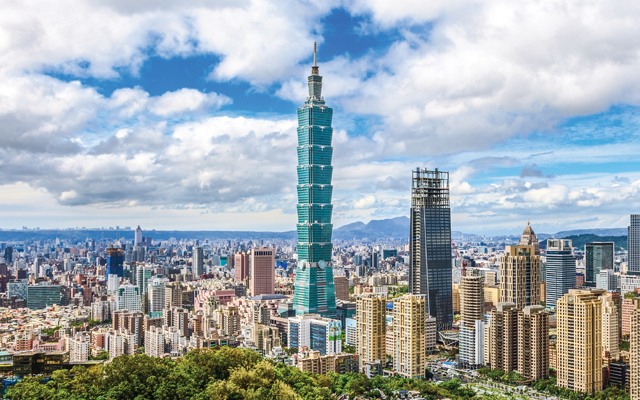
Taiwan ranks high on the GMTI for its readiness for Muslim travellers
Taiwan
Taiwan has always been hungry for Muslim travellers, and this is reflected in it tieing with the UK and Japan for third place on the MasterCard-CrescentRating Global Muslim Travel Index (GMTI) among non-Organisation of Islamic Cooperation countries for 2019.
Trust Lin, director, Taiwan Tourism Bureau (TTB) Singapore office, elaborated how the island has been working actively to welcome more Muslim visitors. For starters, the TTB has a complete list of Muslim-friendly restaurants on its website (eng.taiwan.net.tw/m1.aspx?sNo=0020323), making it easier for Muslim visitors to search for restaurants.
Lin said: “Currently, there are more than 200 restaurants island-wide with Muslim-friendly or halal accreditation, and the number is growing.”
These restaurants are labelled as MR (Muslim Restaurant), MFR (Muslim-friendly Restaurant), MFT (Muslim-friendly Tourism, for hotels), and HK (Halal Kitchen). Accreditation was provided in cooperation with the Chinese Muslim Association, and the labels can be found inside and outside of these restaurants.
“Should they need more information, Muslim travellers can also contact our visitor information centres or (access) the mobile app to locate these restaurants. The app (includes) other Muslim-friendly facilities,” Lin noted.
Aside from providing a satisfying halal meal, Lin pointed to other pertinent travel facilities Taiwan provides for this demographic of travellers. For instance, all international airports, national scenic areas, train stations in Taipei, Kaohsiung, Taichung and Hualien, as well as the Qingshui Service Area on the freeway are equipped with Muslim prayer rooms and washing facilities.
“The local culture embraces different religions, and as a growing number of Muslims are working or living in Taiwan, understanding of Muslim culture has risen not just among business sectors but also among policymakers,” Lin shared.
More recently, the bureau has developed a list of Muslim-friendly leisure farms. – Rachel AJ Lee
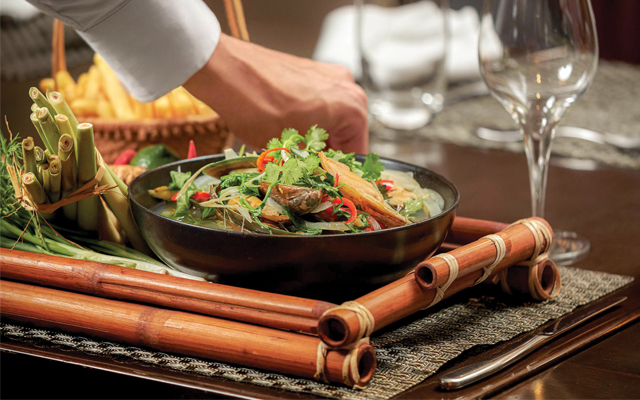
Hotel de l’Opera Hanoi – M Gallery offers a specific halal menu and training
Vietnam
Vietnam needs more halal restaurants away from major tourist hubs to truly whet the appetite of the rising number of Muslim travellers.
Visitors from regional Muslim countries have grown in recent years, brought in by an increase in flight connections. In 2019, 106,688 Indonesians visited Vietnam, a 21.3 per cent year-on-year increase. A total of 606,206 Malaysians travelled to the country, marking a 12.2 per cent hike.
Arrivals from Middle Eastern markets are not available, but Pham Ha, CEO and founder, Luxury Travel Vietnam, which operates halal tours, said the introduction of direct routes through carriers such as Emirates, Etihad, Qatar Airways and Turkish Airlines has piqued the interest of Muslim travellers further afield.
While a trickle of halal-certificated restaurants is cropping up outside major hubs, industry players claim more need to be established to tap into the market’s potential.
Jimmy Nguyen, sales director, Asia Travel Expert, said: “We need more hotels serving halal breakfasts, and more restaurants and facilities catering to Muslim travellers outside the big cities.”
He noted that the majority of Muslim travellers visit Ho Chi Minh City and Hanoi. In Halong Bay, there is one cruise operator offering halal dining, with Danang and Dalat also popular with Muslim travellers. The latter two are speckled with Indian vegetarian options.
Ha added: “It’s not easy to find restaurants that serve Muslim travellers well. Restaurants that serve Muslim clients have been increasing in remote areas, including Sapa, Ninh Binh, Quang Binh, and My Tho, but (they remain) limited.”
Jeanny Duong, sales director, Viet Vision Travel, noted that despite the lack of halal-certified restaurants throughout the country, many local tour operators have designated Muslim teams able to design itineraries that cater to clients’ needs.
Many vegetarian and seafood alternatives are available to make up for the limited halal options.
Added Duong: “Many DMCs in Vietnam have their own marketing campaign to promote Vietnam as a halal destination to the potential markets of Malaysia, Indonesia, the UAE and Kuwait.”
International hotel groups are also ensuring they meet the growing demand. For example, several of Accor’s properties offer either specific halal menus or training for staff on receiving Muslim guests. These include Novotel Halong Bay and Nha Trang, and Hotel de l’Opera Hanoi – MGallery. In many of its other properties, halal menus can be provided upon request. – Marissa Carruthers
Boutique hotel Eaton HK has launched three new staycation packages, ranging from a private cinema experience to a pet-friendly getaway.
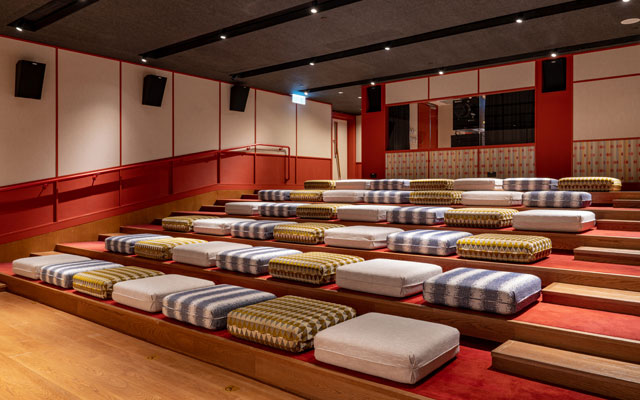
The Big Screen Deal, available for up to four people (from HK$2,800; US$361 for four persons, including accommodation), gives guests private access to the hotel’s movie theatre where they can watch a film or TV series, or play a video game on the big screen.
Guests can enjoy a cinema experience at Eaton HK’s Kino Screening Room with the hotel’s staycation package
Included in the package are a night’s stay in connecting Eaton rooms or a multi-bedroom Family unit, as well as gourmet snacks and soft drinks, with optional meal plans available.
Those with furkids can opt for the Paw-gressive Package (from HK$1,500) which includes an in-room continental breakfast for paw-rents, as well as pet amenities such as gourmet treats, food and water bowls, a dog bed, and plenty of puppy toys. Pups are allowed to roam the hotel’s alfresco dining areas. A choice of Cabin or Studio Room is available.
As well, the hotel offers a Dine + Stay package (from HK$920 per night for two people), which includes a complimentary room upgrade to an Eaton Room, and dining at the hotel’s all-day restaurant The Astor.
A breakfast and dinner package (HK$1270 for two people), featuring a six-course Cantonese supper at Michelin-starred Yat Tung Heen, is also available.
India’s industry players are banking on domestic tourism to revive their sagging fortunes amid travel slowdown, in view that local holidaymakers may prefer to travel domestically in the near term, due to global concerns over the coronavirus pandemic.
The shift towards localism follows Indian prime minister Narendra Modi’s extension of the country’s nationwide lockdown, the biggest in the world covering 1.3 billion people, until May 3.
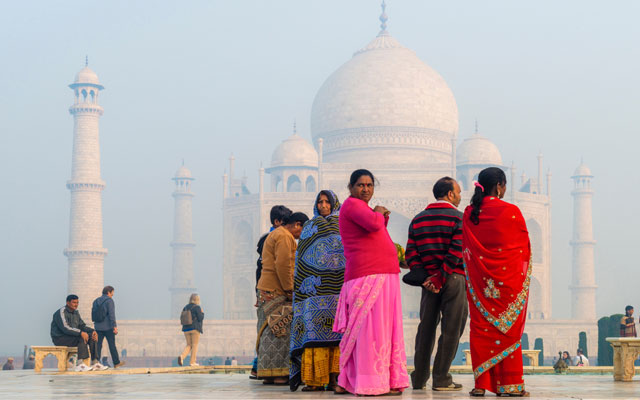
Indian trade eyes domestic tourism amid pandemic; group of Indian tourists in front of Taj Mahal pictured
Tourism stakeholders in India told TTG Asia that post-pandemic, international travel will take a backseat once travel restrictions have been eased or lifted, and domestic tourism will lead the industry’s recovery.
Sarbendra Sarkar, founder and managing director, Cygnett Hotels and Resorts, said: “Internationally, for both business and leisure travel to normalise and to start growing, the larger world economy needs to start healing. Domestic tourism will be the only area of focus for the first few quarters once this pandemic is over.
“Also, considering that India is a key outbound tourism market, there is a good opportunity to attract this segment to domestic destinations.”
With that in mind, some stakeholders are urging the Indian government to do more and offer incentives to spur domestic tourism.
“This is the time that the Ministry of Tourism and state tourism departments should (come together to) brainstorm how to propel domestic tourism once the pandemic goes away,” said Ashwani Lohani, chairman, Andhra Pradesh Tourism Development Corporation.
Jyoti Mayal, president, Travel Agents Association of India, added: “The revival of our industry will begin if the government incentivises domestic travel because this segment will be the first to open business prospects for us. We have already requested the authorities to provide incentives for holding corporate events in India.”
The post-pandemic era will surface a further retreat from globalisation, which will favour domestic and regional travel, with Asia-Pacific likely the first region to see a recovery in travel demand once the Covid-19 situation subsides, accompanied by a projected surge in domestic travel.
Insights released by Sojern revealed that already, South Korea has been exhibiting signs of recovery over the past month, as domestic searches and bookings at hotels for the following months have slowly bounced back. The number of searches are nearly back to last year’s figures, and bookings have been on the rise since the week of February 23.
Domestic and intra-regional travel will lead the recovery of tourism markets, according to a Sojern study
In the larger Asia-Pacific picture, Thailand, New Zealand, Australia and Japan have registered an increase in domestic flight searches for immediate travel in the month of March. While this could signal locals flying back to their hometowns within the country, the trend is worth monitoring.
“Sojern’s data shows that domestic travel will bounce back first,” noted Amber Kuo, director of travel insights & analytics.
“Some parts of Asia-Pacific have been ahead of the world in their vigilance, so we expect that Asia-Pacific will be the first region to recover. Already, China’s situation is largely under control and they are able to schedule domestic flights to fly travellers throughout the country.
“If the rest of the world controls the virus at a slower pace than Asia-Pacific, that means that their economies may recover slower also. Asia-Pacific would at least be able to fall back on rebuilding a vibrant domestic, intra-regional tourism and travel market. At a global level, Asia-Pacific may open up first, followed by Europe, the Middle East, Africa (EMEA) and then the US and Latin America.”
Kuo added that while data may show increasing domestic travel within China, its “mixed signals” do not conclusively signify recovery. For instance, the increase in hotel stays in Beijing could be a result of more people in quarantine, and the influx of Chinese nationals returning from overseas can only definitively indicate successful virus containment.
However, Sojern is keeping a close watch on China for any hints at travel demand picking up. Kuo shared: “Specifically, we are interested to identify increases in domestic flight bookings and hotel bookings throughout many first- and second-tier cities. We are also watching for significant signals of trip planning around upcoming Chinese holidays.”
She asserted that the period immediately after quarantine – when “people will be looking to get out of the house in a variety of ways” – is crucial for travel marketers to ensure visibility as consumers are making decisions.
“It’s in everyone’s best interests that brands are talking to their customers during this time, be it to empathise with them; share stories of what your brand, your customers, or your communities are doing; or to show you are simply still around for when this all passes.
“At a minimum, (companies) should remain aware of domestic and international trends that are changing daily, sometimes hourly. Our data shows travellers are still searching and many are booking trips for 4Q2020 and early 2021. Think about how you want to come across as people start exploring the idea of travel again, and have new creatives ready.”
Examples include Singapore’s hotels recently targeting local interest in staycations, families looking for things to do during the March school holidays and offering room packages to temporarily house displaced Malaysian employees.
Some hoteliers around Asia have also started offering curbside pickup from their restaurants, and certain airlines are announcing winter timetables early, while relaxing cancellation and booking policies to increase consumer confidence and control.
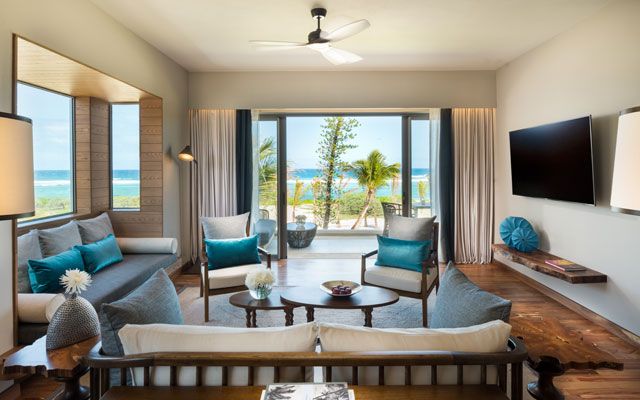
Tucked away on the southeastern coast of Mauritius on Le Chaland Beach, Anantara Iko Mauritius Resort & Villas is a tranquil hideaway offering secluded luxury. Set around manicured tropical gardens, the upscale beachfront hotel offers 164 guestrooms and suites, with eight additional pool villas set to launch in 2H2020. Resort facilities include a 30m infinity pool, four F&B outlets, spa, fitness centre and a library filled with classic fiction and historical and cultural books of Mauritius.
Nirjhara, Indonesia
Sustainable meets luxury at Nirjhara, which sits slightly further afield from the popular Balinese villages of Canggu and Seminyak. Nirjhara means “waterfall” in Sanskrit, which is befitting of the space nestled amidst natural wonder and mere minutes from tourist haven Tanah Lot Temple and scenic beach Pantai Kedungu. The 25-suite luxury hotel in Tabanan offers eight River Pavilions, four River Pool Pavilions, seven Canopy Suites, five Two-Bedroom Pool Villas, and private haven The Residence.
Nirjhara has launched a variety of eco-initiatives. Among others, Ambu, the hotel’s main restaurant, sources over 95 per cent of its ingredients locally, primarily from neighbouring farms in Tabanan. The resort’s menu of spa treatments draws inspiration from Bali’s rich tradition of village healers. Complimentary yoga and meditation classes are also available on-site.
Maven Stylish Hotel Hua Hin, Thailand
MJ One Group by Major Development has launched the Maven Stylish Hotel Hua Hin, located right in the heart of the resort town of Hua Hin, next to the famous Night Market on Petchakasem Road. The 59-key Maven Stylish Hotel Hua Hin offers three types of rooms: Superior, Deluxe and Corner Suite. On-site facilities include a cafe serving Thai delicacies, a pool bar, and a versatile function room. The hotel is located near tourist attractions such as Cicada Market, Hua Hin Market Village, Bluport, Vana Nava Water Jungle, and Hua Hin Beach.
Oakwood Apartments PIK Jakarta, Indonesia
Oakwood, a wholly owned subsidiary of Mapletree Investments, has opened its third property in Jakarta, Indonesia. Oakwood Apartments PIK Jakarta is also the first international serviced apartments brand to debut in the hip culinary district of Pantai Indah Kapuk in North Jakarta. The 151-key property offers direct access to the CBD, and is a 15-minute drive from the Soekarno-Hatta International Airport. Residential facilities include both indoor and outdoor swimming pools, fitness centre, restaurant, as well as a kids’ swimming pool and playground.