

Investor drawn to innovations for travel personalisation, seamless bookings, operation efficiencies

US-based Plug and Play Tech Center, whose mission is to invest in start-ups and connect innovators with industry leaders, is staying committed to backing technologies built for the travel and hospitality industry during the current tourism crisis. However, its area of focus has shifted to solutions that are critical for business continuity in the present landscape.
Speaking at a conference session during the ITB Asia 2020 Virtual Event on October 21, Amir Amidi, managing partner, travel & hospitality revealed that Plug and Play’s investment interest today centres on three areas: personalisation, seamless end-to-end journey, and operation efficiency.

He explained: “Personalisation is an area that is definitely lacking in today’s travel industry when you compare it against others like Brand & Retail and E-commerce. (As for) seamless end-to-end journey, the pre-pandemic practice of having an average leisure traveller in North America going to 30 different websites before booking a hotel room or flight, is wrong. We are interested in backing any technology that helps the traveller feel confident about seeing the best deal on a single website quickly.”
He added: “Operation efficiency is something that will never go away, with or without a pandemic, so we will continue to be interested in technologies that could add to the bottom line and lower costs.”
Detailing specific types of technology that Plug and Play would be keen on, Amir identified solutions that facilitate contactless, seamless journey; screening, tracking and tracing; automation of processes and operations; point of care diagnostics; traveller safety and communications; air purification, UV sterilisation and new materials; restore trust and stimulate demand.
He said these solutions would be crucial for the survival of travel and hospitality sectors in the short term, although some would remain important and relevant even in the long term when the pandemic is over.
Concluding his session, Amir advised start-ups that are looking to do something in the travel and hospitality industry to focus on B2B solutions, and not B2C as they would have to “break the bank” to compete with giants like Expedia and Booking.com for global eyeballs.
“Secondly, do not start a company that is only relevant in light of the pandemic. It should solve a problem today but remain relevant post-pandemic,” he added.
“If you are an existing start-up, look for solutions suitable in today’s environment. A great example is Sherpa, which went through our accelerator programme. It was in the e-visa space but has since developed a dashboard to provide visitors with real-time information on travel restrictions, quarantine rules, Covid-19 hot spots, etc.”
Uniworld Covid-proofs its ships with antiviral spray
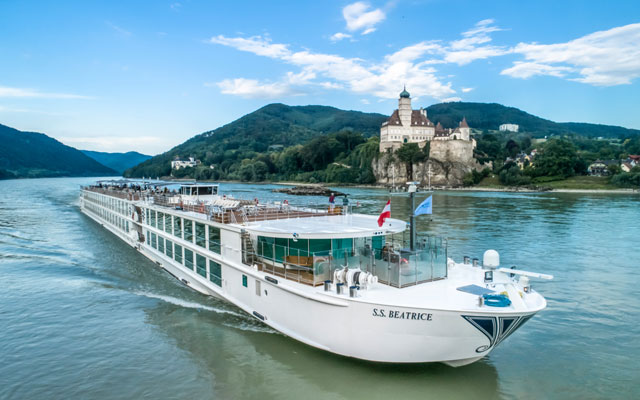
Uniworld Boutique River Cruises has become the first river cruise company to employ antimicrobial coating across all its ships and properties under its sister brand Red Carnation Hotels.
The US-based luxury river cruise line has contracted with Danish company CleanCoat A/S to adopt their ACT CleanCoat solution, which is renowned for its ability to render surfaces self-disinfecting after one application.
According to Uniworld Boutique River Cruises CEO Ellen Bettridge, all ships will be sprayed with the antimicrobial coating that is invisible, odourless, non-toxic and most importantly, kills bacteria and viruses including the coronavirus family.
Sustainable and environmentally friendly, the ACT CleanCoat solution consists of two components: ACT CleanCoat, an annually applied treatment that disinfects surfaces while purifying the air; as well as the use of ACT ECA (electro-chemically activated) Water, which provides the best possible conditions for ACT CleanCoat to maximise its disinfecting effect, while itself acting as a hospital grade disinfectant for regular use.
The antimicrobial coating is in addition to Uniworld’s previously announced enhanced health and safety protocols, including health screenings, contactless payment, reserved seating when dining and other physical distancing measures.
Radisson rolls out new brand targeting independent hotels
Radisson Hotel Group (RHG) has launched a new brand, Radisson Individuals, giving independent hotels and small chains the opportunity to join the global RHG platform.
Member hotels can expect to benefit from international exposure, while retaining their own styles and identities. Radisson Individuals also allows hotels to nurture customer confidence, and access a wider audience through multiple distribution channels and a global sales structure.
By joining the brand, hotels can also benefit from Radisson’s contracting power and economies of scale, as well as leverage the group’s integrated IT and revenue platforms, loyalty programme, and operational systems to increase profit margins.
RHG CEO Federico J. González said: “We created Radisson Individuals in response to the evolving demands of the modern market. Joining Radisson Individuals is an ideal first step for individual hotels with strong service scores who wish to remain independent or may be considering transitioning to one of our successful core brands in the future.
“The new brand is also a strong proposition for local and regional hotel brands seeking to explore additional distribution channels and co-branding options.”
Interested hotels will have to undergo a compliance assessment focusing on four key parameters: health and safety compliance, online rating, fire compliance, and their ability to connect to the group’s main operating systems. Member hotels will also receive training on the group’s “Yes I Can!” service philosophy.
A recovery dream yet fulfilled
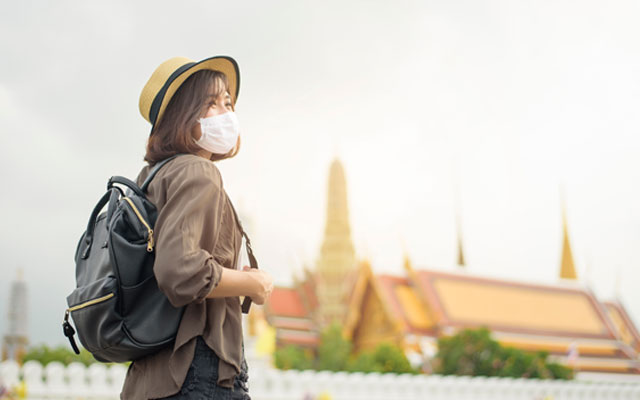
Early predictions by industry observers that meaningful travel would come into favour as tourism recovers, inspired by reflections on life and responsibility to Mother Nature during the lockdown, are turning out to be a dream that is yet to be entirely fulfilled.
In the third article by TTG Asia Media for the PATA Crisis Resource Center, TTG Asia reporters hear from Asian travel and tourism professionals that domestic travel appetite today is being whetted by self-drive opportunities, accessible destinations, island resorts in particular, and attractive promotions. Desire for meaningful travel to support responsible tourism development has been weaker than predicted.
While sustainable tourism development may take a backseat to economic recovery for some industry stakeholders struggling with the current business fallout, leading travel and tourism organisations urge destinations and suppliers to look ahead and make the effort for a sustainable tourism reset.
Will sustainability really be the new tourism? is now available at the PATA Crisis Resource Center.
Singapore, Hong Kong top APAC countries in desire to travel more

Travel remains fundamental for many, and has taken on an even greater meaning in our lives due to the pandemic, according to insights from Booking.com’s annual global survey, The Future of Travel.
Booking.com has identified six predictions and trends for the year ahead, shining a light on the pandemic’s impact on travel habits and perspectives. In total, 20,934 respondents across 28 countries were polled globally.
Wandermust
Over half of (55%) Singapore travellers responded they won’t be comfortable travelling until an effective coronavirus vaccine or treatment is in place, echoing sentiments by Singapore’s transport minister, Ong Ye Kung, who recently stressed the importance of developing a widely available and effective vaccine to help countries open their borders.
However, amid new waves of travel hiatuses, restrictions and continued uncertainty, our innate human desire to travel has not dampened.
During recent lockdowns, two-thirds (63%) of Singapore travellers reported being excited about travelling again. Three-quarters (76%) also noted that they are especially appreciative of travel and wouldn’t take it for granted moving forward, vastly exceeding the global average of 61%. Our time at home has made us crave the world outside more than ever, with over half (53%) of Singapore respondents asserting a heightened desire to see even more of the world.
Notably, Singapore (41%) and Hong Kong (55%) are among the top countries in Asia-Pacific with the most respondents who plan to travel more in the future to make up for lost time in 2020, and this could be due to how both markets have traditionally been more reliant on international travel, given their small size and well-connected geographical location as key aviation hubs for the region.
With this, travel companies should get creative in 2021 with new itineraries and recommendations designed to capture the imaginations of travellers who missed out on trips in 2020, making their next trip more memorable and meaningful.
Vital Value
The economic impact of the coronavirus will inevitably see people demand more value for their bookings in the future. Seventy per cent of Singapore travellers will be more price-conscious when it comes to planning a trip in the future, above the global average of 62%. Fifty-nine per cent of Singaporeans are also more likely to hunt down promotions and savings – behaviours that Booking.com predicts will last years.
But the value Singapore consumers expect will go beyond price tags, with three-quarters (76%) stating they want travel booking platforms to increase their transparency about cancellation policies, refund processes and trip insurance options. Furthermore, 53% of Singapore respondents consider refundable accommodation a must-have for their next trip, exceeding the global average of 46%. Singapore travellers (42%) also value the flexibility to change dates without being charged, more than any other country in the Asia-Pacific region.
While value is crucial, Singapore travellers are also keen to support the industry in its recovery (71%), and most South-east Asian nations exceed the global average in this regard.
Thailand travellers overwhelmingly (82%) want to see how their money is going back into the local economy, exceeding the global average of 55%, and they are especially keen to support their travel destinations’ recovery efforts (84%). As the “Land of Smiles” has long been a popular destination among travellers, and now severely impacted by the lack of tourists in 2020, this may be a reason for their desire to contribute to the local economy and recovery efforts in future travel.
Overall, the industry will need to come together to respond inventively to offer deeper value, better choices, increased flexibility and transparency, as well as more thoughtful experiences for tomorrow’s travellers as they scrutinise spend in 2021 and beyond.
Safety Cleans Up
Echoing global trends, safety will be at the forefront of travellers’ minds moving forward, with 82% of Singapore travellers stating they will take more precautions when travelling in the future due to the coronavirus, slightly exceeding the global average of 79%. Governments, travel associations and providers will have to work cohesively to set consistent standards to help keep travellers safe, and with expectations heightened, some destinations and businesses will need to work harder to regain travellers’ trust.
Sixty-two per cent of Singapore travellers will avoid certain destinations, and 73% expect tourist attractions to adapt to allow for social distancing. At the same time, 73% will only book a particular accommodation if it’s clear what health and hygiene policies it has in place, with three quarters (75%) favouring accommodations that have antibacterial and sanitising products.
In the short-term, there will also be a change in transport preference and provisions, with almost half of global respondents (46%) opting to avoid public transport for fear of contracting the coronavirus. Contrasting global trends, only 18% of Singapore travellers surveyed will avoid public transport for fear of contracting the coronavirus. This reflects a degree of trust and safety that Singaporeans have in public infrastructure, as Singapore continues to handle the pandemic well, with the country’s fatality rate being one of the lowest in the world and new infections in the community kept down.
The ‘new normal’ will also see travellers prioritise and adhere to increased health and safety measures, with many becoming second nature sooner than we think. Just as we have become accustomed to travelling without liquids in our carry-on luggage and removing shoes to go through airport security, more than two-thirds of Singapore respondents (69%) will accept travelling to destinations that have health spot checks on arrival and 64% will accept wearing a mask in public. However, quarantine measures still remain the biggest deterrent, with far fewer (30%) Singapore travellers willing to accept these in order to travel to a particular destination.
Impact Awakening
With nearly half (47%) of Singapore travellers wanting to travel more sustainably in the future, we expect to see a more eco-conscious mindset in 2021 and beyond, as the coronavirus has amped people’s awareness about their impact on the environment and local communities.
More than two-thirds (73%) expect the travel industry to offer more sustainable travel options and travellers will consequently visit alternative destinations in a bid to avoid travelling during peak season (59%) and overcrowding (50%). Some 67% will also stay away from crowded tourist attractions, indicating that destinations will need to adopt new, smart crowd management measures to appease travellers visiting their country.
Furthermore, more Singapore travellers (47%) said they wanted to travel more sustainably, than those who noted they wanted to travel more in the future to make up for lost time (41%). Travellers in Thailand (68%) and Vietnam (59%) echoed the same sentiment, exceeding the global average of 53%. Singapore travellers believe that the industry must adapt to this sustainable mindset for the long-term by offering attractive off-season travel packages (51%) and proposing alternative destinations to prevent overcrowding (38%).
However, although most South-east Asia respondents noted the impact of Covid-19 had inspired them to consider reducing waste and/or recycling their plastic when travelling, they are still less willing to pay for carbon offsetting or avoid a destination because travelling there would be environmentally taxing.
Bye Bye 9-to-5
Working remotely has irreversibly entered the mainstream during the pandemic with the knock-on effect that people will look to take longer trips in the future that more effectively combine work and pleasure. No longer confined to five days a week in an office and desperate for a change of scene from home, we’ll see a significant rise in the “Workcation”, with travellers looking to extend their vacation experience in new locales by staying an extra week or two to work remotely – or conversely factoring holiday around a stint of remote working. Expect laptops to become even more of a mainstay in luggage than ever before.
Half (50%) of Singapore travellers have already considered booking somewhere to stay in order to work from a different destination, exceeding the global average of 37%. This comes as little surprise as Singapore workers are known to be among the hardest-working in the world, according to the number of hours clocked. Some 40% would also be willing to travel to a destination that forces them to self-isolate on arrival if they can work remotely while in quarantine.
While companies will undoubtedly reassess their approach to business travel in the future, workers will continue to maximise the trips they do take, with over half of Singapore travellers (59%) saying they would take the opportunity to extend any business trips to also enjoy leisure time at the destination. In contrast, Japan travellers are the least likely (29%) in the world to do so, and well below the global average of 52%.
Overall trends highlight a need for travel platforms and accommodations to prioritise showcasing home office facilities and Wi-Fi speed in an attempt to attract this new wave of digital nomads. Likewise, the world of corporate travel will see increasing demand for privacy, cleanliness and longer stays among those travelling for business, requiring alternative accommodations to seriously up their ‘work-friendly’ game.
Simple Pleasures
As we learn to live with the stressful consequences of the pandemic, travellers will be keen to embrace a new and stripped-back way of experiencing the world. So much time spent in our own homes with our loved ones has given birth to adjusted priorities and a desire to enjoy more of our natural resources.
Use of simple pleasure-related endorsements such as hiking (94%), clean air (50%), nature (44%) and relaxation (33%) on Booking.com have increased globally since the start of the pandemic, while research shows that over two-thirds of Singapore travellers (71%) will look to appreciate more simple experiences such as spending time outdoors or with the family while on vacation.
Taiwan, Hong Kong, and Thailand travellers are the most likely to seek out more rural, off-the-beaten-track experiences to immerse themselves in the outdoors than any other Asia-Pacific country, as well as the UK and the US. Relaxing trips will also be high on the travel agenda in the ‘new normal’, with more than half of global respondents (51%) saying it was their preferred type of trip, followed by beach breaks (40%) and city trips (29%).
Spain Tourism Board names new head of SE Asia, Australia and New Zealand
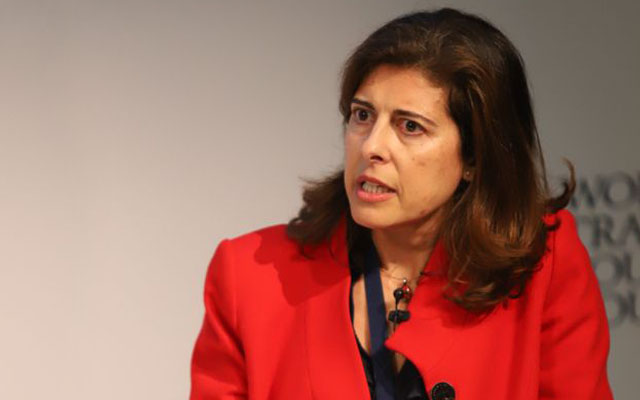
Spain Tourism Board has appointed Monica Sanchez to head its office in Singapore as the new director in charge of South-east Asia, Australia, and New Zealand.
Taking the reins in this time of pandemic, Sanchez shares that her focus at the moment is to maintain Spain’s positioning as one of the most popular tourist destinations worldwide, in addition to highlighting the measures taken by the Spanish tourism sector to adapt to the new normal.
She also aims to support and work closely with operators, agents and airlines within the market – all of whom play a key role in the gradual recovery of the tourism industry from the Covid-19 crisis.
With more than 25 years of experience in tourism, branding, market research and public management, Sanchez has held various leadership and cabinet level positions within the tourism board of Spain – both in America as well as in the Ministry of Industry, Trade and Tourism’s headquarters in Madrid.
She has also served as chief of staff for successive directors general of the Spanish government’s official tourism organisation, Turespaña, as well as for the secretary general for tourism.
Singapore Airlines resumes New York service
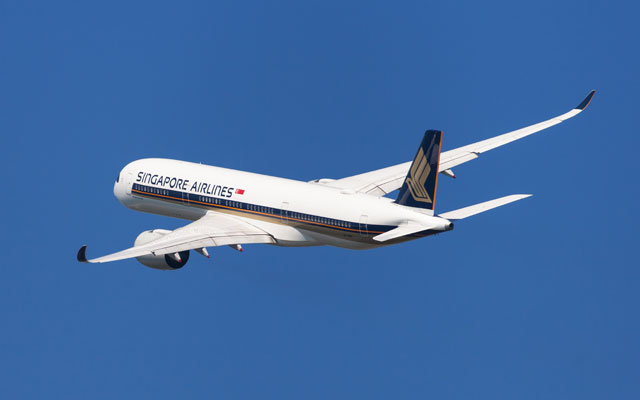
Singapore Airlines will return to New York, the US, on November 9 with thrice-weekly non-stop flights between Singapore Changi Airport and John F. Kennedy International Airport.
The service will be supported by the growing number of transfer passengers who can now transit via Singapore Changi Airport.
An Airbus A350-900 long-range aircraft will be utilised, configured with 42 Business Class, 24 Premium Economy Class and 187 Economy Class seats.
Singapore Airlines said it would continue to review its operations to the US, and assess demand for air travel amid the ongoing pandemic, before deciding whether to reinstate services to other points in the country.
Destination Capital, KTB Securities launch equity trust for hotel investment

Destination Capital and Thailand’s KTB Securities (KTBST SEC) have launched DESCAP 1 Private Equity Trust, which will aim to raise 2.5 billion baht (US$79.9 million) and offer an alternative asset class for investor portfolios.
The trust will acquire freehold four-star hotels of 150 to 250 rooms in prime destinations of Bangkok, Pattaya, Hua Hin and Phuket, which are viewed as destinations expected to rebound the quickest after Covid-19.
The investment strategy is to acquire urban and resort hotels, and then renovate, reposition, and rebrand them to increase their value in order to generate meaningful returns to investors.
Utilising the experience of Destination Group with its 24-year track record in Thailand of buying, managing, and selling hotels, particularly during times of distress, DESCAP1 targets a 15 per cent per annum returns with a five- to seven-year holding period.
James A Kaplan, CEO of Destination Capital, said in a statement: “We are pleased to play such an important role to support the rejuvenation of the Thai travel and tourism industry with the announcement of DESCAP 1 Private Equity Trust. This trust will invest in strategic hospitality assets to facilitate re-employment and hotel re-openings to re-launch Thailand as a preferred global travel destination. This could not have been done without the support of our Trustee (MFC Asset Management) and Trust Manager (KTBST SEC).”
RIU steps up CSR investments
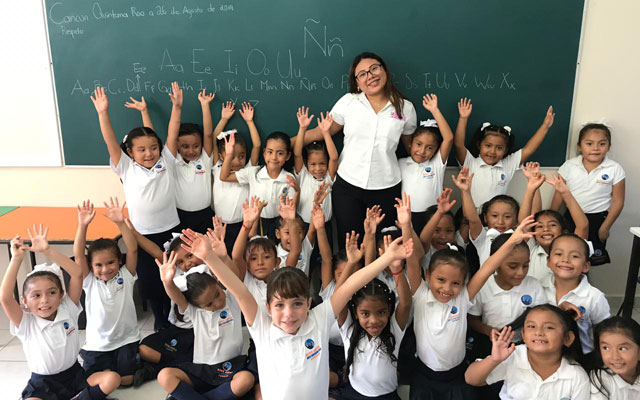
RIU Hotels’ Sustainability Report has identified 1.2 million euros (US$1.4 million) in social and environmental investments in 2019, up 41.2 per cent on 2018.
The projects abided by a social innovation model, focusing on child protection, and the well-being of the local community. The hotel group has also taken a pathway towards a more environmentally responsible hospitality model.
Some of the outcomes of RIU’s work include the establishment of two playrooms in Quintana Roos, Mexico where children can acquire cognitive skills; reforestation of 450 trees and plants with Plant-for-the-Planet on the Canary Islands; and significant reduction in single-use plastics, consumption per guest per night and CO2 emissions across its properties.
CEO Carmen Riu noted that the company “has left behind charity to achieve a mature identity that is bound up with corporate social responsibility”.
The company expressed that “this experience has been vital in tackling the new social situation caused by Covid-19 in relation to CSR, because many projects running this year have been affected by the crisis, and the actions they involve have had to adapt to a new social reality”.
Some of the changes that had to be made this year included conversion of RIU’s face-to-face therapy for minors at risk of social exclusion and their families in Madrid to virtual retreats.
As a result of pandemic disruptions, RIU Hotels expects social and environmental investments to be lower this year compared with previous years. For 2020, it intends to focus on actions aimed at relieving the impact of Covid-19 on the destinations where its hotels are located.
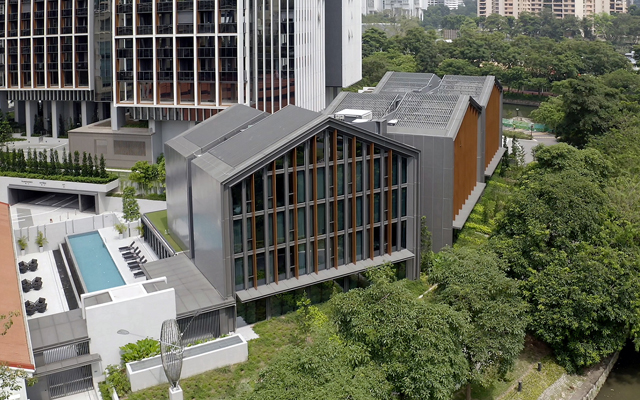







Luxury villa rental company WIMCO Villas has launched WIMCO Privé, a concierge travel service for booking private jet flights, chartering yachts, and renting villas on private islands.
With WIMCO Privé, vacationers can reserve private charter flights from anywhere in the world to private villas in any of WIMCO’s destinations in the Caribbean, Americas, Europe and the South Pacific. ‘Wing to wing’ transfers can also be arranged, where transfers are required to access smaller airports on private islands, avoiding airline terminals entirely.
“In this era of concern about social distancing, having access to private aviation and private villas results in less points of contact with other travellers, reducing the risk of contracting a virus while away from home,” stated WIMCO’s president Stiles Bennet.
In collaboration with charter provider Tradewind Aviation, WIMCO Privé offers holidaymakers a private, luxurious and crowd-free travel experience from their home airport to their private villa rental.
Customers can choose from private jets for parties of any size, ranging from light jets (6-7 passengers) and mid-sized jets (up to 9 passengers) to large cabin (up to 15 passengers) and airliner (60 passengers).
With WIMCO Privé, a vacationer can also request quotes on chartering private yachts of any size and configuration, from any part of the world. Once a yacht is selected, a travel concierge will work with the client to pre-stock and equip the boat to their specifications, arrange flights to the destination where the travelling party will board the yacht, and consult on customised itineraries.