

Brought to you by Holiday Inn Express Kota Kinabalu City Centre
New hotels: Dusit Thani Laguna Singapore, Novotel Hanoi Thai Ha, and more
TTG Asia goes on festive break

TTG Asia will be taking a long-awaited break from December 4 after a year of unprecedented challenges. We’ll be back on January 4, 2021, but in the interim, we’ll continue to bring you the most breaking news in the travel trade.
The entire TTG Asia Media team wishes all our readers a happy and healthy holiday!
Norwegian Cruise Line readies inspiring campaign for 2021
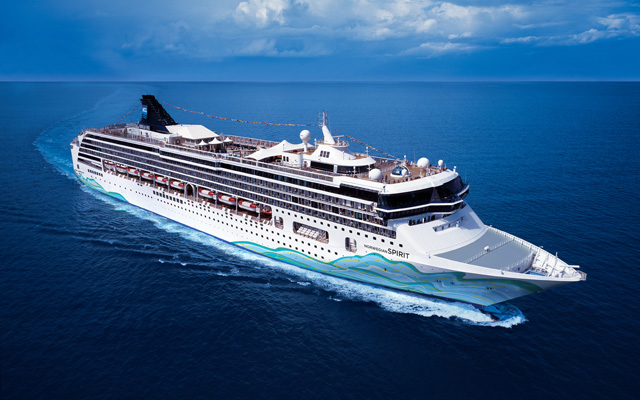
Norwegian Cruise Line (NCL) is set for a new “emotion-driven” campaign come 2021, which will motivate Asian travellers towards a cruise holiday.
This comes on the back of an intense customer sentiment study that started in April 2020, which found that consumers were determined to return to travel and wanted to begin planning for future trips during the government-imposed lockdown, explained Ben Angell, vice president and managing director, APAC, during a hybrid press conference for select media on December 2.
That strong desire for travel was reflected in forward booking spikes in markets such as the UK, Australia and the Asia region despite pandemic challenges, Angell said.
“Customers told us that they want to stand by us and see us succeed,” shared Angell, adding that Asian markets are now contributing 80 per cent of advance bookings for NCL’s 2022 and 2023 sailings.
According to Angell, the new advertising campaign, bearing the slogan “Break free” and accompanied by British rock band Queen’s I Want to Break Free song, will be a “departure from NCL’s usual style of advertising” and aims to inspire consumers to “get excited now about their next holiday experience”.
The video advertisement accompanying the new campaign will project NCL’s key selling points – a young fleet that is rich in onboard experiences.
Angell said NCL has “not done enough” in the past years to convey the cruise line’s unique propositions, and the latest campaign will strengthen its market presence.
Backing the campaign’s promise is an Asian deployment of the newly-refurbished Norwegian Spirit and Norwegian Sun in end-2021.
Angell expressed particular excitement over Norwegian Spirit, emphasising its “adult-centric and laidback luxury” appeal, with an “upsized spa” among its many highlights.
He also expressed a deep commitment to the Asian cruising market, which the company expects to fill its Asian sailings in a post-lockdown era. To tap “significant growth opportunities” in the region, NCL recently brought travel and tourism industry veteran, Nicholas Lim, into the role of general manager, sales Asia.
Based in Singapore, Lim was last president (Asia) of Trafalgar Travel and managing director of The Travel Corporation, where he played a crucial role in boosting the company’s Asian presence while mapping out growth strategies for all market segments in the region.
Angell added that Lim has “extensive experience” in Asian markets that NCL is keen on developing.
Sustainable tourism a big drawcard for luxury travellers

Tourism players are being urged not to forget sustainability amid the pandemic as research reveals it remains a top priority for luxury travellers.
Speaking at the virtual ILTM World Tour Asia Pacific, Meryam Schneider, vice president of marketing and partnerships at luxury and wealth researcher ALTIANT, said the Covid-19 crisis has highlighted the importance of tackling climate change, propelling the issue to the forefront of affluent travellers’ minds.
Said Schneider: “While Covid-19 has impacted most of our lives, improved air quality and thriving wildlife have been two of the few upsides. This has raised concern for some luxury consumers, and as such, there are more demands being made for brands to acknowledge and act to alleviate climate concerns.”
Research carried out in 3Q2020 by ALTIANT reveals on a scale of one to five, 56 per cent of overall respondents, comprising high-net-worth individuals (HNWIs) and ultra-high-net-worth individuals (UHNWIs), rate sustainability as four or five in importance. Across Asia and Europe, this figure rose to 63 per cent.
Schneider added: “This indicates many consumers do recognise the ongoing need for environmental focus and that it remains important, despite other priorities and concerns. Specifically, for travel, there are opportunities to tap into this green mindset.”
Despite the economic instability arising from Covid-19, the survey reveals many high-spenders are prepared to pay more for sustainable luxury. Overall, 49 per cent said they are willing to spend up to 10 per cent more for sustainable and ethical luxury. In Asia, this sits at 38 per cent and 29 per cent in Europe.
Sustainability has been ranked a top priority for Myanmar once travel resumes. Home to the abundant open spaces and untapped nature travellers are predicted to desire, the destination’s stakeholders are working together to push sustainability.
A white paper titled Tourism and Covid-19 in Myanmar: Priorities for Restarting Tourism outlines a series of measures to stimulate the industry once borders reopen, with the country positioning itself as a leading sustainable destination. The paper also recommends Myanmar targets valuable visitors, including high-end travellers.
May Myat Mon Win, Myanmar Tourism Marketing advisor, said: “The focus on reopening tourism is very much centred on opening in a steady and sustainable way. The Covid-19 period meant national parks were closed and nature had time to rebound. We even made worldwide news with the discovery of a new monkey species in Popa National Park – the Popa langur.”
The country’s Ministry of Hotels and Tourism has also been working with several organisations to equip the industry with the skills needed to service affluent clients. Said Win: “I’m sure the level of service clients will experience when visiting Myanmar will be unparalleled to any other luxury destination.”
Willem Niemeijer, CEO and founder of Khiri Travel and Yanna Ventures, said the tourism industry has been a huge game-changer with regard to tackling environmental issues and it is essential the importance of sustainability is not forgotten in the wake of Covid-19.
Said Niemeijer: “The tourism industry has been a massive influencer to make changes in issues such as tackling single-use plastic and food waste. It now needs to step up to proactively contribute to reforestation, carbon reduction in operations, and so on.”
Luxury travellers are willing to splash their cash on elements such as “organic, healthy food and remote locations that allow them to unplug and declutter”, he added.
However, Niemeijer advised tourism suppliers to ensure that weaving sustainability into their product line does not dilute the quality and experience. “As with plastics and hygiene measures, travellers will expect organisations to do all these things, and (still) deliver on a high-quality product. No corner-cutting,” he said.
Echoing this sentiment, Schneider stressed: “It’s important that (sustainability) is done with credibility as these customers are often aware of green-washing and are looking for authenticity and real social and ethical responsibility.”
She added that if done properly, investing in sustainability will be offset as luxury travellers are willing to pay more to reach their desired standards. Noted Schneider: “The importance of sustainability is ramping up and professionals in the luxury travel industry, booking agents as well as hotel and resorts, will be well rewarded by finding ways to integrate it into their strategy.”
Arnfinn Oines, social and environmental conscience for Soneva Group, said costs spent on being more sustainable come with financial rewards. For example, in 2019, three of the sustainable luxury resort operator’s properties generated more than US$500,000 through innovative waste management strategies. This includes leftover food being transformed into compost and turning Styrofoam packing into lightweight construction blocks.
Said Oines: “Simply eliminating plastic bottles by bottling your own water and serving it to guests reduces costs and looking at waste as a resource rather than something to throw away saves money. A lot of sustainable practises are financially much better.”
GTEF 2020 to bring tourism innovation into focus

The Global Tourism Economy Forum (GTEF) – Macao 2020 will be held in a hybrid format on December 9, with a focus on the strategies for restoring travellers’ confidence and reinventing the tourism industry devastated by the pandemic.
Under the theme of Solidarity and Innovation: Reshaping Tourism in the New Global Economy, this year’s edition of GTEF will lead a confluence of online and offline engagement for the first time.
Into its ninth edition, GTEF will bring together some 30 mainland, local and international government and industry leaders as well as international tourism organisation leaders to proffer creative insights and strategies on tourism development, tourism and economic recovery, destination marketing and business operation, and more.
The Forum’s programme will encompass special keynotes, sessions and dialogues alongside featured interviews. Topics include Public Private Partnerships for Restarting Tourism Economy, Air Travel under the New Normal and Solidarity to Reshape the Tourism Economy. The session on Public Private Partnerships for Tourism Economic Revival will highlight Macau’s success story.
Held in partnership with the Pacific Asia Travel Association, a special session will feature the best practices from across the Asia-Pacific region to drive the recovery of the global tourism economy. During this session, the best practices collected will showcase optimal crisis communication plans, strategies to support SMEs, as well as strategies adopted by tour operators and hospitality businesses to achieve sustainable business renewal. The session will also feature a discussion with experts on the sentiment of Chinese outbound travellers and how a greater understanding of this market’s preferences can help in global tourism’s recovery.
The World Tourism Organization and GTEF’s coordinator, the Global Tourism Economy Research Centre, will deliver the 7th joint report on Asia Tourism Trends. The publication not only analyses the latest tourism trends and outlook in Asia-Pacific, but also unveils how countries in Asia have adopted various measures to mitigate the impact of Covid-19 and stimulate economic recovery, including a special case study on Macau. The report also highlights the significance of tourism and community development and points to the potential of rural tourism.
The Forum will also feature a special keynote session, titled China Story: This is Hubei; This is Wuhan, where Hubei will share the heartening story of the province’s road to recovery in the wake of the pandemic.
Another highlight of GTEF is the Business Matching Session hosted by the Macao Trade and Investment Promotion Institute. The session will debut its one-stop online business matching platform that enables business introduction, matchmaking, appointment making and meeting online.
Deutsche Hospitality brings Steigenberger to China
Deutsche Hospitality is set to open a pair of Steigenberger-branded hotels in Haiyan on the South China Sea coast at the start of 2022.
Situated 100km southwest of Shanghai, both properties are being developed as part of the Hangzhou Bay Sunac Cultural Tourism City, a new tourist and cultural destination which is currently under construction. The hotels will be built on a 291ha location which will also be home to four leisure parks, a shopping centre and a residential district.
An exclusive partnership agreement was signed between Marc Cherrier, COO of Steigenberger Hotels & Resorts at Huazhu, and Yang Wenhu, general manager of Hangzhou Bay Sunac Cultural City, during a ceremonial inspection visit to the construction site at Hangzhou Bay.
The two hotels, to be jointly developed by Deutsche Hospitality and its shareholder Huazhu, will comprise the 227-key Steigenberger Classic Hotel featuring a European-style luxury concept and the Steigenberger Future Hotel offering around 300 rooms boasting state-of-the-art technical equipment.
Queensland lures interstate visitors with major tourism blitz
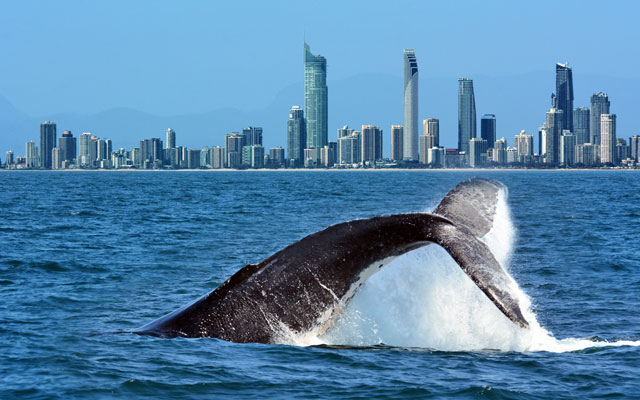
The Queensland government has rolled out a major tourism campaign in the state’s largest domestic tourism markets as its border reopens to New South Wales and Victoria this week.
The campaign comes as new data reveals the government’s successful Good to Go campaign has already driven 11 million visitor nights and pumped A$1.5 billion (US$1.1b) into Queensland’s economy.
Premier Annastacia Palaszczuk said an upcoming campaign blitz would reach 8.3 million people in New South Wales and Victoria.
She said: “Coronavirus has had a huge impact on our tourism industry. We understand that more tourists means more jobs. This marketing blitz will safeguard jobs and help thousands of tourism businesses right throughout the state to make the most of the important summer holiday period.”
Treasurer Cameron Dick said this latest campaign was part of more than half-a-billion dollars the government has invested in tourism recovery since the beginning of the coronavirus pandemic.
“This is a great step towards our recovery,” he said. “I look forward to seeing many ‘no vacancy’ signs right around the state this summer, especially in regions like Cairns and the Gold Coast that have been particularly hard hit by Covid-19.
“Australians spent A$53.8 billion last year on international trips. This campaign will enable us to tap into pent-up demand for travel among tourists in New South Wales and Victoria.”
Tourism industry development minister Stirling Hinchliffe said the campaign would inspire interstate visitors to stay longer and spend more in Queensland.
“This campaign will showcase the breadth of experiences on offer in Queensland to encourage a longer stay – in place of an international holiday,” he said.
“Queensland is one of the world’s favourite holiday destinations and we know interstate visitors have been dreaming of a Queensland holiday most of the year. This campaign aims to convert that desire into bookings over the whole summer period, with a second burst in early 2021 to support bookings later into the new year.”
Vietnam, Laos resume flights
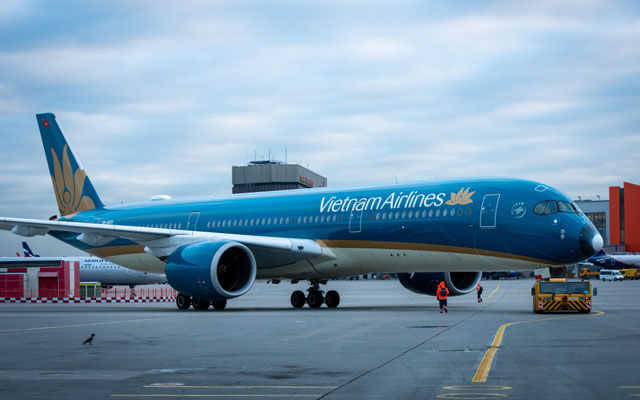
Vietnam and Laos have restarted commercial flights between the two countries, following months of suspension due to the Covid-19 pandemic.
The inaugural flight between Hanoi and Vientiane was operated by national flag carrier Vietnam Airlines from November 29-30, at the time of Vietnamese deputy prime minister and foreign minister Pham Binh Minh’s visit to Laos, reported the Hanoi Times.
Minh had visited Laos to co-chair the seventh annual foreign ministerial-level political consultation with Lao foreign minister Saleumxay Kommasith, and boost the implementation of key joint projects between the two countries, according to the report.
As of December 1, Vietnam has reported 1,351 Covid-19 infections and 35 deaths, while Laos has had 39 cases and no deaths.
On Tuesday, Vietnam prime minister Nguyen Xuan Phuc ordered a temporary halt to all inbound international commercial flights to bring Vietnamese stranded in Japan, South Korea and Taiwan home, after the emergence of the nation’s first local coronavirus cases in nearly three months, reported VnExpress International. As of 18.00 on Tuesday, the Health Ministry confirmed five new patients.
According to the Civil Aviation Authority of Vietnam, around 30,000 Vietnamese nationals wish to return home from Japan and 15,000 each from South Korea and Taiwan, Vietnam’s three largest labour markets.
Citizens seeking to return home now have to contact Vietnamese embassies and fly on 10 repatriation flights a month to be operated from the three places, and have to be quarantined upon arrival, said the report.
Vietnam suspended international commercial flights on March 25 amid the pandemic, and have yet to resume them.
Currently, Vietnam Airlines is the only carrier in Vietnam to operate the Hanoi-Vientiane route. Prior to the pandemic, other international carriers like Lao Airlines, Bangkok Airways and Thai Airways also operated this route.
The First IHG hotel in East Malaysia
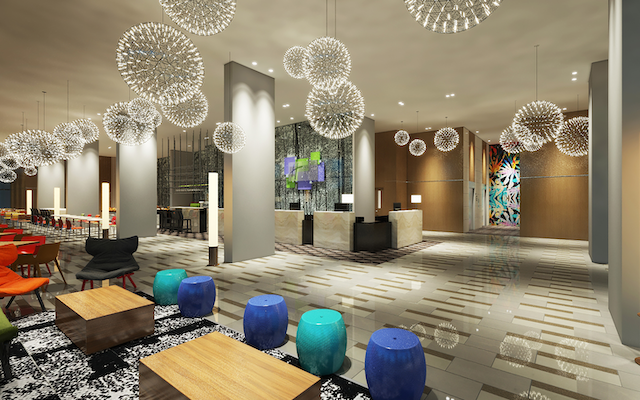
The first IHG hotel in East Malaysia is set to open in December 2020. This new, contemporary hotel in the heart of Sabah’s bustling capital city, offers clean, comfortable and convenient stays, making it the best value at the best location.
We are committed to the IHG Clean Promise, and have enhanced the experience for you by redefining cleanliness and supporting your wellbeing throughout your stay. We have implemented a more rigorous cleaning regime and partnered with industry leading experts Cleveland Clinic, Ecolab and Diversey to deliver our commitment to clean. Learn more about this here.
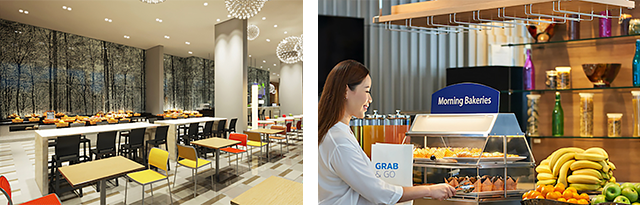
Start your day right with our free Express Start breakfast or just Grab & Go if you are in a hurry, while being connected with Wi-Fi access throughout your stay. Just a short drive to Jesselton Point Ferry Terminal, enjoy island-hopping at Tunku Abdul Rahman Marine Park, or go for a world-class scuba diving experience and other water sports activities there.
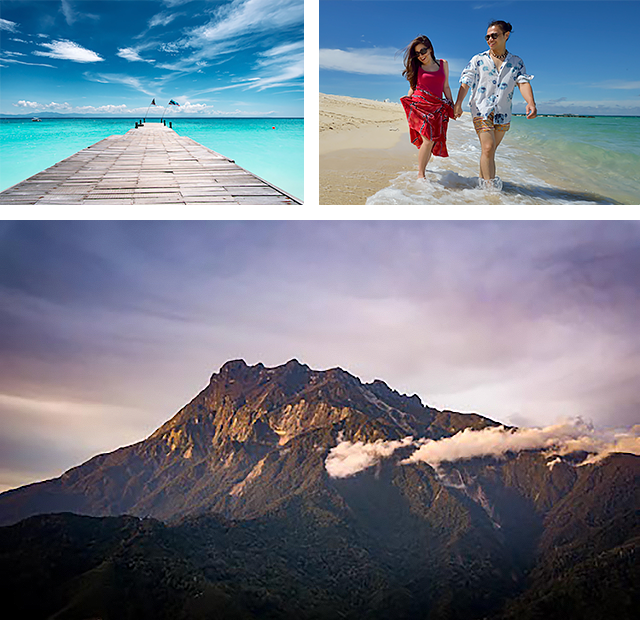
If you have a keen interest in heritage tourism, explore the rich history at Mari Mari Culture Village or the world renowned UNESCO World Heritage Site Kinabalu National Park, home to the majestic Mount Kinabalu.
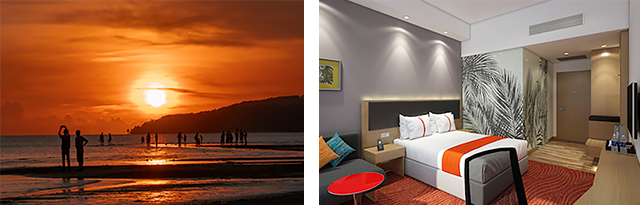
Wind down with an ice-cold beverage while watching one of the most captivating sunsets in the world at Kota Kinabalu City Waterfront. Complete your perfectly curated day with our refreshing power showers and fluffy towels to revitalise yourself in preparation for a great night’s sleep with our high-quality bedding with a choice of firm or soft pillows.
Whether you are here for an adventure-filled escapade, an educational holiday or both, you can have it your way when you stay at Holiday Inn Express Kota Kinabalu City Centre.
The way forward
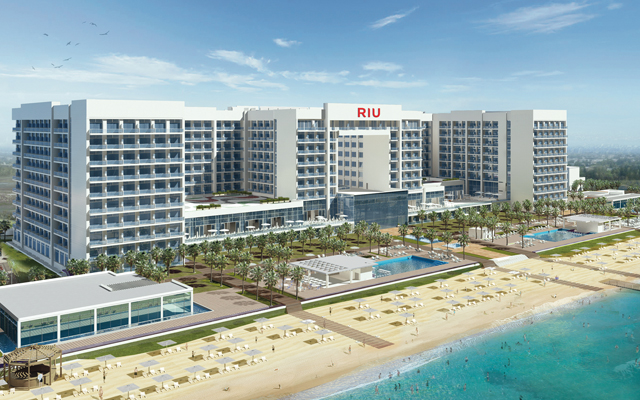
The proverbial saying, when life hands you lemons, make lemonade, could not have rang truer for RIU Hotels & Resorts. As the pandemic ravaged global travel and forced all of its hotels into temporary closure, the company used the opportunity to step up health, safety and cleanliness standards for its properties.
It developed a manual for post-pandemic operations with Preverisk Group, an international consultant specialising in health and safety consulting, auditing and training for the global tourism industry.
Up to 17 protocols were created or modified from existing standard operating procedures by the RIU team.
In addition, 62 of its 99 hotels audited by Preverisk Group have attained hygiene response certification for satisfying measures aimed at preventing or mitigating the possible spread of Covid-19 outbreaks among guests, staff and visitors.
Meanwhile, to maintain a brand presence, the hotel company launched RIU Pro to facilitate travel agents’ work in marketing the brand, with all sales and marketing tools as well as current corporate information available on a single website, explained Luis Riu Güell, CEO of RIU Hotels & Resorts.
Riu is also moving ahead with new openings. Soon to come in December 2020 is Hotel Riu Dubai on the Deira Islands, a joint venture with renowned Emirati developer, Nakheel.
The four-star beachfront resort with 800 rooms will check a couple of milestones for RIU – a first in the destination, the only 24-hour all-inclusive hotel in the city, and its 100th establishment worldwide.
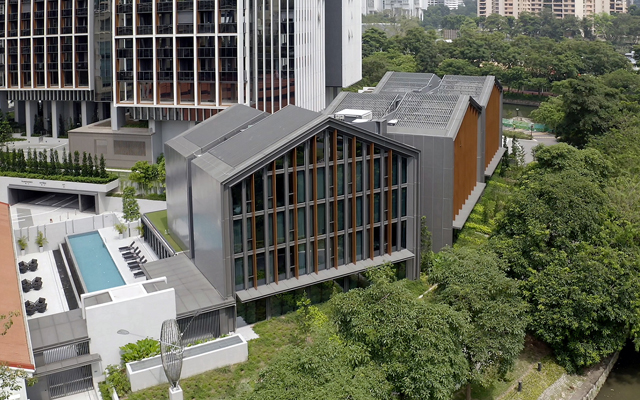







Dusit Thani Laguna Singapore, Singapore
Thailand’s Dusit International has expanded into Singapore with the opening of Dusit Thani Laguna Singapore in the heart of the Laguna National Golf & Country Club, one of the island nation’s premier golf and country clubs. Comprising 198 rooms and suites, plus eight pavilions with private pools, and located just 10 minutes by car from Jewel Changi Airport and 15 minutes from Downtown, the resort is the first in Singapore to offer direct access to a pair of championship golf courses.
Opening initially to domestic guests on December 4, 2020, the resort has been designed to cater to avid golfers, local families, and business and leisure travellers. Current dining facilities include Greenhouse all-day dining, Tee Deck alfresco pool bar and grill, Legends Bar, and Dusit Gourmet.
Guests also have access to a 24-hour gym, three tennis courts, three swimming pools, a nine-hole putting green, Laguna Practice powered by Toptracer driving range, and Devarana Wellness. Alongside providing traditional Thai massage and health and beauty therapies, the latter facility also offers a range of wellness activities, such as meditation, yoga, active stretching, and breath-work exercises. For corporate functions and events, the resort boasts a boardroom, three meeting rooms, three event lawns, and a pillarless ballroom with capacity for 520 guests, depending on distancing requirements.
Novotel Hanoi Thai Ha, Vietnam
Located in the heart of the bustling Dong Da District, Novotel Hanoi Thai Ha is Accor’s seventh property in the Vietnamese capital. The hotel offers 338 rooms, studios, apartments and suites, providing guests with an ideal home away from home for both short and extended stays.
For dining, all-day restaurant Food Exchange offers a breakfast and lunch buffet alongside a la carte options, while Gourmet Bar serves up healthy sandwiches, salads and light snacks. Overlooking the skyline, Rooftop Bar presents a selection of cocktails, mocktails and wines with light dishes. Snacks and beverages are also available at the poolside bar, Aqua. Leisure facilities include a kids’ room, fitness centre, outdoor heated swimming pools, sauna and Jacuzzi. For events and conferences, the property boasts eleven meeting rooms that can host up to 480 guests.
Hotel The Mitsui Kyoto, Japan
The Luxury Collection, part of Marriott International, has opened the Hotel The Mitsui Kyoto, A Luxury Collection Hotel & Spa in the heart of Japan’s ancient capital. Once the private residence of the aristocratic Mitsui family, the property’s 300-year-old main entrance, the Kajiimiya Gate, still stands today to welcome modern global explorers. Hotel The Mitsui Kyoto is the only luxury hotel in the city centre with its own natural hot spring drawn from the thermal waters deep below ground.
The hotel offers 161 guestrooms and suites, including a pair of Onsen Suites featuring separate living rooms, private gardens and outdoor hot spring baths. F&B venues include signature teppan restaurant Toki, Italian restaurant Forni, The Garden Bar offering afternoon tea and cocktails, and Shiki-no-ma for an exclusive dining experience. Spanning over 1,000m2 of space, the hotel’s Thermal Spring Spa houses a thermal onsen spring, two private onsen facilities, four spa treatment rooms and a gym.
Adina Apartment Hotel Melbourne Southbank, Australia
Standing out for its green credentials, the Bates Smart-designed Adina Apartment Hotel Melbourne Southbank – owned and developed by independent investment house Hume Partners and operated by TFE Hotels – will appeal to eco-savvy travellers seeking a city escape. For starters, the usage of 5,300 tonnes of cross-laminated timber to build the property helps off-set about 4,200 tonnes of carbon dioxide from the atmosphere.
Situated at the intersection of Southbank Boulevard and City Road, the 10-storey, 220-room property offers 70 studio apartments, 140 one-bedroom apartments, and 10 two-bedroom apartments – all with fully-equipped kitchen and laundry facilities and lounge/dining areas. Guests also benefit from full hotel services including 24-hour reception, meeting facilities and leisure amenities such as a 20m indoor lap pool and gym.
The Connaught, New Delhi, India
The Indian Hotels Company, which runs the Taj Group of luxury hotels, has opened The Connaught, New Delhi. Situated in the capital city’s prime area, Lutyens, The Connaught is a part of the SeleQtions brand – a named collection of hotels and resorts. The hotel houses 104 rooms conceptualised by Swedish designer, Christian Lundwall, of LWA. F&B options include all-day diner, The Hub, serving global and local cuisines, including some of Delhi’s legendary favourites. The restaurant opens into an al fresco dining venue, and also extends into a cocktail bar. Spaces for business conferences or social events include a 185m2 open air terrace.