


Malaysia Productivity Corporation (MPC), an agency under the Ministry of International Trade & Industry, plans to work with all tourism associations nationwide to get their members to undergo its tourism certification programme designed to ensure compliance to SOPs and hygiene practices in the new normal.
The certification programme covers seven areas, namely, compliance to standard operating procedures, restarting operations, ensuring staff readiness, managing operational readiness, promoting safety and cleanliness, building trust and confidence, and integrating technology such as e-payments into the business.
To date, 88 companies have been certified under the A+A Covid-19 Tourism Certification Programme. The “A+A” stands for Adopt and Adhere, with regards to post-Covid guidelines for tourism companies. The scheme was soft launched last October, ahead of a full rollout later this month.
Speaking to TTG Asia, Tourism Productivity Nexus (TPN) chairman, Uzaidi Udanis, stressed on the importance of the A+A Covid-19 Tourism Certification Programme in getting the industry ready for the reopening of the country’s border. TPN is an industry-led establishment under the purview of MPC, as part of the Malaysia Productivity Blueprint.
Uzaidi said: “My concern is not so much the big tourism players like the five-star hotels who are complying with the SOPs set by the government, but the micro, small and medium-sized companies such as the souvenir shops, restaurants, as well as boat, jetty and ferry operators.
“They think as long as customers wear face masks and record their details when entering the premises, all is fine. But much more than that should be done. The programme will assist tourism businesses in Malaysia to safely operate their business while rebuilding consumer confidence and trust.”
Correction: Our initial report stated that 65 companies have been certified under the A+A Covid-19 Tourism Certification Programme. The correct number should be 88.


 An Azerbaijani national, Ilyaszade is a seasoned Asia hand, having opened 10 hotels and resorts across Asia and the Middle East for Banyan Tree and Pan Pacific over the past 15 years.


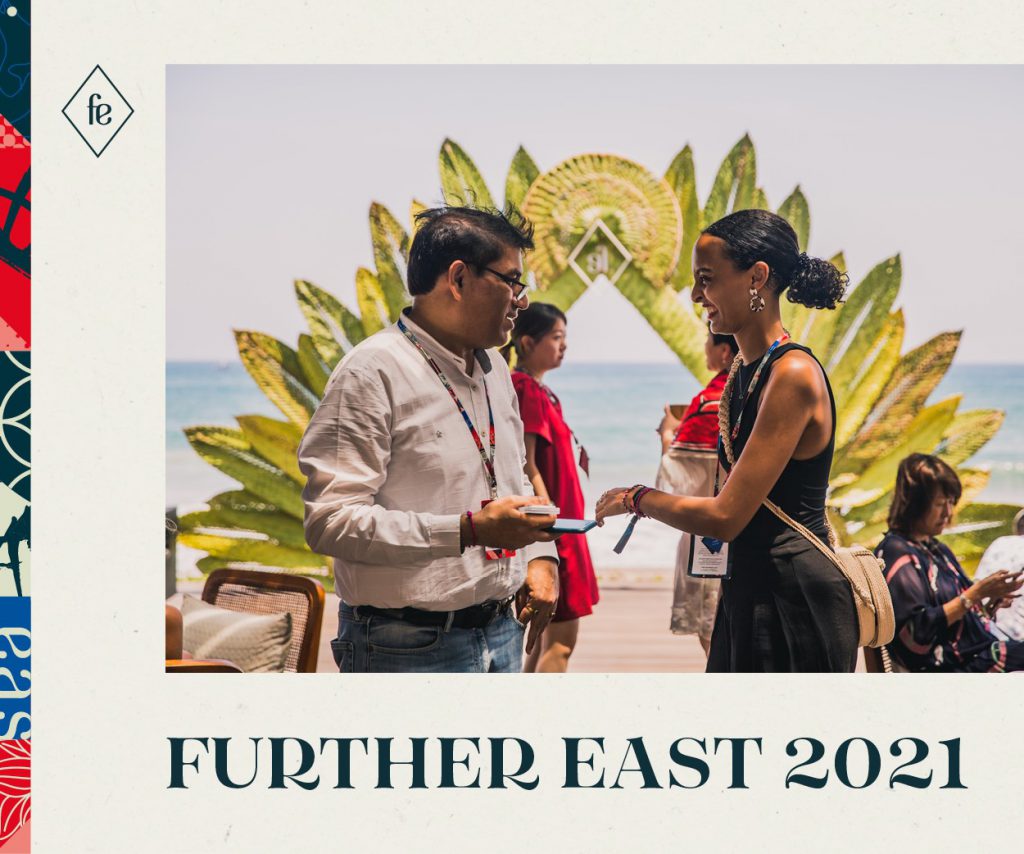
 FURTHER EAST







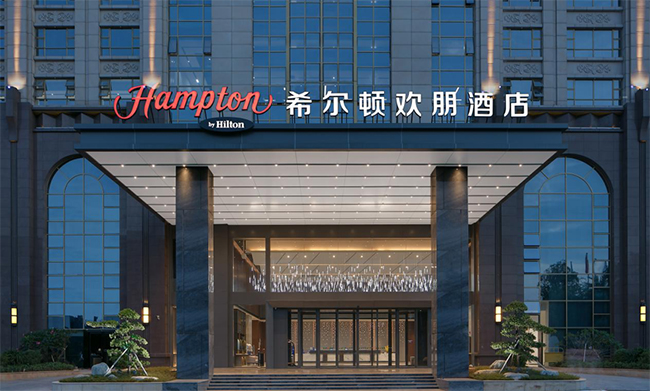
Hilton and Jin Jiang International has extended the Hampton by Hilton management license agreement, with the goal of operating more than 600 hotels under the brand in China by 2034.
The exclusive license agreement between Hilton and Plateno, which has since been acquired by Jin Jiang, was first signed in 2014 to tap into the potential of China’s mid-scale hotel market.
Building on the original 10-year partnership, the extension is expected to help Hampton by Hilton maintain its edge in the highly competitive mid-scale hotel sector in Hilton’s top priority market, China.
Currently, in China, there are 155 Hampton hotels in operation, with over 350 in the development pipeline.