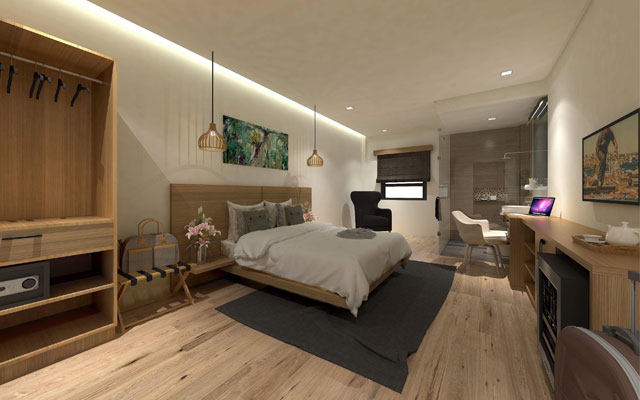
Rendering of a guestroom at the upcoming hotel in Clark
Come 2019, Radisson Hotel Group and Best Western Hotels & Resorts will be opening one property each in Iloilo and Angeles City respectively.
The Radisson Hotel Group is scheduled to open its third Park Inn by Radisson hotel in 1Q2019. Standing next to the SM City Iloilo in Mandurriao, the hotel is a 20-minute drive from Iloilo International Airport.
Rendering of a guestroom at the upcoming Best Western hotel in Clark
The Park Inn by Radisson Iloilo will offer 200 keys, as well as facilities such as an all-day dining restaurant, a self-serve section for on-the-go goodies, gym, and swimming pool. For events, its main function room can accommodate a maximum of 100 guests, while the al fresco space by the poolside can cater to smaller evening functions.
The Radisson group currently has 22 hotels in operation and under development in the Asia-Pacific region.
Over in Angeles City, a tourist destination near Manila, the SureStay Plus by Best Western Regency Angeles City Clark will feature 56 guestrooms with an array of amenities which include an outdoor pool, restaurant, cafe, and business services.
The property is slated to open in 2Q2019 on Surla Street, and is the first SureStay-branded hotel in the Philippines.
Best Western currently operates five hotels and resorts all across the Philippines.
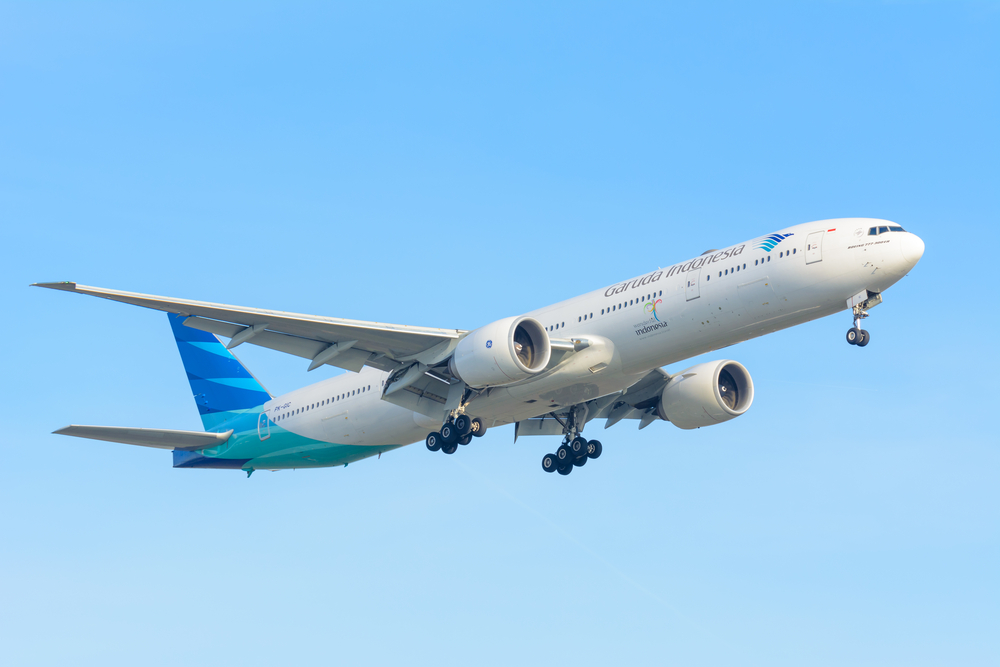
Garuda Indonesia will restart its Jakarta-London Heathrow direct services on December 13, after suspending the service on October 29.
The thrice-weekly flights will utilise the Boeing 777-300ER, and will offer two classes.
Ari Askhara, president director of Garuda Indonesia, said in a statement that the reopening of the route was made possible following the company’s cost structure management.
“The reopening of the service is also part of Garuda’s move to develop the international route network, especially when the Indonesia to UK traffic is growing in line with the UK market to Indonesia,” Ari said.
Data from Statistics Indonesia showed that the number of arrivals from UK to Indonesia, particularly via Bali, ranked fourth after China, Australia and India. It also revealed that between January and September 2018, arrivals from UK reached 210,062, which was nine per cent higher than the same period last year.
While acknowledging the bulk of the UK traffic headed to Bali, the announcement made no mention of any Garuda service to Bali.
Instead, Ari said: “We are confident that the growth of arrivals (to Indonesia) has the potential to support the development of (Garuda’s) Jakarta-London service.”
The Indonesian flag carrier also expects that the service will help capture the Kangaroo route between Australia and Europe.
The Inside Access offers bespoke dining and private events
Food and hawker fare have long been a selling point for Singapore, but now tourism and hospitality players are cooking up a storm of elevated gastronomical experiences to entice visitors to the city.
The Inside Access offers bespoke dining and private events
Singapore in recent years has seen a brimming culinary calendar populated with the likes of the Michelin chef series, Singapore Food Festival and Sentosa GrillFest, Beerfest Asia, Whisky Live, World Gourmet Summit, Singapore Restaurant Week and Oktoberfest, with scores of celebrity restaurants and F&B pop-ups thrown into the mix.
For example, F&B distributor Mead – which supplies premium Japanese imports to restaurants such as Tippling Club and Cut by Wolfgang Puck – has taken to introducing special sake pairing and food tasting sessions with its restaurant partners.
Andre Chalson, managing director of Mead, shared: “Events like this round out the Singapore culinary legend. It’s all about storytelling, our story as a nation of food aficionados. To truly live up to that reputation, we must continue to embrace all food cultures and hold events like this, to give communities access to new culinary delights.”
Additionally, hoisted by high-profile events such as the Trump-Kim summit in June, as well as the popularity of book-turned-movie Crazy Rich Asians and TV series Masterchef Singapore, more players are raising the bar even higher for culinary experiences.
Arron Lim, founder of The Inside Access, commented: “With the premiere of Crazy Rich Asians, there will probably be a surge in travellers interested to check out what sort of luxury experiences there are in Singapore.”
The Singapore-based curator recently launched Insider Experiences, a menu of bespoke private events that brings renowned chefs and restaurant partners to any venue, including on a yacht with its newest Chef On Board series.
Lim added that exposure on the golden screen can also open up opportunities for attractions beyond traditional luxury, from Singapore’s “urban landscape to (its) dining scene”.
The movie, for example, inspired food tour company Wok ‘n’ Stroll to launch a Crazy Rich Asians – “Behind the Scenes” Food Tour in August. Its itinerary treats participants to local food mentioned in the novel and movie, such as carrot cake, roti prata and Malay cakes at venues like Newton Hawker Centre and Joo Chiat; as well as more upscale venues like Michelin Bib Gourmand restaurant New Ubin Seafood at CHIJMES and LeVeL33 Craft-Brewery Restaurant & Lounge.
“Singapore looks so attractive and sexy in the movie. We wanted to give the audience the experience of being a crazy-rich Asian for one evening,” shared Wok ‘n’ Stroll founder and CEO Karni Tomer.
For hospitality giant AccorHotels, Singapore’s burgeoning identity as a culinary destination has become an opportunity to enhance the group’s F&B strategy. Amir Nahai, CEO food & beverage and lifestyle, AccorHotels, said: “Our F&B (offer) was not where it needed to be. There were a lot of opportunities to improve it for our guests. We’ve embarked on a big transformation,” he said.
Part of this transformation was the acquisition of hotel groups such as Fairmont, Raffles and Swissôtel over the past three years, which has brought AccorHotels “an element of luxury to its F&B”, said Nigel Moore, director of F&B, Fairmont Singapore & Swissôtel The Stamford.
He added: “What we’ve set out to do is position our restaurants as standalone restaurants. In the past, hotel restaurants had bad lighting, bad drinks and unsociable spaces, where you only went because you were a hotel guest and didn’t know where else to go.
“Now, in our luxury (properties), we don’t cookie-cut. So you won’t find the same restaurant in a Fairmont in Mumbai as in Singapore or New York. People come to our restaurants because they like the atmosphere and the food.”
Exemplary of this is the highly anticipated reopening of Raffles Hotel Singapore next year, which will launch 10 culinary spaces, including four new concepts BBR by Alain Ducasse, La Dame de Pic by three Michelin star chef Anne-Sophie Pic, yì by Singapore MasterChef Jereme Leung and Butcher’s Block.
Lifestyle brand naked Group has made three executive appointments for its resort business – naked Retreats.
1 of 3
Han Zantingh
Charles Young
Caspar P Schmidt
Heading naked Retreats as CEO is Han Zantingh, who has more than 20 years of experience managing business and lifestyle brands. In his new role, he will manage naked Retreats’ business performance and development, and create more opportunities and possibilities for the naked brand. Prior to joining naked, he was most recently vice president of marketing at Carlsberg China, and was previously managing director, Asia for Brainjuicer, and TAG Worldwide.
Taking up the COO role is Charles Young, who joins naked Retreats with over 25 years of hotel management experience, having worked for seven different brands from Hyatt to Marriott. He will focus on the operation and management of naked Retreats, lead customer service, as well as accelerate business development throughout China and the world.
In the position of CEO of naked Retreats international business is Caspar P Schmidt, who joins the naked Group from Sydney’s boutique hotel brand Veriu, where he was ground COO. He previously also spent 13 years with Toga Far East Hotels in several senior management positions in Australia and Europe. With more than two decades’ experience in the hospitality industry. Schmidt is responsible for all commercial operations of naked Retreats’ overseas businesses.
Location
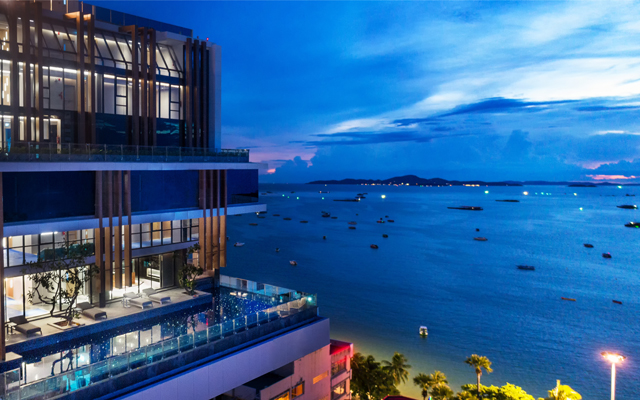
Mytt Beach Hotel is the newest Pattaya property of the A-One Hotel Group, its sleek steel-and-glass exterior rising over its trio of lower-rise sister properties next door.
From its location in north Pattaya, the 236-room hotel is just steps from the beach and Teddy Beach Museum, while a short tuk-tuk ride or 10-minute walk will lead to Terminal 21, the latest retail attraction in Pattaya.
Rooms
I stayed in the 32m2 Deluxe Ocean room, which paid homage to its beach location with motifs of blue ocean swirls punctuating its white-and-beige interiors. The expansive window, nearly extending to the floor, was a constant fascination for my one-year-old who was eager to look at the surrounding buildings, sky and sea.
The bed was a decidedly plush and comfortable affair, and afforded a good night’s sleep even though it was shared with a toddler. Overall, comfort is found in good measures throughout the contemporary styled room and well-equipped toilet.
F&B
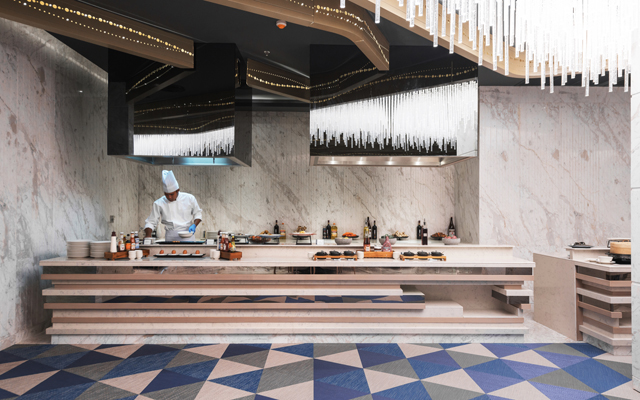
The Kitch, the all-day dining restaurant on the ground floor, is the main focal point of Mytt Beach Hotel’s F&B offerings. The cascading light features, marble walls and floorings, red and grey chairs, plus triangle carpeting come together to make a sumptuous setting.
The Kitch, the hotel’s all-day dining restaurant
On the weekend that I visited, The Kitch was a soft bustle of activity in the morning, filled with mostly domestic families as well as leisure tourists. The buffet breakfast spread also featured a good variety of dishes. The Mood Bar, set opposite The Kitch in the striking lobby, offers an inviting spot for coffee and drinks with its curved chairs in purple and grey.
Facilities
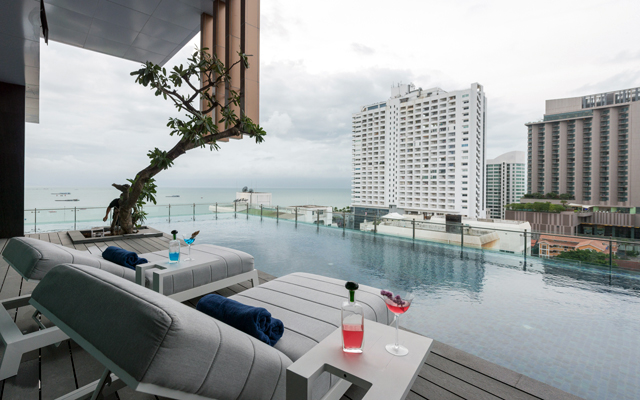
An infinity swimming pool is perched on the 12th floor, offering a great vantage point to take in panaromic views of the paragliding and speedboat action in the Pattaya sea. A indoor baby pool and the Melt Bar are tucked adjacent to the main pool.
Other recreational facilities include the Moon Spa, Move fitness centre and The Living Room executive lounge.
View from the 12th floor swimming pool
The 1,000m2 Vertical Ballroom, which can be divided into three separate rooms, is likely the biggest event and function space in Pattaya, accommodating up to 1,500 pax for cocktail receptions.
Service
The hotel is fronted by warm and friendly staff. We were attempting a family self shot whilst in the pool, when a station manager walking by immediately rendered assistance.
Verdict
Outstanding for its price point, topped with great hospitality and interior design. My pleasant time in this hotel made me look at Pattaya in newer light – one that is hippier, contemporary and friendly to families.
No. of rooms 236 Rates From 3,500++ baht (US$106++) Contact details
Tel: (66) 38 259 510
Email: info@mytthotel.com
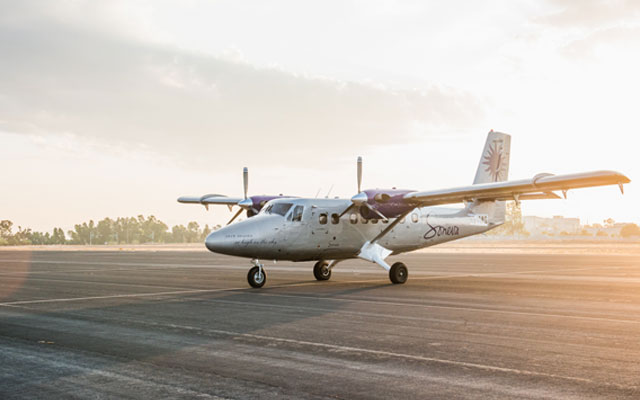
Soneva Resorts’ new Twin Otter seaplane will start flying guests beginning mid-December from Malé international airport to its two resorts in the Maldives – Soneva Fushi and Soneva Jani.
1 of 2
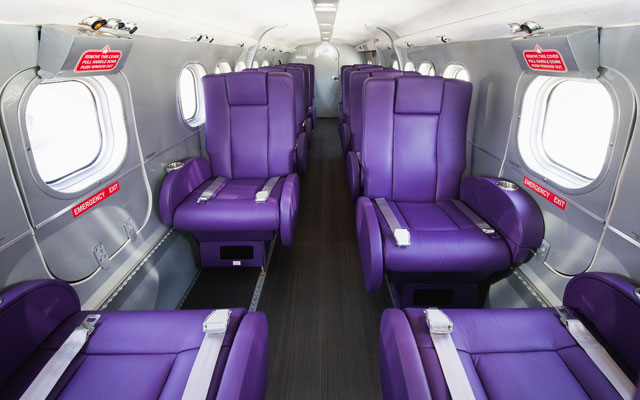
The DHC-6 Twin Otter has been completely overhauled, and now sports Soneva’s purple branding colour. In addition, seats have been reduced from 19 to 10 (eight front-facing and two-rear facing) with two additional fold down seats plus two pilot seats. A return trip costs US$1,100.
Sonu Shivdasani, CEO and joint creative director, added in a statement: “The plane will be exclusively reserved for Soneva guests, which means that we can be quite flexible with regards to the operating schedule and luggage limits.”
Out of several small business guidelines, top quality operations is the most critical principle absolutely employed in organization. Advantage control may be discussed as a type of systematic process involved with the growing, retaining, working, stepping up in addition to disposing of unique sorts of property in a cost effective method. Teenager angriness supervision is a thing that many people struggle with.
The moment an business is visible in social samtale, you’ll find it a lot much easier to pool filter the data of the clients in which usually target market approaching and product things about the company are based. Person who is effective is performing her or perhaps his portion to support the organization. The organization makes certain that they maintain upon becoming impressive to be in a position to come to be ahead of competition. There are a lot of businesses offering superb quality graphic design services.
Keeping keep track of of each of the numbers and factors in an organization, especially a big and complicated an example may be some thing incredibly tough. Managing a firm could be a complicated game. It could about operating together to find the most efficient method for it to accomplish their desired goals when maintaining the happiness of workers being a priority. Should you aren’t certain of how to regulate the company, check with an professional to assist you.
Re-evaluate the business To share where you will absolutely, you must re-evaluate the company frequently. To come to be certain all the things is running best suited in the enterprise, you have to take advantage of the important things about an array management system. Just about every organization should certainly make an added effort to keep an good social websites, and so, moderation management must be taken into proper interest. A organization having a very well authored fiscal risk management method is without question outfitted to settle competitive on the market within just their very own pre-determined risk and opportunity cases.
The Qualities of Operations
Polarity Administration isn’t going to mean there are certainly not any problems to come to be solved seeing that you will discover. This can be a incredibly powerful instrument when employed at the right place and time. Business administration contains the obligation of dictating policies that help unify many equipment, departments or branches within the company. Essentially, poor resources management could cause big and unavoidable costs during development.
The Death of Supervision
Management may be an significant perform scheduled to the difficulty of recent company lifestyle. Financial supervision is portion of the important techniques among your business and the present thinking about. Fiscal risk management may be a crucial element of any successful business enterprise.
The supreme Strategy for Management
Management is just like investment. It will probably be meaningless should you have the an individual that is going to do the administration but certainly not in how you desire. You might feel that time managing is a fast method, but if you take a moment and start your calculations, you can expect to shortly learn that the method needs time to finish. Time managing falls in to place when the organization can be operating without problems. While the measures to task administration are simple, the skill of task management is going to be normal, and it’s really incredibly useful to your success. A Colorado property administration and Colorado springs municipal airport property management company shouldn’t make you think that it’s staying edged from picture. Visit our website:
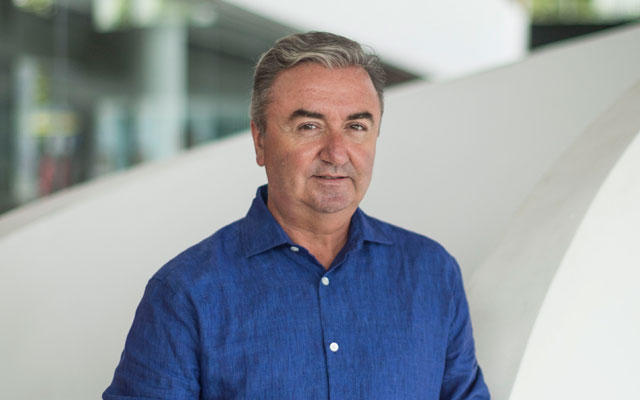
Brendan Corcoran has been appointed general manager of The Westin Maldives Miriandhoo Resort.
Prior to his latest appointment, he was general manager at Coco Palm Dhuni Kolhu, Baa Atoll, Maldives.
Brendan Corcoran
Corcoran’s industry experience spans over two decades in a variety of leadership positions with hospitality brands such as the InterContinental Hotels Group, and Per Aquum Hotels and Resorts. He first started his hospitality career at the Hilton Sandton, Johannesburg.
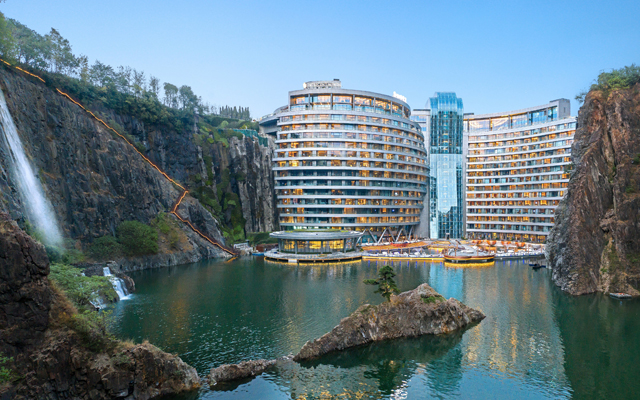
InterContinental Shanghai Wonderland, China Built into the side wall of an abandoned quarry in south-western Shanghai is IHG’s 200th InterContinental-branded hotel. Located at Sheshan Mountain Range, the mostly subterranean property offers 336 rooms and suites – which includes a two-storey underwater loft. In addition, all rooms on the bottom floor are provided with around-the-clock butler service. Facilities include four F&B venues, a business centre, four meeting rooms and a 900m2 Grand Ballroom.
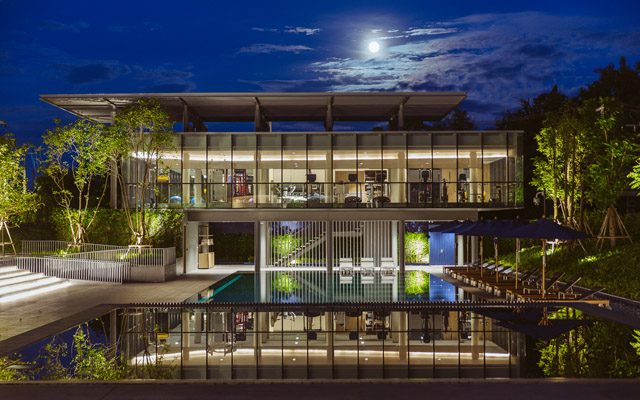
Modena by Fraser Buriram, Thailand
The 152-unit hotel residence boasts a range of facilities, including complimentary Wi-Fi, home entertainment systems, a swimming pool, 24/7 fitness centre, a launderette as well as a restaurant bar. Bistro@M, the property’s open-kitchen concept restaurant, offers all-day dining that showcases cuisine from the Isaan region. For corporate functions, Modena by Fraser Buriram offers a 240m2 function room.
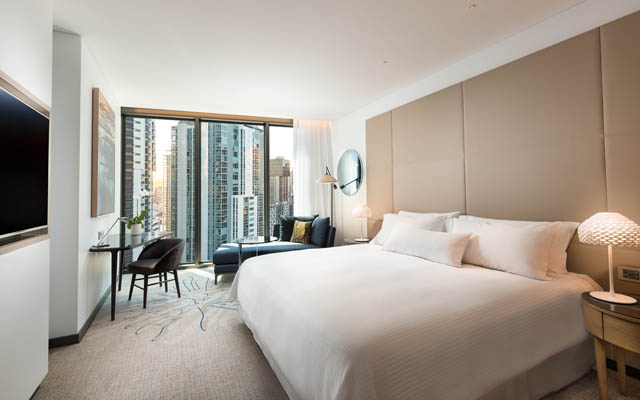
The Westin Brisbane, Australia
The Westin Brisbane has made its debut in Queensland with 260 guestrooms and 39 suites, all decked out with the brand’s signature amenities from the Heavenly Bed to the complimentary Sleep Well lavender balm. Recreational facilities include a fitness studio, a 300m2 resort-style pool, yoga and Pilates classes, as well as the Heavenly Spa by Westin featuring five treatment rooms, steam room and relaxation pods. There are also three F&B options, as well as 930m2 of meeting space comprising a ballroom and four smaller meeting rooms.
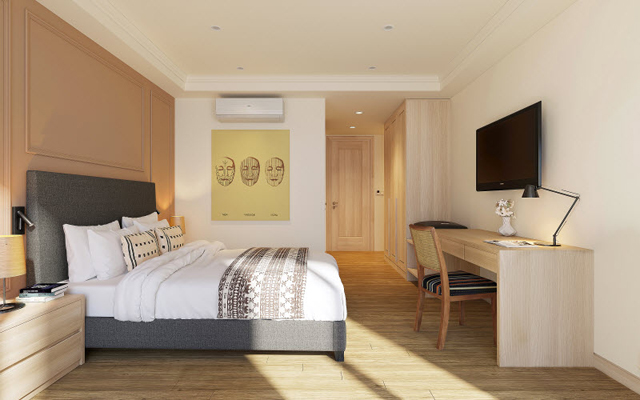
Hotel Suggati, Myanmar
Designed by US architect Daniel West, the five-storey Hotel Suggati has opened in Mawlamyaing, the capital of Myanmar’s Mon State. The waterfront property offers 72 keys, as well as amenities such as conference rooms, a fitness centre, and a restaurant specialising in both Burmese and Western cuisines.
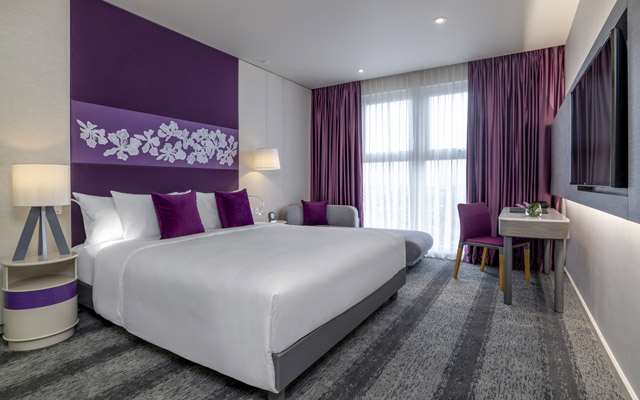
Mercure Hai Phong, Vietnam
Housed in a 28-storey mixed-use development in Hai Phong’s CBD, the hotel offers 176 guestrooms and suites, plus 57 one- to three-bedroom serviced apartments. Guests staying on the 25th to 27th floors can enjoy breakfast, evening cocktails and complimentary access to the meeting rooms at the Privilege Lounge.
Dining options include two restaurants and three bars, while leisure facilities include the Bloom Spa, a 24-hour gym and outdoor infinity pool. For events and meetings, the property has six meeting rooms, as well as the city’s largest ballroom that can cater up to 380 pax.
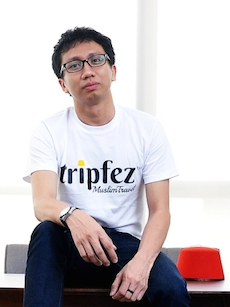
One of the world’s largest OTAs for Muslim travellers is possibly in the making with the merger of Malaysia-based Tripfez and Dubai-based Holidayme.
Tripfez CEO and co-founder, Faeez Fadhlillah, said the details of the merger have yet to be finalised but the two companies plan to expand their current offerings of Muslim-dedicated travel services spanning accommodation, holiday and Umrah packages.
Tripfez-Holidayme merger will create greater reach into the Muslim market
Faeez will be responsible for the growth of the brand in South-east Asia while Geet Bhalla, co-founder and CEO of Holidayme, will continue to grow the brand in the Middle East.
“We will leverage each other’s strengths and extend our existing market reach across two of the largest regions with Muslim populations,” said Faeez. “Holidayme will leverage our Salam Standard classification for Muslim-friendly hotels as well as our strength and knowledge in the global Muslim travel space while we will leverage their more advanced travel technology.
Faeez: combine synergies
“We realised there are a few synergies between the two brands and it was possible that with our combined efforts, we could create one of the world’s largest OTAs for Muslim travellers in terms of market reach by combining our resources and leveraging each other’s strengths and technology.”
Together, the two CEOs approached Malaysian venture capitalist Gobi Partners, which has a keen interest in the Muslim travel market, for funding. Gobi Partners led the investment round with US$10 million, with with another US$6 million contributed by other investors, Faeez told TTG Asia.
He added: “2019 will be an exciting year as we scale our product offerings and reach in both markets. We are looking at placing a stronger focus on Muslim-friendly tours and Umrah packages.”
According to the Global Economic Impact of Muslim Tourism and Future Growth report by Salam Standard, it is projected that the GDP impact of Muslim travel will be US$183 billion by 2020, with 1.2 million jobs in Asia directly supported by Muslim travel.





 Modena by Fraser Buriram, Thailand
 The Westin Brisbane, Australia
 Hotel Suggati, Myanmar
 Mercure Hai Phong, Vietnam