Luxury hospitality brand Aman spins off sister brand Janu with three new hotels slated to open in Montenegro, Al Ula in Saudi Arabia and Tokyo in 2022.
While Aman has been known for promoting luxury experiences in remote locations associating with spirituality and personal space, Janu – Sanskrit for “soul” – seeks to represent a complementary overlap of the current offerings. A new hotel brand focused on rekindling the soul, emphasis will be on community, connectedness and social experiences. However, guests can expect the same standards of service, immersive local experiences and design synonymous with the Aman brand.
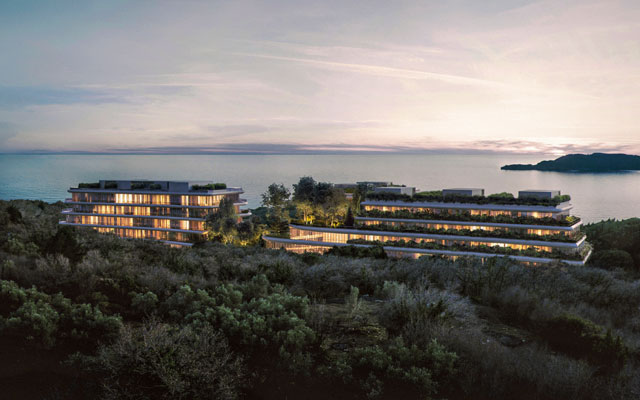
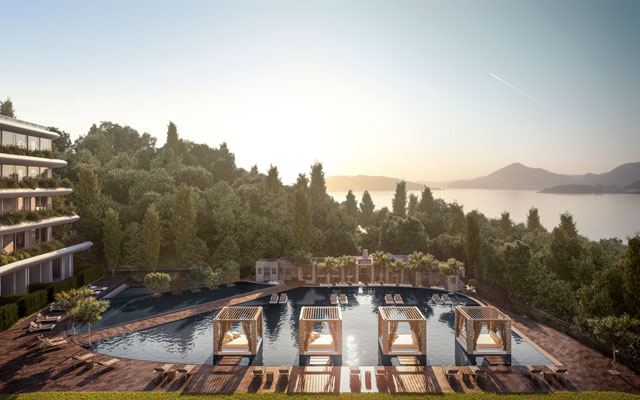
Janu Montenegro
1 of 2
Exterior
Pool with cabanas
Embodying the spirit of community, there will be ample opportunities to mingle with other guests through group fitness sessions and cultural activities.
Giving way to private villas, properties will be larger scaled and housed in mid-rise buildings with around 120 guest rooms. Janu Montenegro will be the first hotel in the brand to embrace the service residences concept.
“Together, Aman and its sibling offer solutions for the varying needs and desires of today’s global travel cognoscenti,” added Vladislav Doronin, chairman and CEO of the Aman brand.
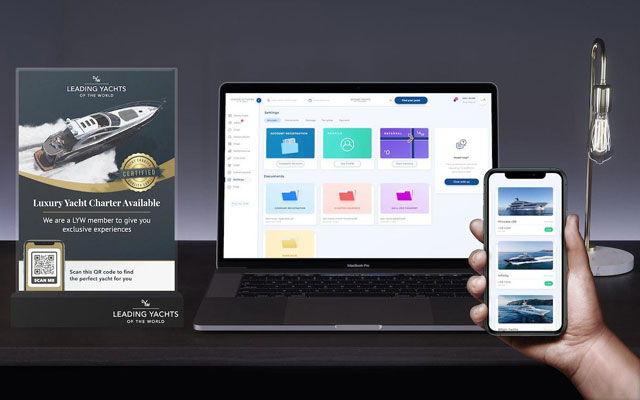
New travel technology brand Leading Yachts of the World, which aims to bridge the yachting and hospitality industries via a cloud-based platform, is opening offices in Bangkok, Phuket, Singapore and Hong Kong, as it gears up for its Asia-Pacific debut come 2Q2020.
Leading Yachts of the World’s new, fully automated digital travel ecosystem is propelled by proprietary technology from AVA Software.
Leading Yachts of the World has opened offices in key strategic markets in Asia ahead of its debut in the region
“The main factor that compelled us to create Leading Yachts of the World is the need to have a credible online entity that provides access to yachting experiences seamlessly, using a cloud-based platform where the hospitality and travel industries meet the yachting market,” said Leading Yachts of the World CEO and co-founder Anthony Brisacq, who specialises in technology-based solutions for the yachting and hospitality industries.
He added: “We then realised that yachting and hospitality are competing in the same space. By linking these two sectors, we are able to create important collaborative opportunities for our members and partners to benefit the global HNWI client base.
“By adopting our application, our hospitality industry members gain a revenue channel; our yachting partners win business and bookings; and the customer, the end-user, wins a safe, efficient, reliably fully automated service experience.”
Brisacq explained that the company chose to open their first offices in the region in Thailand, Singapore and Hong Kong as they are three of the most strategically important markets for market entry in Asia.
“Phuket as a yachting destination is one of the most developed, mature and sophisticated in Asia, whereas key decision makers and high net worth individuals are concentrated in cities such as Bangkok, Singapore and Hong Kong, so it is imperative that my team and I have a presence in these cities,” he added.
The platform will be rolled out to the travel and hospitality industries in Thailand, Malaysia, Singapore and Hong Kong.
Thailand’s Dusit International is offering members of the travel industry up to 60 per cent off rooms and more exclusive benefits across its entire portfolio of hotels and resorts worldwide.
Travel agents, airline staff, and other industry partners can now enjoy this special rate at Dusit Hotels & Resorts in the Maldives, the Middle East, Thailand, the Philippines, Vietnam, and more key destinations.
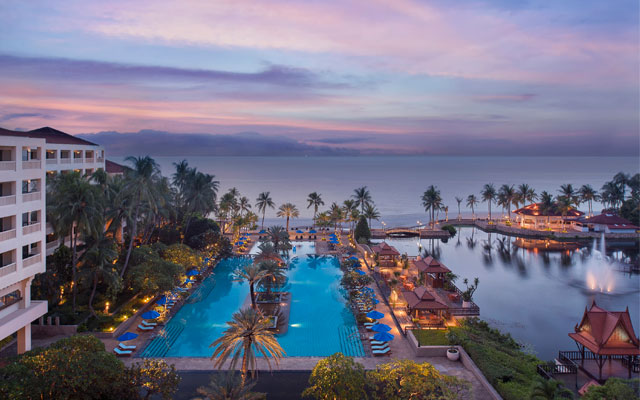
Dusit is offering travel professionals special rate across its properties worldwide, including Dusit Thani Hua Hin (pictured) in Thailand
Available for booking from now through May 31, 2020, the special offer applies to the Best Available Rate at time of booking on dusit.com, and includes property-specific benefits such as complimentary room upgrade or late check-out, depending on availability.
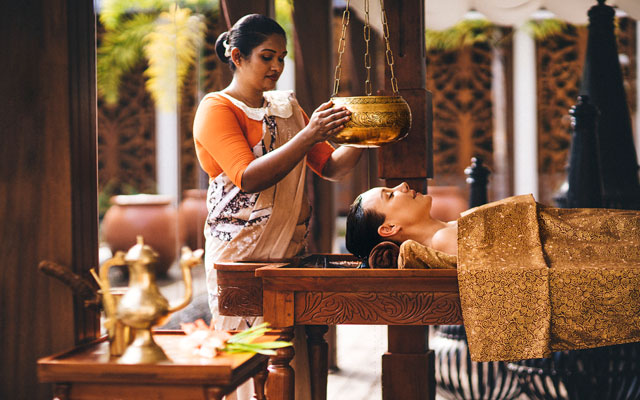
In conjunction with World Sleep Day, Anantara Peace Haven Tangalle Resort in Sri Lanka has rolled out a five-day Ayurvedic retreat to reset unhealthy sleep patterns, promising guests a holistic journey guided by a team of wellness professionals.
The Deep Sleep Ayurveda programme begins with a consultation with the resort’s Doctor of Ayurveda, the sixth in a family line of healers. Based on each guest’s dosha and vikruti, a tailored plan for diet, movement, relaxation and sleep is drawn up.
Each day begins with journal keeping and a healthy breakfast. Natural exercise then follows with kayaking on the lagoon or fishing with locals. Ayurvedic treatments such as Marma Abhyanga bring deep relaxation with massage focusing on the body’s energy meridians, while local experiences such as a visit to a Buddhist temple encourage stillness of the mind.
The day winds down with a technology blackout and Slumber Guru ritual, with an in-room aromatherapy bath followed by an oil massage to coax guests into deep sleep.
The Deep Sleep Ayurveda retreat starts at US$2,000 net per person, inclusive of healthy wellness cuisine and exclusive of accommodation in a room or villa.
Philippine tourism stakeholders are clamouring for financial assistance from the government to assist them in bouncing back from the crippling effects of the Covid-19 epidemic.
In a letter dated March 6 addressed to tourism secretary Bernadette Romulo-Puyat, Tourism Congress of the Philippines (TCP) president Jojo Clemente proposed allowing a temporary reduction in workforce for six months as well as deferring the collection of contributions to social security, housing programme and health insurance by six months – to be paid off in instalments instead of a lump-sum payment.
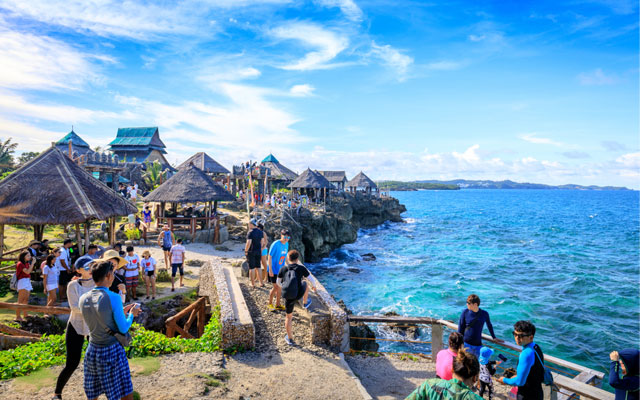
Struggling tourism businesses in the Philippines are urging the government to provide financial incentives amid the Covid-19 slump; Crystal Cove Island in Boracay, the Philippines pictured
Clemente also recommended that “some form of low-interest loans or credit facilities be made available to stakeholders in precarious situations”.
“While we realise that the Department of Tourism (DoT) may not have the purview to enact tax-related matters, we hope that (it) can make representation for the stakeholders to the appropriate departments and agencies,” he wrote.
TCP’s suggestion to give discount on airlines’ landing and parking fees was heeded when the Civil Aviation Authority of the Philippines announced on Monday (March 9) that they will defer charging local airlines fees for landing, takeoff, and parking at airports for a year to cushion the impact of the Covid-19 on the airline industry.
Other recommendations put forward by TCP include temporary visa fee waivers for all foreigners; temporary deferment of applicable taxes to stakeholders for a predetermined period of time; extension of participation fee waivers beyond June for tradeshows and roadshows organised by DoT and Tourism Promotions Board; and to complete Boracay’s infrastructure projects during this tourism slump.
TCP also called on the government to issue “clear and focused messaging” to dispel fear and panic caused by the flood of information out there which are lacking in context or adequate information.
Pertaining to Covid-19, it also appealed for a revision of the presentation of statistics to reflect the actual number of persons under investigation, discharged patients and current number of confirmed infections, as well as a weekly update from the DoT, based on Department of Health figures, which tourism players can use to send to their clients.
The Malaysian Association of Tour and Travel Agents (MATTA) is crying foul over unlicensed operators from Thailand who are taking business from local transport operators licensed to provide taxi, van and bus services.
“Malaysia is strategically located in the centre of South-east Asia and share land borders with Thailand, Singapore, Brunei and Indonesia,” MATTA President Datuk Tan Kok Liang said, adding that motor vehicles are allowed to cross borders with conditions.
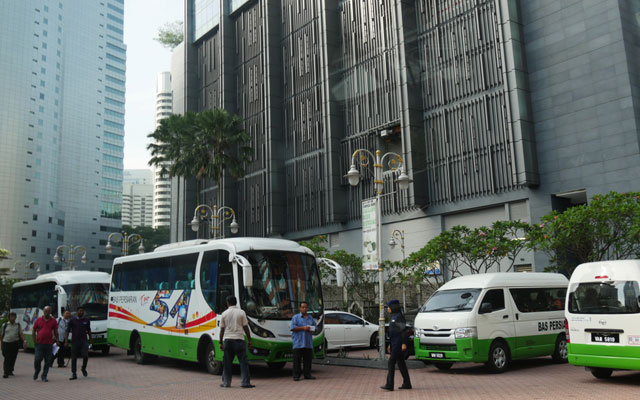
Malaysian tour operators rally against unlicensed transport operators stealing their business
“But many Thai private vehicles and tour buses have been picking up large number of passengers in Malaysia when they are only allowed to bring in tourists from Thailand. If Malaysian private vehicles or tour buses were to pick up local passengers in Thailand, we will urge the Thai authorities to throw the book at them,” he said.
In light of that, Tan urged the Road Transport Department (RTD) to take action so that local transport operators will not lose out to unlicensed operators.
In an effort to resolve the many regulatory problems faced by tourism transport operators nationwide, MATTA State Chapter members from Penang and Kedah held dialogues with related government agencies and officials from the Ministry of Tourism, Arts and Culture.
Tan hoped that special operations will be conducted regularly at all entry points, including those at Johor, Kelantan, Sabah and Sarawak, and that routine enforcements be stepped up as special operations can be few and far in between, allowing unlicensed foreign operators free rein.
He stressed: “Strict enforcement will promote legitimate cross-border transportation, as this will facilitate licensed local and foreign transport operators to develop a healthy tourism industry.”
The Qantas Group will reduce the international capacity for Qantas and Jetstar flights by 23 per cent year-on-year, till mid-September 2020, due to a sharp decline in bookings amid the Covid-19 outbreak.
Such longer-range capacity cuts help to reduce costs and provide more certainty for the group’s stakeholders, said CEO Alan Joyce.
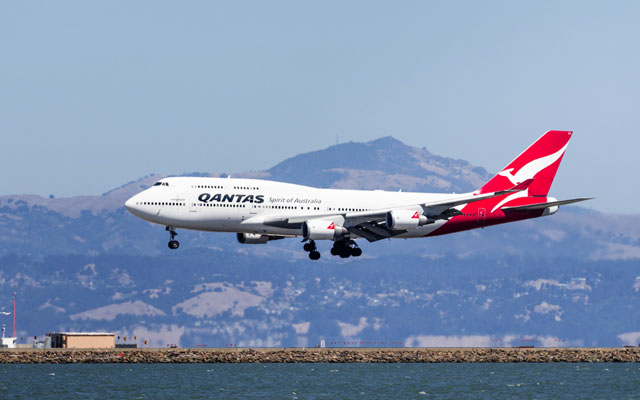
Qantas has been heavily affected by the drop in demand for global and domestic travel due to Covid-19
Asian destinations took the biggest hit from the cuts; flight capacity on these routes is set to decrease by 31 per cent year-on-year. Flight capacity to and from the US, the UK, and New Zealand will also be cut by 19 per cent, 17 per cent and 10 per cent, respectively.
Routes affected under Qantas include Sydney-Shanghai, which will be suspended till mid-July; as well as Brisbane-San Francisco and Melbourne-San Francisco, which will be suspended from April 18 to mid-September.
As well, Qantas will postpone the launch of its new Brisbane-Chicago service from April 15 to mid-September.
Due to strong demand on the Perth-London service, the Sydney-Singapore-London service will be re-routed temporarily to become a Sydney-Perth-London service from April 20.
For Jetstar Airways, flights on its Singapore-Taipei, Singapore-Osaka and Melbourne-Bangkok routes will be suspended. Nearly half its flights from Australia to Japan and Vietnam will also be cut.
On the domestic front, Qantas and Jetstar flight capacities will be reduced by five per cent through mid-September 2020.
For customers flying internationally, the carriers will offer an alternative flight on another day, on the same day via another capital city, or on a partner airline.
In the meantime, the group has said that it will bring forward maintenance work and encourage the team to use their paid leave or take unpaid leave. “We know the coronavirus will pass and we want to avoid job losses whenever possible,” said Joyce.
The group’s management will also participate in cost reduction measures. Annual management bonuses for FY2020 will be set to zero. For the rest of FY2020, the Qantas chairman will take no fees and the group CEO will receive no salary.
In light of travel restrictions and changed plans amid the continued spread of the Covid-19 virus, the Qantas group will also waive charges for one date change in international bookings. This follows the introduction of similar policies by other airlines, including Qatar Airways and SIA.
Qantas and Jetstar customers must have made the booking between March 10 and March 31 for a flight commencing on or before June 30, and they must make the change at least three days before departure.
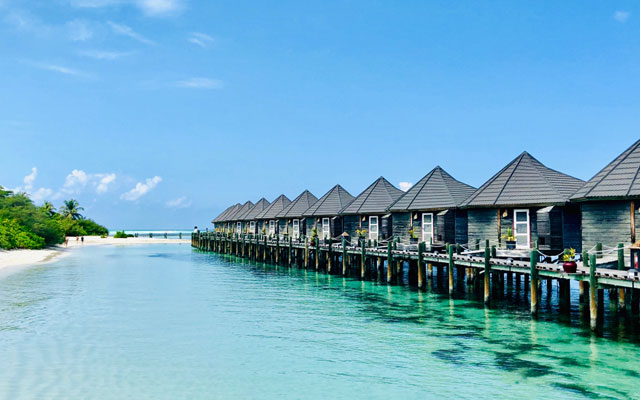
Despite the emergence of six confirmed Covid-19 cases in the Maldives, the authorities have expressed confidence that the country comprising more than 100 luxury resort islands is safe for foreign visitors.
Maldives Marketing & Public Relations Corporation’s managing director Thoyyib Mohamed told TTG Asia that the country was at an advantage compared to other destinations since all the island resorts stand isolated and not connected to one another.
The Kuredu Island Resort is one of two resorts in the Maldives that have been put on lockdown
“In this context, isolating an island is very easy. In addition, the Maldives has a good surveillance and health system. It is safe to travel to the Maldives,” he assured.
His statement comes as two more foreign employees at Kuredu Island Resort tested positive for the virus. The resort was locked down last week, after two resort staff contracted the virus.
In addition, two Italian tourists at the Sandies Bathala Resort have also tested positive for the virus.
Both the Kuredu Island and the Sandies Bathala Resort Island have been placed on lockdown, with entry to and exit from the islands indefinitely restricted.
In a statement, the Maldives’ Tourism Ministry has also requested all resorts to cancel excursions to local islands as a precaution, to curb the spread of the Covid-19. This is effective from March 5 until further notice.
Currently, Maldives has shut its borders to arrivals from worst-hit countries, including mainland China, South Korea, Italy and Iran. Direct flights to and from the aforementioned countries have also been cancelled, while cruise ships have been banned from docking at Maldivian ports.
Summer Island Resort and Thinadhoo island, which were also placed on lockdown, had their restrictions lifted after suspected cases tested negative.
Thailand’s Centara Hotels & Resorts has laid out its ambitious expansion plans for the next five years, which includes the launch of its latest luxury hotel concept Centara Reserve, a new medical wellness collaboration in the works, and the expansion of its family resort brand Mirage.
Opening end-2020, Centara Reserve Samui will offer 184 luxury rooms, pool suites and beachfront pool villas. Each accommodation will boast private balconies and terraces, while suites and villas will be attended by “Reserve Hosts” – Centara’s take on butler service.
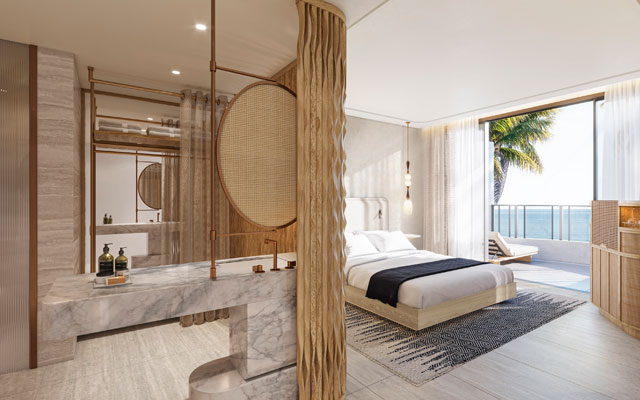
A rendering of a future Centara Reserve guestroom
Formerly known as Centara Grand Beach Resort Samui, the property will undergo a transformation overseen by design and concept firm AvroKO.
Resort facilities will include a gin bar featuring over 100 varieties and craft labels; a destination restaurant serving modern, seasonal cuisine; a mozzarella bar offering international fare and celebrating all things about the cheese; and a beach club concept featuring line-caught local seafood and a cultured wine list. The resort will also be home to the world’s first Cenvaree Reserve Spa.
Leading Centara Reserve Samui will be Patrick Moukarzel, the resort’s newly-appointed general manager. Previous luxury properties Moukarzel has helmed include The Chedi Chiang Mai in Thailand and Soneva Jani in the Maldives. He joins Centara from Al Bait Sharjah in the UAE.
Two more Centara Reserve properties will also be announced before the end of the year.
In addition to the unveiling of Centara Reserve, Markland Blaiklock, deputy CEO of Centara Hotels & Resorts, told TTG Asia that the company will also be developing a new medical wellness concept with a leading Fortune 500 medical brand, with details to be announced shortly.
Blaiklock called wellness travel the “fastest-growing traveller segment globally”, and he believes “nowhere else has the potential for a higher growth than the Asia region”.
Overall, the hospitality company aims to have a network of 170 hotels by 2024, located equally between and outside Thailand.
Blaiklock revealed: “This is expected to include a presence in Europe through the acquisition of a small group of five to 10 properties. Centara is also working on a regional brand with its parent Central Group to develop 10 to 15 properties in secondary locations serving mostly the communities where they are located and becoming an integral part of them.”
Blaiklock: openings are part of a strategic plan to make Centara a top 100 global hotel operator over the next five years
By the end of this year, Centara expects to open eight properties, located in Laos, Myanmar, Qatar, Thailand and the UAE.
In the UAE, the group will be launching the first international Mirage outside of Pattaya – the Centara Mirage Beach Resort Dubai – in which it has invested US$64 million out of a total project value of US$160 million. Mirage is a collection of family-centric themed resorts, which Centara plans to roll more out of in the future as well.
When asked why Dubai, Blaiklock shared: “Dubai was picked due to the nature of the destination and because we felt there was a niche that was not yet filled for an upscale family-focused, themed resort.”
Located on the Arabian Gulf, the Arabian adventure-themed hotel will comprise 607 rooms and suites, including pool villas; and family activities for all ages, such as a water park with lazy river, waterslides and cliff jumping; multiple restaurants; and a kids’ club. There will also be a regular spa, as well as Centara’s first kids’ spa.
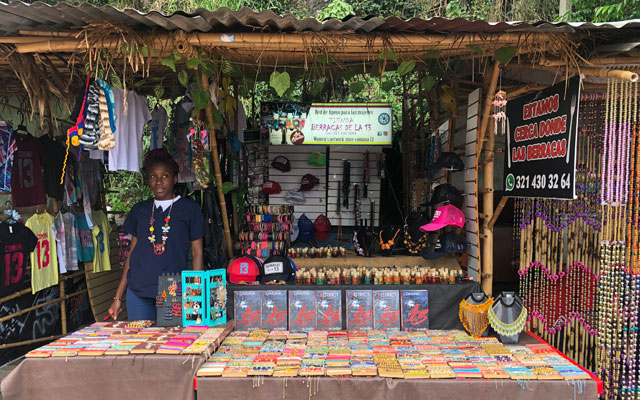
The Berracas de la 13 project in Comuna 13, Medellin, Colombia
Adventure travel operator G Adventures and its non-profit partner Planeterra are rolling out five new projects with a focus on empowering women, youth and indigenous communities.
More than 2,800 women will be positively impacted by the 3,000 travellers expected to visit these projects annually.
The Berracas de la 13 project in Comuna 13, Medellin, Colombia
The new projects include a visit to a cultural and craft experience in Jerusalem where cultural stories are shared and local handicrafts are showcased, as well as a stopover in Kerala, India where 10 local women create community through hospitality and traditional food.
The new projects are part of the Project 100 initiative, a commitment to have 100 Planeterra projects built into G Adventures tours by the end of 2020.
With these projects, the total number now built into the company’s tours has reached 85.
The Berracas de la 13 project in Comuna 13, Medellin, Colombia, was created by a group of women to help their community. With Planeterra’s support, Berracas de la 13 has improved its restaurant, developed a local tour and meal service, and created a sustainable income stream. Travellers can visit this on the nine-day Colombia Express tour (from US$1,849).
The Domari Culture and Craft Experience in Jerusalem, Israel supports local women and children. Over here, guests can enjoy traditional food, listen to cultural stories, and purchase local handicrafts. Travellers can visit this project while on the 15-day Jordan and Israel Adventure tour from Amman to Jerusalem (from US$4,049).
The Domari Culture and Craft Experience in Jerusalem, Israel
The TWE (Together We Earn) in Kerala, India helps equip women with tangible skills so they can find employment. Travellers can visit and experience this project on the seven-day National Geographic Journeys South India: Explore Kerala (from US$1,349).
Shedia Home in Athens, Greece is a not-for-profit organisation working to employ and empower those experiencing homelessness and social exclusion in Athens. Planeterra brings travellers to the new Shedia Home, which features a cafe, an educational talk from one of the Shedia’s guides, and the option to join a tour of Athens. The visit is available on the 15-day Best of Greece tour from Athens to Santorini (from US$3,349).
Lastly, the Maldives Plastic Program in Malé, Maldives is a collaboration between Planterra and local travel company Voyages to integrate plastic pick-ups into all G Adventures tours in the Maldives. The experience can be had on the eight-day Maldives Island Hopping trip (from US$959).