TTG Asia
Asia/Singapore Tuesday, 7th April 2026
Page 1011

MITA holds e-travel fair to drive up domestic demand

0

Malaysian Inbound Tourism Association (MITA) will be holding an e-travel fair to boost recovery of domestic tourism, as well as to gauge travel trends among domestic consumers.

Its president, Uzaidi Udanis, said around 200 virtual exhibitors have committed to the MITA e-travel fair, which will run from July 1 to July 15.

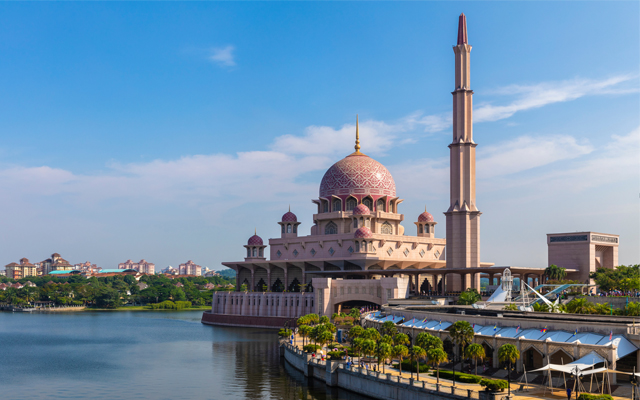
MITA holds virtual fair to spur domestic demand as interstate travel resumes; Masjid Putra mosque in Putrajaya, Malaysia pictured

The association will provide daily reports to participants on the products and services that have received positive response from the public. He said: “This is a way of finding out the interests of domestic travellers, and for our members to understand the market and travel trends better.”

A recent survey conducted by MITA revealed that the cost of travel packages, as well as travel expenses and proximity of the destination were the two most pressing concerns to travellers, Uzaidi said.

This is the first e-travel fair MITA is organising for its members, following the lifting of the ban on interstate travel on June 10.

Earlier in March, MITA’s first e-travel fair was cut short after three days, when the movement control order came into force on March 18.

This time round, the e-travel fair has an insurance component. For a RM4 (US$0.93) premium, the traveller will be covered up to RM10,000 for travel cancellations and medical expenses related to Covid-19. The insurance is underwritten by Senang Insurance.

Uzaidi said: “The insurance coverage is meant to restore confidence in travel which in turn, will help the local economy to recover.”

Tourism, arts and culture minister, Nancy Shukri, said in a recent announcement that the local tourism industry has lost around RM45 billion in the first half of 2020 due to the pandemic. She described tourism as being the hardest hit sector, and expected it to be the last to recover.

Tour operators cheer as M’sian theme parks gear up to reopen

0

The Malaysian government’s decision to reopen theme parks in the country from July 1 is a welcome move, said industry players.

The reopening comes after more than three months of closure, since the movement control order came into effect on March 18.

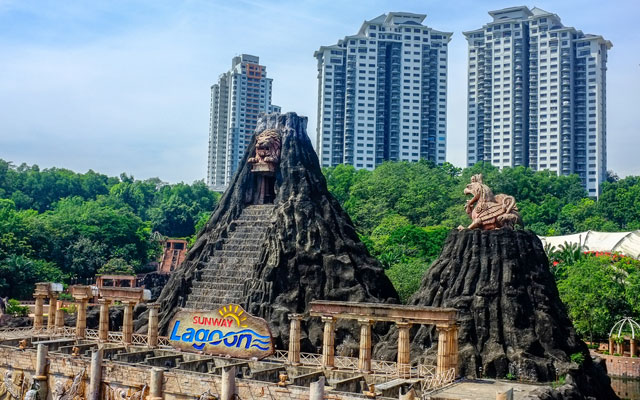
Sunway Lagoon will fully reopen on July 4

As part of the new normal, operators have to adhere to strict standard operating procedures (SOP), including taking visitors’ temperature, providing hand sanitisers, and ensuring visitors observe social distancing at all times.

Water park operators also need to follow the SOP and guidelines issued by local authorities pertaining to the management and maintenance of public pools as well as monitoring pool water quality. Health Ministry director-general, Noor Hisham Abdullah, advised operators during a recent press briefing to enhance cleaning measures in the pool.

Welcoming the reopening of theme parks, Nigel Wong, honorary secretary-general at the Malaysian Association of Tour and Travel Agents, called it “a necessary step in reviving domestic tourism”.

Uzaidi Udanis, president, Malaysian Inbound Tourism Association, added: “The big theme parks in Malaysia are anchors in attracting tourists to the area. Retailers surrounding the theme parks such as food outlets and souvenir shops will benefit from the theme park traffic.”

Malaysia has 54 theme parks which employs around 10,000 people.

Sri Lanka delays international airport’s reopening

0
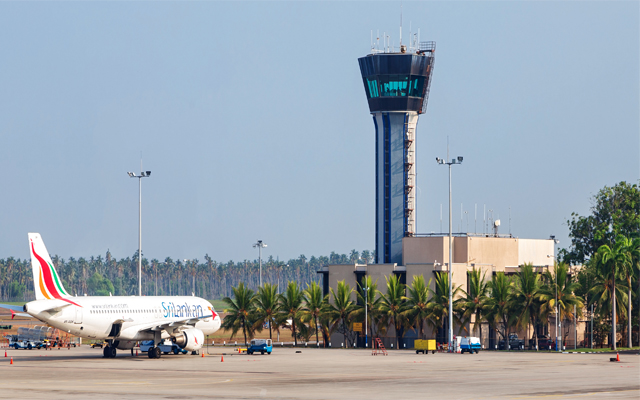
Airplane parked on apron in front of air traffic control tower at Bandaranaike International Airport. It is hub of Sri Lankan Airlines, the national carrier.

Sri Lanka is delaying by two weeks the August 1 scheduled reopening of Colombo International Airport for commercial traffic, as the government prioritises the repatriation of over 46,000 Sri Lankans stranded abroad.

In making the announcement, tourism minister Prasanna Ranatunga told reporters: “We won’t permit tourists till we complete the process (of repatriation).”

Reopening of Sri Lanka’s Colombo International Airport pushed to mid-July as the government seeks to bring home the large numbers of Sri Lankan expatriate workers

Meanwhile, SriLankan Airlines (SLA) is considering flying to a couple of new destinations like Seoul and Sydney, while expanding its China network, as it prepares for the reopening for commercial traffic in August, national carrier chairman Ashok Pathirage told a recent media briefing.

“We plan to resume flights from August, but we may not go back to the same destinations,” he said, adding that at some point, they plan to resume flights to Frankfurt, which was discontinued some years ago. London is the only destination in Europe the airline travels to.

Before the pandemic, the airline had regular flights to Beijing, Shanghai and Canton, while operating to Melbourne.

SLA is eagerly awaiting the reopening of the Maldives on July 15, being the largest carrier to operate flights there, added Pathirage.

The airline’s largest traffic comes from India, Sri Lanka’s biggest source market, with 140 flights a week to its South Asia neighbour.

To battle losses owing to the pandemic, the airline has sent 407 contract staff on no-pay leave, cut salaries and dismissed 500 outsourced workers, saving about $30 million rupees (US$397,000) a year in costs. It is also planning a voluntary retirement scheme to reduce its in-house staff of 6,000 by about 500 workers.

The cash-strapped airline saw revenues fall to US$20 million a month, compared to US$80 million in the pre-Covid-19 period. The airline made a loss of US$130 million last year and is seeking a government guarantee to raise US$75 million from the international market.

Charting a course for recovery

0

I love CLIA’s new information initiative, Ask Joel Q&A Series, which debuted very recently on June 22 for the Australia and New Zealand cruise tourism industry members and community, seeking to address burning questions they have about the business. Were you surprised by any of those questions you got through the member survey?
Many of the questions from our member survey are similar to questions we’re getting direct from members and through other avenues such as the recent webinars we hosted.

Agents have a clear focus on when cruise operations might resume and what specific health protocols will be in place to uphold the safety of guests and crew when they do. While we’re not yet in a position to answer this specifically, we’ve been able to explain the process that’s underway worldwide and the areas cruise lines are examining in consultation with medical experts as they develop the new protocols.

We’ve also received many questions about what CLIA is doing with governments to advocate on behalf of agents and cruising, and this is an area we’re focused very closely on in many regions of the world.

Do you reckon these questions would be similar to what’s worrying cruise tourism industry members and community in Asia?
There are many issues around cruising that are universal and we know the impact they’re having on travel agents all over the world. Many of the questions we’re answering on behalf of agents elsewhere will also be of interest to travel agents in Asia. At the same time, Asian markets are very diverse and cruise operations in this part of the world are varied, so as we develop new frameworks for cruising worldwide, there will also be regional factors the industry needs to consider and discuss with governments in each country.

CLIA set up the Cruise Champion course, which is now open also to non-members, to equip industry players with knowledge to debunk myths around the product. From a PR, sales and marketing perspective, that is a great move since a consistent line of response is crucial for the collective cruise industry. But that’s just one channel. How is CLIA pushing the same messaging and corrections on common misconceptions to the public?
CLIA has been addressing misperceptions around cruising through many channels, and is working to raise awareness of the many initiatives cruise lines mount in areas like safety, the environment and community development. This takes place through our ongoing PR activity and our daily efforts to correct the record in mainstream media, as well as via the videos and visual assets we share via social media.

Many of the resources we provide for travel agents and the education opportunities we offer are also aimed at raising awareness and equipping travel agents and industry partners with the knowledge to help them act as ambassadors for the cruise industry.

Health, hygiene and safety are such critical considerations among travellers now, and the accommodation, attraction and F&B players in the wider hospitality industry have rolled out protocols that detail new measures to protect customers and staff. Why is it taking the cruise industry longer to establish these protocols? Where do the complexities lie?
While cruise operations are suspended, cruise lines are using this time to develop enhanced measures to uphold the safety of guests, crew and the communities we visit. Working with medical experts and health authorities internationally, the cruise lines are considering extensive measures that will ideally involve a door-to-door approach that begins at the time of booking and continues through the cruise journey until the passenger returns home.

Globally, scientific understanding of Covid-19 is changing on a frequent basis, and for this reason, the cruise industry will continue to work with experts as understanding evolves and prevailing guidance from health authorities aligns.

Is there a possible timeline as to when the cruise industry can collectively publish its health, hygiene and safety protocol?
There is no quick fix in this international pandemic and it’s not possible to speculate on timing at the moment, and so our industry will continue to be guided by medical experts and health authorities as it works towards resumption.

Is there any chance of cruise tourism being part of the travel bubbles that country governments and tourism authorities are attempting to establish? Is this a conversation that CLIA is getting into with government agencies and tourism authorities?
When the time is right, we envisage cruise operations are likely to resume in controlled phases and on a regional basis, particularly while international travel is restricted.

In different regions, this may involve domestic cruises, short itineraries, or operations within a regional bubble. Ultimately, the cruise industry will be guided by governments and health authorities on the appropriate pathway to a restart.

The cruise industry’s aim is to develop the best possible response to Covid-19 so that we can begin discussions with government on the appropriate way to revive cruise tourism when the time is right.

How do you think the cruise experience could change in the initial stages of business recovery?
While it’s not possible to say at this stage what new measures will be implemented, cruise lines have embarked on a comprehensive process which includes consideration of enhanced boarding procedures; additional onboard public health and sanitation protocols; monitoring capabilities; quarantine arrangements; and shore-side care for guests and crew.

Covid-19 is an unprecedented event. With hindsight comes powerful knowledge, which will undoubtedly inform and shape the future of cruising. Cruises will sail again – stronger and better than ever – when the time is right. We believe our industry has the expertise and resilience to confront the current challenges and return to prosperity in the future.

Indeed, hindsight is 20/20. What do you think the cruise tourism industry could have done better to soften the business impact of this pandemic?
From the beginning of this global public health crisis, CLIA cruise line members worked under the guidance of international and national health authorities to adopt policies and protocols, such as travel, contact, and symptom screening that went above and beyond the actions of other industries.

These measures were strengthened repeatedly as new information and guidance became available from prevailing health authorities, culminating with the voluntary suspension of passenger operations in mid-March, making the cruise industry one of the first to take such action.

This suspension occurred within 48 hours of the World Health Organization’s pandemic declaration.

Covid-19 can spread in any setting where people come together to socialise and enjoy shared experiences, which includes cruise ships, as well as restaurants, hotels, movie theatres, and the like. While it is easy to focus on cruising because of its high profile and transparent reporting standards, the fact is cruising is neither the source nor the cause of Covid-19. What is different about cruise ships compared to other settings is that no other sector or industry has such stringent reporting requirements coupled with the presence on board of credentialed doctors and nurses to provide medical surveillance.

What lessons are CLIA and its members taking away from this?
Like all areas of the travel industry, there is much to be learnt from the experience of Covid-19 and the cruise industry is committed to working with medical experts internationally to prepare the best possible response and uphold the health and safety of guests, crew and the communities we visit.


Komodo, Mount Rinjani among Indonesian attractions reopened

0

National parks and nature-based attractions across Indonesia are ready to welcome domestic tourists again, after three months of closure.

Following the green light from the Covid-19 taskforce, the Indonesian government has allowed 29 national parks and nature-based attractions in the green and yellow zones in 10 provinces – South Sulawesi, Jakarta, and East Nusa Tenggara (NTT) – to resume operations.

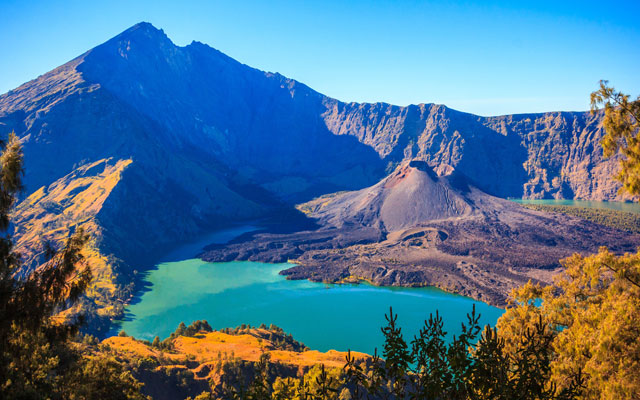
Mount Rinjani is among 29 nature attractions across Indonesia that has reopened to domestic tourists

Among the tourist spots that will reopen in stages from mid-June to mid-July are Komodo National Park in NTT, Mount Rinjani in West Nusa Tenggara (NTB), and Bromo Tengger Semeru National Park in East Java, according to Siti Nurbaya, Indonesia’s minister of environment and forestry.

Apart from the standard protocols of temperature checks, wearing of masks, and the availability of hand sanitisers, after reopening, the sites are only allowed to operate at 10 to 30 per cent capacity to avoid overcrowding and enable visitors to maintain distance. The number will gradually be increased up to 50 per cent of normal capacity.

However, Doni Monardo, the chief of the Covid-19 taskforce, warned: “If new Covid-19 cases and violations against health protocols are found, we will restore the restrictions or close the sites again.”

Visitors to these parks and attractions who fail to obey the health protocols will be banned from returning, or will have to serve a punishment such as sowing seeds, planting trees, cleaning the park complex, collecting trash, or doing social media promotions, said Doni.

Wishnutama Kusubandio, minister of tourism and creative economy, hailed the regulation, said that the enforcement of health protocols in tourist destinations is vital to restore tourists’ confidence in the destinations.

The Komodo National Park will trial an online booking system, in the week leading up to the first phase of its reopening on July 6.

Shana Fatina Sukarsono, head of Labuan Bajo Flores Tourism Authority, said that during the first phase, the park would limit the number of guests to a maximum of 50 domestic visitors a day, and a maximum of five ships a day in the Komodo Park’s islands, namely, Batu Bolong, Karang Makassar, Mawan, and Siaba Besar.

The second phase is slated to take place from July 17 to August 16, after which, the park is expected to run normally. During the first and second phases, the park will be open only to NTT residents, before welcoming domestic tourists outside NTT from August 17, Shana said.

“We will team up with more parties to use this opportunity to rebrand Labuan Bajo as an authentic destination and NTT’s tourism gateway,” Shana said during a recent webinar.

Aware that solo travels and small group tours will be a trend during the new normal, Shana said that the Labuan Bajo Flores Tourism Authority had readied four new trips to meet such demand, namely, the UNESCO List Trip, Trip to the Past, Conservation Trip, and Catholic Pilgrimage.

However, travel players raised concerns as to whether domestic tourism will be sufficient to fill the gap left by international visitors.

Leonardus Nyoman, director of Flores Exotic Tours, said that as international travellers which formed the bulk of visitors to the Komodo National Park were unlikely to return this year, he urged the government to subsidise the park’s entrance fee to stimulate domestic demand.

Likewise, Dewantoro Umbu Joka, head of NTB chapter of Association of Indonesian Tours and Travel Agencies, said that the government needed to incentivise trade players if it wanted domestic tourism to pick up.

The requirement for Indonesians travelling interstate to take a Covid-19 test may pose as a deterrent for travellers to visit Mount Rinjani as the cost of the test could exceed the airfare. Therefore, incentives to help travellers pay for the test are needed.

To attract NTB residents to explore their own backyard, Dewantoro said that his association members will craft tours with special deals, such as free lunches, to whet their appetite.

Oakwood launches food relief campaign

0

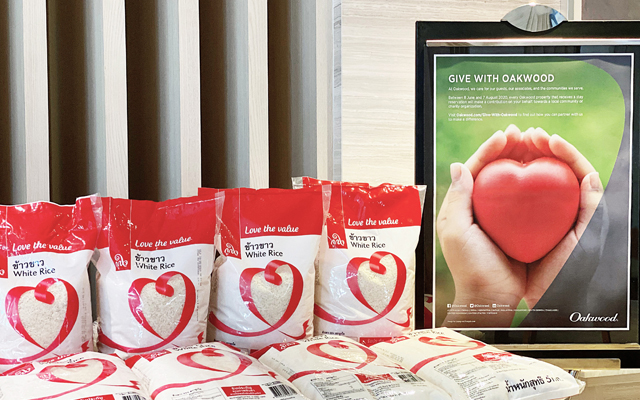
Oakwood has initiated Give With Oakwood, a global campaign designed to provide meals for the less privileged in society.

From now until August 7, 2020, more than 80 Oakwood properties around the world will make a contribution towards a local community, charity organisation or food bank with every reservation made. Oakwood has localised its community outreach by identifying partners that best serve the needs of each destination.

Oakwood properties worldwide rally to provide meals for the less privileged

“While most of us take our next meal for granted, we must recognise that poverty and hunger exist even in the most affluent nations. At a time when the world is in distress, these impoverished communities suffer more significantly. Give With Oakwood is our commitment to provide relief to these communities, making small but meaningful impacts through localised efforts,” said Dean Schreiber, CEO of Oakwood and managing director of Oakwood Asia Pacific.

In Asia-Pacific, where rice is a staple for most people, each Oakwood property will make rice donations to a local community or charity organisation with every direct booking received.

All seven Oakwood properties in London, the UK, will channel one pound (US$1.24) to The Felix Project for every confirmed booking received via its website or agency partner. The Felix Project redistributes surplus food to charities and schools.

In the US, Oakwood will be lending its support to Feeding America, a nationwide network of 200 food banks. For every confirmed reservation made under the Give With Oakwood rate, US$2 for each day of the booking will be contributed to Feeding America.

Penang hoteliers to get six-month fee waiver

0

The Penang state government will waive hotel fee charges for six months starting July 1 to further boost domestic tourism.

Penang state exco for tourism, arts, culture and heritage, Yeoh Soon Hin, said the decision was made after the federal government lifted the ban on interstate travel on June 10, allowing domestic tourism to resume nationwide. He added that this is part of the state’s efforts to rebuild tourism and support the industry rebound.

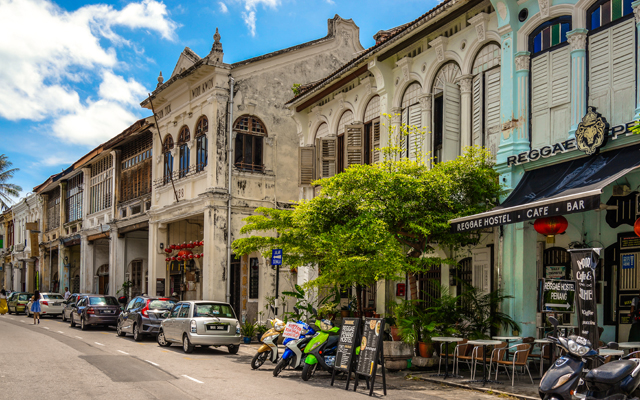
Hotels in Penang will enjoy a six-month fee waiver as the government looks to boost domestic tourism; Love Lane, filled with budget hotels, in Penang, Malaysia pictured

The six-month waiver is part of a wider plan to boost domestic tourism, which will also include various promotional efforts and a tourism incentives programme to be rolled out in stages.

The hotel fee charges were introduced in 2014, at RM3 (US$0.70) per night for four- and five-star hotels, and RM2 per night for three-star-and-below hotels.

Nigel Wong, honorary secretary-general at Malaysian Association Of Tour and Travel Agents, said that while the fee waiver will help boost footfall, tourism players such as hotels, tour operators and attractions must also play their part to enhance the destination’s attractiveness by offering special deals and packages to consumers.

He also proposed for the Penang government to work with local airlines to formulate strategies to encourage tourists, especially those from further afield such as in Johor, Sabah or Sarawak, to fly to Penang for leisure or business purposes.

Sri Ganesh Michiel, deputy president, Malaysia Budget Hotel Association, shared that the Penang government should provide incentives to encourage weekday and business travel.

“Occupancies are higher on weekends due to locals going on staycations. To ensure hotels in the state survive, the government has to incentivise companies for allowing their employees to stay at registered hotels for business purposes. We suggest the state government offers tax relief for companies to boost the business travel segment to Penang,” he said.

He elaborated that since the movement control order was enforced on March 18 and people were advised to stay home, many businesses have turned to digital platforms like Zoom to conduct meetings.

By incentivising businesses, he said, their sales teams would be more inclined to travel for face-to-face meetings and stay at legitimate hotel premises in Penang, thus helping to boost occupancy levels.

He added: “We also urge the local government authorities to take action against illegal accommodation providers as this will help budget accommodation operators to survive.”

Philippine tourism players call for greater clarity, coordination around Covid-19 measures

0

Tour operators and hoteliers in the Philippines are urging the Department of Tourism (DoT) and local government units (LGUs) to better coordinate and harmonise Covid-19 guidelines and regulations for the resumption of tourism activities so as to avoid confusion among travellers and industry stakeholders.

In collaboration with the national government, the DoT is responsible for laying down the new guidelines and regulations for accommodations, restaurants, transport and other tourism-related businesses, while the LGUs of different destinations work to implement them.

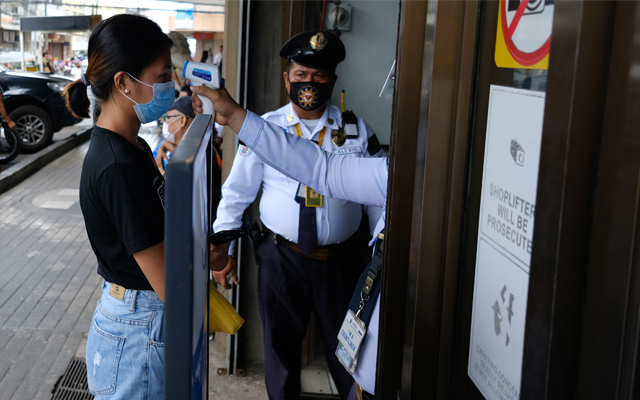
Fluctuating Covid-19 regulations stir confusion among tourism players and hinder recovery efforts; a woman getting her temperature checked by a security guard prior to entering a shopping mall in downtown Dumaguete in Negros Oriental, the Philippines pictured 

However, during a recent webinar organised by the Philippine Tour Operators Association (Philtoa), participants lamented the lack of coordination between the DoT and LGUs, fluctuating guidance, as well as varying rules and degrees of implementation among destinations.

Philtoa president Cesar Cruz noted, for instance, that when Boracay was reopened to Western Visayas on June 16, it was unclear whether the provinces that tourists will have to cross required a travel pass and other documents, which is a must for many cross-borders during lockdown.

Destinations have varying levels of community quarantine subject to change every 15 days, resulting in the LGUs shifting rules, thus making it difficult for tour operators to create new products and tour programmes, according to Cruz.

Agreeing, Lea Wong, director of sales and marketing, The Muse Hotel Boracay, cited the differing guidelines among Philippine airports.

She added that the DoT and the LGUs need to set clearer direction of the safety guidelines, raising the example of how although the new hotel guidelines stipulate that only two persons are allowed to a room and with a partition, it does not give guidance for, say, a family of four.

She also urged the LGUs to involve tourism stakeholders in the planning process on how to properly implement the health and safety protocols.

Bing Miranda, assistant general manager at Triple Star Travel & Tours, added: “We’re willing to cooperate (with the authorities) but it’s so hard to comply with the rules when they change everyday… There’s really a need for coordination.”

Lax Junnel Mendoza, tourism officer of Dolores Provincial Office, echoed the lament of some small and provincial stakeholders outside metro Manila and prime tourism destinations that they’re being overlooked and not consulted.

He said that the DoT is trying to impose a set of rules on the LGUs before allowing them to resume tourism activities, without taking into account the different local settings. He added: “We (are the ones) who knows what’s happening on the ground. The DoT should coordinate with the (respective) LGUs to synchronise the regulations and guidelines.”

Travel Corporation appoints wellbeing directors for tours

0

Singapore, Malaysia to resume essential cross-border travel

0

A reciprocal green lane (RGL) and a periodic commuting arrangement (PCA) will be established between Singapore and Malaysia to cater to the needs of different groups of cross-border travellers.

The decision was made following a telephone call between Singapore prime minister Lee Hsien Loong and Malaysian prime minister Muhyiddin Yassin on June 26, in which the two leaders discussed the gradual and phased resumption of cross-border travel between both countries, said a press statement by the Ministry of Foreign Affairs (MFA) on Saturday.

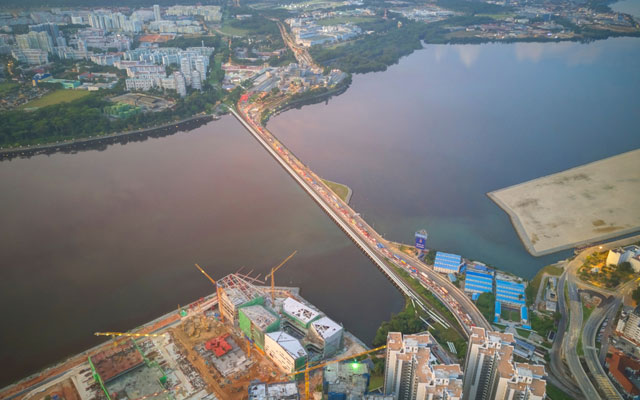
Singapore, Malaysia commit to allow cross-border travel for business travellers and some residents; an aerial view of Johor-Singapore Causeway pictured

The reciprocal green lane (RGL) will facilitate cross-border travel for essential business and official purposes between both countries. Travellers would have to adhere to a set of Covid-19 prevention and public health measures, which are under discussion and will have to be mutually agreed upon by both countries.

The PCA will allow Singapore and Malaysia residents who hold long-term immigration passes for business and work purposes in the other country to periodically return to their home countries for short-term home leave. They will be able to return home for leave after spending at least three consecutive months in their country of work, and they will be allowed to re-enter their country of work after their home leave.

During the call, Lee reiterated Singapore’s commitment to address the needs of Singaporeans and Malaysians who were previously commuting between both countries. Both parties agreed that any bilateral arrangement would have to include mutually agreed public health protocols, to ensure the public health and safety of citizens on both sides, while taking into account the medical resources available in both countries.

The operational details of the RGL and PCA are currently being worked out, said MFA in the statement. In addition, both countries will continue discussions on other proposals to gradually facilitate more cross-border movement of people, so as to ensure a stable recovery by both Singapore and Malaysia from the Covid-19 situation.

Malaysia’s foreign minister, Hishamuddin Hussein, was quoted by the Sunday Star as saying that the reopening will be carried out in stages, with the groups of people divided into four categories.

He elaborated: “The first category is professionals, including those involved in business. The second category refers to Malaysians working and living in Singapore, estimated to be about 20,000 to 25,000 people.”

“The third category comprises Malaysians working in Singapore who commute from Johor on a daily basis, and the fourth category refers to Malaysian and Singapore citizens in general.”

Currently, government discussions are focused on the first two categories, he said, adding that the other two are more complex and that both sides need to ensure that they have the capacity to run Covid-19 tests for them.

Singapore has always been the top generator of inbound tourist arrivals to Malaysia. Last year, Malaysia attracted some 26.1 million foreign tourists, of which 10.16 million were from Singapore.