

Hilton banks on conversions to bolster growth in Thailand
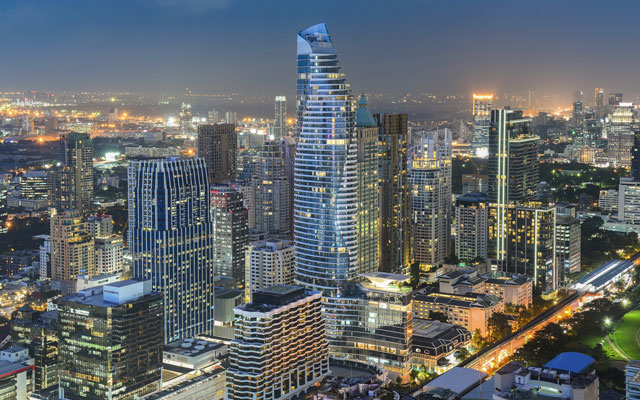
Hilton aims to convert up to 2,000 rooms over two years in Thailand, with a focus on its full service brands Hilton Hotels & Resorts and DoubleTree by Hilton, as well as focused service brand Hilton Garden Inn.
Despite the pandemic, conversion signings for Hilton across the globe in 2020 increased more than 30 per cent versus the prior year.
In recent years, Hilton has inked a number of signings in Thailand, paving the way for the market launch of its focused service brand Hilton Garden Inn in Phuket come 4Q2021, as well as the debut of its lifestyle brand, Canopy by Hilton, in the country in 2023.
Hilton said in a statement that Thailand is “poised for meaningful growth in the coming years”, as it holds the company’s largest portfolio in South-east Asia with 11 hotels across four brands and an additional eight in the pipeline, which will see the entry of two new brands into the market.
Guy Phillips, senior vice president, development, Asia and Australasia, Hilton, said: “The strength of our portfolio and commercial engines have helped preserve and optimise value for our owners throughout one of the most challenging years the industry has ever faced.”
He added that “steering our focus onto rebranding opportunities would allow us to help independent hotel owners in Thailand maximise the potential of their assets”.
Marriott expands Saudi Arabia portfolio

Marriott International has signed an agreement with Al Saedan Group, a real estate company in the Middle East, to open three hotels across Saudi Arabia by 2025.
The multi-project agreement includes the country and territory’s first Renaissance Hotel, the world’s largest Aloft Hotel and a Courtyard by Marriott in the Holy City of Makkah.
Renaissance Hotels is expected to make its debut in Saudi Arabia with the opening of Renaissance Riyadh Hotel. Situated in the business hub of the King Abdullah Financial District and within close proximity to Riyadh International Airport, Renaissance Riyadh Hotel will feature 266 suites, three F&B outlets, a spa, pool and fitness centre.
Aloft Makkah Taysir, which will be situated in the Holy City of Makkah, is set to be the brand’s largest hotel in the world with plans for 1,000 guestrooms. Located in the Taysir district and close to the Grand Mosque entrance, the hotel will be ideally located for guests visiting on pilgrimage. Aloft Makkah Taysir is slated to feature a lounge, a 24/7 grab-and-go gourmet menu, and a 24-hour fitness centre.
Lastly, the signing of Courtyard by Marriott Makkah Kudai will see the brand further expand its footprint in Saudi Arabia. Situated 2km from the Grand Mosque entrance, the hotel has plans for 438 guestrooms, its signature Grab n’ Go market, and a fitness centre.
Avis rolls out six-month car leasing service in Singapore
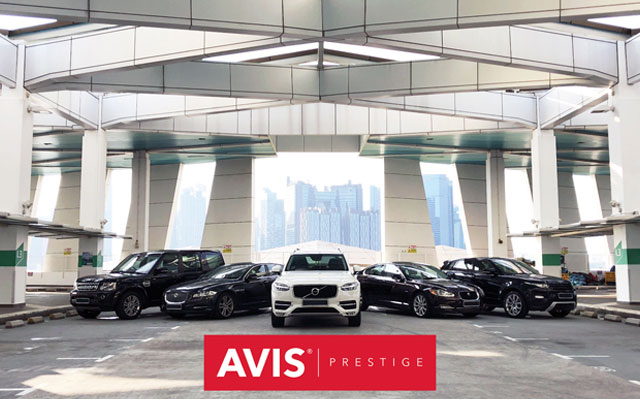
Avis Singapore has launched a six-month car leasing promotion for selected models at rates starting from S$1,228 (US$912).
The promotion runs from now until April 30, 2021. Car models available for rent include the Chevrolet Cruze, Mazda 3, Hyundai Elantra, Nissan Teana, Nissan X-Trail, and the Audi Q3.
The leasing fee includes all running costs, including maintenance, road tax, scheduled servicing and replacement of worn-out tyres. The fee also offers basic coverage such as theft protection and basic collision damage waiver, as well as a 24/7 mechanical breakdown assistance.
Preferred Hotels & Resorts promotes Jonathan Newbury

Preferred Hotels & Resorts has promoted Jonathan Newbury to executive vice president of Asia Pacific.
Newbury brings 30 years of international independent hotel experience to his new position, which carries the responsibility to drive the strategic direction and evolution of the Preferred brand in Asia Pacific, ensuring the success and retention of more than 150 member properties across the region, and overseeing the company’s associates who are based in offices across 10 cities.
As part of this transition, Newbury recently relocated from Chicago to Singapore with his family.
Newbury first joined Preferred in July 2008, intially serving as vice president of brand development and most recently as senior vice president of strategic development. During his time as senior vice president, he spearheaded a variety of global development initiatives that helped fuel a 20 per cent growth in the brand’s hotel portfolio over the past decade.
In addition to his development work, Newbury served as Preferred’s vice president of E-Commerce & Technology from July 2010 to March 2012.
Prior to joining Preferred, Newbury spent three years as vice president of global development for Small Luxury Hotels of the World. He has also served as operations director for VIP SKI, which operates luxury chalets, hotels, and resorts across the French and Austrian Alps, and held on-property sales and marketing positions with both The Langham Hotels and Resorts and Thistle Hotel brands.
Trip.com brings train seat selection onto booking app

Trip.com has launched a series of seat selection services for customers looking to book rides on KTX, ITX and Mugunghwa-ho trains in South Korea.
Seats can now be chosen online, ahead of the trip. KTX passengers are also able to select different class seats for several passengers at one time.
Representatives of OTA and South Korea’s national rail operator KORAIL said the new service offering would address travellers’ need for safer travel experience.
“With the upgrading of social distancing measures, the most important value consideration of passengers is naturally safety when using transport facilities,” said Justin Hong, South Korea general manager of Trip.com.
“To enable passengers to use transport services more safely and conveniently, Trip.com has upgraded its ticketing service offerings, and will offer more diversified services to ensure the safety of passengers.”
A KORAIL executive added: “We will continue to put safety first and do our utmost to enhance passengers’ riding comfort.”
Trip.com was the first OTA to offer online ticketing service for South Korea’s high speed railway system, KTX, in 2018. Recent upgrades have made the service available in multiple languages, facilitating overseas bookings for the country’s train services.
Comforting grains
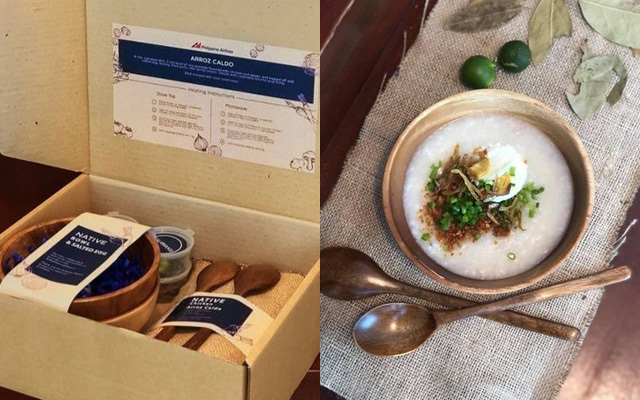
 Philippine Airlines (PAL) has found a different way to consumers’ heart – and it is through a piping hot bowl of comforting rice porridge delivered from its new online food shop, Fly PAL Cafe.
Since opening on Instagram on March 16 to offer Mabuhay Lounge’s much loved arroz caldo kit for 690 pesos (US$14), Fly PAL Cafe has fielded hundreds of orders and enquires.
Each set feeds two to three people, and comes with signature toppings like salted egg, garlic and calamansi, as well as two pairs of locally-sourced and reusable wooden spoons and bowls.
Revenue from Fly PAL Cafe comes in handy at a time when the Philippine flag carrier continues to see disrupted service throughout the pandemic. Today, multiple PAL international flights to and from Manila are cancelled as the government imposes a daily cap of 1,500 arriving passengers at the Ninoy Aquino International Airport. The limits will remain until April 19.
Balancing technology adoption with service and human connection
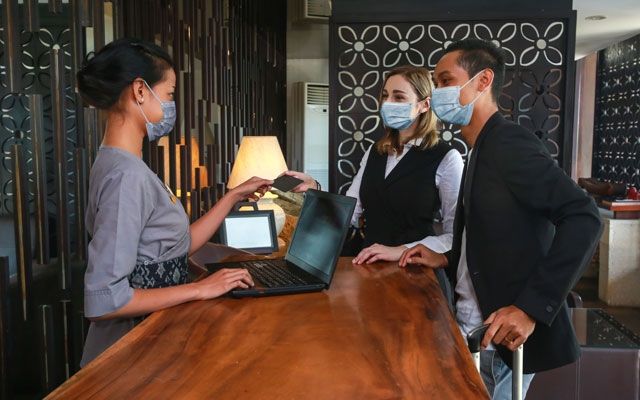
- Health and safety concerns have expedited technology adoption by hotels
- Guests expect options for contactless service and experiences
- Contactless technology can work in favour of customer service culture, rather than against it
While the adoption of contactless service has been typically slow in the hospitality industry, the pandemic and resulting consumer desire for services that are delivered in a safe and hygienic manner have resulted in swift changes.
According to Eric Wong, vice president for hospitality, Asia Pacific with global software company Infor, this change is “shaping new realities for the hospitality industry”.
Solutions that enable seamless, contactless guest touchpoints that comply with safe distancing measures – from check-in to payment – are rising in popularity, as these can help hoteliers better address health and safety guidelines while ensuring that service standards are not compromised.
While these initiatives may still be strange for some hoteliers who are used to the people-driven service concept rooted in the hospitality industry, Wong said that it was time to embrace change so as to move forward.
“The pandemic has really pushed the industry to start thinking about whether there are new ways to do things, perhaps more efficiently, more securely and in ways that prioritise the experiences of guests,” Wong remarked.
Concurring with Wong, Michael Hanratty, general manager of both G Hotel Gurney and G Hotel Kelawai in Penang, said: “The contactless experience will definitely be the new normal and a travel trend once domestic and international travel resumes.”
Hanratty noted that the reliance on technology was stronger now than pre-Covid-19, as consumers’ behaviours have changed dramatically.
“They are more conscious about maintaining social distancing and avoiding crowds. Thus, one of the initiatives taken by our two properties is to introduce seamless online check-in prior to guests’ arrival at the hotel. Instead of manually filling in details at the reception counter, guests can now check-in online and collect their keys upon arrival.
“This not only makes the check-in process so much faster and more comfortable for guests, it also helps with crowd control at the check-in counters,” he said.

G Hotel Gurney and G Hotel Kelawai were among the first hotels in Malaysia to invest in equipment to measure temperature via facial recognition and facilitate contactless QR code check-ins. The hotels also implemented automated hand sanitiser machines at entry points.
For Alex Castaldi, senior general manager of Sunway City Kuala Lumpur Hotels, digital transformation is no longer an option.
Its flagship property, Sunway Resort, is currently undergoing a major transformation to bring in cutting-edge technology that will improve the guest experience. When the resort reopens in phases from 3Q2021, contactless protocols will be enforced in accordance to the Sunway Safe Stay commitment. Guests can expect keyless room access as well as a flexible event space suitable for hybrid and virtual events.
Noting how the pandemic has altered booking considerations, Mandar Vaidya, CEO of OYO Japan, South-east Asia and Middle East, said: “Before the pandemic, people looked for properties near airports, business districts, and in some instances, beaches. Now they are looking for clean and hygienic properties that offer a contactless experience.”
To win over guests of today and the future, OYO’s health and safety standard operating procedures include minimal-touch check-in and check-out systems, robust hygiene and safety training for staff, and strict enforcement of social distancing norms.
OYO properties that are certified with a ‘Sanitized Stay’ label get twice the number of guests than those without, revealed Vaidya.
A balancing act
Hoteliers looking to step up technology usage have to ensure that service standards and personalised human connections are not compromised.
Castaldi told TTG Asia that Sunway Resort’s technology transformation was ultimately driven by the desire to cater to the millennials who have a strong preference for a more personalised interaction.
Despite heavy investments poured into the transformation, the human touch through efficient service, authenticity and personalised attention will not be compromised, he asserted.
In fact, contactless solutions can work alongside hotels’ service-oriented culture and not against it.
Wong explained: “By providing guests with a safer user experience, contactless solutions can reduce friction that may arise from face-to face interactions or manual processes.”
Such an approach will ensure the peace of mind that guests seek.

Hanratty identified another benefit of technology adoption – with technology taking over repetitive and manual tasks, hotel staff have more time to focus on delivering attentive service.
“They have now more time to move around the properties to service guests directly, resulting in more face time and enhancing the overall guest experience,” he said.
To ensure that the human connection is never neglected with the adoption of contactless experiences, Vincent Ong, senior vice president (commercial), Club Med Southeast Asia Marketing, Asia Pacific, said staff continue to embody the Club Med spirit and exude their personalities through the veil of a compulsory face mask and while respecting safe distancing measures.
However, Ong acknowledged that there are limits to the pursuit of contactless experiences for health and safety reasons. Club Med’s iconic activities, such as flying on the trapeze and sports games, cannot be replaced by contactless alternatives.
Bintan, Batam keen on forming a travel bubble with Singapore
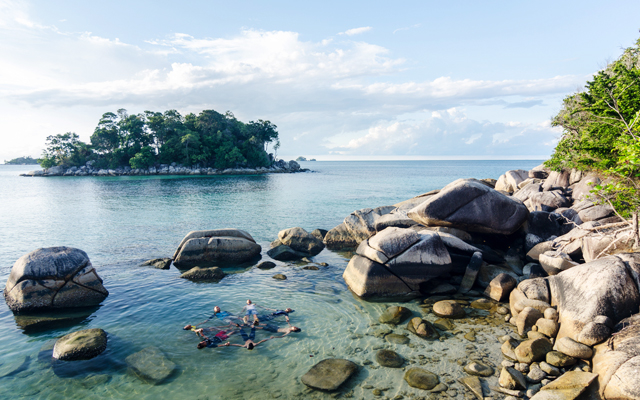
Indonesia’s Ministry of Tourism and Creative Economy are laying the foundations for Bintan and Batam, the two main draws of the country’s Riau Islands cluster, to establish a travel bubble with Singapore by April 2021.
Sandiaga Uno, minister of tourism and creative economy, said both resort islands are ready for a limited border reopening and that entry points Nongsa Point Marina and Bintan Lagoi are gearing up as “green zone destinations”.
“Both areas have limited access to the general public making it possible to implement a travel bubble,” he explained.
The government has built an app to track the movement of tourists in Nongsa and Bintan Lagoi.
Hotels, restaurants, and attractions in the destinations have been CHSE (Cleanliness, Health, Safety, and Environment Sustainability) certified, but Batam is taking its health and safety efforts a step further by inviting Singapore authorities overseeing the SG Clean sanitation and hygiene standards assessment to review the implementation of health protocols in the region.
Edi Sutrisno, executive director of Batam Tourism and Promotion Board, told TTG Asia that securing an SG Clean endorsement was “important to convince Singaporeans to plan a holiday here”.
On Batam, every resort has dedicated quarantine rooms, and guests are given emergency contact numbers that are in operation round the clock, he added.
Indonesia’s declining number of Covid-19 infections alongside a vaccination roll-out for tourism workers has boosted confidence among Indonesian tourism stakeholders in welcoming Singapore travellers soon.
Sulaiman Shehdek, country manager of Visit Indonesia Tourism Office (VITO) Singapore, said: “We really are looking forward for this to happen (and) hope both governments can come to a common agreement for this bubble travel as Singapore residents are looking forward for holidays.”
Star Alliance to plant second office in Singapore
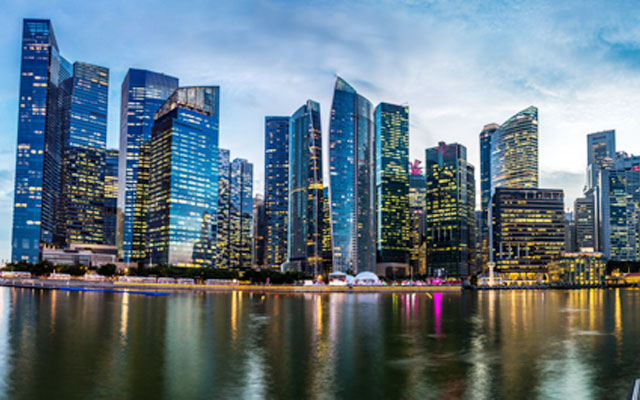
Star Alliance will set up a management office in Singapore later this year, a move its Chief Executive Board believes will put the global aviation network in a stronger position to deliver its post-pandemic strategy.
The establishment of the Singapore office will give Star Alliance two “centres of excellence” internationally, it said in a press statement.
The Singapore office will complement the long-standing office in Frankfurt, Germany and will focus on progressing its strategy in digital customer experience. Two members of Star Alliance, Lufthansa and Singapore Airlines, have established innovation hubs in Singapore, another benefit as Star Alliance continues its digital customer experience innovations.
Singapore was selected based on considered criteria, such as access to innovation and global competitiveness. Singapore has also been ranked highly for the ease of doing business by the World Bank on a consistent basis and has been ranked the most competitive country in the world on several occasions.








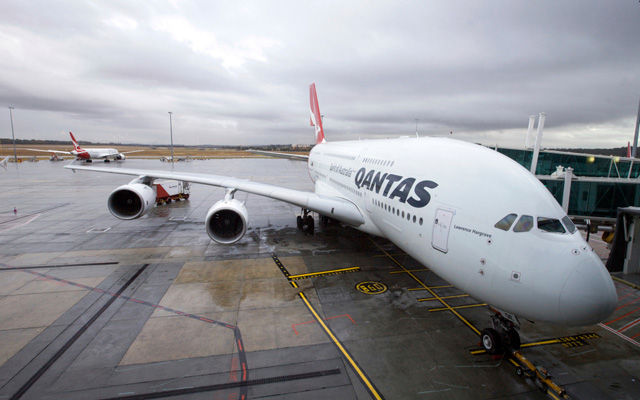
Travelport has started the roll out of bookings on Qantas using IATA’s New Distribution Capability (NDC), ahead of NDC booking capabilities being extended gradually to agencies across Australia and New Zealand from April.
Early adopters ATPI and Maxim’s Travel issued the first Qantas NDC tickets via Smartpoint, Travelport’s agency desktop solution. The first passenger to fly via an NDC booking travelled from Sydney to Melbourne on March 18.
With both Smartpoint and Travelport’s API connection now capable of booking Qantas’ NDC content, this successful step marks one of the final milestones in Travelport’s partnership with Qantas to launch its NDC-enabled Qantas Distribution Platform for agents.
From April, Travelport-connected agents in Australia and New Zealand who have signed up to the Qantas channel will be able to make NDC bookings using Smartpoint or Travelport’s API.
Kyle Moore, head of customer strategy at Travelport, said: “Passengers actually travelling on journeys created via NDC are the best testament to the rigorous efforts that Qantas, Travelport, ATPI, Maxim’s Travel and all our test agencies have invested in successfully enabling modern travel retailing.
“Sharpening our customers’ competitive edge by giving them access to unique and personalised content… is a key part of Travelport’s next generation platform being the best travel retailing platform available in the marketplace.”
Igor Kwiatkowski, Qantas executive manager, global sales & distribution, said: “Despite the significant impact of Covid on airlines globally, Qantas remains committed to progressing our NDC programme with our key partners like Travelport.
“We’ve launched a number of new features in recent months, including special price offers for our Frequent Flyers and the ability for agents to help their customers purchase carbon offsets. These benefits are all designed to deliver richer content and a better experience for our customers and agency partners.”
NDC bookings made through the Qantas Distribution Platform will empower agencies to deliver more enriched and personalised experiences for travellers.