TTG Asia
Asia/Singapore Saturday, 3rd January 2026
Page 1709

Turkish agents assure destination is safe for tourists

0

turkey-tourists-ephesus
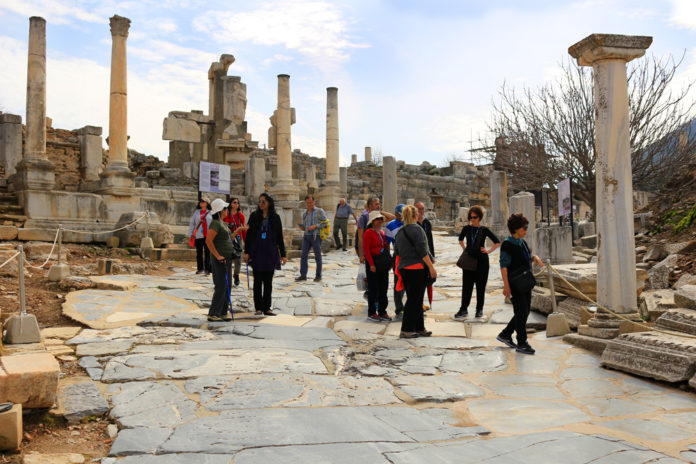
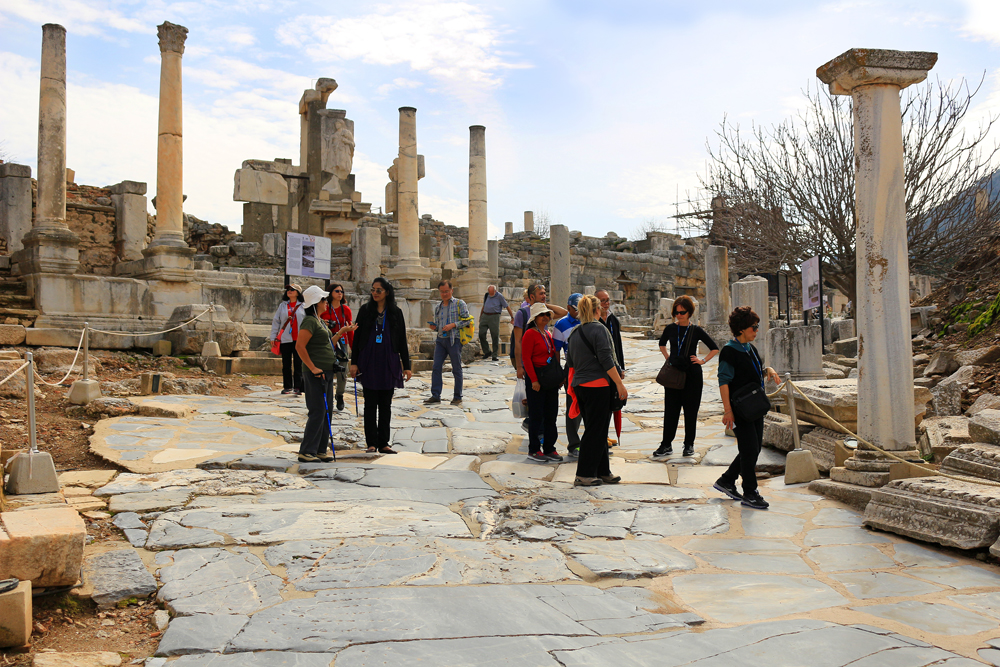
Tourists walk down the marble walkway in Ephesus, Turkey 

The travel trade from Turkey are at ITB Asia 2016 to reassure buyers here that the destination is safe and trouble-free for tourists despite several terrorist attacks this year, a failed coup attempt and the ongoing ISIS conflict.

Kaan Yilmaz, culture and tourism counsellor at the Turkish Embassy, tourism & information office, described Turkey as the “safest country in that part of the region” and “trouble free”.

He said the government, through the Ministry of Culture and Tourism, has also been organising familiarisation trips for the travel trade to reassure the market that the destination is safe.

Tourist arrivals into Turkey had declined sharply this year. From January to August, there was a 38 per cent drop to 3.2 million visitors, down from 5.1 million compared to the corresponding period last year.

Inbound agencies are suffering as a result of low arrivals. Mukaddes Mehmetemin, sales and marketing director at Inter Travel Services, described business as being very bad.

For the first four months of 2016, the company lost around 80 per cent of its business from Asia and made the tough decision to stop selling packages in May until the situation improves, which she expects could only be in 2017.

Another inbound player, Mehmed Dogan, president of Arar Tours, believes Turkey’s main problem was dealing with the general perception that the destination was not safe, and believed that the government should do more to change this perception by working with international media companies.

On its part, the company was working with hotels to come out with attractive tour package rates which are generally 30 per cent lower than in 2015. Despite the company’s efforts to increase business, the company’s core markets from Latin America and Asia saw a drop of around 30 to 40 per cent this year, said Mehmed.

Rahul Sharma from Exotic Holidays based in Auckland, which is also the GSA in New Zealand for Fez Travel, a large inbound tour operator and wholesaler based in Turkey, said demand for Turkey remained low partly due to a travel advisory from the New Zealand government which had been in force for many months already.

He said: “We’re trying to stir demand through early bird promotions for tour packages in 2017 but there are very few takers. In 2014, we had 700 clients going to Turkey. This year, the numbers have dropped to not more than 70. Forward bookings for next year is less than 20.”

California-based World Travellers’ Club president, Kaushik Sen, said demand for Turkey used to be mainly for its cultural tours in the south of Turkey bordering Syria, but now his clients are avoiding the destination altogether and were instead opting for Greece and Georgia.

Go Vacation consolidates, plants roots in Vietnam

0

go-vacation

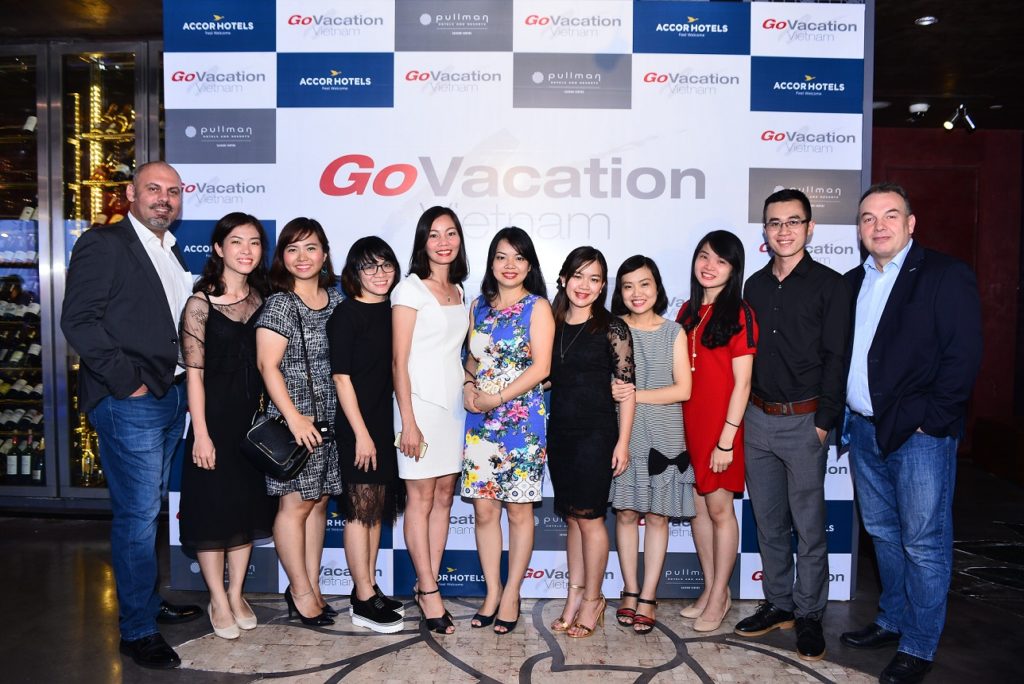
Backed by the pan-Europe prowess of its parent travel company Der Touristik Group, Go Vacation – which is already represented in Thailand, Indonesia and Sri Lanka – is eyeing an even bigger piece of the Europe outbound market into South-east Asia with the creation of a new Vietnam outfit.

Led by general manager Erkan Tuncaakar, who previously headed Go Vacation’s business in Sri Lanka and Indonesia, Go Vacation Vietnam is the result of a joint venture inked between Go Vacation and Buffalo Tours during ITB Berlin in March this year.

For a DMC which already has access to 14 European feeder markets, Tuncaakar sees strong growth opportunities for Go Vacation in emerging countries such as Poland and Czech Republic, where tour operators there are beginning to show an interest in new outbound destinations in Asia like Vietnam.

As well, the launch of Go Vacation Vietnam will effectively shift Der Touristik’s Dertour, Meier’s Weltreisen and Kuoni Switzerland accounts from ICS, Diethelm and Asian Trails respectively to Go Vacation Vietnam, which Tuncaakar likens to as “bringing three siblings who were previously living in different houses back into one home”.

Furthermore, this consolidation will clearly enable Go Vacation to “consolidate strengths” to streamline its work process and efficiency as well as to gain market share, overriding its “diluted” clout in the market previously, Tuncaakar said.

Thailand sets record straight for mourning period

0

king-bhumibol-adulyadej_sanam-luangadulyadej-in-sanam-luang-bangkok-and-grand-palace_-grand-palace
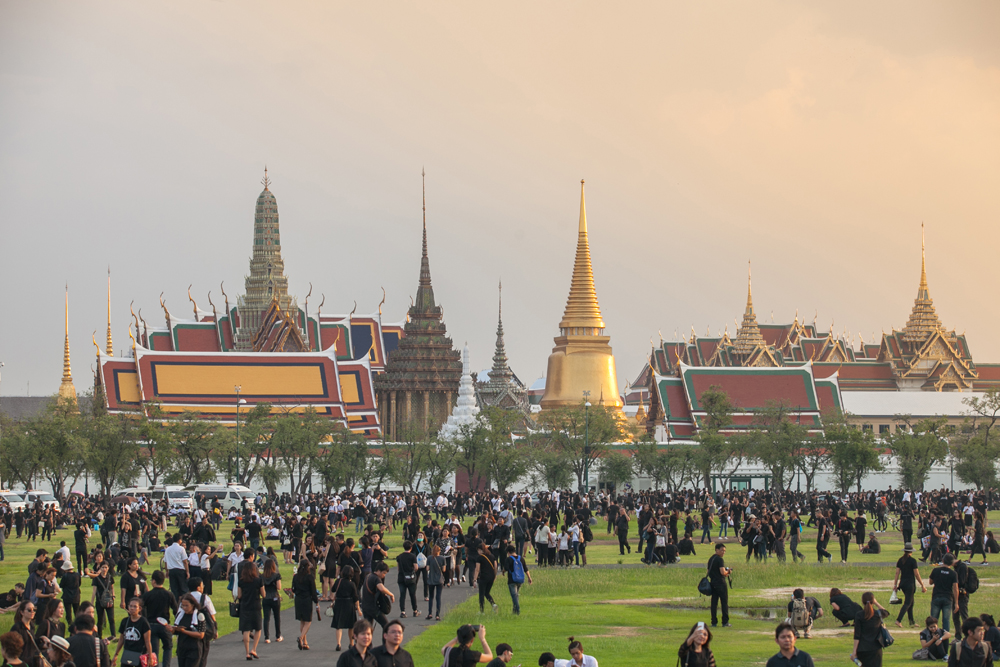
Thai people attending the funeral

The Tourism Authority of Thailand (TAT) has made clear the appropriate measures needed to be taken during the period of mourning being observed in Thailand in the wake of King Bhumibol Adulyadej’s passing.

While most mourners in the country will be dressed in black or white clothing as a display of reverence to the King and as part of Thai culture, it is not mandatory, especially for visitors, to do so.

However, TAT is advising tourists to dress respectably in public and to refrain from disrespectful behaviour during this time. Entertainment venues have also been tasked to tone down their activities for the time being.

Events, including weddings, meetings, celebrations and conferences, can carry on as usual as long as it is held within a premise. Organisers can choose to adjust the appropriateness of the events accordingly.

Tourist attractions will be open with the exception of Wat Phra Kaeo (Temple of the Emerald Buddha) and the Grand Palace, as they will be the venue of the funeral. The venues will reopen on November 1. All transportation, banks, shopping areas, hospitals and other public services will operate as usual.

TAT further warns of traffic congestion within and surrounding Bangkok as mourners flock to the capital to pay their respects.

New hotel openings: October 17-21, 2016

0

The latest hotel openings and announcements made this week

the_edison_george_town_lobby_lounge_02_v2

The Edison George Town
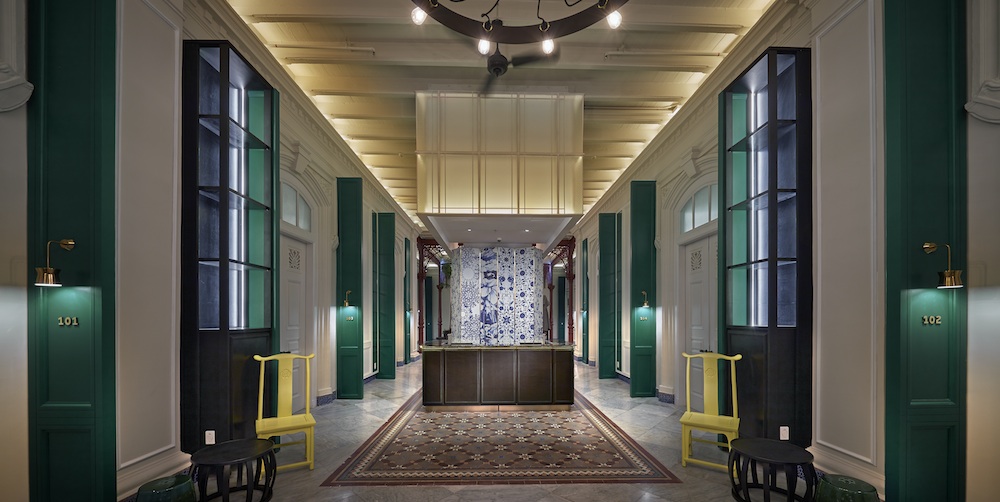
Opened on July 16 is The Edison George Town, occupying a restored heritage mansion within the UNESCO World Heritage site in Penang. A member of the Small Luxury Hotel of the World, the Malaysian property boasts 35 rooms and suites that range in size from 19m2 to 61m2. Facilities include The Lounge, where breakfast and refreshments are served; The Courtyard, a public area; The Library, where guests can browse books; and a swimming pool that comes complete with cabanas.

rui_sri_lanka

Hotel Riu Sri Lanka
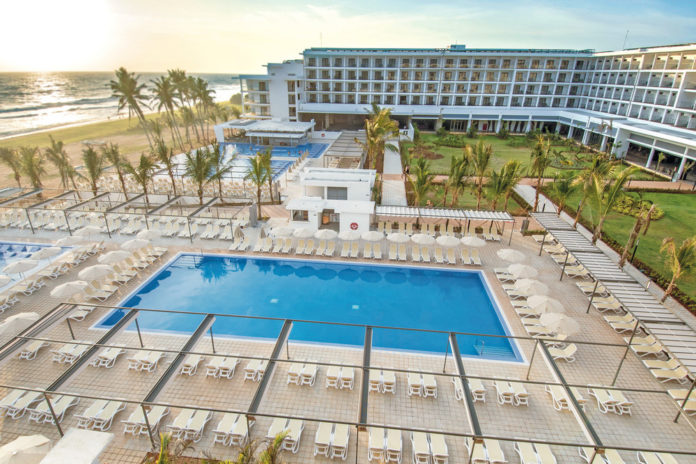
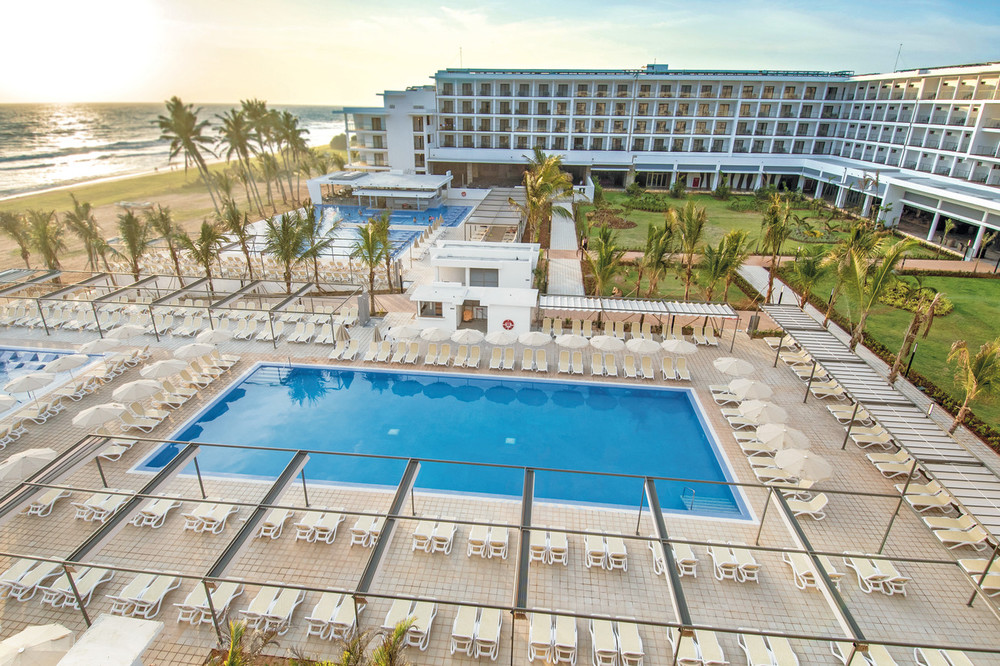
Spanish-brand Riu Hotels & Resorts has taken its first step into Asia with the opening of the five-star Hotel Riu Sri Lanka in Ahungalla. The new-build hotel offers 501 rooms that come with a balcony or terrace, satellite TV, safe and minibar. On-site amenities include three large swimming pools, a children’s pool, Jacuzzi, gym, two buffet restaurants and the Renova Spa wellness centre. There’s even the Pacha nightclub for guests to party into the wee hours.

ritz_carlton_jiuzhaigou

The Ritz-Carlton, Jiuzhaigou
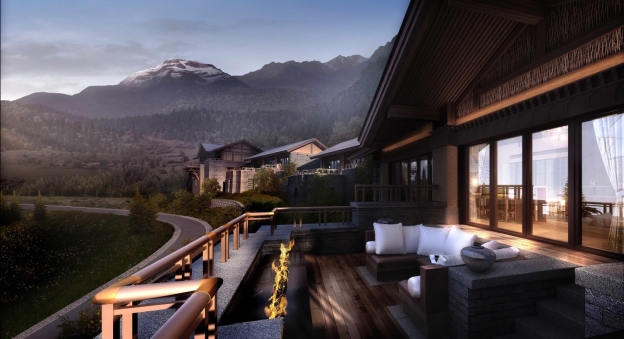
In 2017, Ritz-Carlton will be opening its first all-villa property in China’s Jiuzhaigou Valley. Located on the edge of the Tibetan Plateau in South-west China, the property is 2,300m above sea level and is 20 minutes away from the 72,000ha Jiuzhai Valley National Park. The property will have 87 villas that feature panoramic views over the UNESCO-listed valley and the snow-capped Min Mountains. Facilities on-site include three restaurants and lounges, a mountain spa, a kids’ club, and media room.

Singapore’s Seletar Airport to get new passenger terminal

0

seletar-airport-departure-hall
Artist impression of departure hall

Plans to build a new terminal at Singapore’s Seletar Airport were unveiled yesterday, part of a redevelopment of the airport that commenced in 2008.

Scheduled for completion in end-2018, the new, two-storey terminal will have a gross floor area of 9,500m2, of which 500m2 will be dedicated to serving business aviation passengers.

The terminal will be able to handle around 700,000 passenger movements per annum, significantly larger than the current terminal, which handled about 26,700 passenger movements in 2015. This will support the relocation of scheduled turboprop flights from Changi Airport to Seletar Airport.

Passenger operations will take place on the ground floor, with the departure area having four check-in counters, four immigration counters, two security screening stations and a gate holdroom which can seat close to 200 passengers. The departure area also has a café.

Passengers travelling on chartered business and private jets will be allocated a private drop-off area, dedicated check-in, immigration and security screening areas and a lounge.

The terminal will also introduce three aircraft parking stands, which will be supplemented by another 60 in the rest of the airport.

Daniel Ng, director (aviation industry), Civil Aviation Authority of Singapore, said: “The expansion will accommodate the growth of our air traffic and optimise operational resources. The new passenger terminal building will also complement operations at Changi Airport and allow for more capacity.”

Takenaka Corporation will undertake the construction of the new terminal, with a contract valued at around S$50 million (US$35.9 million). The company has been involved in various construction and upgrading works at Singapore’s Changi Airport, including the ongoing development of Terminal 4.

The airport has seen several enhancements since 2008 including the lengthening of its runway, the construction of a new control tower and fire station, a doubling of the number of parking stands, additional taxiways and upgraded aircraft parking aprons.

Onyx expands into Australia with Melbourne property

0

shama-luxe-aurora-melbourne-central

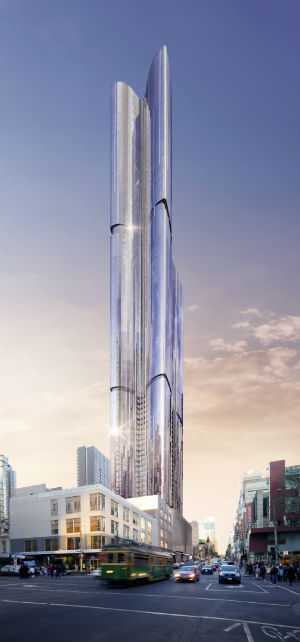
Onyx Hospitality Group is set to open its first property in Australia with the signing of the Shama Luxe Aurora Melbourne Central.

The 252-unit serviced apartment will be located within the 92-storey mixed use Aurora Melbourne Central development from floors 10 to 32. Construction of the property is scheduled for completion in the second half of 2019.

On-site facilities include a restaurant, executive lounge, swimming pool and fitness centre.

Onyx has a portfolio of 10 operating Shama properties in China, Hong Kong and Thailand, with eight additional Shama properties under development in locations such as China and Malaysia.

Messe Berlin affirms Singapore as ITB Asia’s host destination

0

itb-asia-opening
ITB Asia 2016 opened yesterday morning at Marina Bay Sands, with Singapore minister for trade and industry (industry) S Iswaran (centre) as the guest of honour

Messe Berlin (Singapore), organisers of ITB Asia, has decided to stay put in Singapore for the next few years, said Martin Buck, Messe Berlin’s senior vice president.

An MoU to affirm this commitment was signed between Messe Berlin (Singapore) and the Singapore Tourism Board (STB) yesterday.

He elaborated: “Singapore as a city still offers the convenience when it comes to organising a tradeshow – be it the availability of hotels, and convenient access to both airport and tradeshow location.

“We’ve enjoyed a constructive and fruitful cooperation with STB for almost a decade, and it’s obvious we don’t have a reason to leave the city.”

When asked about future editions of the tradeshow and what it might hold for both buyers and exhibitors, Buck told TTG Asia that they were working on a matching process to create situations where appointments will bear a higher likelihood that deals will be struck.

“This is based on a steadily improving matchmaking system which tries to include more relevant information about what a buyer wants, and what an exhibitor has to offer. This strategy – which is more of a steady improvement process rather than a dramatic change of the format itself – is one that we will continue over the years to come,” he added.

As for the inaugural ITB China happening next year in May, Buck explained that the event would focus exclusively on Chinese buyers there, making it unique.

He shared: “We have already done up agreements with five of the biggest Chinese online tour operators such as Ctrip, Alitrip and Tuniu to bring their buyers to our show.”

Long-term prospects a draw for hotels in China

0

shanghai-skyline
Skyline of Shanghai, China

Despite the massive injection of hotel rooms across many Chinese cities in recent years, China remains an attractive market for international hospitality companies looking to intensify their reach in this vast market.

Pan Pacific Hotels Group (PPHG), for instance, will debut Pan Pacific Beijing in 1H2017 while Amara Hotels & Resorts will launch the Amara Signature Shanghai early next year.

Acknowledging China’s saturated market, PPHG’s CEO Bernold Schroeder chalked up the current oversupply in some cities to the building boom during the lead-up to mega events such as the 2008 Beijing Olympics and the 2010 Shanghai World Expo.

“Today, there are 2.4 million hotel rooms in China, just half of that in the US. However, China’s population is four times larger than that of the US, and with robust growth projected in domestic and international travel, there is still room for expansion in the long run.”

He added: “As a company however, we are investing for the long-term. China is a huge, emerging market which at the same time is fragmented, with global hotel brands being relatively lesser-known. This presents an opportunity for smaller hotel groups such as PPHG to strengthen our brand presence in China.”

“Brand recognition” is also an important factor driving Mövenpick Hotels & Resorts’ development strategy in China, said Asia senior vice president Andrew Langdon.

As China is typically among the top five feeder markets for the group’s resorts in Asia, the presence of Mövenpick properties in tier-one Chinese cities will influence Chinese outbound travellers’ choice of stay abroad, he informed.

Amid slowing international arrivals and intense competition in China, Dawn Teo, director of strategic planning and corporate development of Amara Holdings, still sees China as “an attractive destination with great market potential”.

“While China’s (recent) growth story is muted, its GDP growth of over six per cent is still enviable compared to the rest of the world,” said Teo. “The total demand from both international and domestic travellers will outpace the current supply. We expect China to be among the fastest-growing hotel sectors.”

Meanwhile, the fierce competition in China’s first-tier cities has also led hotel groups to shift their expansion focus to secondary and tertiary cities.

InterContinental Hotels Group (IHG) has over 222 hotels in its China pipeline, of which more than 90 per cent will be located are in second-, third- and fourth-tier cities, according to Kent Sun, chief development officer, IHG Greater China.

He said: “These cities still have vast available areas for developing new hotel projects. Many local governments and developers are looking to build landmark structures to boost their (respective) city’s image and reputation which has provided good opportunities for us to expand our portfolio in China.”

China’s secondary and tertiary cities are also of “particular interest” to Hilton, Asia-Pacific president Martin Rinck told TTG Asia. “This is owing to the significant gap between existing hotel supply and the exponential increase in demand – particularly in popular leisure destinations such as Yunnan, Guangdong, Shaanxi and Sichuan,” he added.

Likewise, resort destinations in second- and third-tier cities are attractive to IHG. Said Sun: “Their booming prospects are backed by favourable government policies including more public holidays, annual leave encouragement and a boost in domestic consumption.”

Tourism investment rises in SE Asia

0

david-scowsill
David Scowsill

Tourism will likely remain a bright spot for South-east Asia in the coming years, with forecast investment to total US$782 billion, accounting for 7.4 per cent of total investment in the region in the next decade, said World Travel & Tourism Council (WTTC) president/CEO David Scowsill.

However, some South-east Asian countries are notably lagging in terms of infrastructure development to meet the needs of estimated tourism growth rates of 6.2 per cent per annum until 2026, he added.

Citing WTTC’s latest Travel & Tourism Investment in ASEAN report, Thailand is classified as ‘future focus critical’, as investment spend has fallen significantly since its 2006-2007 peak while tourism demand has spiked in recent years.

Infrastructure is also constrained in Myanmar, Cambodia and the Philippines and forecast investment does not meet the needs of future demand. Vietnam and Laos, in comparison, are faring better with infrastructure improving in tandem with growth prospects.

On a more positive note, investment in Malaysia and Brunei are well balanced while Singapore and Indonesia stand out in being able to roll out infrastructure ahead of demand.

This varying performance of South-east Asian countries in future tourism and travel preparedness also reflects the fragmented pace of development that long characterises the region.

When asked if the current economic slowdown in parts of Asia would impede tourism growth, Scowsill remarked: “Technically we have been in recession for the past seven to eight years… Travelling has become part of people’s psyche and they are unlikely to cut back on travels.”

Also working in the region’s favour, besides its strengths in culture diversity and price competitiveness, is the perception of South-east Asia as a “safe destination”, especially when compared with Europe which suffered a string of terror attacks in the last 18 months, Scowsill pointed out.

Asian travellers shift interest to ‘less sensitive’ European cities

0

europe-globe

Recent terror incidents in a number of popular European destinations, such as France, Belgium and Germany, have dented overall Asian interest in the region and created new favourites on travellers’ wish list.

Ganesh Rao, general manager of Ascon Holidays in Hyderabad, said Europe bookings we’re down 40 per cent due to a mix of terror threats, a softer economy and visa issues. Demand has shifted to Australia and New Zealand where “the NTOs have been proactive (in supporting the trade)”, he remarked.

Demand for Europe slipped 20 per cent for Baywatch Chennai since six months ago. A recent survey by the Japan Association of Travel Agents also found that outbound sales for Europe fell while Asia and Oceania numbers rose.

HIS Co’s team leader of Kanto regional sales, Atsushi Okamoto, said “sales are not good”, while Nippon Express Travel spokesperson Kazuya Fujinaga observed a stronger client preference for nearby Asian destinations. Both declined to quantify the slip in bookings.

Also bemoaning “flatlined” business to Europe this year is Jonathan Tran, managing director of Lac Hong Voyages in Vietnam. “I don’t expect bookings to improve for 2017 unless airlines dish out huge discounts,” he said.

For some Asian buyers at ITB Asia, Turkey has turned out to be the biggest European loser.

“Turkey was our best-selling destination but we had at least three groups cancelling their trips there this year after the terror attacks,” said Farisyah Yaakub, Best Star Travel Malaysia’s director of marketing and product development.

Ahmad Mahadzir Shaffirin, vice president of Malaysia’s Konsortium Sepang, also reported many cancellations and postponements for Turkey this year, besides a “general weaker demand for Europe”.

For Amaresh Tiwari, managing director of India’s A T Seasons & Vacations, Turkey’s location next to troubled Syria had unsettled his clients, although they had maintained their love for France and Belgium.

However, Asian travellers are not giving the whole of Europe a wide berth. Instead, demand has simply shifted away from trouble spots to cities that are perceived to be safer.

Baywatch CEO Manish Kriplani said: “Travellers are avoiding sensitive (destinations) and are now picking Spain and Switzerland as well as cities such as Prague and Budapest.”

The Balkans has gained favour among Farisyah’s clients, while Rao noted that Paris and Swiss cities are still considered “a must” for his clients’ incentive programmes and that interest in Greece is up.

The shift in choice destinations within the region has helped Dynasty Travel Singapore to avoid a downturn in Europe bookings. According to spokesperson Alicia Seah, Western Europe’s loss was Northern and Eastern Europe’s gain, and Europe is still the company’s top destination with a 35 per cent share in overall sales revenue.

Chan Brothers Travel Singapore observed a 30 per cent YOY growth in UK booking in 1H2016, and keener demand for “less mainstream destinations like Iceland and Scandinavia”, said spokesperson Joyce Tan.

Also offering a positive view on the situation, Robin Yap, Asia president, The Travel Corporation, said: “Travel to Europe is still growing from Asia, partly due to the attractive exchange rate and various airfare promotions. Following the incidents in Europe, our web searches returned to pre-attack levels very quickly. People still want to travel, but to different parts of Europe.”