TTG Asia
Asia/Singapore Tuesday, 30th December 2025
Page 1669

Growing trans-Pacific routes lift North American demand to SE Asia

0

richard-brouwer
Khiri Travel’s Richard Brouwer

North American travel into South-east Asia is looking set to grow as Asian carriers open up more routes linking the regions.

Richard Brouwer, CEO of Khiri Travel, said: “All the American carriers still (provide connections to Asia). However, if you see what the Asian and Middle Eastern airlines have done to open up (routes from) America, it’s amazing.”

For example, Taiwan’s Eva Air operates 80 flights per week between North America and Taiwan. From Taiwan, passengers can transit to Bangkok on the airline’s 26 weekly connections on the Taipei-Bangkok route, recently increased from 17 flights a week.

Capitalising on this route, the Tourism Authority of Thailand (TAT) entered into an MoU this month with the airline, aimed at jointly promoting travel between North America and Bangkok.

Brouwer also pointed out that Singapore Airlines has plans to reinstate its direct flights to the US this year after its termination a few years ago.

A problem, however, is the lack of agent interest to sell certain routes, Brouwer said. “These days, only a few agents have contracts with airlines. The earnings from tickets are not that large anymore… and passengers (now make decisions) based on miles – many tour operators don’t want to deal with that.

Still, Brouwer is optimistic that demand for South-east Asia will grow in the US, where travellers are increasingly seeking authentic, cultural experiences.

Also observing growing demand for cultural and nature tours in South-east Asia is Kaushik Sen, president of World Travellers’ Club, which specialises in custom itineraries for US FITs.

Meanwhile, sentiments about Canada are more varied. While TAT recently announced plans to set up an office in Canada, Vietnam National Administration of Tourism (VNAT) was less enthusiastic.

Vu Nam, deputy director general, tourism marketing department of VNAT, said Canada is still “quite a small market”. The country welcomed “only 100,000 visitors from Canada” – compared to about half a million from the US.

Vivek Khanna, president of Tourcan Vacations, an agency that handles Canadian outbound to Asia, said: “Numbers into Singapore have dropped over the years because of the lack of exposure. But Vietnam, Thailand, Indonesia and Cambodia are doing well.”

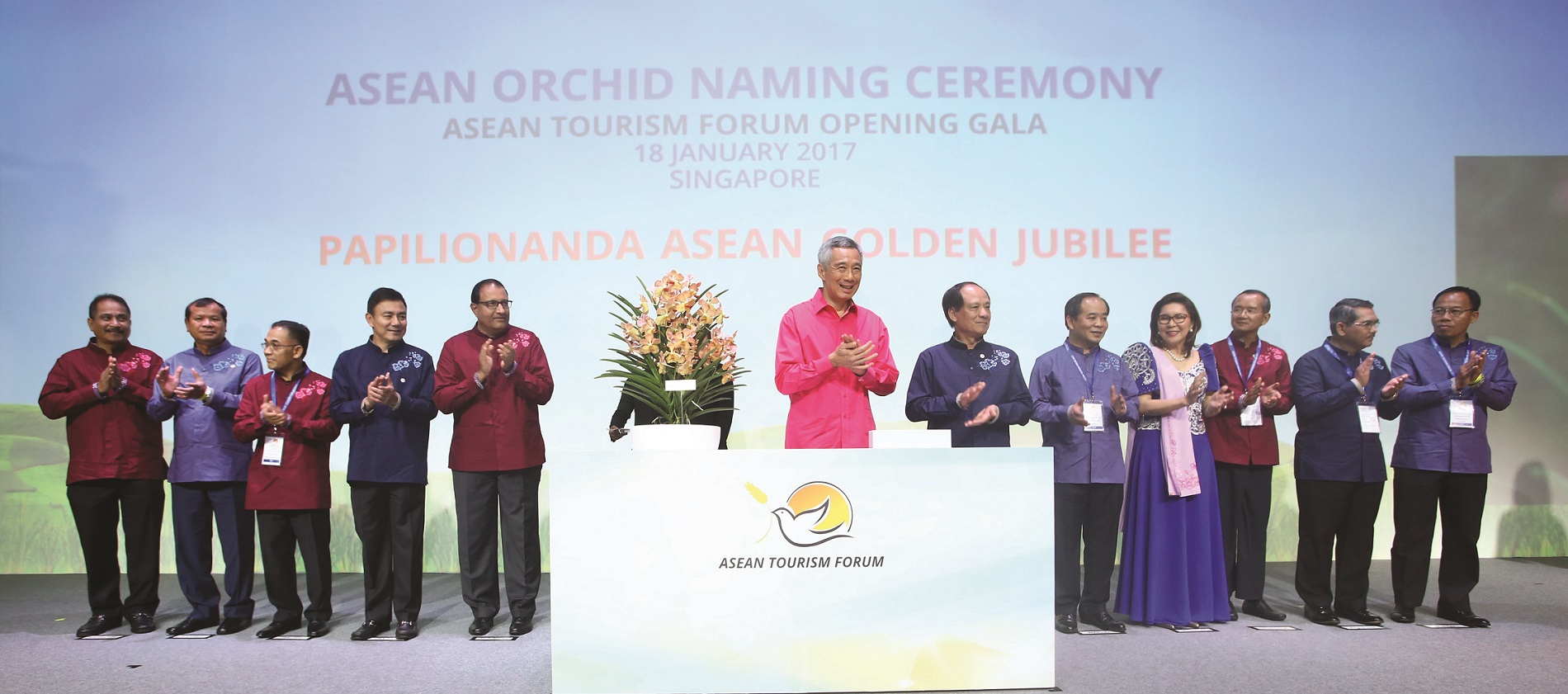
ASEAN’s a ‘raft’ amid uncertainty: Singapore PM

0

pm-lee-and-asean-ministers
Singapore PM Lee and ASEAN Ministers at ATF 2017 opening ceremony

Beyond jointly marketing ASEAN through campaigns and promotions, Singapore’s prime minister Lee Hsien Loong has underscored the need to do “the less glamorous behind-the-scenes hard work” and proposed three ways towards a vibrant ASEAN tourism industry, namely through strengthening air links, building up cruise tourism and developing tourism talent.

During his speech at ATF 2017 opening ceremony on Wednesday, he noted ASEAN’s progress in growing air links, having more than doubled the annual air seat capacity of flights in the region while budget airlines have made travel affordable for the masses. All ASEAN members have ratified an open-skies agreement.

But there remains huge potential for tourist and air passenger numbers to grow further if ASEAN continues to strengthen its connectivity. “The more flights are available and the more affordable they are, the more tourists will come and the more tourism will prosper,” said Lee.

“Second, we should build up cruise tourism which has immense potential for development. It is growing in popularity in North Asia and Australia, and ASEAN is well placed to promote cruise tourism. We have archipelagos in ASEAN to rival the Aegean, the Caribbean or the South Pacific. We have year-long tropical weather and calm waters; we have diverse and attractive destinations within short sailing distances.

“But developing cruise tourism is a multilateral effort. We need to develop port infrastructure to receive bigger and newer ships. We need to work with cruise providers to create attractive alternative itineraries with multiple stops for tourists. Singapore is happy to be the lead co-ordinator for the ASEAN Cruise Development Initiative. We need to work together closely to make this happen, and harness opportunities under the ‘Cruise South-east Asia’ brand,” said Lee.

“Thirdly, we must develop our tourism talent. In ASEAN, we have the natural advantage of cultures that are warm, friendly and courteous, so visitors immediately feel comfortable and welcome. But our workers also need specific skills to run hotels properly, manage inventories and logistics, supply guides and interpreters, so we can deliver the high standards international tourists are accustomed to,” said Lee, adding that investing in workers also create opportunities and jobs for the locals.

As ASEAN marks its 50th year of founding this August, the Singapore leader also reminded delegates the importance of regional cooperation in today’s isolationism climate. Last year saw Britain’s vote for Brexit, the US elected a non-establishment candidate as its next president, and Europe distracted by corporate anxiety about jobs and immigrants, plus doubts about the whole European integration project.

“In this uncertain global environment, ASEAN is an important raft for all of us,” said Lee.

While ASEAN has made regional cooperation a success in South-east Asia, there’s a lot more work to be done, he said.

“We have to press on to deepen economic integration and boost connectivity among ASEAN countries, for example, through the Regional Comprehensive Economic Partnership and the Master Plan on ASEAN Connectivity. In security and counter-terrorism, we have to work more closely to share intelligence, counter extremist ideology and disrupt terrorism networks. In social and cultural areas, we have to continue to foster people-to-people ties.

“ASEAN’s objectives are not quite as ambitious as the EU’s but if ASEAN can build on what we have achieved, and deepen our cooperation across the board, all our peoples will benefit,” said Lee.

It’s Chiang Mai for ATF 2018

0

chiang-mai
Inthanon mountain, Chiang Mai

Come 2018, Chiang Mai will be an ATF host city for the first time, as part of a strategic decision in host country Thailand’s ongoing push to develop the northern city as a MICE destination.

Pongpanu Svetarundra, permanent secretary at Thailand’s Ministry of Tourism & Sports, said: “Chiang Mai is an established tourist destination and centre of Lanna culture, plus it’s at the crossroads of Indochina with connections to Myanmar, Laos and Southern China.”

TRAVEX will be organised at Chiang Mai International Exhibition and Convention Centre, with meetings likely to be held in Shangri-La Chiang Mai, according to Pongpanu.

Held under the theme of ASEAN: Sustainable Connectivity, Boundless Prosperity, Tourism Authority of Thailand governor Yuthasak Supasorn believes that attendees will be shown a different side of Thailand when they visit the “rose of the north”.

He said: “Chiang Mai has undergone considerable economic development in recent years but it still retains (manifestations of) its history and heritage.”

Buyers at ATF are eager to see what the trade show’s 37th edition will bring, with Meinhard Hiller, senior area manager, Asia, Australia & New Zealand of Germany’s Windrose commenting that the choice of Chiang Mai is a “good balance of a less established destination with good connections”.

Meanwhile, Gecko Inventives & Events Germany’s Henry Waltz sees in such secondary destination choice a chance for longhaul buyers like him to learn more about Chiang Mai, especially as the northern city is lower on the travel radar for German travellers to Thailand, as opposed to the more popular Krabi and Phuket. ー Additional reporting by Yixin Ng

Singapore gets a Dream ship

0

genting-dream
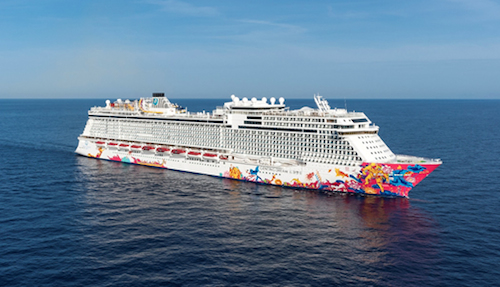
Genting Dream

With the delivery of its second ship World Dream this fall, Dream Cruises will be redeploying its first ship Genting Dream from its current base in Guangzhou to Singapore for year-round homeporting from December 3, reaffirming its positioning as Asia’s first luxury cruise line not just for the China market but Asia and international markets.

The latest ship, World Dream, which is being built in Meyer Werft shipyard, will then be deployed to North Asia, tipped to be Hong Kong.

When asked about the decision to base Genting Dream rather than World Dream in Singapore, Dream Cruises’ president & CEO Thatcher Brown said the switch means the line could offer a new product to both the North Asian and South-east Asian markets.

Genting Dream, while known in the North Asian market, is a relatively new product in the South-east Asian market. World Dream, on the other hand, will be a fresh offering for the North Asian market; the deployment of Genting Dream to Singapore will also open new itineraries for North Asians to cruise in South-east Asia with a product they are now familiar with, he said.

From Singapore, Genting Dream will offer two five-night itineraries, Kuala Lumpur/Penang/Phuket and Surabaya/north Bali. It will also offer staycation cruises on weekends.

On choosing Singapore to homeport one of its two ships, Brown counted several factors, among them continued growth not only in the Singapore market but South-east Asia; proximity to South-east Asia and Asia which spurs fly-cruise vacations; a diversity of destination choices that appeal to the target audience; strong cruise infrastructure and its strong history in the region. Dream Cruises is owned by Genting Hong Kong, which also operates Star Cruises.

“Michael (Goh, senior vice president sales) and his team have a well-established network of sales distribution and have built a solid relationship with our partners here, a strength we will leverage, especially now that we can go to the market with a portfolio of cruise offerings (aside from Star, Dream, this includes Crystal Cruises) to suit different clients,” said Brown.

Goh added that year-round homeporting is important to help business partners drive sales. “Partners want us to be with them through all cycles of demand. They don’t want to be promoting a cruise for six months only to have it available only for three months. It shows our commitment to them. As well, we are delivering the newest product to partners which helps their selling efforts.”

Genting Dream will be re-orientated to serve its new market in areas such as crew mix, F&B and onboard experiences that are more relevant for its expected new guest mix.

Currently, its market mix is Hong Kong/international, enhanced by China for its two-night cruise ex-Hong Kong, and China from the Pearl River Delta (PRD) area, enhanced by expats in the PRD/international for its sailings from Guangzhou.

The ship, in operation since November, has 1,674 staterooms and can accommodate 3,400 passengers. Its new sister, World Dream, will be similar.

Viking explores Asia with new cruise itineraries

0

viking_star_float_out
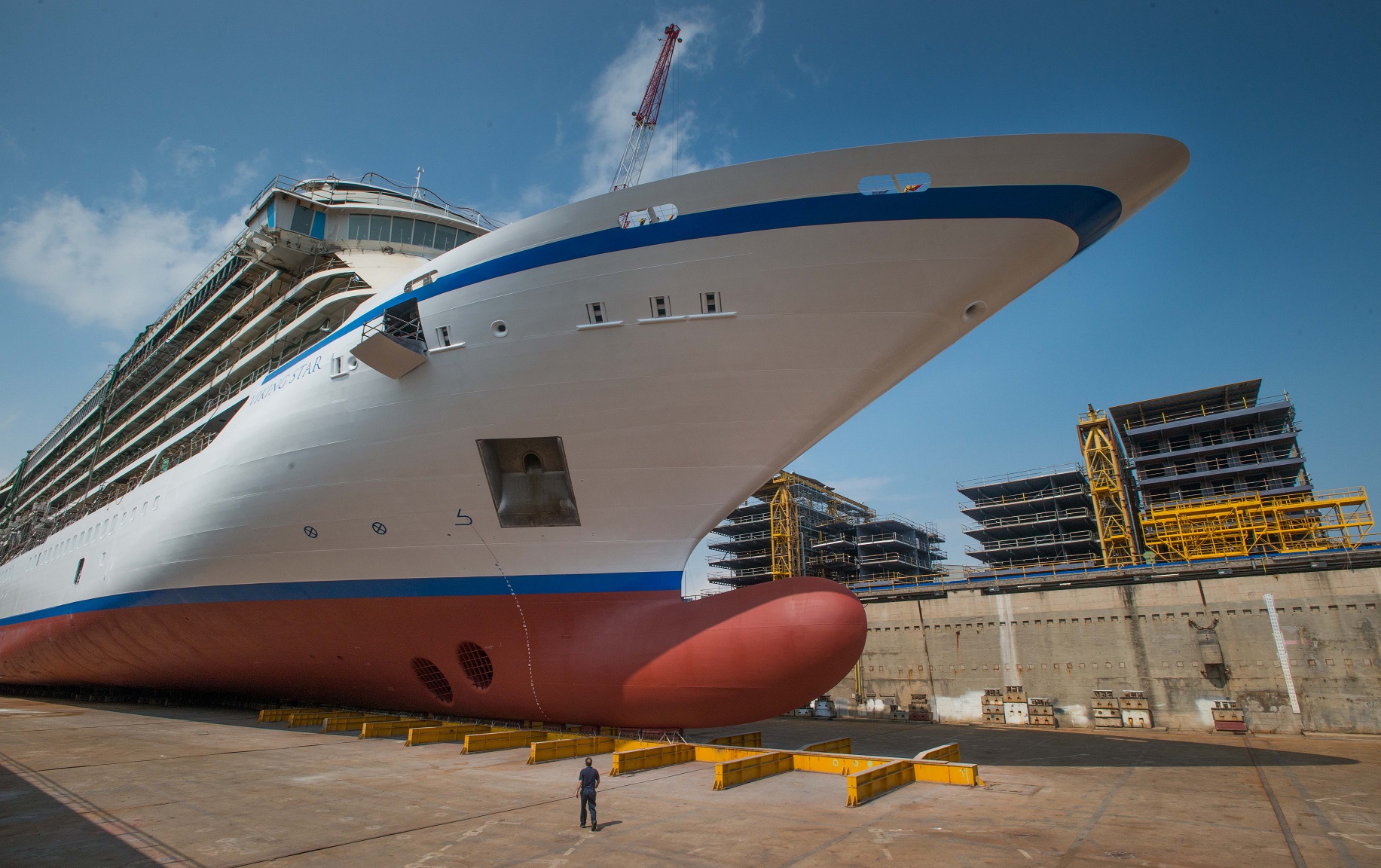
Viking Star

Viking Ocean Cruises will launch 13 new itineraries from 2017 to 2019, with the bulk sailing to destinations in Asia.

Guests will be able to choose base itineraries that range from eight to 23 days, with additional combination cruise options. In addition to Miami and Vancouver, sailings will embark from Asia-Pacific cities such as Mumbai, Bangkok, Hong Kong, Beijing, Bali, Tokyo and Sydney.

For instance, the Capitals of the Far East itinerary will take travellers on a 15-day voyage across three countries such as China, Taiwan and South Korea, while the Bangkok, Bali & Beyond sailing will take guests to seven ports of call throughout Thailand, Malaysia, Singapore and Indonesia.

Viking’s ocean ships have a gross tonnage of 47,800 tons, boast 465 cabins and accommodate 930 passengers.

In 2017, the company will mark its 20th anniversary and welcome Viking Sky and Viking Sun to join Viking Star and Viking Sea in its fleet. Viking’s fifth ship, Viking Spirit, will be delivered in 2018, and its sixth, yet-to-be-named ship will be delivered in 2019.

New gateway in Maldives a gamechanger for southern atolls

0

gan-maldives
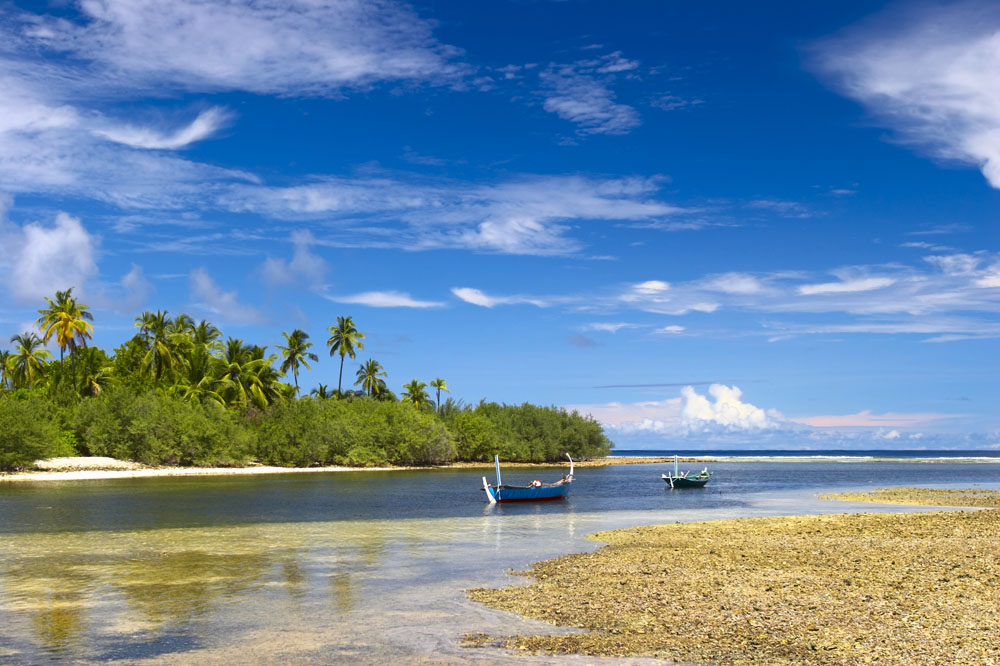
Lagoon on Gan, the Maldives

Gan, in the south of the Maldives, recently opened up to international airlines, a development that could translate to an estimated three hours in time saving for travel to resorts in the south.

The introduction of this gateway eliminates the need to connect with a scheduled commercial flight from Male, 545km away, to get to the domestic airports in the south.

On December 1, SriLankan Airlines started flying from Colombo to the upgraded Gan airport, which was previously only served by domestic carriers Maldivian and Flyme.

SriLanka’s 110-minute flight departs Colombo at 06.55 four times a week (Tuesdays, Thursdays, Fridays and Saturdays) using a 150-seat Airbus 320.

“Since we consider the Maldives our extended home market, we will explore every avenue to make sure that Gan receives the attention and visibility that it deserves,” said Saminda Perera, general manager – marketing, SriLankan Airlines.

Resorts in the southern atolls are expected to benefit from this, with John Allanson, general manager of Outrigger Konotta Maldives Resort, saying that Gan is “virtually on the doorstep” of the resort and others in Seenu, Gnaviyani, Gaafu Dhaalu and Gaafu Alifu.

Outrigger was quick to respond to the development, adding an on-demand 30-minute Trans Maldivian Airlines seaplane service from Gan, Seenu said.

Hoteliers in the southern atolls now hope that more international airlines, especially those with big feeder hubs in the Middle East, will also introduce flights to Gan.

Myanmar seeks avoidance of tourism pitfalls in sustainable development

0

tafook-island-myanmar
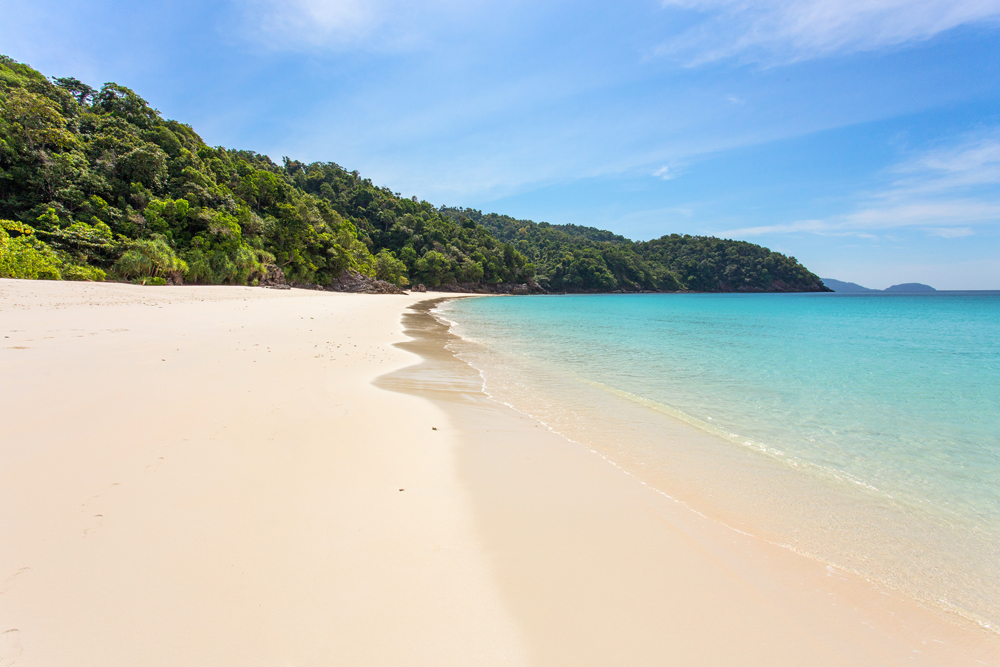
Tafook island in Myanmar’s south

As Myanmar’s Ministry of Hotels and Tourism gears up to launch a campaign to promote its southern “virgin” archipelago, union minister Ohn Maung said responsible and sustainable tourism practices are essential to preserve the country’s beauty and culture.

Hoping to learn from other ASEAN member countries, he will visit Thailand’s largest tourist island Phuket on January 22. He said: “I want to see how it has been infested by tourism because we don’t want to make the same mistakes.”

Plans include limiting development to about 80 of the 800 islands, which boast coral reefs, powder beaches and a marine national park, with others only accessible for day trips.

The minister will also travel to Switzerland to consult with experts to look at the possibility of creating South-east Asia’s only ski resort in Myanmar’s northern, year-round snow-capped mountains.

“The country has so much potential, but we have to get it right,” he added.

In a bid to ensure tourism – which Ohn Maung believes will become the country’s second strongest economic pillar – does not destroy local traditions, hotels and tourism-related activities in destinations away from popular Yangon, Mandalay, Inle and Bagan, must be built sensitively, respecting the local culture.

“I don’t want any of these big and shiny hotels,” he said. “Places such as Bagan and Mandalay are already spoilt but we can make sure that doesn’t happen in remote areas.”

For example, Chin State’s 11 hotels are built in traditional style, with a heavy focus on community-based tourism (CBT). The latest to open was a CBT village on January 2.

“This is the kind of concept we want to focus on in the future,” the minister emphasised.

Developing human resources is the first step, with foreign organisations helping to set up training schools across the country. Improving infrastructure will follow.

He acknowledged that “this will not take place overnight”.

“But if we are careful now, we can be successful well into the future,” he said.

Other efforts are being ploughed into promoting Myanmar as a year-round destination. Currently, the tourism season starts in October and runs until the end of March, with the rest of the year remaining quiet.

Ohn Maung urges operators to run green season promotions to attract visitors during the quiet months.

“We are calling this the green season as it is the time when Myanmar comes to life; the paddies are alive, the country is green,” he explained.

Park Hotel Group unveils its third Destination brand

0

allen-law-chief-executive-officer-of-park-hotel-group_230_jpg_jpeg
Law: Asia-Pacific remains the fastest growing market for international travel

Park Hotel Group has launched Destination, a select, midscale brand that provides quality and affordable accommodation in prime, central locations.

The group’s third brand will debut in 2Q2017 in Singapore with the 300-room Destination Singapore Beach Road. A management contract with FG Property No. 1 was recently signed.

“We definitely see an upward trend for select service in Singapore. Based on the current official data for mid-tier hotels, there is growth in overall occupancy levels over the last three years in this segment reflecting increased interest and preference,” said Allen Law, CEO of Park Hotel Group.

The trend, Law noticed, is mirrored globally with over 60 per cent of select service hotels being part of pipeline hotels in the US in 2016.

With travel continuing to evolve, Destination offers more options for the “pragmatic, independent and curious traveller looking for efficiency, reliability, connectivity and convenience in a hotel”, explained Law.

Park Hotel Group hopes to expand its latest brand in countries like Hong Kong, Japan and Australia where select service hotels would be well-positioned to tackle steep property, labour and construction costs with increased building efficiency and operational productivity.

“Regionally, Asia-Pacific remains the fastest growing market for international travel with close to 10 per cent growth up to 3Q2016,” said Law.

Destination Singapore Beach Road is Park Hotel Group’s sixth hotel in Singapore. It will take over the current Premier Inn Singapore located near Nicoll Highway MRT Station.


More to Laos than meets the eye, says tourism chief

0

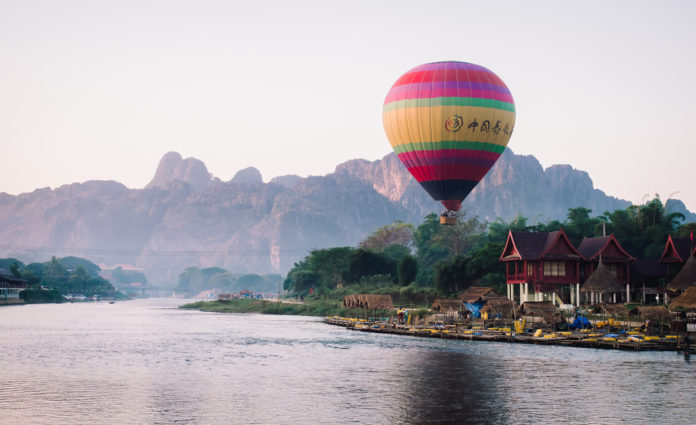
vang-vieng
Vang Vieng

Cities beyond Vientiane will be in the spotlight when the Ministry of Information, Culture and Tourism of Laos kicks off its Visit Laos Year 2018 marketing blitz.

Sounh Manivong, director general with the ministry’s Tourism Marketing Department, told TTG Asia in an interview: “When people think about Laos, it’s mostly either Vientiane or Luang Prabang that comes to mind, but we actually have a lot more to offer beyond that.”

To correct that perception, the country’s latest marketing campaign to court international traffic will include an aggressive social media drive to highlight lesser-known destinations like Vang Vieng, four hours from the capital; Xiangkhouang province in the north-east; and Ban Khoun Kham village in Khammouane province, centre of Laos.

“Social media is one of the fastest and most effective ways to reach and engage the audience, especially the younger ones who are very tech-savvy,” he said.

The ministry intends to actively share photos and videos of these smaller destinations on platforms like Facebook and Twitter.

According to Manivong, most tourists to Laos hail from neighbouring lands like Thailand and Vietnam, hence there is a “huge potential” to reach out to more international markets.

New destination brochures, as well as more intensive participation in international tradeshows like ITB Asia, ITB Berlin and WTM London are on the cards too, shared Manivong.

The ministry has also put up a proposal to ease procedures at immigration checkpoints and to grant visa exemption to more countries – all subject to government approval.

He said: “There are only a few countries that are exempted. If more countries could (enjoy this benefit), we would definitely expect tourism to perform even better.”

Manivong added that the visa exemption would make Laos a more attractive option as part of a multi-destination itinerary in South-east Asia.

Malaysia’s Panorama Holidays enters the Philippines

0

panorama-holidays

Panorama Holidays has taken steps to grow its presence beyond its home base in Malaysia, with its first full-fledged overseas office launched in Manila earlier this month.

Similar to its Malaysian outpost, the new Panorama Holidays Philippines handles inbound and outbound tours and ticketing.

Richard Vuilleumier, group managing director of Panorama Holidays, told TTG Asia: “Having an office in the Philippines will help us promote intra-ASEAN travel and allow us to control the quality of tour products and services.”

While Vuilleumier is not yet ready to reveal plans on how he intends to package the Philippines in a multi-destination regional itinerary, he said Panorama Holidays Philippines will first invest in a homegrown B2B event. World International Travel Expo, which will be held from May 15 to 17 in Manila and Cebu, will showcase sellers such as airlines, cruise companies, online and traditional travel agencies, hotels and resorts, theme parks and NTOs from across the Philippines and beyond.

Vuilleumier expects the show to attract 100 international sellers and 400 buyers.

Vuilleumier said he is also looking at turning his sales offices in Vietnam, Dubai and India into similar full-fledged entities to handle inbound, outbound and ticketing, all within the next two years.

He said: “Based on our market intelligence, we know these markets have a huge pool of upper-middle class (travellers) as well as a strong inbound potential which we want to tap.”

To succeed in growing outbound numbers from Vietnam, Dubai and India, Vuilleumier believes that “the key is in developing creative packages that will create a buzz in the marketplace”.

Meanwhile, to grow Panorama Holidays’ longhaul markets, the company will promote and sell dual destination tours covering Malaysia and Singapore and emphasising on heritage, culture and ecotourism at ITB Berlin.