The coronavirus has put the hospitality sector under huge strain, and India is no exception, with the majority of hotels in the country having shuttered, and the remaining few turned into quarantine centres or workspaces.
In an unprecedented event, some 57 per cent of 787 branded hotels in India have become non-operational as of March 30 this year, according to a report by global consulting firm HVS, which was based on discussions with key industry stakeholders.
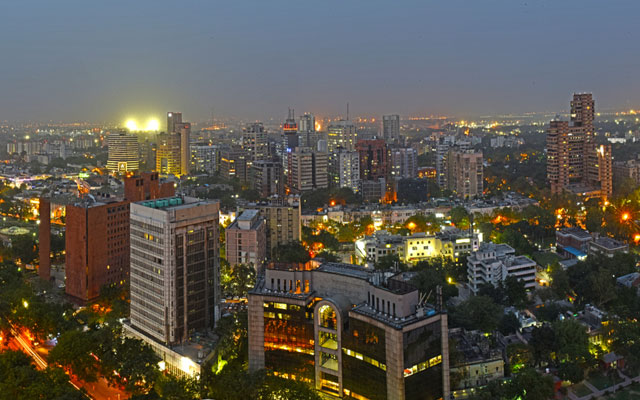
Covid-19 has shut 57 per cent of hotels in India; aerial view of Central Delhi in India pictured
The few operating hotels are running around 10 per cent or lower occupancies, said HVS.
However, these hotels are now serving a different clientele – quarantine guests, people stranded by the country’s nationwide lockdown, and business continuity teams.
Some hotels have offered their facilities to people who have arrived in India recently and have to serve a 14-day quarantine. Others are housing foreign and domestic guests, some of whom were long-stayers, who were not able to return home due to the lockdown.
In other instances, hotel rooms have been converted to workspaces for businesses providing essential services. To continue their operations during this period, several organisations have set-up small business continuity teams, which are staying and working from hotel rooms.
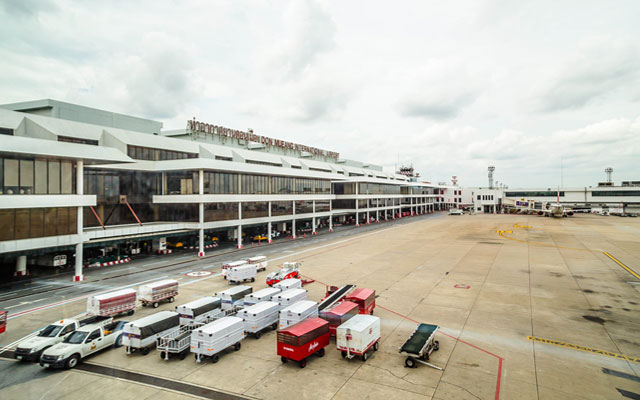
As the coronavirus has grounded flights and emptied airports across the world, Don Mueang International Airport in Bangkok is using this downturn to revamp the interior of its international terminal, a project which will cost 126 million baht (US$3.8 million), reported the Bangkok Post.
The report quoted airport director Sampan Khuntranont as saying that the project entails three sub-tasks: improvements to the air-conditioning system which will cost 99 million baht, re-carpeting works worth 18 million baht, and a nine million baht switch to energy-saving LED lights.
Don Mueang, which is one of the world’s oldest international airports, is set to undergo a revamp
Construction bids will be opened this month, and work is slated to begin in July and expected to complete by year-end, according to the report.
As well, a plan is also underway to expand Don Mueang, with Thailand’s airport authorities having approved a master plan for the third-phase development of the airport pegged at an estimated 39 billion baht.
Hyatt hotels is giving all its World of Hyatt loyalty programme members a one-year extension on the elite benefits they earn.
The hotel chain will be suspending the forfeiture of points through December 31, 2020. Ordinarily, members’ points will be forfeited upon 24 months of inactivity, but Hyatt will be waiving that policy till year-end.
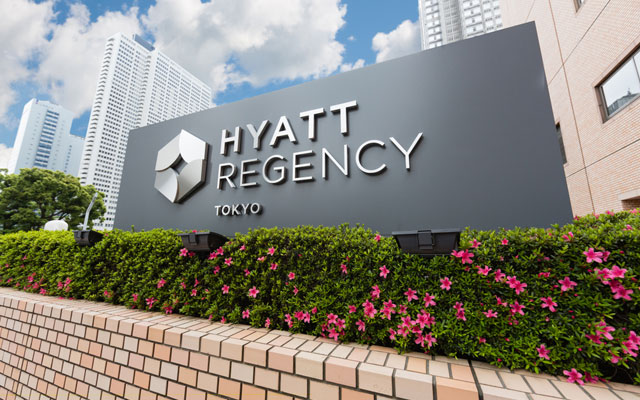
World of Hyatt extends tier status and benefits for members; Hyatt Regency Tokyo in Shinjuku pictured
As well, Hyatt will be extending status and benefits for all existing elite members without them having to re-qualify.
Whether their status is Discoverist, Explorist or Globalist as of March 31, 2020, it will be automatically updated to reflect the new expiration date of February 28, 2022.
All elite tier extensions should be reflected in members’ accounts no later than April 15, 2020, said Hyatt in a statement.
In addition, all unused Free Night, Suite Upgrade or Club Lounge Access awards with expiration dates between March 1, 2020 and December 31, 2020 will be extended to December 31, 2021. This includes existing awards and awards that may be earned throughout this year with a 2020 expiration date.
The award extension will be generated by World of Hyatt, and members do not need to take action. Awards that expired between March 1 and March 31, 2020 will be replaced with new awards on April 20, 2020.
All other qualifying, unused awards will be updated by the 20th day of the month in which the award would have originally expired.
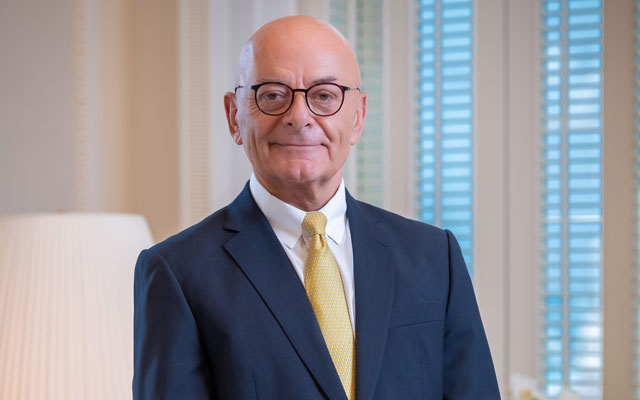
Sabre Corporation has appointed Otto Gergye as vice president, regional general manager, North Asia, Travel Solutions Airline Sales.
In his new role, Gergye will be responsible for Sabre’s airline operations in North Asia, a key growth region for the company. His role will involve identifying business opportunities and further expanding Sabre’s presence in this fast-growing region. He will also seek to strengthen relationships with existing airline customers.
Gergye brings over 20 years of experience across the aviation and travel industry to Sabre, having held multiple senior executive roles with various airlines and technology providers across the globe.
He joins Sabre from Qantas Airways where he was general manager commercial sales performance Asia. He has also cut his teeth at Fiji Airways, Air Berlin, and Malev Hungarian Airlines; as well as worked in a variety of commercial leadership positions at airlines, telecommunications and software companies, including at British Airways and KLM.
Gergye will be based out of Sabre’s Asia-Pacific headquarters in Singapore.
TTG Asia will be taking a break tomorrow, April 10, in observance of Good Friday. To our Christian readers, have a good Holy Friday and Easter Sunday. See you on Monday, April 13, when we return with more news.
A private grouping of Hong Kong’s luxury hotel companies, formed late-2019 to combat business challenges presented by the destination’s prolonged social unrest, is realising a greater purpose now, as the tourism industry continues to be battered now by the Covid-19 pandemic.
The Heritage Tourism Brands private sector group is said to be the first of its kind in Hong Kong. It is made up of companies based in the city such as Rosewood Hotel Group, The Peninsula Hotels, Swire Group, Langham Hospitality Group, Niccolo Hotels and Mandarin Oriental Hotel Group, with the support of Cathay Pacific Airways.
A group of Hong Kong’s luxury hotel companies, led by Peter Borer (pictured), COO of Hongkong and Shanghai Hotels, have rallied together to plot recovery strategies for the country’s tourism sector
According to chairman Jennifer Cronin, who is also president of Wharf Hotels, the Heritage Tourism Brands group now provides an important platform for members to share challenges they face and best practice solutions that will reposition Hong Kong’s reputation regionally and internationally.
Cronin credited the creation of the group to Peter Borer, COO of Hongkong and Shanghai Hotels.
Heritage Tourism Brands is supported by a marketing sub-committee which is led by branding experts from different member companies who are now working with an agency to develop creative concepts.
“Apart from working with the Hong Kong Hotel Association and Federation of Hong Kong Hotel Owners, the group is also a member of Hong Kong Tourism Board’s Recovery Task Force. Our voice is heard and we help drive creative marketing campaign ideas,” shared Cronin.
She explained that a collaborative approach is critical for recovery, a concept similarly emphasised by the World Travel & Tourism Council (WTTC).
Members are sharing knowledge, initiatives, strategy and even contacts which were previously protected information, and collectively the group is consulting the WTTC for support to guide the Hong Kong government on tourism relief packages.
Pierre Barthes, general manager of Mandarin Oriental, Hong Kong and area vice president, operations for Mandarin Oriental Hotel Group, told TTG Asia that he and his team are planning “to collaborate with our partners by pooling expertise as well as resources to share curated content and insights that will inspire travellers to visit Hong Kong”.
Heritage Tourism Brands is also working to secure additional government assistance, such as salary subsidies and tax relief.
The Heritage Tourism Brands private sector group comprises The Peninsula Hong Kong (above)
Borer said that while members come in with different corporate culture, everyone shares a common love for Hong Kong and “we believe in her future”.
“I believe we are stronger working together as an industry rather than working against each other as competitors fighting for every dollar. We bring together hospitality and marketing expertise, and contribute some of the best talents in our city. We are all learning from each other and we have formed friendships and partnerships that I hope will last for a long time to come,” he added.
”While Covid-19 is the worst crisis we have ever faced, I am confident we will get through this if we put the right measures in place and work together – but we have to act fast and this is something we are trying to convince government,” said Borer.
“I am representing the owners and majority shareholders of The Peninsula Hotels, the Kadoorie Family, who have been in Hong Kong for four generations. We ensure their business philosophies and corporate culture are represented and shared with the government. These views are generally shared by all the owners in Hong Kong who have invested billions of dollars in the city over hundreds of years,” he said.
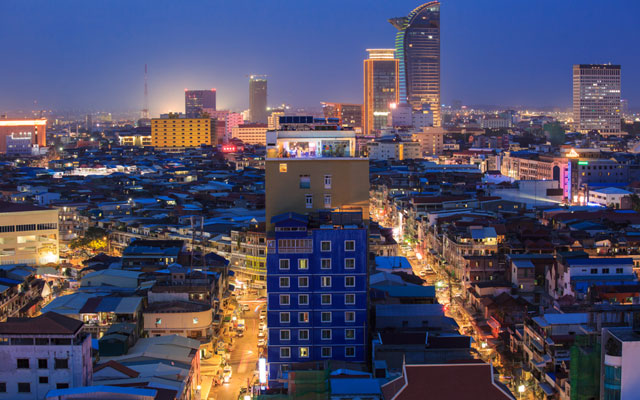
As fast-paced urban development and sprawling mega-infrastructure projects mount on Phnom Penh’s Mekong horizon, Cambodia’s attention has now shifted from its singular tourism magnet Siem Reap, where the Angkor Wat temple resides, to the nation’s capital city which brims with business and tourism potential.
That is the basis of a study by consulting group C9 Hotelworks, which showed that last year, the lead indicator of passenger arrivals by air saw Phnom Penh exceed two million passenger arrivals, surpassing Siem Reap’s for the first time in a decade.
Phnom Penh boasts a robust development pipeline
The report also showed a steady sustained growth trajectory, as passenger arrivals recorded double-digit growth rates from 2012 through 2018, with a CAGR (compound annual growth rate) of 18 per cent.
Clearly, the key catalyst of change for the city has been its proximity to the country’s leading private and public sector headquarters and strategic location for China’s ambitious BRI (Belt and Road Initiative). The BRI now spans across Cambodia and runs all the way south to the Gulf of Thailand and beyond into the South China Sea.
Asia is the dominant visitor source region, representing a 79 per cent market share, found the study. More telling is a deeper data dive that 66 per cent of the regional traffic is from mainland China.
China leads the top five geographic source markets at 52 per cent, followed by Malaysia (6 per cent), the US (five per cent), Japan (four per cent) and Thailand (four per cent).
Highlighting how overseas travellers are funnelling into the accommodation sector, C9’s report showed that there are 313 hotels with 19,337 keys and 523 guest houses in Phnom Penh.
A clear sign how fast-paced growth is impacting the hospitality sector is demonstrated in the fact that there are presently fifteen new hotels in the pipeline with 7,849 keys, with thirteen of the upcoming properties being major international brands including Marriott, Hyatt, Shangri-La and Accor.
As for the city’s hotel sector, there are challenges ahead with a spike in newer and bigger hotels, and it has yet to be seen how they will penetrate the existing hotel market.
C9’s managing director Bill Barnett said: “The next two years will see a massive transformation in the accommodation supply as ten new branded properties are forecasted to enter supply between now and 2022. While business travellers are the core guests, the task is how to attract other segments including tourists and the (corporate) sector.
“Phnom Penh finds itself in a similar situation as other Asian CBD gateway capital hubs like Jakarta and Yangon where hotels are defined by weekday business travellers. Manila, on the other hand, has been able to capitalise the gaming sector to grow the leisure segment and provides a more balanced model in the future.”
Unlike Siem Reap, hotels in Phnom Penh are mainly focused on the business segment. Expansion of the tourism sector remains challenging with limited direct flights, strained infrastructure and lack of diversity of tourism offerings, the report found.
Barnett added: “In general, the hospitality sector in Phnom Penh is at its early stage of development. The increasing exposure of global hotel operators, expansion of the country’s economy and improving infrastructure will help the city to shape its destination awareness and improve its appeal in the longer term.”
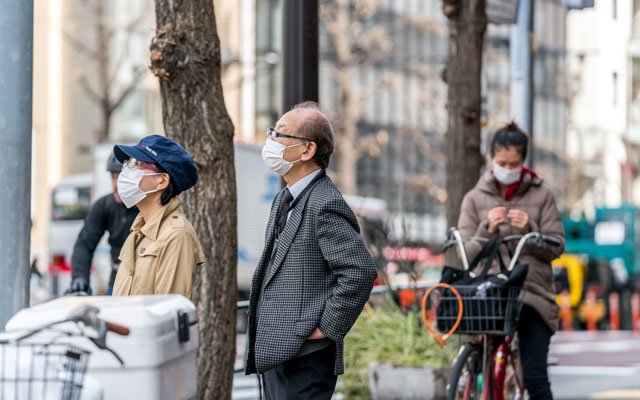
Seven Japanese prefectures, including Tokyo, entered a month-long state of emergency at midnight on April 7, as part of the government’s efforts to stem the rising tide of Covid-19 cases within the country.
Tokyo and its neighbouring prefectures Chiba, Kanagawa and Saita, as well as Osaka, Hyogo, and Fukuoka will be under this “soft lockdown” until May 6.
Major Japan cities enter state of emergency, amid fears that Tokyo is on the brink of a major outbreak
At a news conference on the evening of April 7, Japanese prime minister Shinzo Abe said that the move is necessary to prevent “an explosion in cases” in the seven prefectures, where a rapid rise in infections in recent days is putting strain on the healthcare system.
“We are not at a stage where rapid nationwide spread is being observed, but some areas are under pressure, so we don’t have the luxury of time. To relieve that pressure, there will have to be a transformation in people’s behaviour,” he said.
Under the new regulations, local governors are authorised to ask residents to stay at home and limit their social contact, and call on non-essential businesses, schools and public facilities to temporarily close, as well as cancel events.
Japan has one of the lowest number of Covid-19 cases among the Group of Seven nations, with 3,654 confirmed cases, 2,429 symptomatic patients, and 108 fatalities as of April 6, according to the Statista Research Department.
In Tokyo, however, infections have doubled over the past five days to hit 1,195. Chiba, Kanagawa and Saitama, which function as bed towns for the metropolis, have a combined 795 cases. Osaka is the worst affected after Tokyo, with 481 cases.
Unlike many other countries, which has stringent legal measures put in place during lockdowns such as fines and jail terms, no punishments will be meted out for those who defy the request. Instead, the government is urging citizens to practice “self-restraint” and exercise common sense.
Abe also urged residents in the seven prefectures to limit contact with those outside their household by 70 to 80 per cent. Workers in non-essential services should work from home, and companies unable to offer telecommuting should stagger employees’ working hours, he said.
Airbnb has secured a US$1 billion investment from private equity firms Silver Lake and Sixth Street Partners to help the home-sharing giant to fight the economic fallout from the coronavirus pandemic.
The company said that it will primarily use the funds, which will be a combination of debt and equity, to attract more hosts so as to strengthen the company’s position for when travel rebounds. Airbnb also plans to invest in its business for longer-term stays.
Airbnb bags a US$1 billion investment to help the company to mitigate the fallout from Covid-19
Its CEO and co-founder Brian Chesky said that as travel recovers, people will be keen in visiting locations close to home and seeking out local, authentic experiences. As such, he said the future of Airbnb will focus on three core products: hosts, long-term stays and Airbnb Experiences.
Airbnb also said that it will contribute US$5 million from the US$1 billion investment to its Superhost Relief Fund, which helps hosts in need of financial assistance.
Silver Lake co-CEO and managing partner, Egon Durban, said in a statement: “While the current environment is clearly a difficult one for the hospitality industry, the desire to travel and have authentic experiences is fundamental and enduring.
“Airbnb’s diverse, global, and resilient business model is particularly well suited to prosper as the world inevitably recovers and we all get back out to experience it.”
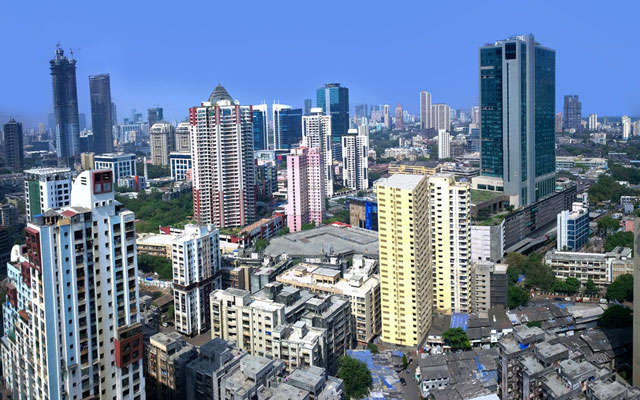
With the intensifying Covid-19 situation in India, with authorities in some cities tightening restrictions on movement and warning that the 21-day nationwide lockdown which kicked in on March 25 could be extended, the hotel occupancy rates in the country has taken a beating.
India’s daily hotel occupancy dropped to 11 per cent during the period of March 23-29, according to preliminary data from STR.
India’s daily hotel occupancy plummets to 11 per cent; Mumbai skyline pictured
Vidhi Godiawla, STR’s business development manager for South and Central Asia, said: “India remained resilient in February – in comparison with other Asia-Pacific markets that were more deeply affected – thanks largely to robust domestic demand coupled with the low number of Covid-19 cases in the country at that time.
“The story was different in March, especially during the later portion of the month, with year-over-year occupancy declines in excess of 80 per cent for the last nine days we have processed (ending April 2, 2020).
“These declines are consistent with the significant measures taken by prime minister Modi to combat the spread of the virus, and the extent of these measures will determine the hotel performance impact in the short- to medium-term.”
Along with a steep downward trend in occupancy, average daily rate (ADR) and revenue per available room (RevPAR) have also dropped significantly in India.
ADR, which has decreased year-over-year by roughly 20 per cent or more for eight consecutive days, went as low as 4,924 rupees (US$65) on 28 March 28. RevPAR reached its lowest absolute level at 538 rupees on March 22.