

New hotels: Pullman Resort Xishuangbanna, Batam Marriott Hotel Harbour Bay, and more
Japan to lift travel ban for 12 countries, including Singapore
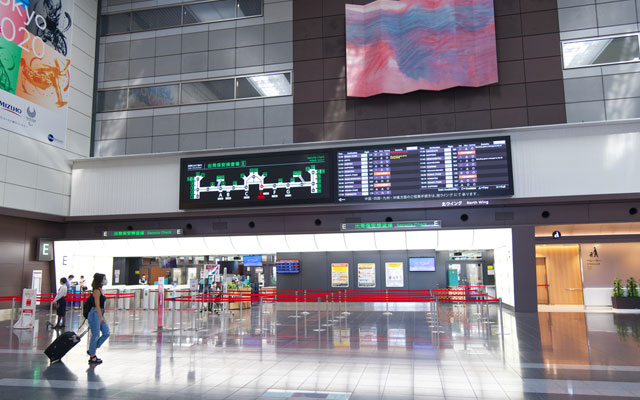
Japan is set to remove a ban on overseas travel to 12 countries and regions, including Singapore and China, from next month, according to a report by the Yomiuri newspaper.
The others include Taiwan, Australia, New Zealand, South Korea, Vietnam and Malaysia, said the report.
The newspaper also stated that the Japanese government, which currently bans travel to 159 countries and regions, will recommend that travellers refrain from unnecessary and non-urgent visits to these 12 countries and regions.
Set your calendars for TTG’s 10.10 staycation deals!

Are you ready for our inaugural Great Staycation sale on October 10, this Saturday, as part of this year’s eGSS (Great Singapore Sale)?
Our livestream will be hosted on GoSpree’s Facebook page from 21.00 to 22.00, as part of a three-hour-long segment. To be notified when the stream goes live, subscribe to our newsletter here.
Stream viewers will also have the opportunity to win a variety of prizes such as vouchers and staycation packages. No purchase necessary, but to be in the running, you will need to tune in!
Here’s a snapshot of the deals up for grabs:
1. InterContinental Singapore
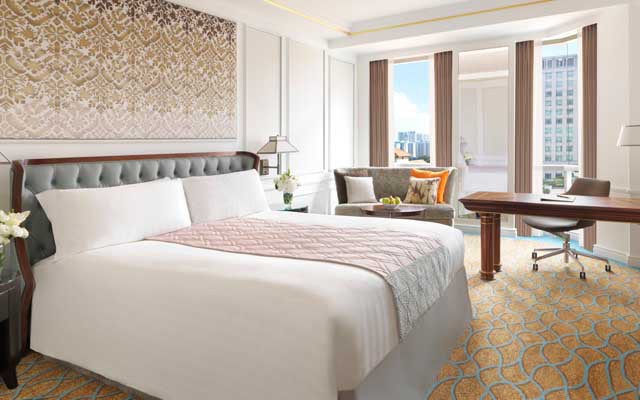
Move from the confines of your bedroom and into the buzzing Bugis precinct with this deal. For S$280, the luxury hotel is offering vouchers worth S$400 (in S$100 denominations) for use on room bookings, or for celebrating a special occasion at Ash & Elm or raved about Chinese restaurant Man Fu Yuan.
2. Holiday Inn Express Singapore Clarke Quay
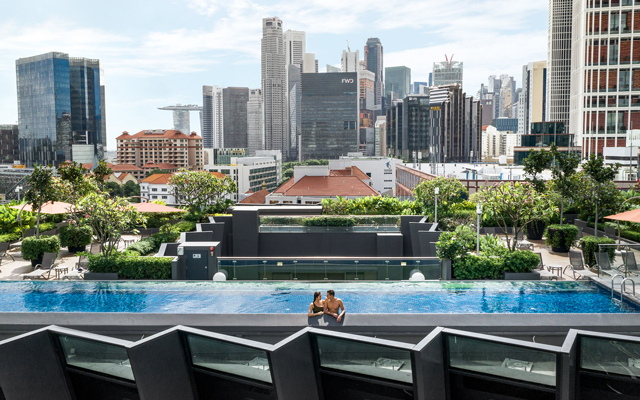
Does a tipple along the Singapore River tickle your fancy? For a very competitive price of S$135 for a night’s stay, this staycation package in Clarke Quay throws in complimentary breakfast for two, a late check-out until 14.00, and a S$20 return stay voucher.
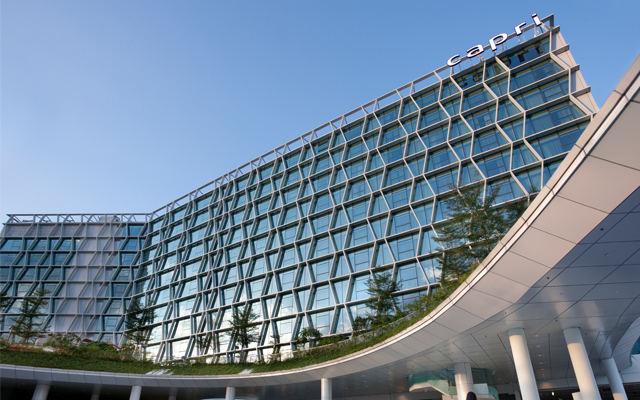
3. Capri by Fraser Changi City
Another property that is available near the airport is this design-led business hotel, situated away from the madding crowd, which will help to evoke that feeling of being on holiday.
This deal costs S$445, and includes a 3D/2N stay in a Studio Superior inclusive of daily breakfast for two, late check-out till 15.00, and S$50 F&B dining credit.
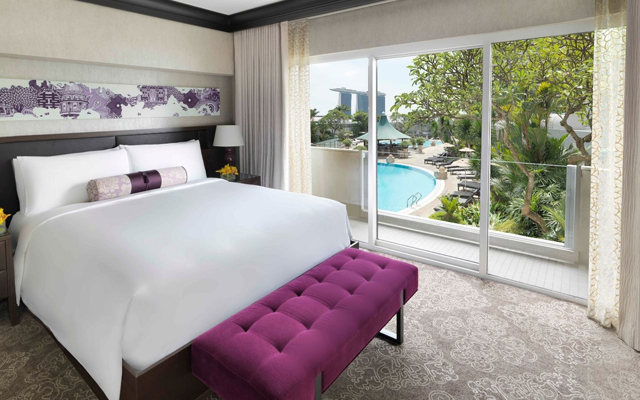
4. Fairmont Singapore
Check out those glittering city lights from your perch, while leaning back into your plush bed at Fairmont Singapore. The property is offering a one-night staycation package for S$358.99, which includes S$120 nett worth of F&B vouchers to ensure you can have your luxurious cake and eat it too. Update: Fairmont Singapore has just shared that they will provide a limited time (24 hours) additional 10% discount off the package price starting from when the stream goes live.
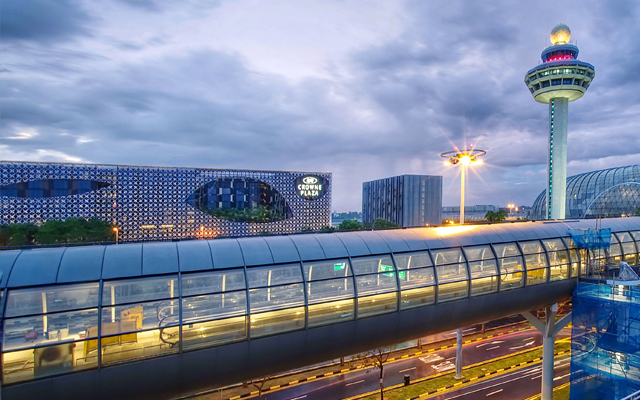
5. Crowne Plaza Changi Airport
Unfortunately, one cannot fly anywhere, but staying at the airport can be a delightful option! This staycation deal will appeal to families with kids, where the latter can be entertained by the various activities at Jewel Changi Airport.
For S$228, parents will get a one-night stay in a Deluxe Room, daily breakfast for two adults and one child, and Canopy Park Tickets for two adults and one child which allows access to the Discovery Slides, Foggy Bowls, Petal Garden and Topiary Walk.
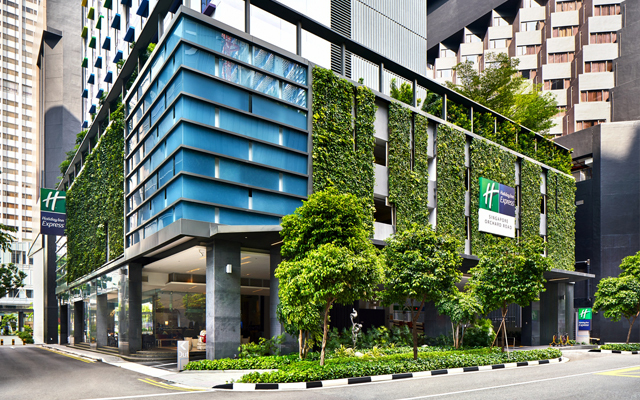
6. Holiday Inn Express Singapore Orchard Road
If you’re a shopaholic who prefers in-store browsing compared to online retail therapy, this deal could be right up your alley. Located in the heart of Orchard Road, you don’t have to head home after a long day of shopping as this 2D/1N stay costs just S$199. The hotel has also thrown in a pair of movie tickets, breakfast for two pax, and late checkout until 14.00.
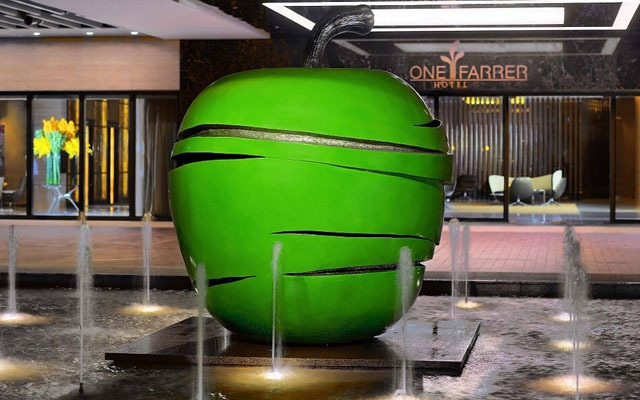
7. One Farrer Hotel
For the ultimate escape from city life into a villa with three of your very best buds, keep your eyes peeled for this property’s deal. The most luxurious staycation deal on offer costs S$949 for a 2D/1N stay in an Orchid Villa, complete with private dining, and club lounge access for four.
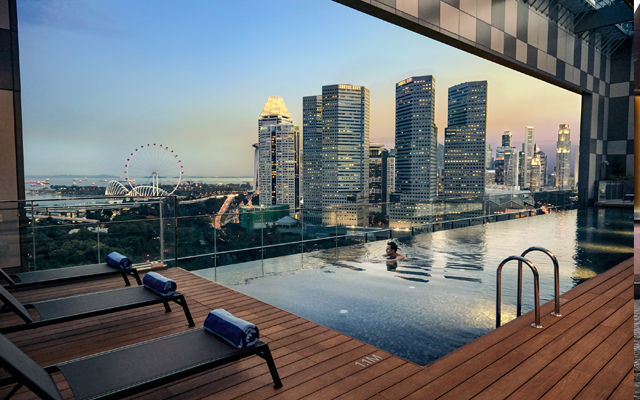
8. Pan Pacific Serviced Suites Beach Road
Should preparing your own meals in a kitchen with your significant other be something you want to do while on staycation, consider this apartment package from our line-up. Note that a stay here would require two nights at the minimum, and will cost S$258 per night.
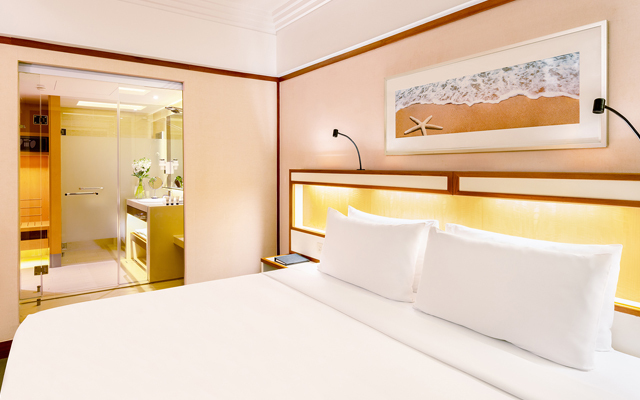
9. Pan Pacific Hotels Group
An established name in the Singapore hotel scene, three of the group’s properties – Pan Pacific Singapore, Parkroyal Collection Marina Bay, and Parkroyal Collection Pickering – are offering a one-night stay at S$208. The packages across all three hotels are the same, and PPHG has also sweetened the deal by giving guests a 15 per cent savings on F&B at hotel-operated outlets, as well as a 20 per cent savings on a la carte spa treatments at the spa (where applicable).
Hong Kong industry veteran Samuel Wong passes on
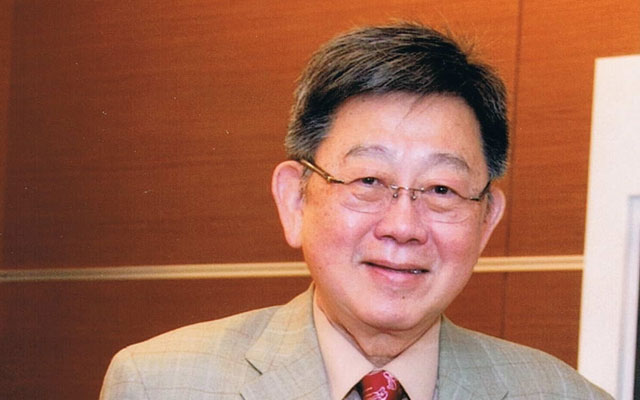
Samuel Wong, owner of Jetway Express, has passed away on October 1, 2020.
A respected figure in inbound travel, Wong started his travel career in 1966 and established his own travel agency in 1976.
Loved by his staff, most of Jetway Express employees have remained with the company for a long time. One key management staff, who has been with the company since the beginning, recalled: “Mr Wong loved horse-racing and working. He insisted on coming to the office 10 days before his passing. (The pandemic) is harsh for him and us, but his family and existing team members will carry on his business.”
The staff added: “He will be sadly missed. Our overseas partners mused that a tradeshow without Samuel’s presence is not a show.”
Andy So, area general manager of pentahotel Hong Kong, Kowloon, recalled meeting Wong for the first time 30 years ago, when he was a group coordinator for Hilton Hong Kong. “Samuel always fought for super-value deals for his clients but also treasured long-term business partnership. He was one of the most hard-working agency bosses I knew, because of his active participation in various tradeshows like ITB Berlin, where he would erect his own booth and chat with clients and friends every year,” said So.
Hong Kong Association of Travel Agents (HATA), vice-chairman, Richard Willis, said: “It’s sad and a loss to the industry. Samuel was an entrepreneur and actively set his feet on various local and international travel marts, events and fam tours organised by HATA, NTOs like Hong Kong Tourism Board and Macau Government Tourism Office.”
Wong is survived by wife, son, daughter and two grandchildren.
Singapore to resume “cruises to nowhere” from November
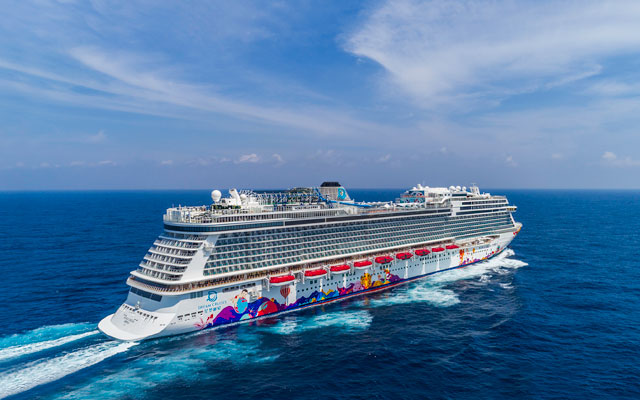
Two cruise lines have received approval from authorities to resume sailings from Singapore starting November, under a pilot scheme which will be open only to Singapore residents.
Genting Cruise Lines’ (GCL) World Dream will restart cruises from November 6, while Royal Caribbean International’s (RCI) Quantum of the Seas will begin sailing in December, said the Singapore Tourism Board (STB) in a press release on Thursday (October 8).
The pilot cruises will be round-trips with no ports of call, sailing at a reduced capacity of up to 50 percent, and only open to Singapore residents.
Making her homeport debut from November 6, Dream Cruises’ World Dream cruise ship will offer a series of new two- and three-night Super Seacation experiences for Singapore residents during the school and year-end holidays.
Dream Cruises was the first cruise brand in the world to resume operations in the wake of the Covid-19 pandemic, with two key homeports in Asia, starting with the deployment in Taiwan in July, followed by Singapore this November.
Dream Cruises president Michael Goh said the inaugural homeport deployment of World Dream in Singapore “marks another important milestone in the recovery process post-Covid-19 for the local cruise tourism industry”.
He added: “We are delighted to be the first cruise ship to restart operations here in Singapore and to give a much needed boost to the local tourism industry. We are able to provide Singapore residents with more vacation options beyond land-based resorts and we hope to bring back the joy of cruising with safety being paramount.”
Ahead of the December 1 resumption of its sailings from Singapore, Royal Caribbean has opened bookings for three- and four-night Ocean Getaways onboard its Quantum of the Seas cruise ship.
Both cruise lines, which are homeported in Singapore, will implement enhanced safety protocols during the pilot cruises.
In line with the resumption of cruising, the STB is developing a mandatory CruiseSafe certification programme, which sets out stringent hygiene and safety measures throughout the passenger journey – from prior to boarding to after disembarkation. The certification programme is jointly developed by STB and DNV GL, a global classification body and recognised advisor in the maritime industry.
The government will monitor the outcomes of the pilot sailings carefully in the coming months before deciding on the next steps for cruises, said STB.
Prior to sailing, all cruise lines sailing out of Singapore must obtain the CruiseSafe certification, which requires independent assessment by a third-party certification firm.
GCL and RCI are in the process of attaining the certification. They were approved for the pilot as they have demonstrated the ability to put in place stringent protocols and precautionary measures as part of their CruiseSafe certification, according to a press release by STB.
The CruiseSafe standards include a mandatory Covid-19 test prior to boarding, strict and frequent cleaning and sanitisation protocols onboard, safe management measures aligned with prevailing national policy at the time of sailing, ensuring 100 per cent fresh air throughout the ship, reducing ship capacity to enable sufficient safe distancing, setting up onboard measures to discourage close contact and inter-mingling between groups; as well as emergency response plans for incidents relating to Covid-19.
Pilot cruises will have to comply with safe management measures, such as mask-wearing and 1m-safe distancing. To ensure compliance, regular inspections will be conducted on board during the pilots. Cruise lines that are found to be non-compliant will be subjected to penalties including fines, suspension of sailings and revocation of CruiseSafe certification.
The crew on pilot cruises are subjected to stringent measures beyond Singapore’s prevailing requirements for cross-border travel. For example, the crew who need to enter Singapore to serve on board the pilot cruises must first undergo 14 days of isolation in their home country and must test negative for Covid-19 before their departure to Singapore. They will be tested on arrival in Singapore, serve a 14-day Stay-Home Notice (SHN) in Singapore, and will undergo another test at the end of their SHN. Once sailings begin, all crew members will also be routinely tested.
Sunway splashes out US$60m on major facelift
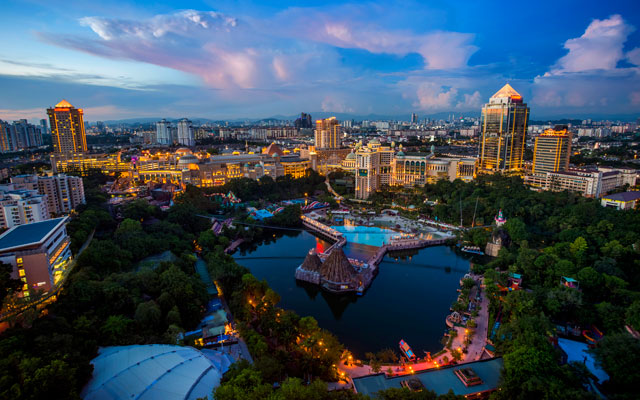
Sunway City Kuala Lumpur has earmarked US$60 million to transform its flagship property, Sunway Resort Hotel & Spa, in what will mark the resort’s most extensive initiative in its 24-year history.
The revamp is part of the group’s drive to establish Malaysia’s first fully integrated township as Asia’s leading integrated resort complex and a regional tourism hub.
Scheduled to reopen in phases from March 2021, Sunway Resort Hotel & Spa will feature 478 rooms, alongside a restaurant, six cascading waterfalls among two landscaped pools, and extensive family and health facilities.
Sunway Resort Hotel & Spa’s transformation takes its place alongside the family-focused Sunway Lagoon theme park which stretches over 35ha and six entertainment zones. For business visitors, the Sunway Pyramid Convention Centre features 7,157m2 of hi-tech space, flexible configurations and capacity to host some 4,000 delegates theatre-style or 6,000 for a cocktail reception for corporate events.
With design led by Nelson Yong, principal of Sunway Design, Sunway Resort Hotel & Spa has rebuilt swathes of the resort and reimagined spaces. New family facilities, specialist suites, pool villas, technology with smartphone key entry and motion sensors, live online fitness coaching, chromotherapy showers and wellness lighting to assist sleeping which is powered by Sunway Medical Centre, are all integrated into the holistic experience.
As part of Sunway’s sustainability commitment, a vertical farm by FutureX will be a key source of ingredients for all restaurants, offering healthy and farm-fresh produce for guests. The FutureX Farm, led by Sunway Innovation Labs, is an urban farm located in the heart of Sunway City Kuala Lumpur where farming professionals, tech companies, researchers and young talent create solutions focused on food and agritech.
In minimising the hotel’s carbon footprint, a host of environmental measures will be introduced. Contactless check-in/out and digital hotel directories will eliminate the need for paper, while energy-saving air-conditioning systems and smart curtains will help to regulate room temperatures. Solar panels, motion-sensor LED lighting and advanced water technologies will further enhance efficiency. Plastic laundry bags have been abolished.
G20 tourism leaders vow to put sustainability at the heart of recovery

Tourism ministers of the G20 nations have committed to ramping up efforts to prioritise sustainable and inclusive growth in the rebuilding of the tourism sector.
The implementation of the World Tourism Organization AlUla Framework for Inclusive Community Development Through Tourism, presented on the occasion of the ministerial meeting, was welcomed by the G20 tourism ministers as a tool for achieving a fairer and more inclusive sector.
Under the leadership of the 2020 G20 Saudi Presidency, UNWTO and the G20 Tourism Working Group developed the AlUla Framework – which was named after Saudi Arabia’s first UNESCO world heritage site – to further advance the contribution of the sector as an effective means towards fairer growth and advancing the Sustainable Development Goals (SDGs).
The Framework provides specific recommendations and tools to support both governments as well as all other key stakeholders in the tourism sector in fostering a truly holistic and integrated approach to inclusive community development through tourism.
Calling for a model of tourism development based on public-private-community partnerships, the Framework includes a set of concrete programmes and initiatives based around four pillars of action – empowerment, safeguarding, prosperity and collaboration.
Among the G20 Guidelines for Inclusive Community Development through Tourism endorsed at the meeting is the importance of placing tourism at the heart of development policies at international, national and local level.
The Guidelines further stress the importance of human capital development, inclusive labour markets, adequate social protection, and innovation and entrepreneurship as key contributors to travel and tourism as a human-centred sector, as well as to advancing women’s empowerment and to create decent jobs for all.
UNWTO secretary-general Zurab Pololikashvili said: “As we join forces to restart tourism, we must live up to our responsibility to ensure that tourism’s benefits are shared by all. I congratulate the Saudi Presidency for placing inclusive community development through tourism at the heart of the G20 Agenda and I invite G20 countries to follow this vision and embrace tourism as an effective means for inclusion and sustainability.”
Ahmed Al Khateeb, Saudi Arabia’s tourism minister and chair of the G20 Tourism Ministers’ Meeting said the AlUla Framework “demonstrates how the tourism sector can promote inclusive community development by highlighting practical examples and case studies that governments can emulate to protect local culture and the environment, while empowering local communities, especially women and young people”.
“The Framework is a vital tool to be used as we work together to rebuild the tourism sector to be more sustainable, resilient and inclusive.”
Switzerland Tourism ramps up Hong Kong promotions ahead of winter season
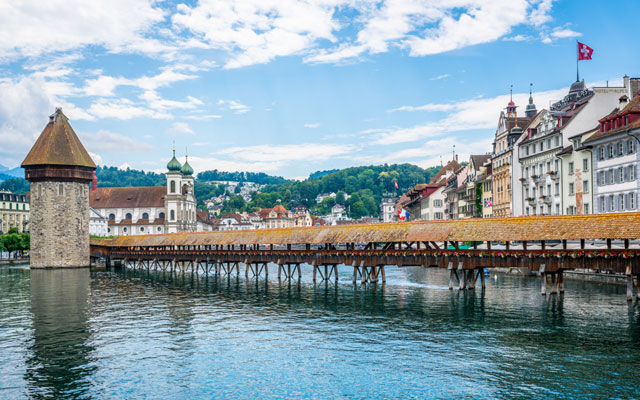
Switzerland Tourism has officially kicked off its Buy Now Travel Later tourism recovery campaign in Hong Kong, as it seeks to court more inbound travellers ahead of the peak winter season.
Targeting premium FITs, the campaign is aimed at encouraging travellers to stay longer through various, unprecedented perks.
In a first-ever initiative, Swiss International Air Lines (SWISS) is offering complimentary rebooking for all bookings made between August 25 to December 31, 2020. Passengers are also allowed to change their origin and destination free of charge. All tickets also come with a one-year validity.
SWISS will also be adding one more flight from Hong Kong to Zurich, making it a daily service during the winter season from October 26, 2020 to March 28, 2021.
In addition, travellers who book the Swiss Travel Pass (Flexi) through the NTO’s website from now until November 14, 2020 will enjoy extra perks, like one extra free travel day for the four-day flexi pass and two extra free travel days for the eight-day flexi pass.
Pass holders also have greater flexibility, with an extended validity from six months to 11 months. Once activated, users can make use of the pass for three months, as compared to one month previously.
Those who make direct bookings are also entitled to an e-version of the Swiss Coupon Pass, a coupon book offering 100 exclusive 2-for-1 offers covering attractions, guided tours, restaurants, cruise tours, and more. Maximum savings can be up to 4,500 Swiss francs (US$4,900).
Furthermore, Hertz has partnered the tourism board to offer its customers car rental benefits till the end of 2021. For a five-day booking, guests will only need to pay for four days; and for ten days, only eight days will be charged, regardless of season or type of vehicle.
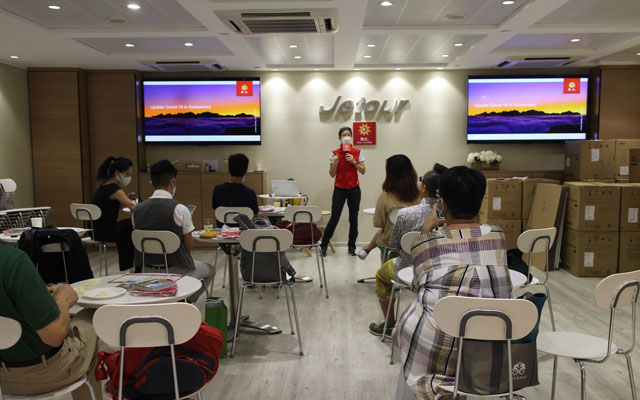
During a media conference held in Hong Kong on Monday (October 5) to promote these initiatives, Casey Liu, Switzerland Tourism’s chief representative for Hong Kong and South China, said these promotions rolled out by the tourism board is unprecedented. She explained: “In the past, there was no ‘free lunch’ given the quality and standards of service and products the country is renowned for. Due to Covid-19, we have had to re-adjust to meet visitors’ changing needs in the post-Covid period.
“We observed that clients look for concrete travel information, especially pertaining to health and safety measures, family bonding times, small group tours, flexible travel planning, value-added discounts, and even special experiences like buying a cheese fondue takeaway during a day tour in the countryside.”
Christoph Meyer, general manager, Hong Kong, South China & Macau at Lufthansa Group Airlines, which includes SWISS, said: “Hong Kongers love to travel and explore the world, and are longing to do so again. FITs are definitely an important component of the long-term recovery of Hong Kong’s leisure travel business. SWISS and Lufthansa strongly believe that leisure traffic will be an increasing business segment in future… (and) we are ready to meet this growing demand.”
Since July 20, Switzerland’s borders have been reopened to visitors from 15 non-EU countries including China/Hong Kong.
AirAsia X plans major overhaul in fight for survival
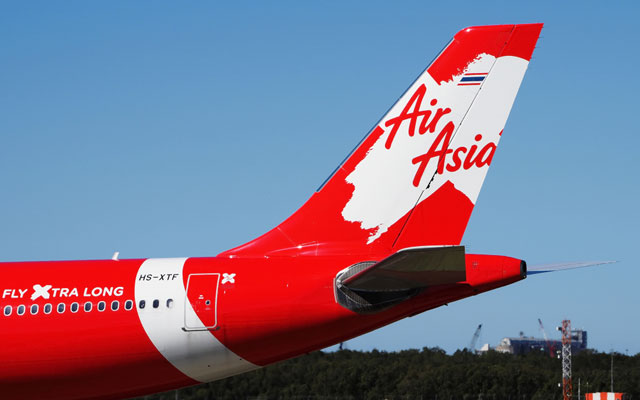
The debt-ridden longhaul arm of AirAsia has proposed a restructuring plan geared at facilitating an injection of fresh equity in a last-ditch effort to save the Malaysian budget carrier from going belly up.
Leading the restructuring is newly-appointed deputy chairman, Lim Kian Onn, who is a chartered accountant and former investment banker.
AirAsia X said in a statement that it is facing severe liquidity constraints, amid the prolonged Covid-19 crisis, and that “an imminent default of contractual commitments will precipitate a potential liquidation of the airline”.
In order to raise fresh equity which is essential to restart the airline, it needs to undergo a major debt restructuring and a renegotiation of its financial obligations, it added.
If approved, the restructuring plan will secure the airline’s continued ability to fly again, said AirAsia X. The carrier’s current total liabilities of RM10.3 billion (US$2.5 billion) exceeds its total assets of RM9.36 billion.
The group has proposed that the debts amounting to RM63.5 billion to unsecured creditors be reconstituted into an acknowledgement of indebtedness for a principal amount of up to RM200 million. It is also seeking for the balance amount to be waived.
It said that the move is “aimed at enabling the group to address its debt obligations in an orderly manner and to arrive at a debt structure that is sustainable from future operating cash flows”.
As well, the revision of the group’s business plan entails route network rationalisation, aircraft fleet right-sizing, cost base overhaul and workforce optimisation in order to ensure a leaner and more sustainable business.
Citing continued support from business partners as critical to drive the success of the proposed restructuring plan, the carrier said that it hopes to enter into agreements “that are reflective and supportive of the airline’s revised business plan upon successful completion of the restructuring”.
Under the proposed scheme, AirAsia Unlimited Pass holders and guests with valid flight bookings will receive travel credits with extended validity for future travel or purchase of seat inventory.
AirAsia X CEO Benyamin Ismail said: “We remain committed to our guests, Allstars, business partners and shareholders to ensure we build a viable and sustainable airline for the longhaul, and for the survival of this airline, the proposed restructuring plan is our only option.
“It has been extremely difficult for the airline during this period as we had to ground all scheduled flights, implement salary cuts and retrenchment for the first time in the company’s history as a consequence of the pandemic. Similar exercises are likely to continue during the restructuring process, but our focus is to ensure a successful restructuring to keep as many jobs as possible.
“We have a low cost base, we are in the right part of the market and many of our key markets are in green zones which are likely to reopen first. We have a robust recovery strategy in place, and with the continued support from our stakeholders, we will overcome all challenges and come out stronger.”
According to Ismail, the airline’s immediate focus is to obtain all necessary approvals and execute the proposed restructuring plan over the next few months.
Sabah imposes two-week interstate travel ban
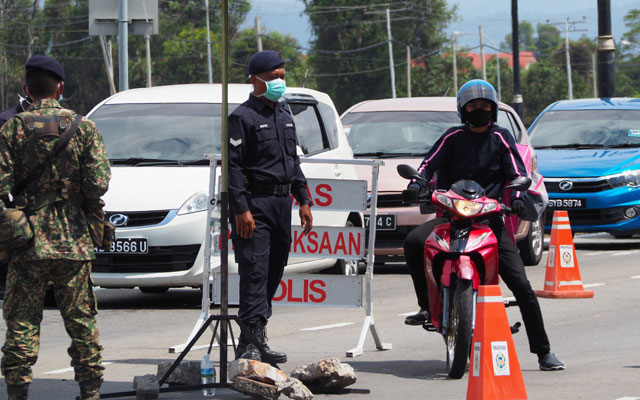
Amid a continued surge in Covid-19 cases, Malaysia’s Sabah state has imposed a border control banning travel between the state and the peninsula, Sarawak and Labuan from October 12-25.
Exceptions will be granted for special cases such as emergencies, death in the family, and provision of essential services.
Senior minister (security cluster), Ismail Sabri Yaakob, said those who receive permission to travel must undergo Covid-19 screening conducted by the Health Ministry as soon as they arrive at their destination.
Those allowed entry into Sabah include Sabahans who are code “H” MyKad holders, spouses of Sabahans with valid immigration passes or with proof of marriage and birth certificate, those working in essential services and holding valid immigration passes, members of the federal civil service who are posted to the state, as well as non-Sabahan students with student cards or passes issued by the state immigration department.
Anyone entering Sabah must undergo Covid-19 screening upon their arrival.
Yesterday (October 6), Sabah recorded 219 Covid-19 cases out of the 691 new cases reported in the country – the highest single-day spike, which has prompted the federal government to consider limiting large congregations such as weddings and public gatherings to curb its spread.
Sabah’s capital, Kota Kinabalu, as well as the districts of Penampang and Putatan, have been placed under a conditional movement control order from midnight today (October 7), in efforts to flatten the curve. This means no one will be allowed to enter or exit the three districts except for those in essential services, including factories.
Restaurants are not allowed to receive dine-in customers and business operating hours for restaurants, food stalls, petrol stations, convenience shops and pharmacies will be shortened from 06.00 to 18.00 during this period.

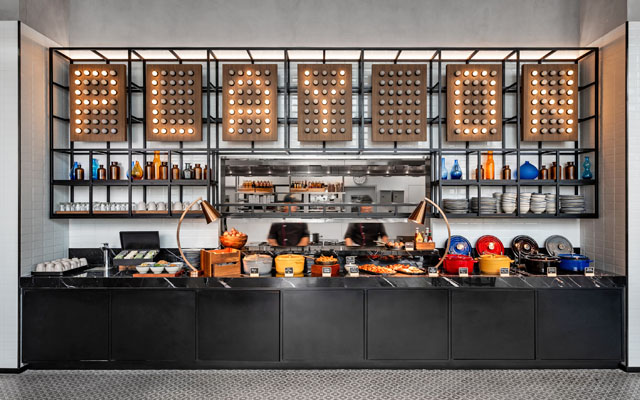






Pullman Resort Xishuangbanna, China
Situated in the burgeoning tourism region of South Yunnan, the opening of Pullman Resort Xishuangbanna marks the 40th Pullman hotel within Greater China’s network. The property sits in the heart of Sunac Xishuangbanna Resort, an 880,000m2 cultural and tourist destination in Southwest China. Pullman Resort Xishuangbanna offers 412 guestrooms and suites, a fitness centre, and an outdoor swimming pool with a children’s pool. F&B venues include a Chinese restaurant, an all day restaurant, a lobby lounge, and an Executive Lounge.
For corporate or social events, the hotel offers 1,400m2 of meeting and banquet spaces, including a pillar-free 660m2 grand ballroom equipped with large LED screens and six multifunctional conference rooms. An adjacent 1,500m2 private Dream Lawn allows for al fresco dinners or open air cocktails as extensions of meetings and events.
Batam Marriott Hotel Harbour Bay, Indonesia
Marriott International has opened the Batam Marriott Hotel Harbour Bay on Batam island, the largest island in Indonesia’s Riau archipelago province. Located on the island’s waterfront hub of Harbour Bay, the five-star hotel offers 216 guestrooms and suites, appointed with work desks, 55-inch LED TVs, and high-speed internet. F&B options include an all-day restaurant, the hotel’s signature restaurant, a boutique deli, a lobby lounge, and a rooftop lifestyle lounge. A 24/7 fitness centre, an outdoor swimming pool and a kids’ pool, a pool bar, and a spa round up the leisure facilities. For meetings and events, there is a 1,300m2 Marriott Grand Ballroom featuring a VVIP room and a Pre-Function Hall. Five multifunctional meeting rooms, ranging from 55 to 500m2, are ideal for hosting smaller events.
Park Inn by Radisson Putrajaya, Malaysia
Park Inn by Radisson, the upper-midscale brand from Radisson Hotel Group, has made its debut in Malaysia with the launch of a hotel in the heart of the country’s commercial and economic triangle. Park Inn by Radisson Putrajaya offers 220 guestrooms and suites, alongside 24-hour room service and an all-day restaurant. Other facilities include a 24-hour fitness centre, an outdoor swimming pool and children’s pool. Corporate guests can host events in seven function spaces, including the 176m2, pillar-free Putrajaya Room which can accommodate up to 180 delegates. The other six rooms, which range from 28 to 49m2, are ideal for board meetings, training sessions and seminars with up to 35 people.
Best Western Hotel Fino Shin-Yokohama, Japan
Best Western Hotels & Resorts has continued to expand its portfolio in Japan with the launch of Best Western Hotel Fino Shin-Yokohama in Yokohama, the vibrant seaport and Japan’s second largest city. Nestled in the centre of Yokohama, the newly-built midscale hotel offers 108 rooms, all equipped with sleep-inducing beds, bathrooms with power showers, working areas and complimentary Wi-Fi. Corporate travellers can take advantage of the 24-hour business centre with professional services such as printing and photocopying.