Japan’s apartment hotel sector is expanding as developers respond to growing demand from large families, groups and long-stay visitors seeking shared social spaces, kitchens and laundry facilities.
Demand for these social and co-living accommodation options has increased since Japan reopened to international tourists in 2022. Interest is particularly strong among multi-generational families from South Korea, Taiwan and China, as well as travellers from longhaul markets including Australia, Europe and the US, who typically stay for 10 to 17 days.
“Travellers now demand a wider variety of accommodation options and value flexibility more than ever,” said Christian Baudat, country general manager, Ascott Japan.
Driven by inbound demand, Japan’s aparthotel, serviced apartment and co-living market is forecast to record a compound annual growth rate of 14.4 per cent from 2025, reaching projected revenue of US$7 billion by 2030, according to Grand View Research.
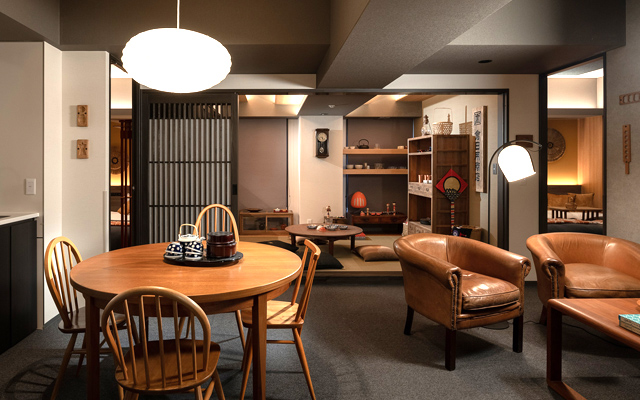
Mimaru, which operates 27 apartment hotels in Tokyo, Kyoto and Osaka, plans to open two properties in Osaka this year. Shinsaibashi Central will offer 66 rooms for four to six guests, including bunk beds and layouts designed for families and friends to socialise in shared living spaces. Namba Station Annex will feature 68 rooms designed for larger groups and longer stays.
Mao Mochizuki of Mimaru’s operating company, Cosmos Hotel Management Co., said the expansion reflects growing demand for accommodation that allows guests to stay together while maintaining privacy.
“In addition to multi-generational family trips, we are seeing more workcation stays that combine remote work with leisure travel, as well as group trips where families travel together with close friends,” she told TTG Asia.
The sector is also attracting new entrants.
Waypoint, an apartment hotel brand launched by Mitsubishi Estate Co. and Mitsubishi Estate Hotels & Resorts Co., entered the market in April. Its first property, converted from an existing building in Tokyo’s Tsukiji district, has 52 rooms accommodating up to six guests each. The companies plan to open 10 Waypoint hotels by 2030.
Private equity firm Keystone Partners has also invested in an apartment hotel fund to develop a 31-key property under the Sumu brand in Tokyo’s Akihabara district. Designed for multi-person stays, the hotel is scheduled for completion in 2028.