Aw & Sons Capital has introduced Mber Co-Living & Serviced Apartments in Serangoon, describing it as Singapore’s first purpose-built co-living and serviced residence development.
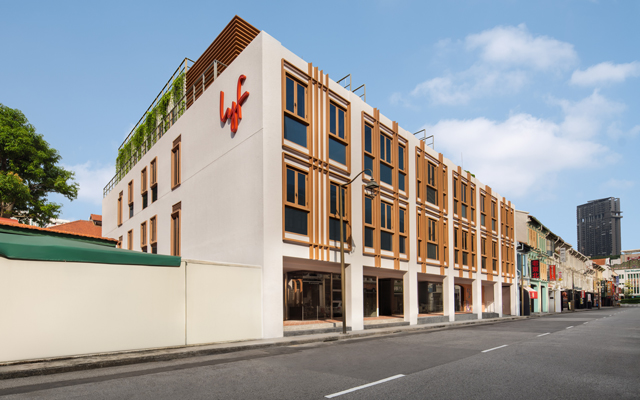
Built on the former Lim Tua Tow Market site along Teck Chye Terrace, the property combines co-living rooms and serviced apartments with shared work, wellness and community spaces.
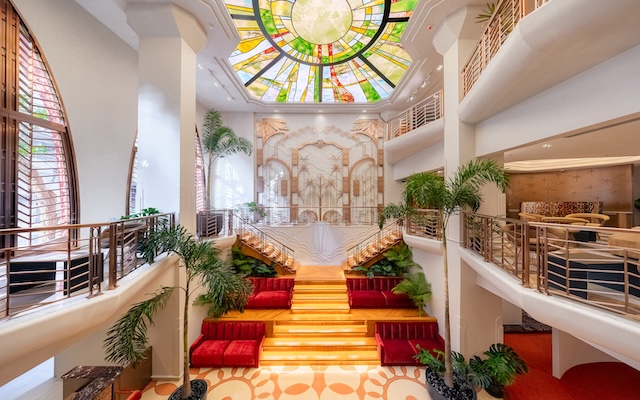
Designed by Formwerkz Architects, the development blends references to the former market with contemporary residential design. Interiors by Afternaut include communal spaces and flexible living areas for long-stay residents.
The property targets internationally mobile professionals, students and long-stay visitors seeking accommodation close to key employment and education hubs such as Seletar Aerospace Park, Punggol Digital District, the Australian International School and Stamford American International School.
Facilities include co-working areas, communal kitchens, libraries, games rooms, rooftop gardens and wellness spaces. Residents also have access to GYMber, a hybrid indoor-outdoor fitness facility featuring strength and endurance training areas, recovery facilities, an ice bath, infrared sauna and wellness pool.
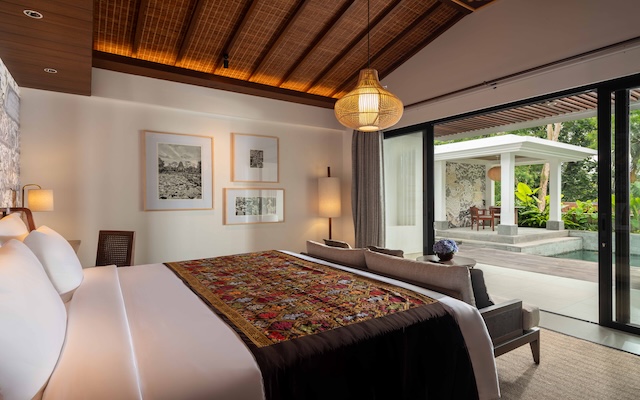
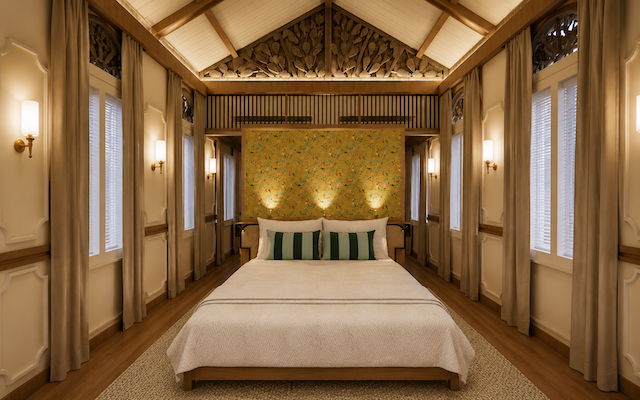
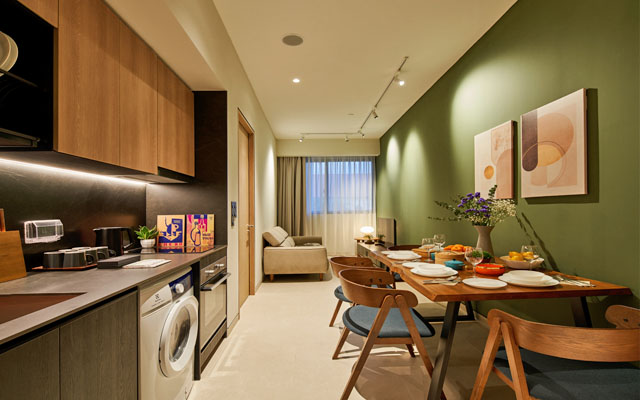
Accommodation options include private en-suite co-living rooms and serviced apartments with three or four bedrooms. The development features 14 communal spaces designed for dining, work, recreation and relaxation.
The property also houses Mber Club, a membership platform that will host workshops, cultural programmes, wellness activities and community events for residents and members.
Josh Hu, managing director of Aw & Sons Capital, said: “Cities are full of buildings, but very few places. The places people remember are the ones where life naturally gathers, where conversations happen, ideas exchanged, and relationships form over time.
“When we started thinking about Mber Co-Living & Serviced Apartments, we weren’t just designing rooms or apartments. We were asking how a building could encourage that kind of everyday interaction.”