TTG Asia
Asia/Singapore Thursday, 9th April 2026
Page 1152

Personalisation, sustainability demands on the rise for APAC travellers: Sabre

0
today released the results of an APAC-wide study that compiles insight from over 500 travel professionals. Looking towards 2020, here are 5 key trends revealed by leisure travel consultants from over 24 countries across the world’s fastest growing region, Asia Pacific.

A rising tide of group travel for retirees, eco-conscious movement and thirst for customisation are some of the key traveller trends that Sabre has identified in its Asia-Pacific survey for 2020.

Here are the five key trends as revealed by the survey, which polled over 500 leisure travel consultants from over 24 countries across Asia-Pacific:
Leisure travel consultants from over 24 countries reveal the five key trends across Asia-Pacific

Forever young
Travel professionals reveal that travellers aged between 35 to 50 make up close to 60 per cent of their customer base, proving that despite the rise of online platforms meant to facilitate personal bookings, there’s nothing like having a professional to help enhance the booking experience. What’s more, three in five respondents indicate that personalised requests are the main reason why customers reach out, allowing them to create unique packages that cater to each traveller’s needs.

Silver is golden
In Asia’s rapidly aging economies, more than 40 per cent of consumers served by travel agents are over the age of 50, and over one third of those surveyed identified that retirees are among their most popular customers, just after families and couples.

In fact, four in 10 agents confirm that travel for groups of retired people is on the rise, with packaged tours listed as the main reason why people over 50 reach out to travel agents. Some 46 per cent of those included folks in the 50 to 69 branch; and close to 60 per cent of the 70 and over age group request packaged tours that include flights, hotel and transportation bookings, with wellness or religious activities often being the main reason for their bookings.

Green giant
Sabre’s traveller trend survey found that over 60 per cent of travel consultants identified a growing concern for the environment among travellers. The survey also reveals that an impressive 70 per cent of travellers are asking for sustainable tourism options, and close to 30 per cent are requesting for alternate modes of transportation. However, the survey also reveals that only two per cent of leisure travellers across Asia-Pacific ask to purchase carbon credits.

The gender gap
With solo travel growing year on year, the Sabre traveller trends survey discloses that in Asia, men account for 10 per cent more of the solo travel bookings than women. When it comes to bookings, women tend to prefer travelling in groups. However, when it’s time for a couples’ getaway, the survey reveals that both parties do their part, with nearly 40 per cent of both men and women reaching out to their travel consultant to assist with the booking.

Me, myself and I
As consumers across the board expect customisation to be part of their retail experience, a significant 60 per cent of respondents indicate that personalisation is the main reason why they are called upon to book travel. Travel consultants are sought to fulfil the growing demands of those aged 34 and below to book their next sport and adventure travel, which account for approximately 50 per cent of group bookings, or simply to identify better prices for their customers.
The Postcard Hotel sends first global outposts to Bhutan and Sri Lanka

0

Following the launch of a trio of properties in Goa earlier this year, The Postcard Hotel will soon bring the India-based boutique luxury hotel brand into Sri Lanka and Bhutan this November.

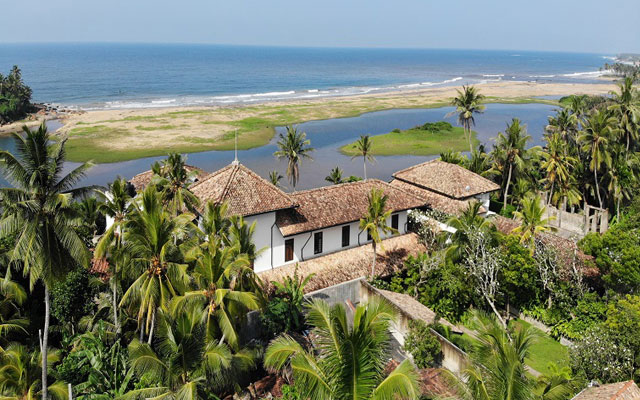
The Postcard Dewa hotel in Bhutan will feature 15 suites, while The Postcard Galle in Sri Lanka will offer 10 intimate suites.

The Postcard Hotel will soon debut in Sri Lanka and Bhutan with The Postcard Galle in Sri Lanka (above) and The Postcard Dewa hotel in Bhutan

With over Rp10 million (US$140,000) of assets under management today and projects underway across South Asia, the luxury group aims to own or manage over US$1 billion of assets in five years.

Founded by the former president of The Oberoi Group, Kapil Chopra, The Postcard Hotel plans to open 50 hotels in five years in experiential destinations across the world. The investment will be made through an intelligent mix of buying off the asset, taking a long term lease on the asset or managing it as a management company.

New hotels: The Fullerton Hotel Sydney, Oakwood Residence Hanoi, and more

0

The Fullerton Hotel Sydney
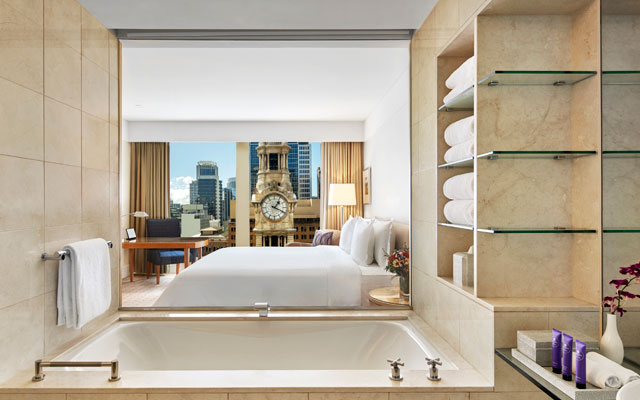
The Fullerton Hotel Sydney has opened within the former General Post Office building at No 1 Martin Place. The luxury hotel in Sydney’s CBD offers 416 rooms, all furnished with Harman Kardon Bluetooth speakers, Nespresso machines, TWG teas, and a pillow menu.

There are two F&B options: The Place, which serves Modern Australian cuisine and South-east Asian dishes; and The Bar which comprises The Lounge and The Room.

Five event spaces are available, the largest being the pillarless Grand Ballroom with a capacity of up to 1,000 for a banquet. The property will also offer Fullerton Experiences, a bespoke programme featuring complimentary heritage tours and events.

Oakwood Residence Hanoi
Situated in an upscale residential neighbourhood within the West Lake (Tay Ho) District, Oakwood Residence Hanoi features 262 studios, one-, two- and three-bedroom apartments and penthouses. Each unit comes with a fully-equipped kitchen, washer and dryer, high-speed Internet and hotel amenities.

Guests can also expect a suite of services including round-the-clock guest relations and security, housekeeping services, laundry and dry cleaning services, shuttle bus services, as well as activity programmes. Other amenities include a residents’ lounge, restaurant and bar, fitness centre, children’s play area, as well as the city’s first all-season infinity pool fitted with a retractable glass roof.

Pullman Suzhou Zhonghui
Pullman Suzhou Zhonghui has risen in Suzhou’s Xiangcheng District, offering 413 rooms and suites. Each suite includes a Pullman fitness bag and workout guide with yoga mat, while these items are available upon request in all other room categories.

F&B options include the brand’s signature Junction Bar; Perle Café which offers all-day dining; Lingering Garden which serves up Cantonese and Suzhou cuisines; and Japanese restaurant Mokusei Teppanyaki.

For MICE travellers and event planners, the hotel features a 1,200m2 column free Grand Ballroom, equipped with a 360-degree and 4D holographic project system; two Junior Ballrooms at 300m2 and 220m2; five meeting rooms, and a terrace space for outdoor events. Recreational facilities include a Fit Lounge with a 650m2 workout area and an 18m indoor swimming pool with Jacuzzi, a gym, steam bath, sensory showers and yoga room.

Awan Biru Resort & Spa
Awan Biru Resort & Spa, partly managed by Adiwana Hotels and Resorts, has opened in Ubud. Extending over two floors, the resort’s main building has five rooms, namely, Mentari room, Candra room, Surga Kecil, Surga Besar, and Pelangi Room which features a private pool. Features include an open-air dining pavilion, a fitness centre, a sauna and Jacuzzi, a miniature golf course, a Japanese garden, an infinity pool, a lounger, a spa, a study room, media room and games pavilion.

Red Planet Sapporo Susukino Central
Red Planet has welcomed its second hotel in Sapporo. The 212-room Red Planet Sapporo Susukino Central is located just off Odori Park, in the downtown Susukino neighbourhood. The hotel is a short walk to the Sapporo Clock Tower, Sapporo TV Tower, and Nakajima Park.

John Reed joins Octave Institute as COO

0

Health and wellness hospitality company Sangha Retreat by Octave Institute has appointed John Reed as COO.

Reporting to chairman and founder of Octave Institute, Frederick Chavalit Tsao, Reed has been placed in charge of the business performance of Octave Institute and developing a sales-driven culture throughout the organisation.

The American brings more than 35 years of experience in the hospitality industry to the table, having worked in various destinations around the globe such as the US, Australia, Thailand, Myanmar, Bali and Bhutan. Reed has a deep knowledge and understanding of the markets in South Asia and Indochina, especially Bhutan, where he spent a significant part of his career building the Aman brand.

Penang eyes Singapore market with Experience Penang 2020 campaign

0

Penang Global Tourism is looking to snare even stronger arrivals from Singapore – among the Malaysian destination’s top three source markets – with its new Experience Penang 2020 campaign and soon-to-come travel promotions with airlines and online travel agents.

At its campaign launch event held at Parkroyal on Beach Road in Singapore on Tuesday, Penang Global Tourism’s CEO Ooi Chok Yan revealed that plans to further grow arrivals from Singapore next year include creating loyalty programmes, as well as working on joint promotions with OTAs and airlines that operate flights between Singapore and Penang.

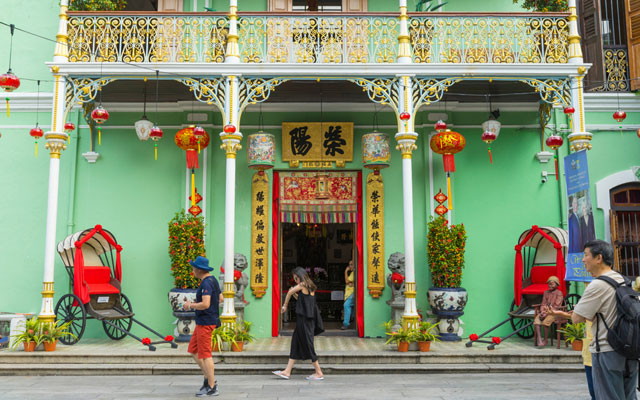
Penang launches Experience Penang 2020 campaign with Singapore as one of its target markets; Pinang Peranakan Mansion in Penang, Malaysia pictured

Penang Global Tourism will also intensify its branding and destination marketing through print and online advertising.

Singapore outbound agents that TTG Asia spoke to at the event said that leisure and corporate travel demand for Penang has climbed on the back of attractive airfares, a weak ringgit and new products and attractions.

Otto Gerard Ree, business development manager at Cultural & Entertainment Holidays, observed rising interest among Singaporean youths who favour nature and soft adventures in Penang. Fuelling the demand are return airfares that are priced “as low as S$148 (US$108)”.

For Vincent Tham, director at D’Address, Penang enjoys “healthy interest” from business event groups that are attracted by the variety of business hotels and unique venues at competitive rates.

The number of church and student groups from Singapore is also on the rise, noted Lawrence Koay, owner & CEO of Penang-based DMC Tour & Incentive Travel. He added that durian lovers flock in too when the fruit is in season.

Yeoh Soon Hin, Penang State EXCO for Tourism, Arts, Culture & Heritage, hopes to keep the momentum going through Experience Penang 2020, which will highlight Penang’s diversity of culture, heritage, arts, food and scenic natural surroundings.

“Hence the tagline, The Diversity of Asia,” he explained.

Zen Rooms snags further investment from South Korea’s Yanolja

0

Singapore-headquartered budget hotel chain Zen Rooms (Zen) has received additional investment of an undisclosed sum from South Korea’s travel group Yanolja.

Yanolja has also acquired Zen’s early investors’ stakes and signed a wide strategic alliance with the company.

Zen’s Nathan Boublil said that the company’s alliance with Yanolja will create a hospitality group in South-east Asia that is able to deploy technology infrastructure to all hotels in the region

Backed by Booking Holdings and GIC, Yanolja was the lead strategic investor in the company’s US$15 million funding round in 2018, with rights to invest further.

Zen’s early investor Asia Internet Holdings, which is a joint venture between Rocket Internet and Ooredoo Telecom, has exited its stake to Yanolja. Meanwhile, RedBadge Pacific and SBI Korea remain as investors, while Access Ventures has joined as a co-investor.

The Zen-Yanolja alliance creates “the first full service budget and mid-range hospitality group in South-east Asia”, according to Zen’s co-founder and CEO, Nathan Boublil.

It combines Zen’s budget hotel franchise business with Yanolja’s scale, hospitality technologies and the backing of OTA leader Booking Holdings, thus granting Zen “unique competitive advantages in both hotel technology and sales distribution”, the company said in a statement.

South Korean travel group Yanolja’s recent additional investment in Zen Rooms follows its $15 million funding in the budget hotel chain last year

The groups will work to heavily deploy automation technology to enhance customer experience, further reduce budget hotels’ operating costs and reinvent budget hospitality across South-east Asia, it added.

Since Yanolja’s investment in mid-2018, Zen has quadrupled revenue in the past year. In 4Q2019, it became the largest hotel chain in the Philippines, with 5,500 rooms under franchise.

Brand USA targets SE Asia, India for growth

0

South-east Asia remains an integral market for Brand USA, the destination marketing organisation for the US, as the company looks to further grow their tourist numbers from the region.

Inbound arrivals from South-east Asia to the US totalled 810,000 last year and is slated to grow by 44 per cent to 1.2 million by 2023. This is also bolstered by increasing air connections, with Singapore Airlines having launched non-stop flights from Singapore to Seattle last month, on top of flying direct to New York and Los Angeles.

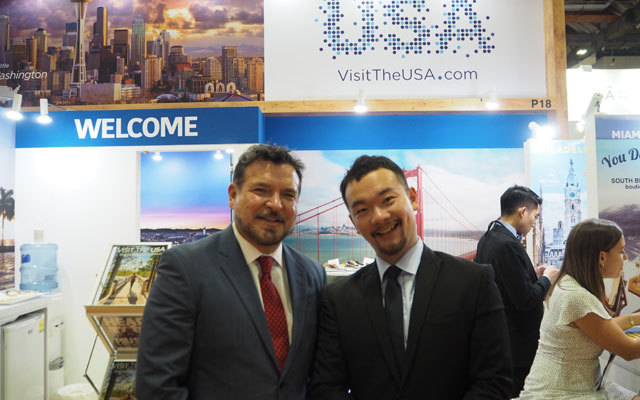
Brand USA’s representatives Jason Pacheco and Louis Lu says South-east Asia remains a key source market for the company.

Speaking to TTG Asia on the sidelines of the South-east Asia Travel Exchange at ITB Asia, Brand USA’s Asia strategy advisor Jason Pacheco said: “If we are looking at where the new businesses are coming from, it’s Asia and we have to build a strong part of our strategy around it.”

Pacheco also hopes to attract more corporate incentives from the region.

One of Brand USA’s strategies for the South-east Asian market is developing travel products that are tailored to travellers.

Brand USA’s senior global trade development manager Louis Lu said: “We are not trying to sell packages, but are putting forth experiences and ideas for tour operators to tailor (their packages) to the requirements of their customers.”

Besides South-east Asia, Brand USA is also keen to tap the Indian tourism market. Pacheco said: “India is one of the fastest growing travel markets in the world with (an estimated) 50 million outbound tourists by 2020. There is also a lot of stopover arrivals there. The US government also has a good relationship with India’s government, which (paves the way for) establishing economic business that includes tourism (between the two countries). Plus, India has a mainly English-speaking audience.”

Technology key to enhancing passenger experience: IATA’s CEO

0

The International Air Transport Association (IATA) has called on governments and industry players to work together in leveraging modern technology to enhance passenger experience and achieve greater efficiency from infrastructure.

The call came during the opening address by Alexandre de Juniac, IATA’s director general and CEO, at the IATA Global Airport and Passenger Symposium in Warsaw.

Smart solutions like baggage tracking key to enhancing passenger experience, says IATA

Passenger first approach

To improve the passenger experience, technology options should focus on what the passenger wants. Travellers showed strong preferences for technology to enable them to track their baggage in real-time and to expedite their journey through the various airport processes, according to a 2019 IATA global passenger survey.

The industry has solutions for both these passenger expectations – the One ID initiative, and radio frequency identification (RFID) for baggage tracking. Both need the support of stakeholders, including governments.

IATA’s One ID initiative is helping the industry to transition towards a day when passengers can move from curb to gate using a single biometric travel token such as a face, fingerprint or iris scan.

“Biometric technology has the power to transform the passenger experience. Airlines are strongly behind the One ID initiative. The priority now is ensuring there is regulation in place to support the vision of a paperless travel experience that will also ensure that their data is well protected,” said de Juniac.

On baggage, airlines and airports are working together to implement tracking at key journey points, such as loading onto and off aircraft (Resolution 753). In June, airlines committed to the global deployment of RFID for baggage tracking.

“Implementation of RFID has seen some good progress, especially in China where the technology has been thoroughly embraced. In Europe, several airlines and airports are successfully working together to introduce RFID, notably, Air France at Charles de Gaulle Airport in Paris. The industry needs to be reminded that in addition to meeting our customers’ expectations, implementation of RFID will help reduce the US$2.4 billion cost to airlines from mishandled bags,” said de Juniac.

Infrastructure

Infrastructure will also play a key role in meeting customer expectations. Developing infrastructure that can cope with future demand, without relying on ever-bigger airports, is essential. In cooperation with Airports Council International, the NEXTT (New Experience Travel Technologies) initiative explores important changes in technology and processes to improve operational efficiency and the customer experience.

Among its 11 work streams, NEXTT is examining several options, including the potential to increase off-site processing, which could reduce or even eliminate queues; use artificial intelligence and robotics to more efficiently use space and resources; and improve data sharing among stakeholders to enhance efficiency.

“Accommodating growth by building bigger and bigger airports will be challenging from a public policy perspective. NEXTT provides a major opportunity to focus on using the latest industry technology standards for a sustainable future. We look forward to seeing Poland take a leadership role in delivering the NEXTT vision with the construction of Warsaw’s new airport – Solidarity Transport Hub. It’s the European Union’s first greenfield airport in over a decade,” said de Juniac.

Marina Mandarin Singapore undergoes green refurb in major rebranding

0

Singapore’s upcoming Greater Southern Waterfront district, which has been billed by prime minister Lee Hsien Loong as the city’s new “green heart”, will soon be welcoming a sustainable property taking over from the previous Marina Mandarin Singapore.

The 32-year-old hotel’s rebranding into the new Parkroyal Collection Marina Bay will be unveiled on January 1, 2020. It joins the range of properties under the Pan Pacific Hotels Group (PPHG), and will follow in the green footsteps of sister property Parkroyal Collection Pickering, which has garnered wide 
acclaim for its statement “garden in the hotel” concept.

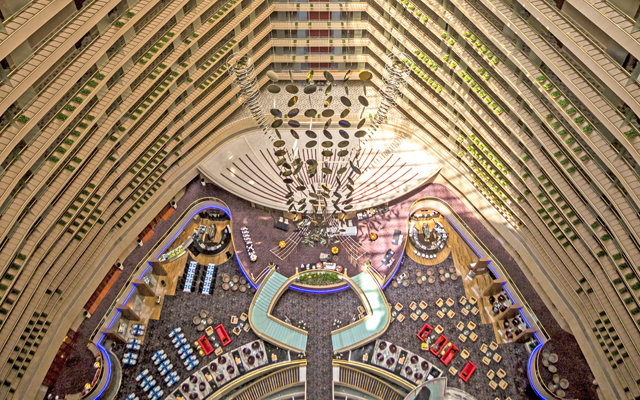
Marina Mandarin Singapore (pictured) will get a green makeover in its rebranding into Parkroyal Collection Marina Bay

With plans for the Marina Bay property to similarly sport lush landscapes and stylish interiors, renovations will be done in phases from early 2020 to mid-2021.

PPHG’s CEO Choe Peng Sum told the Daily: “Parkroyal Collection Pickering already enjoys the distinction of being the ‘World’s Leading Green City Hotel’ and with the addition of Parkroyal Collection Marina Bay, we have created a distinct category of visually stunning hotels that infuse green design with our sustainable efforts.”

Moscow’s tourism committee spotlights climate change

0
Fetisov alongside celebrities Allan Wu (far right) and Fiona Fussi (second from left) who graced the event

Moscow City Tourism Committee is at ITB Asia 2019 on a unique mission – to raise awareness of climate change through the UN Environment Programme’s #TheLastGame.

#TheLastGame is a global campaign aimed at drawing attention to the devastating effects that climate change is having on the Arctic, and boosting climate action through ice hockey. As part of the campaign, more than 25 friendly matches are being played around the world, with the main game taking place at Russia’s Barneo ice floe on April 20, 2020.

In partnership with #TheLastGame, the Moscow City Tourism Committee and the Singapore Ice Hockey Association played a friendly ice hockey match at The Rink in JCube mall on Tuesday. Viacheslav Fetisov, the first Ambassador of Moscow, UNESCO Champion for Sport, UN Environment Patron for Polar Regions and UNWTO Tourism Ambassador, was joined on ice with other international players as well as Singaporeans who share his passion for saving the planet.

Hockey match aside, the initiative also encompasses a special youth clinic which provides emphasis on hockey skills and best environmental practices for guests to implement climate change.

Commenting on Moscow’s other objective at ITB Asia, Konstantin Akopyan, Moscow City Tourism Committee’s spokesman said the team of 19 exhibitors is “exploring the South-east Asia market which is still very new” and hopes to “dispel stereotypes that (the destination) is unsafe, expensive and not tourist friendly”.