

Displaced Philippine travel workers get aid from community pantry
Beleaguered Philippine travel agents have developed a travelling community pantry that will donate cash and in-kind assistance exclusively to their displaced rank and file colleagues starting this month.
The Travel Agents Pantry on wheels is patterned after the community pantries that recently started sprouting along Philippine streets bearing the sign “take according to your need, give according to what you can afford”, where the needy line up for food and even for transportation fare donated by kind-hearted individuals.
Golden Eagle Travel and Tours president and CEO, Michelle Reyes Victoria, is part of the group that have informally organised themselves to help low ranking travel agencies employees. She said 40 travel agents have so far offered their own resources such as bus and vans for distribution, monetary and in-kind donations. They are also getting more donations from other sources.
As of today, 78 displaced employees have registered for the travelling community pantry in just two days, Victoria shared, saying that “we are trying to help in our own little way”.
“We have requested agency owners and managers to register a maximum of eight staff. They will register their staff to the distribution location nearest to their respective houses. We have set dates of distribution in different parts of metro Manila and we will give them specific time to pick up the donations so as not to crowd the area,” she added.
While the travelling community pantry serves Metro Manila only, Victoria is hopeful that other travel consultants will replicate it in other parts of the country.
Apart from cash donations, in-kind donations welcomed include assorted food like rice, canned goods, groceries, eggs, noodles; toiletries such as soaps and toothpastes; and Covid-19 protection such as face masks, face shields and alcohol.
Both domestic and international tourism are virtually shuttered in the Philippines since the onset of the pandemic in March last year. Efforts to create domestic travel bubbles and reopen destinations are stymied by the continued rise in Covid-19 infections and the glaring shortage of vaccines.
While a majority of travel agencies are forced to close shop or maintain skeletal workforce, government financial assistance to this sector is estimated to be at best US$200 per employee and a small interest-free loan for each small-scale agency.
First person: Travelling in Thailand during Covid-19

Throughout the Covid-19 pandemic, Thailand has gone through several phases of safety and hygiene protocols when it comes to domestic travel.
The country is now in the midst of its third and most intense wave of Covid-19, with safety protocols intensifying throughout the country on a provincial basis, as there has of yet been no countrywide mandate about domestic travel from the Centre for Covid-19 Situation Administration (CCSA), unlike during the lockdown in the summer of 2020.
Airport procedures
The protocols at the airports have remained mostly the same until now for domestic travellers – registration on the Mor Chana app for all travellers – but now in the midst of the third wave, some provinces have started requiring a Covid-free test result prior to travel, or a PCR test on arrival, whence if travellers test positive they will have to go into quarantine on the ground for two weeks at their own expense.
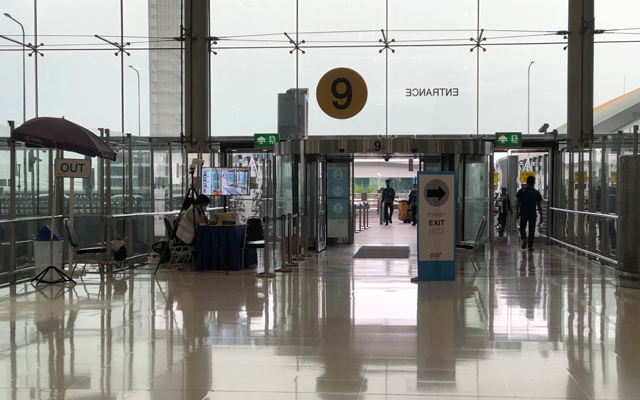
During my domestic travels, when I travelled through Suvarnabhumi Airport, I have observed that most entrances are closed. Passengers entering the airport are diverted to a few doorways equipped with temperature scanning machines.
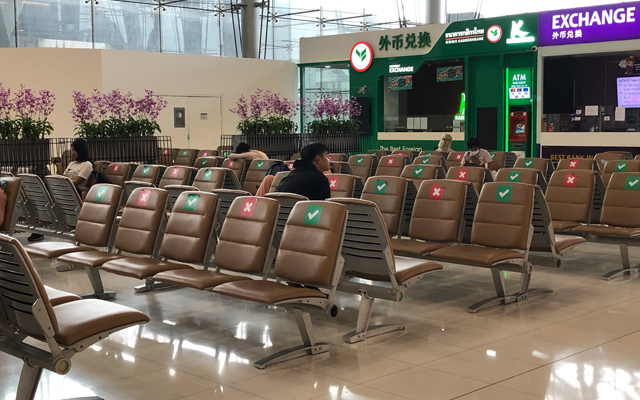
All seats in the airport’s waiting areas are marked with stickers to encourage social distancing.
At the check-in, we are asked by check-in counter staff to fill a form on the Mor Chana tracking app with our travel details. We are also required to confirm that we are symptom-free. Staff will potentially ask to review the confirmation page from this form at the check-in gate, and also when we arrive in our destination province.
After the second wave of infections, passengers report being asked to fill out this form twice – once when checking in for their flight, and another when disembarking at the destination province.
Previously, these additional checks have not taken up much time at the airport. But now with some provinces requiring Covid tests, and with all the additional documentation to be processed, passengers should prepare for longer processes. Some travellers report it is taking up to 20 minutes more per passenger to check in, particularly for international flights.
The queues are longer, but the airport is also relatively deserted as there are much fewer people flying.
Domestic flights
Airlines have gone back and forth with their safety protocols, intensifying them during each surge of infections and relaxing them in between.
When travel first resumed after the first wave of Covid-19, during September 2020, eating or drinking onboard domestic flights had been banned countrywide. Bangkok Airways served all its food covered, with its lounge meals presented in individual boxes and covered with cling wrap, and desserts wrapped in banana leaves.
The following month, Bangkok Airways began serving meals on planes again, but that was momentary.
With the onset of the second wave in December 2020, protocols intensified. By the beginning of 2021, Bangkok Airways had once again mandated that masks were to be worn at all times on board the planes, and ceased drinking or eating on board, instead providing a snack bag for passengers at disembarkation.
In February and March 2021, it also closed most airport kiosks, ticketing offices and lounges.
These restrictions have remained in place till as the third wave of infections emerged in early April 2021.
In mid-April, the Civil Aviation Authority of Thailand (CAAT) also announced harsher restrictions applicable to domestic airlines indefinitely, such as limiting flights between 23.00 to 04.00, social distancing for all flight seating arrangements, and a ban on eating, drinking and complimentary reading material in-flight.
Lodging
The majority of Thai hotels have implemented several layers of hygiene protocols – firstly, the Amazing Thailand Safety and Health Administration (SHA) standard, originated by the TAT and the Ministry of Sports and Tourism, and then their own brand standards, each with their own defining characteristics.
Melia Koh Samui implements Stay Safe With Meliá – a safety and hygiene programme audited by Bureau Veritas, a global leader in inspection, certification and testing. Every room is sticker-shut after cleaning to ensure non-contamination. Meliá Chiang Mai will also implement the same standards when it opens later this year.
Many hotels have also assigned someone to oversee the hygiene programmes. For example, Kantima Chompoolad, the wellness manager at Meliá Koh Samui, is in charge of implementing Stay Safe With Meliá and compliance with its protocols. She also oversees the emotional well-being of guests – something the programme underscores.
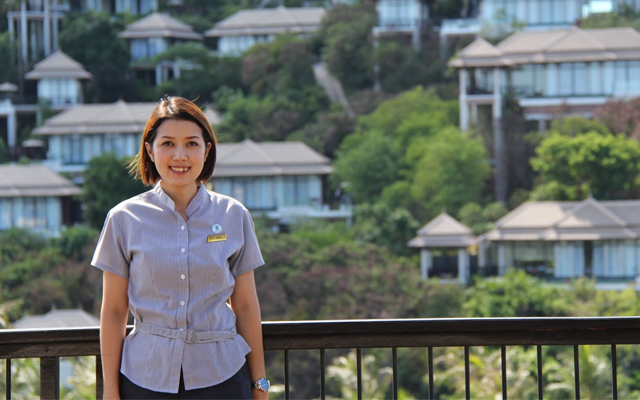
Banyan Tree Koh Samui has hired Phakthima Naratthakit as its hygiene manager to implement the brand’s SafeSanctuary Programme, also audited by Bureau Veritas. The same programme is being implemented at Banyan Tree Krabi, which opened its doors in 4Q2020.
The SafeSanctuary Programme also emphasises wellbeing and nature-focused offerings with over 40 areas of enhanced protocols.
Mandarin Oriental, Jakarta makes a splash with diving packages
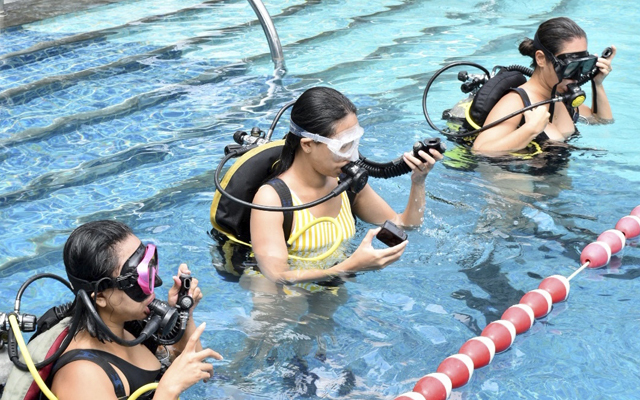
Mandarin Oriental, Jakarta is welcoming guests over the weekend with scuba-diving packages that are suitable for both beginners and advanced divers.
The Dive into the Weekend experience, created in partnership with Livingseas Explorers Indonesia, comes with a minimum two-night accommodation, a scuba-diving session, breakfast, professional diving gear and guidance from certified instructors.
 Guests can choose one of three options, each designed for a different skill level: Try Scuba and Level Up Scuba, both conducted in the hotel’s pool; and Embrace the Ocean, on a trip to Thousand Islands in the Bay of Jakarta.
Try Scuba is priced from 2,550,000 rupiah (US$176.50) per night for a Deluxe Room or 2,800,000 rupiah per night for an Urban Suite for two adults and two children aged 12 or under.
Level Up Scuba is priced from 4,150,000 rupiah per night for a Deluxe Room or 4,400,000 rupiah per night for an Urban Suite for two adults and two children.
Embrace the Ocean, best suited for confident scuba-divers who want to boost their underwater skills safely in the open sea, is priced from 8,130,000 rupiah per night for a Deluxe Room or 8,385,000 rupiah per night for an Urban Suite for two adults and two children. A private boat trip to Thousand Islands is included along with breakfast to go for up to five people.
For more information, write to mojkt-reservations@mohg.com.
New World to plant flag in Japan
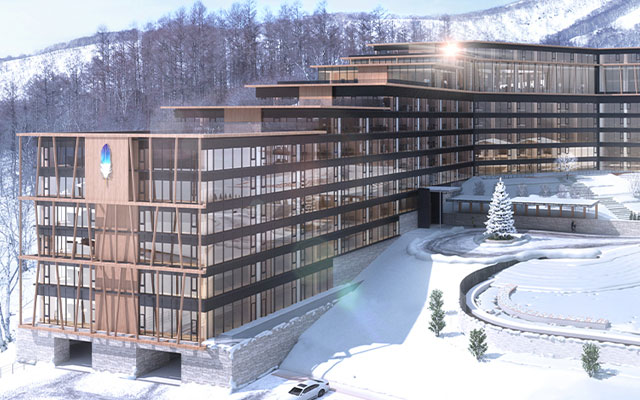
New World Hotels & Resorts has been appointed by Hong Kong-based real estate and development firm La Plume Niseko Resort TMK to manage a new luxury resort in Japan set to open in 2023.
Occupying nearly 3.6ha within the lush forest land between Mount Yotei and Mount Annupuri in Hokkaido, New World La Plume Niseko Resort will feature 219 guestrooms and five villas, each with a kitchen or kitchenette. Select accommodations will also include private hot springs and fireplaces. For those looking to occupy their own permanent space, the property will offer for-sale condos, as well as standalone villas.
F&B venues will include a signature restaurant, all-day eatery and lobby lounge. The holistic dining experience will incorporate Japanese, Western and Chinese culinary styles, using locally sourced ingredients. The lobby lounge will also feature an al fresco terrace, alongside a collection of wines, spirits, and handcrafted cocktails.
Leisure amenities will include a children’s club, in addition to an outdoor deck with a pool, gym, as well as indoor and outdoor onsen facilities.
Popular Batam resort gets facelift ahead of travel bubble opening with Singapore
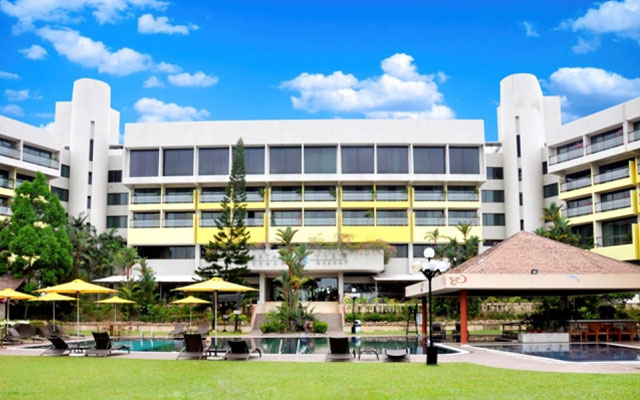
Batam View Beach Resort, a spa resort nestled on a private beach in Nongsa, Batam, is undergoing a major renovation in preparation for the return of international travellers post-pandemic.
The resort’s revamp comes as Riau Islands (Nongsa and Lagoi), together with its neighbouring Bintan Island, is being prepared by Indonesian authorities for the opening of its first travel bubble with Singapore.
Refurbishment of the resort’s 212 rooms and villas as part of the first phase of renovation which begun in 2019 has been completed, the resort’s general manager, Anddy Fong, said during a presentation at The Great ASEAN Travel Fest 2021 organised by TTG Asia.
Apart from the upgraded rooms, Anddy said the 4ha resort had also renewed the concept of its on-site Kelong Seafood Sunset Bistro, boasting live seafood with a 200-guest capacity and poolside dining area suitable for hosting outdoor events.
The second phase, set to commence sometime in mid-May, will include renovating the exterior of the building and expanding the meeting facilities to accommodate up to 300 guests. It will also entail the construction of a new Spa Village, which will house 11 private treatment rooms, salon and a new gym facility to replace the old one.
Anddy said the whole “substantial investment” project was targeted to finalise by the end of the year and will be ready then to welcome post-pandemic guests afresh.
Taking stock and moving forward sustainably

The past year has been one of many firsts – including usually bustling, world-renowned tourist attractions falling silent for the first time in a long time. Beaches, restaurants and marketplaces stood empty, along with museums and art galleries and other typically crowded cultural centres.
As the excited chatter of human voices returns to these places, we’re reminded of both the powerful connecting force of travel and its ability to breathe economic life into communities near and far. The tourism industry plays a critical role in bringing people together to foster growth that benefits everyone.
Airbnb-commissioned research by Oxford Economics, for example, recently showed that Airbnb contributed up to US$22.7 billion and more than 925,000 jobs in the Asia-Pacific region in 2019 alone, supporting US$6.8 billion in wages. It’s just one small snapshot of how tourism creates employment and opportunity in ways that ripple across a range of other sectors.
The recent temporary halting of travel has been, for many businesses and communities, a stark reminder of how tourism can serve as a powerful economic empowerment engine.
But it’s also important those moments of silence and emptiness are not forgotten too quickly and discarded in vain. As travel prepares to rebound and passports around the world are dusted off, there’s never been a better time for our industry to pause and take stock of whether there is a better way to do things. This is an opportune time to ask how we, in the private sector, can more thoughtfully harness the power of travel to not only continue driving long-term economic growth, but also help deliver more sustainable outcomes for communities.
As a 21st-century company dedicated to serving all stakeholders – including the communities in which we operate – this is one of Airbnb’s top priorities. For us, growing sustainable travel is not only about minimising environmental impact, but showcasing local cultures, working with communities to ensure tourism is a positive experience for locals, and being a vehicle for meaningful connection.
There is a genuine desire amongst travellers to ensure their visit is also a positive experience for locals – and it’s critical that the industry not only actively facilitates this, but encourages it. Part of this is helping visitors spend their valuable tourism dollars where it matters most.
This is something that has been a big focus for us for many years – dispersing tourism and spreading the positive benefits to areas that have traditionally missed out. Recently, one focus area for us has been encouraging rural visitation throughout the region to help build more resilient, diverse local economies.
An example of our work in this space is our ongoing partnerships with peak farmer organisations in Australia, which are aimed at helping to grow rural tourism infrastructure. Another example is our partnership with India’s Self Employed Women’s Association, which helps economically empower disadvantaged women in rural India.
Another focus area for Airbnb is how we can harness our platform and our community to help foster a genuine, meaningful sense of connection that brings people together. Part of this is how we – along with the broader sector – can find ways to help communities showcase local food, culture and traditions to travellers in a way that’s authentic and over which they have true ownership.
For instance, we were proud to partner with the Community Development Department of Thailand in 2019 to spotlight Thailand’s hidden villages and local stewards of these lesser-known communities to guests around the world through Online Experiences.
In 2020, we also signed a two-year Memorandum of Understanding with the Singapore Tourism Board to co-promote unique, authentic Airbnb Experiences hosted by passionate locals on our Experiences platform.
As travel returns and the empty markets and quiet tourist attractions begin to once again fill with people and life, it’s important that we as a tourism sector pause and consider how we can play an even more active role in making the future of travel brighter and more sustainable in the long-term.
High Covid-19 testing costs could stall aviation’s recovery: IATA
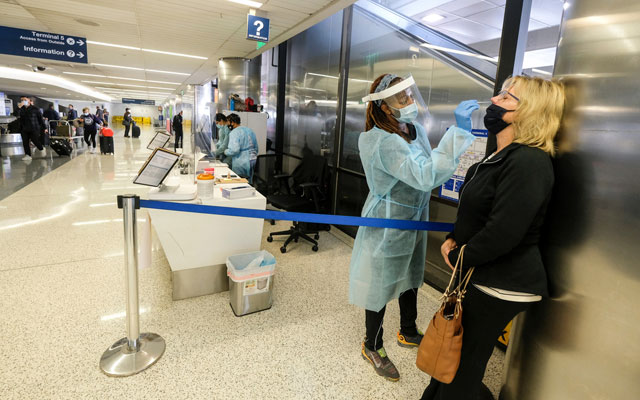
The IATA has called on governments to ensure that Covid-19 testing be kept affordable as well as timely, widely available and effective, in order to facilitate an efficient restart of international travel.
With many states imposing inbound requirements for PCR testing, the availability of affordable options everywhere is critical for a travel recovery, said the airline body.
An IATA sampling of costs for PCR tests (the test most frequently required by governments) in 16 countries showed wide variations by markets and within markets.
The 16 markets were Australia, Brazil, France, Germany, Indonesia, Japan, Malaysia, New Zealand, the Philippines, Singapore, South Korea, Switzerland, Thailand, the UK, the US, and Vietnam. Not all these markets require PCR testing.

Of the markets surveyed, only France complied with the WHO recommendation for the state to bear the cost of testing for travellers.
Of the 15 markets where there is a cost for PCR testing to the individual, the average minimum cost for testing was US$90, while the average maximum cost for testing was US$208.
Even taking the average of the low-end costs, adding PCR testing to average airfares would dramatically increase the cost of flying for individuals, noted IATA.
Pre-crisis, the average one-way airline ticket, including taxes and charges, cost US$200 (2019 data). A US$90 PCR test raises the cost by 45 per cent to US$290. Add another test on arrival and the one-way cost would leap by 90 per cent to US$380. Assuming that two tests are needed in each direction, the average cost for an individual return-trip could balloon from US$400 to US$760.
The impact of the costs of Covid-19 testing on family travel would be even more severe. Based on average ticket prices (US$200) and average low-end PCR testing (US$90) twice each way, a journey for four that would have cost US$1,600 pre-Covid, could nearly double to US$3,040 – with US$1440 being testing costs.
“As travel restrictions are lifted in domestic markets, we are seeing strong demand. The same can be expected in international markets. But that could be perilously compromised by testing costs – particularly PCR testing,” said Willie Walsh, IATA’s director general.
“Raising the cost of any product this significantly will stifle demand. The impact will be greatest for short-haul trips (up to 1,100 km); with average fares of US$105, the tests will cost more than the flight. That’s not what you want to propose to travellers as we emerge from this crisis. Testing costs must be better managed. That’s critical if governments want to save tourism and transport jobs; and avoid limiting travel freedoms to the wealthy.”
IATA further highlighted that the WHO’s International Health Regulations stipulate that states should not charge for testing or vaccination required for travel, or for the issuance of certificates.
The WHO COVID Emergency Committee recently reiterated this position, calling on governments to reduce the financial burden on international travellers of complying with testing requirements and any other public health measures implemented by countries.
Many states are ignoring their international treaty obligations, putting a travel recovery in jeopardy and risking millions of livelihoods. High testing costs also incentivise the market for fake certificates.
“Testing costs should not stand between people and their freedom to travel. The best solution is for the costs to be borne by governments. It’s their responsibility under WHO guidelines. We must not let the cost of testing – particularly PCR testing – limit the freedom to travel to the rich or those able to be vaccinated,” said Walsh.
“A successful restart of travel means so much to people – from personal job security to business opportunities and the need to see family and friends. Governments must act quickly to ensure that testing costs don’t stall a travel recovery.”
Philippines’ TPB maintains busy events calendar
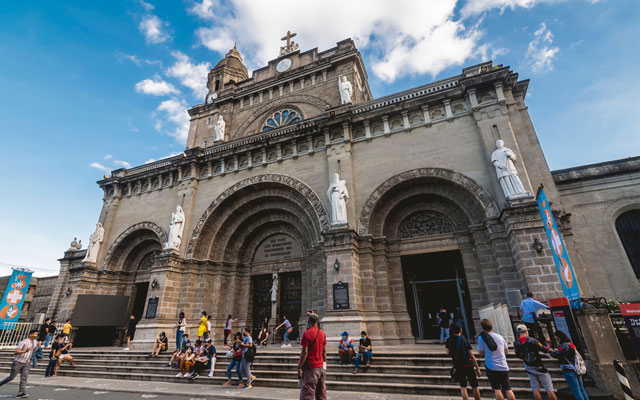
The Philippines continues to aggressively promote the destination to the international travel trade as part of efforts to maintain visibility amid the ongoing Covid-19 pandemic.
Rebuilding confidence in the destination is among the key priorities for the Philippine Tourism Promotions Board (TPB), the marketing arm of the Department of Tourism (DoT), shared TPB COO Maria Anthonette C Velasco-Allones during a virtual presentation on Tuesday (May 4) at The Great ASEAN Travel Fest 2021 organised by TTG Asia.
To that end, the DoT has developed health and safety guidelines for the tourism sector last year.
Meanwhile, the Covid-19 vaccination programme in the Philippines is ongoing, with tourism frontliners being part of priority workers for vaccination.
As part of tourism recovery efforts, TPB has turned to social media to continue engaging with the international travel trade amid prevailing restrictions on international leisure travel.
The annual Philippine Travel Exchange (PHITEX), the country’s largest travel trade event, will also return this year in a virtual format for the second time, following its inaugural virtual run last September. Set to be held from September 19 to 23, the travel exchange fair will continue to provide an avenue for Philippine sellers to forge new business connections and update global buyers with the country’s latest tourism offerings.
Come May, the Philippines will be a featured destination in the Pacific Asia Travel Association (PATA) Adventure Conference and Travel Mart. TPB will also participate in the Asia Dive Expo in June, ITB Asia in October and ITB Berlin in March 2022, followed by ASEAN Tourism Forum in January 2022.
This October, the Philippines will also host the 2021 World Travel Tourism Council Global Summit, which is expected to attract some 800 delegates.
Malaysia to impose fresh MCO on six Selangor districts
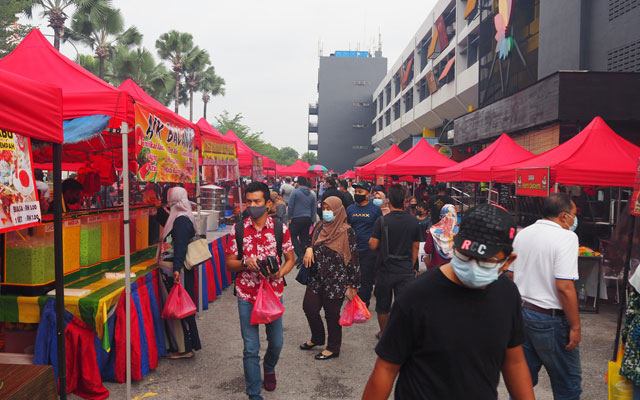
The Malaysian government will place six districts in Selangor under the movement control order (MCO) for 12 days from Thursday (May 6), as the country continues to battle a surge in Covid-19 cases.
The six districts are Hulu Langat, Petaling, Gombak, Klang, Kuala Langat and Sepang. The remaining three districts in the state – Kuala Selangor, Sabak Bernam and Hulu Selangor – are unaffected and will continue to be under the conditional MCO.
While interstate travel has been banned nationwide including in Selangor ever since MCO 2.0 was announced in January, under the new restrictions, residents in the six districts placed under MCO will also not be allowed to travel inter-district, except for emergencies and work. Dining in and social activities will also not be permitted.
For the upcoming Hari Raya celebrations, households are allowed to receive guests only on the first day, capped at 15 visitors per house at a time to enable physical distancing.
According to senior minister (security cluster), Ismail Sabri Yaakob, the government will soon make an announcement on whether to reinstate the work from home policy in Selangor.
Ahmad Nazri Tashriq, corporate communications manager at Tourism Selangor, shared that in light of the MCO announcement, efforts to promote the state will be halted until restrictions are lifted.
Last month, Tourism Selangor and Malaysian Inbound Tourism Association (MITA) held a joint workshop to introduce new products that the state had to offer, and guide MITA travel agent members on how to weave these products into their itineraries.

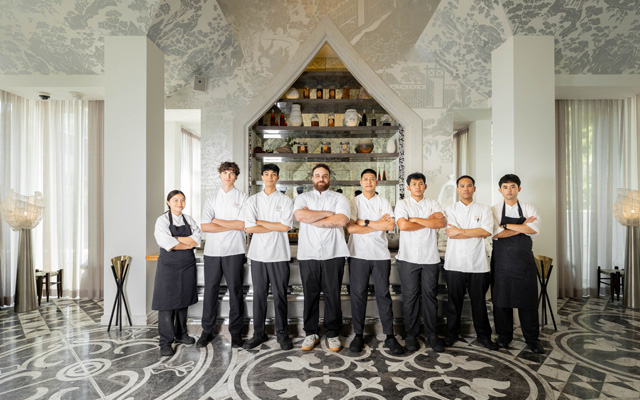






The 295-room Langham Place, Changsha sits within the Da Wang Shan Resort in southwest of Changsha which boasts multiple entertainment and amusement parks such as one of the world’s largest indoor ski slopes, Snow World, The Deep Pit Ice, and a water park featuring a 60m-high waterfall.
Langham Place, Changsha itself presents generously-sized guestrooms and suites which offer 180-degree views of the surrounding rivers and lakes; three distinct dining experiences, including Ming Court, whose menu is inspired by Langham’s Michelin-starred Cantonese restaurant counterparts in Hong Kong and Shanghai; a collection of event spaces, with the largest being the 1,100m2 Grand Ballroom; the award-winning Chuan Spa; a fully-equipped fitness centre; and an indoor swimming pool.
Victoria’s picturesque Yarra Valley welcomes the new Peppers Marysville, a 101-key property that offers a host of facilities for both leisure guests and business travellers.
Managed by Accor, the hotel houses a conference centre with five meeting and conferencing spaces catering for up to 350 guests, a restaurant and bar, gym, tennis court, heated outdoor swimming pool, sauna, wellness centre and day spa.
Located just 90 minutes from Melbourne and tucked away in the forested foothills of Victoria’s Great Dividing Range, Marysville has long been a favourite getaway destination thanks to its tranquil riverside location, culinary delights, wonderful scenery and outdoor adventures.
The hotel has partnered with Australian cycling legend Simon Gerrans to show off some of the most scenic cycling routes on its doorstep.
Located opposite the airport in the historic town of Hubballi, Karnataka, the 90-room Fortune Park Airport Road Hubballi offers guests easy access to corporate establishments, key shopping areas and other important monuments of the city.
The hotel houses Zodiac, an all-day dining multi-cuisine restaurant with alfresco seating and a trendy bar counter; Neptune bar and lounge; Rainbow vegetarian restaurant; and Fortune Deli. For recreation, guests can enjoy an outdoor swimming pool, a gym and a spa.