


IoT set to play bigger role in post-pandemic travel: GlobalData

Internet of Things (IoT) technology can help to ease traveller concerns regarding personal health and safety, while allowing travel and tourism companies to collect a wealth of data for a range of internal and external benefits, according to GlobalData.
As a result, this technology will have a bigger role to play in post-pandemic travel, noted the data and analytics company.
GlobalData’s latest thematic report, IoT in Travel & Tourism, stated that wearable tech devices at airports and other transport terminals can allow travellers to adhere to Covid-19 health and safety guidelines including social distancing procedures, thereby helping them to feel safe.
Ralph Hollister, travel and tourism analyst at GlobalData, said: “Connected applications can make tourism flows safer throughout a smart city or destination, by providing real-time warnings about crowding. These warnings can be sent to a traveller’s mobile device through beacon technology, advising them to take an alternative route, which minimises the risk of virus contraction during a city break.”
Connected applications can also ease apprehensions in privately-owned areas, GlobalData said, citing the example of Hilton’s Connected Room technology which allows guests to use the Hilton Honors app to manage most things they would traditionally have to do manually in a guestroom. From controlling the temperature and lighting to the TV and window coverings, IoT technology allows guests to reduce the number of times they have to touch surfaces that may be contaminated.
Hollister highlighted that tourism’s slow recovery in the wake of the pandemic is partly due to “ongoing health and safety fears among consumers, which is reinforced by governments”. According to a GlobalData survey, 85 per cent of consumers were still either ‘extremely’, ‘quite’ or ‘slightly’ concerned about their health due to the pandemic.
Internally, operations and business costs can be streamlined with the use of IoT technology. The collection of data from IoT sensors could allow for tourism attractions to analyse if employees are spread evenly across a theme park, for example, reducing the chance of certain employees being overworked which may improve organisational commitment.
This internal benefit also creates an external advantage as customers will receiver quicker service. Additionally, IoT can help companies to improve energy efficiency and combat climate change by monitoring and optimising temperature, lighting, and overall energy consumption.
Externally, IoT can help to create personalised experiences for customers in two main ways. The first is by enabling travellers to control more appliances or services through a centralised device, such as a tablet or mobile application. Secondly, by companies storing data gathered from IoT enabled devices to create targeted personalised marketing campaigns or by remembering their preferences for return visits.
Hollister concluded: “With 82 per cent of travel and tourism executives expecting efficiency improvements in the coming years when utilising IoT technology, combined with the ability the technology holds to make travel experiences more Covid-secure, IoT’s role in tourism is set to grow.”
Malaysia bids to attract travellers to Perlis through new online directory
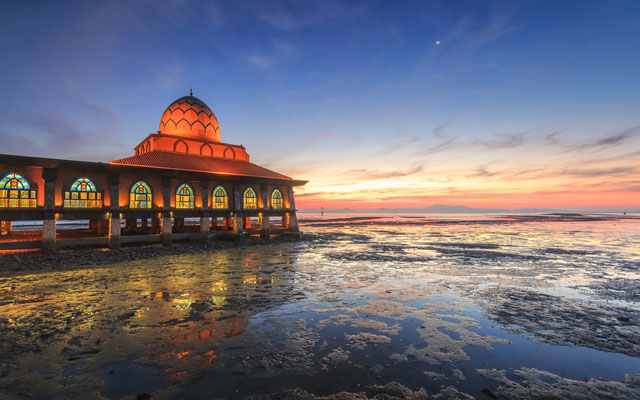
Tourism Productivity Nexus (TPN), supported by the Malaysia Productivity Corporation (MPC), is building an e-directory for tourism products and services in Perlis, in anticipation of the reopening of the state to domestic and international travellers in the near future.
TPN is in the midst of compiling information on all the tourism products and services in the northern state. The e-directory is expected to be completed by end of October and onboarded to B2B portal Universal Pass, an initiative by industry players supported by Malaysia Tourism Council and Malaysian Inbound Tourism Association (MITA), shared Uzaidi Udanis, chairman of TPN and president of MITA.
The Universal Pass platform is targeted at both international and domestic trade players, featuring niche product offerings that are not easily available to overseas wholesalers and are not sold by OTAs. This includes products such as homestays, white water rafting and glamping.
Uzaidi said: “The government is looking at reopening Langkawi to foreign travellers soon as part of its pilot project. We hope that in time, Perlis will also benefit due to its close proximity. Also, Perlis has a small population and has a low number of Covid-19 positive cases. That will also count as a reason to reopen the destination in the near future for domestic travellers.
“We want to see those travelling to Langkawi by land via Kuala Perlis to spend a day or two, or at least half a day, in Perlis before proceeding to Langkawi or on their way back. The e-directory will assist tourists to choose the best places for food and leisure activities that suit their interests.”
Sofitel Singapore City Centre celebrates National Day with two staycation packages
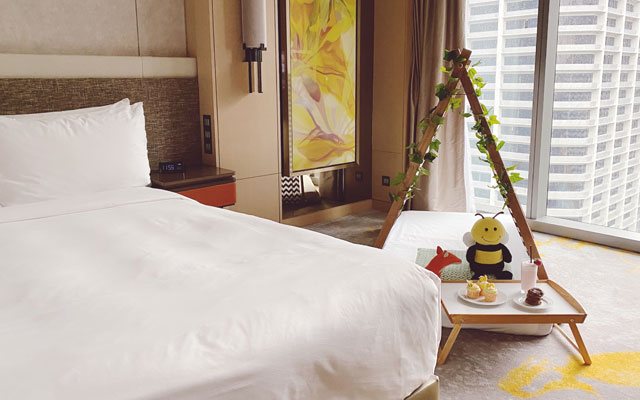
In conjunction with Singapore’s 56th birthday, Sofitel Singapore City Centre has launched two locally-inspired staycation packages designed for couples and families.
The staycation experiences include gourmet culinary offerings highlighting local heritage flavours, as well as exclusive merchandise from Autism Resource Centre, a not-for-profit charity based in Singapore.
Curated for couples, the Stay for Good staycation package includes a 2D1N stay for two in a luxury room complete with breakfast, afternoon tea with a local twist, and exclusive Autism Resource Centre merchandise for keeping, comprising a dessert bowl and tea towel.
The afternoon high tea will feature quintessential French favourites and local interpretations of salted gula melaka macarons, pandan coconut scones, sambal salmon roll with caviar and fresh herbs, and chilli crab mayonnaise on sandwich.
Room rates start from S$409 (US$300) nett for weekdays and S$479 nett for weekends.
Perfect for a kid-friendly getaway, the Do Good with the Family staycation package includes a 2D1N stay for two adults and one child in a luxury room. The experience includes a tent for the child, breakfast, and gourmet sharing dinner featuring Singaporean flavours such as egg fried rice, sweet and sour chicken as well as sautéed seasonal vegetables with garlic and Chinese wine.
This staycation also includes exclusive Autism Resource Centre merchandise comprising a set of one lanyard, one silicone colouring mat and one cutlery set.
Room rates start from S$419 nett for weekdays and S$489 nett for weekends.
For these staycation packages, Sofitel Singapore City Centre has purchased exclusively designed merchandise by students from The Art Faculty, a social enterprise by Autism Resource Centre. A portion of the proceeds will be used to support Autism Resource Centre (Singapore).
The Stay for Good and Do Good with the Family staycation packages are available for bookings via Klook for stays from now until August 15, 2021. Due to the current Covid-19 heightened alert phase, meals will be served in-room from now until August 18, 2021.
ACI World’s new tool assists airports to plan capacity increases
Airports Council International (ACI) World has released a new tool to assist airports in terminal planning to increase capacity as the global recovery from the pandemic continues.
The new Static Capacity Tool – developed by ACI World Business Partner Redwater Consulting Group – will assist airports in evaluating the level of resource and equipment needed throughout the airport passenger journey.
It will also help assess queue length, queue time and breaking points with a particular focus on the challenges arising from physical distancing.
The tool has been designed to evaluate any additional space or queuing requirements needed as a result of Covid-19 physical distancing measures and the impact of adding more process points to address additional health checks that have been introduced at many airports.
The user-friendly tool allows non-technical airport employees to make use of the model through simple inputs and a painless user interface in order to assist airports in providing a safe and seamless passenger experience.
The tool focuses on terminal process points including check-in (online, bag drop, traditional desks), security, emigration, immigration, boarding, and baggage reclaim. It uses average cycle times throughout each process point to generate an overall queue time for that process point.
ACI World director general Luis Felipe de Oliveira said that the low-cost solution will “assist even small and medium-sized airports to prevent bottlenecks in the airports and improve the passenger experience”.
Hotelbeds to grow SE Asia portfolio with RedDoorz deal
Hotelbeds has signed a preferred partnership with RedDoorz that will give the bedbank’s clients access to a range of preferential rates and offers at nearly 900 RedDoorz properties across South-east Asia.
The new deal will also allow Hotelbeds to expand its portfolio for both international and domestic offerings in key destinations such as Indonesia and the Philippines.
In return, RedDoorz will be able to expand its global reach by gaining access to Hotelbeds’ network of 60,000 travel trade buyers in over 140 source markets worldwide. This includes high value channels such as travel agents, tour operators, airlines and points redemption programmes.
Hong Kong Airlines puts inflight items on sale
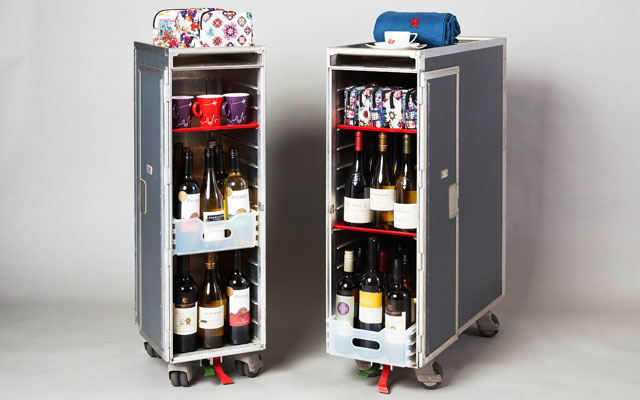
Hong Kong Airlines (HKA) has put a range of inflight items up for sale, including crockery, limited-edition amenity kits, pillows and duvets, as well as wine.
These items are mostly obsolete as they haven’t been in service in recent years, according to a release.
HKA director of service delivery Chris Birt said the initiative is a win-win for both the carrier and its customers given that the pandemic continues to upend travel plans.
“To prevent wastage and disposal of obsolete or surplus items we have in storage, we have decided to put them up for sale after seeing how favourably the public has responded to similar airline inflight product sales,” he said.
“These items can be used or consumed at home or over a picnic with family and friends. We also hope that they will bring back fond memories of past travels with Hong Kong Airlines and build excitement as we all wait patiently to step onboard again soon.”
Items will be bundled to offer a mix of inflight products to cater to everyone. For example, a half-size trolley will be packed with business class tableware, cutlery, amenity kits, blanket and pillow with cover, plus 24 bottles of wine. A full-size trolley will include a greater quantity of the same items offered in the half-size trolley bundle, with 36 bottles of wine.
Depending on the product mix, the sale price for bundles will start from HK$1,788 (US$230) for home sets and from HK$8,888 for a fully stocked half-size cart. Prices include free delivery in Hong Kong.
The exclusive sale will be hosted on bespoke e-commerce platform Epix Products (www.epixproducts.com) on Friday, July 23, 2021.
New hotels: Sheraton Mianyang, Hyatt Regency Tokyo Bay, and more
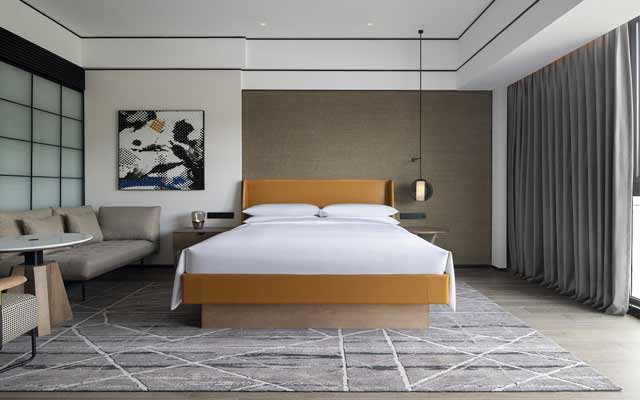
Sheraton Mianyang, China
Sheraton Hotels & Resorts has opened the Sheraton Mianyang, a 342-room hotel that is located in the heart of the Xianhai Scenic Area in Sichuan. The hotel features a purpose-built workspace with tables fitted with amenities such as built-in lighting, outlets, and charging stations. There are also flexible gathering spaces that are designed to facilitate collaborative working and connecting with others in a less formal setting.
Sheraton Mianyang is home to 342 guestrooms and suites ranging from 41-240m2. All guestrooms feature a height-adjustable worktable, integrated power and charging, and layered lighting. F&B options include the &More by Sheraton, part bar, part coffee bar, part market; all-day dining restaurant Daily Social, Chinese restaurant Yue, and all-day bar Unspoken serving creative cocktails and fine wine from around the world.
The hotel offers 1,200m2 of event space, including a 800m2 grand ballroom that can accommodate up to 600 guests and five meeting rooms. The ballroom is connected to an outdoor lush green terrace. Leisure facilities include a fitness centre, a heated swimming pool, a Jacuzzi and a sauna room, an outdoor children’s playground and an indoor kids’ club.
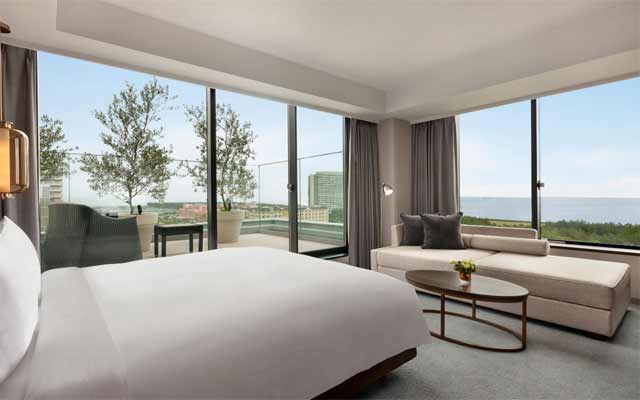
Hyatt Regency Tokyo Bay, Japan
Overlooking the scenic Tokyo Bay, the Hyatt Regency Tokyo Bay is located in Urayasu city in the Chiba Prefecture, just 30 minutes by train or car from central Tokyo. The property features 350 guestrooms, including 10 suites starting at 54-161m2 and 40 club rooms. Many guestrooms have ocean views with some offering a terrace. There are also guestrooms with three beds and kid-friendly rooms with amenities such as a tented bed.
With four restaurants and bars, the hotel features a range of culinary experiences. The Garden Brasserie & Bar is an all-day dining restaurant based on the concept of an European brasserie, while Sushi Ema is a traditional Edomae sushi restaurant. At Teppanyaki Fukitei, chefs prepare creative meals with premium Matsusaka beef, seafood and seasonal vegetables. The Rooftop Bar offers a resort-like atmosphere with a panoramic view of Tokyo Bay and is an ideal spot to enjoy a cocktail.
Along with the Garden Terrace suited for outdoor gatherings, Hyatt Regency Tokyo Bay offers two function rooms, each spanning 98m2 of event space. Leisure amenities include a 24-hour fitness centre and a stretching area for yoga and weight training. Guests can also enjoy a refreshing run on the jogging paths along the seafront.
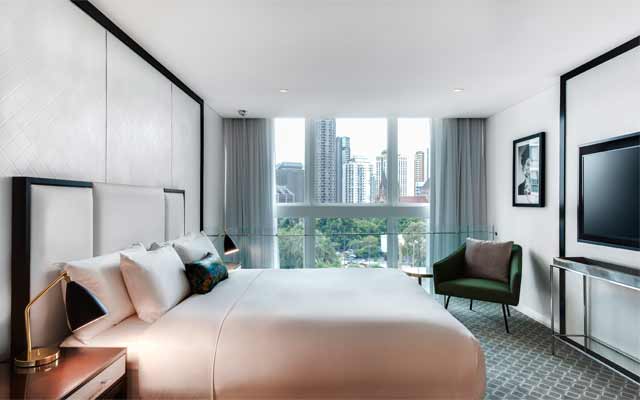
The Inchcolm by Ovolo, Australia
Perched above Brisbane’s CBD, the all-suite hotel that is The Inchcolm by Ovolo was formerly the Ovolo Inchcolm and has undergone an evolution in the public spaces and guest experience to reflect its classic boutique hotel character. Guests who book direct will receive a complementary martini during martini hour, among other perks such as a sweets bar, fitness centre access, and Wi-Fi. The Inchcolm Bar features an all-day dining menu celebrating local produce alongside a carefully crafted cocktail menu, with full drink service available seven days a week from midday until late.

Park Inn by Radisson Bacolod, the Philippines
The 150-key Park Inn by Radisson Bacolod has debuted in Bacolod City, the capital of Negros Occidental province in the Philippines. The family-friendly hotel is located within the SM City Bacolod mall, providing guests with easy access to retail and F&B outlets, entertainment facilities, and the SMX Convention Center. The property features 150 rooms ranging from 25-49m2, including Superior Rooms, Deluxe Rooms and Junior Suites.
Leisure amenities include separate outdoor pools for adults and children, in-room spa services, a fitness centre, and jogging path. Guests can refuel at a choice of four restaurants and bars, including Arima, an all-day dining destination; Dash, the ground floor “Grab & Go” concept; Lobby Lounge, a casual café and juice bar; and Marapara Plaza, an alfresco venue that specialises in comfort food and cool drinks. For corporate travellers and meeting planners, the hotel features three function rooms covering 230m2.
International travel largely on hold despite uptick in May: UNWTO
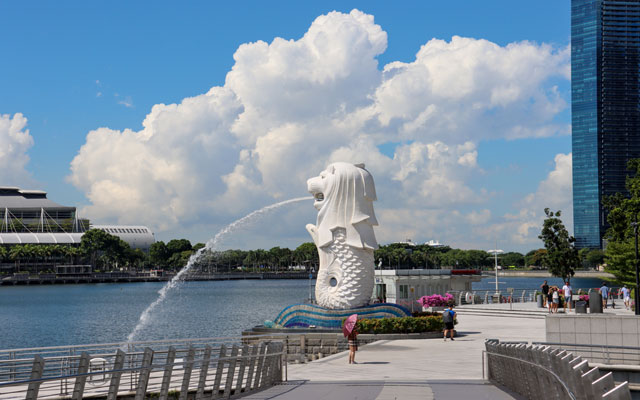
The pandemic’s effect on tourism continues into its second year, with international tourist arrivals between January and May falling 85 per cent below 2019 levels, representing a 65 per cent drop on 2020, according to UNWTO data.
Despite a small uptick in May, the emergence of Covid-19 variants and the continued imposition of restrictions are weighing on the recovery of international travel. Meanwhile, domestic tourism continues to rebound in many parts of the world.
The latest UNWTO data shows that over the first five months of the year, world destinations recorded 147 million fewer international arrivals (overnight visitors) compared to the same period of 2020, or 460 million less than pre-pandemic year of 2019.
However, the data does point to a relatively small upturn in May, with arrivals declining by 82 per cent (versus May 2019), after falling by 86 per cent in April. This slight upward trend emerged as some destinations started to ease restrictions and consumer confidence rose slightly.
“Accelerating the pace of vaccination worldwide, working on effective coordination and communication on ever-changing travel restrictions, while advancing digital tools to facilitate mobility will be critical to rebuild trust in travel and restart tourism,” said UNWTO secretary-general Zurab Pololikashvili.
By regions, Asia and the Pacific continued to suffer the largest decline with a 95 per cent drop in international arrivals in the first five months of 2021 compared to the same period in 2019. Europe (-85 per cent) recorded the second largest decline in arrivals, followed by the Middle East (-83 per cent) and Africa (-81 per cent). The Americas (-72 per cent) saw a comparatively smaller decrease.
In June, the number of destinations with complete closure of borders decreased to 63, from 69 in February. Of these, 33 were in Asia and the Pacific, while just seven in Europe, the region with the fewest restrictions on travel currently in place.
By subregions, the Caribbean (-60 per cent) recorded the best relative performance through May 2021. Growing travel from the US has benefitted destinations in the Caribbean and Central America, as well as Mexico. Western Europe, Southern and Mediterranean Europe, South America and Central America saw slightly better results in May than in April.
UNWTO expressed a mixed outlook for a rebound in international travel activity for the remainder of 2021. While international tourism is slowly picking up, recovery remains very fragile and uneven, it said.
Rising concerns over the Delta variant of the virus have led several countries to reimpose restrictive measures. In addition, the volatility and lack of clear information on entry requirements could continue to weigh on the resumption of international travel during the Northern Hemisphere’s summer season.
However, vaccination programmes around the world, together with softer restrictions for vaccinated travellers and the use of digital tools such as the EU Digital COVID Certificate, are all contributing to the gradual normalisation of travel.
In addition, domestic travel is driving the recovery in many destinations, especially those with large domestic markets. Domestic air seat capacity in China and Russia has already exceeded pre-crisis levels, while domestic travel in the US is strengthening further.
Indonesia travel veteran Ben Sukma passes on

The Indonesia travel trade is grieving the passing of Ben Sukma, owner of tour agency Sukmawisata Medan and a prominent industry figure who had dedicated much of his career to developing and promoting Indonesian tourism, both through his company and his involvement in ASITA.
Ben spearheaded ASITA from 2003-2011, as chairman of Central Board of ASITA ’71, and continued to dedicate his time and energy towards the betterment of ASITA and Indonesia’s tourism sector till his demise today (July 22) at 05.00 in Medan due to an infection in his digestive system that he had been suffering from for some time. His last post was head of the Supervisory Board of Manners at ASITA ’71 Central Board.
Nanik Sutaningtyas, board member of ASITA East Java Chapter, described Ben as a “prominent industry figure with a lot of merits” who had always played an active role in developing international networks and promoting Indonesia overseas.
Artha Hanif, chairman of ASITA Central Board, said that Ben had always been concerned with the livelihoods of the ASITA members. “During this pandemic, for example, he always reminded the central board members not to be too focused on resolving (the association’s) disputes, but to find economic solutions to help the ailing businesses of members,” he said.
Ben was also known for being open and straightforward when vocalising his opinions. “However, he is also a true team-player. He might have strong opinions, but if the organisation decides against it, he would respect their decision,” he said.
Ben is survived by his wife and six children.

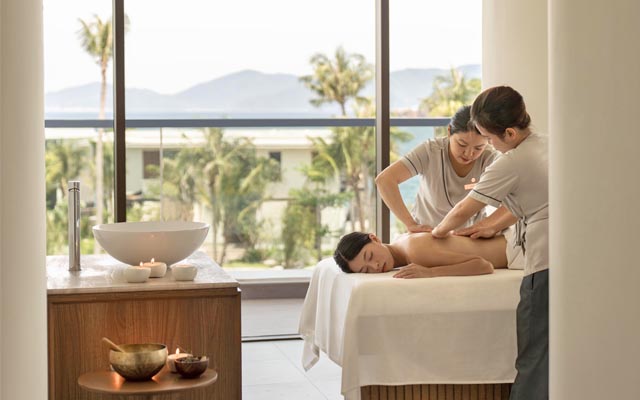






Resort properties in Thailand’s leisure destinations are seeing surging interest from domestic home buyers over the course of the pandemic.
According to new data released by Thai property portal FazWaz, the popular Thai seaside resort area of Hua Hin has seen buying interest grow significantly in year-to-date online inquiries.
FazWaz co-founder and CEO Brennan Campbell said: “By tracking the data from 2Q2020 to mid-2021 on buying motivation of either a holiday home or for investment purposes, we can see a change in behaviour towards lifestyle purchases in Phuket, Koh Samui and Pattaya, with the sharpest uptick being Hua Hin.”
In Phuket, where resort grade real estate over the past decade has been highly leveraged by foreign buyers, Boon Yongsakul, chairman of Boat Pattana, said that “our Shambala luxury pool villa project in Bangtao Beach initially targeted legacy overseas buyers in the Laguna Phuket area. But by the middle of last year, we saw a strong influx of Bangkok buyers and this has continued to drive sales momentum to date”.
“One of the most notable characteristics in Thai buyers that has changed is the desire for resort living, quality of life, and outdoor areas. If you look back five years, island real estate was focused on investment-type condominiums, but today, it’s single-family homes or second residences,” he added.
Weighing in on the changing buyer profiles for Thailand’s resort property market, C9 Hotelworks managing director Bill Barnett opined: “Bangkok’s worsening pollution problems play a part in real estate purchase values. Another is the pandemic ‘Zoom-factor’ that has created what we expect to be a longer-lasting trend of working from home. Real estate developers are now facing changing consumer tastes for flex-specs and recreational areas.”
The trend for buyers seeking a lifestyle reset is clear in Hua Hin where property developer Tjeert Kwant, CEO of Banyan Residences, said there has been a significant rise in buyers looking to escape the city and enjoy a more healthy, active lifestyle. “This for us has been the key driver with families and couples looking for spacious second homes outside of Bangkok.”
Campbell noted that based on FazWaz’s data for Hua Hin, 64 per cent of transactions are now from the domestic market. He said: “The impact of the pandemic is going to have a lasting impact on what drives Thais to purchase property and there is one thing for certain, the times are changing fast, and (Thais are) moving out of the city at a pace we have not seen before.”