

Singapore-Malaysia land VTL to launch on November 29
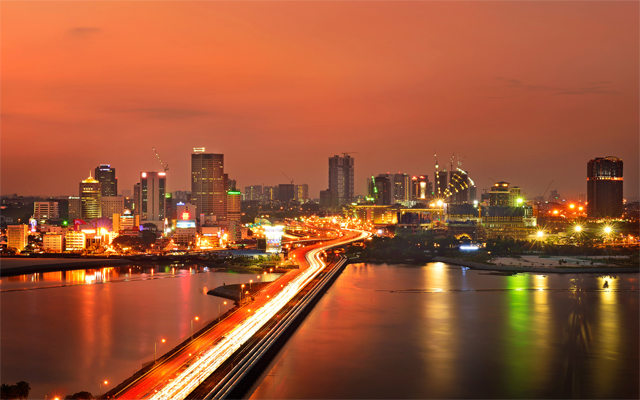
Singapore and Malaysia will launch a land vaccinated travel lane (VTL) across the Causeway from next Monday (November 29).
The land VTL will be rolled out “in a safe and calibrated manner”, said Singapore’s Prime Minister’s Office (PMO) on Wednesday.
In the first phase, travellers will have to use designated VTL buses. The scheme will be open to citizens, permanent residents or long-term pass holders of the country that they are entering. This is to give priority for those who have been working in either country to visit their families, said PMO.
Singapore prime minister, Lee Hsien Loong, said: “Malaysia is Singapore’s closest neighbour and the two countries share deep and warm relations. The Causeway was one of the busiest land borders in the world before the Covid-19 pandemic disrupted our cross-border activities. The launch of the VTL (Land) is a big step towards reconnecting our people and economies, and will further enhance our bilateral relationship.”
PMO said that the land VTL will be progressively expanded to include more travellers, including general travellers, depending on the public health situation in both countries. Singapore and Malaysia will also work towards restoring quarantine-free travel between the two countries through Tuas Second Link.
This latest development follows the announcement of the VTL between Changi Airport and Kuala Lumpur International Airport, also to launch on November 29.
GHM promotes Clement Koh to EVP sales marketing
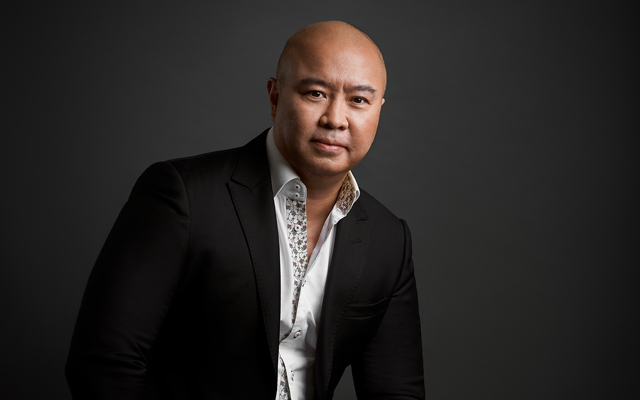
General Hotel Management (GHM) has appointed Clement Koh to be the group’s inaugural executive vice president for sales and marketing.
In this newly-created role, Koh will continue to oversee GHM’s strategic expansion of its collection of luxury properties, as well as brand development campaigns and new commercial initiatives to support the company’s growth momentum.
A veteran commercial and branding professional, Koh offers a wealth of expertise acquired over three decades of luxury hospitality management, including senior leadership positions at Mandarin Oriental Group in Hong Kong and Minor International in Thailand.
He previously served as GHM’s vice president of sales of marketing and presided over corporate strategic, branding and communications efforts. In 2013, Koh assumed additional responsibilities in shaping the group’s business development strategy as senior vice president. He also played a key role in enhancing the content curation capabilities and best practices for GHM’s hotels and resorts.
Up, up and away
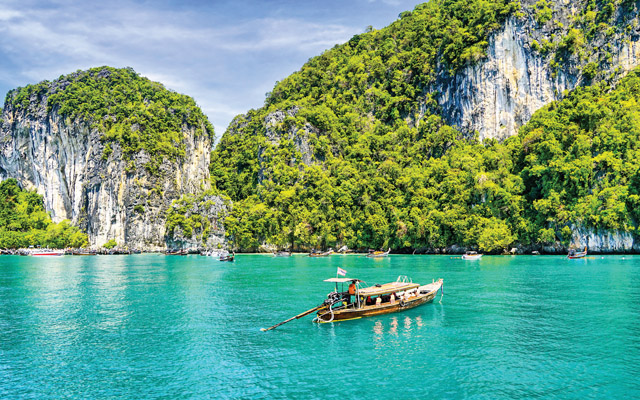
Following on from Thailand’s Sandbox reopening schemes in 2H2021, the Kingdom has moved on to welcome fully vaccinated tourists without quarantine requirements since November 1.
Thailand’s unrestricted welcome will be offered initially to at least 10 low-risk countries, including the UK, Singapore, Germany, China, and the US. This will build up towards January 2022, when Thailand fully reopens her borders to international travellers.
Furthermore, negotiations are underway for two-way travel bubbles with neighbouring countries to speed up intra-regional travel recovery.
Sharing details of the intended travel bubbles in October, Thailand’s minister of tourism and sports, Phiphat Ratchakitprakarn, said that many international tourists are keen to visit places outside of the designated Sandbox areas, but are deterred by prevailing quarantine requirements.
As a first step, the Thai government is negotiating with Cambodia to reopen Trat province in eastern Thailand and Cambodia’s Koh Kong island. The deal is expected to be finalised within the final quarter of this year.
Authorities are also in discussion to link Malaysia’s Langkawi Island with Koh Lipe Island in southern Thailand, and with Laos for a similar arrangement.
Recent progress in travel and tourism recovery has sparked optimism among Thailand’s trade players, with Tourism Authority of Thailand (TAT) expressing confidence that a host of activities to be rolled out nationwide would help return Thailand to her position among the world’s most desirable tourist destinations.
TAT governor Yuthasak Supasorn said focus now would be on promoting destinations that ready and safe for visitors, in a bid to rebuild travellers’ confidence, as well as to establish high-value tourism products and services, such as those promising luxurious experiences, health and wellness attention, sports activities and community-based exposures.
TAT’s areas of focus are in line with the Ministry of Tourism and Sports’ pledge to develop high-end tourism so as to attract bigger spenders.
Sisdivachr Cheewaratanaporn, managing director of Quality Express Tour, told TTG Asia that Thailand’s reopening announcements have been well received by important source markets.
Although citizens of China, Japan and Hong Kong are still banned from travelling abroad, Sisdivachr said interest from consumers there is promising.
“Tourists in many countries want to travel to Thailand,” he said, adding that Indian travellers are ready to descend on Thailand once entry restrictions are relaxed.
Also, European tourists are likely to be among the first groups to return to Thailand during the year-end season and in 1Q2022.
He shared that his agency has started working with overseas agents to sell packages, and have received “fairly good feedback”.
Luzi Matzig, chairman of Asian Trails Group, said the reopening of Thailand to vaccinated visitors will restore confidence from international markets, especially in Europe, which are crucial to the country’s tourism recovery.
Some 70 per cent of the European Union’s adult population has been fully vaccinated and allowed to travel overseas. However, travellers want the Thai government to waive the need for certificate of entry application in order to ease travel, he said.
Matzig is currently working with agents in Europe to prepare tours, and the response has been “very positive”.
Supawan Tanomkieatipume, managing director of the Twin Towers Hotel Bangkok, said room enquiries have spiked while many hotels in the capital and in major tourist destinations have been receiving calls from potential clients looking to rent spaces to run year-end events.
Maldives’ minimum wage move brings joy to tourism industry
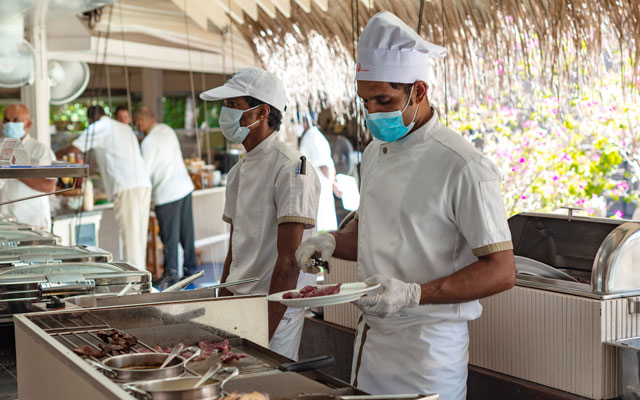
Tourism operators in the Maldives have hailed the government’s enforcement of a minimum wage for local workers across all industries and sectors, a move which would significantly benefit workers in the tourism sector.
Tourism is the country’s biggest foreign exchange earning industry with close to 50,000 workers across more than 150 resorts, of which nearly 50 per cent are locals. The minimum wage decision, being enforced for the first time in the Maldives, would come into effect from January 2022.
“This is a very welcome move. It’s a good win for the tourism industry,” said Abdulla Ghiyas, past president of the Maldives Association of Travel & Tour Operators, who was among stakeholders including government agencies that decided on the move.
He said the government has worked with the respective stakeholders for the past 2.5 years on this scheme, which has been categorised into small, medium and large businesses.
Mauroof Zakir, general secretary of the Tourism Employees Association of the Maldives, a trade union, said the minimum wage for tourism workers has been set at 8,000 Maldivian rufiyaa – equivalent to US$519 – monthly.
“We had requested for US$600 but we are happy with this remarkable achievement,” he said, adding that the minimum wage for tourism workers will exclude service charge and overtime pay.
Zakir, who was also part of the negotiating team of stakeholders, said that although there will be a two-year moratorium on the implementation of the minimum wage for foreign employees, he hoped that resorts would also implement the scheme for their foreign staff from January.
Princess Cruises to embark on 110-day world cruise in 2024
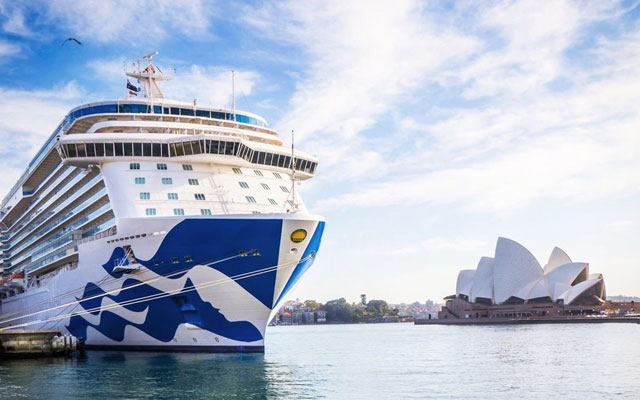
Princess Cruises has unveiled its 2023-2024 cruises and cruisetours season departing from Australia and New Zealand, which includes the longest ever world cruise from Australia.
Four MedallionClass ships – Majestic Princess, Royal Princess, Grand Princess and Coral Princess – will sail to 117 destinations in 43 countries across Australia, New Zealand, South Pacific, South-east Asia, Europe and South America.
The 2023/24 season will include more than 100 departures onboard the Royal Princess and Majestic Princess. Both ships will be based in Sydney. The Grand Princess will cruise from Melbourne and Coral Princess will sail from Brisbane and Fremantle.
The four ships will offer 40 Australian cruises and more than 30 New Zealand cruises, plus eight Asian itineraries and ten Trans-Pacific sailings.
Highlight of the season is the Coral Princess’ 2024 world cruise, visiting 32 countries in 110 days. The cruise departs on April 30, 2024 from Sydney and May 2, 2024 from Brisbane. The itinerary includes overnight stays in St Petersburg (Russia), Lima (Peru), and New York.
Along with the world cruise, Coral Princess will also sail on Australia’s circumnavigation itineraries.
Other highlights include departures from six Australia and New Zealand homeports including Sydney, Melbourne, Brisbane, Perth (Fremantle), Adelaide, and Auckland.
Extended More Ashore stays in a variety of destinations include overnights in Tahiti (Papeete) and Cairns, as well as late-night stays in Auckland, Hong Kong, Honolulu, San Francisco, Tahiti (Papeete), and Vancouver.
Guests can also enjoy access to more than 14 UNESCO World Heritage Sites including The Gondwana Rainforests of Australia (from Port Douglas), the Greater Blue Mountains (from Sydney), and The Tasmanian Wilderness (from Burnie).
Two cruisetours are also available, including the Australian Outback where guests have the opportunity to immerse themselves in Aboriginal culture and visit two UNESCO World Heritage Sites – the Great Barrier Reef and Uluru National Park’s iconic Uluru (formerly known as Ayers Rock).
The other cruisetour, Ultimate Australia, guides guests through the highlights of Sydney, Uluru/Ayers Rock in the heart of the Outback, Darwin, Cairns and the Great Barrier Reef.
Klook, ZA Tech ink travel insurance deal
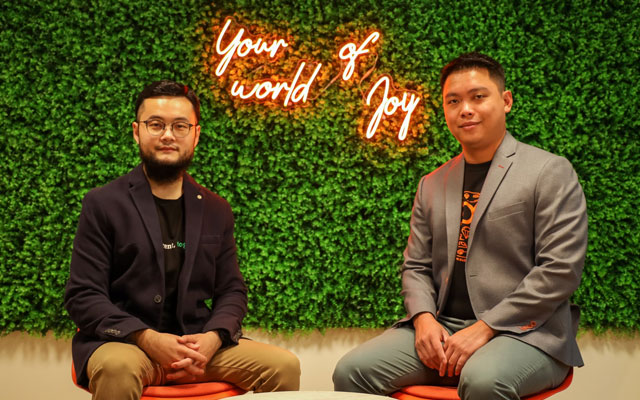
Travel booking platform Klook has formed a joint venture with ZA Tech Global, the technology venture founded by ZA International, that will accelerate the availability and accessibility of travel-related insurance to consumers across the globe.
The agreement will synergise Klook’s global presence and hyper-localised go-to-market strategy, alongside ZA Tech’s experience in insurance innovation and technological know-how.
With this joint venture, insurers will be able to partner with Klook to feature their insurance products on the platform. The agreement will see Klook work closely with insurers to design products that address the pain points of consumers in this new normal.
Klook will partner with insurers AXA and Chubb to kickstart travel-related insurance products on its platform by the end of this year, with a focus on the Asia-Pacific region.
ZA Tech will export its proprietary solution Fusion to Klook’s platform to create a seamless digital experience for travellers and the ecosystem partners; while Klook will leverage ZA Tech’s customer insights to various markets to strengthen product innovation, customer engagement and increase insurance penetration.
“The pandemic has changed the way we travel, with customers demanding increased assurance when they travel once cross-border travel resumes,” said C.S. Soong, vice president, corporate development at Klook.
“We are excited about this milestone partnership with ZA Tech, as this is the first time any travel player will be rolling out a full suite of travel-related insurance on a multi-market level. With this, we can further simplify customers’ travel journey, enabling them to discover, book and purchase all they need during their travels from travel-related insurance to experiences.”
Young Yang, general manager of ZA Tech Southeast Asia, added: “Travel is a journey to explore and we want to make customers’ every step count with insurance protection. To that end, we are inspired to embed insurance in customers’ travel experience with ZA Tech’s insurtech innovation and enable the broader community to get insured.”
STB curates experiences with Mastercard to boost local spending

The Singapore Tourism Board (STB) and Mastercard have jointly launched 16 new and exclusively-curated local tourism and lifestyle experiences, as part of their new domestic marketing campaign.
These experiences include sailcations, staycations, movie experiences, local adventures, and gin creation workshops.
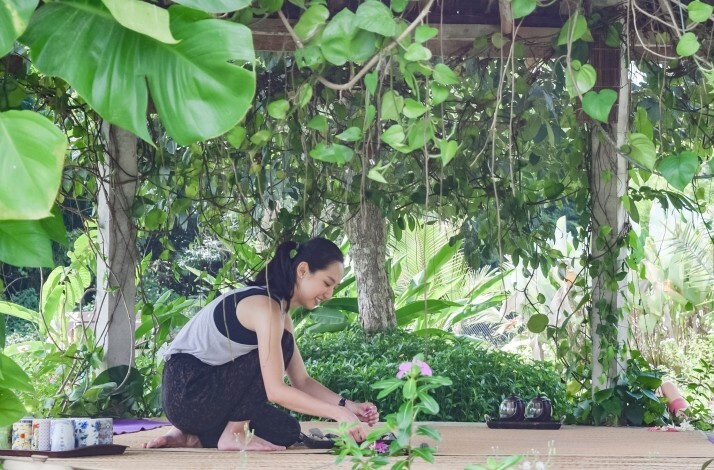
Bringing together the SingapoRediscovers campaign and Mastercard’s Priceless Singapore platform, the Rediscover Priceless Singapore campaign will support domestic tourism businesses and promote local brands.
The campaign is based on a joint study done by STB and Mastercard which found that families and young professionals make up more than half of local cardholders.
During Covid-19, domestic spending by families held steady with around 30 per cent of their spend channelled towards dining, retail, attractions, and accommodation categories. Young professionals’ domestic spend grew by 14 per cent, with around 30 per cent of their spend going towards dining, retail, and accommodation categories.
Using these insights, STB and Mastercard curated 16 diverse experiences across these categories. Some of the experiences feature local lifestyle brands, for instance, sampling gins and creating a personalised bottle of gin at Brass Lion Distillery or savouring Straits Preserves’ Ginger Garden Tea, alongside the brand’s signature marmalade and nut butters.
Mastercard cardholders will also get to enjoy a wide range of deals across dining, retail, attractions, and accommodation categories, including 1-for-1 promotions, discounts, and value-added gifts.
The 16 experiences will run till January 31, 2022. Price ranges from S$45 (US$33) to S$5,992, and experiences can be purchased at www.priceless.com/RediscoverSG.
Correction: This article has been updated to show that the 16 experiences will run till January 31, 2022, instead of January 31, 2024 as previously stated.
Hilton grows APAC footprint with two new signings
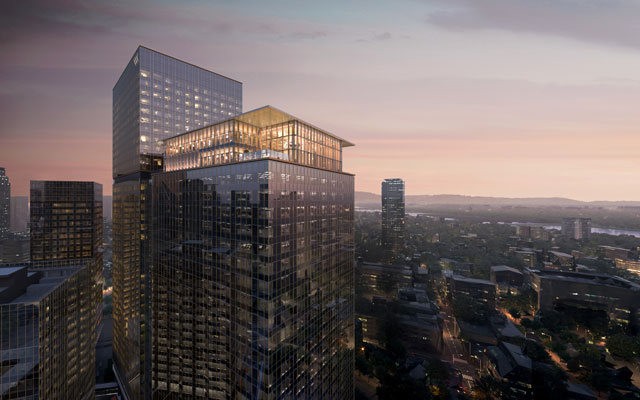
Hilton has signed two deals that will see the group opening its first Waldorf Astoria hotel in Osaka, Japan; and a Conrad hotel in Chongqing, China.
The two management agreements were inked with Orix Real Estate Corporation and Chongqing Jiafa Industrial Co., respectively.
Alan Watts, president, Asia Pacific, Hilton, said: “The strong growth momentum in Asia demonstrates the resilience of Hilton’s luxury brands amidst a dynamic operating landscape as a result of the Covid-19 pandemic. It also signals great confidence from the owner and investment communities in the strength of our luxury brands.”
Hilton currently operates 30 hotels under the company’s group of luxury brands – Waldorf Astoria, Conrad and LXR – in Asia-Pacific, with a further 17 hotels in its development pipeline, due to open over the coming years.
SIA, Scoot resume flights to India
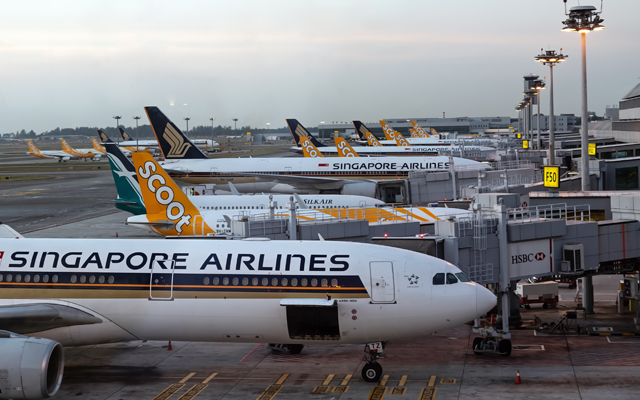
Singapore Airlines (SIA) and its low-cost arm Scoot will restart flights between Singapore and India, under a vaccinated travel lane scheme (VTL) marking the resumption of scheduled flights between the two countries after nearly two years.
From November 29, SIA will operate daily VTL services from Chennai, Delhi and Mumbai to Singapore. The flights are open for booking, and will be indicated as VTL flights on the airline’s website accordingly.
Additionally, SIA will progressively operate non-VTL services from Ahmedabad, Bengaluru, Hyderabad, Kochi and Kolkata to Singapore from November 29.
Scoot will operate four weekly non-VTL services between Singapore and Hyderabad from November 30, and three weekly non-VTL services between Singapore and Tiruchirappalli from December 2.







Hotel Kith Darling Harbour, Australia
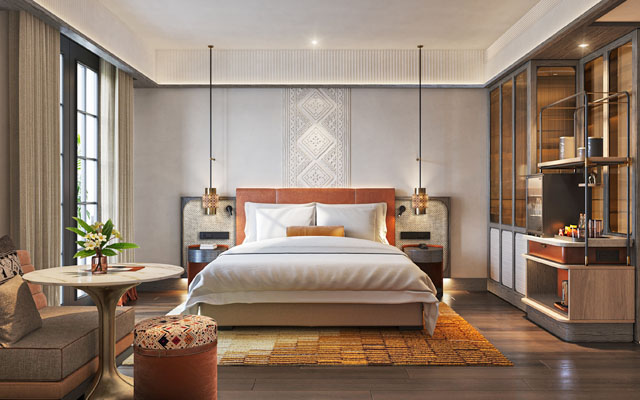
MetroResidences, a Singapore-headquartered hospitality management company, has launched Hotel Kith Darling Harbour in Sydney, marking the debut of the group’s expansion in Australia. The 60-room boutique hotel offers an experience that sets itself apart from the cookie-cutter formula. Guests are provided the option to customise their stay – from selecting a preferred check-in method (online or in-person) and submitting special room or amenities requests, to receiving a personalised Sydney itinerary recommendation prior to arrival. In addition, the property offers a contactless mobile check-in. Guests will receive a secure digital key through their email, enabling them to access their room with their mobile devices.
Four Points By Sheraton Desaru, Malaysia
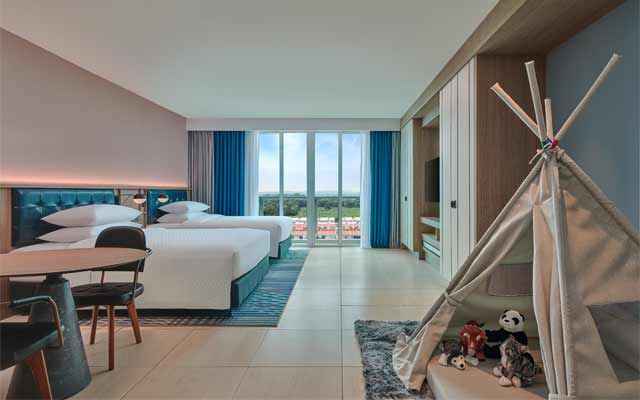
Located in the heart of Desaru town, the 311-key Four Points by Sheraton Desaru is about a 50-minute drive from the Senai International Airport in Johor Bahru. All guestrooms offer complimentary high-speed Wi-Fi, ergonomic workspaces, and private balconies; while the Family Room also showcases a play tent and personalised welcome amenities for kids.
The property features the brand’s new signature dining concept, The Mesh, an all-day dining space that enables guests to dine, work and socialise. The Mesh Restaurant features Malaysian flavours fused with classic and modern international favourites. There is also a lounge and bar area where guests can enjoy an artisan coffee or a coffee-based cocktail. For beer lovers, the hotel offers Best Brews, which is part of Four Points’ signature craft beer programme that offers local craft beer on tap.
Other facilities include an outdoor swimming pool, fitness centre and children’s playground. For meetings and social gatherings, the hotel offers 12,000m² of flexible indoor meeting space. The pillarless Wave Grand Ballroom can accommodate up to 400 guests, while the Breeze Junior Ballroom can seat up to 300 guests. For more intimate events, the poolside venue can host up to 150 guests, ideal for weddings.
Mövenpick Hotel Melbourne on Spencer, Australia
Mövenpick Hotel Melbourne on Spencer marks Accor’s second Mövenpick Hotel in Australia. The 172-room property forms the six-level podium of the 78-storey Premier Tower development at the meeting point of Melbourne’s Spencer and Bourke Streets in the CBD. Each guestroom and suite features premium linens and blackout curtains, as well as modern bathrooms with a rain shower. The hotel is home to two gastronomic venues – Miss Mi restaurant and bar brings diners on an exotic taste journey through Asia, while a dedicated Mövenpick Café serves the brand’s signature ice cream alongside barista-made coffee and local artisan chocolates. A dedicated recreation floor features a 25m swimming pool, hot tub, sauna and gym.
akyra Manor Chiang Mai, Thailand
Singapore-based developer Manor Group and Akaryn Hotel Group have completed an expansion of akyra Manor Chiang Mai, the urban retreat nestled in the Nimmanhaemin quarter of the cultural city. Unveiled this month, the new Manor North & South wing will more than double the room count at akyra Manor Chiang Mai, as 32 new Deluxe Rooms complement the existing 23 Premier Suites and seven Manor Suites. The wing comprises two low-rise, four-storey buildings, which are defined by an open-plan layout and plenty of natural light. Each Deluxe Room features 30m² of living space, bathroom with rain shower, and premium amenities.