

Mystifly launches new global flights data cache for travel sellers
Singapore-based travel tech specialist Mystifly has unveiled a new global flight data API that aims to bring data-driven certainty to help travel sellers unlock new revenue opportunities while reducing operational costs.
Mystifly Universe is designed to offer a continuous stream of shopping results from Mystifly’s airfare marketplace and actively process close to 300 itinerary options per shopping query. Mystifly’s global customer base gives it an edge for availability of real-time data sets covering both low-cost and full service carriers spanning over 100 point of sales. The data includes a mix of published, web and private fare content.
Rajeev Kumar, founder & CEO, said: “We live in an era where airline distribution is becoming even more complicated. With full service airlines looking at alternatives to traditional distribution and with low-cost carriers and ultra-low-cost carriers emerging, airfare types and its distribution has become even more fragmented and complex. The cost of search and data processing has increased multi-fold for travel intermediaries.”
Bharat Goyal co-founder & CTPO, opined that Mystifly Universe is “the most affordable and intensive data source for flight information across the globe”, and allows customers to solve multiple use cases including reducing their infrastructure cost by accessing Mystifly’s processed flight itinerary data along-with pricing, fare and ticket attributes as well as airline ancillary data.
He added that customers have the option to receive data in XML and JSON formats in real-time data stream, and to customise airline data based on their preferred parameters. Data filters include specific airlines, markets, date ranges, duration of travel, itinerary types and fare types.
Princess Cruises hails the arrival of a new royalty
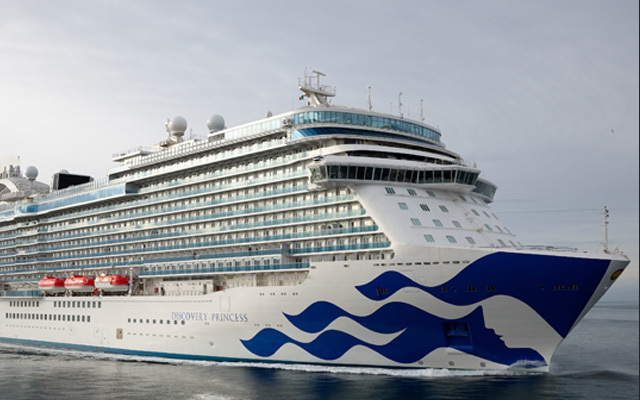
Discovery Princess has joined the Princess Cruises fleet, following an official handover ceremony at the Fincantieri Shipyard in Monfalcone, Italy.
Discovery Princess expands the fleet to 15 MedallionClass vessels and features an evolution of the design platform used for the cruise line’s previous Royal-Class ships.
The 3,660-guest Discovery Princess is the sixth and final Royal-Class new-build. Guests will enjoy 270-degree views from the largest balconies at sea in the Sky Suites, unwind in ultimate comfort at The Sanctuary, and indulge in world-class dining options. New Broadway-style production shows are also lined up in the state-of-the-art Princess Theater.
Discovery Princess uses the latest technologies to reduce fuel consumption, treat wastewater, and support the company’s environmental compliance efforts.
In addition, Discovery Princess offers Princess MedallionClass Vacations which begins with the Medallion wearable, a device that enables expedited contactless boarding to enhanced service such as having whatever guests need, delivered directly to them, wherever they are on the ship.
Guests can also utilise MedallionNet, which promises the best Wi-Fi at sea.
Discovery Princess will depart Italy and make her way to the Port of Los Angeles to begin a series of Mexican Riviera and California Coast voyages, before heading up the Pacific coast for a season of seven-day Alaska cruises from Seattle.
KTM 2022 postponed as Covid cases rise globally

Initially scheduled for March 2022, Kerala Tourism Mart (KTM) will now take place from May 5 to 8 at Samudrika Convention Center in Kochi, India.
Recognised as one of India’s leading travel shows, KTM 2022 is postponed in consideration of rising Covid-19 cases in India and across the world.

In announcing the new dates at a virtual press meeting on February 1, V Venu, principal secretary of Kerala Tourism, said: “We all know that the pandemic has yet to subside although there are signs that offer us optimism. Travel restrictions in India and beyond are still in place. We are also mindful of the fact that most airline companies are operating a curtailed service. So, considering all these challenges, KTM society has decided to postpone the event to new dates.”
Venu is also a board member of the managing committee of Kerala Society Mart, which organises the event.
Venu said interest in KTM 2022 is strong, with more than 1,100 travel partners expressed keeness to attend. “We want to make sure that interested trade partners can attend KTM 2022 physically,” he added.
KTM was last held in 2018, during which it recorded participation from 400 foreign buyers and 1,500 Indian buyers.
Baby Mathew, president, KTM Society, said that the 11th edition of KTM this year will focus on new experiences such as caravan tourism as well as showcase new destinations of the state. For the first time, it will be a plastic- and paper-free travel mart. Post-event fam trips for buyers will also organised.
MOIC unveils night activities to deepen human connections
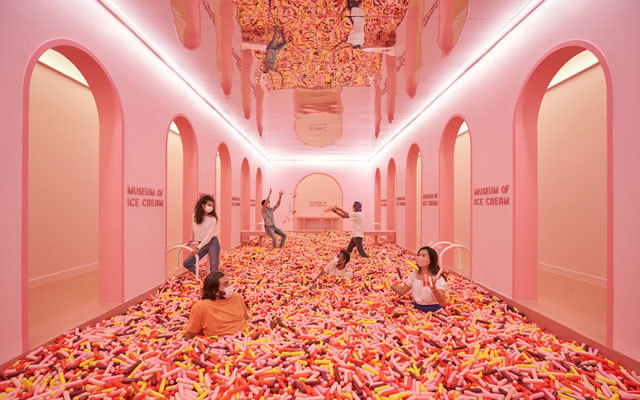
The Museum of Ice Cream (MOIC) has launched a 90-minute Night at the Museum experience, which starts at 18.00, with the last admission at 20.00.
The highlight of the new experience is Cone-ection Cube, comprising activities and games that will help break the ice on a date night; as a teambuilding exercise for co-workers; or bonding time for families with older children.
From guessing each cone-ections favourite ice-cream flavour, to challenging each other in childhood game Scissors, Paper, Stone(scoop), to creating a cool secret handshake, visitors have fun getting to know each other through play.
The experience is available nightly during the first week of the Lunar New Year (February 1 to 7), after which the Night at the Museum will available from Thursdays to Sundays.
Tickets start from S$48 (US$35.60) and Hendrick’s Lunar Gin cocktail, a shot at the bar, and unlimited sweet treats are included in the Night at the Museum experience all at times.
Bintan Resorts intensifies engagement with Singapore trade partners
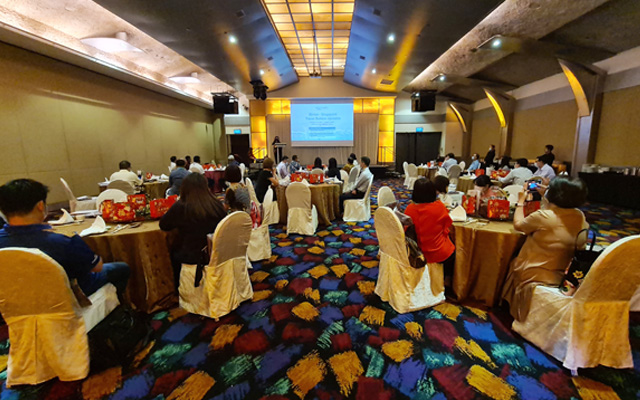
With the Singapore-Riau Safe Travel Bubble now underway and travel enquiries for destination Bintan spiking, Bintan Resorts has brought its travel trade partners in Singapore together for a forum this afternoon to address procedural concerns as well as present critical destination information to aid their sales efforts.
The in-person event was attended by 49 registered trade members – a figure limited by safe distancing requirements. Trade partners who were unable to attend the event today can expect more of similar engagements by Bintan Resorts in the coming weeks and months, as the destination marketer and master developer of tourism infrastructure in the Indonesian island ramps up trade and consumer communications.
Speaking to TTG Asia, Abdul Wahab, group general manager of Bintan Resorts, said his team would plan for fam trips soon for travel trade partners, event organisers, trade journalists and travel bloggers to showcase Bintan’s readiness for travellers to return, and has started work on reviving some of the destination’s popular sporting events.
“I think we can do the minimum safely – that is to bring back a few sports events such as triathlons and marathons, which can be conducted within the Lagoi area,” he shared.
Abdul Wahab believes Bintan is ready to welcome both holidaymakers and business groups.
“There are 2,000 hotel rooms (based on permitted 50 per cent operating capacity across seven hotels that have remained opened, out of 17 in total) in operation now within the Lagoi travel bubble as well as four signature golf courses and so many other tourism facilities, all of which are spread over an area that is 20 times larger than Singapore’s Sentosa resort island. There is plenty of activities for travellers looking to stay in Bintan for three or four nights,” he said.
Bintan hotels, resorts and venues are also authorised to host events of up to 300 pax in a single area with safe measures in place.
However, Abdul Wahab also tempered recovery expectations, as the Singapore-Riau Safe Travel Bubble is still a unilateral arrangement.
“We have yet to receive a written directive from Singapore authorities on how travellers from Bintan will return to Singapore. We can only be truly happy when Singapore announces reciprocal quarantine-free arrivals from Bintan,” he explained.
While the Singapore-Riau Safe Travel Bubble allows travellers from Singapore to enter Bintan without quarantine, travellers returning to Singapore will need to fulfil a seven-day isolation at home or a facility at their own expense.
“Compulsory quarantine will continue to be a major obstacle to Bintan’s tourism recovery, so we are hoping hard that the Singapore authorities can agree on a Vaccinated Travel Lane with Bintan, just like the ongoing arrangement with Jakarta which is very convenient and successful,” he added.
India’s Union Budget disappoints tourism and hospitality players
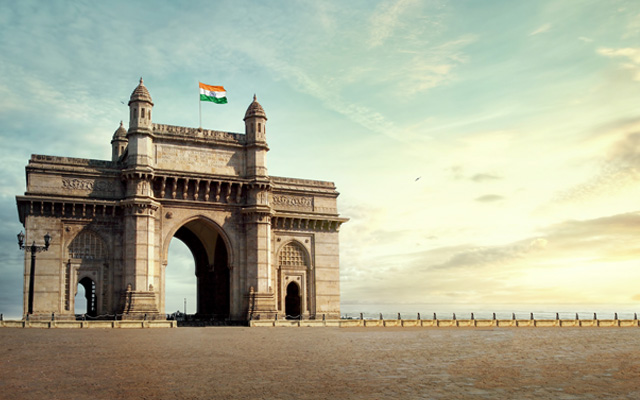
India’s tourism and hospitality businesses are left high and dry by the central government’s budget for 2022-2023, which has neglected their requests for industry status, abolishment of tax collection at source (TCS) on outbound travel, and tax concessions.
The only silver lining in a largely gloomy budget for the country’s battered tourism and hospitality industry is an extension of the Emergency Credit Line Guarantee Scheme (ECLGS) until 2023, with an additional 500 billion rupees (US$6.7 billion) dedicated to hospitality and allied businesses.
Launched as a special scheme in view of the Covid-19 crisis, ECLGS provides 100 per cent guarantee coverage to banks and non-bank financial companies (NBFCs) to enable them to extend emergency credit facilities to enterprises so that their additional working capital requirements are fulfilled.
KB Kachru, vice president, Hotel Association of India (HAI), told TTG Asia that the distressed industry had expected more assistance from the government.
“The budget offered a good opportunity to the government to roll out policy changes, like announcing industry status for the sector,” the veteran hotelier said.
Jyoti Mayal, president of Travel Agents Association of India (TAAI), expressed his disappointment: “We were expecting the government to announce some measures to uplift the mood of travel trade stakeholders. No announcement was made to roll back TCS, which has made Indian travel agents less competitive in the international market. We were also expecting industry status for the tourism sector.”
However, one stakeholder has jumped to the defence of budget 2022-2023.
Naveen Kundu, managing director, EbixCash Travel Services – India, South East Asia & Middle East, explained: “We cannot just view this budget from the lens of the tourism sector. As an overall budget, there are both direct and indirect benefits to the sector.
“The direct benefit is in form of the ECGLS extension with an additional (financial injection). It is a great step in terms of creating and restructuring loans for the hospitality sector.”
Kundu added that the government’s plans to invest in various infrastructure projects, such as construction of roads, railways, airports, ports, mass transport, waterways and logistics, will help “domestic and inbound tourism to grow”.
“Just imagine the amount of capital that will flow into the capital goods industry and the manufacturing industry. Such investments in new projects will also fuel the demand for travel,” he said.
Kundu said the government could also consider declaring 2022 as a Visit India year, offering free visas to inbound tourists.
Bali eases entry for international visitors; offers shorter quarantines
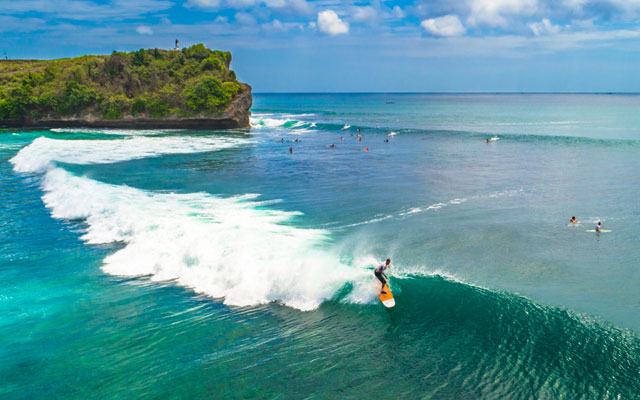
As Bali prepares to reopen to international tourists starting February 4, 2022, the Indonesian government has introduced a new Bubble Quarantine Policy to manage arrivals.
Travellers to Bali will have their quarantine period relaxed from seven to five days, with arrivals being allowed to spend their days outside their rooms, but limited to hotel premises or the Phinisi cruise ship they arrived on.
In this initial stage, travellers must purchase a 5D/4N Bali Warm-Up Vacation package, which includes all meals and PCR tests, from the following hotels: Grand Hyatt Nusa Dua Bali; The Westin Resort Nusa Dua, Bali; Griya Santrian; Viceroy Bali; and Royal Tulip Springhill Resort. In total, there are 447 available rooms and six liveaboard Phinisi ships.
Luhut Binsar Pandjaitan, Indonesia’s coordinating minister for maritime affairs and investment, announced the reopening and revised entry policies last week, and revealed that the decision was made to reinvigorate Bali’s decimated tourism industry. This is despite the number of increasing Omicron cases in the country.
He stressed that the opening will be conducted in stages, and will happen gradually.
Apart from introducing the new Bubble Quarantine policy, the government has also opened its borders to all international tourists that will be arriving via airplane to Bali. Previously, only travellers on direct flights from 19 approved countries were allowed entry.
To gain entry, travellers must apply for a B211A Tourist Visa through a travel company, possess travel insurance with a minimum of US$2,500 medical coverage including Covid-19, be double vaccinated, pre-book a quarantine stay, and complete the rest of their stays with approved travel companies.
Garuda Indonesia’s GA881 departing from Narita to Denpasar is scheduled to be the first airline arriving on February 4, while Singapore Airlines has announced it will be commencing its daily Singapore-Denpasar services as of February 16.
New hotels: Home2 Suites by Hilton Shenzhen Baoan, Novotel Bangkok Future Park Rangsit, and more
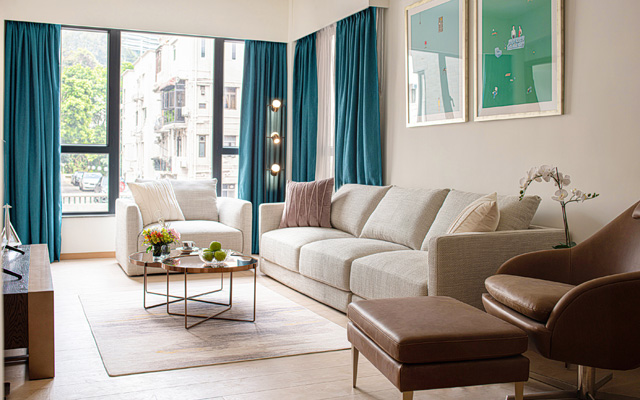

Home2 Suites by Hilton Shenzhen Baoan, China
Hilton has debuted its extended-stay Home 2 Suites brand in Asia Pacific, with a property in the Chinese city of Shenzhen. Units within Home2 Suites incorporate a modular kitchenette and a flexible workspace with a “working wall”, as well as other customisable features and thoughtful amenities.
Other amenities include a daily complimentary breakfast with Chinese and Western dishes; a 24-hour shop offering food, drinks and other essentials; a fitness centre; laundry room, and a lobby area which includes café Coffee 2 Tea.

Novotel Bangkok Future Park Rangsit, Thailand
Located within the Future Park Rangsit complex in Bangkok, the new-build, 226-key Novotel Bangkok Future Park Rangsit is now open. The 226 rooms and suites come in eight different configurations, but all living spaces offer Novotel’s signature Live N Dream bed, 55-inch LED TVs, coffee and tea facilities, daybed, and workspace. Guests staying at the Executive Rooms and Suites can enjoy exclusive access to the Premier Lounge.
Good for large-scale conferences and weddings, the hotel’s two ballrooms offer spacious layouts, which can also be divided into multiple venues to suit the size and style of each occasion. There are also three meeting rooms, ideal for medium corporate and social events, training, and seminars. Other facilities on-site include a gym, outdoor swimming pool, kids’ pool, as well as three restaurants – a Sports Bar, the all-day dining Food Exchange, and Alberto’s Pizzeria.

Holiday Inn Queenstown Remarkables Park, New Zealand
Close to the slopes of The Remarkables ski area is this new-build Holiday Inn Queenstown Remarkables Park offering 182 rooms and suites, some of which comes with views of the mountain. Amenities on-site include Giants Restaurant, a grab-and-go Rolling Giants to-go Cafe, a lounge, as well as a secure drying room and storage for ski and sports gear.
For small corporate groups, or those mixing business and pleasure, there are four flexible meeting spaces available, which can cater to events for 30 to 200 people. There is also an E-bar co-working space with power plugs in the lobby area for guests.
Eaton Residences, Blue Pool Road, Hong Kong
Formerly known as Eaton House, Eaton Residences, Blue Pool Road, is now open after a year-long renovation. There are 56 serviced apartments within, ranging from 35m2 to 85.5m2, and come furnished for short-stay guests or unfurnished for longer-staying guests or expats. There are also fully-fitted kitchenettes in each apartment, as well as a 2-in-1 Washer and Dryer for guests’ convenience. All residents will also have access to the 24-hour private gym, outdoor swimming pool and rooftop garden with seating and exercise areas.
New Zealand’s borders to reopen in stages from February 28
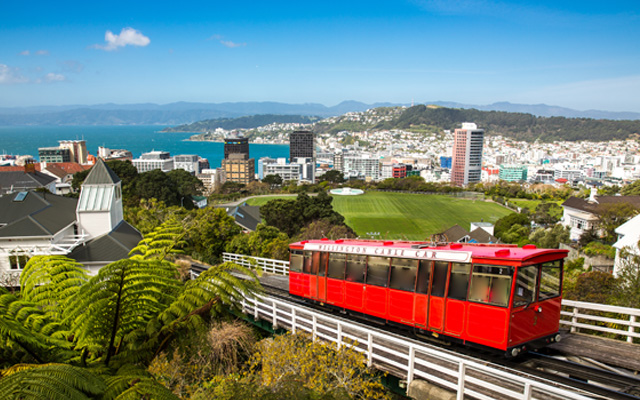
New Zealand will be reopening its borders to New Zealanders and key visa holders over the coming three months, with a full border reopening targeted for October 2022.
Starting from 23.59 on February 27, vaccinated New Zealanders and other eligible travellers from Australia will be allowed to enter without having to go through managed isolation and quarantine (MIQ).
Two weeks later from 23.59 on March 13, New Zealanders and other eligible travellers under the current border settings from the rest of the world will be able to enter.
This includes skilled workers earning at least 1.5 times the median wage, as well as successful Working Holiday Scheme visa applicants. This move will supply urgently needed workers for the tourism, hospitality, wine and horticultural sectors, as well as provide some visitor spending.
Next, from 23.59 on April 12, borders will be open to current offshore temporary visa holders, who can still meet the relevant visa requirements, and visas for critical workforce individuals that do not meet the 1.5 times median wage requirement.
By July 2022, the New Zealand government is planning to open its borders to anyone from Australia, as well as for countries with visa-waiver travel. The final step in the reopening plan is planned for October 2022, when borders open to travellers globally, and all visa categories made available.
Covid-19 response minister Chris Hipkins and immigration minister Kris Faafoi said in a press release: “With 94 per cent of our population fully vaccinated, and 92 per cent of those over 18 now eligible for a booster by the end of February, it’s time to shift gears in our Covid-19 response to focus on reconnection and recovery.”
“Before Covid, New Zealand was issuing over one million visitor visas per year. What’s being announced today is about gearing up in manageable steps to fully reopen as safely as possible to enable us to live with COVID but not be overwhelmed by it,” Faafoi said.

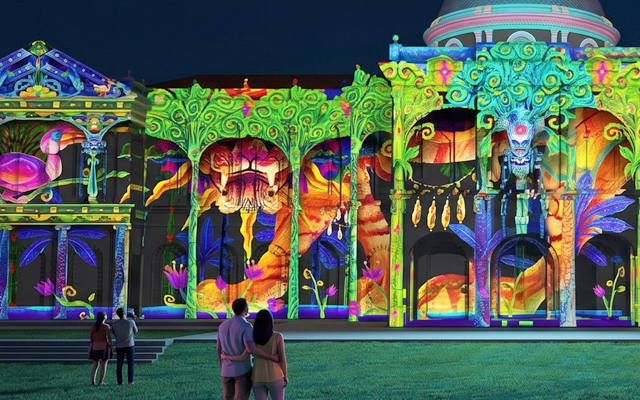






Vietnam is working towards a full reopening of her borders to international tourists by April 30, 2022.
This is a major step forward in reopening since the government allowed five localities – Phu Quoc Island, Quang Nam, Da Nang, Khanh Hoa, and Quang Ninh – to join a pilot programme to welcome again foreign tourists since November last year. Ho Chi Minh City and Binh Dinh were the latest two localities to join the programme.
The country has welcomed about 8,500 international tourists from South Korea, Russia, Singapore, the UK and the US to date.
When Vietnam fully reopens her borders, all arrivals will have to present a Covid-19 vaccination certificate, issued at least 14 days before entry, or show proof of recovery from Covid-19 within six months prior to entry. They must also present a negative PCR test certificate issued no more than 72 hours prior to entry, and ensure that their travel insurance provides at least US$50,000 of Covid-19 treatment coverage.
There will be separate requirements for partially vaccinated or young children.
Under the current protocols, vaccinated individuals and those who have recovered from the virus would still be required to self-isolate for three days at their place of residence. Unvaccinated or partially vaccinated individuals are required to self-isolate for seven days.