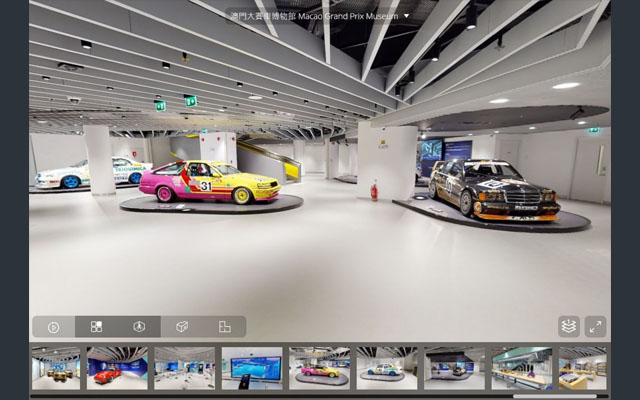
The Macao Grand Prix Museum has launched a 360-degree panoramic view feature for residents and visitors to enjoy an online virtual tour in the bid to spark greater interest for real-life visits to the venue.
Through professional photography and software, the technology brings the zones, installations and exhibits in the museum to life three dimensions.
A 360-degree panoramic view feature brings the zones, installations and exhibits in the Macao Grand Prix Museum to life
Macao Government Tourism Office (MGTO) continues to optimise what the museum has to offer with new elements incorporated. Through a blend of diverse and interactive experiences, visitors can delve into the history and world of the Macau Grand Prix, which promotes integration across the fields of “tourism + sports”.
Also on display at the museum is the stamp series themed “Museums and their Collections VI – Macao Grand Prix Museum” by Macao Post and Telecommunications Bureau which manifests the captivating scene of the Macau Grand Prix.
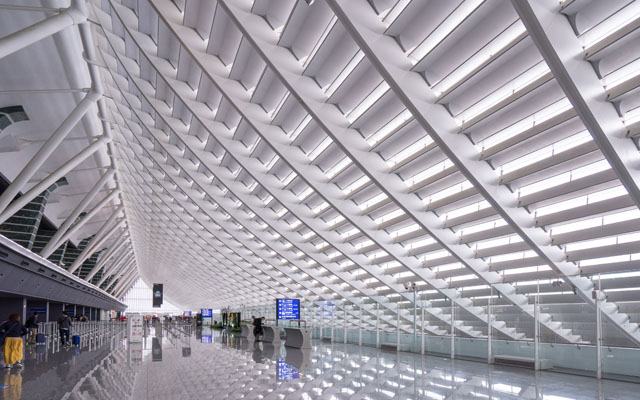
Renovation of Taiwan Taoyuan International Airport’s luggage carousel system is now complete, enabling the facility in capital city Taipei to handle 25 per cent more baggage.
According to airport officials, the system is able to process 600 items per hour, up from 400 previously.
Taiwan Taoyuan International Airport’s newly-renovated luggage carousel system enables the facility to handle 25 per cent more baggage
Improvement works have also benefitted back-end staff, with carousel areas lowered and given more space in between to facilitate ease of movement among service personnel. At the same time, the central control room is now equipped with large screens, allowing swifter and clearer identification of items during the luggage handling process.
According to local news reports, the NT$316 million (US$10.9 million) project is expected to improve processes as Taiwan deals with a spike in post-lockdown inbound travel.
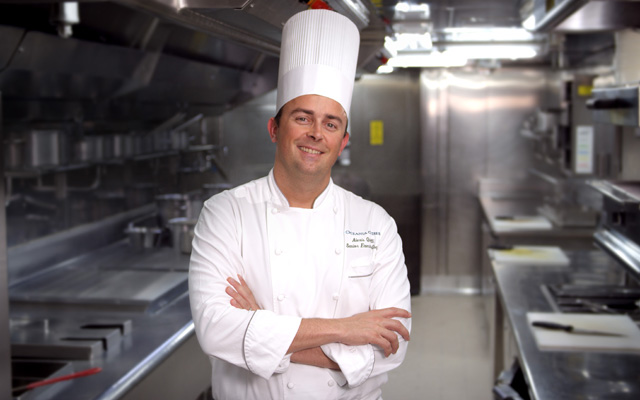
Oceania Cruises has appointed chef Alexis Quaretti as director of culinary programmes and development. Previously senior executive chef for Oceania Cruises, Quaretti will now oversee all aspects of the development, introduction, and implementation of new concepts across the line’s seven ships and 12 restaurant brands.
Quaretti first joined Oceania Cruises in 2004 and was soon promoted to executive chef at the young age of 27.
“We welcome Chef Alexis, one of the most influential chefs in hospitality, back to the Oceania Cruises family with open arms,” said Howard Sherman, president and CEO of Oceania Cruises. “He brings a unique perspective to the role, having been an integral part of our growth and prowess over the last 20 years helping build our reputation for serving The Finest Cuisine at Sea.
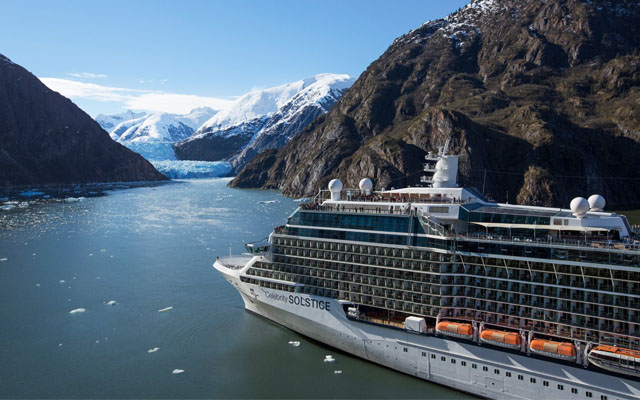
Celebrity Cruises has cancelled Celebrity Solstice sailings in Asia, which previously included destinations like Japan, Hong Kong, Vietnam, Singapore, and the Philippines.
In an email sent to travel partners and booked guests, the cruise line said the decision was necessitated by “ongoing uncertainty regarding the restart of international operations in the Asia region”.
Celebrity Cruises has cancelled 18 Asia sailings for 2022-2023
All Celebrity Solstice Asia sailings scheduled to depart September 16, 2022 through April 21, 2023 are affected.
Celebrity Cruises has assured affected guests that they have the option to “Lift and Shift”, that is to rebook similar Asia sailings on Celebrity Solstice or Celebrity Millennium for the 2023-2024 season for select sailings. Any promotions associated with the original, now cancelled, cruises will be protected and transferred to the new booking, only when re-booking latest by May 12, 2022.
Guests can also choose to receive a full refund of their cruise fare, with no penalties assessed. This includes pre-booked shore excursions and onboard packages, including specialty dining, as well as hotel accommodations and flight arrangements made through Flights by Celebrity.
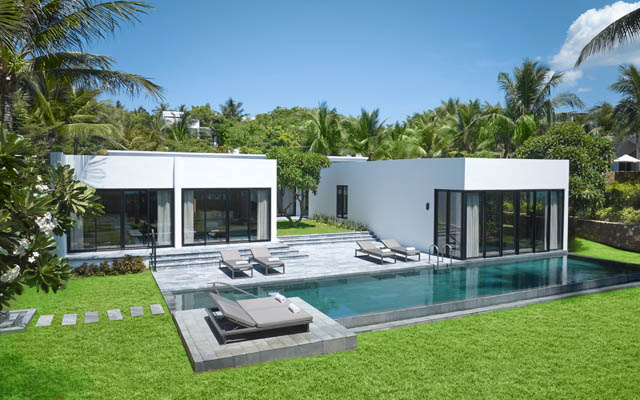
Hilton has teamed up with Tokyo Tatemono to launch Hilton Kyoto in Japan’s cultural capital by 2024.
Situated in Sanjo-Karawamachi and surrounded by classical Buddhist temples, Zen gardens, Shinto shrines, and museums, Hilton Kyoto will offer 313 keys, four dining outlets including an all-day dining restaurant, a fitness centre, spa, indoor pool, an executive lounge, and function rooms.
Hilton’s first flagship-branded hotel in Kyoto, Hilton Kyoto
Clarence Tan, senior vice president, development, Asia Pacific, said Hilton Kyoto is the third hotel development inked by the company in Kyoto, following the opening of Roku Kyoto, LXR Hotels & Resorts last year, and Hilton Garden Inn Kyoto Shijo Karasuma which is scheduled to open later this year.
“With its strategic location and signature Hilton hospitality, Hilton Kyoto will be ideally suited to serve business and leisure demand in the market,” remarked Tan.
How is Sentosa transforming into a sustainable tourist destination, and how can that go hand-in-hand with economic development?
Sentosa is a beloved destination for locals and tourists alike, welcoming over 19 million guests annually pre-Covid.
Over the past two years, the pandemic has brought many sustainability concerns to the forefront. As the world moves towards living with Covid-19, it is expected that travellers will express an even greater preference for sustainable destinations.
As an island destination susceptible to the effects of climate change, Sentosa must play its role to push the boundaries of sustainability, aligning ourselves with the whole-of-nation movement to transform Singapore into a sustainable urban travel destination for travellers.
Since the island’s inception as a leisure destination in 1972, sustainability has been a tenet in the development of Sentosa.
For instance, critically-endangered Hawksbill Turtles have often come to nest on our beaches, and when they hatch, our team would measure and weigh the baby turtles before releasing them back to sea. Since 2019, we have been working with local experts and partners to ensure that the nesting grounds are protected and not disrupted by any new developments in the area.
Going forward, the next phase of our Sustainable Sentosa strategic roadmap will look to limit carbon emissions even further, and promote the consciousness of sustainability among Sentosa’s guests and businesses.
The roadmap serves as a long-term guide to align efforts and synergise resources to achieve outcomes in various key areas contributing to the island’s goals of achieving carbon neutrality by 2030, and becoming a globally recognised, certified sustainable tourism destination.
We are in the midst of exploring onsite carbon reduction opportunities through green infrastructure, such as solarisation and waste-to-energy plants, which will create circularity in managing our island waste and resources. We also aim to keep our environmental footprint small, through initiatives such as keeping our intra-island transport green. We have electrified our beach shuttles since 2020, trialled autonomous electric vehicles in 2018, as well as tested tidal energy solutions along the Sentosa Boardwalk in 2019.
As technology matures, we aim to stretch the limits of what is possible as we develop the Sentosa-Brani precinct as part of our Master Plan.
We also recognise that to engage our guests on sustainability, we need to leverage the island’s green, blue, brown and gold colours which we use to refer to our lush rainforests, marine environment, rich heritage, and sandy beaches. The aim is to bring sustainability from back-of-house to front-of-mind, by bringing guests up close to our environment. This integration of human with green spaces is also characteristic of Singapore’s identity as a City in Nature, allowing travellers to explore the country through sustainable modes of transport or sustainable travel experiences.
We are also working with the island’s businesses to preserve our heritage buildings and curate sustainable dining experiences with locally-sourced food and farm-to-fork initiatives, while unpacking circularity concepts.
Sentosa also welcomed our first carbon-neutral attraction in 2022, SkyHelix Sentosa.
Moving ahead, we expect more of such offerings to be extended as part of an island-wide effort to engage guests on sustainability.
Who are the partners SDC is working with on this sustainability journey?
As part of the Sustainable Sentosa strategic roadmap, we launched the Sentosa Carbon Neutral Network (SCNN) with a collective aim to achieve Sentosa’s carbon neutrality by 2030.
Comprising 19 members which include hotels, attractions and dining establishments on the island, SCNN will implement various initiatives from energy efficiency solutions to renewable energy and smart sourcing, with the collective potential to reduce carbon emissions by up to 30 per cent compared to 2019 baselines.
SCNN membership comprises large and small businesses that account for more than 90 per cent of the island’s carbon footprint. This means they could collectively help us bring about the largest reductions in Sentosa’s carbon emissions. They also demonstrate how collaboration within ecosystems can generate new perspectives to develop solutions to lower our environmental footprint and provide guests with a sustainable experience.
We have been hugely encouraged by the progress of SCNN, whose members recognise the importance of sustainability from their customers’ perspectives. Through open and data-driven discussions among the members, we have identified new focus areas for action.
Sentosa Development Corporation is leveraging the island’s lush rainforests, marine environment, rich heritage and sandy beaches to engage visitors on sustainability
What checks are in place to ensure Sentosa hits its carbon neutrality goal of 2030?
We have engaged consultants to better understand Sentosa’s carbon profile based on a methodology that is streamlined to the hotel, attractions and F&B sectors. Through this data-driven approach, we helped businesses on the island understand the requirements of international standards like the Greenhouse Gas Protocol. This better enables businesses to measure and take actions to mitigate their own carbon footprint.
We are also exploring destination certification by the Global Sustainability Tourism Council so that we are benchmarked against best practices in the tourism industry. SDC has also begun publishing an annual Sustainability Report which outlines how we are progressing vis-à-vis our island-wide sustainability goals.
Surveys say travellers want to stay in sustainable accommodation and be more sustainable, but how many of such travellers actually walk the talk in the face of potentially higher prices?
Contrary to popular belief, the pursuit of sustainability can potentially result in better and more cost-effective solutions as technology and markets mature, which can then be enjoyed by consumers. For example, solar energy is already one of the cheaper energy sources available on the market today.
Increasingly, sustainable businesses are proving to be better businesses, from a risk, brand and bottom-line perspective.
During the recent SingapoReimagine Global Conversations forum, titled Reimagine Sustainability: Think Circular, Travel Better, where I was a panellist, I shared about how regulations and technology have evolved to underscore sustainability as a fundamental practice for managing enterprises, and how sustainable businesses will be in good position to capitalise on their advantage and pass on more value to their guests.
It is also important for topics like these to be discussed on platforms such as SingapoReimagine Global Conversations, where stakeholders and experts can come together to share ideas and insights on how businesses can become more sustainable.
While traveller purchase preferences will vary across a wide spectrum, it is undeniable there is clear movement of consumer preferences for sustainable options, especially among the younger audience. This shift in the needs of the post-pandemic traveller was identified at the first SingapoReimagine Global Conversations forum last year, where it was found that sustainable travel experiences have climbed up the ladder of priorities when travellers are deciding where they want to visit.
Ultimately, we want to engage all our guests through differentiated leisure offerings to encourage them towards a sustainable lifestyle. These efforts include creating a greater appreciation of how a green hotel operates, highlighting nature and heritage offerings, or providing carbon-reduced or carbon-neutralised event options.
How is Sentosa planning to promote sustainable consumption habits among visitors?
Over the past two years, we have seen an upsurge in interest in Sentosa’s nature and heritage. Tapping on this renewed interest, we have also invested more effort into raising awareness of the need to protect our habitats.
An example of these efforts is guided tours to Tanjong Rimau, a pristine rocky shoreline on the western side of Sentosa which is home to thriving intertidal biodiversity, where we highlight the importance of conservation. We are heartened by the strong public interest in this activity.
Earlier in February, we also saw the gazetting of Fort Siloso as Singapore’s 74th National Monument. The Fort, which is Singapore’s best-preserved 19th-century fort, has also seen a resurgence in interest, with guests wanting to experience the rich history and heritage of the site.
Building on the interest of Fort Siloso, we have worked with universities and fellow government agencies to carry out nature and heritage conservation research at the fort, as well as education and outreach efforts with schools and communities to educate the public on its significance.
As the result of a three-year collaboration with the National Heritage Board, we recently launched the Sentosa Heritage Trail. The trails allow guests to discover the island through self-guided walks, navigating various heritage markers that will enrich guests’ knowledge of Sentosa’s history.
Major changes are in store at Philippine Tour Operators Association (Philtoa), including limiting the term of presidency and widening the reach to provincial members, to make the organisation more responsive to evolving business.
New Philtoa president Fe Abling-Yu, who took over from Cesar Cruz, said to be ratified by the general membership in June is the limited tenure of president and all officers to a fixed two-year term, subject to another two-year term if reelected.
The current tenure is unlimited.
Abling-Yu: improved internal structure and greater support for members are in the works
Abling-Yu told TTG Asia that work will also be done to correct the impression that Philtoa is only for inbound businesses when there are corporate members handling outbound as well as both inbound and outbound.
This and other changes should boost Philtoa membership of 500, which the pandemic have whittled down to 368.
To give more exposure to smaller members and those located outside metro Manila, Philtoa will for the first time host a B2B event showcasing 50 sellers nationwide. The event in metro Manila on June 2 and 3 will see the participation of over 50 buyers.
“Let’s face it – the domestic markets of hotels, resorts and destinations in provinces are coming largely from metro Manila. For example, almost 70 per cent of domestic arrivals in Boracay are from metro Manila,” explained Abling-Yu.
She added that Philtoa is also collaborating with local government units and regional tourism offices to assess destinations, help packaging their products, and cascade tourism benefits down to the marginalised sectors and bottom rung of the tourism ecosystem.
In May for example, Philtoa has scheduled a trip to eastern Visayas which was devastated by Super Typhoon Rai last December, and to Davao to help tourism within the city and beyond.
Philtoa’s Philippine Travel Mart from September 30 to October 2, which will occupy four halls at SMX Convention Center Manila, will be an in-person show to be graced also by foreign NTOs and outbound exhibitors.
What
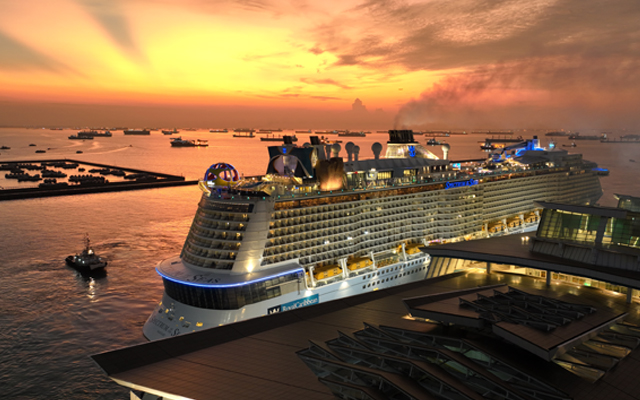
As Quantum of the Seas concludes her successful and extended season of cruises to nowhere in Singapore, in sails Spectrum of the Seas to give cruise fans more reasons to get back onboard.
Spectrum of the Seas sets a milestone for Singapore cruising, as it is the first cruise ship allowed to welcome more than just Singapore residents since the pandemic hit in 2020. All cruise-to-nowhere operations from Singapore in the past two years have been restricted to local residents as part of Covid-safe measures.
With Spectrum of the Seas, Royal Caribbean International will offer both cruises to nowhere from April 11 and regional sailings to South-east Asian ports from October.
Fun for all
1 of 2
Intense trampoline fun at Sky Pad (photo credit: Karen Yue)
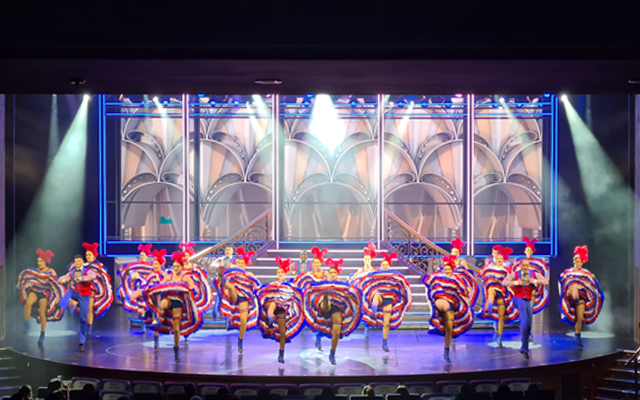
Showgirl packs in lively music and dance, as well as beautiful costumes (photo credit: Karen Yue)
Facilities Spectrum of the Seas is part of Royal Caribbean International’s award-winning Quantum Class line-up. What stands out here is that its facilities are designed for Asian guests. The Asia-centric focus is most apparent in Spectrum of the Seas’ F&B collection. Of the 19 distinct dining venues onboard, three are new and specifically offered to provide familiar comfort food to Asian guests.
As its name suggests, Sichuan Red is all about Chinese Sichuan cuisine, which has seen immense popularity across South-east Asia in recent times. Dishes take in authentic Sichuan spices, and diners can ask for the spice levels to be toned down or tuned up. Diners can also choose to have individual sets, or enjoy a communal meal with many dishes to share among family and friends.
I found the sweet and spicy kung pao prawns and savoury, peppery duck soup most enjoyable. The latter brought back memories of Sunday lunches in the compact kitchen of granny’s home.
Dinner at Teppanyaki was full of dramatic comedy. Set meals are offered here. Portions are generous and the mains are cooked with liberal amounts of immensely fragrant and flavourful garlic butter.
The third Asian dining destination is The Hotpot, which I did not get to try during my two-night sailing – there is always next time!
Spectrum of the Seas’ dining collection also includes familiar favourites like Chops Grille for some of the best steaks around; Wonderland for creative molecular cuisine with an Alice in Wonderland storyline; Jaime’s Italian by Jamie Oliver, and more.
Before you think that feasting is all one can do onboard, allow me to introduce the myriad recreational facilities that have earned the cruise line a strong following of action-loving cruise fans.
There is no time to rest if one intends to do everything onboard – Flowrider surf simulator, RipCord by iFly skydiving simulator, North Star observation capsule, rock climbing walls, a variety of sports games in the day and bumper cars at night at SeaPlex, arcade games, so many indoor and outdoor swimming pools and whirlpools to take a dip in, a large fitness centre, and dance and art classes.
New and unique to Spectrum of the Seas is the Sky Pad. Recognised as Asia’s first virtual reality (VR), bungee trampoline adventure on a cruise ship, Sky Pad transports guests into a zero-gravity zone where they could smash sweets in a sugar-coated world or travel light years into the future. The VR option was not available during my sailing, but my companion had fun working his core muscles and legs on the trampoline.
Little cruisers will have plenty to do too. Aquanauts offers structured play throughout the day for children aged three to five, while older children can join group activities, such as dodgeball, themed parties, art jams, and science experiments.
After dark, be sure to catch signature musicals like The Silk Road and Showgirl. I enjoyed both, but Showgirl especially was stunning with elaborate costumes and music that got my feet tapping.
Make time for movies under the stars and live music performances at the many bars and lounges onboard too.
The Ultimate Family Suite is the place to bond and play (photo credit: Karen Yue)
Rooms
There are 2,137 staterooms dressed in soothing shades of cream, blue and turquoise set against light wood. Room types range from staterooms to a variety of suites. The Suite Enclave is designed for guests wanting a more luxurious and exclusive stay. Here, suite guests enjoy private access to exclusive restaurants and lounges, a Solarium, The Balcony and The Boutique as well as other service perks.
An outstanding accommodation product is the Ultimate Family Suite. It takes in a slide that goes from second floor to the first, a private cinema that doubles up as the karaoke stage, games table, vibrant interiors and plenty of space for multi-generational families to get together.
Verdict Spectrum of the Seas checks all the right boxes for a fuss-free vacation – accessible and quality dining, even in the included restaurants; endless fun throughout the day and for all ages; and plenty of space to relax, read or get my daily steps in.
The Taste Port Douglas Food & Drink Festival will return for its sixth edition from August 11 to 14, with an extensive programme that will draw food enthusiasts looking for a tasty escape during the winter months.
While the complete programme is yet to be announced, the organisers have promised a line-up of Australia’s leading chefs including Jerry Mai pf Pho Nom and Bia Hoi Melbourne; Ben Williamson of Anges, sAme sAme, and Honto Brisbane; Colin Fassnidge of Kitchen Nightmares Sydney; Spencer Patrick of Harrisons Restaurant Port Douglas; and Manu Feildel of My Kitchen Rules Sydney.
Some of Australia’s most masterful chefs will headline Taste Port Douglas Food & Drink Festival 2022
Festival visitors can also expect masterclasses, signature dinners and unique dining experiences.
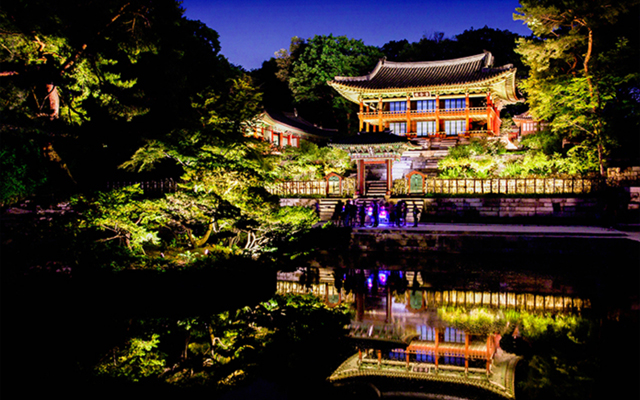
UNESCO World Heritage Site Changdeokgung Palace in Seoul will run its popular Moonlight Tours from April 21 to June 12, a 100-minute presentation that invites participants to stroll through the ancient grounds and appreciate both the tranquility and various landmark architecture.
Changdeokgung Palace is said to be the most traditional and authentic of Seoul’s five palaces, and the walking tour will call at iconic spots such as Geumcheongyo Bridge and Jinseonmun Gate, Buyongji Pond and Aeryeonjeong Pavilion. These structures will be lit up in the dark.
See Changdeokgung Palace’s iconic landmarks under a different light (photo credit: Cultural Heritage Administration)
Huijeongdang Hall has been added to the route this year. The structure functioned as the king’s bed chamber and later, his workplace.
Participants in the Moonlight Tours can also enjoy traditional Korean performances in various locations.



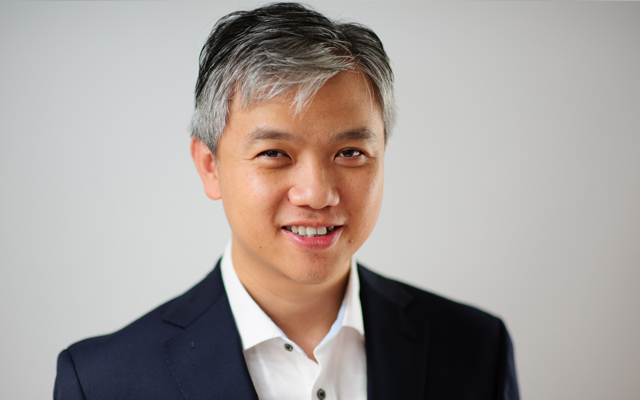
 How is Sentosa transforming into a sustainable tourist destination, and how can that go hand-in-hand with economic development?

 What
What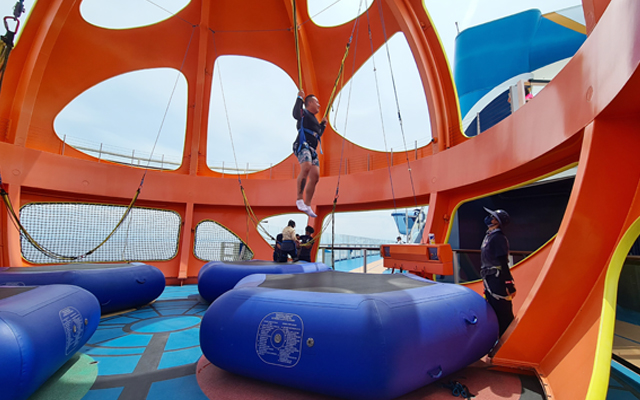








Hilton has teamed up with Tokyo Tatemono to launch Hilton Kyoto in Japan’s cultural capital by 2024.
Situated in Sanjo-Karawamachi and surrounded by classical Buddhist temples, Zen gardens, Shinto shrines, and museums, Hilton Kyoto will offer 313 keys, four dining outlets including an all-day dining restaurant, a fitness centre, spa, indoor pool, an executive lounge, and function rooms.
Clarence Tan, senior vice president, development, Asia Pacific, said Hilton Kyoto is the third hotel development inked by the company in Kyoto, following the opening of Roku Kyoto, LXR Hotels & Resorts last year, and Hilton Garden Inn Kyoto Shijo Karasuma which is scheduled to open later this year.
“With its strategic location and signature Hilton hospitality, Hilton Kyoto will be ideally suited to serve business and leisure demand in the market,” remarked Tan.