

New Philippine Tour Operators Association president plans wave of changes

Major changes are in store at Philippine Tour Operators Association (Philtoa), including limiting the term of presidency and widening the reach to provincial members, to make the organisation more responsive to evolving business.
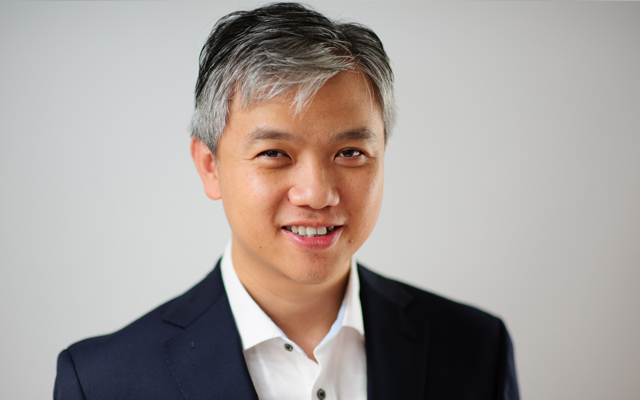
New Philtoa president Fe Abling-Yu, who took over from Cesar Cruz, said to be ratified by the general membership in June is the limited tenure of president and all officers to a fixed two-year term, subject to another two-year term if reelected.
The current tenure is unlimited.
Abling-Yu told TTG Asia that work will also be done to correct the impression that Philtoa is only for inbound businesses when there are corporate members handling outbound as well as both inbound and outbound.
This and other changes should boost Philtoa membership of 500, which the pandemic have whittled down to 368.
To give more exposure to smaller members and those located outside metro Manila, Philtoa will for the first time host a B2B event showcasing 50 sellers nationwide. The event in metro Manila on June 2 and 3 will see the participation of over 50 buyers.
“Let’s face it – the domestic markets of hotels, resorts and destinations in provinces are coming largely from metro Manila. For example, almost 70 per cent of domestic arrivals in Boracay are from metro Manila,” explained Abling-Yu.
She added that Philtoa is also collaborating with local government units and regional tourism offices to assess destinations, help packaging their products, and cascade tourism benefits down to the marginalised sectors and bottom rung of the tourism ecosystem.
In May for example, Philtoa has scheduled a trip to eastern Visayas which was devastated by Super Typhoon Rai last December, and to Davao to help tourism within the city and beyond.
Philtoa’s Philippine Travel Mart from September 30 to October 2, which will occupy four halls at SMX Convention Center Manila, will be an in-person show to be graced also by foreign NTOs and outbound exhibitors.
Spectrum of the Seas
 What
What
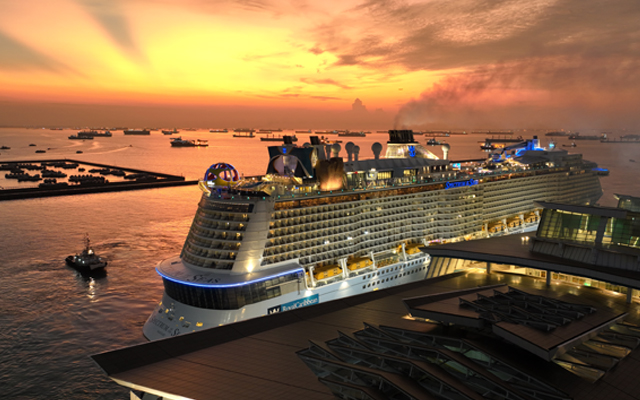
As Quantum of the Seas concludes her successful and extended season of cruises to nowhere in Singapore, in sails Spectrum of the Seas to give cruise fans more reasons to get back onboard.
Spectrum of the Seas sets a milestone for Singapore cruising, as it is the first cruise ship allowed to welcome more than just Singapore residents since the pandemic hit in 2020. All cruise-to-nowhere operations from Singapore in the past two years have been restricted to local residents as part of Covid-safe measures.
With Spectrum of the Seas, Royal Caribbean International will offer both cruises to nowhere from April 11 and regional sailings to South-east Asian ports from October.

Facilities
Spectrum of the Seas is part of Royal Caribbean International’s award-winning Quantum Class line-up. What stands out here is that its facilities are designed for Asian guests. The Asia-centric focus is most apparent in Spectrum of the Seas’ F&B collection. Of the 19 distinct dining venues onboard, three are new and specifically offered to provide familiar comfort food to Asian guests.
As its name suggests, Sichuan Red is all about Chinese Sichuan cuisine, which has seen immense popularity across South-east Asia in recent times. Dishes take in authentic Sichuan spices, and diners can ask for the spice levels to be toned down or tuned up. Diners can also choose to have individual sets, or enjoy a communal meal with many dishes to share among family and friends.
I found the sweet and spicy kung pao prawns and savoury, peppery duck soup most enjoyable. The latter brought back memories of Sunday lunches in the compact kitchen of granny’s home.
Dinner at Teppanyaki was full of dramatic comedy. Set meals are offered here. Portions are generous and the mains are cooked with liberal amounts of immensely fragrant and flavourful garlic butter.
The third Asian dining destination is The Hotpot, which I did not get to try during my two-night sailing – there is always next time!
Spectrum of the Seas’ dining collection also includes familiar favourites like Chops Grille for some of the best steaks around; Wonderland for creative molecular cuisine with an Alice in Wonderland storyline; Jaime’s Italian by Jamie Oliver, and more.
Before you think that feasting is all one can do onboard, allow me to introduce the myriad recreational facilities that have earned the cruise line a strong following of action-loving cruise fans.
There is no time to rest if one intends to do everything onboard – Flowrider surf simulator, RipCord by iFly skydiving simulator, North Star observation capsule, rock climbing walls, a variety of sports games in the day and bumper cars at night at SeaPlex, arcade games, so many indoor and outdoor swimming pools and whirlpools to take a dip in, a large fitness centre, and dance and art classes.
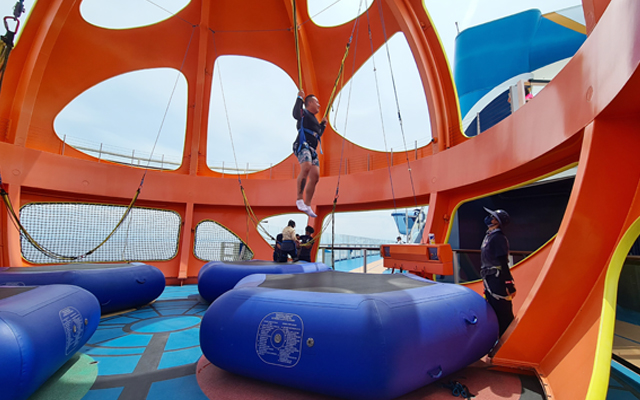
New and unique to Spectrum of the Seas is the Sky Pad. Recognised as Asia’s first virtual reality (VR), bungee trampoline adventure on a cruise ship, Sky Pad transports guests into a zero-gravity zone where they could smash sweets in a sugar-coated world or travel light years into the future. The VR option was not available during my sailing, but my companion had fun working his core muscles and legs on the trampoline.
Little cruisers will have plenty to do too. Aquanauts offers structured play throughout the day for children aged three to five, while older children can join group activities, such as dodgeball, themed parties, art jams, and science experiments.
After dark, be sure to catch signature musicals like The Silk Road and Showgirl. I enjoyed both, but Showgirl especially was stunning with elaborate costumes and music that got my feet tapping.
Make time for movies under the stars and live music performances at the many bars and lounges onboard too.

Rooms
There are 2,137 staterooms dressed in soothing shades of cream, blue and turquoise set against light wood. Room types range from staterooms to a variety of suites. The Suite Enclave is designed for guests wanting a more luxurious and exclusive stay. Here, suite guests enjoy private access to exclusive restaurants and lounges, a Solarium, The Balcony and The Boutique as well as other service perks.
An outstanding accommodation product is the Ultimate Family Suite. It takes in a slide that goes from second floor to the first, a private cinema that doubles up as the karaoke stage, games table, vibrant interiors and plenty of space for multi-generational families to get together.
Verdict
Spectrum of the Seas checks all the right boxes for a fuss-free vacation – accessible and quality dining, even in the included restaurants; endless fun throughout the day and for all ages; and plenty of space to relax, read or get my daily steps in.
Gourmet festival returns to Port Douglas

The Taste Port Douglas Food & Drink Festival will return for its sixth edition from August 11 to 14, with an extensive programme that will draw food enthusiasts looking for a tasty escape during the winter months.
While the complete programme is yet to be announced, the organisers have promised a line-up of Australia’s leading chefs including Jerry Mai pf Pho Nom and Bia Hoi Melbourne; Ben Williamson of Anges, sAme sAme, and Honto Brisbane; Colin Fassnidge of Kitchen Nightmares Sydney; Spencer Patrick of Harrisons Restaurant Port Douglas; and Manu Feildel of My Kitchen Rules Sydney.

Festival visitors can also expect masterclasses, signature dinners and unique dining experiences.
For more information, visit www.tasteportdouglas.com.au
Regal visions under the moonlight
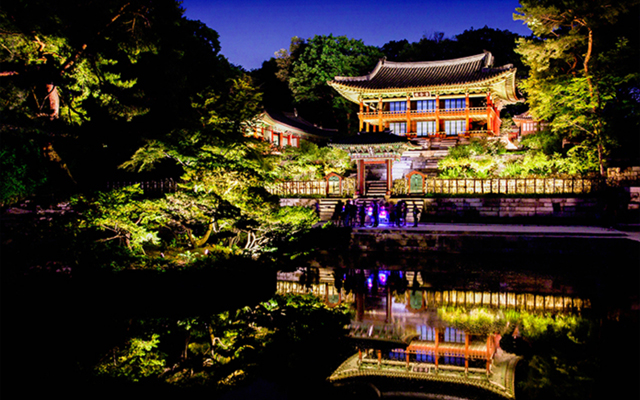
UNESCO World Heritage Site Changdeokgung Palace in Seoul will run its popular Moonlight Tours from April 21 to June 12, a 100-minute presentation that invites participants to stroll through the ancient grounds and appreciate both the tranquility and various landmark architecture.
Changdeokgung Palace is said to be the most traditional and authentic of Seoul’s five palaces, and the walking tour will call at iconic spots such as Geumcheongyo Bridge and Jinseonmun Gate, Buyongji Pond and Aeryeonjeong Pavilion. These structures will be lit up in the dark.
Huijeongdang Hall has been added to the route this year. The structure functioned as the king’s bed chamber and later, his workplace.
Participants in the Moonlight Tours can also enjoy traditional Korean performances in various locations.
Tickets are priced at 30,000 won (US$24.40)
For more information, visit www.cdg.go.kr
Assam powers up tourism angle
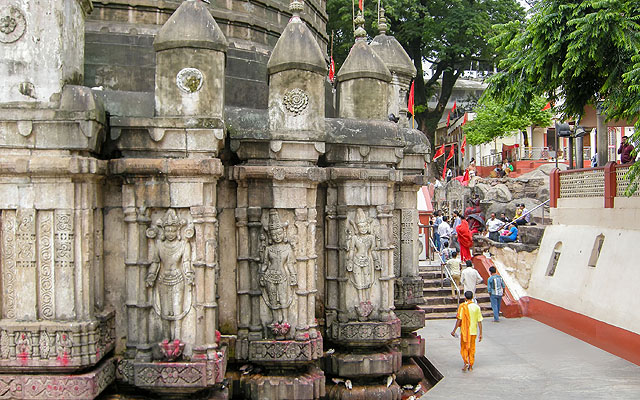
Assam, gateway to India’s north-eastern states, has been gaining popularity among travellers over recent years.
Kaziranga National Park and Kamakhaya Temple are major tourist magnets, but tourism experts say the destination is still very much a diamond in the rough, with huge potential for further development.
The good news is, the Assam government is stepping up investments in infrastructure, which industry players say will raise the state’s tourism profile.
It approved 20 billion rupees (US$ 262 million) in February 2022 for rural infrastructure upgrades, which will include vital road improvements. An additional 1.5 billion rupees have been set aside to acquire land to facilitate the expansion of Jorhat Airport.
Sanjay Thakur, founder, East India Travel, keeps faith that Assam’s improved infrastructure, particularly in connectivity, will help to raise tourist arrivals in the coming years.
For now, Assam will continue to benefit most from domestic travellers, Thakur opined.
“Travellers from many of our key markets like the US and Europe may prefer shorthaul travel for now. However, we expect some international demand to kick in the beginning of October 2022,” he added.
Tourism-specific developments include tea tourism promotion. The Assam government recently proposed a move to support 40 tea gardens and develop resorts.
Shreya Barbara, CEO, Landscape Safari Tours & Travels, said tea tourism could benefit from Assam’s many vibrant villages where festivals take place throughout the year.
Staying in tea bungalows elevates the experience, as the architecture comes with a sense of colonial charm and luxury. While there in North Guwahati, travellers could visit many archaeological sites from the British era, she added.
The state tourism department is also looking to promote lesser-known experiences such as village tours and golfing in Assam’s scenic tea estates.
Rituparna Baruah, chairman, Assam Tourism Development Corporation, told TTG Asia: “We want tourists to discover unexplored locations. Keeping this in mind, we are developing places like Deepor Bheel, a freshwater lake, for tourism.
“Village tours that showcase the richness of Assamese culture is another product we want to promote in both domestic and international markets.
“The new vistadome coaches on the train route between Guwahati and Haflong will also help us to promote Dima Hasao – home to Haflong, the only hill station in Assam, as well as Bendao Baiglai Waterfalls.”
The North East Festival, which took place from January 7 to 9 at Radisson Blu Hotel Guwahati, was a critical platform to highlight
Assam’s existing and upcoming tourism projects. It showcased the rich culture and heritage of the state, as well as promoted river cruise tourism potential in Assam.
Daniel D’souza, president & country head, SOTC Travel, said: “While Kaziranga National Park and Kamakhaya Temple remain the highlights of Assam, the state has so much more potential waiting to be unlocked.”
He pointed to Majuli, an eco-friendly freshwater island in the Brahmaputra river; Haajo, an ancient pilgrim centre for spiritual travellers of all faiths; and Mayong, popularly known as the land of black magic.
“The pandemic has changed our outlook towards travel. Supporting local communities and going local are key drivers of the tourism industry in the Covid-era. Experiential stays have gained immense popularity among travellers, while unique experiences and eclectic accommodation away from mainstream crowded destinations have become compulsory. The vast tea estates of Assam tick all the requirements of an experiential traveller. They also make the perfect choice for multigenerational families and group of friends to spend quality time over a game of golf,” opined D’souza.
Besides leisure tourism, Assam is also banking on investment campaigns, such as Make in Northeast, to grow corporate travel arrivals.
Sarbendra Sarkar, founder and managing director, Cygnett Hotels and Resorts, said corporate travel would ensure year-round arrivals for Assam, compared to leisure travel that peaks only from October to April.
Meanwhile, industry players are urging Assam authorities to further the tourism push by improving connectivity with South-east Asia.
“The region offers Assam a great opportunity to attract both leisure and corporate travellers,” said Thakur. He shared that India’s ministry of civil aviation had recently proposed connecting Assam with Bangkok, Hanoi, Dhaka, Kathmandu and Yangon.
Wyndham Hotels & Resorts continues APAC expansion in 2022
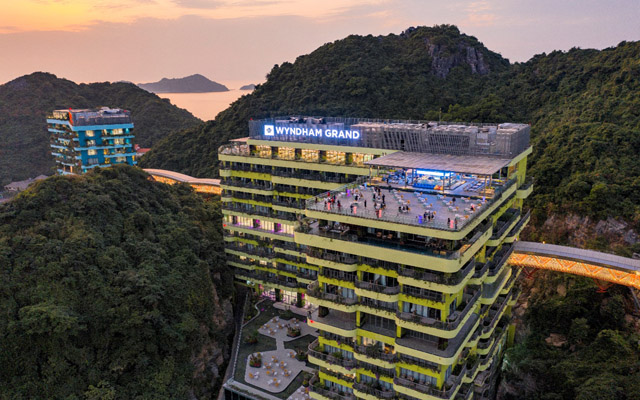
Wyndham Hotels & Resorts has expanded across Asia-Pacific with a number of recent hotel openings in 2021, with a line-up of new hotels planned this year to further strengthen its presence in the region.
In Asia-Pacific, Wyndham successfully added 120 new hotels and signed 200 properties last year, totalling over 1,600 hotels in 20 regional markets.
“We will be debuting new brands in several strategic markets this year in a bid to capitalise on an anticipated upswing in travel in the region buoyed by strong pent-up demand as borders gradually reopen,” said Joon Aun Ooi, Wyndham’s president, Asia-Pacific, in a press release.
Wyndham expanded its footprint in Greater China with over 100 hotel openings including additions in top-tier cities such as Wyndham Garden Hangzhou Yuhang and Ramada by Wyndham brands in Guangzhou and Qingdao, and debuted the 200-room La Quinta by Wyndham Weifang South in Shandong province, a first in China.
Wyndham also opened five Wingate by Wyndham and Microtel by Wyndham hotels in Foshan, Guilin, Tianjin, Kunming and Huangshan. This accelerated expansion of Microtel by Wyndham has nearly tripled its existing portfolio size in China, with openings in popular business and leisure destinations such as Sanya, Changsha, Weihai and Fuzhou. Also scheduled to open are nine Ramada by Wyndham hotels acriss China, not including the recently-opened Ramada by Wyndham Guilin Yangshuo Resort.
Over in Thailand, Wyndham added 17 hotels to its operating portfolio, such as Ramada by Wyndham Bangkok Sukhumvit 87, Ramada Plaza by Wyndham Bangkok Sukhumvit 48, Wyndham Bangkok Queen Convention Centre and Wyndham Garden Bangkok Sukhumvit 42.
Scheduled to open in June 2022, Wyndham Atlas Wongamat Pattaya will be the first Wyndham hotel in Pattaya, with plans for five more new hotels in Pattaya this year.
Wyndham Grand Flamingo Cat Ba was introduced in Vietnam, adding to its existing hotel portfolio in Halong Bay, Nha Trang and Cam Ranh, with plans for new Wyndham branded properties in Phu Quoc and Hoi An.
Moving southwards, Wyndham had four openings across several brands in Wellington, Auckland, Christchurch, and Hervey Bay. Making its debut in Wellington, the opening of Ramada by Wyndham Wellington marked the company’s first hotel in the capital of New Zealand. Slated to open by 4Q2022, Microtel by Wyndham Wellington will be Wyndham’s second hotel in the capital city, followed by TRYP by Wyndham Wellington.
Wyndham will also have two new additions in South Australia, namely Wyndham Wallaroo Shores Resorts and TRYP by Wyndham Pulteney Street Adelaide.
Ooi added: “Our continued momentum in hotel openings across Asia Pacific not only reflects optimism for its recovery, but also signals long-term confidence that our partners place in Wyndham’s globally established brands… we are making great progress towards our goal of reaching 2,000 hotels in Asia-Pacific by 2025.”
In 2021, Wyndham signed 655 hotels that will add over 82,000 rooms globally. It also grew its global development pipeline by five per cent from the previous year, representing 1,500 hotels and over 194,000 rooms.
Cebu Pacific, Singapore strengthen partnership to charm Filipinos
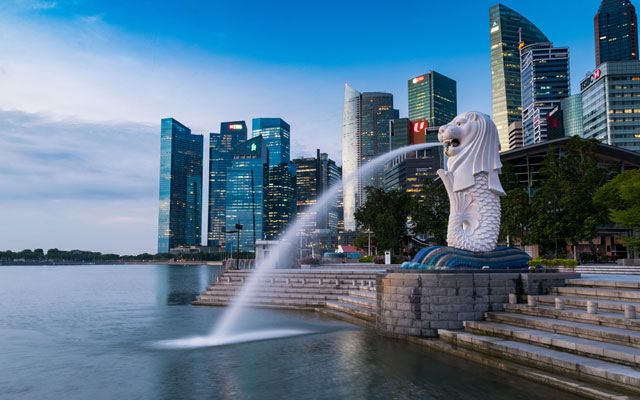
Cebu Pacific (CEB) has renewed its partnership with the Singapore Tourism Board (STB) to inspire Filipinos to visit the Lion City for fresh experiences now that travel restrictions are eased.
Juliana Kua, STB’s assistant chief executive, international group, said the partnership will create “attractive promotions and campaigns to warmly welcome (Filipino travellers) back to Singapore”.
CEB currently flies daily between Manila and Singapore. Travellers from the Visayas and Mindanao may conveniently connect via Manila, with flights between Cebu and Manila running up to 18 times daily, and Davao and Manila up to eight times daily.
Candice Iyog, CEB’s vice president for marketing and customer experience, said: “We are very happy to firm up our collaboration with STB following the easing of travel restrictions in and out the Philippines. We believe this partnership is very timely as it’ll surely contribute to the recovery of both the industry, as well as our respective countries.”
Firefly Jet makes a comeback to facilitate domestic connections
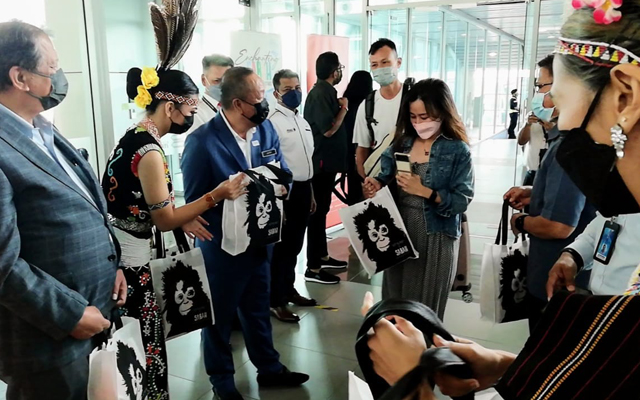
Malaysia Aviation Group (MAG) has reinstated Firefly’s operations from its Penang Hub, with services to Johor Bahru, Kota Kinabalu and Kuching to spur domestic tourism.
Flights are operated on Boeing 737-800 aircraft.
This coincides with Firefly’s 15th anniversary as well as the recent reopening of Malaysia’s borders.
Firefly CEO Philip See said in a press statement: “We have seen the extent of what the pandemic has done to various industries globally, but now we are in a position where restrictions have eased as nations begin to live and travel with Covid-19.
“We are delighted that Firefly resumes its jet operations at this crucial time, and simultaneously begins servicing new routes that will significantly benefit connectivity for tourists and communities.”
Sabah’s tourism, culture, and environment minister Jafry Ariffin has responded to Firefly’s comeback with a positive note. He said the Penang-Kota Kinabalu route is expected to draw more international arrivals to the state of Sabah, due to Penang’s close proximity with Langkawi, which receives international flights.
He added: “This Firefly route has unquestionably made Sabah more accessible to Malaysians and visitors alike.”
Firefly will offer twice daily return flights to Johor Bahru and daily return flights from to Kuching and Kota Kinabalu. Frequencies will be stepped up from April 25 – three times daily to Johor Bahru and twice daily to Kuching and Kota Kinabalu.
Firefly has also introduced its new value bundle services where customers can customise components to their travel needs and get 50 per cent off bundle offers from Plus, Extra or Flex fares. The bundles includes a 20kg baggage allowance, in-flight hot meals, two times flight change, priority baggage, boarding and check-in, all seat selection, travel insurance and other perks.
The fully automated travelling experience
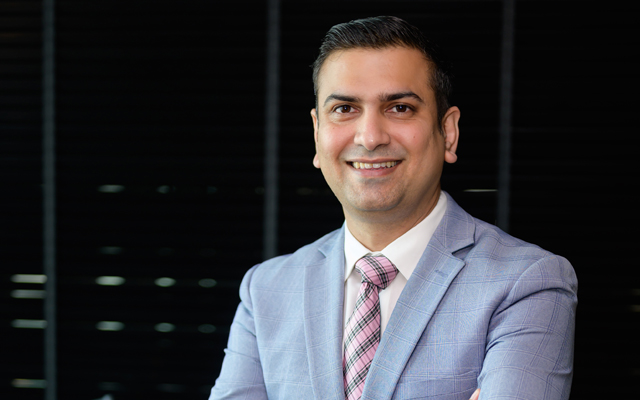
International travel has just about started to pick up pace after coming to a near standstill. Having been at home for the longest time, many are looking forward to a travel vacation as countries across the Asia Pacific resume some semblance of international travel.
In Singapore, the Government has taken steps to open borders progressively, streamlining and simplifying border measures and testing regimes for travellers. The recent renewal of a seven-year deal to host the Formula One race is a strong indication of the Government’s commitment to renew the tourism sector and inspire travel to Singapore.
Vacation travel will drive much of the recovery in the near term, as seen by the encouraging growth of Singapore’s international visitor arrivals and tourism receipts which reached 330,000 and an estimated S$1.9 billion respectively in 2021.
To continue capturing the travel demand, key players in the travel and tourism industry are addressing the importance of instilling confidence in travellers to allow them to plan for trips in the post-pandemic world with ease.
Rising travel expectations to manage Covid-19 risks
The changing needs and preferences of travellers that have emerged in recent months have raised the bar even further for the travel industry to appeal to those who wish to travel.
Modern-day travellers prioritise safety above all. They are looking at ways to minimise social interactions through contactless services, allowing flexibility in travel arrangements, and personalising the experience before, during, and after travel.
In a recent survey by TripAdvisor, more than 70 per cent of respondents in APAC countries such as Australia, Japan and Singapore expect service providers and destinations to take adequate health and safety precautions and state this as their primary deciding factor.
Travellers are bearing even more expectations before ticking off the travel checklist. They look to engaging with travel advisors who best know the environment to problem-solve any emergency issue and help navigate the rules of travelling that can be complicated and stressful. Today travellers need to be assured that everything will fall into place such that they will face minimal disruptions while travelling.
Digitalising existing travelling processes for maximum efficiency
This is where technology plays a pivotal role to create seamless touchpoints that will make travel safer and more efficient.
The travel experience has already been largely digitalised with the use of navigation tools such as Google Maps, virtual boarding passes, mobile travel wallets amongst others. But post-pandemic travel might play up these digital experiences in every aspect possible – from digital vaccine passports, QR-coded menus, crowd-control robots to contact-tracing software – and embrace ‘tele-everything’ in the process.
Airlines, travel agencies and destinations should rethink how they can best deliver experiences with digital solutions that can engage travellers anytime and anywhere, even from their home couches. More importantly, they should come together to help travellers feel confident to travel again.
AI to optimise the travel customer experience
Many have missed the experiences that travelling has brought about, and especially so the human connection that has deprived many after isolation. Travellers now demand personalised and empathetic experiences that could bring back a semblance of human-like connection.
With the help of automation technology, there seems to be a unique and relevant solution for travellers and agents to automate every conversation, from shopping, booking, and changing travel plans online. Conversational AI can serve across multiple modalities, channels, and touchpoints whether through talk, text or tap. More importantly, it is available 24/7 – the perfect go-to option whenever travellers encounter any form of travel emergencies.
An intelligent virtual assistant (IVA) is one of such conversational AI tools that can offer much-needed engagement with travellers while accurately recognising a travellers’ intent and preferences. Using natural language understanding (NLU) technologies, the IVA can handle restaurant reservation requests, bookings and even add small touches to interactions with personalised customer greetings.
Reimaging personalised travelling experience with conversational AI
The next step is scaling up of the backend of customer experience (CX) to improve agents productivity and efficiency. Using post-interaction analytics, conversational automation can monitor and identify patterns in past interactions and potential points of friction in the customer journey, ensuring that it scales up CX to improve on the next engagement.
With CX enhancement, conversational AI can handle high traffic volumes and assist agents who can handle multi-layered customer changes with more support and time. Together, they can better design a personalised customer experience, boosting customer engagement and satisfaction and increasing travellers’ trust in the agent and the experience.
The travel industry should seize the opportunities in the highly digitalised landscape to better meet consumer behaviour and expectation. Through a customer-first approach, and with the right insights and tools using AI and automation, brands can slowly earn the trust of travellers and make headway into recovery.







Sentosa is a beloved destination for locals and tourists alike, welcoming over 19 million guests annually pre-Covid.
Over the past two years, the pandemic has brought many sustainability concerns to the forefront. As the world moves towards living with Covid-19, it is expected that travellers will express an even greater preference for sustainable destinations.
As an island destination susceptible to the effects of climate change, Sentosa must play its role to push the boundaries of sustainability, aligning ourselves with the whole-of-nation movement to transform Singapore into a sustainable urban travel destination for travellers.
Since the island’s inception as a leisure destination in 1972, sustainability has been a tenet in the development of Sentosa.
For instance, critically-endangered Hawksbill Turtles have often come to nest on our beaches, and when they hatch, our team would measure and weigh the baby turtles before releasing them back to sea. Since 2019, we have been working with local experts and partners to ensure that the nesting grounds are protected and not disrupted by any new developments in the area.
Going forward, the next phase of our Sustainable Sentosa strategic roadmap will look to limit carbon emissions even further, and promote the consciousness of sustainability among Sentosa’s guests and businesses.
The roadmap serves as a long-term guide to align efforts and synergise resources to achieve outcomes in various key areas contributing to the island’s goals of achieving carbon neutrality by 2030, and becoming a globally recognised, certified sustainable tourism destination.
We are in the midst of exploring onsite carbon reduction opportunities through green infrastructure, such as solarisation and waste-to-energy plants, which will create circularity in managing our island waste and resources. We also aim to keep our environmental footprint small, through initiatives such as keeping our intra-island transport green. We have electrified our beach shuttles since 2020, trialled autonomous electric vehicles in 2018, as well as tested tidal energy solutions along the Sentosa Boardwalk in 2019.
As technology matures, we aim to stretch the limits of what is possible as we develop the Sentosa-Brani precinct as part of our Master Plan.
We also recognise that to engage our guests on sustainability, we need to leverage the island’s green, blue, brown and gold colours which we use to refer to our lush rainforests, marine environment, rich heritage, and sandy beaches. The aim is to bring sustainability from back-of-house to front-of-mind, by bringing guests up close to our environment. This integration of human with green spaces is also characteristic of Singapore’s identity as a City in Nature, allowing travellers to explore the country through sustainable modes of transport or sustainable travel experiences.
We are also working with the island’s businesses to preserve our heritage buildings and curate sustainable dining experiences with locally-sourced food and farm-to-fork initiatives, while unpacking circularity concepts.
Sentosa also welcomed our first carbon-neutral attraction in 2022, SkyHelix Sentosa.
Moving ahead, we expect more of such offerings to be extended as part of an island-wide effort to engage guests on sustainability.
Who are the partners SDC is working with on this sustainability journey?
As part of the Sustainable Sentosa strategic roadmap, we launched the Sentosa Carbon Neutral Network (SCNN) with a collective aim to achieve Sentosa’s carbon neutrality by 2030.
Comprising 19 members which include hotels, attractions and dining establishments on the island, SCNN will implement various initiatives from energy efficiency solutions to renewable energy and smart sourcing, with the collective potential to reduce carbon emissions by up to 30 per cent compared to 2019 baselines.
SCNN membership comprises large and small businesses that account for more than 90 per cent of the island’s carbon footprint. This means they could collectively help us bring about the largest reductions in Sentosa’s carbon emissions. They also demonstrate how collaboration within ecosystems can generate new perspectives to develop solutions to lower our environmental footprint and provide guests with a sustainable experience.
We have been hugely encouraged by the progress of SCNN, whose members recognise the importance of sustainability from their customers’ perspectives. Through open and data-driven discussions among the members, we have identified new focus areas for action.
What checks are in place to ensure Sentosa hits its carbon neutrality goal of 2030?
We have engaged consultants to better understand Sentosa’s carbon profile based on a methodology that is streamlined to the hotel, attractions and F&B sectors. Through this data-driven approach, we helped businesses on the island understand the requirements of international standards like the Greenhouse Gas Protocol. This better enables businesses to measure and take actions to mitigate their own carbon footprint.
We are also exploring destination certification by the Global Sustainability Tourism Council so that we are benchmarked against best practices in the tourism industry. SDC has also begun publishing an annual Sustainability Report which outlines how we are progressing vis-à-vis our island-wide sustainability goals.
Surveys say travellers want to stay in sustainable accommodation and be more sustainable, but how many of such travellers actually walk the talk in the face of potentially higher prices?
Contrary to popular belief, the pursuit of sustainability can potentially result in better and more cost-effective solutions as technology and markets mature, which can then be enjoyed by consumers. For example, solar energy is already one of the cheaper energy sources available on the market today.
Increasingly, sustainable businesses are proving to be better businesses, from a risk, brand and bottom-line perspective.
During the recent SingapoReimagine Global Conversations forum, titled Reimagine Sustainability: Think Circular, Travel Better, where I was a panellist, I shared about how regulations and technology have evolved to underscore sustainability as a fundamental practice for managing enterprises, and how sustainable businesses will be in good position to capitalise on their advantage and pass on more value to their guests.
It is also important for topics like these to be discussed on platforms such as SingapoReimagine Global Conversations, where stakeholders and experts can come together to share ideas and insights on how businesses can become more sustainable.
While traveller purchase preferences will vary across a wide spectrum, it is undeniable there is clear movement of consumer preferences for sustainable options, especially among the younger audience. This shift in the needs of the post-pandemic traveller was identified at the first SingapoReimagine Global Conversations forum last year, where it was found that sustainable travel experiences have climbed up the ladder of priorities when travellers are deciding where they want to visit.
Ultimately, we want to engage all our guests through differentiated leisure offerings to encourage them towards a sustainable lifestyle. These efforts include creating a greater appreciation of how a green hotel operates, highlighting nature and heritage offerings, or providing carbon-reduced or carbon-neutralised event options.
How is Sentosa planning to promote sustainable consumption habits among visitors?
Over the past two years, we have seen an upsurge in interest in Sentosa’s nature and heritage. Tapping on this renewed interest, we have also invested more effort into raising awareness of the need to protect our habitats.
An example of these efforts is guided tours to Tanjong Rimau, a pristine rocky shoreline on the western side of Sentosa which is home to thriving intertidal biodiversity, where we highlight the importance of conservation. We are heartened by the strong public interest in this activity.
Earlier in February, we also saw the gazetting of Fort Siloso as Singapore’s 74th National Monument. The Fort, which is Singapore’s best-preserved 19th-century fort, has also seen a resurgence in interest, with guests wanting to experience the rich history and heritage of the site.
Building on the interest of Fort Siloso, we have worked with universities and fellow government agencies to carry out nature and heritage conservation research at the fort, as well as education and outreach efforts with schools and communities to educate the public on its significance.
As the result of a three-year collaboration with the National Heritage Board, we recently launched the Sentosa Heritage Trail. The trails allow guests to discover the island through self-guided walks, navigating various heritage markers that will enrich guests’ knowledge of Sentosa’s history.