Brought to you by Digital Travel APAC 2022
Personalisation has been a major buzzword in the hospitality and travel industry for a while now. With the pandemic putting a halt on the travel industry for the past two years, it is an opportune time to rethink and re-strategise how we can use personalisation tools to improve the way we provide travel offerings now that Covid-related travel restrictions are easing.
As the demand for travel blazes back, tourism operators are scrambling to leverage it to create new opportunities and deliver the novel travel experiences customers have been seeking and longing for.
Released as a yearly tradition, the Digital Travel APAC 2022 Innovation Brief uncovers topics and trends that will move the needle in the travel industry – such as rethinking customer loyalty, creating effective data strategies, hyper-personalisation and executing successful social media campaigns.
Gathering hours of research and case studies from top regional and international brands like TUI, Skyscanner, Hootsuite, The Oberoi Group, the report deconstructs key areas of concern of travel industry leaders to provide insights on:
- Customer Loyalty: How Can the Travel Industry Retain Business in an Increasingly Fickle Environment?
- Data Strategy: How to Get the Most Out of Digital Information in the Post-Pandemic World
- Social Media Marketing: Leveraging Social Platforms to Connect with a New Generation of Traveller
- The Future is Now: Hyper-Personalised Customer Experience
Download the comprehensive report here.
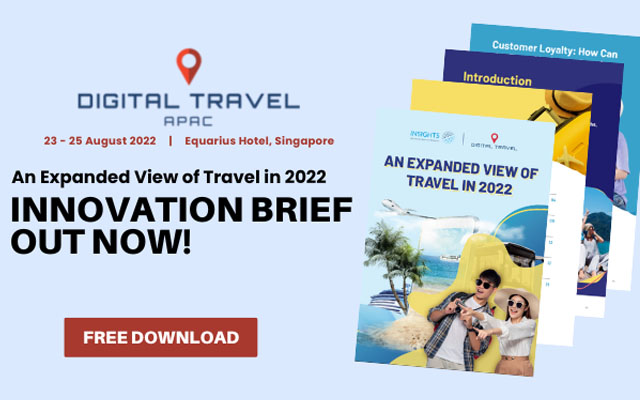 The themes in the report will also be explored in detail at the upcoming in-person Digital Travel Summit APAC 2022 (August 23 – 25, 2022), which will see about 300 travel leaders across all major verticals gather at the Equarius Hotel, Sentosa, Singapore.
Readers of TTG Asia, media partner for the event this year, can enjoy 20 per cent off prevailing ticket rates* by quoting “TTG20” upon checkout here.
*only applicable to non-solution providers/companies



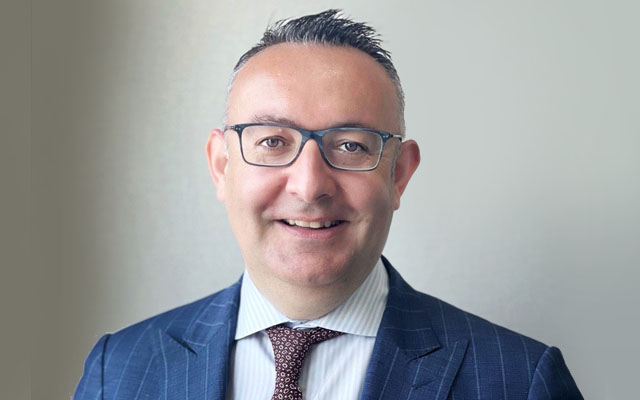
 His work has also won numerous awards during his 29 years of hotel management experience around the world.