Brought to you by Best Western Premier
From delightful getaways at breathtaking beaches to exciting sojourns at vibrant buzzy cities, Best Western Premier hotels can elevate every trip to new heights.
With 10 hotels and resorts in a choice of dream destinations in the region, including Indonesia, Thailand, Vietnam, and Pakistan, travellers can enjoy “The Premier Life” in Asia.
The Best Western Premier brand is under BWH Hotel Group (BWH) which boasts over 4,500 properties across more than 100 countries and territories worldwide.
The group also comprises of the WorldHotels Collection, Best Western Hotels & Resorts and SureStay Hotel Group.
A cut above the ordinary
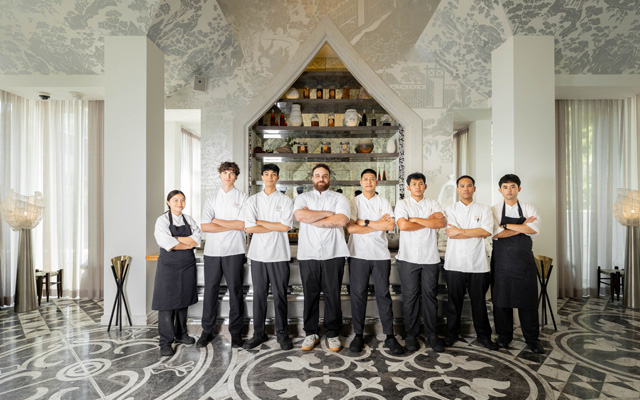
Every Best Western Premier hotel or resort in Asia promises world-class hospitality, underpinned by distinctive design, exceptional upscale amenities, and the highest standards of service.
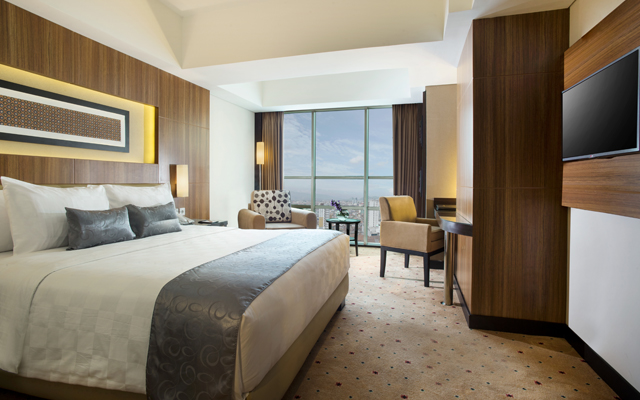
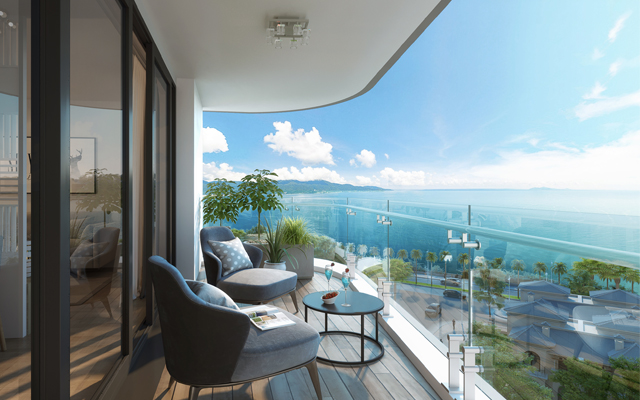
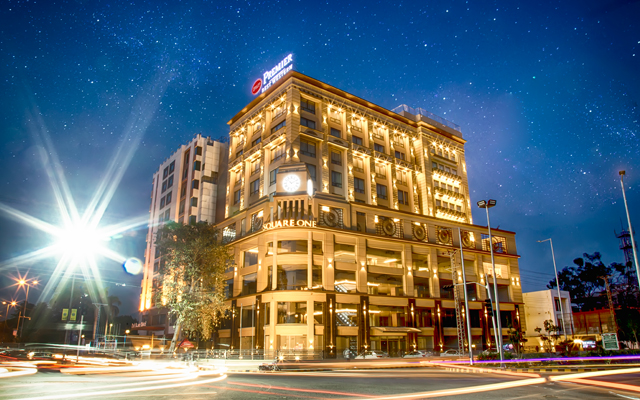
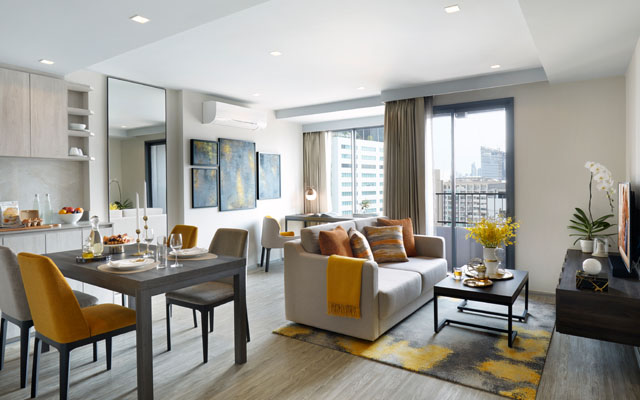
Guests can indulge in spacious, well-appointed rooms or suites, fully equipped with comfortable bedding, modern technology, and bathrooms complete with deluxe amenities.
With thoughtful leisure facilities and unforgettable dining experiences in every property, including authentic local and international cuisine, travellers can unwind in style with their loved ones.
Additionally, Best Western Rewards members receive more perks with diverse discounts on bookings, points earned for their stay, and Elite Members receive welcome gifts at check-in.
Best Western Premier in Indonesia and Thailand
Travellers planning trips to Indonesia and Thailand should consider Best Western Premier hotels and resorts there – conveniently located at tourist hotspots such as Ubud, Bandung, Batam, Jakarta and Phuket.
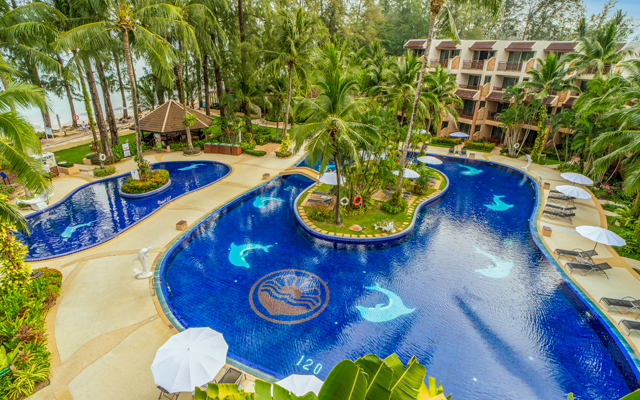
For example, Best Western Premier Bangtao Beach Resort & Spa completes the perfect picture of the ultimate beach holiday on Thailand’s azure Andaman Sea.
The awe-inspiring sea views combined with the wide range of facilities make this one of the finest family resorts in Bangtao and also an ideal location for couples to experience a romantic beachside escape.
Guests can relax in the lobby bar with a drink or enjoy a tropical cocktail in the swim-up pool bar before choosing from one of the two dining outlets on the property that serves up a delectable combination of Thai and international specialities.
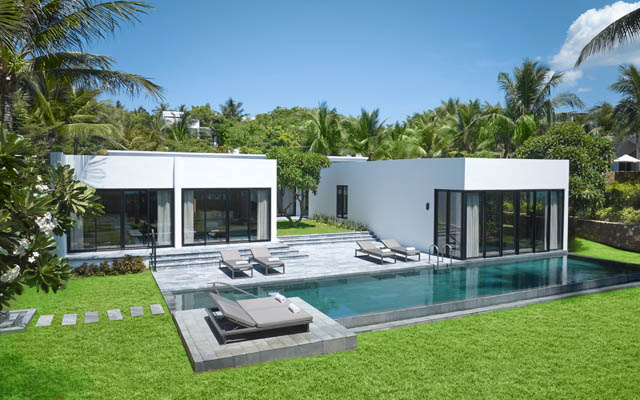
For a balmy Bali vacation, Best Western Premier Agung Resort, offers tranquility just outside of the city centre, complete with contemporary creature comforts in a lush jungle setting.
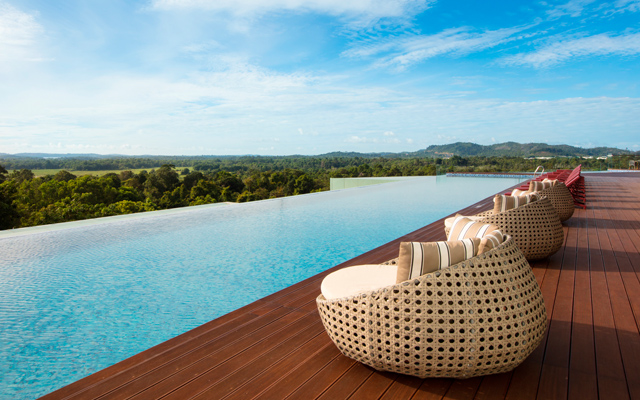
Morning walks, yoga sessions and hiking treks at the stunning Ubud resort allow guests to recharge and rejuvenate during their stay. They can also chill out at the infinity pools that the property features, alongside the poolside services, as well as massage and spa treatments available.
Whether travellers are looking for a refreshing urban break or the perfect holiday haven, Best Western Premier welcomes them with warm hospitality across Asia.
Experience the brand’s outstanding hotels and resorts in Asia:
– Best Western Premier Agung Resort, Ubud – Indonesia
– Best Western Premier La Grande Hotel, Bandung – Indonesia
– Best Western Premier Panbil, Batam – Indonesia
– Best Western Premier The Hive, Jakarta – Indonesia
– Best Western Premier Bangtao Beach Resort & Spa, Phuket – Thailand
– Best Western Premier Sapphire Halong, Ha Long – Vietnam
– Best Western Premier Sonasea Phu Quoc, Phu Quoc – Vietnam
– Best Western Premier Sonasea Villas Phu Quoc, Phu Quoc – Vietnam
– Best Western Premier Hotel Gulberg Lahore, Lahore – Pakistan
– Best Western Premier Hotel Islamabad, Islamabad – Pakistan

Vote for your favourite travel brand to win at TTG Travel Awards 2023, Asia-Pacific’s Most Prestigious Travel Industry Accolade
Vote Best Western Hotels & Resorts (BWH Hotels) for Best Mid-range Hotel Brand here.