Trip Affiliates Network (TA Network) and Netral Port (NTP) have announced Liburania Teknologi International (LTI) as the latest member to the TA Network open ecosystem.
This partnership comprises years of hospitality and travel technology experience and solutions development know-how to help tour and activities operators navigate the increasingly complex digital landscape.
Liburania Teknologi International provides B2B solutions for the distribution of attractions across Indonesia
Headquartered in Indonesia, LTI is an innovative solutions provider which provides B2B middleware, e-ticketing and payment solutions for the distribution of attractions across Indonesia archipelago. The company supports Indonesia’s digitalisation drive across the creative economies and tourism industries.
LTI’s CEO & founder, Muhammed Kurniawan, said: “TA Network offers a range of broad resources and connected partners across the region, and with the omni-channels and connectivity solutions, TA Network opens more opportunities for us.”
TA Network brings together Asia-Pacific’s inbound travel operators, wholesalers, travel management companies, hotels, airlines and attractions on a single platform to collaborate more effectively to raise their direct business volume with one another.
Josua Sugandhi, managing partner at NTP, added: “As an ecosystem, we have started to gather critical mass across Indonesia to help attractions and activity wholesalers improve market share and focus on their channel relationships.
“The effect of digitalisation has created many positives for the travel sector. Together with LTI, we want to work with like-minded partners to accelerate digitalisation, creating sustainable growth and productivity.”
Accor has teamed up with Commonwealth Bank of Australia (CommBank) and Bank of New Zealand (BNZ) to provide even greater benefits, privileges and experiences to members of Accor Live Limitless (ALL), the free lifestyle loyalty programme of Accor.
Members of ALL can now transfer their CommBank Awards and BNZ Rewards points into ALL Reward points to redeem for their next holiday or to unlock tickets to some of the most popular concerts, shows and sporting events.
Accor Live Limitless members can now transfer their bank reward points into ALL Reward points
Five CommBank Awards points will convert to one ALL Reward point, while seven BNZ points will convert to one ALL Reward point.
Accor Pacific CEO, Sarah Derry, said: “This offer creates greater fluidity between bank currencies and ALL Reward points, providing unmatched benefits to members of ALL. This new benefit means that members of ALL, who are also CommBank or Bank for New Zealand customers, can boost their Reward points to allow them to redeem hotel stays and other incredible experiences.”
From now until April 30, members of ALL will receive 50 per cent bonus Reward points when they transfer their CommBank Awards points.
The newly-opened Outrigger Koh Samui Beach Resort on Lamai Beach presents to guests a new magic theatre show that the whole family will enjoy.
The Illusions Theatre magic show will run six nights a week in the resort’s 71-seat air-conditioned show theatre from April 17. From Monday to Saturday, there will be two one-hour shows nightly – the 19.00 show is suitable for the whole family, while the 21.00 performance is for those aged 15 and above.
The Illusions Theatre magic show will run six nights a week at Outrigger Koh Samui Beach Resort
Magic show guests can enjoy pre-theatre dining and drinks at Outrigger’s Edgewater Beach Club restaurant and bar.
Tickets are priced at 1,200 baht (US$35) each for adults and children.
This summer travel season is heating up for many Indian travel consultants, who have reported robust bookings both for shorthaul and longhaul destinations this year compared to the last year.
For this peak summer season, Rajeev Kale, president & country head, holidays, MICE, Visa-Thomas Cook (India), noted that longhaul travel demand has quadrupled while shorthaul destinations have tripled over 2022.
India outbound travel demand for Hong Kong has returned strongly; Hong Kong Observation Wheel pictured
“Europe continues to top our demand pipeline with a surge of over 300 per cent for the upcoming summer holidays, followed by South-east Asia’s Singapore, Malaysia, Thailand and Indonesia. Vietnam and Cambodia are also witnessing brisk business. Other destinations like the Maldives, Mauritius, Dubai, Abu Dhabi and Ras Al-Khaimah are also (in demand),” Kale added.
Meanwhile, Varun Gupta, partner of Travelz Factorry, remarked: “The outbound travel demand this year is surpassing the previous year’s growth. Destinations like Vietnam, Turkey and Azerbaijan are recording strong (interest). On the other hand, the demand for Hong Kong has returned strongly. Popular destinations like Singapore, Malaysia, Thailand and Dubai are already recording demand comparable to the pre-pandemic numbers.”
Agents say demand is fuelled by various traveller segments.
Daniel D’Souza, president & country head – holidays, SOTC Travel, sees demand streaming in from multigenerational families, Gen Zs, millennials, DINKs and solo travellers.
He said: “Despite increased airfares and room rates, and we are witnessing high demand emerging from not only India’s metros, but also mini metros, tier-two and tier-three cities.”
Latest data by Trip.com shows a rise in demand for travel to destinations in the Asia-Pacific, with booking trends to popular spots, such as Japan, South Korea and Hong Kong consistently reaching high search figures.
Japan consistently ranked among the top five destinations globally in terms of bookings and search volumes since entry restrictions were eased in 4Q2022. According to Trip.com data, global hotel bookings for arrivals between March 15 and June 30 increased by 237% YoY. Global flight bookings also increased by 317% (2022-2023) for travellers during the same period. The most popular European flight routes were from London to Tokyo and Paris to Tokyo.
Ranked among the top five destinations globally, Japan is famous for its cherry blossom season between March and April
Popular times to visit Tokyo, Kyoto, and Osaka is between March and April for cherry blossom season in Japan – travellers can also enjoy Japan’s unique blend of culture, incredible landscapes and delicious food. According to Trip.com data, the top three cities visited in Japan were Tokyo, Osaka and Kyoto.
As for South Korea, Trip.com data reveals that global hotel bookings for arrivals between March 15 and June 30 increased by 51 % YoY (2022-2023). Flight bookings from Europe (the UK, France, Italy, Spain and Germany) increased by 456% YoY (2022-2023) for arrivals during the same period. The most popular flight routes were from London to Seoul, followed by Paris to Seoul.
The capital, Seoul, is the most popular visited city, according to Trip.com data. Jeju Island is the second most popular destination.
Following China’s decision to reopen borders in December 2022, Hong Kong became one of the top five tourist destinations for outbound visitors from the mainland.
Globally, hotel bookings for arrivals to Hong Kong are also up. Between March 15 and June 30, arrivals expanded by 13% YoY from 2022. Flight bookings from Europe (the UK, France, Italy, Spain and Germany) increased by a massive 1,362% YoY from 2022 to 2023, for arrivals during the same period. The most popular flight route was from the UK to Hong Kong, followed by Germany to Hong Kong.
Cathay Pacific will be planting 20,000 mangrove trees in South-east Asia this year with its commitment to plant a tree for every flight ticket purchased in the region during the 1 Ticket, 1 Tree campaign held in 2022.
To commemorate Earth Day, which falls on April 22, volunteers comprising Cathay Pacific employees, trade agents and other partners will be gathering at various mangrove forests across South-east Asia in April and May to kickstart the planting of mangrove trees in their respective countries.
Cathay Pacific will commit to planting 20,000 mangrove trees in South-east Asia this year
The first site in the Philippines’ Hagonoy, Bulacan will plant 8,000 mangrove trees with the remaining 12,000 trees to be planted in Thailand, Indonesia, Malaysia and Vietnam.
1 Ticket, 1 Tree was launched in Thailand in 2021, with the aim of supporting local communities, restoring local habitats and driving climate resilience. The campaign was rolled out to the whole of South-east Asia in 2022, with the airline committing to plant a tree for every ticket purchased in the Philippines, Thailand, Indonesia, Malaysia, Vietnam, Cambodia and Singapore. The airline is working with local environment and community partners for the tree-planting effort.
Dominic Perret, regional general manager of Cathay Pacific in Southeast Asia and Southwest Pacific, shared: “Since our pilot in 2021, interest in the 1 Ticket, 1 Tree initiative has been high among our employees, trade agents and business partners, many of whom have been helping to spread the word, enquiring about future campaigns, and volunteering their time to plant trees with us as well.
“We are happy to see conversations about sustainability being stimulated and hope more in the community will be inspired to come together to have a positive impact on our environment.”
Meanwhile, Cathay Pacific is working with Fostering Education & Environment for Development (FEED), and One Child, One Tree in the Philippines.
Anne-Marie Mananquil Bakker, director of partnerships, FEED, commented: “Preserving our mangrove forests is vital as it has a lasting positive impact on our local community’s livelihoods and food security, as well as the Philippine’s carbon mitigation and biodiversity targets. Such an endeavour requires a whole-of-community effort, and we are very happy to work with like-minded corporate partners such as Cathay Pacific to further this cause.”
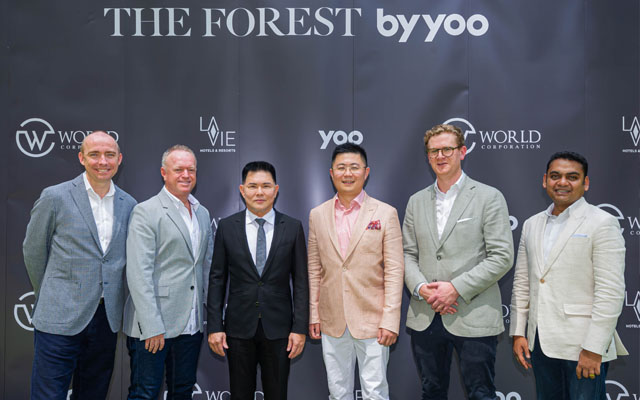
La Vie Hotels and Resorts has partnered with international interior design and lifestyle group Yoo to bring the upscale Yoo2 Hotel and luxury By Yoo villas brands to Phuket, slated to open in 2026.
This signing follows last year’s announcement in Australia that Yoo will make a play in Melbourne, after La Vie secured the exclusive rights to bring the brand to the Pacific.
The Forest by Yoo is expected to open in 2026
The Forest by Yoo, will be the first design-led lifestyle hotel and luxury villa combined property to enter the market. Spread over two separate zones, both Yoo2 and By Yoo luxury villas will include signature restaurants, all-day dining, swim up bars, live music and entertainment. Located on the mountain rises at the southern end of Patong, the property will be designed to limit impact on the existing tropical forest.
The Forest by Yoo will add almost 600 rooms to Phuket’s room inventory.
Yoo2 will offer 432 guestrooms, a spa, F&B options, and event venues.
By Yoo luxury villas will boast 131 units, and include a Yoo Clubhouse with restaurant, bar, gymnasium and pool deck.
Chris Batterham, chief development officer at La Vie Hotels & Resorts, said: “Phuket continues to be a world-class destination and a mecca for travellers from all over the globe, and we are excited to be working with the Yoo team, once again, to bring these properties to life.”
Craig Bond, managing director of La Vie Hospitality Group, commented: “We believe that the Yoo2 and By Yoo brands will set a new standard in the hospitality industry in Phuket, offering a unique and unforgettable design-led lifestyle experience for our guests.”
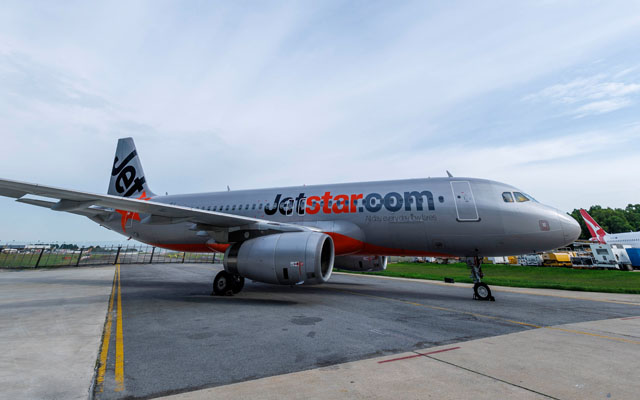
Jetstar Asia will resume services between Singapore and Haikou on April 29, following a three-year suspension as a result of the pandemic, just in time for the Golden Week Labour Day long weekend.
The new Jetstar Asia services will operate on Wednesday, Friday, Saturday and Sunday, departing Singapore at 07.25 and arriving at Haikou at 11.05. From Haikou, the flight will depart at 12.00 and arrive in Singapore at 15.30.
Jetstar Asia will resume services between Singapore and Haikou on April 29 flying four times a week
The Singapore-based low-cost airline is expecting to fly more than 70,000 customers each year between the two destinations, operating four weekly return services (pending regulatory approval) to meet the pent-up demand for travellers wanting to return to the port city and capital of China’s island province of Hainan.
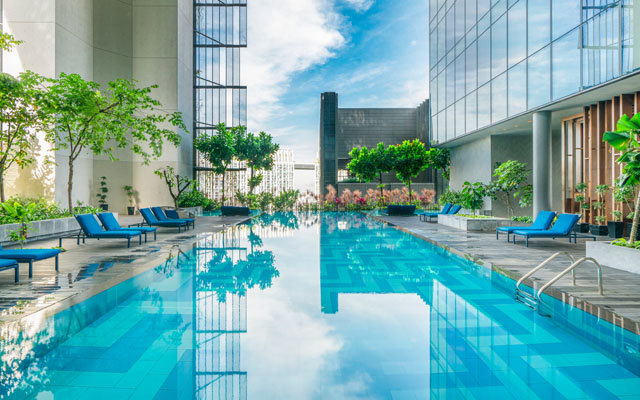
Oasia Hotel Downtown, Singapore unveils two Wellness in the City packages, allowing guests to curate their wellness journey through a two-day Revitalising Escapade or a three-day Holistic Retreat.
Complimentary daily wellness activities are available, including a range of fitness programmes, neck and shoulder massages, and evening cocktails and canapé. Guests can enjoy exclusive access to the Club Lounge where they can create their own wellness bowls for breakfast.
Oasia Hotel Downtown, Singapore has rolled out two Wellness in the City packages for guests
Guests can choose from two wellness activities – a Mental Wellness Workshop on either breath work, active meditation, or embodied movement; and a four-hour Historical Cycling Tour to explore the city with pit-stops to sample local delicacies.
Priced from S$570 (US$428), the Revitalising Escapade includes one-night stay in a Deluxe Room inclusive of Club benefits, high tea at The Marmalade Pantry, daily breakfast at Club Lounge, and a choice of one wellness activity.
The Holistic Retreat starts from S$1,099 for two-nights’ stay in a Deluxe Room inclusive of Club benefits, daily breakfast at Club Lounge, an Italian dinner on their second evening at OSO Ristorante, and a choice of one wellness activity.
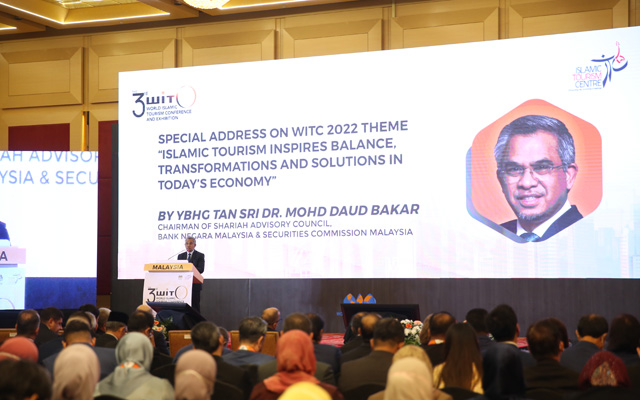
The Muslim travel space presents massive opportunities where global Muslim tourist expenditures in 2028 is forecasted at US$225 billion while worldwide Muslim tourist arrivals in the same year is expected to hit 230 million.
For travel and hospitality industry players keen to tap into the billion-dollar Muslim tourist market, they can capitalise on the capabilities and services provided by Islamic Tourism Centre (ITC), an award-winning agency of the Ministry of Tourism, Arts and Culture, Malaysia.
First and only government agency ITC is the first and only government agency in the world that focuses on Islamic tourism development.
Since 2009, it has championed Islamic tourism and developed the growth of the Muslim-Friendly Tourism and Hospitality (MFTH) industry for Malaysia and shared its expertise with the world.
Nur Alyssa Coraline Yussin, acting director-general, ITC, told TTG Asia: “ITC takes proactive measures to strengthen the Islamic Tourism ecosystem by empowering local industry players and the general public who are interested in tapping into the lucrative Muslim tourist market.”
Working closely with Malaysia’s tourism industry players, ITC has trained and recognised up to 131 Muslim-Friendly Tourist Guides (MFTGs) country-wide.
Through the Islamic Tourism Entrepreneurship and Leadership Seminar (ITELS) series held last year, the agency had also reached out to 314 business owners and aspiring entrepreneurs, sharing with them the prospects of the Muslim tourist market and the business resources to succeed.
In the same year, the Mosque Visit Guide Training (MosVi) enrolled 31 mosque representatives interested in the potential of developing their mosques as a tourist attraction.
Today, Malaysia is the world’s leading Muslim-friendly destination with the capacity to further bolster its position in the future.
Muslim-friendly tourism
1 of 6
ITC has rebranded its trademark MFAR to become a more inclusive programme relevant to industry stakeholders beyond the hotel sector
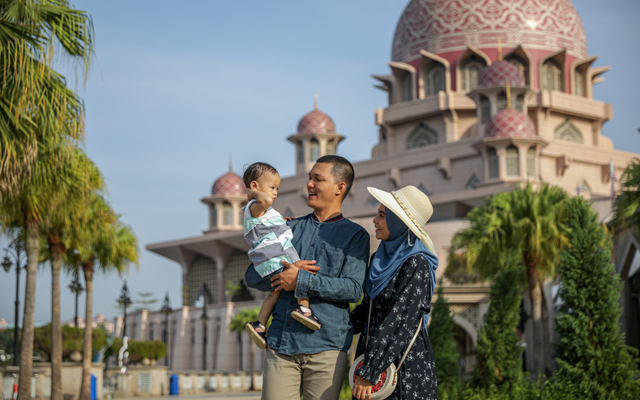
The MFTH branding firmly positions travel offerings to attract the growing Muslim tourist market
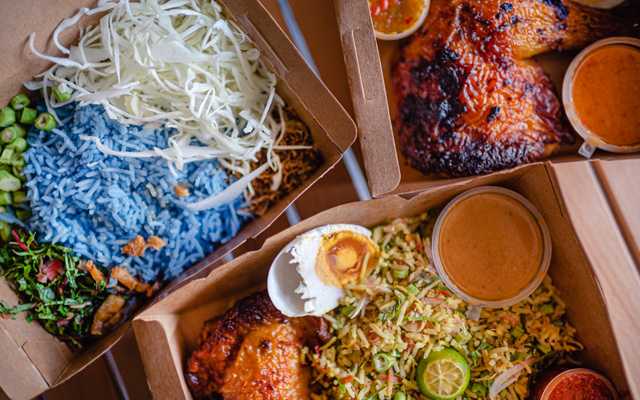
Muslim travellers must abide by Halal, the Islamic dietary standard
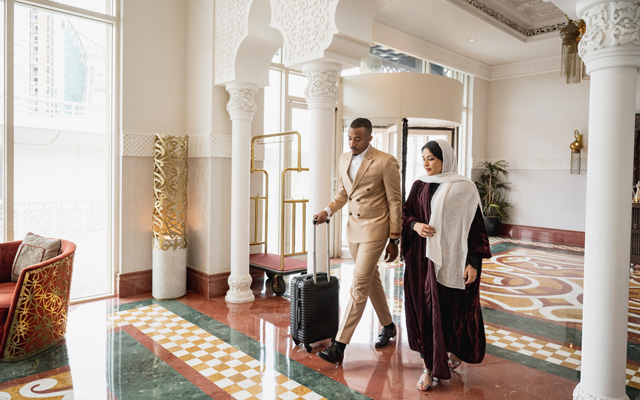
Hospitality operators can gain the trust of the Muslim tourist market by getting their premises rated and periodically audited by credible recognition programmes offered by ITC
Destinations with Muslim-friendly products, services and facilities are top choices for Muslim tourists
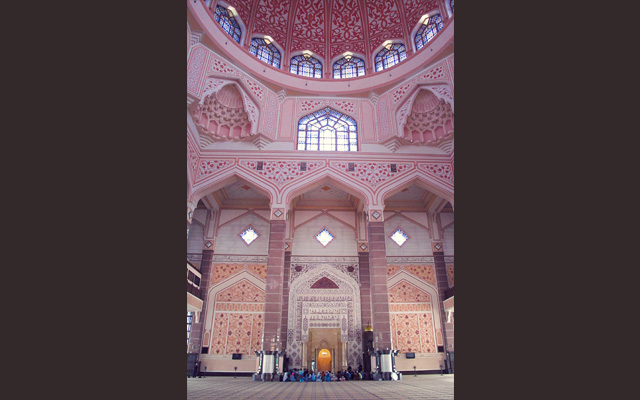
Tourism businesses can learn more about the opportunities available in the Muslim tourist market through ITC’s knowledge-sharing events
Cater to unique needs of Islamic tourism Industry players keen to operate within the MFTH space should come up with or enhance their products and services as a value-add to Muslim travellers who do not wish to compromise their faith-based needs while travelling.
For example, accommodations with Muslim-friendly services and facilities are always a top priority for Muslim tourists. The provision of prayer rugs, prayer direction signage, and halal food and beverages will contribute greatly to guest satisfaction.
Hospitality operators can gain the trust of the Muslim tourist market by getting their premises rated and periodically audited by credible recognition programmes like the Muslim-Friendly Tourism and Hospitality Accreditation and Recognition (MFAR) offered by ITC.
Muslim travellers also enjoy getting a taste of local delicacies but must abide by the Islamic dietary standard – Halal. These are permitted foods for Muslim consumption and are prepared according to the teachings of Islam which include how meats are slaughtered and the absence of prohibited items in meals.
They will travel with ease of mind, knowing that there are halal-certified food and beverage outlets approved by a competent authority like the Department of Islamic Development Malaysia (JAKIM) and other recognised certification bodies at the destination visited.
The MFTH branding firmly positions businesses and destinations to attract the growing Muslim tourist market, as well as informs the market of the added value and enhanced experience businesses provide towards welcoming Muslim travellers.
Assistance from ITC ITC provides support and expertise to businesses and destinations to get on board, work towards successful product and service development and delivery, leading to increased market engagement, attraction and loyalty.
Through industry insights, market intelligence, research into the Islamic tourism development, training, knowledge-sharing through conferences and publications, Muslim-friendly standards and recognition programmes, and advisory services, the government agency has led industry players in strengthening their position in Islamic tourism.
For example, tourism businesses can upskill and prepare themselves to meet the demands of the Muslim tourist market with ITC’s training programmes that give clarity to the behaviours of the market and what it demands from industry stakeholders.
They can also learn more about the opportunities available in Islamic tourism and the Muslim-friendly tourist market through ITC’s knowledge-sharing events, publications and platforms.
Growth opportunities
To keep up with the changing landscape of the tourism industry, ITC has recently rebranded its trademark MFAR to become a more inclusive programme relevant to industry stakeholders beyond the hotel sector.
Yussin added: “To further strengthen and sustain the Muslim-Friendly tourism and hospitality ecosystem, ITC is collaborating with higher learning institutions and industry leaders through quality research that introduces fresh ideas and insights into the Muslim tourist market. There’s growth opportunities within this market, and the research which we present at the Islamic Tourism Symposium (ITS) will expand the body of knowledge of Islamic Tourism and stimulate this growth.”
Keen to learn more about the opportunities in the lucrative Muslim tourist market?
Arabian Travel Market, Dubai(May 1- 4, 2023) Visit ITC at the Malaysia Pavilion (AS6410) Be the first 20 visitors to mention “Muslim-Friendly Tourism with ITC” and receive a special gift