InterContinental Hotels Group has appointed Rajit Sukumaran as chief development officer in the Asia, Middle East and Africa (AMEA) region.
Sukumaran brings with him over 12 years of experience as senior vice president, acquisitions and development for Asia-Pacific at Starwood Hotels and Resorts.
Prior to joining Starwood, Sukumaran worked in the corporate finance division of PricewaterhouseCoopers Singapore, dealing with several cross-border corporate transactions including mergers, acquisitions and initial public offerings.
The recent announcement by Malaysian prime minister Najib Abdul Razak that Sabah’s Sandakan Airport runway will be extended to handle both direct and chartered flights from China has been met with positive reception from the Malaysian Association of Tour & Travel Agents (MATTA).
MATTA’s vice president for inbound and domestic, KL Tan, said: “Increased tourists arrivals will boost the economy. There were 183 charter flights from China to Kota Kinabalu (Sabah’s state capital) in 2016 but none directly to Sandakan.”
Tan believes that Sandakan’s food and culture will appeal to Chinese tourists as the market is now more “mature and want to experience authenticity and nature”.
He indicated that there has been more enquires to eco-attractions like Turtle Island Borneo, Sepilok Orang Utan Rehabilitation Centre and Kinabatangan Wildlife Sanctuary.
But for Sandakan to be able to cater to the influx of Chinese tourists, Tan urged stakeholders to work faster to ensure there are enough F&B outlets, hotels and attractions. As well, Mandarin-speaking guides and an efficient transportation system are also required.
“A glaring setback for Sandakan is the lack of proper beaches for tourists to enjoy watersport activities. But it will ease the lack of accommodation for Chinese tourists to Kota Kinabalu during the peak season, and we certainly welcome a more balanced spread of Chinese tourists to other towns in Sabah,” concluded Tan.
To mark the 20th anniversary of the HKSAR’s establishment this July, the creative industries and culture will take the spotlight in the city’s celebration activities in 2017.
The Hong Kong government has set aside an extra HK$74 million (US$9.5 million) for the Hong Kong Tourism Board (HKTB) to enhance seven mega events in 2017. A new four-day carnival along Central’s waterfront is planned for August, while celebratory programmes are added to the Hong Kong Wine and Dine Festival and Hong Kong November Feast.
Hong Kong Dragon Boat Carnival 2016
A HKTB spokesman revealed that coupon booklets with a wide array of deals will be available to the public at HKTB visitor centres and various hotels from April, as well as special souvenirs for events such as the Hong Kong Dragon Boat Carnival and Hong Kong Cyclothon.
“Additionally, we will also to work with major payment platforms, lifestyle portals and social media, such as Alipay and Dianping, to promote related 20th anniversary travel products and offers to attract more mainland visitors,” the spokesperson added.
As “most details of the celebration only came online in late 2016”, Sincere International Travel Service’s chairman Charles Ng lamented that he was not able to leverage the celebratory events to attract more overseas visitors in the first two months of the year.
Holiday World Tour, managing director, Paul Leung is hopeful that the celebrations will stimulate other markets in place of China, which is likely to remain sluggish this year.
He said: “The selected mega events have been running for a while now so new elements may help to drum up (greater awareness) for the global markets. In fact, the board should not just do it just for the 20th celebration, but keep injecting new ideas every year.”
Tourists doing a boat tour on the Varanasi River in Uttar Pradesh, India
India tour operators have noted tentative signs of improvement in German inbound tourism, following a decline in recent years as global negative coverage of the rape cases in India affected the destination’s image and deterred some German tourists from visiting.
A K Ravichandran, Frankfurt-based associate vice president-tours (sales) of Mercury Travels, explained: “The German market was more sensitive (than other European countries) because women in Germany are often the decision makers for their family holidays.”
Tourists doing a boat tour on the Varanasi River in Uttar Pradesh, India
A positive sign that Ravichandran observes is the “slight improvement in FIT bookings from Germany, especially from the wellness segment”.
Sharing similar observations, Indo Asia Tours deputy general manager Lalit Atrish said: “We are seeing around five to seven per cent more enquiries from the German market, and we expect a full recovery of the market in one to two years time.”
Likewise, Cox & Kings’ general manager destination management Sunil Verma is recording some 10 per cent more queries from the Germany.
But amid signs of recovery, German travellers are displaying a greater concern for costs though.
Atrish added: “Germans used to stay at four-star hotels at the least, but now they are going for three- or even two-star hotels. German revenues are now lower even though the passenger numbers remain the same. They are becoming more value-conscious than other markets like the Americans or Australians.”
Mercury Travels’ Germany-based tours manager, Hans Köhler, thinks a lot more can be done to improve India’s image among international tourists.
“India suffers from a lack of information and awareness in Germany. Following the negative publicity, there should had been a marketing blitz on the authorities’ part in Germany, France, Switzerland and Italy, instead of TV advertisements on India given to just CNN and BBC,” he remarked.
As well, India’s rigid visa policies with cumbersome requirements remain a perennial challenge for travel agents selling the country to the European markets.
“We can’t expect an increase in tourism to India if visa issues persist,” said Köhler. “It’s shameful India’s getting just around 220,000 Germans each year when Thailand’s getting at least 10 times more.”
Vietnam’s beach destinations are coming into sharper focus for Bangkok Airways as it seeks to replicate its success in connecting the longhaul market with South-east Asia through its Bangkok, Koh Samui and Chiang Mai hubs.
The airline’s president Puttipong Prasarttong-Osoth said: “Bangkok Airways has done quite well in drawing Europeans to our destinations in South-east Asia. We are also looking forward to opening more routes to new, smaller beach destinations in the Indochina region.”
Coming up next on its network expansion plan is Vietnam’s Phu Quoc, where Puttipong sees the island’s visa-free entry for all nationalities and its novelty as “positive points” that can stimulate passenger demand for the Bangkok-Phu Quoc route.
Frequency for its Bangkok-Danang service, launched in May last year, has already been stepped up from four-times weekly to daily since February.
Beyond these two Vietnamese destinations, Bangkok Airways will expand its network to Ho Chi Minh City and Hanoi through codeshare partners in the near future.
Chiang Mai-Vientiane, Chiang Mai-Bagan and Bangkok-Nakhon Ratchasima services are expected to take off soon, pending government approval.
And despite Bangkok Airways’ recent interest in growing seat capacity from China, the airline chief believes that growing Chinese visitor numbers to Koh Samui – where it owns and operates the island’s airport – will not squeeze out the European market which has been a traditional stronghold for the destination.
“The European market will still be the strength of our Samui routes, with the number of passengers still growing every year.
“Even though we have started new routes to China market and started picking up some Chinese tourists, the selective destinations we fly to in China bring us higher-quality tourists who are different from the group-tour market,” said Puttipong, adding that these two core markets visit the island in different seasons and help support year-round passenger demand.
Meanwhile, the airline has announced intentions to build two new airports – one in Thailand, the other in Indochina – but declined to give further information at press time.
Will these be located in beach destinations? Stay tuned.
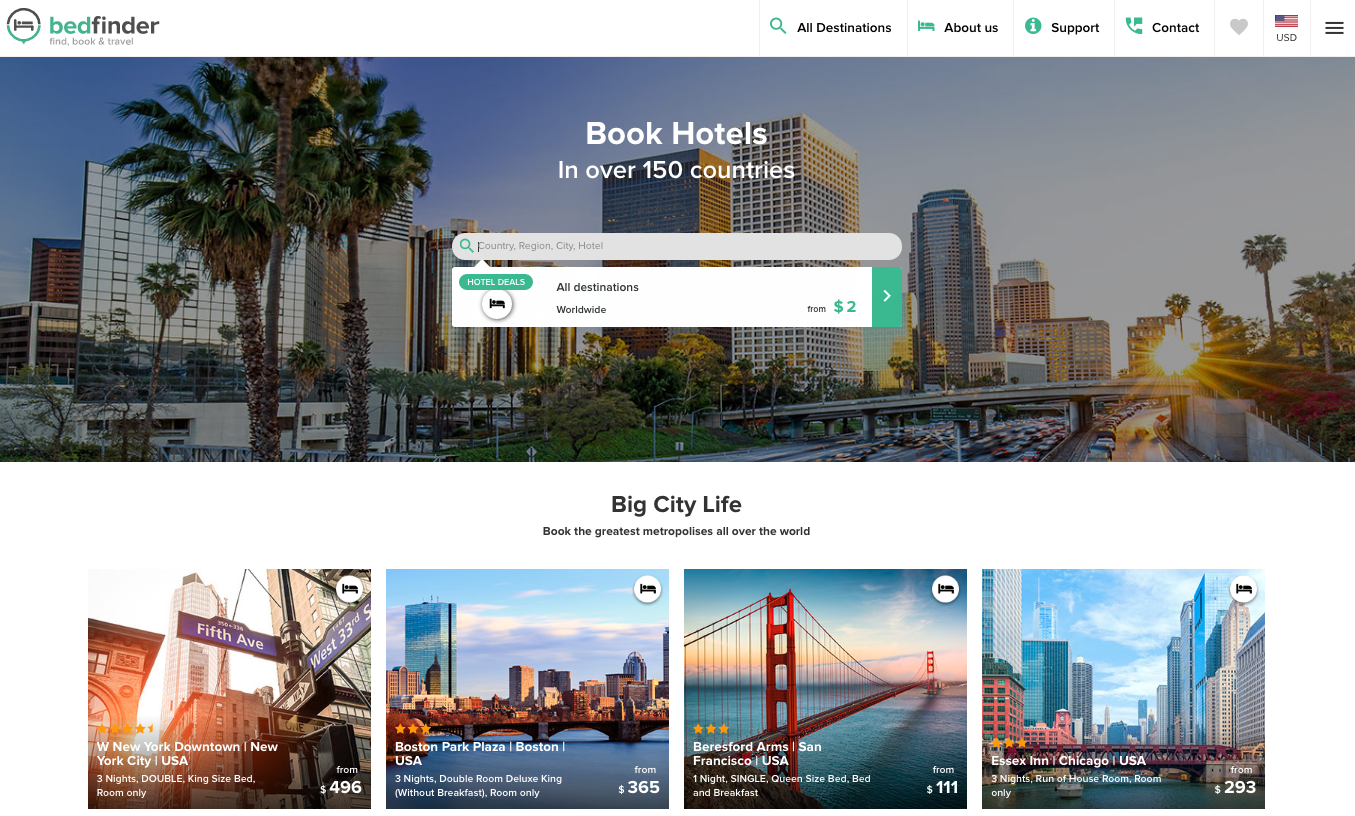
Encouraged by its pilot with Book on Google, Hotelplan Group is pressing on with its vision to partake in the new economy and tap international markets through its new platform, bedfinder, which sells directly to customers on modern web platforms and provides white label products and technology to interested parties.
Bedfinder was one of the first to sell directly to US customers on Book on Google which went live last September in the US, enabling US travellers to book travel on Google Search, Google Maps and Google+ without having to leave the sites featured.
Hotelplan Group CEO Thomas Stirnimann told TTG Asia that bedfinder offers US customers best rates and availability from its 400,000 hotel contracts worldwide. In “no time at all” after going live, it generated some US$5 million in bookings, he said.
While bedfinder currently offers only hotels to the US market, its next aim is to offer full packages.
“Travel distribution is going through another change. All the travel meta searches, and now Google, are pushing into travel sales, but they don’t necessarily or at least not yet have travel fulfilment.
“What these players do better than us is they are masters at search. But what we do better is the technical fulfilment of a trip, including content, payment, liability, etc, which opens new opportunities for us,” said Stirnimann, adding that bedfinder has also attracted the likes of TripAdvisor and Kayak with whom Hotelplan is now in talks.
Having seen how bedfinder enables Hotelplan tap the US market, Stirnimann is excited about the potential of tapping other international markets. This will be addressed this year.
“Our vision is to be ready to distribute our travel products worldwide – be it to Brazilians or Thais – without have to be locally present in the countries,” said Stirnimann.
Meanwhile, in the traditional business, Stirnimann said Hotelplan is now market leader in Switzerland, ousting long-standing competitor Kuoni which is now under Rewe.
The latest hotel openings and announcements made this week
Banyan Tree Jiuzhaigou
Banyan Tree Hotels & Resorts will be opening the 209-key mountain retreat in Sichuan Province on March 1. Amenities on-site include a spa, five F&B options, karaoke rooms, an entertainment centre for mahjong or board games, and a play area for the little ones. Recreational facilities include a gym, yoga facility, and an indoor and outdoor swimming pool. As well, there are three meeting rooms, one boardroom, a pre-function area and a 610m2 Banquet Hall for business events.
Ananda Hua Hin Resort & Spa
Slated to open on April 1 is the seaside resort on the Gulf of Thailand, offering 162 rooms, 11 suites and 23 pool villas, where the villas range from 188m2 to 268m2 in size. Facilities on the property include a pool, kids’ club, spa, 900m2 ballroom, as well as four F&B options, which includes Blue Biscuit, a club/restaurant that will host live blues and jazz performances.
Mercure Kuala Lumpur Shaw Parade
AccorHotels has launched its first Mercure property in the Malaysian capital. Located in Pudu, at the fringe of Kuala Lumpur’s Bukit Bintang shopping belt, the hotel features 213 keys, an all-day dining restaurant, a lobby lounge, gym and rooftop pool bar. For events, the hotel’s three meeting rooms can accommodate up to 60 guests.
ibis Bangkok IMPACT
Located a 15-minute drive from Don Mueang International Airport or 30-minute drive from downtown is the new 18-storey ibis Bangkok IMPACT. The hotel’s 587 rooms come with complimentary Wi-Fi, 32-inch flatscreen LED TVs, an in-room safe, and tea- and coffee-making facilities. Amenities include the 500-seater Taste Restaurant, and a 24-hour ibis café & bar.
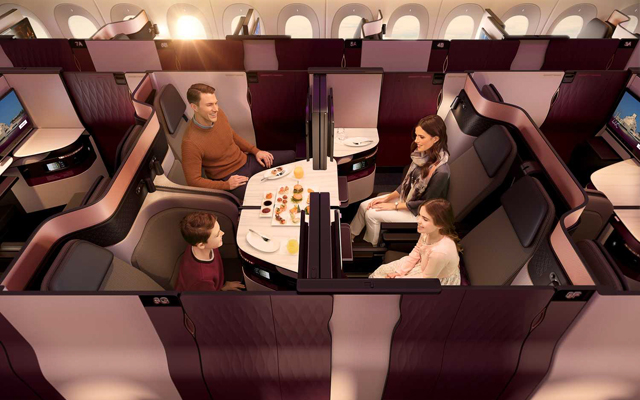
Qatar Airways has unveiled the QSuite, the airline’s newest Business Class experience.
Two years in the making, QSuite features the industry’s first-ever double bed available in Business Class, with privacy panels that stow away, allowing passengers in adjoining seats to create their own private cabin. Adjustable panels and movable TV monitors in the centre of four seats allow people travelling together to transform the space into a private suite.
The QSuite concept will be retrofitted on to the existing Qatar Airways fleet starting from June 2017, at an estimated rate of one aircraft a month.
As well, Business Class travellers can sleep in exclusively-designed cotton sleeper suits produced by The White Company, while amenity kits – featuring a bag created by luggage brand BRIC’s and Castello Monte Vibiano Vecchio products – are also provided.
Moreover, Qatar Airways will be launching a new F&B concept. In addition to the existing ‘dine on demand’ service, the new Business Class menu will now offer a selection of snack ‘sharing dishes’ available throughout the flight.
The airline will also be launching a new next-generation user interface of Oryx One, its entertainment platform. Oryx One’s interface has been redesigned to make it easier to surf content and choose from up to 3,000 entertainment options.
Bangkok-based real estate developer, Country Group Development, will be opening Capella Bangkok, in the Thai capital in 2018.
The city’s first Capella hotel will comprise 101 guest suites and river villas, a bar, two restaurants, and a riverfront ballroom complete with function rooms.
Capella Bangkok
Capella Bangkok will be part of a luxury residential and hotel development known as The Chao Phraya Estate, and is one of the two international hospitality anchors within the development. Occupying 5.7 hectares on the east bank of the River of Kings, The Chao Phraya Estate is Country Group Development’s largest project to date, valued at 32 billion baht (US$918 million).
Nicholas M Clayton, CEO of Capella Hotel Group Asia, said: “We are delighted to announce Capella Bangkok as one of three new properties to be launched in Asia within the next 15 months. Capella Shanghai will open in late spring 2017, Capella Ubud follows in the autumn and Capella Bangkok will welcome guests in summer 2018.”
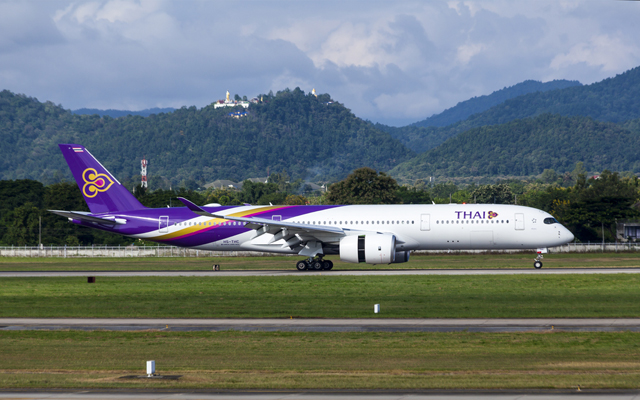
Thai Airways International (THAI) intends to increase capacity to Europe where it already boasts 12 direct connections.
The airline is seeing “very strong” Europe performance and load factors, according to THAI’s vice president, sales department, Bryan Banston, who added that the carrier finally sprung back from the black in 2016, prompting further confidence in its business outlook this year.
Thai Airways
“One of our key strategies is to grow European routes to daily in the short term. These include Brussels, Milan, Rome and Moscow,” he told TTG Asia.
Besides doubling its Frankfurt and London services to double daily in late 2015, the airline’s resumption of four-times weekly services to Moscow in December 2016 has already witnessed “booming” traffic from Russia, according to Banston.
Meanwhile, the recent delivery of two Airbus A350-900XWBs has also enabled THAI to pursue European capacity growth by deploying the new widebody aircraft on the Milan and Rome routes.
Said Banston: “The A350 has proven itself well in Italy, and we expect it to do well in Europe.”
Furthermore, THAI is also leveraging its relationships with Star Alliance member airlines in Europe, particularly in markets like the Netherlands and Spain where it doesn’t have direct connections yet, said Banston.
The airline has also revealed clear ambitions to position itself as a network carrier in South-east Asia through its Bangkok hub. “We see good growth in network selling,” said Banston. “We also see opportunities to focus on our network to move passengers beyond Bangkok to other parts of South-east Asia, Asia and Australia.”
Regional subsidiary Thai Smile will hence play an integral role to generate new feed for THAI’s longhaul network, as it has fallen behind competitors in terms of regional network development in recent years. For instance, it has identified Europe to be a good source for Thai Smile’s Kota Kinabalu-Bangkok service starting the end of this month.
Banston also sees opportunities in driving European passenger demand into secondary destinations in Thailand like Phuket, where it recently added a Frankfurt-Phuket link in November 2016.
When asked if the aggressive competition of the Gulf airlines on the Europe-Asia market poses any threat, Banston said: “THAI’s edge lies in our non-stop operations, which comprise one long and short sector. Premium and corporate passengers prefer such arrangements than to have the leg broken up into two.”