TTG Asia
Asia/Singapore Thursday, 25th December 2025
Page 1611

Langdon picked to head Mövenpick’s new development role

0

Mövenpick Hotels & Resorts has appointed senior vice president Asia Andrew Langdon as chief development officer, a new role that was carved out to drive the growth and expansion of the Swiss hospitality brand in key targeted destinations.

Asia remains a key expansion market for the Swiss hospitality group and Langdon’s focus will continue to be on the region while driving growth opportunities in the Middle East, Africa and Europe to meet the company’s global vision of operating more than 100 properties by 2020.


Langdon

“We are well under way to exceeding our 2020 target with 36 properties planned or under construction to add to the 83 hotels we currently operate, furthermore we are well on the way to reaching our objective of signing upto an additional 20 more hotels and resorts in 2017 alone,” said Langdon.

“Asia will continue to be central to our growth strategy with recent milestones accomplished with the opening of Bali, Indonesia, Colombo, Sri Lanka and Bangkok, Thailand, already this year, with a further five hotels to open in the Philippines, China and three more in Thailand in 2017.”

Bangkok most visited, Singapore draws highest spending in APAC

0

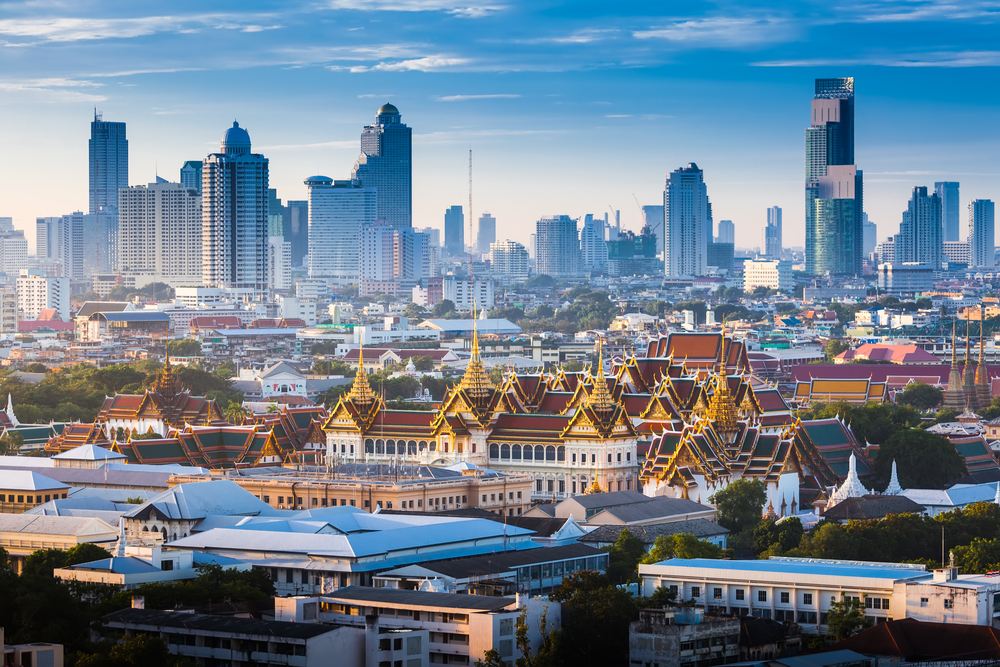
Bangkok remains the most visited destination in Asia-Pacific while Singapore continues to lead in total visitor expenditure, according to the latest findings from the Mastercard Asia-Pacific Destinations Index 2017.

Overnight arrivals to the 171 Asia-Pacific destinations surveyed in 2016 stood at 339.2 million (9.8 per cent CAGR 2009-2016), led by Bangkok which tracked 19.3 million visitors.


Bangkok

Singapore (13.1 million) came in second, followed by Tokyo (12.6 million), Seoul (12.4 million) and Kuala Lumpur (11.3 million). China stands as Asia-Pacific’s most avid outbound travel market, having contributed 55 million international overnight visitors to the region last year or 16.2 per cent of the total.

Overall, the report noted an “unprecedented jump” in international overnight arrivals into Asia-Pacific, with half of the region’s 20 most visited destinations seeing more than 10 per cent growth from 2015 to 2016.

Destinations that benefitted most from this growth include North-east and South-east Asian markets – Seoul (32.7 per cent), Osaka (23.8 per cent), Bali (22.5 per cent), Tokyo (22.2 per cent), Hokkaido (21.9 per cent), Chiba (21.5 per cent) and Pattaya (20.6 per cent).

Meanwhile, spurred by Asia-Pacific’s burgeoning middle class, overall tourism expenditure in the region jumped from US$141.5 billion in 2009 to US$244.9 billion in 2016, an 8.2 per cent CAGR.

Singapore attracted the highest spending visitors at US$254 per day, a 18 per cent leap, followed by Beijing (US$242), Shanghai (US$234), Hong Kong (US$211) and Taipei (US$208).

The mass of tourists from North-east Asia helped boost earnings, according to the report. China (17.7 per cent) and South Korea (8.8 per cent) were the largest contributors to tourism expenditure in Asia-Pacific. The two markets were top source markets for Singapore (China #1), Bangkok (China #1) and Tokyo (South Korea #1, China #2).

Flying into the future

0

TTG Asia looks at how South-east Asia’s national airlines have fared in their performance last year, whether global uncertainties have affected sales, as well as their plans to bolster growth in 2017

Thai Airways International
Thai Airways International’s (THAI) European routes continue to emerge as strong performers, said its vice president of sales, Bryan Banston, with the airline intensifying its presence with more services and new routes and sprung back from the red in 2016.

Last year, the airline reintroduced four-times weekly Bangkok-Moscow flights, launched a new link between Frankfurt and Phuket, as well as deployed A380s on its Paris, London and Frankfurt routes.

Meanwhile, the delivery of two Airbus A350-900 XWB aircraft has also enabled THAI to pursue European capacity growth by deploying the new widebody aircraft on its Milan and Rome routes, while the third A350 (see page 17 for the review) – delivered in mid-April – will enter service on the Bangkok-Frankfurt route come May 1.

“One of our key strategies is to grow European routes to daily in the short term. These include Brussels, Milan, Rome and Moscow,” he told TTG Asia.

THAI currently flies to 12 European destinations including seven Star Alliance hubs: Brussels, Copenhagen, Frankfurt, Munich, Oslo, Stockholm and Zurich. Banston highlighted that Scandinavia “has a particular strength as it serves three ports: Copenhagen, Stockholm and Oslo”.

China is another key market for THAI, especially as the Chinese market has recovered since the Thai government’s clampdown on zero-fee tours and more Chinese FITs are visiting Thailand, according to Banston.

The carrier currently flies to six cities in China – Shanghai, Beijing, Guangzhou, Chengdu, Xiamen and Kunming – as well as Hong Kong and Taipei. Most recently in March, it launched a four-times weekly service connecting Beijing and Phuket, adding to its Kunming-Chiang Mai and Hong Kong-Phuket routes that bypass the Bangkok hub.

The Thai national carrier has also revealed clear ambitions to position itself as a network carrier in South-east Asia through its Bangkok hub. “We see good growth in network selling,” said Banston. “We also see opportunities to focus on our network to move passengers beyond Bangkok to other parts of South-east Asia, Asia and Australia.”
Regional subsidiary Thai Smile will hence play an integral role to generate new feed for THAI’s longhaul network, as it has fallen behind competitors in terms of regional network development in recent years. For instance, it has identified Europe to be a good source for Thai Smile’s Kota Kinabalu-Bangkok service starting in end-March.

When asked if the aggressive competition of the Gulf airlines on the Europe-Asia market poses any threat, Banston said: “THAI’s edge lies in our non-stop operations, which comprise one long and short sector. Premium and corporate passengers prefer such arrangements than to have the leg broken up into two.” – Xinyi Liang-Pholsena and Barathi Narayan

Philippine Airlines
Philippine Airlines (PAL) is increasingly propelling its international growth through secondary gateways including Clark and Cebu, given that the runway congestion at Manila’s Ninoy Aquino International Airport (NAIA) limits its expansion.

The Philippine national flag carrier debuted in Clark last December by mounting flights from Incheon to Caticlan (Boracay), immediately followed by flights from Clark to Cebu, Davao to Puerto Princesa and Coron in Palawan.

Also in 1Q this year, PAL mounted more domestic services from Cebu to Puerto Princesa, Coron, General Santos and Surigao, enabling tourists to visit major tourist attractions without transiting in Manila, said president Jaime Bautista.

The increased domestic services from Cebu came on the heels of the successful Cebu-Los Angeles services that began last year, its first longhaul flight outside NAIA.

Bautista said PAL is planning more frequencies from China, including Beijing and Shanghai, and a new service from Chengdu, in addition to more chartered flights from other mainland cities.

PAL is currently the only carrier that flies non-stop from Philippines to Europe. Its Manila-London route was made a daily service in mid-2016, up from thrice weekly. However, Bautista has indicated that its European expansion is currently on hold.
While Bautista did not cite the reason for deferring the European expansion, observers note that it’s a good decision as it will be difficult for PAL to compete in terms of product, pricing and the extensive European networks of the Gulf carriers that have been flying aggressively from Manila and Clark to Europe last year, with a stopover in their Middle Eastern hubs.

It is also understood that PAL does not currently have a suitable aircraft for Europe. It will receive its order of six A350-900 aircraft in 2018, which will be used for non-stop flights to the US.

In the meantime, Bautista said that the carrier is currently focused on upgrading its Skytrax rating from its current three- to five-star rating by 2020. Initiatives underway include upgrading product and services such as cuisine, technology, onboard amenities and entertainment; developing and rationalising routes, network and connectivity; and delivering the desired passenger experience.

Once all these are in place, perhaps PAL would then be more on an even keel to expand in Europe. – Rosa Ocampo

Singapore Airlines
Singapore Airlines (SIA) operated an average of 106 weekly flights to and from 14 destinations in Europe in 2015 and 2016. According to an SIA spokesman, the passenger load factor for Europe in the first half of the 2016/2017 financial year was at 77.2 per cent, compared with 81.5 per cent for the same period in the previous year.

With regard to its 2016 performance in the European sector, the spokesman said: “Outbound demand remains under pressure due to uncertainty in the macro economic environment following Brexit, coupled with weak inbound sentiment surrounding security concerns.”

For 2017, plans will include launching services to Stockholm via Moscow, as well as introducing the A350 on more European routes. Stockholm would be the airline’s second destination in the Scandinavian region. The flights will be operated on the airline’s new Airbus 350-900s, and would complement the airline’s existing flights to Copenhagen in Denmark, boosting connectivity between South-east Asia and Northern Europe.

Subject to approval from the relevant authorities, the new services will also be included in a joint venture agreement between SIA and Scandinavian Airlines. The agreement took effect in 2013 and covers flights between Scandinavia and Singapore.
According to the SIA spokesman, the passenger load factor in the East Asian region stood at 78.6 per cent from April to December for the FY2016/17, an increase from 76.9 per cent for the same period in FY2015/16.

The spokesman shared that
frequency to various points in South-east Asia will also increase during the northern summer season (March 26, 2017 – October 28, 2017) to meet growing travel demand. In South-east Asia, the Bangkok flight frequency will increase from five to six daily with effect from March 26, 2017. Ho Chi Minh City will also be served 19 times per week, up from 17.

The spokesman said: “2017 is expected to be another challenging year amid tepid global economic conditions and geopolitical concerns, alongside other market headwinds such as overcapacity and aggressive pricing by competitors. Loads and yields for both the passenger and cargo businesses are projected to remain under pressure.”

To combat this, SIA will tap into initiatives such as their joint venture with Lufthansa, which will allow better connectivity to new markets, and a more efficient fleet deployment.

The spokesman added: “It is our policy to carefully match our capacity to market demand. We will continue to monitor air travel demand closely, and be flexible in making adjustments to our frequencies.”

Meanwhile the carrier’s subsidiary Scoot is also preparing to launch services to Athens on June 20, 2017. This will mark it as the longest flight operation of any budget carrier with a journey time of 11 hours and flight distance exceeding 10,000km. – Paige Lee Pei Qi

Malaysia Airlines
Malaysia Airlines will expand its network in China this year by serving eight new destinations and 11 new routes with 35 additional frequencies between Malaysia and China.

Malaysia Airlines’ CEO Peter Bellew said: “We plan to triple our Chinese business over the next five years. I see potential for direct flights to 20 Chinese cities from Kuala Lumpur, Penang, Kota Kinabalu and Kuching by 2019. We have huge confidence in China. The improved connectivity will foster deeper business (and tourism) links between the two nations.

“In addition to this initial growth, we will promote tourism in Malaysia and China through seasonal or ad-hoc services to key leisure markets such as Langkawi, Kuching and Kota Kinabalu.”

As part of its cost-cutting measures in 2015 and 2016, Malaysia Airlines suspended services to Amsterdam and Paris in January 2016, and Frankfurt in May 2015, with London remaining as the only European destination served. The Kuala Lumpur-London route is operated twice daily utilising an A380 aircraft, but the airline plans to replace it with A350s in April 2018.

In 3Q2016, the airline became the official global airline partner of Liverpool Football Club in a bid to increase brand awareness in the UK and globally.

On how this effort has panned out, Malaysia Airlines said in an email response: “Targeted marketing has led to a 14 per cent market share increase on the Kuala Lumpur-London route, from 45 per cent in May to 60 per cent in September. December saw the load factor increase to 86.2 per cent.”

The carrier remains bullish about demand on this route in 2017, and expects it to “continuously grow throughout 2017”.

Overall, Malaysia Airlines announced a “marked improvement” in revenue and passenger loads as of 3Q2016. Passenger load factor improved to 79 per cent, up from 69 per cent in 2Q.

Regarding the expansion of services to Europe, Bellew said in an Aviation International News report in January this year: “Market conditions have to be right before we start flying to Europe again. I do not see this happening before the 2019-2021 time frame.”
The airline is adopting a cautious stance for 2017. In a statement, it said: “A weak Malaysian ringgit, Brexit uncertainty and overcapacity in the Malaysian market will be the dominant features of 2017. We have hedged significant fuel requirements but we will continue to be exposed to dollar volatility in 1H2017.

“We expect unit costs will fall by a further three per cent in 2017. The price of fuel in 2017, combined with increased efficiency measures, are expected to deliver significant savings and these savings will be passed on to our customers.” – S Puvaneswary

Vietnam Airlines
Vietnam Airlines enjoyed record results in 2016 as it works towards its goal of becoming South-east Asia’s second largest full-service carrier.

Last year saw the Vietnamese national carrier enjoy an 18.7 per cent increase in traffic, welcoming 20.6 million passengers on board more than 133,000 flights. Revenue also grew by 10 per cent, hitting US$3.4 billion. Pre-tax profits jumped by a staggering 140 per cent to US$113.7 million.

Despite showing strong growth and record results, the airline is fighting off fierce competition from rising LCC rival Vietjet to retain its title as the country’s largest domestic carrier. CAPA Centre for Aviation predicts Vietjet is on track to surpass Vietnam Airlines this year as the country’s largest domestic carrier.

The latest figures show Vietnam Airlines holds 42.5 per cent of the domestic market versus Vietjet’s 41.5 per cent.

However, the airline’s modernisation and expansion of its longhaul fleet is paying off as it continues to plough ahead with bolstering its international offerings. In March, the Hanoi to Tokyo (Haneda) route welcomed its inaugural Airbus A350-900 XWB service, becoming the fifth destination worldwide to be served by the new A350 fleet.

From October 2015, the fleet has been used for the Hanoi/Ho Chi Minh City (HCMC)-Paris and Hanoi-Seoul routes. The A350 has been deployed in HCMC-Shanghai route from April 2016 and HCMC-Osaka route from October 2016.

Vietnam Airlines CEO Duong Tri Thanh said this is part of the carrier’s plan to replace the widebody fleet on longhaul flights.

In a significant move, Vietnam Airlines forged a partnership with All Nippon Airways in January 2016, linking Japan with Vietnam. This helped to strengthen its position to enter the US market, with a direct route linking HCMC and Los Angeles slated to start in October, after Vietnam Airlines acquired 40 A350-900s.

The airline launched a thrice-weekly service from Hanoi to Sydney in end-March, the latest in a series of new routes that span Myanmar, Indonesia, Central Vietnam, Bangkok and Cambodia.

And in February, it was unveiled Vietnam Airlines secured long-term leases with Aviation Capital Group for six new Airbus A321neo aircraft to be used on domestic and shorthaul routes, which are scheduled for delivery in 2018 and 2019.

It currently boasts a fleet of 83 aircraft, which fly to 52 destinations in 17 countries. By 2020, Thanh said the airline plans to operate 170 aircraft, making Vietnam Airlines the second-largest full-service carrier in South-east Asia. – Marissa Carruthers

Garuda Indonesia
Garuda Indonesia is keen to expand its international network this year by increasing the number of flights to existing destinations as well as opening new routes.
The Indonesian national carrier recently announced that it would increase seasonal flight frequencies on the Jakarta-Australia routes from four- to five-times weekly flights and Bali-Australia routes from six- to seven-times weekly flights from May until October 2017. Destinations in Australia on its radar include Sydney, Melbourne and Perth.

With an average load factor of 75 per cent, Garuda last year carried 644,000 passengers on its Australian services, 17 per cent higher than in 2015. With the additional flights it is expecting to carry 650 passengers this year.

In the mean time, other new routes include connecting Jakarta with Mumbai, Moscow and the US.

The first direct connection between Jakarta and Mumbai started on December 12, 2016. The service is served through Bangkok three times a week with Boeing 738 aircraft with a two-class cabin configuration.

The airline is also planning to start thrice-weekly services using Airbus A330-200 aircraft between Jakarta and Moscow in August 2017. The direct flight connection from Moscow is expected to improve Russian tourist visits to Indonesia to 100,000 this year, according to the airline’s vice president communications Benny Butarbutar.

In addition to Moscow and Mumbai, Garuda Indonesia will also launch Jakarta-Los Angeles via Tokyo in mid-2017.

However, with the recent reshuffle within Garuda, which sees Arif Wibowo replaced by Pahala Nugraha Mansury as president and CEO at press time, the new management has indicated a review of the airline’s network and route expansion. – Mimi Hudoyo

Bernold Schroeder is COO Europe of Kempinski

0

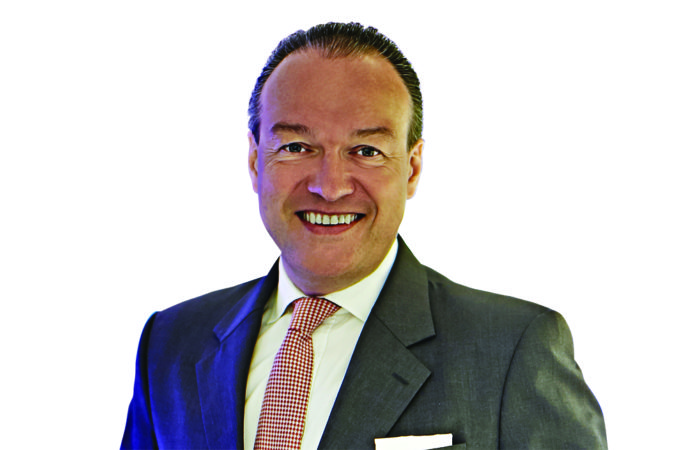
Former Singapore-based CEO of Pan Pacific Hotels Group Bernold Schroeder has been appointed COO Europe of Kempinski Hotels, as well as a member of the management board of Kempinski AG and executive director on the board of Kempinski Hotels SA.

In his new role, Schroeder will oversee the portfolio in Europe, the original home market of Kempinski, including landmark properties such as the Hotel Adlon Kempinski and Çirağan Palace Kempinski Istanbul.


Schroeder

His appointment at Kempinski comes as Marcus van der Wal, senior vice president Europe then COO, decides to leave the chain. CEO Markus Semer at the same time has done “a critical review” of the organisation resulting in a new management board that now includes Schroeder. The new board “reinforces hotel operations at the highest levels of management and improves our agility to drive forward our agenda as hoteliers at heart, with an organisation suited to our size and strategic priorities”, said Semer.

“We are delighted to welcome such a well-respected industry leader to the management board of Kempinski. Today there are very few senior executives in the industry who remain true hoteliers at heart and we are privileged to bring Bernold’s high calibre of leadership and luxury hotel operations and asset management know-how to Kempinski,” said Semer.

Semer leads the new Kempinski management board as chairman and CEO. Other members are Colin Lubbe, CFO; Schroeder, COO Europe; Michael Henssler, COO Asia; Henk Meyknecht, COO Middle East & Africa; Xavier Destribats, COO The Americas; Amanda Elder, senior vice president business development; Mike Haemmerli, senior vice president development and Marina Zapp, senior vice president human resources.

Contacted by TTG Asia, Schroeder said he was looking forward to his new role, adding there are lots of new happenings at Kempinski.

Visitors in for a treat

0

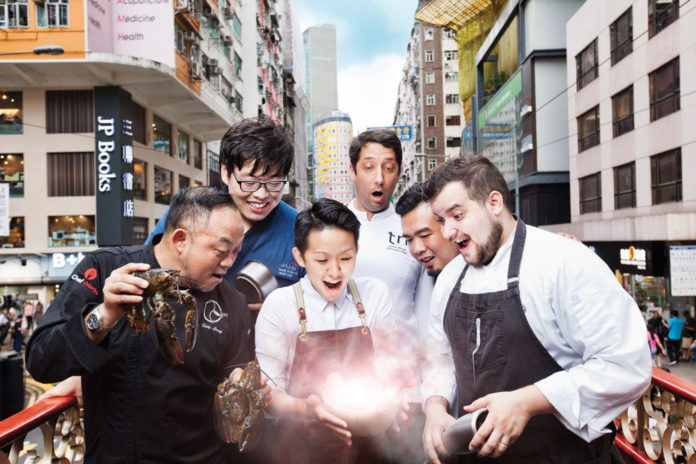
Food-related festivals, campaigns and tours in Asia are whetting appetites for gastronomic and cultural travel, feeding a growing niche market


SINGAPORE

Food has long been an important part of the country’s national identity and heritage, and the Singapore Tourism Board (STB) is continuing its efforts to incorporate cuisine in its destination messages and promote Singapore’s food culture through partnerships and events.

Ranita Sundramoorthy, STB’s director, attractions, dining & retail, elaborated: “We support events with good tourism potential, like the inaugural Michelin Guide Street Food Event (April 14-15, 2017), and regionally, MasterChef Asia (Season 1).”

STB also spearheaded the Singapore Food Festival (SFF) in 1994.

She added: “Till today, it is the only food festival in Singapore to spotlight Singapore cuisine, feature Singaporean chefs, and showcase the inventiveness of Singapore’s dining scene.”

Last year, STB launched the inaugural 50 Cents Fest, as part of the 2016 SFF. It transformed Chinatown Food Street into a nostalgic street hawker lane, depicting what Singapore was like back in the 1950s and 1960s.

When the Michelin guide was first launched in Singapore last year, it further elevated the country’s status as a gastronomic hub. As a result, Ranita told TTG Asia that there was “an increase of 24 per cent in F&B spending by visitors from January to September last year”.
Christine Kaelbel-Sheares, vice president of F&B, Marina Bay Sands (MBS) indicated that the resort’s Epicurean Market has brought in visitors from Australia, Malaysia and Indonesia.

Last year, the fourth edition of Epicurean Market attracted over 16,000 visitors from Singapore and the region. MBS is currently working on its fifth edition to be held in August 2017.
Kaelbel-Sheares shared: “We continue to bring in new experiences by enhancing the offerings to keep the event fresh every year. For instance, we introduced the Sands Signature Series which is a selection of premium masterclasses led by wine and spirits experts.”

As well, in September 2016, John Ng Pangilinan, CEO of Ovenbaked Ideas, launched Makan Bus – a hop-on, hop-off concept where 13-seater vans take passengers to 10 neighbourhoods known for their signature local dishes.

He started Makan Bus as he considers local hawker food gems, and it was “for the purpose of bringing tourists to the local scene in Singapore, to places where they would never think of visiting or find it hard to visit”. – Rachel AJ Lee

MALAYSIA

Malaysia’s multi-ethnic, multicultural  background has given the country its diverse array of food, a strong asset for its tourism industry.

Tourism Malaysia promotes Malaysian food overseas through renowned celebrity chef, Ismail Ahmad, who is also its tourism ambassador. Ismail has helped promote Malaysian food around the world through cooking demonstrations in the US, the Middle East, Europe, Japan and South Africa.

Larger-scale events that put the country on the world map include the Malaysia International Gastronomy Festival (MIGF), in its 17th iteration this year. The month-long festival has doubled participating restaurants since its 2001 inception from 13 to 26 last year.

Steve Day, MIGF’s organising chairman, said: “The festival period is not a short-term money-making exercise. It is a time for investment, heavy publicity and cut-price promotions that will create a regular stream of customers for each participating restaurant for the whole year.”

Moreover, putting the spotlight on local chefs shows that culinary talents are in ready supply in the country to keep standards up year-round, a message that will reach Malaysians, travel agents and business event organisers.

“For this reason, we do not simply fly chefs in from overseas to prepare one or two dinners for an elite few. Instead, we build the festival around our local resident chefs and make the festival accessible to as many people as possible.”

Inbound agents like Raaj Navaratnaa, general manager at New Asia Holiday Tours & Travel in Johor, meanwhile, have found a niche creating food tours in the west coast of Peninsular Malaysia for Singaporean clients. His tours start from Johor and move up north to Penang, combining history and culture with local specialities in the different states along the way.

He said: “We take guests to small towns such as Muar and Parit Jawa… The programme is 11 days, but can be shortened and customised based on the clients’ (needs). This is a popular tour with Singaporeans as they are adventurous when it comes to food.”

Another inbound operator, Lee Choon Loong, executive director of Discovery Travel and Cuisine, specialises in food tours on Langkawi Island with visits to crab and fish farms followed by a seafood dinner. Such tours are especially popular among the affluent mainland Chinese tourists, he told TTG Asia. – S Puvaneswary

THAILAND

With a record nine entries in Asia’s 50 Best Restaurants 2017, the World Gourmet Festival’s 17th edition coming up in September and its first Michelin Guide due to debut by this year-end, Thailand is well positioned to compete as a culinary destination.

“Tourists now want to have authentic local experiences. In the past, they would only come here for our beaches, temples and bars, but now they are interested in our local food and traditional markets. In fact, the demand for food tours is on the rise,” said Kitichai Siraprapanurat, founder of Bangkok Food Tours.

In fact, Thai street food has gained such global renown that Bangkok authorities’ recent announcement to ban street food vendors was met with wide consternation locally and abroad. Tourism Authority of Thailand (TAT) governor, Yuthasak has since come out to assure visitors that food stalls will remain on the streets of Bangkok.

Recognising the strong appeal of Thai cuisine worldwide, the TAT has launched, as part of its Amazing Thai Taste programme, the Thai-licious campaign to promote local culinary heritage among international foodies.

It has also appointed Andy Ricker, one America’s best-known chefs of Thai cuisine, as the first Amazing Thailand Culinary Ambassador. Ricker will assist TAT in promoting Thai cuisine, including taking a group of influential visitors on a journey to discover Thailand’s hidden culinary gems – the trip will be filmed and turned into a web series.

This is also the year of the Michelin Guide’s much-anticipated arrival in Thailand, after TAT pledged considerable financial support to a five-year partnership with the renowned French guide.

And at the 17th World Gourmet Festival in September, top Michelin-star chefs from across the globe will gather at the Anantara Siam Bangkok Hotel to cook their home favourites for an international gourmand crowd.

“In 2016, we had around 1,400 participants, with people flying (in) from Hong Kong, Singapore and South-east Asia to attend the festival. This year, we expect an even higher attendance from an even more international crowd,” said Anantara’s general manager Patrick Both. –  Jessica Tradati

PHILIPPINES

Long under-celebrated, Philippine cuisine has started to gain interest from abroad since a month-long culinary event became a nationwide tradition in recent years.

Held in April, Flavors of the Philippines, highlighted by Madrid Fusion Manila (MFM), is in its third year as the only Asian edition of global gastronomy event Madrid Fusion.

Flavors features culinary activities held throughout the Philippines, among them pub crawls, food bazaars, farmers’ markets, food festivals, gourmet fairs and dining with celebrity chefs.

This year’s Flavors started in mid-March, making it a “longer, grander and more delicious food journey nationwide” in a bid to establish the Philippines “as a centre of culinary excellence in Asia” and “a hub for different flavour profiles, even those of foreign origins”, tourism secretary Wanda Teo explained.

Teo added that the activities “will go on an all-in-one enriching celebration of Philippine history, arts, culture, tradition, literature and music through the language of food”.
Madrid Fusion Manila 2017 was expanded to include B2B components with local culinary tours specialists, plus the International Gastronomy Congress and International Gastronomy Expo.

Another coup for the Philippines is the return of the World Food Street Congress to Manila last year after having been hosted by Singapore for two years.

The congress will take place from May 31 to June 4 this year, graced by some 28 of the world’s best Street Food Masters from 12 countries to dish out authentic street food.

These two culinary events are the joint work between the government (Department of Tourism, Tourism Promotions Board and Department of Agriculture) and the private sector (Philippine Association of Convention/Exhibition Organizers and Suppliers, plus travel agencies and tour operators).

Vilma De Claro Mendoza, president of Mart Evers Travel and Tours, who is involved in Flavors activities in Cavite, said the two events push the country to develop and improve its culinary offerings.

As Filipino cuisine gets noticed abroad, Ine Faustino, general manager of CCT 168 Tours, said more agencies are whipping up kulinarya packages, including her company which is already featuring food trips in its tour itineraries. – Rosa Ocampo

HONG KONG

With meals outside hotels the third largest category of visitor spend in Hong Kong (after shopping and accommodation), it is no wonder Hong Kong Tourism Board (HKTB) has chosen dining as one of seven core experiences to promote in the city.

The HKTB will step up promotion of key homegrown events, including the Hong Kong Wine & Dine Festival, having received additional government funding to enrich the city’s tourism appeal.

A spokesperson said: “We will also continue to offer… epicurean culinary events, and wine and dine offers during the Hong Kong Great November Feast.”

As well, the HKTB will support the overseas promotion of local culinary events by third parties such as Taste of Hong Kong and Chill Out at the South by Ocean Park. It will highlight the local food trucks initiative for food tourism.

Inaugurated in 2016, Taste of Hong Kong is not only about sampling food but also offers social elements including cooking and cocktail making through Marriott Studio masterclasses.

A spokesperson for the event said: “We’ve had visitors from Asia coming to Hong Kong for the festival so we can definitely see that food tourism drives (visitor arrivals). So far, most fairs and F&B-related events are more focused on trade and are not consumer-driven, so we can definitely grow in this area in the future.”

New food tourism products recently introduced in the city include Crystal Bus, which brings participants sightseeing while dining on gourmet dishes, either as part of a 2.5-hour day tour or five-hour night tour charter. Dinner will be provided by its partner restaurant upon request.

Apart from gourmet dining, tours focused on humble local eateries are also growing in popularity, observed Silvana Leung, director of operations at Hong Kong Food Tours.

With many repeat clients requesting for similar tours in other districts after having experienced its signature Sheung Wan route, the company has added two routes in Sham Shui Po and Taipo, with plans to introduce another this year.

“Hong Kong is perfect for food tourism especially when you are spoilt for choices, from street hawker food to high-end restaurants. The outlets we pick are real neighbourhood outlets where Hong Kongers would go. There is language barrier issue in these outlets so we’d accompany with guests through out the journey.” – Prudence Lui

JAPAN

Japan has combined its parallel loves of technology, anime and food to promote its diverse cuisine to foreign visitors.

A new Taste of Japan campaign launched on March 1 by the Ministry of Agriculture, Forestry and Fisheries features Hatsune Miku – a 16-year-old virtual pop star with turquoise hair and a global following – singing and dancing her way on an “oishii trip” that incorporates food like Hokkaido crab, Aomori apples, sushi, sukiyaki and green tea.

Aimed at younger travellers, the web site (http://tasteofjapan-videos.jp/oishiitrip/) emphasises the wide regional and seasonal variations in its food and how Japanese cuisine has been added to the UNESCO intangible cultural heritage list.

According to the ministry, the Hatsune Miku video has been viewed around 80,000 times to date on various platforms.

Anime may not be the first thing that comes to mind when talking about food, but Hatsune Miku’s growing popularity – having opened for Lady Gaga on her 2014 tour – could be an effective way to bring attention to Japan’s cuisine.

Said Kenshi Hamaoka, who oversees the campaign for the ministry: “Washoku (Japanese food and food culture) is becoming better known around the world and we want this collaboration to create a synergy between the two.”

The Taste of Japan website has a number of short animated videos with different themes, such as Sushi and Beyond as well as a selection of documentary-type programmes examining the roots of Japanese cuisine.

Elsewhere across the country, F&B events are being used to celebrate regional cuisine and attract more visitors, both domestic and foreign. Fukushima City holds its ramen show over 10 days from late April, Hiroshima has an oyster festival in January as well as an okonomiyaki (savoury pancake) event in March, while Saitama Prefecture hosts an annual whisky festival.

National broadcaster NHK sponsors the two-day Japan Local Food Festival each March, while the B-1 Grand Prix has swiftly evolved into the nation’s largest culinary event and is a movable feast that changes location each year and promotes no-frills regional dishes. – Julian Ryall


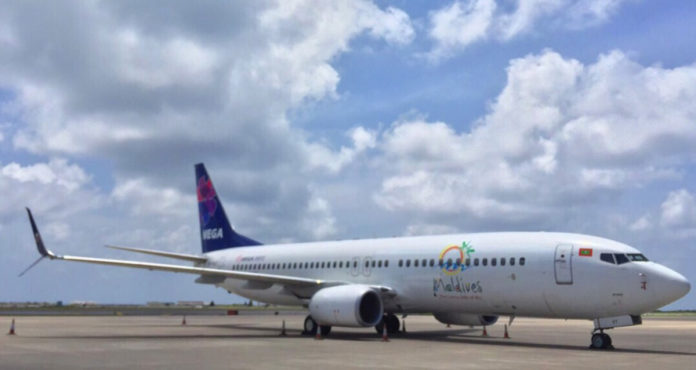
Mega Maldives suspends all flights, leaves tour operators scrambling

0

Mega Maldives Airlines earlier this week announced the temporary suspension all operations as part of a “restructuring and recapitalisation” effort while its management and administrative functions remain unaffected.

As a result of the surprise announcement, officials from other airlines said that they are currently fielding seat queries from tour operators for Chinese clientele who were supposed to fly on Mega Maldives.

Established in 2010, Mega Maldives is largely dependent on the Chinese market and has been hit by falling arrivals from the country. Arrivals from China, Maldives largest inbound market, fell 7.8 per cent to 73,135 in 1Q2017 and 9.8 per cent in 2016.

In an effort to seek other market sources, the airline launched weekly flights to Colombo and Delhi in 2H2016. Initially operating to nine destinations, the airline cut weekly flights to just Beijing and Shanghai, and thereafter to Colombo and Delhi. It also reduced its staff count and aircraft from five to three in 2016.

As well, strong competition from Maldivian, the country’s national carrier, also increased losses for Mega Maldivian, as both airlines were plying the same routes.

Vowing to restart, its founder and CEO George Weinmann, said in a May 2 announcement: “We will look forward to returning to flying very soon with a renewed fleet that can service established, under-served and emerging markets.”

However, industry observers think it is unlikely the airline would resume operations as it is heavily indebted. Three of its aircraft have been sent back to the lessor, according to an industry source.

Thailand’s Singha to bring Spanish beach club to Maldives

0
Thailand-based real estate developer Singha Estate has revealed its latest collaboration with Ibiza beach club operator Café Del Mar to open a mega project in the Maldives.

The Café Del Mar beach club will be the flagship and the largest of its kind in the Indian Ocean with a space of over 5,000m2.

The Café Del Mar beach club will be the flagship in the Indian Ocean with a space of over 5,000m2. Singha’s mega project will also feature names such as the Hard Rock Hotel Group, with phase one set for opening next year to include a yacht marina, retail outlets, hotels and stretch of white sand beach.

Thiti Thongbenjamas, chief investment officer of Singha Estate, said: “The club is popular among its fans thanks to its high creativity. They have created their own music tailored made for each event or activity. Many of the music creations by celebrity DJs like Roger Sanchez, Dimitri, Boy George and Paul Oakenfold are familiar faces among fans.”

While staying true to familiar Café Del Mar components, the new club in the Maldives will also include “new elements such as modern cooking technique using only premium local ingredients together with exotic components sourced by Singha Group”, Café del Mar’s director, Domenic Zappia, added.

MakeMyTrip’s war chest grows with fresh US$330m funding

0

MakeMyTrip has raised US$330 million in its latest round of funding, which will be used to fund business expansion, strategic investments, technology and product development, marketing and promotions, working capital and general corporate purposes, the Indian OTA said in a statement.

Some US$165 million is expected to be generated from unnamed investors for placement of over 4.5 million ordinary shares at US$36 per share.

The company also entered into share purchase agreements with existing backers Ctrip.com International and Naspers subsidiary MIH Internet SEA, estimated to translate into another US$165 million.

The former will see 916,666 ordinary shares issued at a price of US$36 per ordinary share, and the latter over 3.6 million Class B Shares convertible to ordinary shares on a one-to-one basis.

MakeMyTrip has agreed to file a registration statement with SEC covering the resale of the foregoing securities, except those sold to Ctrip and MIH, which are subject to the registration rights granted to MIH and Ctrip.

Mariner of the Seas’ SE Asia season brought forward

0

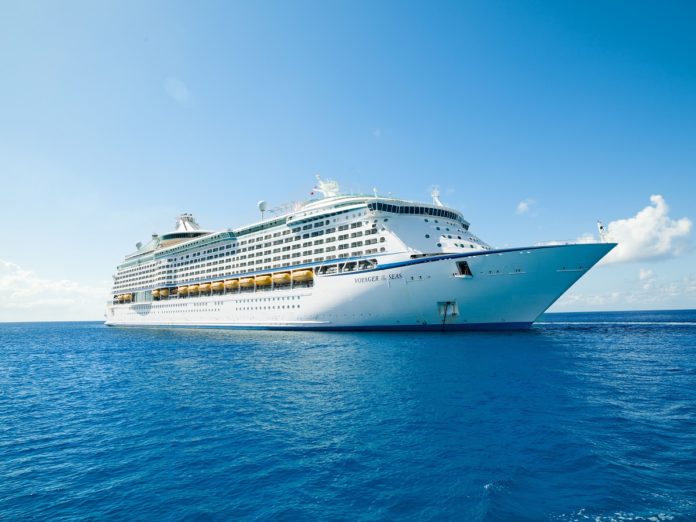
Royal Caribbean International’s Mariner of the Seas will start her upcoming South-east Asian season on September 10 instead of October as originally scheduled, adding 10 round-trip sailings from Singapore in September 2017.

Sailings include the nine-night one-way cruise from Shanghai to Singapore on September 1, with calls at Xiamen and Ho Chi Minh City plus an overnight in Hong Kong; and a mix of three- to five-night South-east Asian itineraries.


Voyager of the Seas

Sales for these itineraries are now open.

The 3,807-guest ship ship will then be deployed to Miami, Florida in April 2018, after having homeported year-round in Asia out of Singapore and China since 2013.

Since Wednesday, the 4,269-guest Voyager of the Seas began a new season from Singapore that will run till June, featuring 13 sailings of three to five nights to Phuket, Penang and Kuala Lumpur (Port Klang) and an eight-night one-way cruise to Hong Kong, with stopovers at Bangkok (Laem Chabang), Ho Chi Minh City (Phu My) and Nha Trang.

Voyager of the Seas will return to Singapore in October 2018, bringing more capacity to the region as she swaps places with sister ship Mariner of the Seas. Itineraries for her 2018/19 winter/spring season will be revealed later this month when the season opens for sale.

New hotel openings: May 2-5, 2017

0
The latest hotel openings and announcements made this week

X2 Vibe Bangkok Sukhumvit Hotel
Comprising two buildings located on Soi Sukhumvit 52, the X2 Vibe Bangkok Sukhumvit Hotel offers 145 guestrooms and 121 suites across three-configurations – each comes with a pantry/kitchen. Amenities on the property include a Japanese onsen, day spa, pool bar, café, gym, outdoor swimming pool and putting green for golfers.

Best Western Premier Panbil
Standing in Batam’s Panbil Industrial Estate is Best Western Premier Panbil, with all 233 rooms offering free Wi-Fi, and floor-to-ceiling windows with views of the Indonesian island and the Malacca Strait. Recreational facilities include an outdoor pool, spa, fitness centre and karaoke room. Other amenities include a function space, large ballroom, as well as two restaurants – one on the ground and the other on the rooftop.

Four Points By Sheraton Hakodate
The first Four Points hotel in Japan is located within walking distance of the Hakodate JR Station. Offering 199 keys, rooms come with the Four Points plush signature bed, flatscreen TV and free Wi-Fi. Facilities on the property include an all-day dining restaurant, bar, and spa, along with 1,200m2 of versatile meeting facilities that include a grand banquet hall.


Menjangan Dynasty Resort
The 16ha resort in Bali boasts safari-style tented accommodation – 24 Beach Camp Tents, two one-bedroom Cliff Tent Villas and two two-bedroom Cliff Tent Villas. All rooms come with air-conditioning and a TV with international channels and DVD player, but Cliff Tent Villas have an added bathroom fitted with a tub, sundeck and private infinity pool. Recreational facilities on the property include a spa, infinity swimming pool, and PADI dive centre.