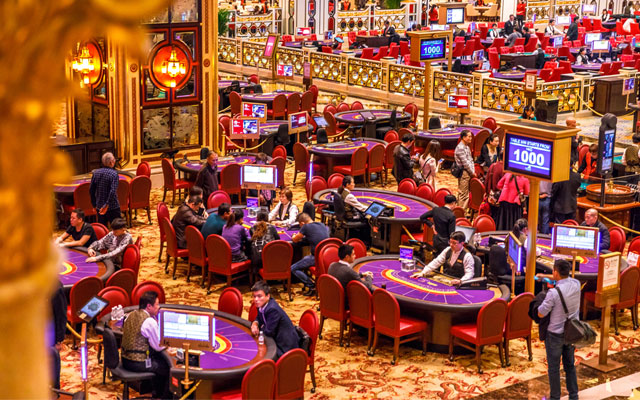
Macau’s casinos will reopen for business on Thursday, as the 15-day shutdown to curb the spread of Covid-19 comes to an end.
However, the South China Morning Post reported that the order will remain for other entertainment premises such as pubs, karaoke bars, cinemas and steam rooms.
Macau’s casinos to reopen for business on Thursday after coronavirus shutdown
Secretary for economy and finance Lei Wai-nong said the closure order would not be extended and casino operators had 30 days to return to full business.
As part of safety precautions, casino visitors would be required to wear a mask and have their temperature checked at the entrance.
The closure was put in place on February 5 to curb the coronavirus after it was found that two casino workers were among the ten infected cases in Macau.
Macau has not reported any new cases of the virus since February 4.
Macau lawmaker Au Kam-san was quoted by the report as saying that the lifting of the closure order of casinos was expected. “Gaming industry is too important to Macau. The government could not afford to let it close for too long. There could also be pressure from the casino operators because they are still paying the staff while the casinos are closed.”
There are 39 casinos in Macau and the gaming sector employs more than 56,000 people, some eight per cent of the city’s population, according to the report.
The closure marks the longest-ever shutdown of gambling activities in Macau since 1999, and the second such suspension, after Typhoon Mangkhut caused a 33-hour shutdown of Macau’s casino industry in 2018
Singapore-headquartered The Lux Collective has signed two new hotels in Dali and Pu’er that will be located along the ancient Tea Horse Road, once a famed trade route through Yunnan, Sichuan and Tibet.
Opening in 1Q2021, Lux* Tea Horse Road Dali will nestle at the base of the Cang mountain range, offering views of the famed Erhai Lake. The 180-room resort will be within walking distance of the Dali Ancient Town and part of the Yue Shan Hai project comprising residential and retail facilities.
Lux* Tea Horse Road Pu’er is slated to open in 1Q2021
Opening later in the same year, the 50-room Lux* Tea Horse Road Pu’er will be part of a mixed-use complex that will also feature several amusement parks, natural hot spring, wellness club as well as high-end residential villas.
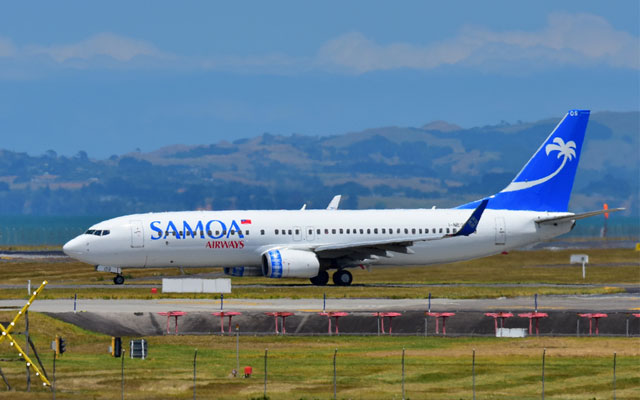
Travelport has signed new multi-year content agreements with Regional Express, Solomon Airlines, Air Vanuatu, Samoa Airways and Air Tahiti Nui, which will provide the airlines continued support from its technologies and solutions.
“We are delighted to continue the collaboration with Travelport, which has been a trustworthy partner of ours. The pioneering platform and solutions of Travelport have provided strong support for our growth and we look forward to commencing the new phase of our partnership,” said Brett Gebers, CEO of Solomon Airlines.
Travelport renews partnership with five airlines in the Pacific region, including Samoa Airways
“The increasing appeal of the Pacific to global travellers has given us great confidence to further explore this region. We already have a strong presence in Australia and New Zealand, and have been gradually expanding our ties with Pacific Island airlines. We believe the ongoing or planned fleet renewal and infrastructure development by these carriers will significantly rejuvenate the regional tourism sector,” added Chris Ramm, vice president, Asia Pacific, Air Partners at Travelport.
Travelport’s technologies and solutions enable more than 68,000 agencies worldwide serving hundreds of millions of people to search, book and sell air content and inventory.
NYC & Company, New York City’s official destination marketing organisation, and Auckland Tourism, Events & Economic Development (ATEED) have signed a city-to-city tourism agreement, which will boost the tourist flow between both countries.
The two-year agreement, which was formalised on February 17 at an industry ceremony at Ōrākei Marae in Auckland, will enable both companies to cross promote their respective destinations and boost visitorship through reciprocal marketing and promotion.
New York City signs tourism partnership with Auckland
The agreement will cover the five boroughs of New York City to the four corners of Tāmaki Makaurau Auckland, encouraging each destinations’ communities to connect through storytelling, ideas, business opportunities, and contacts.
The new tourism partnership between New York City and Auckland comes as Air New Zealand (ANZ) prepares to launch a new direct service between the two destinations, beginning in October 2020.
ANZ chief strategy, network and alliances officer Nick Judd said: “Our non-stop flight will cut travel time by around three hours, putting New Zealand in easy reach of New York and the Eastern Seaboard.”
The partnership also demonstrates the respective destinations’ commitment to leading global change around economic, environmental and social sustainability, with a focus on sustainable and responsible tourism.
ATEED chief executive Nick Hill said: “Like New York, Auckland is committed to addressing the challenges of climate change and this commitment will ensure that the growth in visitor numbers enriches our region beyond the economic benefit, helping us protect and improve our environment, our unique identity and cultural heritage, and quality of life.”
Malaysia’s travel trade is seeing growing demand for adventure travel, fuelled by well-travelled Asians looking for deeper experiences, improved air connectivity between cities and secondary destinations, and enhanced infrastructure in rural areas.
Soft adventures are especially in demand among Asian travellers who are willing to pay for authentic experiences, observed delegates who spoke to TTG Asia at the recently concluded PATA Adventure Travel Conference and Mart 2020 in Sabah.
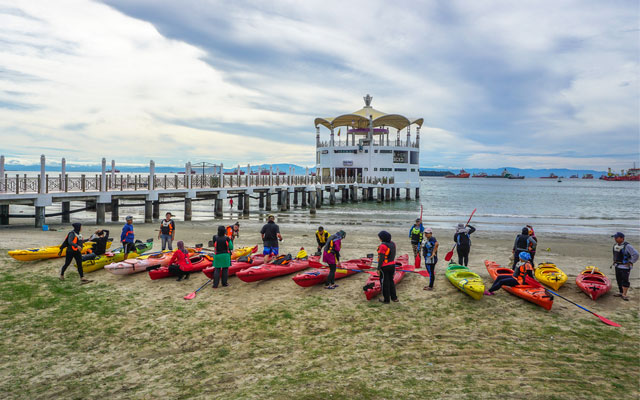
Adventure tourism gains steam among Asian travellers; group of kayakers on Labuan Island, Malaysia pictured
The conference and travel mart, which was organised by the Pacific Asia Travel Association (PATA) and hosted by Tourism Malaysia, with the support of Sabah Tourism and Malaysia Airlines, attracted 347 delegates from 33 destinations.
Langkawi-based Junglewalla Tours founder, Irshad Mobarak, shared that his company saw a rise in the number of Asian guests from Singapore, South Korea, Japan and the domestic Malaysian market over the last five years.
He said: “Most are made up of FITs, nuclear and multi-generational families, and they appreciate an educational element in the programme as they also hope to learn something new.
“They like soft adventures, such as birdwatching, wildlife spotting, kayaking and trekking to a waterfall, and opportunities to visit a local’s house for a home-cooked meal, unlike our European guests from France and Germany who engage us for hardcore adventure activities.”
Irshad said a key difference between Asian guests and the company’s traditional European market is that the former do not haggle over prices. He shared: “Europeans tend to ask for discounts. They want a high-quality experience for a low price.”
Albert Teo, managing director of Sukau Rainforest lodge, which is situated on the banks of the Kinabatangan river in Sabah, has seen a growing number of guests from China (prior to the Covid-19 outbreak) and India, though European markets remain the mainstay of his business. Guests are mainly interested in photography and having a nature-based experience.
As tourists are also becoming increasingly conscious about sustainability issues and climate change, Teo believes that the numerous awards the lodge had won for its sustainable practices and being a charter member of National Geographic Unique Lodges of the World have placed the company one step ahead of the competition.
Teo remarked that travellers like knowing that they are “positively contributing to the surrounding environment” when they use sustainable tourism suppliers.
Sharmini Violet, director of sales & marketing at Mega Water Sports Jetski Tours in Langkawi, said millennials, who form the bulk of her clientele, are more environmentally aware and appreciative of the sustainable practices her company has implemented, such as investing in a fleet of low emission jet skis that reduce sound level, air and water pollution.
Adventure tourism is one of the fastest growing segments of the tourism industry, with a global market value of US$586.3 billion in 2018. The figure is projected to reach US$1.6 trillion in 2026.
It is expected to post a compound annual growth rate of nearly 46 per cent during the period 2018-2022, according to a market research report by Technavio.
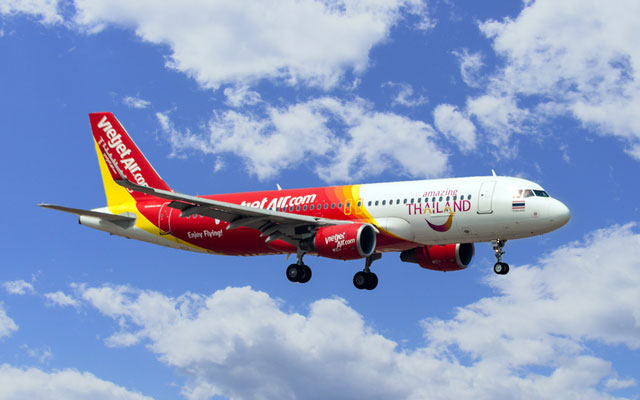
Vietnamese budget carrier VietJet will be expanding its presence in the Indian market with the commencement of three new flights.
The airline will begin flying five times per week on the New Delhi-Danang route starting May 14, 2020. VietJet will also connect Mumbai with Hanoi and Ho Chi Minh City through thrice-weekly flights and four-times-weekly flights, beginning May 15 and May 16, 2020, respectively.
VietJet looks to further expansion in India
The new routes will complement VietJet’s existing service to India. Last year, the airline started direct flights to New Delhi, with the launch of four-times-weekly flights from Ho Chi Minh City, and thrice-weekly flights from Hanoi.
“When we started operations to India, some experts had reservations about the success of our flights. However, within two months of our operations, we were recording a load factor of 83 per cent. We have a very strong belief that India is one of our key markets and with our new flights, we will further penetrate this market,” said Do Xuan Quang, vice president, VietJet, at a news conference in New Delhi last week.
The airline is also in talks with Indian LCC IndiGo to forge a codeshare agreement to expand its reach to other Indian cities where the airline is not operating flights. VietJet is focusing on point-to-point services in the Indian market.
“With increased capacity, the airline has shown serious commitment to India as a source market. This initiative will surely result in a higher number of Indian tourists visiting Vietnam and neighbouring countries on business and leisure trips. This will also enable India to get more tourists from Vietnam,” said Vineet Raina, founder and managing director, Pink Elephant Sport & Pink Elephant Journeys.
“Currently, we are just offering tickets but we are also planning with our GSA, Bird Group to introduce holiday packages for the Indian market,” added Jay Lingeswara, international sales and distribution director, VietJet.
VietJet has a joint venture, Thai VietJet Air, established with Thai regional carrier Kan Air in Thailand. The airline may also consider operating flights through Thai VietJet Air to India in the future.
Following travel advisories raised against Singapore by South Korea, Israel, Indonesia and Taiwan governments, a trio of trade bodies are rallying its members to step up efforts to make Singapore safe for visitors during the Covid-19 outbreak.
The National Association of Travel Agents Singapore (NATAS), alongside the Singapore Hotel Association (SHA) and the Society of Tourists Guides Singapore (STGS), have made available recommended guidelines to tour operators, hoteliers and tourist guides, while detailing comprehensive action plans to safeguard the well-being of tourists.
Singapore industry players double down on safety measures amid the Covid-19 outbreak
“We understand the concerns of visitors to Singapore and we would like to reassure them that our industry is making every effort to keep them safe through the collective efforts,” remarked Samson Tan, NATAS chairman-inbound.
STGS honorary secretary Howard Lim added that “the tourist guides will do their part to fulfill the tour itinerary and make the stay of the visitors a pleasant and safe one”.
STGS will push ahead with its International Tourist Guide Day 2020 at Capitol Singapore on February 22, 2020.
“Singapore Hotel Association is confident of a strong recovery. With public health precautions in stringent effect, Singapore remains a safe tourism destination for leisure and corporate travellers. All hoteliers are going beyond the extra mile to protect their well-being and superlative stay experiences,” shared Margaret Heng, executive director, SHA.
In order to ensure instant access to the latest SHA 2019 Novel Coronavirus checklist, SHA has implemented a web-based archive for their members and general public, following consultation with Food, Drinks & Allied Workers Union, Singapore Tourism Board and Ministry of Health’s guidelines and ministerial advisories.
The three associations will continue dialogues with government agencies to identify solutions for Singapore’s rebound as a stronger tourism destination.
The Malaysian Association of Hotels (MAH) has appealed to the government to immediately put a stop to home-sharing so as to curb the spread of the Covid-19 outbreak.
MAH CEO Yap Lip Seng said in a statement: “Human lives are at stake, please set aside profitability and prioritise on keeping people safe.”
Malaysian hoteliers call on Airbnb to halt operations to prevent the spread of coronavirus
Stressing the weaknesses of home-sharing platforms, Yap said: “Most of these platforms do not even have a local presence in the (destinations) they operate in, hence there is no accountability, or social and community sense of responsibility. The Covid-19 outbreak had taught all of us in the tourism industry a valuable lesson, and we hope home-sharing platforms, hosts and operators can be a responsible stakeholder and do their part in ensuring a sustainable tourism industry.”
The call to the government to suspend the operations of Airbnb and other home-sharing platforms was in response to a recent circular issued by the joint management body of a posh serviced residence in Kuala Lumpur, notifying its owners and residents of a confirmed Covid-19 case involving an Airbnb guest.
Yap shared: “It revealed a worrying concern long highlighted by the tourism industry. The lack of registration information, guest services and support, emergency preparedness as well as basic standard operating procedures poses critical risks to the country’s crisis management, leaving citizens vulnerable to external threats.”
MAH president Kamaruddin Baharin said that the lack of regulations on these home-sharing properties leaves local residents at risk of infection from not just Covid-19, but also other transmissible diseases.
“The idea of having strangers from all over the world moving in and out of homes every other day without any standard operating procedures whatsoever is as risky as operating an international airport,” said Kamaruddin.
He added: “The onus of added maintenance such as cleaning and disinfecting of the properties and its common grounds lies on the joint management bodies, at the cost of every owner and resident, which is unfair. Such home-sharing activities not only puts everyone at risk but also hampers the government’s effort in managing crises.”
The industry had long urged the government to regulate and control home-sharing activities, and the regulatory framework drawn up with the Malaysian Productivity Corporation last year is said to be ready but have yet to see adoption by policymakers and regulators.
Royal Caribbean Cruises (RCL) will dedicate two ships to humanitarian efforts in Australia and California to support some of the people affected by recent crises.
RCL chairman and CEO Richard Fain said Royal Caribbean was working with its suppliers to deliver one million N-95 protective masks into China for government distribution to affected areas.
Two Royal Caribbean ships will set sail on humanitarian missions
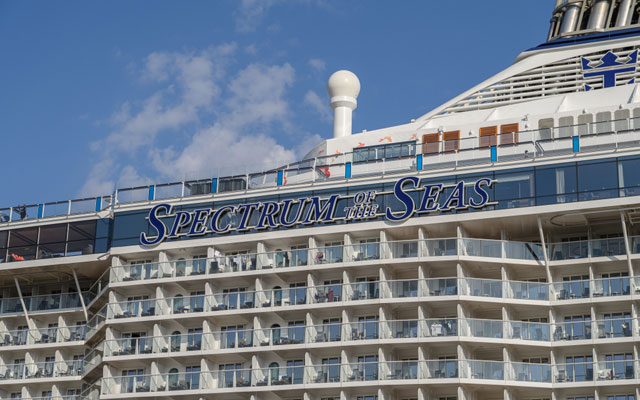
Spectrum of the Seas will travel to Australia and be deployed on complimentary cruises sailing from Sydney in support of Australia’s first responder community, who worked tirelessly over many weeks of the bushfire crisis.
“We are in a fortunate position to offer these brave and selfless members of the Australian community the opportunity to join us for a few days and let them relax and unwind in the company of other volunteers and first responders,” said Michael Bayley, president and CEO of Royal Caribbean International (RCI). “By welcoming and accommodating them aboard Spectrum of the Seas, we hope to recognise their contribution and offer them our hospitality.”
Bayley noted that the ship and its crew have not been in China for more than two weeks, exceeding public health guidelines.
And when circumstances improve, Bayley said, RCI will dedicate a ship in China to a series of complimentary sailings to thank first responders and medical personnel for their heroic efforts to defeat the virus.
In addition, Celebrity Millennium is repositioning to the west coast of the US earlier than previously scheduled and will offer a series of Cruising for Heroes sailings in support of California firefighters, other first responders, and veterans throughout March and April.
A variety of three-, four- and five-night sailings, which will leave from Los Angeles, have been added to the brand’s offerings to travel the Pacific Coast.
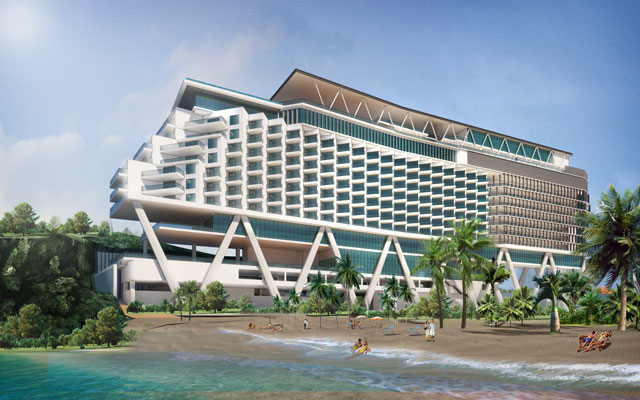
Hilton has signed a 15-year management agreement with Inspirasi Langkawi to build The Nautilus Resort, Curio Collection by Hilton, a 250-room hotel on the island of Langkawi in Malaysia.
Targeted to launch in 2023, The Nautilus Resort is set to be the first property under the Curio Collection by Hilton brand in Malaysia, and Hilton’s first property in Langkawi.
The Nautilus Resort is slated to open in 2023
Resort facilities include an all-day dining restaurant, a speciality restaurant, a rooftop bar, a kids’ club, a swimming pool, a fitness centre, an events space spanning approximately 680m2 and a ballroom of approximately 350m2.