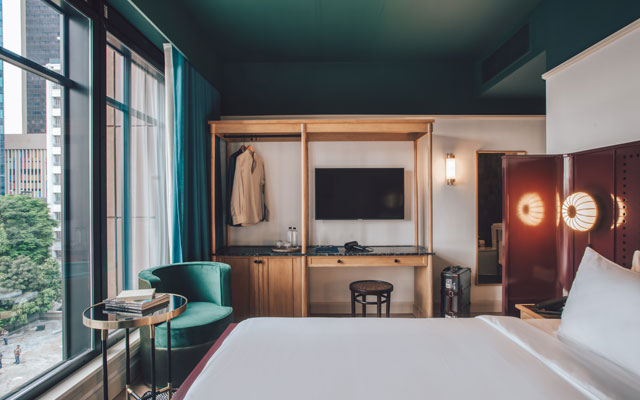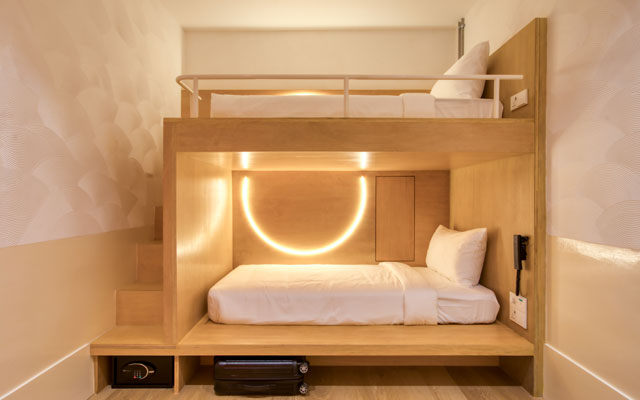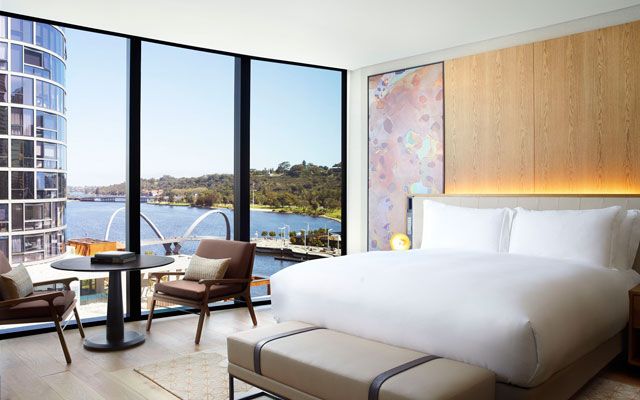
At a time when retaining loyalty among guests is becoming a harder task than before, hotel chains and companies are clamouring to roll out more unique hospitality brands in order to grow and solidify their customer bases, of which millennials are now a significant portion.
“Consumers are now far more confident individuals. The most important brand is who they are as a person, and they go out in search for products that fit this personal brand. Hotels now need to create this whole range of lifestyle (products) to fit this fragmentation of individual brands,” explained Jeannette Ho, vice-president Raffles brand and strategic relationships, AccorHotels.
Ho, who was speaking at the Singapore Hotel Association’s International Hotel & Tourism School Singapore (SHATEC) Hospitality Conference 2019 on Wednesday, added that “brand love brings tremendous value” and it is no longer enough for customers to just know the brand. Instead, it must “connect to consumers emotionally, so they would be willing to pay a premium”.
To capture the hearts of today’s travellers, Raffles has invested in smart technology that runs text analytics on online reviews to identify what guests love about the brand. For instance, keywords like “garden”, “greenery” and “natural material” rank highest, hence such elements are now built into the design of Raffles properties, shared Ho.
On the other hand, Frasers Hospitality is placing a new focus on integrating its loyalty programme into the travel planning and booking journey. Its vice president and head of global branding and communication Jastina Balen revealed that the group is currently working on enhancing the functionalities of the Frasers app to encompass both long- and short-stay guests.
“Finding a happy medium between our long- and short-stay branding has been very, very difficult, but we have arrived at a sweet spot and are testing something now. I believe there is a place for loyalty programmes, especially with General Data Protection Regulation in place, as we can reach out to and engage our guests through a proper channel,” said Balen.
In the years ahead, countries in Asia-Pacific can expect to see more hospitality brands coming ashore. STR reported an average of 41 per cent branded hotels in the region, presenting a large opportunity for groups who may make their moves here through more mergers and acquisitions, opined Frank Trampert, managing director & chief commercial officer, EMEA & APAC, Sabre Hospitality Solutions.
Hotel groups will also continue to proliferate the market through brand partnerships and extensions beyond accommodation into home furnishings, dining, entertainment and high-end residences, stated Ho and Balen.


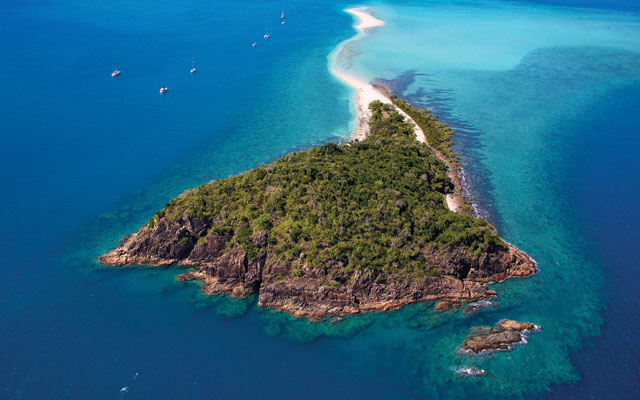
 Hayman Island in the Whitsundays reopened with great flair this year after Cyclone Debbie ravaged the holiday destination in 2017. The island’s sole accommodation, InterContinental Hayman Island Resort, has undergone a luxurious multimillion-dollar makeover into a 166-room private resort accessible via catamaran, helicopter or seaplane. The island is known for the colour of the water at Hayman’s lagoon and Whitsunday Passage which sparkles in hues of gold, turquoise, emerald and sapphire.
 Dubbed the “Venice of the East”, Kampong Ayer (which means water village in Malay) in Brunei’s capital figures prominently in the country’s history, heritage and culture. Launched in May, the Kampong Ayer Walking Trail aims to showcase daily life in the world’s largest floating village that is home to about 30,000 inhabitants. The walking tour, which can be done sans guide, gives visitors access to abodes of residents in five villages who have opened their homes up for this trail.
 In a bid to showcase Cambodia’s diversity and develop fresh destinations, the remote north-eastern province of Ratanakiri is being preened as a strong contender. Way off the beaten track, it is home to Yeak Laom volcanic lake, gem mines, waterfalls and dense jungle perfect for trekking. Homestay and community-based tourism products are emerging and the Ministry of Tourism has earmarked it for development as an ecotourism zone.
 Making waves in Hong Kong’s culture scene is game-changer Victoria Dockside, a US$2.6 billion art and design district along the Tsim Sha Tsui waterfront. This mixed-use development is home to Grade A office space K11 Atelier; Rosewood Hong Kong; luxury residence K11 Artus; and the art-meets-retail K11 Musea, a 10-storey complex spanning 111,000m2. Billed as “Hong Kong’s new Silicon Valley of Culture”, this art, design and business destination features works by 40 contemporary artists, 4,600m2 of green walls, and a dramatic spherical event space, among others.
 Situated in the Narmada district of Gujarat, the 182m-tall Statue of Unity has made headlines for being the world’s tallest statue, dwarfing China’s 128m-high Spring Temple Buddha and the 93m-tall Statue of Liberty. Built as a tribute to Indian freedom fighter Sardar Vallabhbhai Patel, the four-years-in-the-making Statue of Unity is India’s newest tourist landmark. Two high-speed lifts zip visitors to the attraction’s viewing gallery, which offers panoramic vistas of the Sardar Sarovar Dam and its surrounds.
 Indonesia’s government is focusing on the development of five super priority destinations in the country, with basic infrastructure and utilities expected to finalise in 2020. New destinations to watch are the areas around Lake Toba (North Sumatra), Borobudur (Yogyakarta and Central Java), Mandalika (Lombok), Labuan Bajo (East Nusa Tenggara), and Likupang (North Sulawesi). Major developments include airports, toll roads, piers and harbours. Construction of new hotels and other attractions by the private sector are expected to follow suit.
 The addition of eco-adventure activities on Phou Phamarn hill is set to whet visitors’ appetite for the central province of Khammouane. Eco-tourism specialist Green Discovery Laos has pushed out tour packages offering activities like ziplining, treetop canopy walks and guide-led wildlife hikes that will appeal to adrenaline junkies and nature lovers. The area is also home to a bounty of natural beauty, including caves, tropical forests and majestic waterfalls.
 Desaru Coast, Malaysia’s first premium integrated destination resort in Johor, spans over 1.6ha along a 17km beachfront facing the South China Sea. Developed by Desaru Development Holdings One, the new attraction is home to a slew of hotels, a conference centre, a waterpark, a retail village, and two championship golf courses. The destination is easily accessible from Singapore in the south, and by air and road from Kuala Lumpur and other major cities in Malaysia. Built to attract more midscale and high-yield regional tourists, Desaru Coast will also be hosting events and festivals to boost visitorship.
 Crossroads Maldives, the country’s first multi-island integrated leisure and entertainment resort, is billed as a game-changer in the Maldives tourism landscape. Located just a 15-minute speedboat ride away from Malé International Airport, the mega development comprises The Marina, an 11,000m² retail and entertainment space; Hard Rock Hotel Maldives; and a transit hotel, SAii Lagoon Maldives, Curio Collection by Hilton; among other assets. Crossroads, in which the first phase was launched in September, also boasts a variety of lifestyle attractions including luxury shopping, fine dining, a state-of-the-art event hall, a PADI-certified watersports and dive centre, integrating leisure and entertainment in one destination.
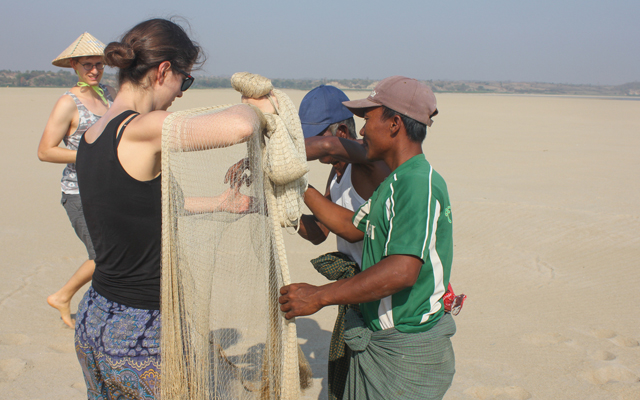
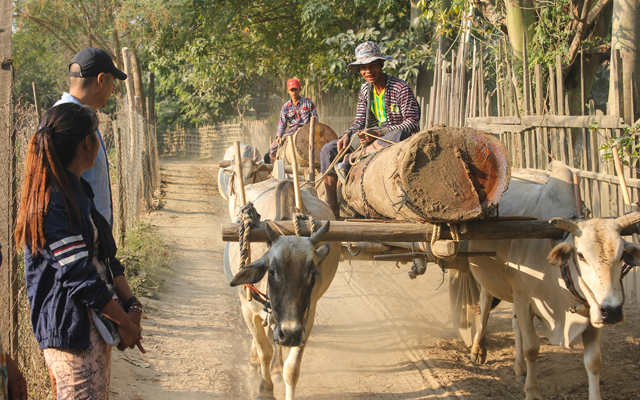
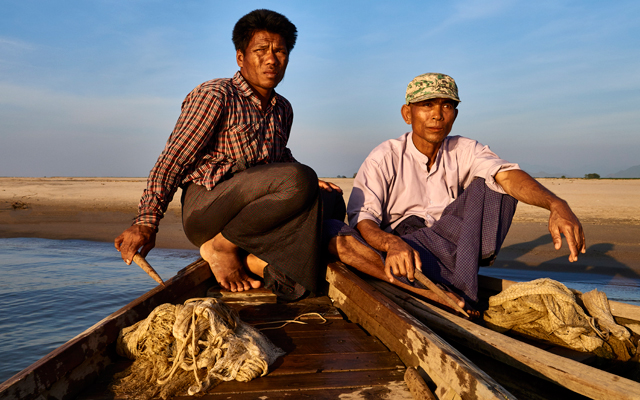
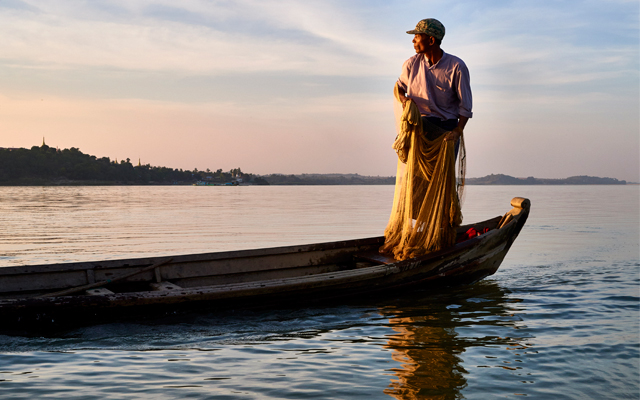
 Kayin State’s laidback capital, Hpa-An, is hugged by dramatic limestone karsts, towering Mount Zwegabin, winding waterways and farmland sprinkled with rural communities, positioning it as a top community-based tourism spot in the country. The development of locally-driven initiatives, such as kayaking through flooded paddies, making rice wine with villagers and cruising in traditional wooden boats, have helped opened the area up, alongside a trickle of international-standard accommodation.
 Emerging destination Iloilo in the Visayas boasts an international airport considered one of Asia’s best, linked by a 10-lane, 15km highway to the city – an exemplar of its well-connected infrastructure that pegs it as prime investment destination. A sustainable urban development plan also helps clean up the city, preserves heritage sites, and builds roads and other infrastructure. The city is also being pushed as a premiere MICE destination, thanks to its easy accessibility and connectivity, good infrastructure and facilities, and diverse tourism sectors running the gamut from cultural tourism to culinary offerings.
 Jewel Changi Airport is once again the talk of the town with the newly opened Changi Experience Studio and Canopy Park. The Changi Experience Studio spanning 3,000m² features a singing garden, a runway race, a quest to collect airport trolleys, and a battle of smiles, among others. Elsewhere, the Canopy Park is a 14,000m² space featuring seven play attractions and creative gardens. Guests can navigate through the Mirror Maze and Hedge Maze, bounce on Manulife Sky Nets, explore the sculptural playscape of Discovery Slides, and relish the view atop the glass-floored Canopy Bridge, 23m above the ground. There are also eight F&B outlets at Canopy Park.
 Unlike other cities in Sri Lanka, Jaffna, which was the hub of a Tamil insurgency against the state, is just awakening to new hotels and resorts and welcoming local and foreign tourists alike to its myriad attractions. Lying 400km north of Colombo and accessible by road, rail or air, the city, which is mostly populated by the minority Tamils and is the Tamils’ cultural capital, is home to a Portuguese-built fort, a multitude of ancient Hindu temples, a grand public library that was rebuilt after being destroyed during the war, and several other attractions.
 The arrival of a modern metro system some 20 years back turned much investor and visitor attention towards Bangkok’s bustling downtown, but the city’s Chao Phraya River is ready to wrestle the attention back. The River of Kings has undergone a renaissance in recent years, as a new crop of developments – from luxury hotels like Four Seasons and Capella to the landmark IconSiam – has injected a new sense of vibrancy and altered the city’s skyline along the historic lifeblood. Riverside enclaves are also springing up, with many colonial buildings and historic warehouses getting a new lease of life as art galleries, restaurants and events hubs.
 Ho Tram is quickly emerging as Vietnam’s latest beach destination. Located about a 2.5-hour drive from Ho Chi Minh City, it is positioning itself as a convenient coastal getaway, with swathes of development underway as many local and international brands look to set up shop along Ho Tram Beach. Five-star Meliá Ho Tram Beach Resort is one of the newcomers. InterContinental Hotels Group is also planning to open two new hotels next year in the area, including the Holiday Inn Resort Ho Tram Beach.