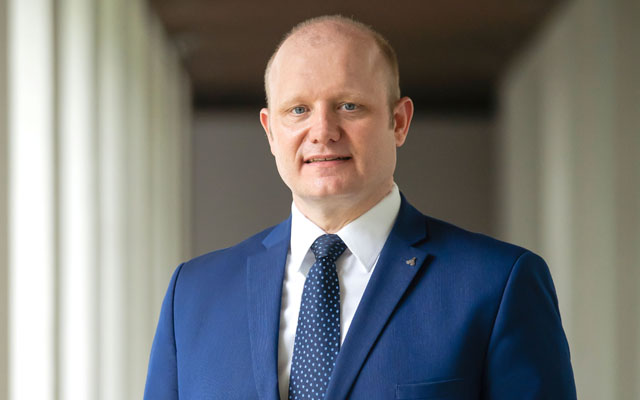
Alexander Christian Schillinger has been appointed general manager of The Sukhothai Bangkok.
Schillinger first joined the hotel as an executive assistant manager in 2016, where he was responsible for F&B as well as the hotel’s overall operations.
The seasoned hotelier has over 25 years of international experience, having held several key positions with properties such as Dusit Thani Bangkok, The Mira Hong Kong, the One&Only Royal Mirage Dubai and The Park Lane Hong Kong. At one point in his career, Schillinger also spent time with the Shangri-La group and was based in Bangkok and Beijing.
Other countries he has worked in include Germany, Greece, his native Switerzerland and the US.
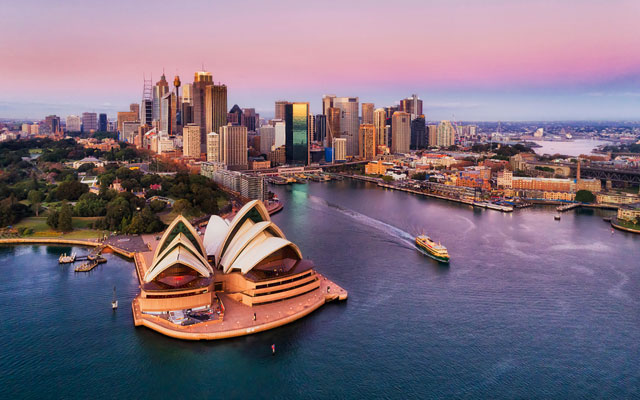
Australian tourism is gaining significant momentum for recovery, surviving two of its biggest challenges this year by resisting the tendency to “go dark” in the early months of the pandemic.
The double blow of being hit by Covid 19 impacts almost immediately after bushfires ravaged many popular tourist destinations presented the country with deep challenges. But a responsive plan has resulted in, among other things, robust network growth in travel consultants for the industry worth A$126 billion (US$89.1 billion).
Tourism Australia doubles down on efforts to get domestic travellers to explore their own backyard
Campaigns like Live From Aus in May, a live-streamed programme of virtual travel experiences to inspire the next Australian holiday, generated about 34 million online views in some 40 countries.
Tourism Australia (TA) also almost tripled the number of travel agents who went through their Aussie Specialist Program training to 80,000 agents in the last financial year, compared to 30,000 in a normal year.
“Obviously, in the panic phase, we did pause everything when the consumer sentiment wasn’t there,” TA’s executive general manager commercial, Robin Mack, told attendees at Australia’s luxury business exchange event Luxperience.
“But as you get into that restricted movement, and people were locked down as some still are in that dreaming phase, (people) can really absorb the content and we wanted to make sure we stayed as relevant as possible”.
With borders likely to remain closed to international visitors till late 2021, TA’s post-bushfire campaign appealing to locals to Holiday Here This Year has been evolving to meet current conditions, as some interstate borders remain closed or limited.
“(The campaign) is almost a call to arms and a behaviour change,” said Mack. “Already, over A$80 billion is spent domestically by Australians (including) 85 million room nights or overnight stays. But our big opportunity for that domestic market is getting the 9.6 million that go overseas to holiday in Australia.”
With restrictions beginning to ease, TA launched a new A$7 million campaign this week, headlined by Australian celebrity couple Hamish Blake and Zoe Foster-Blake, aimed at driving that domestic market to book not just hotels but experiences.
In the meantime, expecting that a trans-Tasman Covid-safe travel zone will soon be in place, Australia and New Zealand are also targeting each others’ markets and preparing for the luxury sector to be the first to fly.
“From a premium travel viewpoint, I think the luxury sector in New Zealand is underestimated from an Australian visitor perspective, so we’re looking forward to sharing and growing that segment,” said Tourism New Zealand general manager for Australia, Andrew Waddel.
“Ultimately, we believe that across the two markets, there are circa 10 million trips that won’t happen overseas or internationally and we think getting New Zealanders and Australians to travel locally as well as across the Tasman is not only a great way of connecting as people but also (encouraging) that regeneration in travel,” he continued.
Luxperience today concludes four days of meetings and educational talks as a fully virtual event for the first time with 640 delegates, an increase from past physical events which on average saw 600 buyers, media and exhibitors participating.
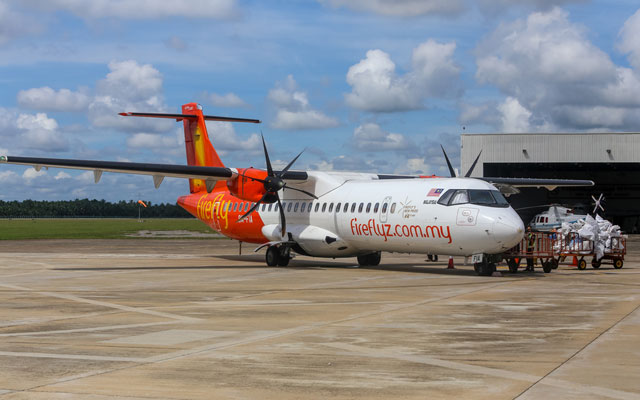
Firefly Airlines will start jet operations from 1Q2021, as part of parent Malaysia Aviation Group (MAG)’s revamped long-term business plan, with a focus on strengthening the revenue streams of each subsidiary as its premium carrier brand Malaysia Airlines (MAB) teeter on the brink.
Under the plan, Firefly will add up to 10 narrow body jets to its fleet in phases, serving the domestic, South-east Asia and Asia-Pacific markets out of Penang International Airport.
The setup of Firefly’s Penang hub jet operations requires minimal investment by MAG next year
The low-cost carrier will be complementing sister company MAB in serving the leisure market, while diversifying its base connecting secondary cities in Malaysia to East Malaysia, Thailand, Indonesia and Singapore.
It will leverage on available resources and talents from within MAG, with the possibility of deploying the Boeing 737-800 aircraft from MAB. This will give the national carrier room to focus on its network serving the premium market, according to MAG.
MAG CEO Izham Ismail said: “Based on available forecasts, domestic and short-haul travel will be most preferred in the current environment, hence, it makes commercial sense for Firefly to supply this demand from the northern region. This is in line with the group’s enhanced Long-Term Business Plan, which has been realigned to suit the current and future environment post-Covid-19, with a focus on strengthening the revenue streams of each subsidiary.”
With the new jet operations, Firefly will offer a flexible service concept, with product unbundling to suit the leisure-focused and price-sensitive customers, providing a more significant value proposition.
The setup of Firefly’s Penang hub jet operations will require minimal investment by MAG in 2021, with an expected increase in production, measured in average seat per kilometre, by 36 per cent over the next five years, MAG said.
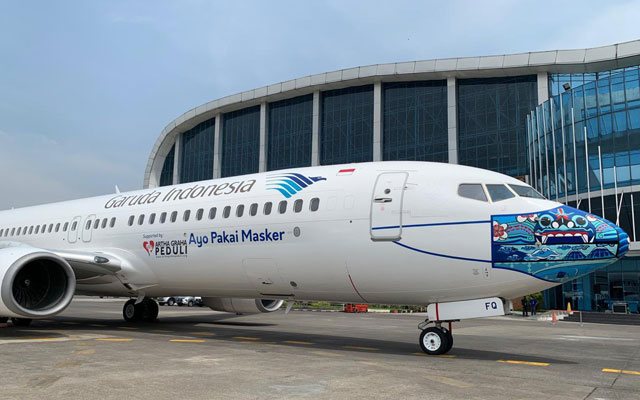
National flag carrier Garuda Indonesia has unveiled a new livery depicting an intricately-designed face mask on the nose of one of its Boeing 737-800NG aircraft.
The airline had previously painted a blue surgical mask livery on one of its Airbus A330-900 Neo craft, as part of a campaign encouraging people to keep their masks on during the pandemic.
Garuda Indonesia promotes a culture of mask-wearing by painting a face mask livery on its plane
The new mask livery was designed by Indonesian creator, Jailani, the winner of the first phase of Garuda’s Fly Your Design Through the Sky competition which took place from October 1-9.
Themed Indonesia Pride, the livery design showcases the country’s cultural and natural richness, depicted by illustrations of Balinese Barong, a temple, alongside a Komodo dragon, the icon of Indonesian fauna.
Garuda Indonesia president and CEO Irfan Setiaputra said the Fly Your Design Through The Sky competition is aimed at encouraging active participation in raising public awareness on the importance of mask-wearing amid this pandemic, through the designing of face mask livery that will be gradually painted on four of the carrier’s Airbus planes.
The competition will be held throughout this month, with the four winners to be announced in stages through October till November 9.
Aloft Bangkok Sukhumvit 11 has unveiled the Stay & Savour campaign, offering Thai residents a staycation with gourmet dining experience.
At a starting price of 1,999++ baht (US$64), guests can enjoy one-night stay with breakfast and a seafood dinner buffet at the onsite Crave Wine Bar & Restaurant every Friday to Saturday from 18.00 to 22.00, with an extended hour every Sunday, from 17.00 to 22.00.
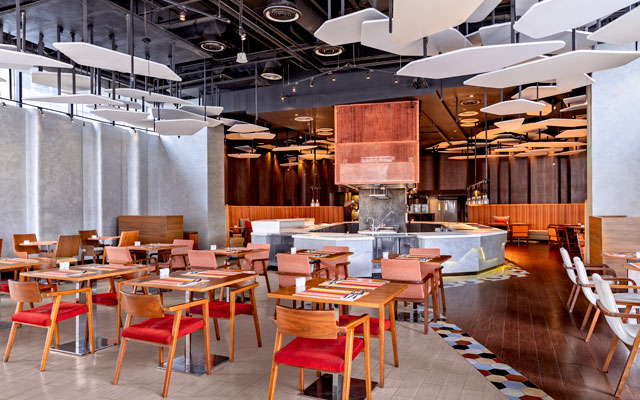
A gourmet staycation at Aloft Bangkok includes a seafood buffet at Crave Wine Bar & Restaurant (pictured)
In addition, guests can also enjoy complimentary Wi-Fi, access to the onsite 24/7 gym and rooftop pool, as well as complimentary tuk-tuk shuttle to BTS Nana, Terminal 21 shopping mall and MRT Sukhumvit.
Guests can save on their stay with Rao Tiew Duay Gun, a new domestic tourism campaign by Tourism Authority of Thailand offering discounts on hotel rooms for no longer than five nights to five million travellers. Valid Fridays to Sundays for the rest of 2020, guests can input promo code YQ1 in corporate/promotional code box when making online reservations.
Hong Kong’s Airport Authority (AA) will extend the relief package for the aviation industry for a further two months until year-end, in response to the ongoing challenges arising from the Covid-19 pandemic.
AA had previously extended its relief package for businesses operating at the airport in August, until the end of this month.
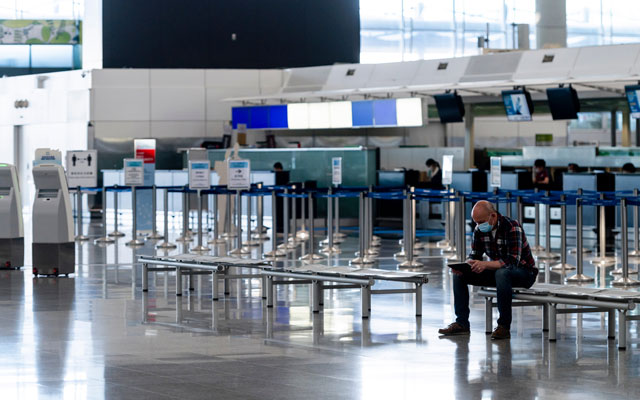
Waiver on airport fees and rental relief for retail tenants among extended relief measures for Hong Kong’s aviation sector; a near empty check-in hall of Hong Kong International Airport in May pictured
Relief measures include full waiver of parking charges for idle passenger aircraft and airbridge fees; reduction of passenger aircraft landing charges; fees reduction related to ramp handling, maintenance and airside vehicles; as well as rental reduction for terminal tenants covering lounges and offices.
In addition, there will also be fee waivers for terminal licensees including ancillary passenger services, commercial services counters and cross-border transport operators; as well as concessions on franchise fees for aviation support services such as into-plane fuelling.
The full waiver on fees in relation to aircraft maintenance charges and fixed charges for inflight catering services will also continue until year-end, as will rental relief for retail and catering tenants. Most shops and restaurants in the terminal have suspended business and their rental is waived. For those that remain open to provide essential services, the base rent is waived.
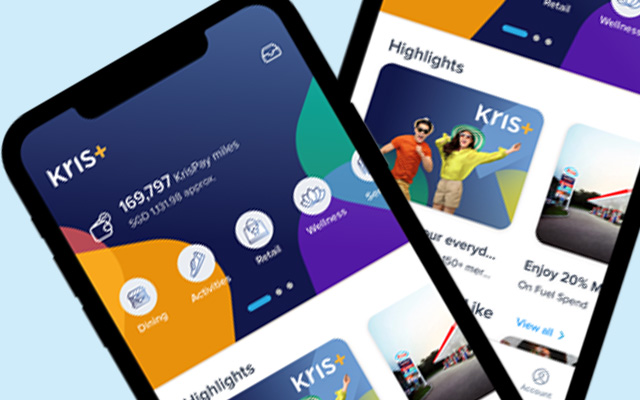
Singapore Airlines (SIA) has launched Kris+, an app that brings payment, lifestyle and rewards services together in one platform, as part of the company’s ongoing strategy to drive non-airline revenue streams.
On top of dining, retail and entertainment discounts, Kris+ also allows users to earn miles from everyday spend, or pay for purchases and experiences with these miles.
With an updated interface and user experience, Kris+ will also personalise offers for SIA’s global customer base via location-based or interest-based recommendations, offer discounts, miles-back, instant rewards and exclusive birthday and PPS privileges.
Currently, Kris+ has more than 150 partners with over 650 outlets in Singapore providing customised deals for its customers, with more merchants to be progressively added to the app in the coming months. In addition, Singapore residents who travel abroad will also enjoy special offers and rewards from January 2021 when Kris+ brings on board overseas partners and merchants in selected destinations to the platform.
KrisPay, the airline’s loyalty digital wallet, has also been integrated into Kris+. It will soon be enhanced with other in-app payment options, allowing users to simultaneously earn more miles with each purchase.
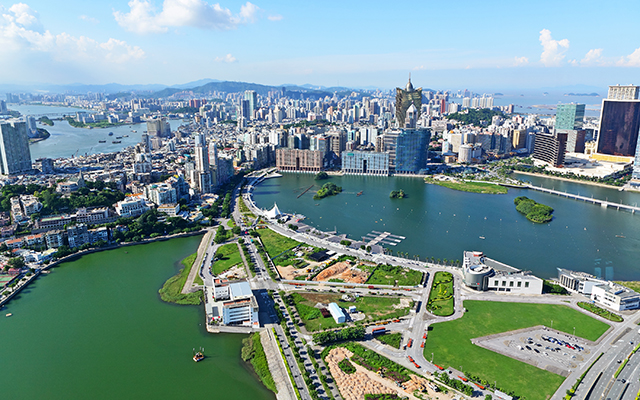
Small is beautiful, and Macao’s compact geography enables ease of travel to its many attractions, venues and landmarks. Coupled with the juxtaposition of its rich cultural heritage with innovative promotions and festivals to lure varying tourism demographics, the SAR is set to win travellers back when borders reopen
A hive of activity
Opening ceremony at Beijing Macao Week
Macao has taken its first steps in resuming tourism, with the “Beijing Macao Week” held on September 26. The first large-scale travel trade event to be held since the pandemic, it focuses on offline promotion activities and products in attracting more mainland tourists to the territory.
Since the resumption of travel permits in August, mainland Chinese visitors, as well as local residents, have been rediscovering the city with a tapestry of events and activities which MGTO has partnered local tourism players in putting together.
At the top of the list is the sixth “Macao Light Festival 2020 – Light Carnival”. Amongst a host of other fringe activities and interactive games, innovative light artistry illuminate different districts in the city by night, showcasing Macao’s local culture and history.
Projection mapping technology illuminating St Paul’s Ruins
Partnering local associations, “Light and Colour at Cathedral Parish”, “Fun Journey at our Lady of Fatima Parish” and Lusofonia festival will play up on Macao’s strong Portuguese heritage. For gastronomes and art lovers, there is the 20th Macau Food Festival and MO2049 – Sci-fi works by Ricardo Lima at Taipa Village art space, cementing Macao’s position as UNESCO Creative City.
Arroz De Marisco, an epitome of Portuguese comfort food
Wrapping up the year, the troves of exciting events such as Macao International Travel (Industry) Expo, Macau Grand Prix, and the International Film Festival & Awards will encourage further tourism buzz to the SAR.
Fresh appeal
Four new hotels – Holiday Inn Express, Lisboeta Macau, The Londoner Macao, and Grand Lisboa Palace – are lined up to open into 2021, providing a wider array of accommodation options when international borders are reopened. In welcoming the new travelscape ahead, we curate seven guest experiences designed to enthrall visitors, be it their sojourn, or return visit to Macao:
The House of Dancing Water at City of Dreams
1. City of Dreams – The House of Dancing Water This aquatic acrobatic extravaganza is now reeling in diving enthusiasts and adventure seekers with a behind the scenes tour to the magic 9m below the surface. Packages range from a diving tour to experience the moving set and iconic props, a free-diving lesson to 7m deep, scuba or free diving certification courses, to photo opportunities with a mermaid.
2. AJ Hackett Macau Tower – Tandem bungy jump Grab a friend, family member, or even an AJ crew member, and take a tandem plunge on the world’s highest commercial bungy jump at 233m while taking in exhilarating views of downtown Macao. Participants must weigh a minimum of 40kg, with combined weight not exceeding 135kg.
3. MGM Cotai – Guided art tour Another draw for art appreciators, the resort houses one of Macao’s largest art collection at 300 pieces. Displayed throughout the hotel, artworks range from Qing antique carpets to works commissioned by Asia’s contemporary artists. Tours are available on request at the hotel lobby, don’t miss the Chairman’s Collection – a selection of more than 40 paintings, sculptures and installations with the underlying philosophy of bridging East and West tradition with innovation.
4. MGM Macau – Sino-Portuguese Cultural Experience This 30-minute tour begins at the miniature Grande Praça Lisbon, where the romantic setting makes for a great photo opportunity. There will also be workshops on Portuguese art, architecture, food, music and handicrafts in providing insights into the unique Macanese culture. This free experience runs from now until December 31.
5. Parisian Macao – Al fresco dining What better than to picnic under blue skies and the spell of la Tour Eiffel? From now till November 30, The Parisian Macao brings Paris to Macao at its authentic French garden. “Parisian Picnic at Le Jardin” provides a gourmet picnic experience, which includes a curation of French inspired cuisine. Those craving for a glass of elegant bubbly may opt for Champagne at an additional cost.
6. António Restaurant There’s a new chef at António. Since joining the Taipa village favourite this year, David Abreau has been whipping up new interpretations of traditional Portuguese delicacies. He plans to launch more tasting menus that promise diners a “delightful symphony of flavours” from the freshest ingredients. The 3-storey outlet also houses a rooftop terrace with impeccable views of the quaint village, with seating for 8-10 guests.
7. The Londoner Macao experience (Opening 2021) Sands China’s third themed integrated resort will encapsulate retail, entertainment and hospitality experience within the setting of Victorian London with recreations of landmarks such as the iconic Palace of Westminster and Houses of Parliament; complete with the replica of 96m Elizabeth Tower and spectacular clock face. Its gardens are inspired by the Kensington Palace, and guests will arrive at the glass-canopied Porte Cochere, modelled after the famed Victoria Station.
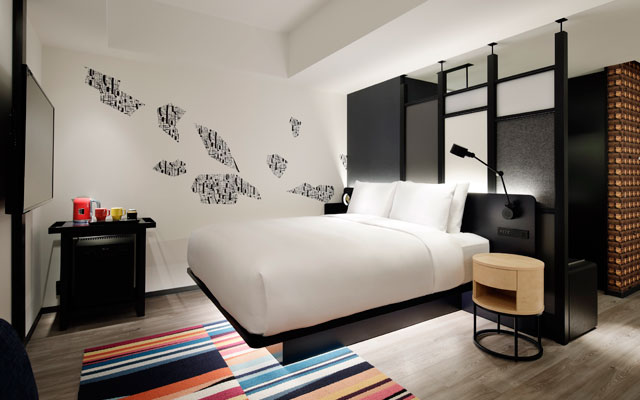
Located in Ginza, Tokyo’s popular shopping, dining, and entertainment district, the new Aloft Tokyo Ginza is just a short walk away from Ginza Six shopping mall, the Mitsukoshi Ginza department store, Tsukiji Market, and the historic Kabuki-za theater. The hotel’s proximity to the Ginza and Higashi-Ginza stations also provides guests with quick and easy access to other areas of Tokyo and beyond.
The hotel is home to 205 guestrooms, each complete with free Wi-Fi, 55-inch flatscreen 4K televisions, and a walk-in rainfall shower. Dining and social spaces include The Warehouse, an all-day dining restaurant; Roof Dogs, an open-air rooftop bar; and Re:fuel by AloftSM, a 24/7 grab-and-go kiosk. The brand’s signature Re:mix Lounge provides locals and travellers a space to mix and mingle, while W XYZ Bar offers craft cocktails and light bites for guests to eat and sip over live music. There is also a 24/7 fitness centre.
Grand WuJi Hotel, The Unbound Collection By Hyatt, China
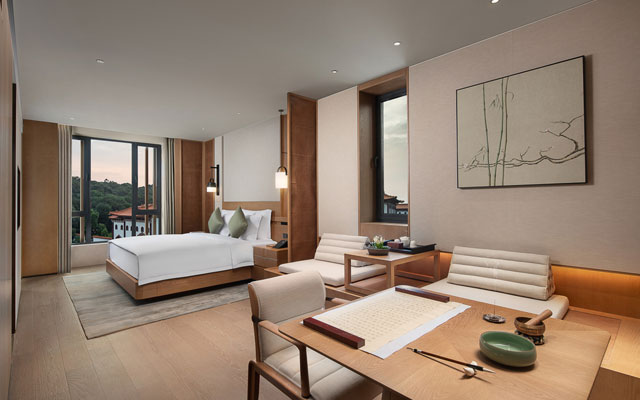
The wellbeing-focused Grand Wuji Hotel in Nanjing, the capital of Jiangsu Province, marks the fourth property in China for The Unbound Collection by Hyatt. Previously known as The Yovoy Hotel, Grand Wuji Hotel spans an area of 31,000m2, with a total construction area of 81,000m2.
The four free-standing buildings are linked by a central garden where guests can discover soothing spaces for meditation, outdoor yoga and Tai Chi. Four restaurants are on offer here: LVQI Lobby Bar, serving Chinese-style high tea and brewed tonics; Jia Shu, a vegan restaurant; Five Tastes, an all-day restaurant; as well as Jade Court, featuring Cantonese cuisine and classic Huaiyang dishes, with six private dining rooms.
The hotel offers 272 guestrooms, including 56 suites. Most rooms feature a ‘health corner’ with a Chinese-style daybed for tea and peaceful meditation. Each suite is also equipped with a smart mirror that automatically synchronises with a scale to offer guests personalised health data.
Accessed via a private entrance, nearly 3,000m2 of meeting venues are available to host a variety of conferences, special events and weddings. The 1,200m2 Five Season Banquet Hall can accommodate up to 1,200 people, while six multifunctional conference rooms provide elegant spaces for small and medium-sized meetings and banquets. Unique health amenities for conference attendees include customised seasonal menus and activities such as Tai Chi, yoga and meditation. As well, an inner courtyard leading out to an expansive lawn is open to host weddings.
At the 24/7 fitness centre, guests can benefit from a health assessment and join in workouts in the 200m2 Energy Room or indoor heated swimming pool. Guests are also encouraged to explore a deep sense of mindfulness and balance through cultural activities, such as traditional Chinese tea ceremonies in the Zen Tea Room.
Kimpton Shinjuku Tokyo, Japan; and Kimpton Maa-Lai Bangkok, Thailand
Kimpton Hotels & Restaurants’ expansion continues in Asia with the opening of Kimpton Shinjuku Tokyo and Kimpton Maa-Lai Bangkok.
Kimpton Shinjuku Tokyo
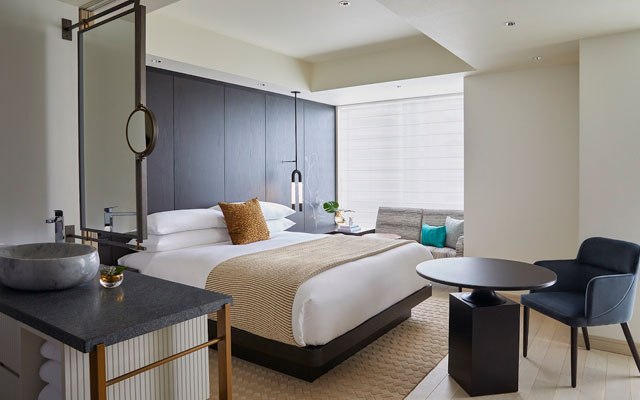
Located in the heart of Shinjuku, Kimpton Shinjuku Tokyo boasts 151 rooms and suites furnished with La Bottega amenities and Kimpton perks including a ‘bath turndown’ with the brand’s own scented candles and bath salts. Each of the hotel’s dining destinations has origins steeped in New York culture, providing culinary experiences built on Kimpton’s legacy of one-of-a-kind, locally loved restaurants.
Kimpton Maa-Lai Bangkok
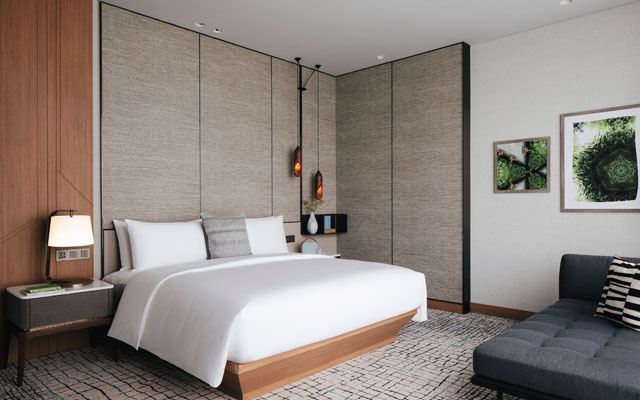
Meanwhile, Kimpton Maa-Lai Bangkok is located in the creative district of Langsuan. As a mixed-use new-build hotel and residences concept, the hotel features 362 rooms and suites, including 131 serviced residences, each with thoughtful details such as bespoke HARNN bath amenities and kimono robes designed by Christian Develter for Tube Gallery.
The hotel features four immersive dining venues such as the all-day dining Stock.Room that seats 400 guests. Elevating the neighbourhood grocerant concept with its six open kitchens, guests can also expect seasonal pop-ups serving Thai street eats, all the way to hosted master classes.
Four Points by Sheraton Phuket Patong Beach Resort, Thailand
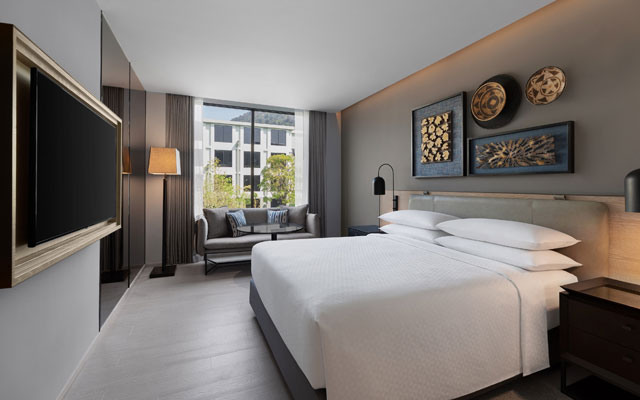
Overlooking the Andaman Sea and located in the heart of Phuket’s most famous beach destination, Four Points by Sheraton Phuket Patong Beach Resort features 600 guestrooms and suites, including pool access rooms with private terraces. The Family Suite features a dedicated kids’ room including boat beds and children amenities. In addition, the Ocean View suites offer sweeping vistas of Patong Beach and the Andaman Sea.
The hotel features five dining venues: Chao Leh Kitchen, an all-day restaurant with a focus on Phuket cuisine, along with pan-Asian and Western favourites; Sears & Co., offering a casual dining experience with indoor and alfresco seating; as well as The Deck Beach Club Patong for light bites and signature cocktails. Alternatively, there is also the Lobby Bar and the Pool Bar, the latter featuring a seven-seat swim-up counter.
Other facilities include The Deck Beach Club Patong, 24-hour gym, a trio of swimming pools, including a saltwater lagoon pool. Youngsters will be entertained at the Little Sea Gypsies Kid’s Club, where activities range from cooking classes to face painting, kids’ boot camps and more.
With 1,200m2 of flexible function space including two ballrooms and over 1,000m2 of outdoor events space, the hotel offers venues for all types of corporate or social gatherings. The Akara Grand Ballroom, foyer and pre-function area can cater up to 500 people, while the Kathu Junior Ballroom can accommodate up to 170 delegates. Seven other meeting rooms can be adapted for a range of function types. Couples looking to tie the knot can opt to do so in the ballrooms or outdoors on the Garden Terrace.
Singapore and Hong Kong have reached an in-principle agreement to set up a two-way air travel bubble, which will allow for travel between the two destinations without the need for quarantine or a controlled itinerary.
Under the travel bubble, there will be no restrictions on travel purpose. However, travellers will be subject to mutually recognised Covid-19 tests and will need to have negative test results, said the Ministry of Transport (MOT) in a press release on Thursday. Those travelling under the bubble will also be required to travel on dedicated flights, it added.
Singapore and Hong Kong reach in-principle agreement to establish bilateral air travel bubble
The air travel bubble can be scaled by adjusting the number of dedicated flights upwards or downwards, or even suspended, in line with the latest developments and Covid-19 situation in the two cities, said MOT.
Transport minister Ong Ye Kung said in the release: “Both our cities have low incidence of Covid-19 cases and have put in place robust mechanisms to manage and control Covid-19. This has given us the confidence to mutually and progressively open our borders to each other. It is significant that our two regional aviation hubs have decided to collaborate to establish an air travel bubble.
“It is a safe, careful but significant step forward to revive air travel, and provide a model for future collaboration with other parts of the world.”
According to the MOT, Singapore and Hong Kong will flesh out the full details of the air travel bubble “in the coming weeks”, with its launch date and other implementation details to be announced in due course.
Conrad Clifford, IATA’s regional vice president for Asia Pacific, welcomed the announcement of the Hong Kong-Singapore air travel bubble.
“Replacing quarantine measures with Covid-19 testing will help in reopening borders, restoring the connectivity that jobs and economic activity depends on, and gives passengers greater confidence to travel. In a recent 11-market survey of travellers commissioned by IATA, 83 per cent of respondents indicated that they will not travel if there is a chance of being quarantined at their destination,” he said.
Clifford also urged other governments in Asia to take a similar approach to replace quarantine with Covid-19 testing as part of their efforts to reopen their borders and start restoring their economies.











Firefly Airlines will start jet operations from 1Q2021, as part of parent Malaysia Aviation Group (MAG)’s revamped long-term business plan, with a focus on strengthening the revenue streams of each subsidiary as its premium carrier brand Malaysia Airlines (MAB) teeter on the brink.
Under the plan, Firefly will add up to 10 narrow body jets to its fleet in phases, serving the domestic, South-east Asia and Asia-Pacific markets out of Penang International Airport.
The low-cost carrier will be complementing sister company MAB in serving the leisure market, while diversifying its base connecting secondary cities in Malaysia to East Malaysia, Thailand, Indonesia and Singapore.
It will leverage on available resources and talents from within MAG, with the possibility of deploying the Boeing 737-800 aircraft from MAB. This will give the national carrier room to focus on its network serving the premium market, according to MAG.
MAG CEO Izham Ismail said: “Based on available forecasts, domestic and short-haul travel will be most preferred in the current environment, hence, it makes commercial sense for Firefly to supply this demand from the northern region. This is in line with the group’s enhanced Long-Term Business Plan, which has been realigned to suit the current and future environment post-Covid-19, with a focus on strengthening the revenue streams of each subsidiary.”
With the new jet operations, Firefly will offer a flexible service concept, with product unbundling to suit the leisure-focused and price-sensitive customers, providing a more significant value proposition.
The setup of Firefly’s Penang hub jet operations will require minimal investment by MAG in 2021, with an expected increase in production, measured in average seat per kilometre, by 36 per cent over the next five years, MAG said.