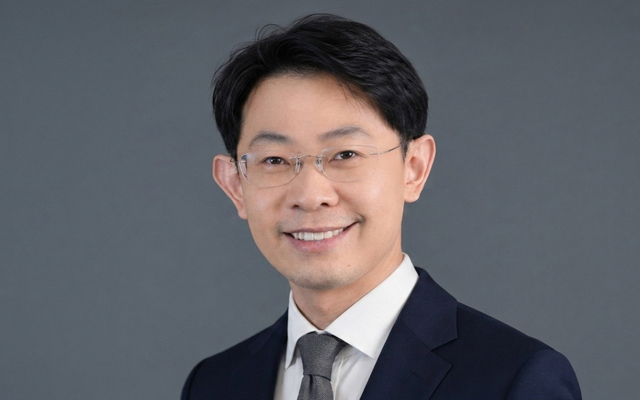
As Thailand advances its Life Economy strategy, Polakit Teekakirikul, CEO of VitalLife, discusses the growing role of science-backed wellness, longevity programmes and partnerships in shaping the country’s tourism offering
 From your vantage point at the forefront of medical wellness, what are the most significant developments or shifting traveller demands that are fundamentally redefining Thailand’s wellness tourism landscape this year?
Thailand’s 2026 tourism strategy puts wellness and medical tourism at the heart of its Life Economy agenda, competing on value rather than volume.
We are seeing this translate into tangible infrastructure and positioning. Thailand is investing in upgraded health and wellness facilities, hosting major events such as global wellness summits, and promoting “healing journeys” that invite visitors to come for recovery, prevention, and regeneration rather than only leisure.
Across key destinations like Bangkok, Phuket, Hua Hin, Chiang Mai, and Samui, wellness is now built into the core tourism proposition through integrated medical‑wellness centres, serious retreats, and data‑informed programmes, not just spa menus.
On the demand side, the biggest shift we see at VitalLife is “health prevention” – busy, high-spending travellers aged between 40 and 60 increasingly prefer tailored longevity plans and thorough health screenings over isolated wellness treatments.
How do you assess the current public-sector support, and where do you see the most effective synergies between Tourism Authority of Thailand’s (TAT) directives and private, science-backed providers like VitalLife?
Wellness and medical tourism sit squarely inside the Life Economy pillar, which gives our segment clear policy visibility and momentum.
We see this in initiatives such as dedicated health and wellness trade meets and campaigns built around “healing” and “premium wellness journeys”, which connect Thai providers with international buyers and reposition Thailand as a global wellness hub.
For providers like VitalLife, these platforms are powerful because the public sector handles destination storytelling, market diversification, and buyer access, while we contribute clinical credibility, measurable outcomes, and ready‑to‑book longevity programmes that convert interest into travel.
When branding, data, and product design are aligned between public and private sectors, we move closer to a seamless Wellness Hub Thailand ecosystem that offers both memorable trips and long‑term health benefits.
As VitalLife transitions into a comprehensive ‘Longevity Hub’, how is your footprint expanding within the international tourism market?
Over the past two years, we have repositioned into a front door for preventive and longevity medicine. We are seeing strong interest from high‑net‑worth guests – particularly from the Middle East, East Asia, and Indochina – who see VitalLife as a regional base for long‑term health planning.
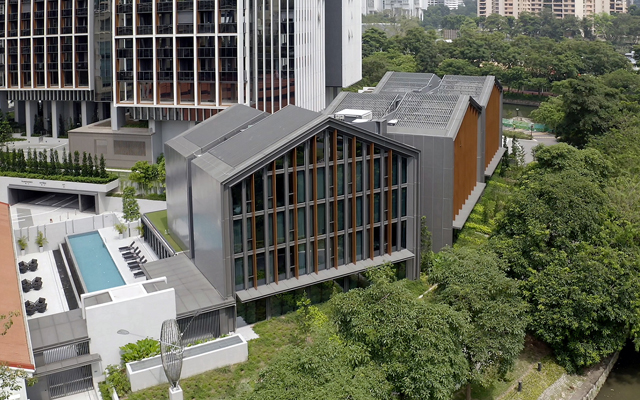
In Bangkok, our renewed VitalLife centre serves as a dedicated longevity environment within a destination hospital.
In Phuket, VitalLife is now part of the island’s evolving wellness ecosystem, allowing travellers to pair resort stays with longevity assessments. The share of international and expatriate guests has risen to 65 per cent of all clients. Our fastest‑growing segments are regional Asia‑Pacific markets and affluent long‑stay guests.
As the wellness sector matures, we are seeing a fascinating convergence of traditional holistic therapies and highly advanced preventative medicine. What are some new products, programmes, or facility expansions across traditional and science-backed wellness concepts that are in Bumrungrad and VitalLife’s pipeline?
At Bumrungrad and VitalLife, we see the wellness sector moving beyond standalone check-ups into a true longevity ecosystem that blends advanced medicine with holistic care.
Programmatically, we combine Eastern and Western approaches – conventional diagnostics, genetic analysis, detoxification, nutrition planning, and lifestyle coaching – to prevent chronic disease and improve quality of life, all underpinned by Bumrungrad’s hospital‑grade infrastructure. Instead of generic packages, we emphasise “total personalisation”, using each client’s genetic profile, medical history, and lifestyle data to design tailored longevity plans.
AI is a core enabler of this model. In the hospital, tools like Lunit INSIGHT provide second‑opinion analyses for chest X-rays and mammograms, supporting earlier detection. We also introduced NEC’s FonesVisuas blood‑protein test, using AI to predict near‑term risks for dementia, heart attack, and chronic kidney disease. Our AI‑driven analysis turns raw test results into clear, personalised prevention recommendations – an inherently “agentic” care model. This is wrapped in minimalist spaces, merging a resort‑like ambience with the safety of a leading international hospital.
By uniting AI diagnostics, predictive risk tools, continuous personalisation, and hospitality‑style environments, we’re setting a new benchmark for what science‑backed, client‑centric wellness can look like.
In your view, what distinct business opportunities does the enhanced wellness infrastructure bring to Thailand’s tourism industry?
This advanced wellness ecosystem offers three distinct avenues for industry growth.
First and foremost is elevated visitor yield: by attracting travellers who book premium health programmes and return for ongoing care, Thailand can sustainably increase its tourism revenue without relying on the traditional metric of higher arrival numbers.
Second, it enables new, bookable products that blend healthcare and hospitality such as executive health check‑up holidays, structured recovery and reset stays, and long‑stay wellness or longevity programmes that combine Thai therapies with hospital‑grade care. These integrated products are easy for hotels, airlines, and tour operators to package and distribute.
Third, it underpins a broader ecosystem of investment and innovation. Enhanced infrastructure supports wellness resorts and residences as well as health‑tech, telemedicine, and AI‑enabled services, positioning Thailand not only as a place to visit, but as a base for one’s long‑term health journey especially for remote workers, retirees, and long‑stay guests who want a high‑quality, wellness‑centred lifestyle.
Finally, you have often spoken of and are a strong proponent of cross-disciplinary collaboration. Could you share where you see the greatest potential for collaboration between the medical and wellness sectors and the hospitality and travel industries?
The most effective synergies are where TAT’s narrative and our products are designed around the same guest journey – for example, longevity‑focused itineraries that bundle flights, hotels, and evidence‑based programmes, or recovery and reset packages tailored to resilient longhaul markets.
For hospitality, this means creating bookable packages together such as an executive longevity retreat that bundles a luxury stay, airport transfers, VitalLife diagnostics, personalised nutrition and movement, and structured virtual follow‑up so the guest experiences one integrated journey rather than separate bookings.
Over time, I believe integrated trip design, privacy‑respectful data sharing, and long‑stay or membership models that bundle accommodation with ongoing medical and wellness support will define the most valuable cross‑disciplinary collaborations for Thailand.