In an open letter to the travel and tourism community, PATA chairman Henry Oh and PATA Foundation chairman Andrew Jones have underscored the impact of accurate destination updates on Nepal tourism’s road to recovery.
Oh and Jones expressed: “As the situation continues to develop, it is important that we provide travellers and tourism stakeholders with an accurate picture of what has been affected – and what has not.
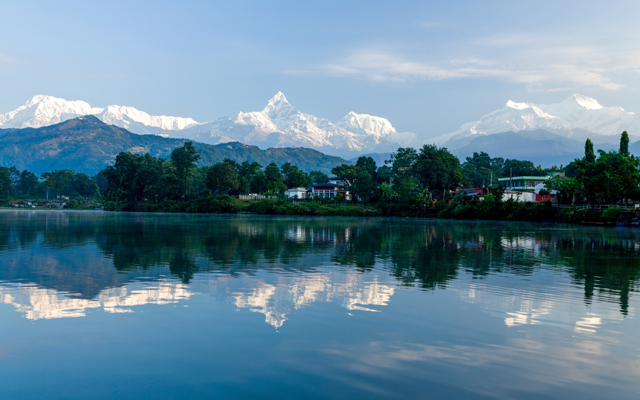
“The impact of the floods is significant, but it is geographically concentrated. The vast majority of Nepal remains unaffected and continues to welcome visitors. Kathmandu Valley, Pokhara and the Annapurna region, the Everest and Khumbu region, Chitwan, Bardiya, Lumbini and the Terai, as well as Nepal’s airports and major tourism infrastructure, continue to operate. The affected areas are concentrated along specific corridors, including parts of Rasuwa, Langtang and the Bhote Koshi, where search and rescue and recovery operations are ongoing.
“For international travellers and the tourism industry, this distinction matters. Nepal is a country of extraordinary geographic and cultural diversity, and conditions in one river corridor should not be taken to represent the situation across the entire country.
“We therefore encourage travel businesses, media, travellers and other tourism stakeholders to rely on verified information and to assess travel plans based on the specific destination or route concerned.”
The open letter emphasised that “continued responsible travel to unaffected destinations” will sustain livelihoods for the people of Nepal who depend on tourism.
Oh and Jones defined two courses of action that the travel and tourism community could take to support Nepal.
One, monetary contributions can be made to the PATA Foundation’s Nepal Tourism Recovery Fund, which will go live shortly. It is focused on the recovery of tourism livelihoods – the guides, drivers and porters, and the families running the homestays, lodges, teahouses and small hotels along the affected corridor.
“Many of these families have lost their premises and their equipment as well as their homes, and with them the income they would have earned this season. Helping them rebuild is how income returns to the affected communities, and it is work our industry is well placed to support. This is where we are asking members, their customers and their networks to direct support,” they wrote in the letter.
Two, careful presentation of destination information is priority. Oh and Jones ask travel professionals to “review what their own organisations are publishing about Nepal – destination pages, travel advisories, itineraries and customer service guidance – and to correct anything that describes the country as a whole as affected”.
“This is the main planning and booking season for travel to the country, which makes the accuracy of published information particularly important at this moment,” they stated.
PATA has identified some reliable sources of information: Nepal Tourism Board’s live travel information page via nepalnow.travel; Nepal Police and the NDRRMA; and PATA Nepal Chapter via · www.pata.org.np.