Animal tourism in South-east Asia is undergoing a gradual transformation as travellers become more discerning, operators tighten welfare standards, and scrutiny grows over what makes an ethical experience
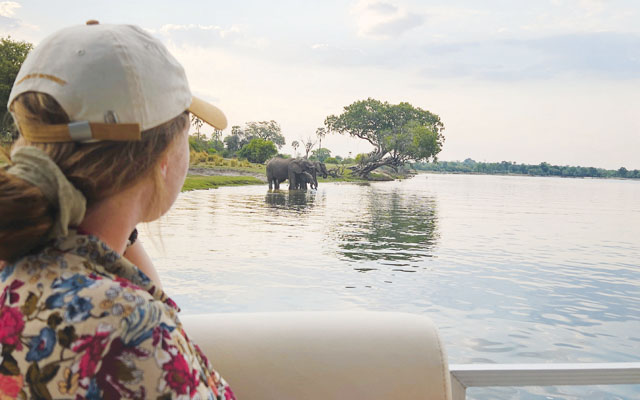
Once dominated by elephant rides, tiger selfies and close-up wildlife encounters, South-east Asia’s animal tourism sector is facing mounting pressure to redefine what comprises an acceptable animal experience.
Animal tourism remains a major draw across destinations such as Thailand, Indonesia and Vietnam, but industry players say consumer expectations are rapidly changing, forcing suppliers, DMCs and operators to take more responsibility for what they sell.
“We’re seeing a real shift in guests’ attitudes and expectations. Where they used to ask ‘how close can we get?’, they’re now asking ‘what’s the best way to observe them?’ or ‘how can we see their natural behaviour?’,” said Charlie Darlington, sustainability and nature positive tourism lead at Scott Dunn.
Darlington said the shift is being fuelled by travellers asking “harder questions”, such as where the animals come from, why they are docile, and their living conditions.
“There was an inherent trust that sanctuary meant genuine care, that rescue centre meant ethical practice, and that if an experience was being offered, it must be acceptable,” she said.
“However, with increased visibility of animal mistreatment through social media – where a single video can expose the reality behind the façade – and impactful campaigning by animal rights groups, we’re learning to be much more discerning and critical with a more educated eye.”
Darlington noted that increased awareness among Scott Dunn’s clients and industry players is creating mounting pressure from multiple directions.
“The result is that people providing animal experiences on the ground are having to raise their standards, because travellers are no longer simply accepting what they’re told,” she said.
“It’s become a positive feedback loop – the more we educate travellers, the more they demand better and the more the industry has to respond. We’re not where we need to be yet, but the direction of travel is encouraging.”
Willem Niemeijer, CEO of Yaana Ventures, said in the past few decades, South-east Asia has witnessed a surge in visitors, with many seeking wildlife experiences. During the same time, he has seen a shift in both traveller and supplier attitudes towards animal tourism.
“Had nothing changed in the approach to animals in tourism, the situation would undoubtedly be far worse. One clear conclusion is that the industry increasingly understands the sustainability expectations of the modern traveller,” he told TTG Asia.
However, despite noted progress, Niemeijer pointed to “significant shortcomings” that remain, noting that problematic practices, such as taking photos with tiger and lion cubs, continue to take place.
This has led to some DMCs transitioning towards an “observation-only” model – the “most ethical approach” to wildlife tourism, according to Darlington. “We believe removing interaction as a blanket rule is the right solution,” she said.
Niemeijer excludes experiences involving wild animals from all programmes, selling only responsible viewing of animals from a safe distance in their natural habitat.
“We follow expert guidelines – for example, in dolphin- and whale-watching – and support and raise awareness for conservation initiatives such as sea turtle nest protection. Photo opportunities with primates or reptiles are strictly off-limits, and our guides are trained to explain why, as guests are not always aware of the impact,” he said.
Darlington noted that tourists’ attitudes are changing, as they realise the “privilege” of being able to watch animals from a distance in their natural habitat.
“This deeper engagement creates far more memorable and meaningful experiences than simply touching an animal ever could. Local guides are truly the unsung heroes of this whole process; their knowledge is invaluable,” she said.
Despite broader consensus on many practices, captive elephants in tourism remain highly contested, with Niemeijer referring to it as the “most debated area”, particularly in Thailand. Yaana Ventures works with Asian Captive Elephant Standards (ACES) to encourage elephant camps to undergo independent audits by qualified experts and veterinarians.
“Our view is that tourism plays a critical role in funding the care of the roughly 3,000 captive elephants that would not survive in the wild – even if sufficient habitat existed, which it does not,” he added.
Scott Dunn also recommends elephant sanctuaries that have worked with World Animal Protection or gained ACES certification, such as ChangChill and Phuket Elephant Nature Reserve.
While acknowledging travellers’ responsibility, Carlos Martin-Rios, assistant professor of management at EHL Hospitality Business School, said industry players are “not neutral actors”. He pointed to online platforms that shape demand through visibility and ranking, with many online travel agencies selling packages that feature unethical “sanctuaries”.
“Choice is heavily mediated by what the industry makes visible. If unethical options dominate search results or packages, behaviour reflects curation, not pure preference,” he said, adding that tourist behaviour is often shaped by factors such as availability, pricing, visibility and convenience.
“They (tourists) rarely conduct deep ethical investigations at checkout. What looks like free choice is often structured selection. If the system changes what is visible, behaviour will follow,” he added.
Darlington said tour operators have a responsibility to scrutinise the ethics of experiences and partners, and Scott Dunn’s tough stance on animal welfare has been well-received by guests.
To further strengthen animal welfare in the tourism sector, Martin-Rios said a multi-stakeholder approach is key, from hotels, tour operators and destinations, to events, food service and transport.
Looking ahead, Niemeijer called for stronger local legislation surrounding animal protection and the classification of species. “While responsible operators apply best practices and often adhere to the standards of their source markets, real change requires clear and enforceable local laws. Without this, and with continued growth in tourism and new source markets, problematic practices will continue to emerge.”