

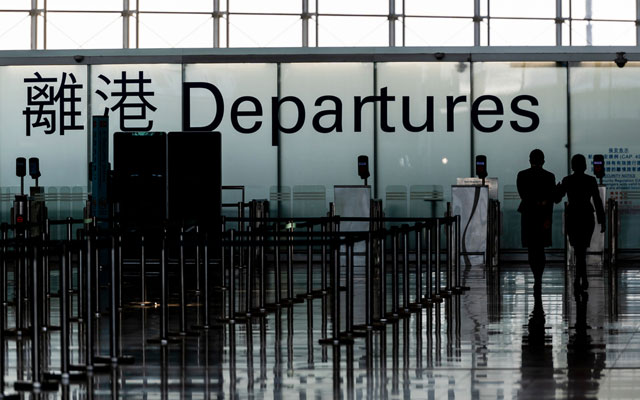
An unexpected fifth Covid-19 wave has cast a shadow over hopes of a recovery for Hong Kong’s tourism sector as authorities tighten anti-virus curbs and shelve long-awaited plans for quarantine-free travel between Hong Kong and China.
Hong Kong on Friday (January 14) announced that passengers from more than 150 countries and territories will be banned from transiting through the city for a month to control the spread of Omicron. The city has one of the world’s strictest Covid-19 policies, requiring a mandatory hotel quarantine of up to 21 days for incoming travellers from most countries.
This follows the city’s authorities move on January 7 to impose fresh curbs for two weeks, including banning dining in eateries after 18.00, and shutting of fifteen types of venues, including bars, cinemas and gyms.
The government is expected to announce later on Friday that the restrictions will be extended through the Lunar New Year holiday at the start of February, according to a Reuters report.
Gray Line Tours managing director, Michael Wu, predicts that the earliest inbound traffic would return is in October. “It will take time and we are not alone as similar practices are being implemented around the world,” he said, adding that hopefully, the country’s vaccination rate will continue to climb.
One Bus Holiday general manager and Hong Kong Tourism Association executive director, Timothy Chui, is not hopeful that any kind of resumption of local tourism activities, apart from hotel staycations which are currently allowed under strict rules, will take place before the Lunar New Year holiday given the worsening outbreak situation.
He noted that prior to the latest Omicron-fuelled wave, the city was making good progress on exploring the resumption of quarantine-free travel with visitors from mainland China, subject to a limited quota.
“It would have been an impetus and paved the way for the mid- to long-term recovery of the sector,” he said.
Chui added that more than 90 per cent of travel agencies in the city are SMEs, which have government funding as a lifeline to tide through this challenging period, but this is not the case for other stakeholders like hotels and transportation companies that have been left out in the cold.
Outbound travel operators are currently staying afloat by pivoting to domestic travel, including hosting tours that are subsidised by the government, as well as selling hotel staycations and cruise packages.
General manager of ePlay.hk, Thomas Chan, said: “Except for staycations, all tourism activities are currently suspended and we are busy refunding our clients now. With no definite date for resumption, our path to recovery will be very long.”
In a statement, Federation of Hong Kong Hotel Owners said the latest round of curbs would mean huge financial losses for hotels and restaurants, especially during the Lunar New Year season. It warned that if the situation persists, many restaurants will go bust, resulting in mass unemployment.
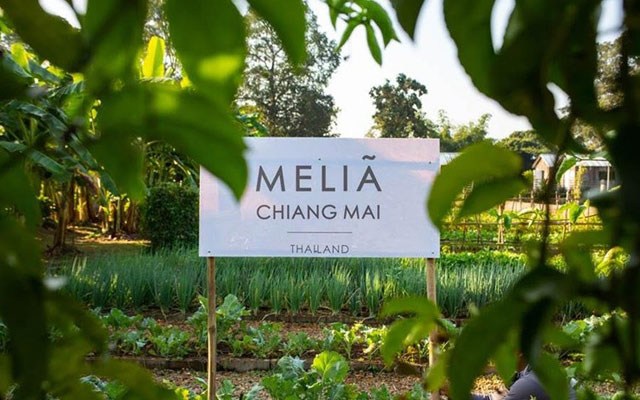
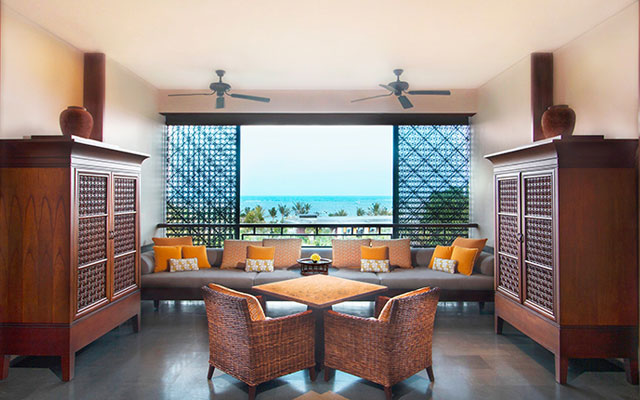










Meliá Chiang Mai, a 260-key hotel to soon debut in Thailand’s mountainous north, has embraced the farm-to-table social movement by establishing a farm to harvest produce for its restaurants, bars and spa.
The hotel, due to open on April 8 on Charoen Prathet Road in the heart of Chiang Mai, has partnered with ORI9IN The Gourmet Farm, a 80ha gourmet organic farm located in nearby San Sai District overseen by chef-turned-sustainable farmer James Noble and his wife May.
Noble, a Briton who has run Michelin-starred restaurants in the UK, will work with local farmers to grow an array of fruits, vegetables and herbs for the hotel on its own 0.8ha farm on the broader ORI9IN property.
In addition to local seasonal produce, the farm will also grow various kinds of tomatoes, salad leaves, and specialised ingredients that would otherwise need to be imported from Spain for the hotel’s authentic Mediterranean cuisine.
The partnership is a central plank of Meliá Chiang Mai’s 360° Cuisine programme, under which the hotel aims to work closely with local farmers to help them improve sustainability and encourage ethical production to make communities and the overall food system more resilient.
The 360° Cuisine programme not only gives guests peace of mind about where their food comes from but encourages them to visit the hotel’s farm to meet local farmers and learn more about sustainable farming and healthier eating.
The hotel’s menus will highlight appetisers, main courses and desserts that feature ingredients from the farm. Ingredients from the farm will also be in various beverages at the hotel’s bars and Meliá’s signature YHI Spa.
“In addition to pursuing ‘farm to plate’ by sourcing organic produce that travels only a short distance to our hotel, our partnership with ORI9IN also comprises ‘plate to farm’ where we separate our food waste and bring it back to the farm as compost, thus minimising waste as part of a truly 360-degree concept,” said Meliá Chiang Mai’s general manager Edward E. Snoeks.
The hotel will offer guests day trips to the farm that include a picnic lunch and a chance to learn more “about the journey their food and these products have made, as well as who has been a part of that journey”, said Noble.
“People often don’t know where food comes from, so we show them, albeit underscored by our passion for locally grown, sustainable ingredients,” he added. “This is also tourism that leaves no footprint on the land; we’re trying to show people that you can have a day out without harming what you came to see in the first place.”