For a road trip of a different kind, clamber aboard this trio of unique sightseeing buses recently launched in Asia.
Makan Bus
By Rachel AJ Lee
Why
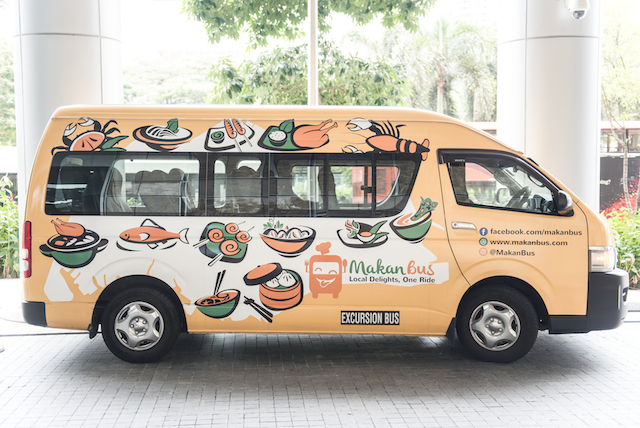
Makan Bus, a hop-on, hop-off concept of MeGuideU using 13-seater air-conditioned vans, takes passengers into Singapore’s heartlands to sample popular hawker stalls and signature local dishes.
John Ng Pangilinan, CEO of Ovenbaked Ideas (parent company of MeGuideU), said that the concept differs from other available food tours because it allows flexibility in both the itinerary and food choices.
As the ticket does not include meal costs, passengers can eat what they want, according to their individual taste buds. The hop-on, hop-off concept allows travellers to explore at their own pace and choose to eat when they want.
What
Currently, Makan Bus operates in the north-central part of Singapore but there are plans to expand to the east in the near future. Current stops are Orchard Gateway (starting point), Balestier, Lornie, Thomson, Sin Ming, Ang Mo Kio, Bishan and Toa Payoh.
A highlight in Makan Bus’ bright orange map is Stop 8 in Toa Payoh. Dishes listed on the map are Crab and Beef Noodles, which can be had at Mellben Seafood and Joo Chiat Beef King respectively.
There are also attractions such as the Sun Yat Sen Nanyang Memorial Hall and Sri Vairavimada Kaliamman Temple listed, and travellers are encouraged to explore them.
Buses run daily from 11.00 to 19.30 at 20-minute frequencies and make a total of 10 stops. Note that the bus ticket cost does not include meal costs.
How
Onboard the vans are customised maps to help in the navigation, and tour guides to answer any queries.
The guides were energetic and enthusiastic, and whet our appetites by showing us photos of dishes, as well as explaining what ingredients were used to cook them. One guide also dished out some history titbits, like where the first-ever hawker centre was located and when it was built, and that Burmese Chinese settled on the Little Red Dot as early as the 19th century.
Verdict
I liked the idea of discovering adaptations of local dishes such as the Mee Rebus Tarik. Mee rebus, yellow egg noodles in a spicy-sweet gravy, is a common Malay dish, but this version in Ang Mo Kio had an extra dollop of peanut sauce – commonly used as a satay dip – along with added slices of onions and cucumber.
Overall, the experience was unequivocally delicious. It is also a delightful way for travellers to experience the culture and taste local cuisine outside of the main shopping belt and away from tourist attractions. Even as a local, I was pleasantly surprised that there were still things about the Little Red Dot I never knew.
Name: Makan Bus
Rates: S$28 (US$20) per ticket, valid throughout the day. Children under the age of 12 may experience Makan Bus for free with accompanying paying adult/s.
Further information: www.makanbus.com
Contact: info@makanbus.com
Crystal Bus, Hong Kong
By Prudence Lui
Why
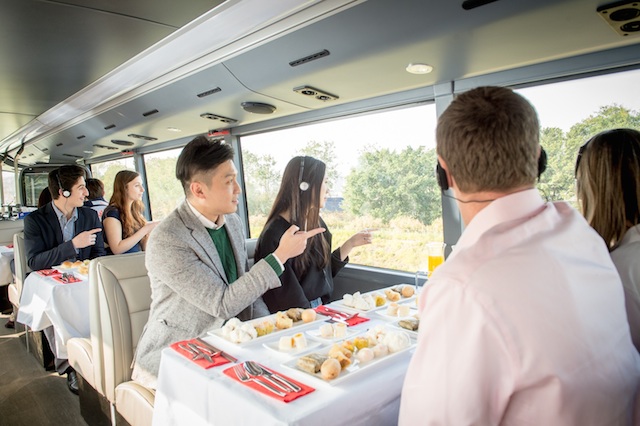
Crystal Bus, a 47-seater double-decker bus, was launched in March to offer sightseeing tours around Hong Kong while travellers dine on Michelin-star dishes. The company is currently the first and only operator to serve food supplied by Michelin-star restaurants onboard.
The bus interior is blinged out with 200,000 pieces of crystal and equipped with quality audio equipment, an LED TV, a PlayStation 4 and karaoke system.
The USB plugs under the tables are functional while cables can be borrowed from the staff keep electronics charged. Free Wi-Fi onboard is a plus as phone signals are weak when touring parts of Lantau Island.
The bus also has audio guide devices that provide guests with a history of each attraction in five languages – Japanese, Korean, Cantonese, Mandarin and English.
What
Day tours last 2.5 hours and take place twice daily. Pick-up and drop-off points are in Tsim Sha Tsui. I picked Day Tour B which departs in the afternoon and visits 21 spots in Kowloon, Tsing Yi and Lantau Island. Though I have lived in Hong Kong all my life, I was excited to visit places like Lantau Link View Point and Sunny Bay for the first time.
Upon boarding the bus, I was escorted to the upper deck and offered a choice of non-alcoholic drinks. It turns out that the bus doesn’t have a licence to sell alcoholic drinks, though guests may bring their own.
The bus departed on time and food was served 30 minutes later. Day tour tickets include a Michelin-star dim sum set, and I received a platter of eight items such as shrimp dumpling, turnip cake, crispy spring roll and barbecue pork buns. For that day, food was supplied by the one-Michelin-star One Dim Sum.
The only stop where I could alight was Lantau Link View Point, where we had a stay of 20 minutes. The staff guided us for a short distance and there wasn’t time to check out the nearby visitor centre and park. Dessert was then served when we were back onboard.
How
Apart from targeting FITs, the operator also provides charter services for groups, parties or business events for up to 47 guests. The five-hour night tour “attractions-on-demand” journey features Michelin-starred dishes for dinner including seafood, Chinese and Western cuisine.
Moreover, business meetings for small groups can be arranged given audio system and free pickup location offered. A breakfast tour is also available on request.
The second Crystal Bus is currently in the making and is expected to arrive in December.
Verdict
Clearly a tantalising way to explore Hong Kong on wheels. I was delighted that the dim sum was still served hot. The staff were also thoughtful as they came upstairs regularly to offer snacks such as peanuts.
Name: Crystal Bus
Rates: Day tour tickets include a Michelin-star dim sum set and costs HK$380 (US$49) per person. For night book-outs, the booking fee from Monday to Thursday costs HK$8,800, and on Fridays to Sundays, public holidays and the eve of public holidays cost HK$12,800, including drinks and snacks.
Further information: www.crystalbus.com.hk
Contact: info@crystalbus.com.hk
Isetan Mitsukoshi Premium Cruiser, Japan
By Julian Ryall
Why
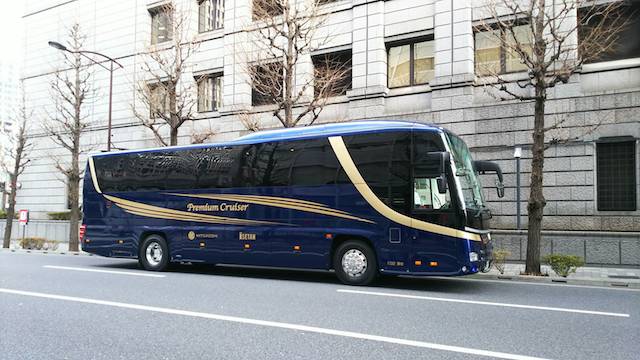
Isetan Mitsukoshi Travel has operated long-distance bus tours for many years but it raised the bar with the addition of the Premium Cruiser to its fleet in 2016.
What
A great deal of attention has been paid to optimise the sleek interior space and deliver the maximum comfort for passengers. The windows are larger than regular buses to give travellers the best possible view, while overhead luggage racks have been abolished.
With a mere 10 seats compared to the conventional 45, this means that every traveller has more than four times the legroom in front and the reclining space behind.
The cream-and-brown leather seats are equipped with leg rests – which double as a shoe box and contain slippers – and recline significantly. Partitions can be raised between each of the five pairs of seats to create more personal space.
Individual angle-poise lamps are attached to each seat, while an armrest conceals a fold-out table and controls for the screen fitted into the seat in front. Passengers are able to flick between regular TV programmes and DVDs, or follow the progress of their vehicle via GPS coverage. Guests also have access to an onboard Wi-Fi router, enabling them to use computers or smartphones throughout the journey.
Other facilities include the spacious bathroom at the bus rear, which boasts a large mirror and a full range of amenities. Hot and cold soft drinks are available throughout the journey, including organic coffee, green tea and fruit juices. Light snacks are also provided.
How
The tours travel to destinations throughout Japan, and the journey is combined with stays in high-end hotels and onsen resorts. Special seasonal trips are also available, such as cherry blossom season in spring, fireworks festivals in summer, and trips to mountainous areas of the country to admire the trees during autumn. Other favourites incorporate tasting sessions in Japan’s wine-producing districts, summer firefly-spotting expeditions, and historic and cultural sites.
Verdict
The entire experience is reminiscent of flying first class, albeit much closer to the ground. This is a unique and extremely comfortable way to experience some Japan’s less-travelled roads.
The attentive, multilingual attendant is always on hand and has an uncanny knack of knowing just when her charges are in need of a drink or a bite to eat.
Name: Isetan Mitsukoshi Travel, Premium Cruiser
Rates: Day trips start from around 38,800 yen (US$349), while the top-of-the-range, nine-night trip of Kyushu came to 818,000 yen per person for a couple or Y928,000 yen for a single traveller.
Further information: www.im-travel.co.jp/ (in Japanese)
Contact: journey@im-travel.co.jp



 g
g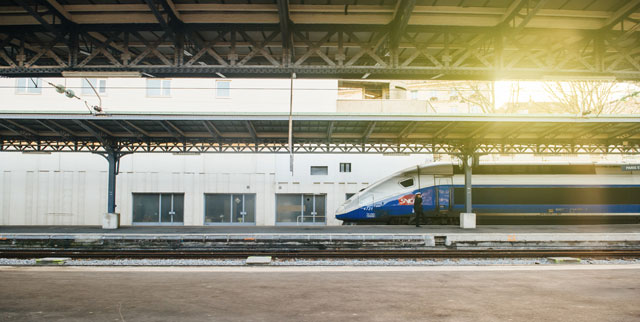
 France’s SNCF pulling into Paris central station
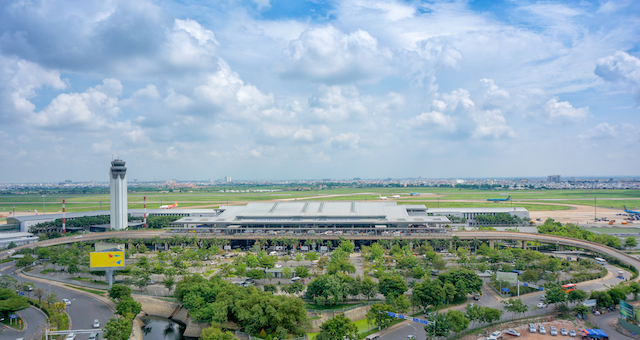



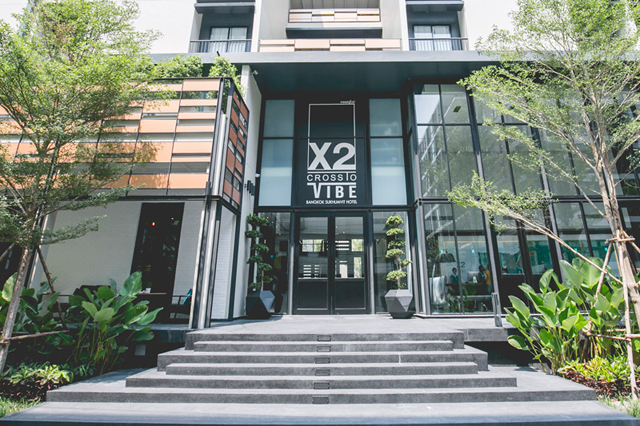
 BHMAsia’s recently opened X2 Vibe Bangkok Sukhumvit Hotel