Fliggy, Alibaba’s online travel platform, has inked a multi-year agreement with Amadeus to deliver more personalised traveller shopping experiences.
The agreement will enable Fliggy to leverage Amadeus’ search and assisted booking technology to offer more customised products and services to its customers, and create a more seamless user experience.
Chinese travel platform Fliggy adopts Amadeus MetaConnect to provide superior shopping experience
Since partnering with Amadeus in 2015, Fliggy has seen a steady growth of travel bookings on its platform, with the Hangzhou-based travel platform now servicing more than 100,000 global partners.
Amadeus’ advanced search technology has also been critical in supporting high volumes of traffic and transactions on Fliggy’s platform during China’s “Double Eleven” shopping festival each year.
Lunar New Year domestic travel is weak in Malaysia, Hong Kong, Indonesia and the Philippines, with the exception of Singapore
Movement restrictions and infection concerns have lowered travel priority
Sellers resort to unique products and programmes to encourage spend
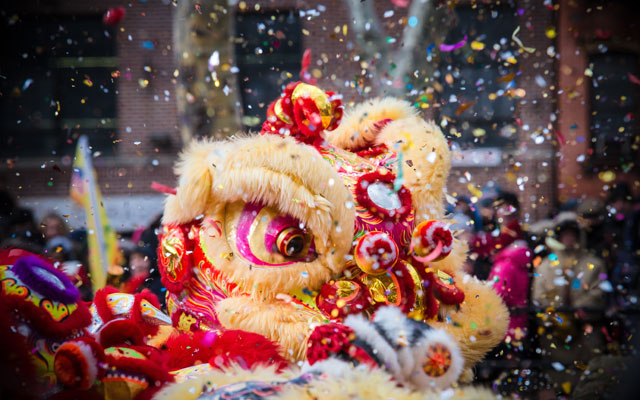
Lunar New Year celebrations in South-east Asia this year will be a mere shadow of past years, the sombre mood a result of movement restrictions that are still in place to curb local transmissions as well as consumers’ concerns about infections.
In Malaysia and Hong Kong where authorities and their people are battling new waves of infections, festive holiday bookings for the Year of the Ox have been elusive for travel suppliers.
Traditional Lunar New Year activities are off the calendar this year, and the mood for domestic travel is poor
Malaysia is presently enforcing a ban on interstate and inter-district travel, which requires residents to keep within a 10km radius of one’s home. People are encouraged to stay at home unless it is vital to travel, while all social activities are prohibited. This ban has been extended to February 4, and the Health Ministry will make a decision by then on whether to tighten or ease the enforcement.
Should restrictions be eased in time for the Lunar New Year, Malaysian tourism players believe that business could turn around.
There is also an unusually quiet lead-up to the Lunar New Year celebrations in Hong Kong, with major cultural and leisure attractions shut since December 2 and the 2021 Lunar New Year Fireworks Display and Lantern Carnivals cancelled. Gatherings of more than two people in public places remain prohibited.
Traditionally a peak travel season in the Philippines, this year’s business boom is non-existent.
Rajah Tours president Jojo Clemente blames it on the fear of travel. “(Travel) is not a priority for most right now,” he remarked.
Sharing similar observations, Simon Ang, managing director-operations with Celebrate TLC, said his largely trans-generational family groups that travel during the Lunar New Year are choosing to “wait for this (pandemic) to be over than expose (their elderly family members) to the possibility of contracting Covid-19”.
While some Filipino-Chinese are travelling, the numbers are not “what we are accustomed to”, noted Clemente. For those who dare venture out, they are choosing to stay at high-end properties.
Bernadette de Leon, general manager of Amiable Intertours, who has seen zero bookings for the Lunar New Year, estimates that only 30 per cent of Filipino-Chinese would take domestic vacations in the run up to the festival. Most would head to upmarket resorts like Balesin and those in Palawan.
She expects the majority to go abroad, especially to the US due to low season airfares and to countries without winter, like Australia, New Zealand and the Maldives.
Clemente: travel is not a priority now
This initial market performance forebodes what is in store for tourism this year.
“Based on what’s happening to (the pandemic and vaccination progress), I believe that 1Q2021 will be just like 2020. The slump will probably (turn around) mid-year and a very, very slow recovery will happen towards the end of 2021,” projected Ang, who added that travel agents could continue to suffer while hotels could “get by” with staycations and quarantine programmes.
Some Indonesian travel agents are also writing off Lunar New Year business, as massive celebrations in destinations with large Chinese communities, such as Medan, Pontianak, Singkawang and Bangka-Belitung, are taken off the calendar.
Pauline Suharno, managing director of Elok Tour, said: “This is usually a time for Indonesian Chinese communities to go to their home towns to celebrate, but it has been quiet so far this year.”
Although the long weekend – with the most important days of the festival running from February 12 to 15 – is encouraging some traffic to tourist areas in North Sumatera, travel agents have not been able to benefit from it. Christine Kowandi, tour manager of Horas Tour Medan, explained that most of these vacationers are from the surrounding areas, and they do not need the services of travel consultants.
Domestic travellers going direct to hotels have allowed select hotels to enjoy a busy festive period despite losing international visitors to travel restrictions.
Swiss-Belinn Singkawang is one of the lucky few, having drawn strong bookings for the long weekend, according to Harshanty Kaloko, regional director of public relation and promotions, Swiss-Belhotel International Indonesia.
A different story in Singapore
Singapore’s low community transmission records have allowed residents to enjoy social activities, albeit with necessary precautions. As a result, tourism suppliers that TTG Asia spoke to have reported brisk business this holiday season.
Shangri-La Hotel Singapore and Singapore Marriott Tang Plaza Hotel are both enjoying stronger staycation demand this year compared to previous years. For the former, the first few days of the festival are the busiest and most of the bookings are by families with young children, revealed a Shangri-La Hotel Singapore spokesperson.
Singapore Marriott Tang Plaza Hotel is seeing stronger staycation business this year
Over on the attractions side, Wildlife Reserves Singapore is upbeat about visitation numbers, as its zodiac-themed activities are often a hit with families.
Performance this year is especially promising as the Lunar New Year holiday weekend will segue into Valentine’s Day, noted a spokesperson, who added that admission ticket purchases typically surge closer to the date of visit.
Creative sell is key
Tourism businesses in Hong Kong and Singapore that are allowed to remain open have devised creative ways to keep some business coming.
In Hong Kong, the soon-to-open Hotel Alexandra is planning a series of festive delicacies for dine-in and take-away as well as a Valentine’s Day set menu since the day of romance coincides with the third day of the Lunar New Year.
Ngong Ping 360 will continue to run its cable car service and have most of its shops and restaurants in Ngong Ping Village open although the indoor attraction remains shut. To attract visitors, Ngong Ping Village will be decked in Lunar New Year splendour as part of the attraction’s Fortune Walks in 360 themed activities. Furthermore, purchases made during the festive period will enter customers into a lucky draw to win prizes such as Nintendo Switch.
A Ngong Ping 360 spokesperson told TTG Asia that bookings for the Lunar New Year period is yet unknown, as tickets can only be sold 14 days ahead. However, he expects the celebratory activities as well as improved transportation access to Ngong Ping 360 to bring good footfalls.
In Singapore, the local domestic travel scene is teeming with Lunar New Year specials to encourage expenditure in place of impossible overseas vacations. These promotions range from hotel staycation deals and take-home dining specials to combat restaurant capacity limits, to Lunar New Year themed guest experiences at attractions.
Singapore Marriott Tang Plaza Hotel’s resident manager Alvin Lim attributes the good staycation take-up to the hotel’s array of room packages. The hotel has packages built for families and couples as well as for foodies and those seeking retail therapy. The hotel is also looking to reel in stronger F&B earnings through unique dining experiences themed around the Lunar New Year, from special course meals to festive takeaways.
Ankole cattle at the Singapore Zoo will help to reel in visitors for Year of the Ox celebrations
While visitor programmes at Wildlife Reserves Singapore have to be adjusted to abide by safe management measures, which have resulted in the removal of lion and dragon dance performances as well as meet-and-greet sessions, the group has initiated creative alternatives. Some of the highlights this year include a five-course festive dining experience at the River Safari with giant pandas, curated for permissible group sizes; and a trail to concoct a nutritional festive treat for the Singapore Zoo’s Ankole cattle to align with the Year of the Ox. Various themed activities and limited-edition merchandise are also offered across the four wildlife parks.
Christina Cheng, general manager of Hotel Alexandra, stressed the need for creative revenue options while the travel bans remained in place. “We will continue to stay positive (about) recovery this year, and will keep abreast of transitions and provide attractive experiences (to spur) recovery,” she concluded. – Additional reporting by Mimi Hudoyo, S Puvaneswary, Rosa Ocampo and Prudence Lui
Changing travel patterns and reduced traffic throughout the pandemic have forced changes in travel distribution, driving a greater need for flexible bookings, altered products and consolidation of operations to cope with strained resources.
In this new episode of TTG Conversations: Five questions video series, which kicks off the 2021 February season, Mieke De Schepper, managing director Asia-Pacific and executive vice president online travel at Amadeus, said travel suppliers would have to be quick to tune their business to opportunities and focus on the way forward.
She highlights available technology that could help the travel and tourism community rebuild traveller confidence and evolve their operations for the better.
Singapore By Pamela Chow
While medical and wellness is not a current focus of her tourism strategy, Singapore may find ample opportunity in this sector, thanks to her effective clampdown on the spread of Covid-19, as well as her egalitarian distribution of vaccines since December 2020. The island nation’s speedy turnaround during the pandemic has earned her global recognition that could benefit her status as a hub for treatment and restoration.
This potential lifeline is not overlooked by hospitality brands in the country, which have stepped up their offerings to tap this niche segment.
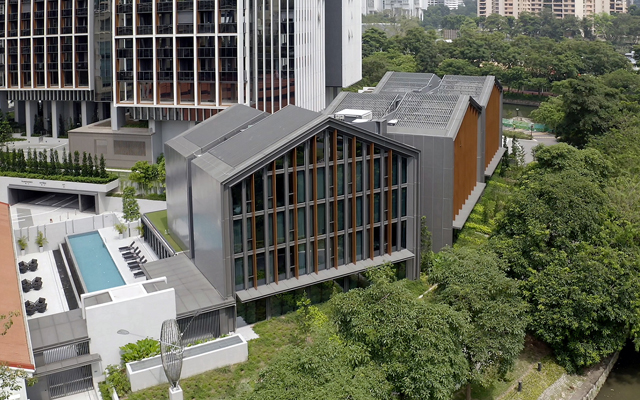
One Farrer Hotel & Spa, Singapore
Boldly entering the scene is Singapore’s first licensed confinement luxury hotel, Kai Suites, which offers pre- and post-partum care for mothers and their newborn. Its services include a three-month prenatal programme, a seven-day stay and a three-month postnatal programme that provides education, nourishment, nutrition and rejuvenation.
One Farrer Hotel & Spa is also joining the game. After serving as a testing facility for medical staff, followed by a stay-in facility for Malaysian long-term pass-holders, the hotel embarked on a refurbishment to redesign most of its property and processes in consultation with medical experts. Corridors and rooms are now lined with antimicrobial materials, while a new housekeeping protocol implements UV lamp disinfection for every room. Plus, an upcoming Pillow Lab will use an Ultraviolet-C Chamber to disinfect its new menu of pillows.
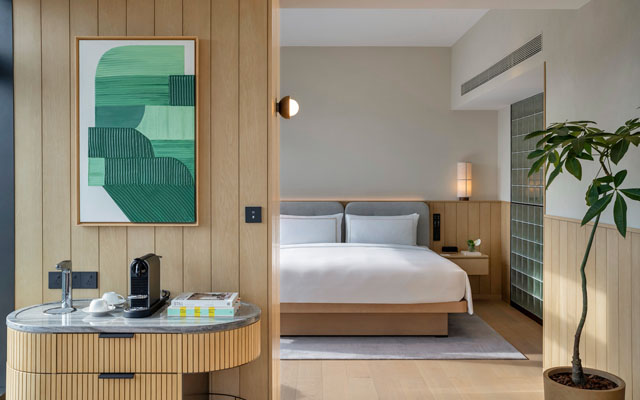
It has also rebranded its previous “hotel in a hotel” concept into Mint Hotel, a room category that features intelligent and hygiene-focused design. Under the advice of medical professionals from the connecting Farrer Park Hospital, Mint Hotel’s 176 rooms feature antiviral wall coverings, moveable furniture, antimicrobial blinds and custom gapless vinyl flooring replacing its carpets.
One Farrer Hotel & Spa’s general manager, Gilbert Madhavan, told TTG Asia: “One of our target markets (for 2021) will be medical tourism. While travel demand will come back slowly in some ways, medical tourism will always remain quite stable. Indonesia, Vietnam and Bangladesh are some of the (country’s) key (sources) for medical tourism, and they always come accompanied by family.”
To capture this crowd, the hotel has launched Farrer Concierge, a one-stop service that takes care of guest needs, from scheduling medical appointments to making tour and transport arrangements.
Malaysia By S Puvaneswary
2020 was poised to be a banner year for Malaysia’s medical tourism industry, which had been enjoying a major boom in recent years. With more than one million medical tourists flocking to Malaysia annually, the country harboured bold ambitions to become a medical tourism hub in South-east Asia.
On a roll, the sector closed 2019 at a record high, with some 1.3 million medical tourist arrivals, making the country the top favourite for medical tourists around the world.
Enter the pandemic. Malaysia Healthcare Travel Council (MHTC) anticipated 2020 would see a 70 per cent reduction in hospital receipts to between RM500 million (US$122.3 million) and RM600 million, as compared to 2019’s performance. Border controls and stricter processes that medical travellers must comply with have led to a slump in foreign patients at Malaysia’s private hospitals. Sherene Azli, who was the CEO of MHTC until her term ended on January 15, projects it will take at least three years for the medical travel sector to return to 2019 levels.
In a desperate bid to revive the sector, the government has allocated RM35 million to the MHTC this year to promote the country’s medical travel sector, and extended income tax exemption for export private healthcare services until 2022.
On its part, MHTC is driving a rebound in the sluggish sector through a three-pronged strategy, namely, aggressive publicity and branding campaigns showcasing Malaysia’s excellence in healthcare and building confidence in Malaysia as a healthcare travel destination; providing support and facilitating end-to-end infrastructure including digital adoption; and cementing Malaysia as a thought leader in medical travel.
Sherene stressed: “We need to engage medical travellers in the continuity of care as well as ensure they remember Malaysia as among the best in the world for healthcare. We do this by amplifying our expertise through social media. Players in the medical travel sector also give talks and participate in medical travel related webinars.”
While Malaysia’s border remains closed to leisure foreign tourists, it is open to foreign medical travellers entering Malaysia via chartered flights since July 1, 2020 and by commercial flights since October 5, 2020.
However, hospitals have to get clearance from the government, which MHTC helps to facilitate, before foreign patients are allowed to enter the country.
Incoming patients must adhere to strict procedures, including showing a negative Covid-19 test result obtained within 72 hours of departure, undergoing a second Covid-19 test in a local hospital upon arrival, and a two-week quarantine prior to their treatment.
Mohd Nazri Harun, head of international marketing at KPJ Ampang Puteri Specialist Hospital, shared that last year, the hospital saw a significant decrease in medical travellers, especially from its three main source markets: Indonesia, the Middle East and South Korea.
To plug the shortfall, the hospital has shifted its marketing focus to the expatriate population and foreign embassies located in Ampang and its surrounding areas.
Mohd Nazri said: “We have been offering promotional medical packages as well as specially-priced Covid-19 screenings to embassy staff and their families (since last year).”
The pandemic has also hastened the healthcare industry’s shift from paper-based to digitalised processes.
Hospitals in Malaysia have embraced virtual consultations to ensure continuity of care for overseas patients who are unable to travel to Malaysia due to travel restrictions.
Stanley Lam, CEO, Mahkota Medical Centre in Melaka, said the hospital provides teleconsultation services so patients can seek follow-ups remotely. It also delivers prescribed medicines to the patient’s doorstep.
Other digitalisation efforts include an online platform to allow patients to schedule their appointments and a Care Line on the hospital’s website to assist patients with their enquiries.
Medical travellers to Mahkota Medical Centre mainly seek cardiology, oncology, orthopaedic and fertility treatments. Some 30 per cent of its medical travellers are from Indonesia, with other main markets being Vietnam, Cambodia and Singapore.
In the northern state of Penang, Ronald Koh, president and CEO, Penang Adventist Hospital, shared that the medical staff and doctors had made “persistent efforts” to switch to digital to cater to the rising needs of overseas patients who are unable to travel to Penang during this period.
Koh predicts teleconsultation is here to stay even as Covid-19 vaccines roll out, as it provides an “alternative (platform) for foreign patients who face difficulties travelling abroad to continue receiving follow-up care as well as save on travel costs and travel times”.
Sherene agreed with Koh that demand for teleconsultations will continue to grow even after borders reopen and international travel resumes. She said: “If we look at digital healthcare in 2019, its growth was already on an upward trajectory.
“Specialised fields of care were already investing in telemedicine apps and software programmes. New features like AI, predictive analysis, and automatic data collection were being used to lower the cost of care.
“The arrival of Covid-19 boosted the growth of this sector as healthcare systems globally had to adapt rapidly, and it played a critical role in offering patients access to care and more importantly, continuity of care.”
Telemedicine presents convenience and flexibility for both doctors and patients – doctors enjoy flexibility to manage their patient schedules, while patients save on commute, she added.
Sherene also sees healthcare facilitators playing a more important role “as resource banks and sources of credible information” in a post-pandemic world fraught with uncertainty. She said: “Now, more than ever, patients need assistance to plan their healthcare travel, ranging from documentation to accommodation.
“Healthcare facilitators can also play a significant role in assisting patients to adhere to the standard operating procedures for entering Malaysia for healthcare treatments.
“In addition, by keeping tabs on travel bans, country regulations and requirements, healthcare facilitators can bridge the gap between patients and healthcare providers.”
Mövenpick BDMS offers quarantine packages for returning Thais and inbound travellers
Thailand By Anne Somanas
As one of the world’s top medical tourism destinations, Thailand’s healthcare sector had been on a winning streak before the pandemic hit.
In 2019, the country was listed as one of the top five destinations of inbound medical tourism spending globally by the World Travel & Tourism Council. In fact, medical tourists accounted for nine per cent, or around 3.15 million, of the country’s 35 million tourists in 2018, with the bulk hailing from China.
As Covid-19 casts a prolonged dry spell on international tourism, Thailand’s hospitals, clinics and agents servicing foreign medical tourists have seen footfall tumble, due to the government’s strict 14-day quarantine requirement on all visitors.
Bumrungrad International Hospital, a private enterprise whose international patients account for 65 per cent of its revenue pre-Covid, has seen foreign visitors drop by 80 per cent in 2020, especially from its top source market of Myanmar.
For major inbound medical tourism agents like Medical Departures, which works with hospitals and clinics across 34 countries, and for which Thailand is a core market, the measures curbing inbound tourism flows have led CEO Paul McTaggart to furlough 30 per cent of his staff, while diversifying to markets that currently have more tourism-friendly climates like Europe and South America.
Despite the country reopening to medical tourists since July 2020, the programme has enticed few visitors. “The limitation that they have to stay in the hospital for two weeks (as part of the quarantine protocol), even for a two-day surgery, led many to stay in their own countries. The programme is still open, but the market potential is limited,” explained Bruno Huber, general manager at the Mövenpick BDMS Wellness Resort.
“For any medical business in Thailand, it’s (almost) 100 per cent domestic (clients) at the moment. You can have world-class facilities, but it doesn’t matter if the patients can’t get here, so we’re not relying on foreign patients at this point,” said McTaggart.
To entice the domestic crowd, health and wellness operators are launching promotions and packages to capture rising demand for wellness and preventative care treatment.
RAKxa’s VitalLife clinic, initially geared toward foreign visitors, has quickly pivoted to the domestic market and launched a one million baht (US$33,200) per year membership programme. More than 40 memberships have been sold since the resort’s opening at the end of 2020, said its medical director, Narinthorn Surasinthorn.
In the alternative state quarantine (ASQ) market, Mövenpick BDMS – Thailand’s first hotel to offer ASQ last April – is seeing “above average” profits, with returning Thai young working professionals and expats, mainly Japanese, being their top client base, shared Huber.
While its core business is now ASQ, the resort also offers packages that pair quarantine with an extended stay and access to medical services.
Bumrungrad has also launched local-targeted offers, and fixed its rates for 2021 to make its services more accessible to domestic patients.
At the same time, the hospital continues to bring in critically-ill patients who require treatment into the country, but it is a process involving “high coordination” between multiple parties, according to Nipat Kulabkaw, its chief international business development officer.
Still, experts and industry professionals anticipate that Thailand’s excellent track record with managing Covid-19 will be a future boon for local medical tourism.
“Covid-19 showed our level of public health management and built further credibility for Thailand as a medical tourism and wellness destination,” said Runjuan Tongrut, executive director of the Americas region at Tourism Authority of Thailand (TAT). “The TAT is building on that to keep Thailand top-of-mind for foreign visitors.”
These efforts include the Amazing Thailand Health and Wellness Virtual Trade Meet held last December to match both well-established and new health providers in the Thai market with travel operators abroad, as well as a strong social media strategy, with the TAT head office in each country regularly pushing health and wellness related content, such as beach yoga in Thailand, on their Facebook and Instagram accounts.
With Covid-19 vaccine rollout now underway across the globe, Bumrungrad is in talks with the Ministry of Public Health for medical tourists from Middle Eastern countries with proof of vaccination to be exempted from quarantine or serve a reduced quarantine, as it “could help to boost our medical tourism numbers this year,” stated Nipat.
Asked how Thailand could elevate its medical tourism sector, Nipat shared that to compete with regional players such as Singapore and India, as well as emerging global competitors like South Korea and Turkey, Thailand needs to make it possible for foreign health professionals to practice in the country.
“If we want medical tourism to become one of the country’s key strategies, we need support in terms of manpower. The main barrier to medical personnel and specialists practising in Thailand is that they need to attain a Thai license. This requires an ability to speak Thai, so right now, high-end medical specialists from abroad cannot practice here,” he explained.
“Also, in terms of pricing, Thailand is currently benchmarked against Singapore, Germany and the US. We can easily compete with those countries, but if we look at the next pricing tier down which is 30 to 40 per cent cheaper, India is a very scary competitor when it comes to pricing. Reducing the high import taxes on medical equipment would allow Thailand to be able to offer more affordable medical procedures.”
McTaggart sees this lull for Thai medical tourism as temporary.
He elaborated: “Thailand offers great value-for-money, immediate accessibility and access to alternative treatments such as stem cell treatments that may not be authorised in patients’ home countries – these are the three things that draw medical tourists to Thailand. Thailand is the oldest player, and the most well-known. When travel resumes, I’m certain the country will rebound as a medical travel destination.”
Pre-pandemic, plans were in place for many internationally-geared hospitals and wellness centres to launch. Now, despite the heavy blows to medical tourism in 2020, many of those in the pipeline have either already opened or are building ahead.
Medpark Hospital, aiming to become a hub for super tertiary care in South-east Asia, soft-opened in Bangkok in October 2020.
Near Suvarnabhumi, The Forestias – Thailand’s largest mixed-use real estate development that is projected to complete in 2022 – is also integrating an elderly home, and a large medical centre geared toward international visitors.
The Japanese National Tourism Board (JNTO) is once again the official partner of Further East. This partnership will showcase different experiences of Japan’s world-renowned hospitality offerings, as well as a takeover of all Further East social channels, marking it the first such alliance between an NTO and Further East.
Further East is Asia-Pacific’s most innovative high-end travel trade show. Uniting the world’s most original, Asia-Pacific focused travel brands, buyers and globally renowned media, our mission is to create a unique community that attracts the most forward-thinking minds in luxury hospitality.
Further East 2021 will be our most important edition to date, as we recharge luxury travel in the region and forge a brighter future for our industry.
With this in mind, we are delighted to welcome JNTO once again as an official partner of Further East and look forward to spotlighting some of Japan’s inspirational hospitality offerings.
The partnership will feature a cross-platform digital campaign through 1Q2021, including dedicated newsletters showcasing the country’s myriad attractions, from tradition-steeped heritage sites to gastronomic delights, as well as targeted content in TTG Asia and TTG Asia Luxury, and a week-long takeover of all Further East social channels.
The Travel Industry Council of Hong Kong (TIC) is set to be replaced by the Travel Industry Authority (TIA) as the statutory regulatory body of the tourism sector, when the latter launches in early 2022.
With plunging levy incomes and diminished membership fees since the pandemic struck, TIC faces an uphill battle to restore fiscal sustainability. For instance, total levies collected plummeted 91.3 per cent, from HK$28.2 million (US$3.6 million) in 2019 to HK$2.4 million in 2020.
Need for a statutory regulatory body was first proposed after a deluge of complaints from Chinese travellers
To provide relief for its struggling members, the Council has recently allowed them to co-share office premises so that they can enjoy greater flexibility while saving on rent and resources.
TIC chairman, Jason Wong, shared that the company had to cut its workforce by one-third in late-November last year in order to stay lean as its cashflow depleted to less than HK$20 million.
He added: “Hopefully, our 30-staff headcount can survive till the handover of regulatory responsibilities to Travel Industry Authority early next year.”
Established in January 2020, TIA will be responsible for promoting integrity, competence and professionalism of travel agents, tourist guides and tour escorts through a statutory licensing and regulatory system, and regulating shops that inbound tour groups are arranged to patronise through an administrative scheme. It will also be responsible for managing the Travel Industry Compensation Fund which provides protection for outbound travellers purchasing outbound packages.
The executive office of the Authority will be headed by an executive director and has three divisions, namely, regulatory affairs division, operations division, and corporate services division. Estimated staff count stands at 99, with the first batch of TIA staff, including its executive director, set to start assuming duty from late January 2021.
A spokesman for the Commerce and Economic Development Bureau told TTG Asia: “TIA has been forging ahead with the necessary preparatory work, including establishing committees; drawing up internal rules of procedures; securing a long-term office; launching phased recruitment of staff; devising directives, guidelines and codes of conduct regulating travel agents, tourist guides and tour escorts; as well as acquiring essential services such as legal services for drafting of the subsidiary legislation under the Ordinance.”
He expects that all necessary preparations for the implementation of the new regulatory regime will be completed in about two years’ time. Before that happens, the Authority does not hold any regulatory powers. Travel agents, tourist guides and tour escorts will continue to be regulated by the Travel Agents Registry and TIC, respectively.
“To ensure a smooth transition, TIA has been in close liaison with the Travel Industry Council and the Travel Agents Registry to work out the detailed transitional arrangements,” said the spokesman.
“In the preparatory process, TIA will also consult the industry and maintain dialogue with stakeholders to gauge their views for drawing up the future regulatory standards and relevant arrangements.”
Former TIC chairman and a member of TIA’s board of directors, Michael Wu, told TTG Asia: “TIC has been playing the role of a trade association lacking in statutory power. When I was the chairman at TIC years ago, I told the government that it would be unprofessional for us to carry out self-regulatory responsibilities.”
Instead, there should have been a subsidiary, or preferably a separate body run by external parties, to carry out the regulatory role, so as to draw a clear line between its commercial operations and regulatory duties.
Said Wu: “Frankly, there weren’t many complaints from outbound and international clients back then. It was only when arrivals from mainland China surged, triggering an increase in the number of inbound agents and subsequently, numerous complaints of sub-standard service. Hence, this prompted the need for a statutory regulatory body set up by the government, due to FITs from China exerting pressure on the trade.”
From Hollywood jumping into wellness and the rise of spiritual architecture and design to a new future for immune health that stops “boosting” and starts balancing, these are among the nine wellness trend predictions for 2021 released by the Global Wellness Summit.
The wellness forecast is based on the insights of hundreds of top executives of wellness companies, economists, doctors, investors, academics and technologists across a dozen nations that gathered in person and virtually at the recent Summit to debate where wellness was headed – making for a uniquely informed, global set of predictions.
Here are the nine wellness trend predictions for 2021:
Hollywood and the entertainment industries jump into wellness
Wellness will become a bigger, more meaningful programming focus as Big Media digests the huge cultural force wellness has become.
If wellness programming on TV has been about wellness as a topic you passively consume, the future is TV content and platforms that involve and impact you. Smart TVs are baking wellness “channels” onto their home screens: Samsung TVs launched Samsung Health, letting people binge 5,000 hours of free fitness/meditation classes from the buzziest brands. The future: smart TVs (like Apple’s) that connect to your health wearable (like Apple Fitness+) to serve up personalised wellness/fitness experiences right on your TV.
Wellness companies are becoming full-blown TV studios: Mega-meditation-apps, Calm and Headspace, recently scored TV shows (HBO Max and Netflix), translating their meditative experiences into immersive television.
The ways that music is being created for stress, sleep, focus, a better workout, or just trippy, ambient bliss… has kicked into high gear. It’s a paradigm shift: If music has always been consumed around artist, song and genre, now it’s “serve me music-as-therapy.” Meditation apps are becoming big wellness music “record labels,” and more apps are launching, specifically focused on music-for-wellbeing.
The future of immune health: stop boosting, start balancing
We join many forecasters in naming immune health a 2021 trend, not only because we agree that it will remain a consumer obsession post-vaccine but because the main ways the wellness industry has been addressing it are… flat-out wrong. In 2020, people were blitzed with “immune-boosting” supplements, foods and therapies, but the idea that you can “boost” your immunity is unscientific nonsense, and “more boosting” is precisely the wrong approach. The future: approaches that lead to immuno-stabilisation, immuno-balance.
We will see more evidence-backed approaches to immune health, with metabolic health, the microbiome, and personalised nutrition becoming crucial – along with more experimentation with everything from “positive stress” experiences to intermittent fasting for immune resilience. And immunity programmes at travel destinations will go deeper, more medical, with interventions that matter more than “immune-boosting” menus and IV drips.
Spiritual and numinous moments in architecture
In recent years, a storm of studies has demonstrated the powerful connection between the built environment and our physical health, and a new “wellness architecture” sector has taken off, heavily focused on functional design moves, whether circadian lighting or air purification.
What has been glossed over is design that can tap into and nurture our spirituality. In 2021, we will see new attention paid to creating everyday spaces that can incite sacred and numinous moments, that elevate our consciousness and potential, and ground us in gravitas in the midst of a mindless, consumerist society.
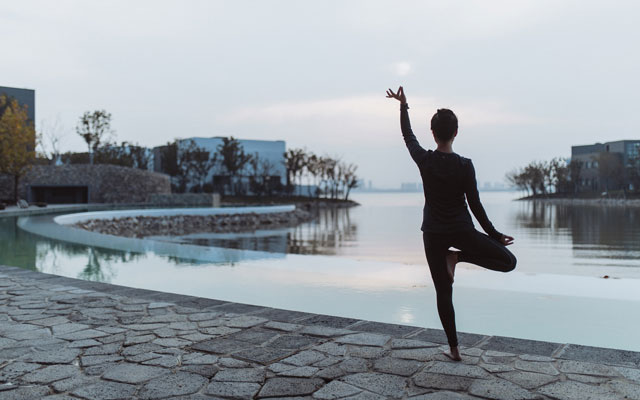
Spiritual wellbeing is an inextricable part of a well life and rightfully deserves more design consideration and designated spaces in our homes, workplaces, communities and urban landscapes.
Just breathe!
An increasing number of clinical studies from major universities like Harvard, Stanford and Johns Hopkins are putting science and data behind something we’ve actually known for centuries – the way we breathe has profound effects on our mental and physical health and abilities. It might even help us strengthen our immune systems.
Practitioners are bringing breathwork to ever-larger audiences and pushing it into fascinating new territories, including rehabilitation, fitness, community building, and relief from chronic stress, trauma and PTSD. Cool, clubby breathwork parties and festivals are rising. There are even studies that point to breathwork as a possible therapeutic for one of the world’s deadliest diseases: hypertension. Perhaps the best part of all – this drug-free medicine costs absolutely nothing.
The self-care renaissance: where wellness and healthcare converge
Over three hundred years after the first Medical Renaissance, we’re undergoing a new kind of medical renaissance where two complementary yet often competing entities – healthcare and wellness – will converge. Wellness is learning to lean into science, establish standards, and hold itself accountable. At the same time, healthcare is beginning to borrow from the wellness playbook – transforming a once sterile and strictly curative industry into a more holistic, lifestyle-oriented, and even pleasurable one.
In this new era, hospitals will take inspiration from five-star resorts, yoga studios might measure improved telomere length, and prescriptions may be coupled with hyper-personalised guides to optimal health.
Adding colour to wellness
Graphic videos and the protests of last summer prompted many businesses to voice support for anti-racism. While diversity and inclusion have become a popular topic in the wellness industry, this trend argues that to generate substantive change, the wellness industry must recognise and address the false narrative that wellness is for affluent white people. It discusses how the industry can add colour to wellness by valuing black consumers and wellness professionals and describes the different ways that black people actually experience wellness offerings and spaces, highlighting racial inequalities.
Resetting events with wellness: you may never sit on a banquet chair again
Around mid-March 2020, the pandemic brought in-person events to an abrupt halt. And no matter the power of technology and the gratitude we felt for Zoomed Wi-Fi connectivity, the world hungered for personal interactions.
But there was a silver lining: A new trend that will forever change meetings and events was born, with wellness at the core. New hybrid events (in-person and virtual gatherings) sprouted like mushrooms after a spring rain. Technology companies raced to be the platform for hosting hybrid meetings. Investors threw money at tech companies, and within months of the pandemic shutting down most in-person-only gatherings, new companies had taken hold, and a new world was emerging.
Money out loud: financial wellness is finding its voice
Money has topped the “do-not-discuss” list for decades – right alongside religion, sex and politics. But it’s 2021, and transparency is trending. A culture craving authenticity is breaking the money taboo – transforming finance from a hush-hush, one-size-fits-all, cut-and-dry industry to one that’s more human, empathetic, and, dare we say, fun.
This growing openness is being driven by a much larger mental health awakening. And with research linking financial stress to anxiety, depression, high blood pressure, respiratory conditions and more – it’s about time money is put under the microscope.
This growing financial wellness movement is moving money talk far beyond the bank. Financial therapists are tackling the intersection between money and mental health, and the three billion views of #personalfinance content on TikTok prove that finance influencers are officially a thing.
In 2021 and beyond, we’ll begin to see the end of financial systems designed to profit from our failure and the start of financial wellness awakening. Money talks. It’s time we start using a language everyone can understand.
2021: the year of the travel reset
The coronavirus pandemic acted as a near-complete brake on travel in 2020. The pause gave everyone – consumers and suppliers – the opportunity to think about rebooting travel for the better by correcting overtourism, becoming more conscious of where our money goes, and how to use the enormous power of tourism to sustain cultures and environments and perhaps even leave them better off.
Looking ahead, the year 2021 may be the year that all travel becomes wellness travel. From the manic travel of 2019, which was the ninth year of record-setting growth in travel, outpacing global economic expansion, 2021 will be the year of the travel reset – going slower, nearer and more mindfully. But travel will reset fitfully, mirroring the vaccination rollout, which has prompted optimism as well as tentativeness.
International travel are off the cards for Asia-Pacific travellers this Lunar New Year, traditionally a peak travel period across the region.
According to Agoda’s data, domestic destinations are set to enjoy the spotlight during the upcoming holiday period, with travellers keen to discover off-the-beaten-track destinations and revisit traditional tourist hotspots on home ground.
With most international borders closed, this Lunar New Year, domestic travel will continue its reign
Across the region, family or group travel is the most popular traveller type, as many people plan to celebrate the Lunar New Year with loved ones. This is especially so for Thai and Indonesian travellers in particular, with families and friend groups taking over couples as the top traveller type this year, as compared to last year’s festivities.
However, couples took over group or families as the most popular Lunar New Year traveller type in mainland China this year, and continued to dominate the top spot for Japan and the Philippines. In Japan, solo travellers remained the second most popular traveller type.
There is also an upward trend in the search and bookings for Agoda Homes – non-hotel accommodation that offer more ‘home comfort’ facilities including kitchens, as well as separate living and sleeping spaces.
Some travellers in the region are also pampering themselves with more high-end stays. In particular, Malaysian, Indonesian, and Vietnamese travellers are taking advantage of value deals to upgrade to four- or five-star accommodation to celebrate this year, while Chinese travellers maintain their desire for luxury stays.
While hotels continue to rank higher than non-hotel accommodation, the latter has grown in popularity with travellers from Indonesia, Malaysia, Taiwan and Vietnam.
Timothy Hughes, vice president corporate development at Agoda, said: “Just like the mythical Ox of the Chinese zodiac, the Asian traveller is proving their resilience and strength this Lunar New Year through their determination to get away and make the most of domestic travel opportunities.
“In a change from non-Covid times, our data shows us that beach and countryside spots are more popular than capital city breaks and high-energy destinations. People want to reward their hard work and resilience with upgraded stays in top-class areas, be it beach destinations such as Phu Quoc or Boracay Island, scenic mountains like Khao Yai and Chiayi, or historic cultural destinations like Xi’an.”
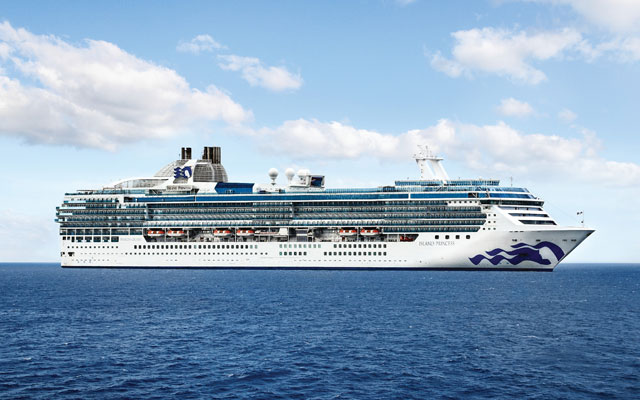
Princess Cruises has unveiled its 2023 world cruise itinerary, sailing to 50 destinations across 31 countries and six continents, including Africa, Asia, Australia, Europe, South America and North America.
Sailing roundtrip from North America, the 111- or 97-day journey from both Ft. Lauderdale and Los Angeles sets sail in January 2023, onboard Island Princess.
Princess Cruises’ 2023 world cruise will sail roundtrip from North America onboard Island Princess
The 111-day roundtrip voyage from Ft. Lauderdale departs on January 5, 2023, and from Los Angeles on January 19, 2023. Meanwhile, the 97-day world cruise from Los Angeles to Ft. Lauderdale sets sail on January 19, 2023.
Highlights of the 2023 world cruise include a maiden port call to Gythion, Greece, famously known as the port for ancient Sparta; and visits to 21 UNESCO World Heritage Sites, including the archaeological city of Petra, Mount Etna, and the ancient Greek city of Ephesus in Turkey.
The cruise will also offer overnight visits in Dubai and Venice, and 10 “More Ashore” late-night calls including Singapore, Casablanca, Barcelona, Sydney, Tahiti and Honolulu. Destinations visited include Panama Canal, Puntarenas (Costa Rica), Monte Carlo, Valetta (Malta), Muscat (Oman), Phuket, Langkawi, Komodo Island, and Bora Bora.
The 2023 world cruise’s rates start at US$19,199/person.
Guests booking the 97- or 111-day world cruise by August 31, 2021 receive early booking perks, including a premier beverage package, unlimited Wi-Fi, and US$500 per guest (for the first two guests) to spend on board.
Island Princess, sailing her second world cruise, features more than 700 balconies, a princess luxury bed in each stateroom, as well as specialty and casual dining options. Guests can delight in the Encounters with Discovery speaker series, culinary demos, cooking classes, special-themed menus, foreign movies and regional folkloric shows.
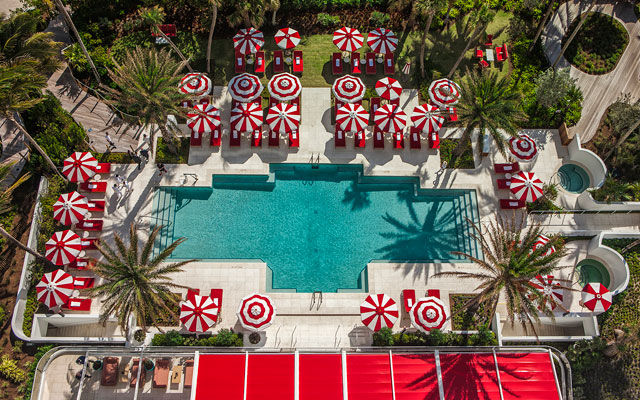
Accor has signed a partnership with Faena Group to expand the luxury lifestyle brand across the globe, with Dubai slated to be the first international destination.
Alan Faena and Len Blavatnik, the brand’s founders, will work in partnership with Accor to develop Faena Districts in select global destinations.
New venture with Accor seen by Faena as “catalyst for exponential growth”
The new venture will manage Faena Buenos Aires and Faena District Miami Beach, as well as all future projects created in collaboration together. The endeavour will result in businesses which specialise in the development of socially responsible, holistic environments, anchored in cultural experiences ranging from residences and hotels to art and cultural spaces.
“As Faena expands, we plan to continue rethinking hospitality lifestyle and shaping the path for groundbreaking concepts, setting new industry standards in the creation of inimitable environments rooted in culture, positively transforming cities, shifting old paradigms and becoming new international cultural epicentres,” said Faena.
“It has always been our dream to share the Faena ethos and artistic vision around the globe, and with Accor, we are turning this dream into reality.”
Sébastien Bazin, chairman and CEO, Accor, said: “Accor is building an experience-based hospitality platform and in doing so, we greatly value the energy and ideas that entrepreneurs, creators and visionaries bring.
“Alan Faena is a clear leader in the luxury lifestyle sector with his transformative concepts. Faena Districts are shifting the gravitational centres of the cities where they reside, making a true difference in their communities. These will serve as our model as we work hand-in-hand with the Faena team to help achieve their vision and global expansion ambitions.”

















From Hollywood jumping into wellness and the rise of spiritual architecture and design to a new future for immune health that stops “boosting” and starts balancing, these are among the nine wellness trend predictions for 2021 released by the Global Wellness Summit.
The wellness forecast is based on the insights of hundreds of top executives of wellness companies, economists, doctors, investors, academics and technologists across a dozen nations that gathered in person and virtually at the recent Summit to debate where wellness was headed – making for a uniquely informed, global set of predictions.
Here are the nine wellness trend predictions for 2021:
Hollywood and the entertainment industries jump into wellness
Wellness will become a bigger, more meaningful programming focus as Big Media digests the huge cultural force wellness has become.
If wellness programming on TV has been about wellness as a topic you passively consume, the future is TV content and platforms that involve and impact you. Smart TVs are baking wellness “channels” onto their home screens: Samsung TVs launched Samsung Health, letting people binge 5,000 hours of free fitness/meditation classes from the buzziest brands. The future: smart TVs (like Apple’s) that connect to your health wearable (like Apple Fitness+) to serve up personalised wellness/fitness experiences right on your TV.
Wellness companies are becoming full-blown TV studios: Mega-meditation-apps, Calm and Headspace, recently scored TV shows (HBO Max and Netflix), translating their meditative experiences into immersive television.
The ways that music is being created for stress, sleep, focus, a better workout, or just trippy, ambient bliss… has kicked into high gear. It’s a paradigm shift: If music has always been consumed around artist, song and genre, now it’s “serve me music-as-therapy.” Meditation apps are becoming big wellness music “record labels,” and more apps are launching, specifically focused on music-for-wellbeing.
The future of immune health: stop boosting, start balancing
We join many forecasters in naming immune health a 2021 trend, not only because we agree that it will remain a consumer obsession post-vaccine but because the main ways the wellness industry has been addressing it are… flat-out wrong. In 2020, people were blitzed with “immune-boosting” supplements, foods and therapies, but the idea that you can “boost” your immunity is unscientific nonsense, and “more boosting” is precisely the wrong approach. The future: approaches that lead to immuno-stabilisation, immuno-balance.
We will see more evidence-backed approaches to immune health, with metabolic health, the microbiome, and personalised nutrition becoming crucial – along with more experimentation with everything from “positive stress” experiences to intermittent fasting for immune resilience. And immunity programmes at travel destinations will go deeper, more medical, with interventions that matter more than “immune-boosting” menus and IV drips.
Spiritual and numinous moments in architecture
In recent years, a storm of studies has demonstrated the powerful connection between the built environment and our physical health, and a new “wellness architecture” sector has taken off, heavily focused on functional design moves, whether circadian lighting or air purification.
What has been glossed over is design that can tap into and nurture our spirituality. In 2021, we will see new attention paid to creating everyday spaces that can incite sacred and numinous moments, that elevate our consciousness and potential, and ground us in gravitas in the midst of a mindless, consumerist society.
Spiritual wellbeing is an inextricable part of a well life and rightfully deserves more design consideration and designated spaces in our homes, workplaces, communities and urban landscapes.
Just breathe!
An increasing number of clinical studies from major universities like Harvard, Stanford and Johns Hopkins are putting science and data behind something we’ve actually known for centuries – the way we breathe has profound effects on our mental and physical health and abilities. It might even help us strengthen our immune systems.
Practitioners are bringing breathwork to ever-larger audiences and pushing it into fascinating new territories, including rehabilitation, fitness, community building, and relief from chronic stress, trauma and PTSD. Cool, clubby breathwork parties and festivals are rising. There are even studies that point to breathwork as a possible therapeutic for one of the world’s deadliest diseases: hypertension. Perhaps the best part of all – this drug-free medicine costs absolutely nothing.
The self-care renaissance: where wellness and healthcare converge
Over three hundred years after the first Medical Renaissance, we’re undergoing a new kind of medical renaissance where two complementary yet often competing entities – healthcare and wellness – will converge. Wellness is learning to lean into science, establish standards, and hold itself accountable. At the same time, healthcare is beginning to borrow from the wellness playbook – transforming a once sterile and strictly curative industry into a more holistic, lifestyle-oriented, and even pleasurable one.
In this new era, hospitals will take inspiration from five-star resorts, yoga studios might measure improved telomere length, and prescriptions may be coupled with hyper-personalised guides to optimal health.
Adding colour to wellness
Graphic videos and the protests of last summer prompted many businesses to voice support for anti-racism. While diversity and inclusion have become a popular topic in the wellness industry, this trend argues that to generate substantive change, the wellness industry must recognise and address the false narrative that wellness is for affluent white people. It discusses how the industry can add colour to wellness by valuing black consumers and wellness professionals and describes the different ways that black people actually experience wellness offerings and spaces, highlighting racial inequalities.
Resetting events with wellness: you may never sit on a banquet chair again
Around mid-March 2020, the pandemic brought in-person events to an abrupt halt. And no matter the power of technology and the gratitude we felt for Zoomed Wi-Fi connectivity, the world hungered for personal interactions.
But there was a silver lining: A new trend that will forever change meetings and events was born, with wellness at the core. New hybrid events (in-person and virtual gatherings) sprouted like mushrooms after a spring rain. Technology companies raced to be the platform for hosting hybrid meetings. Investors threw money at tech companies, and within months of the pandemic shutting down most in-person-only gatherings, new companies had taken hold, and a new world was emerging.
Money out loud: financial wellness is finding its voice
Money has topped the “do-not-discuss” list for decades – right alongside religion, sex and politics. But it’s 2021, and transparency is trending. A culture craving authenticity is breaking the money taboo – transforming finance from a hush-hush, one-size-fits-all, cut-and-dry industry to one that’s more human, empathetic, and, dare we say, fun.
This growing openness is being driven by a much larger mental health awakening. And with research linking financial stress to anxiety, depression, high blood pressure, respiratory conditions and more – it’s about time money is put under the microscope.
This growing financial wellness movement is moving money talk far beyond the bank. Financial therapists are tackling the intersection between money and mental health, and the three billion views of #personalfinance content on TikTok prove that finance influencers are officially a thing.
In 2021 and beyond, we’ll begin to see the end of financial systems designed to profit from our failure and the start of financial wellness awakening. Money talks. It’s time we start using a language everyone can understand.
2021: the year of the travel reset
The coronavirus pandemic acted as a near-complete brake on travel in 2020. The pause gave everyone – consumers and suppliers – the opportunity to think about rebooting travel for the better by correcting overtourism, becoming more conscious of where our money goes, and how to use the enormous power of tourism to sustain cultures and environments and perhaps even leave them better off.
Looking ahead, the year 2021 may be the year that all travel becomes wellness travel. From the manic travel of 2019, which was the ninth year of record-setting growth in travel, outpacing global economic expansion, 2021 will be the year of the travel reset – going slower, nearer and more mindfully. But travel will reset fitfully, mirroring the vaccination rollout, which has prompted optimism as well as tentativeness.