


Singapore extends wage support for struggling aviation, tourism sectors
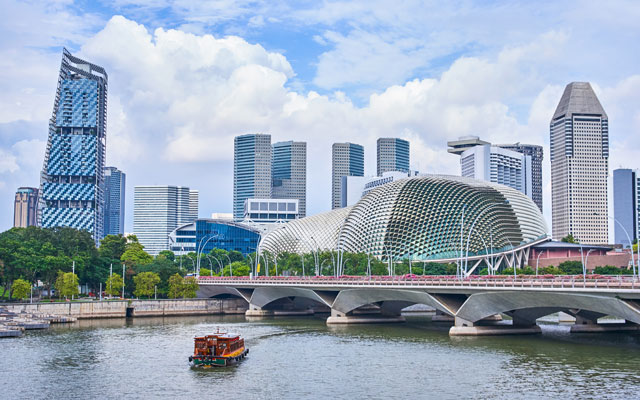
Tourism, aviation and aerospace sectors – worst-hit by the Covid-19 pandemic and resulting travel restrictions – will get a further six-month extension to the Singapore government’s Jobs Support Scheme (JSS).
In this programme, the government will cover part of the wages paid out by qualified companies, with subsidies ranging from 10 per cent to 30 per cent.
Payout for 30 per cent of wages paid from April to June 2021 will be issued in September, while another 10 per cent paid from July to September will come in December.
The wage support will apply to the first S$4,600 (US$3,476) of gross monthly wages paid to each Singaporean or permanent resident employee.
In addition, some schemes in support of career growth, training and attachment opportunities will also be extended.
The extended JSS is part of an S$11 billion COVID-19 Resilience Package announced for Budget 2021 this afternoon. It is also the fourth extension for the scheme since its introduction in February 2020.
Deputy prime minister Heng Swee Keat said the extended JSS will cost the government S$700 million, and adjustments will be made based on the projected recovery of the different sectors. Other sectors that qualify for the extended JSS include food services, retail, marine and offshore as well as arts and entertainment.
Since its launch, JSS has subsidised 25 to 75 per cent of wages paid for 10 months and supported over 150,000 employers for up to 17 months.
In all, JSS has cost the government more than S$25 billion.
Commenting on the latest JSS arrangements, Singapore Airlines (SIA) CEO Goh Choon Phong said the government measures, which include vaccination priority for the aviation industry, “will help to bolster the SIA Group’s plans to navigate the disruptions caused by the Covid-19 pandemic, while remaining nimble and flexible to seize all opportunities as international routes re-open and travel sentiments improve”.
Goh added: “The initiatives will also help our employees to retain their knowledge and competencies, and acquire new skills if necessary, ensuring that they are future-ready during this critical period.”
More Indonesia hotels up for sale as pandemic retains grip
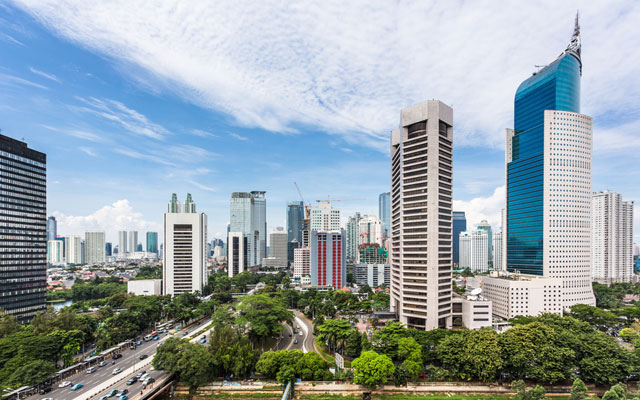
The ongoing pandemic has forced the closure of several small-scale hotels in Indonesia, and it might not be long before the bigger ones follow, should the crisis drag on.
Indonesia Hotel and Restaurant Association (IHRA) Yogyakarta Chapter reported that of its 400 members, 100 hotels have halted operations, 50 have gone bust, while 172 are still operating but “almost dying”.
OLX, an online buying and selling site in Indonesia, reported that a number of hotels in Jakarta, Bali, Bandung, Cirebon, Pasuruan and Yogyakarta have placed sales offers on the marketplace.
Deddy Pranawa Eryana, chairman of IHRA Yogyakarta chapter, said the pandemic’s damage on the sector is growing, more than a year on. “We are bleeding. Our cash flow is already severe,” he added.
The situation has been made worse by the government’s absence of concrete plans to manage the pandemic, coupled with its ever-evolving policies on travel restrictions, said Deddy.
A long-term plan and policy is needed for hoteliers to determine their business and recovery strategies, he said, adding that while majority of the severely affected hotels were small-scale properties, it could hit big players too if the current situation continues.
Over in Bali, hotels are struggling too, according to Fransiska Handoko, Bali Hotels Association’s (BHA) vice chairman. “We are all afraid hoteliers won’t (survive) until the end of the year,” she said.
At press time, BHA is conducting a survey on hotel durability during the pandemic, so Fransika was not able to reveal numbers.
To keep the hotel sector afloat, BHA has appealed to the government to disburse the second-stage grant. “The government’s tourism grant last year had helped hotels to finance operations for approximately two to three months, most of which could last until the end of 2020,” she said.
In the meantime, Sutrisno Iwantono, chairman of IHRA Jakarta chapter, wants the Jakarta city government to temporarily exempt taxes for land, building and advertising; allow hotels and restaurants to keep service charges; as well as cut water and electricity tariffs.
Thais keen to reopen borders
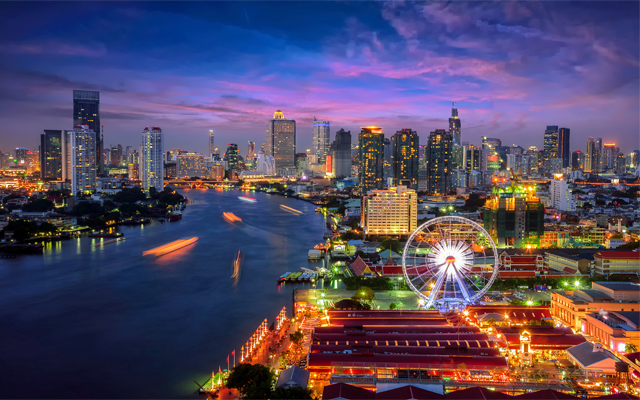
The majority of Thais are ready to welcome foreign tourists back to the country, but not without a 14-day quarantine requirement.
According to a survey in 4Q2020 by the Tourism Council of Thailand (TCT), 60 per cent of locals and 50 per cent of tourism operators want Thailand to reopen borders to international tourists, starting first with China and then other low-risk countries.
In addition, 39 per cent of Thais and 50 per cent of operators surveyed said they would welcome foreigners from low-risk countries on VIP tours with no quarantine, for short stays of 7-10 days.
The TCT surveyed 785 tourism-related entrepreneurs and 1,444 Thais from November 11 to December 10, 2020, regarding their opinion on the policy of opening the country for accepting tourists.
Polling 1,020 tourism-related operators from November 11 to December 29 last year, the report also found that the tourism confidence index of tourism-related operators had dropped to 62 in 4Q2020, compared to 88 during the same period in 2019 – which represents a significant decline in performance over previous years.
An index value below 100 means that the tourism situation has worsened compared to the same period in the previous year, whereas an index higher than 100 means that the tourism situation has improved over the same period in the previous year.
Despite the addition of public holidays to boost tourism, the expected confidence index for 1Q2021 is equal to 53, a vast drop from 4Q2020 due to the impact of the current outbreak situation in Thailand.
Malaysia trade rails against health minister’s plan to extend travel ban
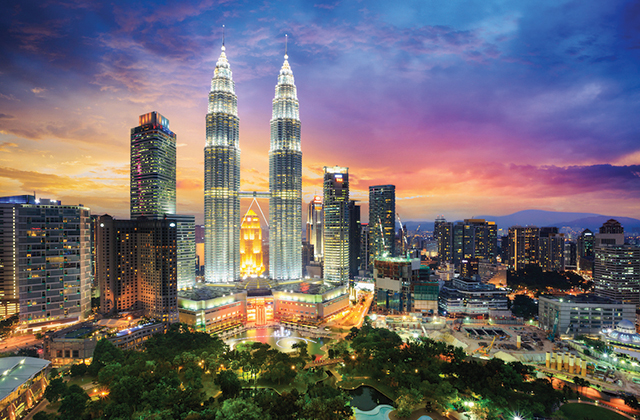
A recent mulling by Malaysia’s health minister to extend the ban on interstate and inter-district travel beyond the end date of the movement control order (MCO) on February 18 has not gone down well with the hotel sector whose business survival is at stake.
In making his case, Adham Baba said maintaining the travel restrictions was very important to continue to flatten the curve.
While acknowledging the rationale behind the recommendation, hoteliers called on the government to adopt a more balanced, considered approach to stemming the virus spread.
Malaysian Association of Hotels (MAH) CEO, Yap Lip Seng, urged the government to discuss the matter with the Ministry of Tourism, Arts and Culture before extending the blanket interstate travel ban across the country.
He said: “The tourism industry had in fact proven itself since the first MCO in March 2020 and had operated in full compliance of standard operating procedures (SOP), and the hotel industry even introduced its own hygiene and safety certification, the Clean & Safe Malaysia label, incorporating standards beyond base requirements of health authorities.”
Yap pointed out that extending the interstate travel ban would force more hotels into closure and more employees getting retrenched as a result. MAH also requested that the Ministry of Health extend the SOP for special clearance of shorter quarantine approved for ministers to other business travellers from overseas.
“If the Ministry of Health is confident of such SOP, it should also work and serve the business community and encourage investments,” said Yap.
Meanwhile, Malaysian Association of Hotel Owners (MAHO) president, Teo Chiang Hong, hoped the government would lift the ban on interstate and inter-district travel in order to revive domestic tourism.
He pointed out that without domestic tourism, hotels would not be able to survive for much longer. From January 2020 to this month, a total of 287 hotels had closed down and 5,265 employees terminated, according to official data. Under MAHO membership, five hotels closed down in 2020 and one hotel shut its doors this month. Hotels also have had to resort to putting employees on 50 per cent salary cut and leave without pay.
In addition, MAHO also requested more assistance for the hotel sector such as an increase in the wage subsidy quantum to RM1,200 (US$297)- RM1,500 without a cap on the maximum number of employees, extension of electricity bill discount from March to September and increasing the discount from 10 to 15 per cent. It also requested for a moratorium on business and operating licences or permits, the Social Security Organisation’s Employment Injury Scheme, deferment or reduction of assessment, as well as a review of Indah Water Konsortium monthly fixed charges linked to a property assessment value.
Teo added: “We feel that if the government is not able to give further assistance as per our request, it is pertinent to allow hotels to do business and operate as normal with the specified SOPs, so that hotels are able to generate revenue to sustain the business and not having to close down, downsize or terminate employees.”
Tasman travel bubble suspended
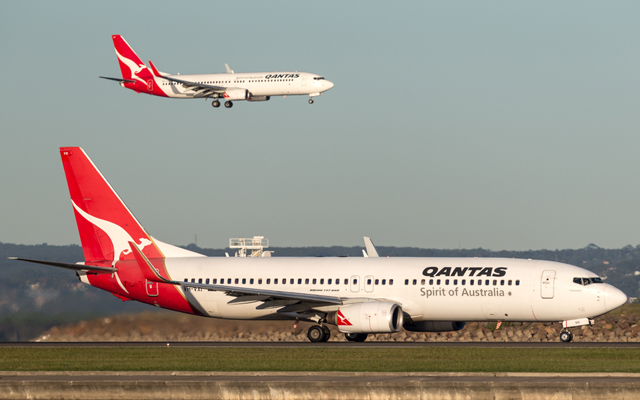
Australia has suspended quarantine-free travel with neighbouring New Zealand after three new community cases of Covid-19 were detected in Auckland over the weekend.
The travel bubble was set up so that New Zealanders could get to Australia without needing to spend 14 days in a hotel, although quarantine was mandatory for people travelling in the other direction.
On Sunday, Auckland’s residents were plunged into a new three-day level 3 lockdown through Wednesday, shutting public venues and prohibiting gatherings outside homes, except for weddings and funerals of up to 10 people. Schools will stay open for children of essential workers but others were asked to stay home.
The Covid-19 alert for the rest of New Zealand was raised to Level 2, with all gatherings limited to 100 people, including at restaurants and cafes.
The source of the new cases is still unknown as results do not link directly to any other positive cases detected in New Zealand to date.
Over in Australia, the state of Victoria is currently undergoing a five-day snap lockdown that began on Saturday, as authorities similarly raced to prevent a third wave of Covid-19 cases sparked by the highly infectious UK variant.
Travelport hires head of agency sales APAC
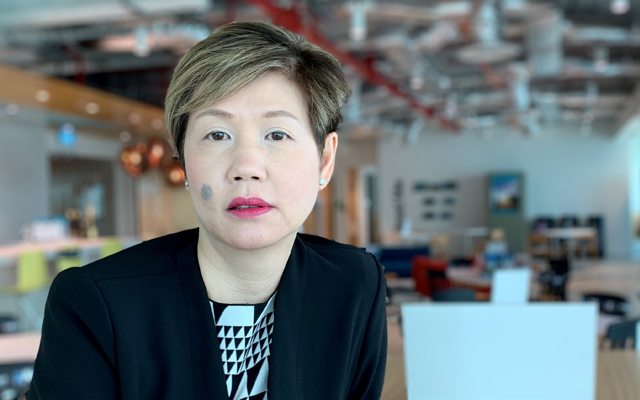
Chua Hui Wan has returned to Travelport as head of agency sales for Asia Pacific, taking over from interim head Mark Meehan, who will be focusing on his role as global vice president and managing director, global operations.
Based in Singapore, Chua will lead Travelport’s direct agency sales teams across the APAC region, driving customer retention, growing share of wallet, and winning new business.
She previously held leadership positions in the company’s airline and agency groups between 2005 to 2013.
The industry veteran has more than 20 years of experience, where at point in her career, she was ZUJI’s CEO in Singapore. Prior to her Travelport return, Chua was regional director, APAC, at Hotelbeds Group.
Indonesia commits to travel fair in Bali this June
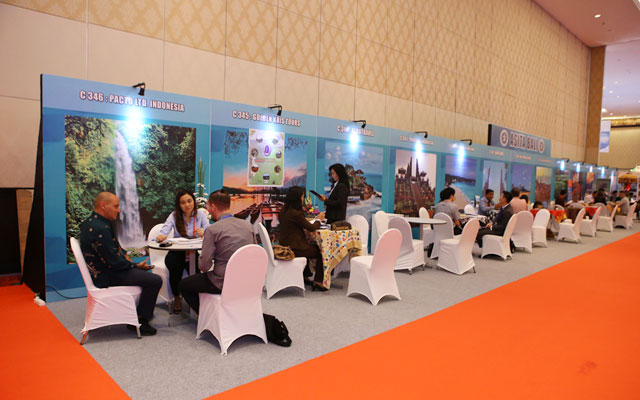
Indonesia’s Ministry of Tourism will host the seventh Bali & Beyond Travel Fair (BBTF) in Bali from June 8 to 12 this year, taking on a hybrid form with health protocols in place for the in-person programme.
As with its pre-pandemic editions, BBTF 2021 will gather both international and domestic trade buyers to meet with tourism sellers from Bali and other priority Indonesian destinations.
Tanto Ruwiyadi, vice committee chairman of BBTF told TTG Asia that international buyers would participate at the show virtually while domestic participants meet offline.
BBTF 2021 will focus on the theme, Exploring Sustainable and Wellness Tourism. A number of activities and forums led by reputable speakers will address new opportunities, trends and industry insights, as well as highlight the diversity of Indonesia’s regional cultures as a strategic asset for responsible tourism growth.
Recognised as the country’s leading international travel and tourism fair, BBTF is part of Indonesia’s strategy to promote new business opportunities and facilitate the industry’s recovery from the current crisis.
TTG Conversations: Five questions with Mario Hardy, PATA

While innovation and creativity thrive in times of crisis, most of the changes made by the travel and tourism trade to survive the Covid-19 crisis have not been true inventions, opines PATA CEO Mario Hardy.
However, stakeholders’ accelerated application of existing technologies in tough times has moved the industry forward in a positive way.
In this new episode of TTG Conversations: Five questions video series, Mario Hardy, CEO of PATA, talks about innovation for survival, current investor appetite for travel and tourism solutions, and more.
Spreading the Lunar New Year joy online

 For a city where Lunar New Year celebrations are traditionally large-scale, vibrant and a serious tourist magnet, creative solutions must be sought to combat the now-familiar travel and movement restrictions during the pandemic.
To convey the Lunar New Year festive spirit to the destination’s Super Fans around the world, Hong Kong Tourism Board ran a series of virtual tours and programmes across the week of February 8. Participants were able to visit Man Mo Temple in Central, a feng shui décor store in Lascar Row, a fai chun stand in Shin Hing Street, and a traditional candied fruit store from the safety and comfort of their home, while picking up wisdom around Lunar New Year taboos and tips.







Marriott International’s president and CEO, Arne M Sorenson, has passed away unexpectedly on February 15. He has been battling pancreatic cancer since he was diagnosed in May 2019.
Sorenson became the third CEO in Marriott’s history in 2012, and the first without the Marriott surname.
Known for his leadership on difficult national and global issues, Sorenson steered Marriott to make significant progress on diversity, equity and inclusion, environmental sustainability and human trafficking awareness.
“Arne was an exceptional executive – but more than that – he was an exceptional human being,” said J W Marriott, Jr., executive chairman and chairman of the Board.
“Arne loved every aspect of this business and relished time spent touring our hotels and meeting associates around the world. He had an uncanny ability to anticipate where the hospitality industry was headed and position Marriott for growth. But the roles he relished the most were as husband, father, brother and friend. On behalf of the Board and Marriott’s hundreds of thousands of associates around the world, we extend our heartfelt condolences to Arne’s wife and four children. We share your heartbreak, and we will miss Arne deeply.”