TTG Asia
Asia/Singapore Thursday, 1st January 2026
Page 947

Rejuvenate and recalibrate

0

Brought to you by Gangwon Provincial Office

Yearning to take off on the next incentive trip or team building exercise as working from home takes a toll on physical and mental health?

In assisting planners for the next corporate getaway – be it to connect with one’s inner soul or embarking on an exhilarating adventure in the great outdoors – Gangwon Provincial Office presents a selection of retreats and activities that allow guests to rediscover themselves, and emerge refreshed.

Park Roche Resort & Wellness

Located in Jeongseon, Park Roche Resort & Wellness is located in a village named ‘Sugam’ – where a protagonist is said to have fallen into deep sleep on a rock – resonates with the resort’s unique selling point in recharging the body and mind through deep sleep.

Sugam Lab, a collaboration between the resort and Ace Bed R&D Institute, matches body type measurements to individual bedding for a guest’s duration of stay. Body composition and stress level measurements are then used to recommend personalised wellness programmes and outcomes analysed with a scientific approach.

Wellness programmes are also divided into three themes, starting from improving one’s daily habits, to reigniting passion and motivation, to revolutionary mediation techniques. Guests are also encouraged to participate in activities that calm their mind; for instance, painting stone or patterning mandala, practicing calligraphy and making herbarium.

Donghae Mureung Health Forest

A forest where no one would object losing themselves in, guests traverse a skywalk-type bridge to access this sanctuary; while soaking up sweeping views of the Mureung Valley, a must-see destination for its commanding scenery.
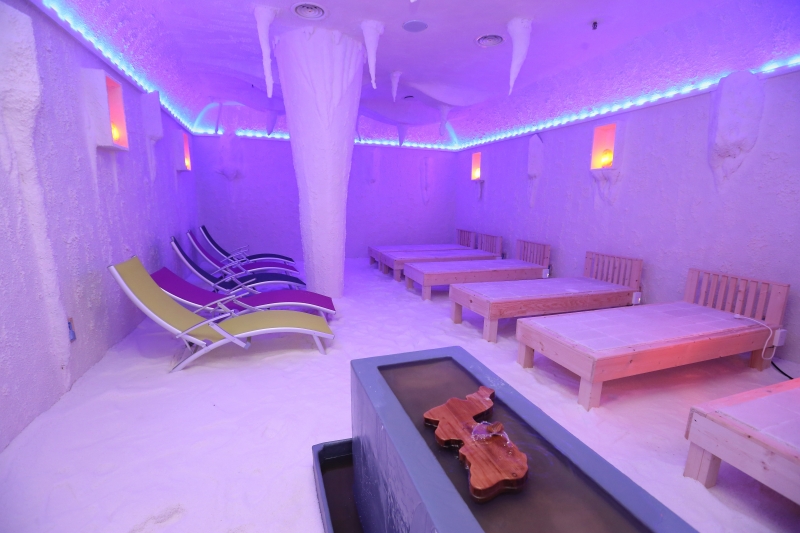
As South Korea has an established sauna culture, the highlight in visiting Donghae Mureung Health Forest would be to experience its themed alternative offerings featuring local produce (e.g. Salt Cave), and Oxygen Healing Room equipped with round-the-clock oxygen generators.

Guests may also choose from a variety of single-day or overnight (of up to 4) programmes. While single-day programmes lean more to craft making, overnight programmes can accommodate from 2 – 8 pax. Sit back and enjoy the views of the beautiful lake garden, sign up for healing or detoxing programmes led by well-trained instructors, or visit the Oseonnyeotang Outdoor Pool, which draws water from the Mureung Valley, in summer.

Yangyang Surfyy Beach

Blessed with a geographically coastal location, it’s surf’s up at South Korea’s first private beach for surfers located in Yangyang’s Hajodae beach.
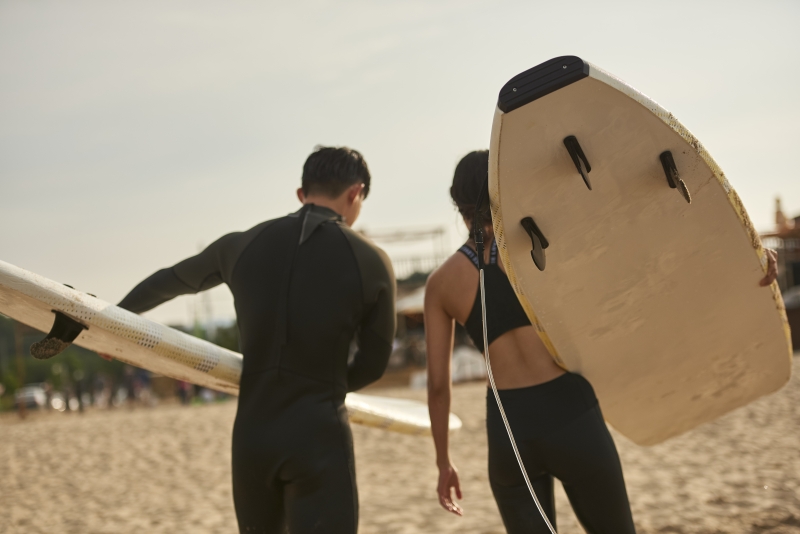
There is something for everyone here, from surfing lessons to sussing out local produce at the traditional Yangyang Market – taking place every five days – get there early to beat the snaking queue for the stall peddling fish cake boiled in red crab broth.

For visitors who seek some zen from the hipster vibe, go to Naksana Temple, one of the few Buddhist monasteries overlooking the east coast and experience a variety of temple stay programmes such as Dadam (dialogues over a cup of tea) with monks.

Chuncheon Chosunilbo Marathon

Chuncheon Chosunilbo Marathon is nicknamed Legend of Autumn for taking runners on a scenic route

The 2nd oldest marathon in Korea held every October coincides with the autumn season. Organise a team run to take in scenic Chuncheon; as the marathon course – adorned in maple leaves – meanders along captivating views of Soyanggang River, Lake Soyang and Lake Uiam. Half, full and 10km courses are available.

Having come to the capital city of Gangwon, bond at Soyanggang Skywalk, an observatory facility set over Uiamho Lake. The 156m walking path made of transparent glass offers visitors a thrilling experience as if they were walking on the lake.

For more information on other destinations and activities in Gangwon, email Nuri Kim, tourism marketing manager, Gangwon Tourism Kuala Lumpur Office at kim.nuri@ymail.com.

 

Guangzhou issues US$4.29m in vouchers to spur domestic travel

0

Guangzhou Municipal Culture, Radio, Television and Tourism Bureau has partnered with Tencent Cloud Computing (Beijing) to issue vouchers totalling RMB30 million (US$4.29 million) to Chinese residents as part of efforts to stimulate spending on tourism and culture.

The first batch of vouchers, which can be used at participating tourism and culture businesses in the city, including travel agencies, hotels, homestays, B&Bs and attractions, were released on July 17.

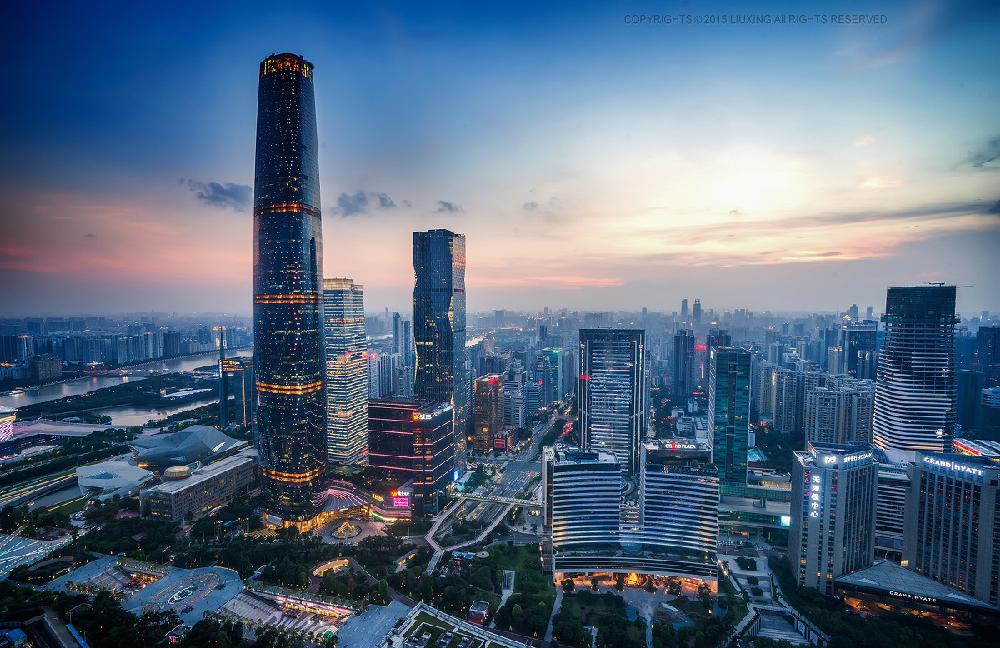
Guangzhou aims to boost consumption by issuing vouchers to Chinese residents; Huacheng Square in Zhujiang New Town, Guangzhou pictured (Photo Credit: Guangzhou Municipal Culture, Radio, Television and Tourism Bureau)

Residents across China can enter the activity page on WeChat at 14.00 and 20.00 daily to stand the chance to obtain the vouchers, each valued at between RMB30 and RMB100. They should be registered on WeChat under their own name and have had the account with their real name authenticated.

Upon receiving the vouchers, they can use one voucher per purchase at participating businesses if the purchase value exceeds the amount stated on the voucher.

The impact of the vouchers on spending and other factors will be assessed before plans for potential follow-up initiatives are drawn, shared Chen Yongliang, deputy director, Guangzhou Municipal Culture, Radio, Television and Tourism Bureau, at a recent press conference.

One travel supplier participating in the initiative is GZL International Travel Service. Its vice president, Wen Qian, shared at the press conference that customers can use the vouchers when purchasing any of GZL’s travel products, including group tours and pre-bookings of single travel products for FIT travel.

The company plans to publicise the vouchers and redemption guidelines across its marketing channels, and engage in relevant staff training, so the voucher distribution can achieve maximum impact, shared Wen.

As one of the first cities in China where stimulus measures for spending on culture are tested out, Guangzhou intends to provide insights on the effectiveness of driving overall consumption through stimulating tourism and culture spending, shared Chen.

– Translated by Angela Teo; this article was first published in TTG China

IHG sets foot in Halong Bay come 2023

0
Bird's eye view

InterContinental Hotels Group (IHG) is set to debut the InterContinental brand in Halong Bay, Vietnam, with the signing of two new properties.

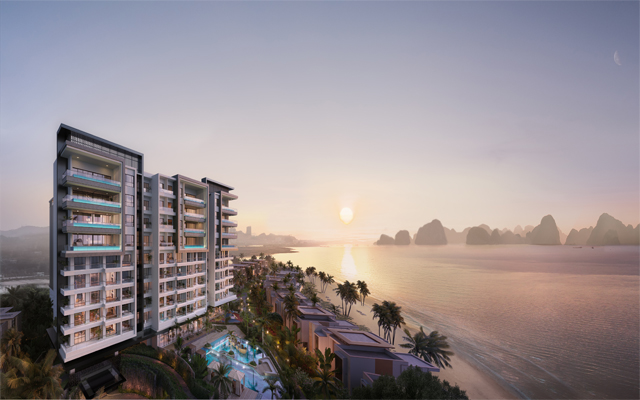
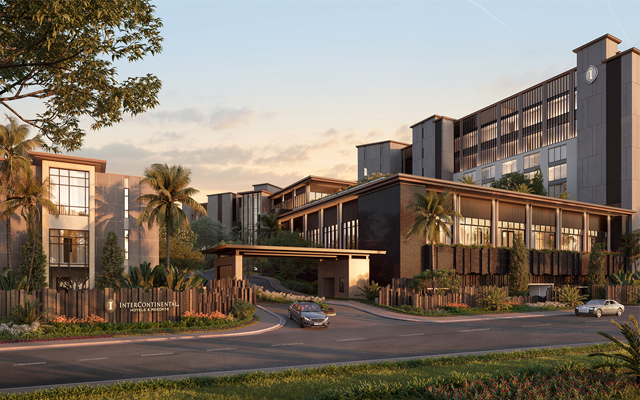
InterContinental Halong Bay Resort and InterContinental Residences Halong Bay, developed in partnership with Ha Long Investment and Development, a member of BIM Group, marks IHG’s expansion into the Quang Ninh province, Vietnam.

Slated to open in 2023, InterContinental Halong Bay Resort will feature 175 guestrooms, while InterContinental Residences Halong Bay will be made up of 60 apartments, ranging from one- to three-bedrooms, and 41 villas.

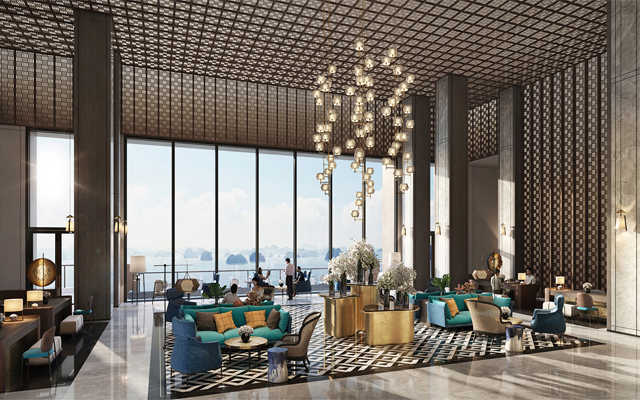
Guests and residents alike will be able to enjoy five restaurant and bar outlets, four pools, a gym, kids’ club and spa. Event hosts can avail the property’s six meeting rooms, with the largest room able to accommodate up to 500 people.

Guests can own an apartment or villa at InterContinental Residences Halong Bay, allowing their residence to benefit from inclusion in a rental programme, with apartments and villas available for third-party guests to book through IHG’s global channels.

On top of immersive resort facilities, the property also boasts its very own private beach. Leisure guests will enjoy convenient access to attractions including theme parks, water parks, beaches, integrated resorts, golf courses, popular shopping areas and night markets. Business travellers can benefit from the property’s proximity to MICE and convention centres, deep sea port operations, and upcoming commercial clusters.

IHG currently has 14 hotels in Vietnam across four brands, with plans to open 15 hotels in the next three to five years.

Japanese restaurateur uses AI to stay ahead of the game and drive sales

0

A restaurateur in one of Japan’s hardest hit tourism spots is leveraging technology to limit financial losses induced by the pandemic.

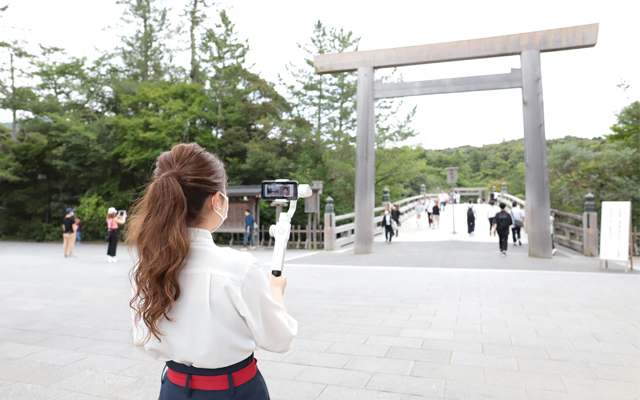
Haruki Odaijima is utilizing AI and other innovations to generate sales and diversify his business, Ebiya, located near popular tourist attraction Ise Grand Shrine in Mie Prefecture.

Odaijima’s use of AI tools has driven up sales and reduced food waste at his restaurant 

Odaijima’s AI system tracks foot traffic levels and demographics in the vicinity of his restaurant to assess customer visit rate, with 95 per cent accuracy.

Pre-Covid-19, the system had tripled Ebiya’s productivity, grew profits fivefold and reduced its food waste by more than 70 per cent.

In early April, it alerted him to the sharp drop in visitors to Ise Grand Shrine, prompting him to temporarily close Ebiya on April 7. Other local restaurants stayed open hoping for patrons, resulting in greater losses, until the government asked businesses to suspend operations on April 20.

Now, with lower footfall in the area, one of the system’s key benefits is assisting with targeted marketing.

“If the customer visit rate is low, we can change the signboard in front of the restaurant or give out promotional flyers (to attract the different demographics)”, said Odaijima. Examples include student discounts, which have increased student customers to 18.4 per cent, up from 4.6 per cent.

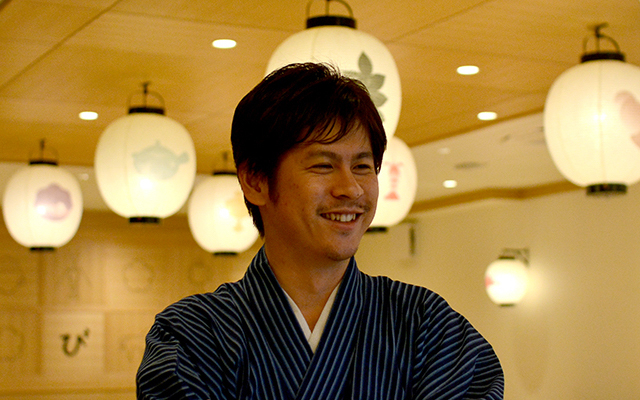
“We believe that we need to make decisions based on statistical data, instead of intuition and experience like in the past. By doing so, we can operate in the best way,” he said, adding that Ebiya used an abacus and handwritten accounts when he assumed ownership in 2012.

“By relying on data management, statistics and technology, we can take more time to improve our services and develop new products – work that only humans can do.”

Ebiya has diversified its portfolio by launching virtual tours of Ise Grand Shrine amid the prevailing travel slump

With visitor numbers unlikely to return to normal for some time, Odaijima has also introduced an online shopping experience and a virtual tour of Ise Grand Shrine, both delivered by staff via video conferencing.

He is also selling the concept to other businesses, like factories, so they can also offer online tours or demonstrations.

PHIST 2020 to spotlight sustainability agenda amid pandemic

0

This year’s edition of PHIST (Phuket Hotels for Islands Sustaining Tourism), Asia’s largest sustainable travel and hospitality event, which will take on a virtual format in light of the Covid-19 situation, will spotlight how the industry is tackling sustainability issues in the midst of the pandemic.

Over 1,200 of the industry’s leading figures are expected to attend this online gathering – originally slated to take place in Phuket on September 7 – which will include keynote addresses, interactive sessions, educational workshops and a green exhibition.

Like the two previous editions of PHIST, the one-day event, organised by the Phuket Hotels Association, Greenview and C9 Hotelworks, will drive the agenda for environmental action in a post-Covid-19 world.

Delegates will hear about the post-crisis efforts to prevent overtourism, the dynamic shift away from mass markets, strategies to conserve natural attractions, the quantification of green travel, farm-to-fork dining, rewilding, renewable energy, and more.

Running from 09.00 to 18.30, the free-to-join conference will include talks from trailblazing figures on the latest travel trends, educational masterclasses on renewable energy, post-Covid-19 hygiene, green meetings and corporate sustainability for small hotels.

Participants will also have digital networking opportunities with speakers, experts and other delegates. In addition, an interactive Virtual Green Groove exhibition showcasing eco-products and services from tech providers will be on show.

This year’s keynote speaker, Bill Bensley, the creative director at BENSLEY and the mastermind behind many of Asia’s most eclectic and eye-catching properties, will discuss the subject of sustainable hotels. He will be joined by the eminent marine biologist Thamrongnawasawat, president of the Phuket Hotels Association Anthony Lark, as well as the CEOs of two luxury hotel groups – Neil Jacobs of Six Senses Hotels, Resorts & Spas and James Riley of Mandarin Oriental, among others.

To learn more about PHIST 2020 and to register for the event, please visit phist.phukethotelsassociation.com.

Predicting the curve – why travel brands need to leverage data to stay ahead in the new normal

0

As the world’s fight against Covid-19 stretches on, the fallout has been markedly different across countries. Asia-Pacific has had some success in dealing with the pandemic – nations such as Japan and New Zealand have been lauded for their handling of the virus, and just this week, thanks to its containment efforts, Singapore announced plans to re-establish cross-border business and essential travel with Malaysia.

At the same time, the world is by no means clear of the crisis, and second waves are a distinct possibility, as seen in South Korea and Hong Kong. Despite the air of doom and gloom across the globe, an underlying sentiment of cautious optimism about travel is building in some parts of Asia-Pacific (like Singapore).

Adara’s spike analysis also reveals that, for the month of June 2020, flight searches to China from all countries reached an all-time high since the beginning of the year – suggesting that individuals are already beginning to make plans to travel overseas.

While the situation will continue to evolve, various elements of traveller activity and behaviour can be examined to prepare for the near future. Significant gating events such as infection rates and lockdowns are key factors travel brands need to understand. Brands should create scenarios that examine each layer of gating events across different timelines. With analytics resources, companies can lay out potential futures, and create action plans for marketing, staffing, and capacity management based on the timing and strength of individual rebounds.

Leveraging data to better target consumers
There is a danger that travel marketers try to create a single timeline of the future, with a unifying outcome. For example, Adara travel booking data reveals small signs of increases in the US, where leisure travellers are making bookings 90 days out. However, small inflection points will not add up to a single bottoming out and rebound of the curve – there will be fits and starts, with each slice telling its own story.

As positive trends arise, a logical framework – using data to analyse micro-trends – can prepare travel marketers for more personalised targeting. It is important for travel brands to get the inflection point just right, to optimise ad spend and accurately time their messaging and communication directly to prospective travellers in a relevant and considered manner. Notably, individualised messaging, pricing and services will be more relevant to travellers than a blanket campaign – the latter could come across as tone-deaf at best, and irresponsible at worst.

Individual travellers will respond differently to ad messaging depending on a complex interaction of past booking behaviour, demographics, and emotions. Older people, for example, are more anxious about travelling because of the personal risk of being harmed by the virus, compared to younger people, notes Lori Pennington-Gray of the University of Florida.

Discerning future upswings to stay ahead of the curve
Widely-held assumptions about how travel is likely to rebound over the course of the next 12 months are gaining traction. For example, international travel is expected to lag behind domestic travel, and outdoor destinations such as national parks are expected to be more popular than other attractions that tend to draw dense crowds. These forecasts seem logical and align with indications of consumer sentiment.

However, it is particularly important to challenge logic when there is a lack of historical precedent. Adara has tracked actual consumer behaviour that defies seemingly logical assumptions – for example, the notion that people will avoid destinations that cater to crowds is proving to be false, with the city of Las Vegas seeing a nearly 200 per cent uptick in bookings for late summer.

Travel marketers can leverage data from many companies that make their insights publicly available, including Smith Travel Research which tracks hotel performance, International Air Transport Association which provides scenario forecasts and BCG’s Travel Recovery Dashboard which provides a snapshot of key recovery indicators.

Adara’s free dashboard tracks consumer intent and booking trends for travel, with additional data for other discretionary activities such as dining and entertainment rolling out soon. Utilising this wealth of data enables brands and marketers to develop a shared, cross-functional plan to coordinate go-forward messaging, media buying, pricing and service as these micro-trends arise.

Having a sensible approach to data analysis and a coordinated marketing effort sets the stage for success. Having a compassionate approach to the individual needs of each traveller ensures it.

China outbound tourism projected for 2021 recovery

0
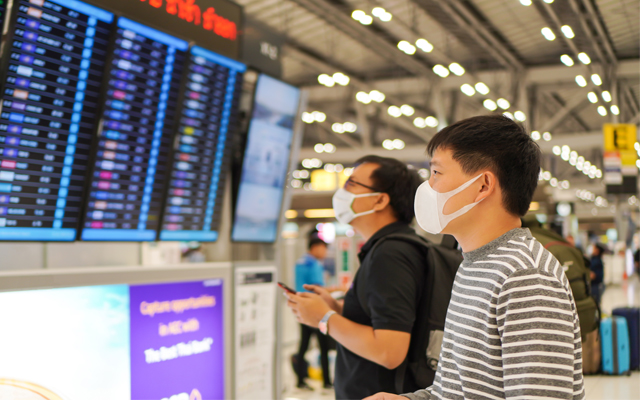
Asian male with face mask protection againts Coronavirus or Covid-19 or Covid19 look at flight schedule board at the airport , Corona Virus and health protection concept

Many Chinese travel agencies expect a gradual recovery of China outbound tourism in six to 12 months, according to a recent report by ITB China which examined the planned travel behaviour of the Chinese in the coming post-Covid recovery phase.

The 2020 China Market Recovery Special Edition is based on a survey among 200 Chinese outbound travel agencies and travel companies, including interviews with several industry experts.

Majority of Chinese travel agencies surveyed in ITB China’s latest study expect China outbound tourism to recover in six to twelve months

Asked about the recovery of the Chinese outbound travel market, 43 per cent of those surveyed expect that outbound travel will recover within the next nine to 12 months. Some 33 per cent think it might take six to nine months, whereas 20 per cent believe it will take three to six months. Only four per cent expect to see a recovery within the next three months.

Eduardo Santander, executive director of the European Tourism Commission, said: “China was hit first and should therefore be one of the first countries to recover, which would prove to be positive for European-Chinese tourism cooperation. By the time Europe can go back to normal, China might be ready for longhaul travel again. We expect the European travel industry to recover in 2021.”

In the wake of the Covid-19 crisis, Chinese travel operators and outbound travel agencies have been gearing up for recovery by restructuring their operations, engaging in internal employee training programmes as well as maintaining close external communication with partners and customers.

The survey revealed that even with the suspension of business during the outbreak, travel agencies and travel-related companies have proactively and consistently communicated with their customers. Some 66.5 per cent of the respondents communicate with stakeholders weekly, while 16.5 per cent share updates every two weeks, and 17 per cent communicate on a monthly basis.

James Liang, Trip.com group chairman, said: “Different measures taken by different countries and territories will hinder international travels, which will impose certain pressure on short-term upward tendency. However, in the long run, the industry is extremely resilient and any irreversible change is highly unlikely.”

Emirates rolls out bespoke portal for travel trade partners

0
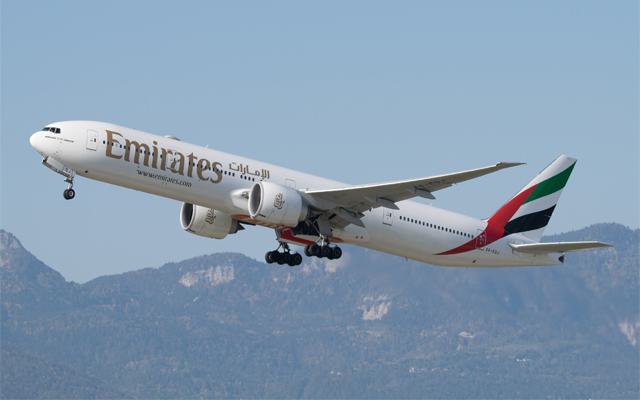
Emirates B77W departing toward Dubai

Emirates has launched a new online platform that will allow its travel trade partners around the world to have easy access to the airline’s full range of products.

Specifically tailored for each trade partner, the Emirates Partners Portal is a one-stop shop showcasing the carrier’s latest products, services and policies, while also providing technical support.

Emirates’ new platform reshapes the way the carrier delivers information to its trade partner community

The portal also offers a range of functions including self-service tools and support, and in-built automation of business processes, all aimed at delivering efficiency for travel partners, as well as providing transparency and clarity on the status of transactions.

Emirates’ CCO, Adnan Kazim, said in a statement: “This is a bespoke platform which is unique in the industry, and it allows us to offer a truly personalised experience based on our partners’ profiles and needs. We invested in listening to our agents and partners, and then we built the Emirates Partner Portal to address their needs whether for information, training or technical support.”

The portal is designed “to offer unmatched flexibility and empower (Emirates’) travel partners so that they can confidently provide even better services to their customers, and help them to fly better with Emirates,” he said, adding that its launch comes at an especially critical moment in the industry, where the need for the most updated travel information is an essential business enabler.

Built on the latest technology, on NDC/IATA standards, the portal will provide access to Emirates’ rich content, alongside critical operational updates, 24 hours a day, seven days a week. The platform will be available in multiple languages. Registration and enrolment is quick and secure, and linked to each agent’s Emirates registered identification.

TTG Asia breaks for Hari Raya Haji

0

TTG Asia e-Daily will be taking a break on Friday, July 31, for the Hari Raya Haji public holiday.

News will resume on Monday, August 3.

From all of us at TTG Asia Media, Selamat Hari Raya Haji to our Muslim friends!

Indonesia’s travel trade underwhelmed by government aid

0

Hotel and F&B operators in Indonesia are underwhelmed by the government’s partial waiver of tax obligations, calling for more financial relief and incentives to aid the tourism sector ravaged by the Covid-19 pandemic.

Hariyadi Sukamdani, chairman of Indonesia Hotel and Restaurant Association (IHRA), bemoaned the government’s stimulus packages for their ineffectiveness in helping hoteliers tide through the ongoing crisis.

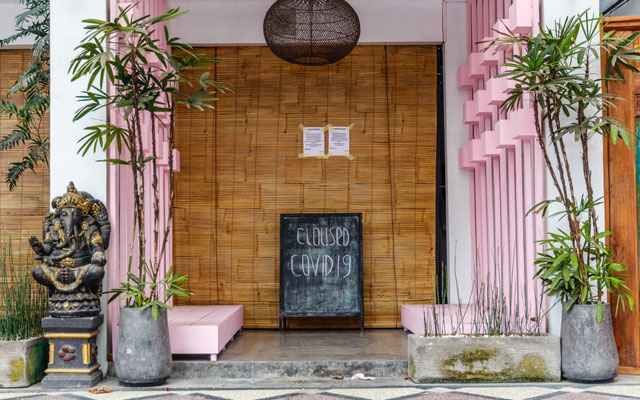
Restaurants and hotels urge the government for more support; a closed cafe in Canggu, Bali amid the pandemic pictured

For hotels and restaurants, a 30 per cent waiver on corporate income tax, for example, was not helpful enough as they still had to shoulder the balance, while continuing to suffer losses, he said. Instead, IHRA members are hoping the government will completely waive the monthly tax.

“The pre-employment card programme is also ineffective because it benefits new job seekers instead of existing workers,” he said, hoping that the government would give the latter cash aid.

Hariyadi shared that hotels and restaurants were likely unable to pay land and building tax which is due in August, hoping that the government would waive it this year.

Most hotels and restaurants have run out of working capital reserves by now to resume operations, according to Hariyadi. He, therefore, urged the government to grant the members working capital worth 21.3 trillion rupiah (US$1.4 billion) to help tide their businesses through the next six months.

Their fiscal woes is worsened by electricity and gas bills that hotels and restaurants still have to foot, despite reduced consumption, due to the minimum charge payable, said Hariyadi. He hopes that the government would get the State Electricity Company to retract the minimum spend requirement, and bill companies for their actual usage instead.

Elsewhere, Denon Prawiraatmadja, chairman of Indonesia National Air Carriers Association (INACA), beseeched the government to absorb the Covid-19 testing costs of air travel passengers to incentivise people to fly again, as well as restore full operational capacity for airlines from the current 70 per cent in order to aid the sector’s recovery.

He also asked the government to provide financial relief for INACA members, such as waivers of parking fees, discounted aviation fuels, and tax relaxation on aircraft spare parts.

As well, Denon called on the government to coordinate regulations, citing overlapping information in circulars issued by health ministry, transportation ministry and Covid-19 task force.

He also urged greater consistency in health and safety protocols across regions to avoid traveller confusion and subsequent aversion to travel. One region, for example, required travellers to take a Covid-19 rapid test, while another, a Covid-19 swab test.

“Another challenge is how the government is going to take action against violations committed by stakeholders in the aviation industry,” he said, adding that strict adherence to health and safety protocols is important in restoring travellers’ confidence in air travel.

Meanwhile, speaking at a webinar on tourism recovery, Wishnutama Kusubandio, Indonesia’s minister of tourism and creative economy, assured the travel industry that the government was working to provide them with more financial support.

He said that he had presented the trade’s request for a complete waiver of corporate income tax during a meeting with finance minister Sri Mulyani and that the appeal “is still being processed”.