


The Langham marks 156th anniversary with special deals
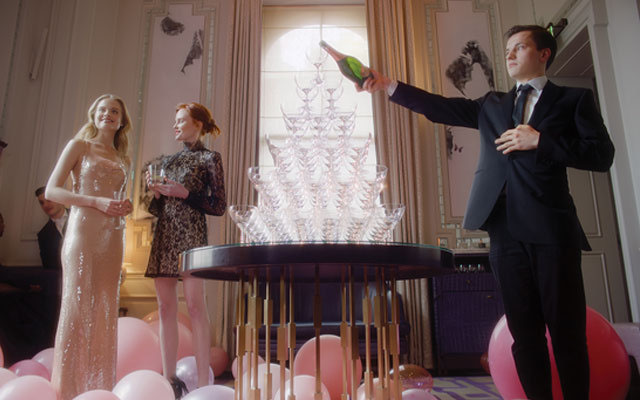
The Langham Hotels & Resorts has crafted a collection of experiences and staycation deals across its hotels in the UK, Germany, Australia, China and the US, in celebration of the brand’s 156th anniversary.
First up, guests can choose from a series of Elevated Experiences that feature top suite stays at The Langham hotels in New York, London, Chicago, Boston, and Pasadena; Australian-style luxury adventures on helicopter jaunts over the Great Ocean Road in Victoria combined with hot air-ballooning in New South Wales; sailing down Hong Kong’s Victoria Harbour in a luxury yacht, topped off with Michelin-starred culinary experiences, private destination tours and more.
For an even more impressive experience, The Langham Nymphenburg Residence in Munich offers a chance for guests to live like royalty.
Part of the proceeds from Elevated Experiences will be donated to local charities where The Langham hotels are located.
In addition to Elevated Experiences, The Langham Hotels & Resorts has also designed The Everyday Staycation Series, with packages that include 20 per cent off flexible rates as well as special perks and upgrades in the form of 156 “buy-ups” for a limited period.
These “buy-ups” are priced at HK$156, RMB156, A$15.60, US$15.60 and 15.60 pounds, and gives guests access to extra indulgences, such as teepee set-ups for The Langham’s junior VIPs, spa and wellness experiences, room upgrades, and surprise gifts.
Both the Elevated Experiences and The Everyday Staycation Series are available for booking between June 10 and 20, 2021, for stays from June 10 to September 30, 2021 for Greater China; and June 10 to 31 December, 2021 for the rest of the world.
For more information, visit www.langhamhotels.com/en/offers/156-anniversary.
G2 Travel leaps into sports tourism specialisation
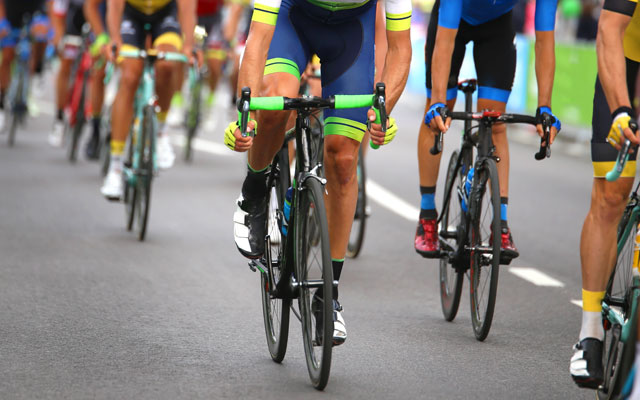
Global wholesale tour operator G2 Travel has birthed a new business division, G2 Sport, to provide end-to-end products and service in sports tourism, which it said would benefit travel agents as well as sports organisations and associations in a fragmented market.
Building on G2 Travel’s land service expertise and presence in 54 cities worldwide, the new business division will be able to pull off a range of activities for sports organisations and associations, such as training camps and tournaments; support sponsors and federations in travel programmes; and assist wholesale customers in providing travel services for FITs and groups looking to attend sports events.
G2 Sport, which is a Certified Partner Member of the International Sports Travel Agencies Association, will also handle touristic requirements, such as excursions and sightseeing, for sports teams and athletes. Support will include a 24-hour customer care team.
Al Mulenga, director of G2 Travel, Hong Kong office, told TTG Asia that the current fragmented sports tourism industry meant that travel agents engaged by sports organisations and associations had to conduct extensive research on their own to deal with unique requests.
He believes that a sports tourism specialist with a global footprint, like G2 Sport, can remedy the situation.
Mulenga said this was an opportune time to launch G2 Sport, as sporting events are starting to make a comeback in the US and Europe.
“Events have been mostly cancelled during the last 17 months. After that, we had events with no fans. Now, there is pent-up demand for athletes and fans to watch live events again, as more of the population becomes vaccinated,” he said.
While sports tourism is awakening in the West, recovery is slower in Asia-Pacific. Despite being one of the first high-profile sporting events to resume in Singapore, the HSBC Women’s World Championship 2021 in April admitted only 250 guests as in-person spectators in consideration of safe distancing needs. At the upcoming Tokyo Olympics, overseas spectators have been banned.
Despite the current situation, Mulenga maintains that G2 Sport will “have to keep an eye on Asia always, as it is the biggest market in the long run”.
“For Asia, we need to invest more in our inbound capabilities, which we are doing gradually as we roll out our FIT offering,” he shared.
He added that destinations and communities have much to gain from successful sports tourism, as sports ultimately lead to culture exchange and interest in destinations that are showcased during competitions.
“We also know that sports lead to massive changes in society as people start to opt for healthier lifestyle. Case in point is Indonesia, where hosting the 2018 Asian Games had encouraged people in Jakarta to jog and ride bikes throughout the city. City planners (have thus) created bicycle lanes. This eventually promotes a healthier population and a better environment.”
Looking forward, Mulenga sees opportunities arranging cycling tours from Asia to Europe, especially Holland, as well as trekking tours in Switzerland.
WTTC’s new campaign calls for international travel restart

The World Travel & Tourism Council (WTTC) has launched a campaign this week that calls on governments around the world to restart international travel after more than a year of lockdowns, and encourages travellers to share with the world, the positive impact travel makes to their lives and mental well-being.
The campaign, titled Reunite, has been made available across social media channels since June 7. It is fronted by a feel-good and positive video showing how now is the time to get the world moving again, to reunite families, friends, colleagues, and communities.
WTTC believes that while travel and tourism makes a significant contribution to economies around the world, it also provides an essential way for individuals to connect, experience and discover cultures around the world.
As vaccination rollouts advance in many countries around the world and as cases begin to drop, it is important for governments to recognise what travel and tourism brings to the economy and the population as a whole, urged WTTC in a press statement.
Virginia Messina, WTTC’s acting CEO, said: “Travel gives us memories which last a lifetime and the most amazing experiences to share, so we are excited to launch a campaign that gets to the heart of what travel means to people.”
Messina added: “For the past year WTTC has been hugely invested in advocating for the social and mental benefits of travel and tourism. Through this campaign, we are hoping to help kickstart the recovery of our sector through a truly worthwhile experience: reuniting with those who matter most to us.
“With the immense pressures being faced by the global travel and tourism sector due to the current restrictions caused by the Covid-19 pandemic, it’s now more important than ever that we remind everyone, how travelling can make all the difference not only to the world, but to us as individuals.”
Since the start of the pandemic, WTTC has been leading the private sector in efforts to rebuild global consumer confidence and encourage the return of safe travels. Its Together in Travel campaign, launch in April 2020, has met with great success. Hundreds of thousands of people around the world shared their stories, which generated more than 100 million impressions.
Have shot, will travel: Tripadvisor study finds vaccination driving summer travel demand

A new research paper by Tripadvisor has found that global vaccine rollouts are influencing rising demand for summer vacations, with vaccinated travellers more likely to stay longer and spend more on their trips than unvaccinated travellers.
The report, A Shot in The Arm for Travel? Examining the Vaccine’s Impact on Leisure Travel Demand, combines behavioural analysis of Tripadvisor’s first-party search data with consumer sentiment analysis gathered via traveller surveys in six major international markets including Singapore.
In countries like the US and the UK, where the vaccination rollout has reached large swathes of the adult population, eager travellers are pushing the tourism recovery forward. At the other end of the spectrum, countries where the vaccine rollout is at a less advanced stage and new variants of Covid-19 have impacted local populations – particularly across the Asia-Pacific region – are experiencing a slower recovery in leisure travel demand.
“Higher income millennial travellers were driving the demand for leisure travel over the last few months, but heading into the summer the age demographic of travellers now booking up vacations has broadened significantly, at least in countries where large populations have been vaccinated,” said Stephen Kaufer, CEO and co-founder, Tripadvisor, Inc.
“If ever we needed proof that vaccines are the key to long-term recovery in the tourism sector, our latest trend data provides it. Now the focus must be on governments and international organisations to ensure vaccines reach every part of the world as quickly as possible and make it as easy as possible for vaccinated tourists to travel globally once again.”
Impact on accommodation
The vaccine has a significant impact on the demand for accommodation. Countries where the pace of the vaccination rollout is more advanced, like the US and the UK, are powering near-term growth in tourism demand, while a more muted recovery picture emerges across the Asia-Pacific region.
Half (51%) of US respondents plan on taking a summer vacation somewhere in the US, and nearly 22% plan on taking a summer vacation abroad. Search volumes across the country continue to mirror sentiment trends. In the first week of May 2021, hotel searches were at a higher level than at any stage since the start of the pandemic.
Elsewhere, since the turn of the year, the UK, Spain, Italy, Germany and France have all seen significant growth in hotel search traffic on Tripadvisor, while in Australia – which is heading into its winter months – the recovery in search traffic has been largely flat.
Vaccinated travellers are a key driver of demand – when surveyed, 32% of vaccinated travellers globally said they had booked a domestic vacation, of whom 80% agreed that the vaccine had been a factor in their decision to book. By comparison, 19% of unvaccinated travellers had already booked a domestic trip.
Among those yet to be vaccinated, 48% of those planning a domestic trip are waiting to receive at least one dose of the vaccine before booking.
In Singapore, for instance, almost 70% of those planning a domestic trip are waiting to receive at least one dose of the vaccine before booking.
Impact on dining and experiences
Vaccine rollouts are also offering a boost to dining and experiences. In the first week of May 2021, weekly US restaurant searches on Tripadvisor were at a higher volume than at any stage since the pandemic began and experience searches were already close to last year’s summer peak.
The UK, France and Italy all experienced a spike in restaurant searches on Tripadvisor in April, with dining searches there outpacing traffic volumes at the same stage in 2020.
Prior to the heightened restrictions that started on May 16, weekly Singapore restaurant searches on Tripadvisor were steadily rising as locals were getting vaccinated and confidence levels were coming back.
Among vaccinated travellers surveyed globally, 41% said they feel more confident to dine indoors; 25% feel more confident to visit a museum; and 23% feel more confident to visit a theme park.
Impact on domestic tourism
Domestic tourism is dominating travel planning searches for the next few months, but for trips further out travellers are already actively planning international travel.
In the first week of May, Asia-Pacific travellers planning trips on Tripadvisor were overwhelmingly searching for domestic vacations. However, in the following months we see a steady shift of travellers looking to book more trips abroad. Eighty-five percent of June vacation searches in Asia-Pacific were for domestic trips, as well as 83% for trips in July and 79% looking to book a local getaway in August.
Looking ahead to the end of the year, only 60% of hotel searches in December are for domestic trips, while international hotel searches make up the rest.
Impact on destination choice
The urban tourism revival is in full swing, found the Tripadvisor research paper. City destinations are re-emerging as the trip of choice for vaccinated travellers.
Of those vaccinated travellers planning to vacation in 2021, nearly a third (32%) say they feel more confident about visiting an urban centre as a result of receiving at least one dose of the vaccine.
More than a third (35%) of vaccinated respondents in Singapore are planning a city vacation in 2021, compared to 22% who chose the socially-distanced outdoors. In fact, the top two most searched destinations in Singapore on Tripadvisor (based on site queries in the first week of May 2021) were for Hong Kong and Bangkok.
Impact on travel duration and spend
On average, vaccinated travellers plan to spend more and vacation longer than other travellers.
Globally, 22% of respondents plan to take a longer trip than they would have done pre-pandemic, rising to 30% of vaccinated respondents.
During the first week of May, 46% of all international accommodation searches on Tripadvisor were for stays lasting six days or more.
Globally, 35% of vaccinated travellers surveyed plan to spend more on their next trip compared to what they spent on travel prior to the pandemic, while only 20% of those yet to receive the vaccine plan to do so.
“After such a turbulent year, many in tourism are hopeful that a busy summer will provide a much-needed boost to the tourism industry, so it’s welcome news to see the latest traveller data pointing in that direction, especially for destinations and hospitality businesses that are able to capture the growing demand for domestic vacations,” said Christopher Hsi, head of market research, Tripadvisor.
“What offers even greater hope for a long-term recovery is the impact the vaccine is having not just on people’s confidence to travel, but also their willingness to turn planning into bookings. As more and more countries make progress on the rollout of the vaccine, and the positive impact that should have on the re-opening of international borders, there is every reason to expect further growth in traveller demand will come.”
Vaccine tourism a shot in the arm for Indonesian agencies
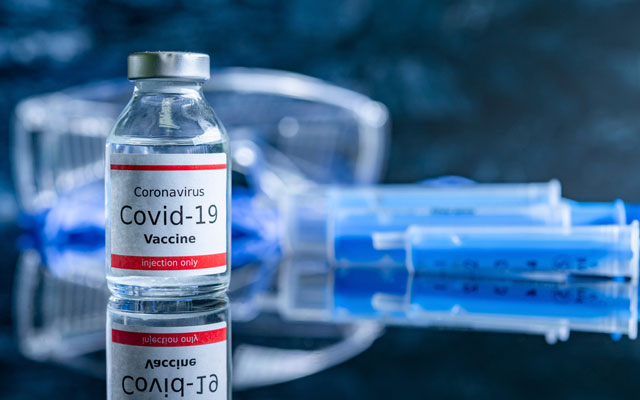
A handful of Indonesian outbound travel companies have turned to marketing Covid-19 vaccine vacations in the US, as ongoing border closures continue to stifle travel demand.
Jakarta-based Destination Tour, for instance, has rolled out Johnson & Johnson (J&J) and Pfizer packages, with rates starting from 3.8 million rupiah (US$267). The agency’s Pfizer-D package, which includes two shots, pick-up and drop-off service, 24-night accommodation, and airport transfer, is priced at 28.2 million rupiah per person.
Meanwhile, the one-shot, five-night J&J-B package is being sold at 9.6 million rupiah per person.
Yento Chen, CEO of Destination Tour, said he came up with the idea to create the vaccine tour packages after reading news reports that Bill de Blasio, mayor of New York, is offering international travellers Covid-19 vaccines to lure them to the city.
To craft those packages, he collaborated with a US-based clinic. Yento revealed that to his surprise, his packages ended up attracting not only travellers but also other travel companies such as Wahana Tour & Travel which were interested in selling the packages as his sub-agents.
Anastasia Yenny, general manager of tour at Wahana Tour & Travel, said she saw an opportunity to market the packages to not just leisure travellers, but also the corporate market, which was the agency’s biggest market pre-Covid.
Unlike Destination Tour, Wahana Tour include visits to attractions in its vaccine tour packages, working in partnership with a US-based travel operator, shared Yenny.
With rates starting from 8.6 million rupiah per person, a six-day, five-night USA Vaccine Tour, for example, which includes a one-shot J&J vaccine or two-shot Pfizer vaccine, offers visits to attractions in Los Angeles like Hollywood Walk of Fame, Walt Disney Concert Hall, and Dolby Theatre.
Vaccine tour packages by Wahana and Destination are offered both to unvaccinated local residents as well as those inoculated who want to get a J&J or Pfizer shot in the US to strengthen their immune system.
“The average clients are US visa-holders, such as parents who want to visit their children studying in the States. We have received bookings for trips from June to December, and most of our customers are families,” Yento said, adding that the vaccine packages are suited for groups of two to ten.
RedDoorz checks into midscale hotel segment with launch of Sunerra brand
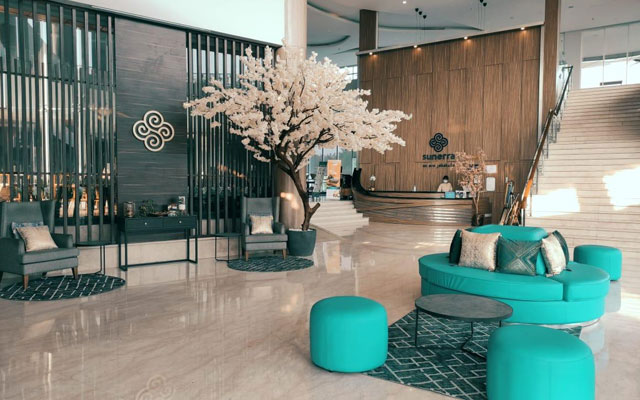
RedDoorz has joined the midscale hotel segment with the launch of its first Sunerra Hotel in Jakarta.
Located in a business district, the 142-key property has been designed to be a “workcation” hotel, offering leisure, family and business travellers experiences rooted in local heritage, art, cuisine, and hospitality.
The launch of the Sunerra brand comes as the group looks to cater to the growing middle-class segment within its existing customer base, founder and CEO Amit Saberwal said at a virtual press briefing yesterday (June 8).
Saberwal also explained that in line with its vision to be the largest hotel company in South-east Asia, RedDoorz needs to broaden the appeal of its properties and the technology that property owners would like, hence, the multi-brand strategy.
Launched in November last year, its economy lifestyle SANS hotel has expanded to six properties in Indonesia and within two weeks will inaugurate the first in the Philippines, the heritage hotel SANS Hotel Laperal in the heart of Old Manila.
Chief marketing officer Liviu Nedef said RedDoorz, RedDoorz Plus and RedDoorz Premium hotels can be upgraded to become SANS hotels.
Nedef added that the new hotels incorporate the requirements for safety, hygiene and physical distancing – with automated check-in, capacity limits at restaurants, and contactless transactions, among others.
In assessing the market behaviour of the four countries where RedDoorz has presence – Indonesia, the Philippines, Vietnam and Singapore – Saberwal is optimistic about its biggest market, Indonesia, which he deemed is striking the right balance between public health and the economy. This synchronisation, micro-lockdown strategy as well as hygiene and safety protocols are boosting the public’s confidence to travel.
Domestic travel is doing relatively well in Indonesia, he said, with some RedDoorz hotels enjoying occupancy that’s 10 to 20 per cent above the industry average. Even the post-Ramadan occupancy is keeping up.
COO Kelvin Teo said that in the Philippines, where RedDoorz has 250 properties, there has been some easing of domestic travel restrictions in metro Manila and its surrounding cities, with the economy opening up again.
Teo also noted that 60 per cent of RedDoorz’ corporate business comes from the Philippine government, with whom they are closely cooperating with regarding hotel accreditations and changes in the travel landscape.
Accor brings Mercure Living to Malaysia
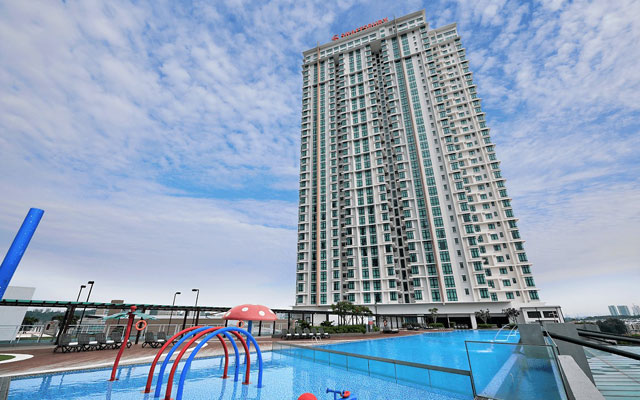
Accor will debut the first Mercure Living, an extended stay brand, in Malaysia, with the signing of a 299-key property.
Slated to open in April 2022, Mercure Living Putrajaya will feature suites fitted with dining and living areas, alongside work spaces. On-site facilities will include an all-day dining restaurant, executive lounge, meeting rooms, a 52m infinity swimming pool, fitness centre, tennis court and spa.
Centrally located in the Administrative Centre of Malaysia and a 30-minute drive from the Kuala Lumpur International Airport, Mercure Living Putrajaya will be housed within the Shaftsburry Putrajaya retail complex and connected to Alamanda Shopping Mall.
Rosewood launches private members’ club in Hong Kong

Rosewood Hotel Group has opened Carlyle & Co., a private members’ club located in Hong Kong, offering its members dining and lifestyle experiences, a rich cultural calendar and live entertainment.
Grounded in the spirit of its namesake, The Carlyle, A Rosewood Hotel in New York City, Carlyle & Co. will bring together members based on their “personalities, passions, interests and stories, rather than status or profession”, according to a press statement by the group.

Located above Rosewood Hong Kong, Carlyle & Co. is a 2,300m² social sanctuary with a lush outdoor terrace boasting sweeping city vistas. On-site facilities include the Music Room, Games Room, Barber and Tailor, Wine Cellar, and Brasserie.
Carlyle & Co. also houses the famed supper club Café Carlyle’s first outpost outside of New York, allowing its members to enjoy in-house live music performances. A private floor with eight bedrooms is also available for members and their guests who wish to stay overnight.
Additionally, the club will feature a varied cultural programme, ranging from business insights and experimental wellness workshops to connoisseur wine tastings and panel discussions.
Domestic demand keeps Krabi tourism afloat
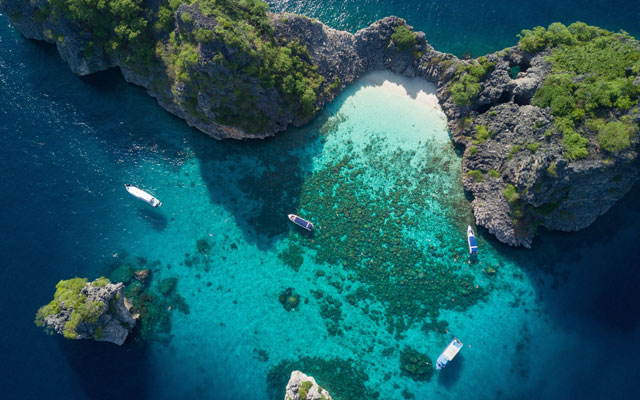
Krabi’s tourism sector has remained resilient despite the Covid-19 pandemic, with the province’s gateway airport trafficking over one million domestic passengers in 2020, according to a C9 Hotelworks’ report.
The hospitality consulting group’s latest Krabi Hotel Market Update revealed that unlike the Southern Thai resort markets of Phuket, Khao Lak, and Koh Samui which are highly foreign dependent, nearly half of the tourists staying in Krabi in the pre-Covid year of 2019 were domestic.
Outside of Bangkok, the destination had the fifth-highest airport passenger tally in the country.
C9 Hotelworks’ managing director Bill Barnett said in the report: “While hoteliers are looking at the reopening of international markets in October as a second-phase of Thailand’s Sandbox initiative, many wonder how long is the next cycle back to stabilised trading of the pre-Covid 2019 era?
“In the South of Thailand, with Phuket firmly encamped in mass tourism and Samui hampered by airlift limitations, Krabi is reaching a critical intersection on what market model to pursue. In contrast to Phuket, Samui or Phang Nga, Krabi had the highest level of domestic guests at accommodation establishments, with Thais accounting for 43 per cent in 2019.”
According to STR’s area director of Asia Pacific Jesper Palmqvist, Krabi capitalised the most of any Thai market during the extended long weekend over Songkran in mid-April, peaking at just over 80 per cent occupancy on April 11, well above that of other islands like Koh Samui and Phuket, that also saw an increase over the holidays.
“Amidst the gloom and doom of low domestic demand, vaccine conversations, and no international tourism – there is perhaps some solace in the fact that pent-up demand is alive and kicking for pandemic-weary travellers looking for open spaces,” Palmqvist said.

Echoing the sentiment of many Krabi hotel owners and tourism operators, Barnett pointed out that “the industry is looking back at 2019 as a gauge of looking towards the future”.
He added: “That year, Krabi hosted over four million guests at tourism establishments. Mainland China was the largest single international source market representing 14 per cent, followed by Europe which was highlighted by the UK, Germany, and France.”
According to C9 Hotelworks’ report, the existing hotel supply in Krabi is highly concentrated with unbranded mid-scale properties. In the pipeline, the incoming key properties are affiliated with international hotel brands which is a sign of destination maturity. With more upscale and luxury properties entering the market, Krabi will benefit from growing destination awareness and greater diversified market segments.
Looking forward, the upgrade and expansion of the existing Krabi Airport including a new terminal and runway will attract airlift and grow capacity.






KAI Beppu, Japan
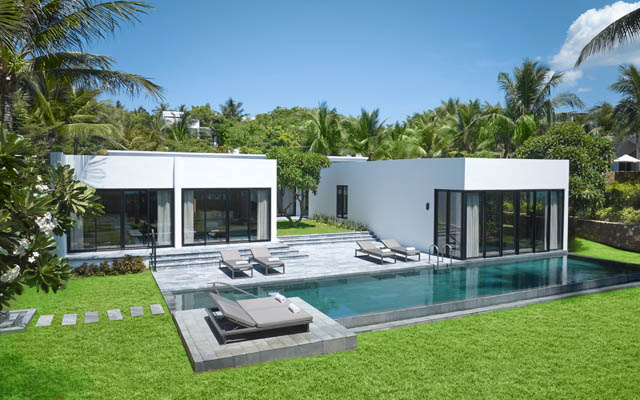
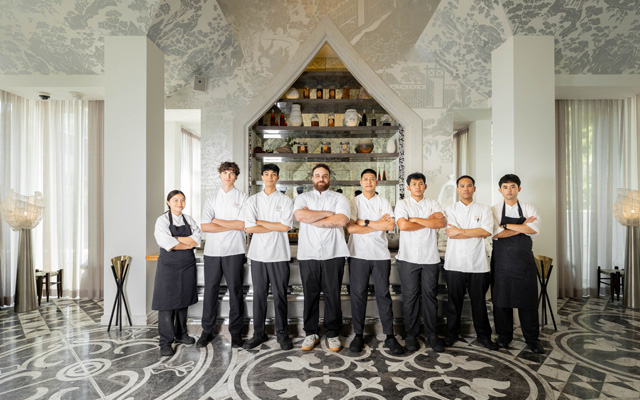
KAI Beppu in Japan’s Oita prefecture has started to welcome guests following its soft opening on June 4.
Designed by architect, Kuma Kengo, the interior has a cobblestone alleyway and an arcade area, all reminiscent of a lively hot spring town. The luxury hot springs getaway features 70 guestrooms, all designed with local Kyushu culture, characteristics and artwork in mind; public hot springs; a retro-style game arcade; a library, and other facilities.
It is a 10-minute walk from JR Beppu Station and a one-hour car ride from Oita Airport.
Moxy Shanghai Hongqiao CBD, China
The 158-room Moxy Shanghai Hongqiao CBD has opened in the throbbing commercial heart of Shanghai, China, featuring thoughtful, tech-enabled guestrooms, interactive gathering spaces and approachable service.
Promising a playful and unconventional hotel experience, guests check-in at Bar Moxy where they will be served a complimentary Got Moxy cocktail. The bar also functions as a communal hub where guests can dine and socialise. The hotel’s self-service grab-and-go concept also puts control into the hands of guests, allowing them to pick up snacks, fresh juice, coffee, wine and beer any time of the day.
Other facilities include a 24-hour fitness centre and a 24-hour ironing room.
Moxy Shanghai Hongqiao CBD is 15 minutes away from Lidoway by car, a popular Gen-Z destination with an array of trendy lifestyle shops, restaurants and bars, and located close to other popular attractions such as The Bund, Xintiandi and Tianzifang.
Hyatt Regency Shanghai Songjiang, China
The 256-room Hyatt Regency Shanghai Songjiang has opened within the Ecology Business District and amid shopping malls and residences, providing guests easy access to the city’s business parks and tourism districts.
Guestrooms feature smart technology and picturesque views of Wulong Lake, gardens or the urban skyline through floor-to-ceiling windows. Select rooms offer Garden Terraces from which guests can enjoy beautiful lake sunsets, and access to the sixth-floor Regency Club Lounge with its own lakefront terrace.
Other facilities include four restaurants and lounges; over 1,900m2 of immersive event spaces that are supported by Hyatt’s catering expertise and one-stop service; as well as two swimming pools, a fitness centre and a yoga studio.