


Visit Maldives woos SE Asian travellers in partnership with TripZilla

Visit Maldives has joined hands with travel portal TripZilla to launch a branding campaign to promote the Maldives as one of the world’s most preferred safe haven destinations, targeting the South-east Asian market.
The five-month-long campaign, starting from July till December, will leverage a variety of digital marketing components to promote the Maldives to ensure that the destination remains top-of-mind among South-east Asian travellers, in anticipation of the reopening of borders.
Under the campaign, articles on the tourism products (resorts, guesthouses, liveaboards, and hotels) and the unique experiences offered by the Maldives will be published on Tripzilla’s main website.
In addition, a video presentation featuring the serene scattered islands and the unique geography of the Maldives will be showcased through TripZilla. Besides spotlighting the activities that can be experienced in the Maldives, the video also highlights that the island country remains a safe haven destination given its unique one-island-one-resort concept.
Further, a variety of engagement posts will be created by TripZilla on Facebook to encourage viewers to engage with the content. The campaign is estimated to reach a total of at least 820,000 viewers across Singapore, Malaysia, Indonesia, and the Philippines.
As the campaign also aims to promote the Maldives as one of the leading Muslim-friendly destinations among South-east Asian travellers, the aforementioned articles will also be posted on HalalZilla.com – Tripzilla’s platform targeting millennial Muslims – and the HalalZilla Facebook page.
The campaign aims to create awareness about the activities that can be enjoyed by Muslim travellers, families, and luxury travellers.
Over the years, the Maldives has seen a steady growth in terms of tourist arrivals from the South-east Asian region, with greater flight connectivity to the island country. In 2019, the Maldives welcomed more than 87,636 tourists from the South-east Asian market.
ASEAN governments urged to work on a digital vaccine certificate to kickstart tourism recovery
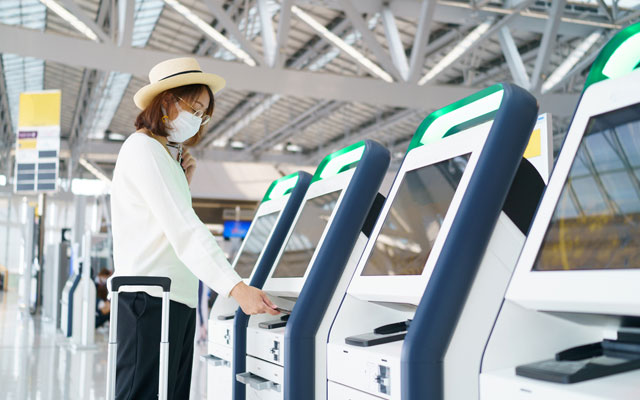
The Federation of ASEAN Travel Association (FATA) is calling on South-east Asian governments to work out a common and acceptable vaccine passport protocol to jumpstart intra-regional travel.
ASEAN, comprising 10 countries in South-east Asia, has a combined population of 661.5 million people.
With most South-east Asian countries fast-tracking their national immunisation programmes, FATA foresees international borders will be reopened soon and vaccine passports will play a crucial role in the restoration of regional tourism.
FATA president, KL Tan, stressed: “A uniformed set of standard operating procedures (SOPs) must be in place to avoid confusion and anxiety, and to provide a seamless travel experience. IATA Travel Pass and WHO vaccine passports to facilitate international travel need to be considered by (South-east Asian) countries along with our own ASEAN Digital Covid-19 Certificate, a joint collaborative effort by ASEAN governments.
“Having such (a digital vaccine passport) would be a practical solution towards validating passenger risk status before travel, (and) ensuring the smoothest possible experience for air and land passengers/travellers alike. It is essential to have such a certificate to support the reopening of safe travel. A well-coordinated approach would help avoid unnecessary stress for passengers and travellers, especially those travelling by air.
“Ideally, the ASEAN Digital Covid-19 Certificate will provide information on proof of vaccination, show if a person holds a negative SARS-COV-2 test result, or has recovered from Covid-19.”
Tan opined that in order to reap the full benefits of the ASEAN Digital Covid-19 Certificate, it will require the harmonisation of the verification protocol among ASEAN member countries.
To avoid duplication (i.e. checks by multiple operators – airlines, immigration, public authorities, etc.) and confusion, FATA recommends a ‘one-stop’ verification process prior to departure, involving coordination between authorities, airports and airlines.
ASEAN member countries should ensure that the verification is carried out as early as possible, preferably before the passenger arrives at the departure airport, in order to ensure a smoother experience for all involved, said Tan.
He added: “EU member states have launched their EU Digital Covid Certificate on July 1. We can always learn and improvise if necessary to suit (regional) travel requirements. As a region, (South-east Asia) should not be left behind and push forward aggressively for our own ASEAN Digital Covid Certificate.
“Tourism is one of the key economic drivers of (South-east Asian) countries. The EU have gradually opened up their borders subject to SOPs. (South-east Asian) countries need to do likewise to balance lives and livelihoods. Intra-ASEAN travel is crucial rather than depending on longhaul travel or travel bubbles to revive the floundering regional economy.”
Indonesia develops plans to court post-pandemic Muslim tourists

Setting its sights to revive tourism to the country, Indonesia has put in place a slew of initiatives to capture a greater slice of the post-pandemic Muslim travel market.
Speaking at the panel discussion titled Strengthening the Quality of Indonesian Tourism through Halal Lifestyle, held in conjunction with the recent Halal in Travel Global Summit, Riyanto Sofyan, chairman of the Indonesia Halal Tourism Association (IHTA), said that among its strategies to lure Muslim travellers to Indonesia is to strengthen the destinations’ offerings to meet changing demands.
Riyanto said: “We are launching new and unique travel products, focusing on nature-based, wellness and cultural offerings, such as (developing new) glamping resorts and community-based tourism villages.”
One of the products in the making is the Syariah Quadrathlon initiated by the Syariah Economic Society Indonesia, which will include endurance horse-riding, swimming, running and archery.
Otto Setiawan, executive director of Syariah Quadrathlon Indonesia 2021, said the event will initially target domestic participants, with the aim to attract travellers from neighbouring countries at a later stage.
Rizki Handayani, deputy of tourism product and MICE at MoTCE, said: “(One of the post-pandemic trends) is travelling in small group sizes. We hope the domestic destinations can come up with new attractions that meet the needs of specific market segments, sports tourism being one of them.”
She also advised travel agencies on the importance of creating experiential value for tours. “You need to incorporate a story-telling component into the tour. Invite the young generations in your destinations to create stories about their places,” Rizki said.
Riyanto said IHTA would also emphasise on capacity building and the implementation of the Cleanliness, Health, Safety and Environmental Sustainability Plus (CHSE+) protocols at tourist destinations.
Wisnu Rahtomo, deputy chairman at IHTA, explained: “The Ministry of Tourism and Creative Economy has come up with the CHSE standard and the InDOnesia CARE (I Do Care) Campaign and we are supporting the initiative by adding the halal travel values to the standard (with the creation of CHSE Plus protocols and the I Do Care Plus campaign).”
In the aspect of Cleanliness, for example, the added component includes Muslim-friendly toilet and prayer amenities, while the Health element in restaurants is to provide halal-certified food and beverages.
“These are basic requirements but many have not paid much attention to them,” Wisnu said.
He added that the I Do Care Plus pilot project is planned for four regencies in West Java where a team comprising the regional government, academicians and practitioners would assist accommodations, restaurants and attractions in implementing the CHSE Plus standard.
Yenike Purbandari, a leader at the Nepal van Java tourism village, Butuh Village in Temanggung, Central Java, opined that the I Do Care Plus programme should not only focus on educating the industry but also the travelling public.
“As management, we implement the protocols and request visitors to wear masks but there is a misconception among travellers that when they are travelling outdoors, they do not need to wear a mask,” she said.
She also appealed for the government to address the manpower crunch in the sector, especially in tourism villages which are rapidly gaining popularity.
Key learnings from Covid-19 for the APAC travel and tourism sector

The Asia-Pacific region has gone from being a top dog in the travel and tourism sector to being put in the doghouse due to the handling of the pandemic, see-saw Covid-19 case numbers and at times, complacency. However, a few risk-taking destinations are daring to try some new approaches to compensate for the collateral loss of international arrivals.
That is why after recently presenting at the Asian Leadership Conference in Seoul, South Korea with a slide deck of 50 ground-breaking data nuggets, we thought to share a few highlights to demonstrate that there are still a few things our travel partners in the Far East can do to keep a steady trickle of tourism dollars until the promised full recovery in 2024.
1. Seize the new opportunities in your domestic market
Investing in a sound domestic tourism plan with healthy airline promotions and tour operators in sync has its merits – just ask China.
China reached pre-pandemic domestic arrival levels as early as September 2020, even with the pandemic in flagrant, thanks to teaming up its national public holidays with airline deals for couples (two-for-one offers) and the introduction of tax-free perks for shopping holidays to Hainan.

With international travel still on hold, the latest revenge travel is taking mainland Chinese travellers to the glitz and glamour of Macau. In the first week of June, issued tickets for travel from mainland China to Macau reached 48 per cent of 2019’s level, while in general, outbound Chinese travel recovered only four per cent.
In the post-pandemic era, digitalisation has become key to recovery in Macau. The Macau government cooperated with a lifestyle service review and reservation app in mainland China to issue subsidies of about MOP5 million (US$625,270) to local small and medium-sized merchants, including restaurants, local souvenirs, and other merchandise.
In combination with the new consumption habits, post-pandemic local merchants have provided contactless services, such as real-time reservations, online reservations and group purchasing, which make it easier to plan the trip before arriving.
2. Re-think destination strategies & flight connectivity: The Maldives, South Korea & Thailand
“The world has changed, like it or not. That means what you once knew is no longer valid and past historical data is not useful,” said Jameson Wong, director of APAC for tourism & hospitality at ForwardKeys.
Take this period as a time for reinvention as the data is pointing out that this is a glaringly obvious thing to do. We can count three clear examples where destinations can still seize new business if they act promptly, backed by data. Let’s examine, Phuket, Jeju Island and the Maldives.
The Phuket Example
What is surprising is the strength of the Israel market this summer in Phuket. For the first time, Israel, a relative newcomer, ties with the UK as the top source for Phuket in July-September, with Germany as the second biggest source. El Al started operating a daily direct flight from Tel Aviv to Phuket on July 1.
“This shows the industry needs to look at other factors, beyond travel restrictions, that will shape travel decisions and change traditional market sources and segments. These factors include airline connectivity, currency and safety perceptions such as anti-Chinese sentiment,” said Wong.
Europe (including Israel) is the dominant source for Phuket this summer, accounting for 78 per cent of issued tickets, followed by Americas at 12 per cent and Africa/Middle East at six per cent (see chart).
In a reversal, Asia/Oceania is only four per cent, a significant drop from 59 per cent in 2019, due to travel restrictions and/or quarantines upon return.

The Jeju Island Example
Here is a fun fact: the flight path between Seoul-Busan is the busiest route in the world (in terms of domestic travel). Not only are the urbanites from South Korea’s capital in a rush to escape to its nearest patch of paradise but the passenger profile has changed too.

Indeed, there has been a growth in passenger shares for those who travel in groups of three to five aka families. Here is a new business opportunity to seize! Romancing couples are also on the increase – what incentive is your hotel offering?
Seoul’s Incheon Airport has also seen an important shift in its relevance as a regional hub. In 2021, it doubles its share in connecting international travellers, up from 10 per cent in 2019 to 20 per cent in 2021. Neck to neck with Singapore’s Changi Airport.
The Maldives Example
The Maldives is demonstrating that acting swiftly and making sage business decisions based on data can make a difference.
“It is with great contentment I note that the Russian market is now the top market in terms of arrivals to the destination since we have reopened our borders in July 2020,” said Thoyyib Mohamed, managing director of Visit Maldives.
“Our marketing promotions in the past year has had an impact in increasing the demand for the destination and also the increased connectivity has positively helped the boost in arrivals from Russia,” he added.
By monitoring new source market opportunities, the tourism board acted swiftly by investing in digital marketing and advertising campaigns in Russia and have capitalised by welcoming not just luxury honeymooners, but also, affluent families.

Flight connectivity greatly assisted in the Maldives receiving such international travellers via Dubai Airport – which has stayed open throughout the pandemic.
3. Set up “safe” travel bubbles or sandboxes: Trans-Tasman and Phuket
Travel bubbles when announced early, with uncomplicated travel checks and clear safety protocols can work. Two Asia-Pacific initiatives that merit praise are the Trans-Tasman air bubble between Australia and New Zealand; and the recent introduction by the Thailand Tourism Authority of the Phuket Sandbox.
“Sure, the Trans-Tasman bubble has had its fair share of hiccups with case numbers rising in W.A first, then Melbourne and Sydney – however, overall, it has seen a steady stream of Australians visiting New Zealand, with most issued tickets coinciding with its snow season in July and August,” said Wong.
It is the high cases of Covid-19 variants, on/off approach to domestic borders and the low vaccination rate of Australia that has delayed the reopening of international borders to possibly 2022 or 2023 – a date that has yet to be set.
4. Make early border announcements
One trend we have noticed in Europe that is worthwhile replicating across Asia are clear and early announcements regarding the reopening of borders and the travel conditions applicable.
Well in advance of the popular summer season in Europe, Croatia and Greece announced in Q1 that they will be welcoming vaccinated international travellers from the US and boom! Guess which source market was suddenly one of their top source markets?
“We even noticed a spike in first-class travel from NYC to Athens for the summer season,” said Olivier Ponti, vice president of insights.
5. Invent new promotions & activities
Last-minute bookings have become part of the new normal. Gone are the days when one year in advance holidaymakers would place a deposit on a trip abroad – it’s impossible to do so now!
When examining the ticketing data per each region: Asia-Pacific, Europe, Africa, the Middle East and the Americas, each region demonstrates the habit of booking closest to departure.
“I think this trend is here to stay,” said Nan Dai, China Market Expert. “In China, we are seeing domestic travel booked under four days and people have adapted to this new habit as the airlines and hotel offers have become more flexible in terms of ticket changes and refunds.”
This trend is a tricky one for hotels struggling with occupancy rates – but if you know what origin cities your key source markets are, you can improve your marketing spend and enticing offers to suit the relevant audience. For example, Beijing inhabitants are more likely to fly to Sanya while to Haikou 50 per cent of the arrivals are from Chengdu.
People are also staying longer on their trips. Macau used to be a one-night or two-day experience for Chinese mainlanders as they paired their holiday with a few days in Hong Kong. Nowadays, Macau is the sole highlight and people are staying on average three to five nights. What activities and promotions exist to capture this audience and make them return?
Conclusion – Try something different!
This pandemic has shaken up the travel and tourism industry, but like a phoenix rising from the ashes, the desire to travel, explore and meet new cultures is inherent. This is not the end. So, use this time wisely to think, re-invest your energies and let big data guide you through this Covid-19 fog.
Travel recovery is starting to show its face in the US, China, and the Middle East – it’s only time before the Asia-Pacific is brimming with excited international guests, maybe from new source markets like Israel, Russia and Europe?
Amadeus integrates IBM digital health pass for smooth air travel

Amadeus has integrated the IBM Digital Health Pass into its digital health verification solution, Traveler ID for Safe Travel, to help streamline the validation of air traveller’s Covid-19 health documentation for a smoother check-in experience.
This enables airlines to integrate the use of Covid-19 digital health credentials into their existing reservation and booking system, allowing airline passengers the option to scan or upload documentation to show their health credentials.

As passengers move through the online check-in process, Traveler ID for Safe Travel checks the requirements for that particular trip against destination country regulations. This then prompts passengers with the option to generate a secure Covid-19 digital credential by scanning paper documents or uploading a digital version from their mobile or desktop.
These Covid-19 digital health credentials are then verified using IBM Digital Health Pass, which uses a combination of encryption and blockchain technologies to authenticate Covid-19 health credentials against a global ecosystem of labs, vaccination centres and healthcare providers. Airlines receive a simple status confirming a passenger is ready to fly. This solution provides passenger privacy since no personal health information is stored or tracked by the airline or IBM.
“While countries across the globe are beginning to slowly reopen borders to welcome back visitors, specific border entry requirements may vary greatly country to country. The need to check Covid-19 health documentation is causing significant delays during the journey for airlines and other travel providers, as well as the traveller,” said Greg Land, travel and transportation industry lead, IBM.
“The integration of IBM Digital Health Pass into Amadeus’ Traveler ID for Safe Travel is designed to provide airlines with open technologies they can build into existing digital solutions. This can help airlines safely meet border entry requirements while delivering a smoother customer experience.”
Traveler ID for Safe Travel is currently live with multiple airlines, with additional airline customers to be announced soon. Traveler ID’s digital identity and health verification capabilities are also relevant for other customer groups, including hotels and airports.
Scoot taps Insider to bring AI-powered personalised experiences on its digital channels
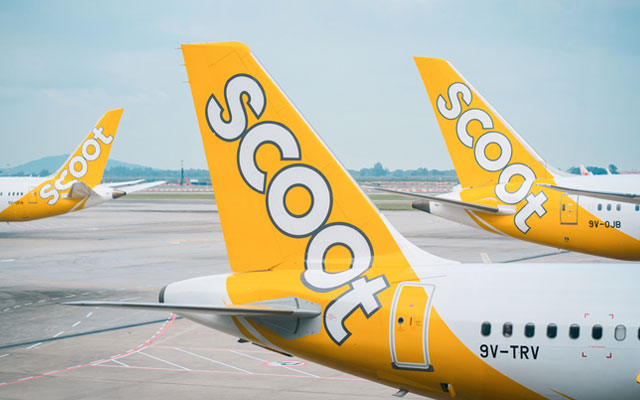
Singapore budget airline Scoot has partnered with cross-channel marketing platform Insider to further enhance the experience on its digital channels.
Under the partnership, Scoot has deployed Insider’s AI-powered platform to create personalised, multichannel experiences for customers on its website. This allows Scoot to release travel requirements at different parts of the customer journey and communicate flexibility options on its website quickly, addressing the fluidity of global travel regulations with agility.
Insider’s AI-backed segmentation module has also enabled the airline to serve relevant web push messages to users with a high likelihood of booking a flight. Visitors to Scoot’s website will also benefit from Smart Recommendations based on their previous browsing history for a more relevant user experience.
“Our partnership with Insider has been instrumental in how we support our customers in these challenging times. Scoot’s motto has always been to redefine the customer experience in the low-cost sector, and a large part of this overall experience is delivered via our digital channels,” said Calvin Chan, CCO of Scoot.
“Insider has been a valuable partner in improving our overall site engagement and new customer acquisitions with personalised overlays and engagement features. The ease of use of the platform has also enabled us to be operationally agile and so keep our customers abreast of the latest changes in travel regulations.”
VNTravel, Yanolja Cloud partner to drive digitisation in Vietnam’s hotel industry

Global travel tech company Yanolja Cloud has signed a partnership agreement with VNTravel, the largest travel company in Vietnam, to lead the digital transformation of the Vietnamese hospitality industry by leveraging Yanolja’s innovative technologies and VNTravel’s local networks.
As an affiliate of VNLife, VNTravel has more than five million customers, and provides more than 50,000 tour and activity products and offers deals for more than 1.5 million hotels across the world.
Yanolja Cloud’s Software-as-a-Service (SaaS) solutions will be deployed to hotels in Vietnam to create an environment for real-time data connectivity, improving their operational efficiency and customer convenience. Meanwhile, VNTravel will carry out local marketing campaigns and support the interconnectivity with Vietnam’s e-payment solutions provider VNPay.
Bangkok Airways to resume flights between Samui and Singapore
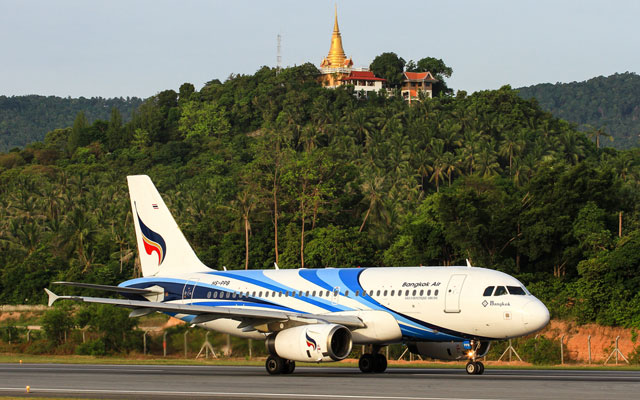
Bangkok Airways will resume its first international service between Koh Samui and Singapore starting August 1, 2021.
The service resumption is in support of Thailand’s reopening plan which includes the Samui Plus programme whereby Koh Samui is one of three resort islands to reopen to fully vaccinated foreign travellers with no quarantine requirements.
The resumed services between Samui and Singapore will be operated by an Airbus A319 aircraft, starting with three weekly flights every Monday, Thursday and Sunday.
The outbound flight PG961 will depart Samui Airport at 15.05 and arrive in Singapore at 18.00. The inbound flight PG962 will depart Singapore at 19.30 and arrive at Samui Airport at 20.35.
Passengers entering Thailand will be required to present a Certificate of Entry, a negative Covid-19 RT-PCR test result issued within 72 hours prior to travel, a vaccine certificate or proof of vaccination.
Additionally, all passengers must undergo Covid-19 tests during their stay in Thailand. Travellers with a certificate of vaccination and a negative Covid-19 test result are exempted from quarantine when travelling to the following islands: Koh Samui, Koh Pha Ngan and Koh Tao. They must stay on the island for at least 14 days before travelling to other regions in Thailand.
Puttipong Prasarttong-Osoth, president of Bangkok Airways, said: “We are more than delighted to announce the resumption of our first international flight after being on pause for a long while due to the pandemic. The Samui-Singapore route is anticipated to bring back confidence to Thailand’s tourism. We have assured that both Samui and Singapore have robust processes in place to ensure travels between the two cities can be undertaken safely.”
Craig Seaward to lead opening of W Sydney

W Hotels, part of Marriott International, has appointed Craig Seaward as general manager of W Sydney, set to open in 3Q2022.
In this role, Seaward is responsible for overseeing all aspects of the final build, including recruitment and training of the 500+ team and managing all pre-launch activity to ensure the hotel opens to the highest standard. Upon opening, he will direct the hotel’s day-to-day operations and be accountable for the commercial and operating strategy and performance of the hotel.
He arrives in Sydney having spent the past 11 years as general manager of W Bali-Seminyak.
The experienced hotelier has spent 25 years working for premium hotels, predominantly with Starwood Hotels & Resorts, which merged with Marriott International in 2016. Previously, he held the position of general manager at Sheraton Surabaya Hotel and Towers and Pakuwon Golf and Family Club in East Java, Sheraton Perth and Westin Chosun Beach, Pusan South Korea.
The W Sydney is slated to be the largest W hotel in the world, and will feature 586 rooms, a two-storey rooftop bar, heated infinity pool, spa, gym, 1,110m2 of event space, and several F&B options.

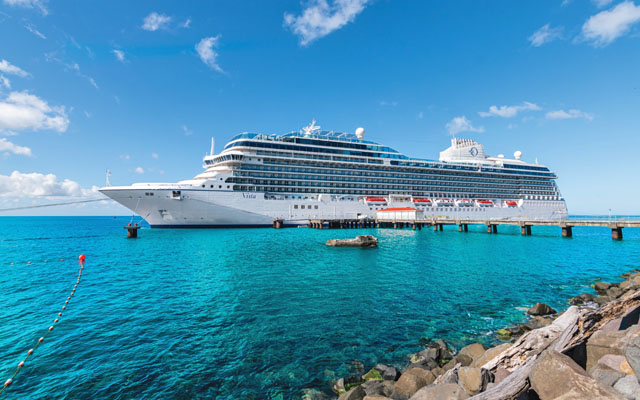






Hyatt has inked a deal with developer Hang Lung Properties to establish the first Grand Hyatt branded Residences in Kunming.
Grand Hyatt Residences Kunming will be the first branded Residences project under the Hang Lung Residences portfolio, and will form part of the Spring City 66 development, an integrated mixed-use complex which will also house luxury retail outlets, Grade A offices and the five-star Grand Hyatt hotel.
Expected to be launched in late-2022, the property is located in Panlong District, the central business and commercial hub of Kunming.
The Residences sit above the 332-room Grand Hyatt Kunming hotel, occupying the high zone of the 250m-tall building, featuring 254 apartments, including three penthouses, each with their own private terrace and swimming pool.