



Le Méridien Maldives Resort & Spa, the Maldives
Le Méridien Hotels & Resorts has opened the Le Méridien Maldives Resort & Spa, marking the Paris-born brand’s debut in the island country. Located on Thilamaafushi, the southern pocket of Lhaviyani Atoll, the resort presents 141 one, two and three-bedroom villas, each featuring views across the beaches, the Indian Ocean or turquoise lagoon. Facilities include a spa and two infinity pools. The resort also features six restaurants and bars, including Japanese restaurant Tabemasu, adults-only bar Riviera, farm-to-table concept Waves Café, the poolside Velaa Bar + Grill, and all-day beachside marketplace Turquoise. The Le Méridien Hub, a social gathering place, serves barista-crafted coffee beverages as part of the brand’s collaboration with illy coffee. The resort is accessible by a 35-minute seaplane journey north of Velana (MLE) International Airport, Malé.

Mercure Auckland Queen Street, Australia
Located in the heart of Queen Street, the 96-room Mercure Auckland Queen Street boasts contemporary design and boutique interiors. Each of the hotel’s guestrooms feature unlimited free Wi-Fi, 50-inch smart TV and a work desk. Deluxe rooms are also fitted with an outdoor balcony. For families, the hotel has inter or outer-connecting rooms. Other services and amenities include 24-hour reception, fitness centre, boardroom and reduced mobility rooms. Set at the centre of the hotel with street access and a coffee window is The Basement Restaurant and Bar, an all-day dining restaurant offering Italian and Mediterranean cuisine.

Taj Mahal Hotel, New Delhi; India
Tata Group’s Taj Mahal in New Delhi has launched one and two bedroom Luxury Residences with contemporary facilities and personalised services. All 14 residences feature living and dining spaces, interconnected suites, walk-in rain showers, wardrobes, as well as fully equipped kitchens. Guests benefit from the hotel’s services including concierge and butler services, personalised and flexible gastronomic offerings and culinary consultants, dedicated housekeeping, and access to the Taj Club Lounge. Taj Mahal, New Delhi has been undergoing an extensive renovation, and has unveiled an all-new avatar of Machan, Emperor Lounge, a refreshed lobby, transformed suites and rooms, and reimagined offerings at The Chambers.
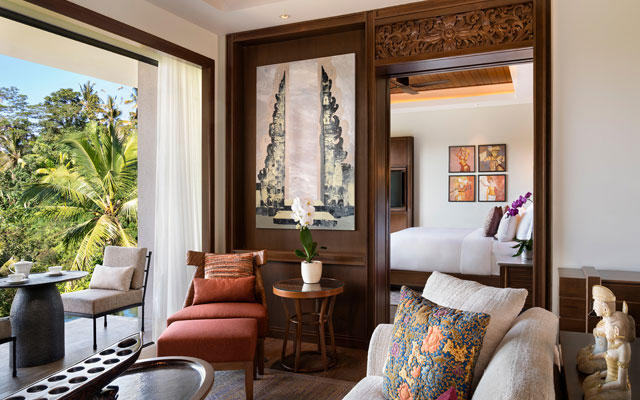



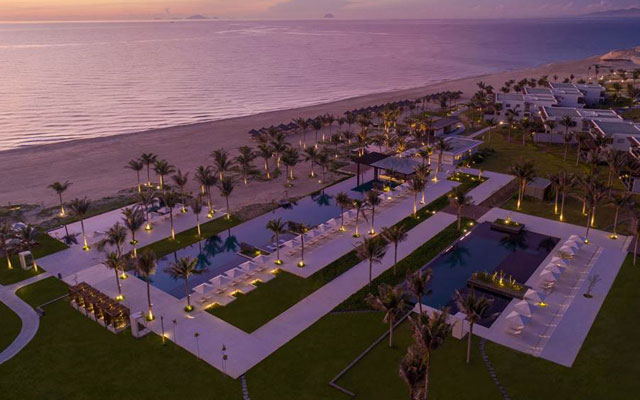



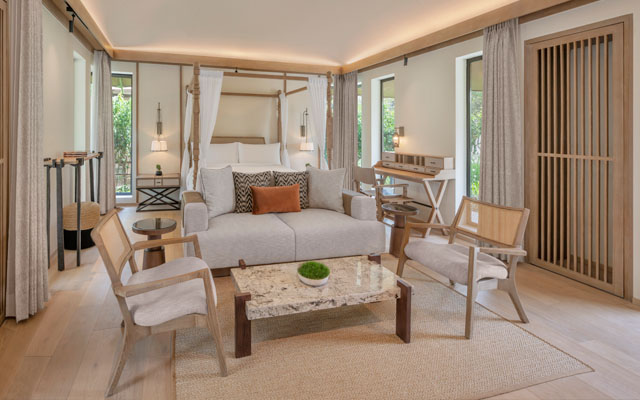






Anantara Hotels, Resorts & Spas will be opening its third resort on the Indonesian island of Bali with the signing of Anantara Ubud Bali Resort, scheduled to open in mid-2022.
Located in the traditional hillside village of Payangan, a 1.5-hour drive from Bali’s international airport and 35 minutes from the centre of Ubud by car, Anantara Ubud Bali Resort will feature 85 guestrooms and one and two-bedroom pool villas. Those who would like to stay longer have the opportunity to own their own slice of paradise with a choice of 15 Anantara residences, with a starting price of US$650,000++.
Guests and residents can choose from several restaurants offering sustainable local and international cuisine. Locally sourced organic produce from the lush hills surrounding the resort will be served directly from farm to table. Nutritionally healthy menus will also be on offer, alongside Romantic Dining by Design experiences with a private chef.
Facilities will include an infinity swimming pool, a gym and fitness facility, dedicated kids’ and teens’ clubs, as well as meeting spaces. There will also be a spa equipped with single and couple’s treatment rooms, foot massage pods and a hair salon.