

Tourism Australia lines up US$9.2m for marketing push
Overseas spectators barred from Tokyo Olympics
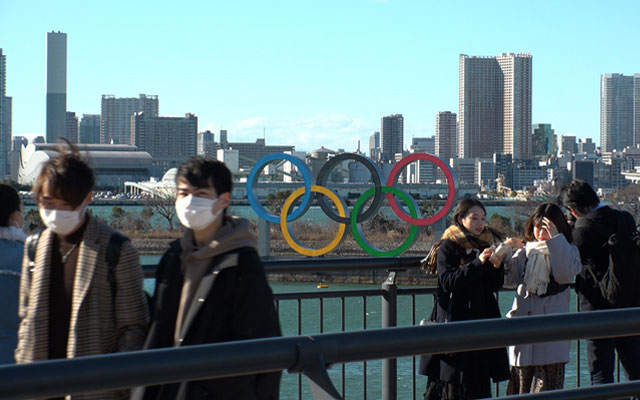
Tokyo Olympic organisers have confirmed earlier rumours that international spectators will be barred from entering Japan for the postponed Games this summer amid coronavirus concerns.
The decision was announced after an online meeting between the International Olympic Committee (IOC), the International Paralympic Committee (IPC), the Japanese government, the Tokyo governor and local organisers.
The Games, which will take place in July, were postponed last year due to the pandemic.
Some 600,000 Olympic tickets and 300,000 Paralympic tickets bought by overseas residents will be refunded, Toshiro Muto, the chief executive of the Tokyo 2020 organising committee, told a news conference.
The IOC and the IPC said that the ban on international spectators will “ensure safe and secure Games for all participants and the Japanese public”.
“The fact that spectators are not able to attend the games from abroad is very disappointing, and it’s regrettable,” said Seiko Hashimoto, president of the Tokyo organising committee. “It was an unavoidable decision.”
Media polls have shown that a majority of the Japanese public are wary about letting in international spectators to watch the Games as the country grapples with the tail-end of a third wave of the pandemic.
Thailand shortens quarantine for international visitors

Thailand will reduce the mandatory quarantine period for foreign travellers from two weeks to 10 days, starting from April 1.
In addition, the Kingdom is looking into ceasing quarantine altogether starting from October 1. However, government authorities have deferred a decision in recognising vaccine certificates, and delayed a decision on an isolation period of seven days for vaccinated tourists.

Officials hope that the shorter quarantine would make Thailand more appealing to foreign visitors and is seen as a step towards reopening.
Thailand is heavily reliant on tourism, which the pandemic has devastated. In 2019, the industry provided more than US$60 billion in receipts from some 40 million international visitors.
TTG Conversations: Innovator Chat with Dr Cheng Wen Haur, Wildlife Reserves Singapore

When the global pandemic forced Wildlife Reserves Singapore (WRS) to close its popular parks to visitors last year, virtual interactions with its animal residents became the cornerstone of its guest experience.
Residents in Singapore who were homebound during the circuit breaker could stay in touch with the assorted wildlife of Singapore Zoo, Jurong Bird Park, River Safari and Night Safari through engaging online sessions.
These include Hello from the Wild Side – a customised virtual group session in which keepers bring guests into intimate feeding and enrichment activities with various animals – as well as My Animal Buddy, where guests may “adopt” an animal in one of the parks and follow it through live broadcasts and keeper Q&As.
These innovative initiatives grabbed eyeballs from across the globe, spanning the regions of China and Europe, and their success has persisted even after park doors reopened. While group sessions for Hello from the Wild Side are now exclusive to corporate bookings, regular guests can still receive personalised messages from animals.
In this episode of TTG Conversations: Innovator Chat, WRS’ deputy CEO and chief life sciences officer, Dr Cheng Wen Haur, dives into the efforts made to draw domestic crowds back to the wild side.
Be a Swiss Travel System Expert

Brought to you by Switzerland Tourism and Swiss Travel System
Welcome aboard!
Trade specialists are an integral part of the Swiss Travel System AG (STS ). To promote Switzerland’s comprehensive public transport network worldwide, STS AG has launched the new Swiss Travel System Excellence Program – a platform which imparts up-to-date knowledge on Swiss public transport to equip agents with greater confidence and competencies to put together varied travel programmes.
The programme in brief
Currently, the Swiss Travel System Excellence Program is the only e-learning programme in the world which familiarises travel professionals with an entire national public transport system.
Participants can capitalise on the modular structure of the platform to learn about the characteristics of the Swiss Travel System – from tickets and passes, to premium panoramic train rides; and boat trips on majestic Swiss lakes, to even luggage transport – at their own time and pace.
On average, each module takes only about six minutes to complete. Accompanying participants on this learning journey are transport mascots Heidi and Peter, two animated characters embodying two important Swiss qualities: reliability and enthusiasm.

Quality learning translates to more incentives
To drive engagement, participants will be able to take souvenir photos of Swiss sights and attractions at the end of each module.
At the completion of all modules, agents will be awarded a diploma, which recognises them as a Swiss Travel System Excellence Expert.
However, the icing on the cake will be an incentive trip to Switzerland – travel, hotel and Swiss Travel Pass included – awarded to those with the highest scores from points earned during each learning progress.
The web-based platform is freely accessible from anywhere in the world. Step on board and register now.
For further questions, inputs and feedback please write to elearning@swissstravelsystem.com.
View the introduction video below:
Chiang Mai plots reopening to Indian, SE Asian tourists in April
The northern Thai city of Chiang Mai is drafting plans to reopen its borders to travellers from India and South-east Asia beginning April 1.
Tourism stakeholders in the province have their sights set on India as a sizeable part of the population have been vaccinated against Covid-19. According to a BBC News report, more than 30 million people in India have received at least one vaccine dose in what is the world’s biggest inoculation drive. To appeal to the India market, the province will promote weddings, wellness, adventure activities and halal foods.
Meanwhile, the focus on wooing travellers from South-east Asian markets comes as short-haul travel is expected to recover ahead of longhaul travel.
The Thai government is planning to reopen five cities to international visitors soon – however, four are beach destinations. Only Chiang Mai, the second largest city in Thailand, stands apart with its offerings of both urban and rural life, presenting an opportunity to appeal to Indian and South-east Asian tourists who are not seeking beach getaways.
In addition, most Thai beach towns are eyeing mainly tourists from mainland China, Europe and Japan – countries where outbound travel may pose a challenge in the near-term. While China’s ban on outbound tour groups remain in place, Europe and Japan are still battling virus surges.
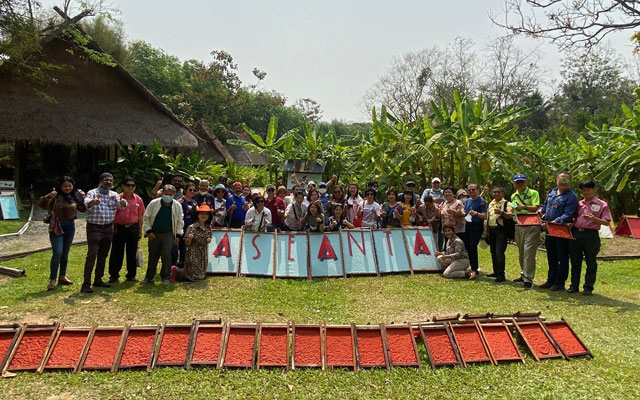
ASEAN Tourism Association president, Mingkwan Metmowlee, which recently led 60 DMCs on a fam trip to visit Chiang Mai, revealed that operators in the city are ready to welcome foreigners from April 1, ahead of the government’s targeted October reopening.
“Chiang Mai has suffered from the pandemic, and (operators) need tourists to return in April, so they can survive,” Mingkwan said.
Incoming travellers from South-east Asia will be required to have with them either the IATA Travel Pass or ASEAN Health Passport. Those who meet the requirements will be allowed to visit limited areas such as Chiang Mai or Chiang Rai.
If the plan is successful, it may be rolled out to other destinations such at Hat Yai in the South, Mae Hong Son in the North, Udon Thani and Nongkhai in the North-east.
Next month, 5,000 to 10,000 delegates are expected to attend World Cannabis Day, scheduled to take place in Chiang Mai from April 16-18. More locals will be flocking there too to celebrate Songkran festival.
According to data by the Tourism Authority of Thailand, Chiang Mai received six million tourists in 2020, a decrease of 46.6 per cent from 2019. Of that figure, domestic travellers accounted for 90.6 per cent – a drop of 26.23 per cent from 2019. The remaining 9.4 per cent were foreigners, but that number plunged 83.75 per cent from 2019.
As a result, hotel operators in Chiang Mai saw an average occupancy rate of 41.8 per cent in 2020, a decrease of 32.4 per cent from 2019, due to over-supply and rooms on online sharing platform.
Currently, most four- to five-star hotels in Chiang Mai are running F&B operations, but most rooms remain empty. Meanwhile, 50 per cent of one- to three-star hotels have resumed operations. To fill rooms, luxury properties and small and independent hotels have slashed room rates by 60-70 per cent and 50 per cent, respectively.
Asiana Airlines enhances rewards programme for travellers
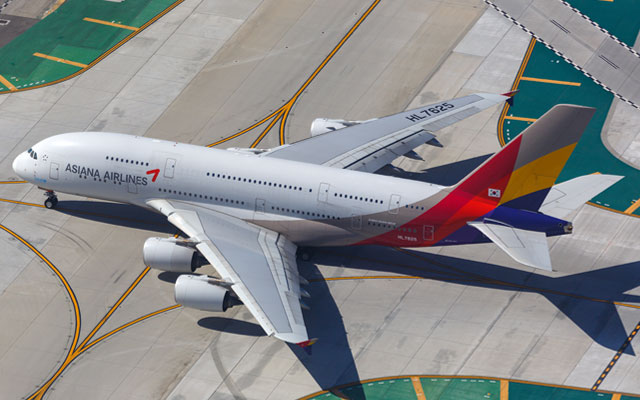
Asiana Airlines and Collinson have forged a partnership to significantly enhance and expand how people earn points with the airline’s rewards programme.
The partnership will expand the South Korean airline’s existing loyalty programme from a domestic-only focus to one with regional and international reach.
It will allow customers in five new markets – China, Japan, South Korea, the UK and the US – to earn rewards with over 5,000 retail brands when using Collinson’s proprietary technology to shop online.
The partnership comes as earn and redeem rewards programmes are recognised as an increasingly critical component of travel and retail brand strategy in light of the ongoing challenges of Covid-19.
Todd Handcock, president of Collinson’s Asia Pacific region, said: “Earn platforms, such as the one we’ve created for Asiana Airlines, enable airlines to stay in touch with customers at a time when travel is limited, while providing an additional way to build points and air miles with a range of retailers; which they can put towards a dream holiday once lockdowns lift.”
He added that “rewards programmes will continue to be critical to how travel and retail businesses survive this turbulent time and thrive in the future”.
Singapore, New Zealand discuss mutual recognition of vaccine certificates

Singapore and New Zealand are in talks to reach an agreement on mutual recognition of both countries’ digital health and Covid-19 vaccination certificates.
The announcement was made by Singapore minister for foreign affairs Vivian Balakrishnan in a Facebook post on Thursday (March 18), following a virtual meeting with his New Zealand counterpart Nanaia Mahuta.
Balakrishnan said that the plan comes as both countries embark on their respective Covid-19 vaccination programmes, and that such certificates will be “an important enabler for the resumption of international travel”.
He added that he and Mahuta reaffirmed the close ties between Singapore and New Zealand, noting that both countries enjoy “close cooperation in many areas”. Additionally, both ministers also agreed to work towards strengthening the Enhanced Partnership established in 2019, and to explore new and emerging areas of cooperation such as the digital economy, climate change and post-Covid-19 recovery.
Mandarin Oriental to debut in Hangzhou
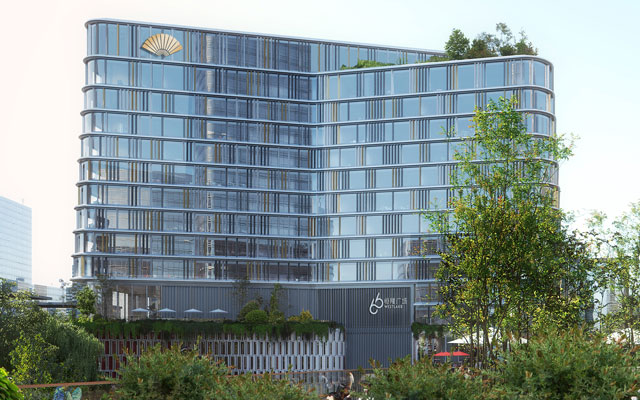
Mandarin Oriental Hotel Group is set to expand its China footprint with a new luxury hotel in Hangzhou, scheduled to open in 2025.
Mandarin Oriental, Hangzhou will be part of the Westlake 66 mixed-use commercial and luxury retail complex owned and being developed by Hong Kong-based Hang Lung Properties.
The development will be located close to the West Lake, an UNESCO World Heritage Site and one of China’s primary leisure destinations, with easy access to the city’s principal business hubs, Binjiang and Qianjiang.
The hotel will comprise 194 guestrooms and suites, four restaurants and bars, a fitness centre and indoor swimming pool, spa and wellness facilities, in addition to meeting and event space.
Hyatt to add 1,000 rooms to its Thai portfolio
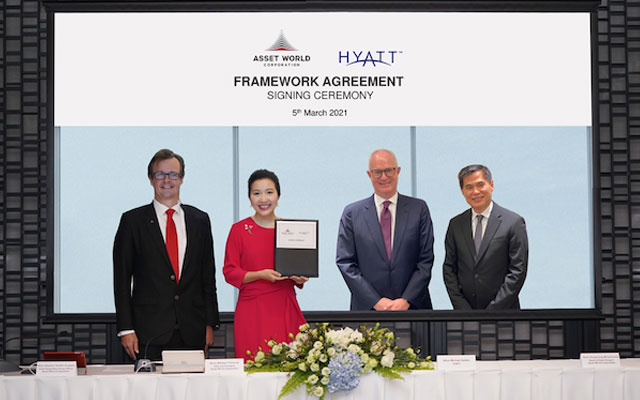
Hyatt Hotels Corporation and Thai real estate group Asset World Corporation (AWC) have signed a framework agreement for the development and management of multiple Hyatt-branded hotels across Thailand.
The framework agreement, which was signed by both companies’ respective affiliates, will see the addition of more than 1,000 new rooms to Hyatt’s Thailand portfolio.
The agreement will also position AWC as a major owner of Hyatt-branded hotels across Thailand. AWC will develop the new properties that will be placed in Hyatt’s upper upscale, luxury and lifestyle brand portfolios. The hotels are expected to be built in key tourist destinations throughout Thailand, including Bangkok, Chiang Mai, Chiang Rai and Pattaya.

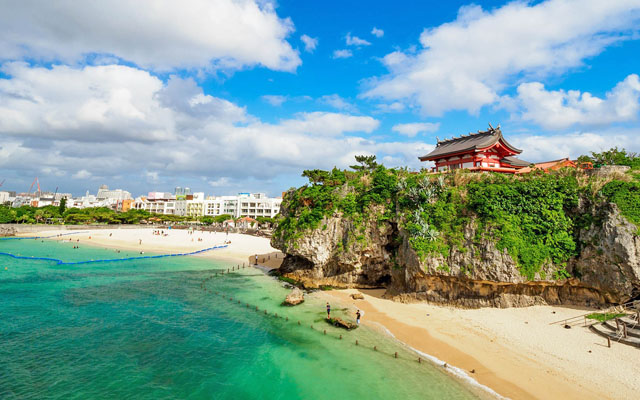






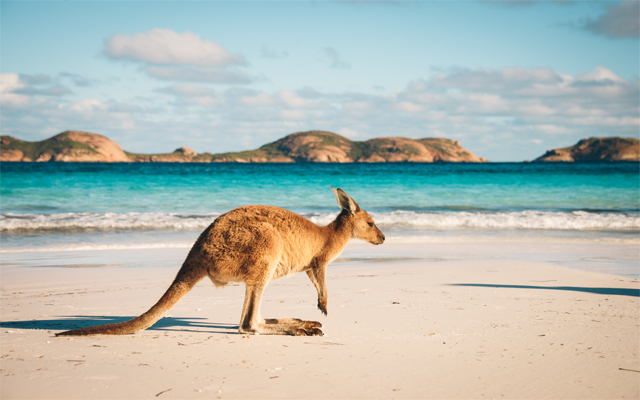
Tourism Australia has unveiled a new A$12 million (US$9.2 million) content creation initiative aimed at supporting tourism businesses across Australia in their recovery and driving increased visitation by helping them to better market their experiences and attractions.
The National Experience Content Initiative will provide a suite of new visual imagery for up to 1,800 tourism experiences from around 57 regions across Australia to ensure that operator’s marketing materials and online product listings stand out in search results and are booked more often by domestic and international travellers.
Tourism Australia managing director Phillipa Harrison said this was the largest and most significant content initiative that the NTO had ever embarked on.
She elaborated: “Visual imagery is one of the most important factors for inspiring consumers at the critical stages of researching, planning, or booking travel online. The Covid crisis has dealt a heavy blow to our industry, with many tourism businesses that would normally invest heavily in marketing having had to significantly reduce their marketing budgets for the foreseeable future.
“While domestic travel has helped keep many businesses afloat throughout the crisis, our industry will not fully recover until international travellers return. With Australia likely to be slower than others to reopen to international visitors, it is vital that our operators are armed with compelling and contemporary marketing assets to ensure they are in the best possible position to capture demand in what will be a hyper-competitive global market.
“That is why we have set out to capture high quality imagery and footage that showcases the best tourism experiences on offer from every corner of Australia, and to really bring these to life for consumer and trade audiences.”
The National Experience Content Initiative is scheduled to run until June 2022 and is being delivered in close consultation with state and territory, and regional tourism organisations.
Between 10 and 50 products and experiences will be featured from each of the approximately 57 regions to be included in the programme, based on comprehensive eligibility criteria.
The programme will seek to engage locally-based professional photographers and content creators from each of the regions, with each featured tourism operator to receive at least 100 to 200 images as well as video footage to use across their social media channels, websites and brochures and to share with the world. Content developed will also be published on the Tourism Australia image and video gallery which is accessible by the general public, media and trade free of charge.