

Brought to you by Wyndham Hotels & Resorts
Middle East outpacing Europe and Latin America in tourism recovery
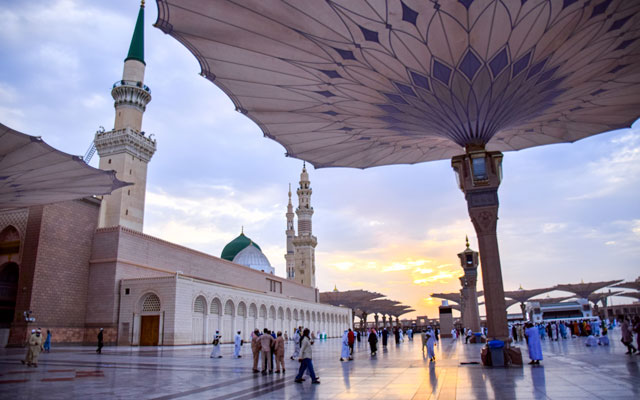
The Middle Eastern travel and tourism sector should grow by 27.1 per cent this year, slightly behind the global average of 30.7 per cent, new research from the World Travel & Tourism Council (WTTC) has shown.
WTTC said slow vaccination rates in some countries, coupled with international restrictions in key source markets, have prevented people from travelling to the region, hindering the sector’s recovery in the Middle East.
Pre-pandemic, the Middle East’s travel and tourism sector’s contribution to GDP represented US$270 billion (8.9 per cent of the total economy).
According to the research, at the current rate of recovery, the Middle East region will recover just over a quarter this year, following a drop of 51.1 per cent in 2020.
This growth, while slower than expected, is ahead of other major travel and tourism regions such as Europe and Latin America, and represents a year-on-year increase of US$36 billion to the region’s economy.
The data also revealed that the Middle East region could see a similar year-on-year rise of 28.1 per cent in 2022, representing a further boost of US$47 billion.
While the local economy has benefited from a rise in domestic spend of 38.6 per cent this year, and a projected 19.2 per cent in 2022, recent changes to international travel restrictions are expected to provide a significant boost in international spending, which is critical to the region’s economy.
The global tourism body’s research showed that international spending is expected to grow by 37.9 per cent this year, driven by a rise in visitors from neighbouring countries which provided a boost to the sector over the recent months.
As this trend continues into 2022 and with more international visitors expected from outside of the region, WTTC predicts a further year-on-year increase in international travel spend of 51.8 per cent.
After a loss of almost 1.2 million travel and tourism jobs last year when travel restrictions brought international mobility to a halt, employment is set to rise by a mere one per cent this year.
However, employment could rise by 8.2 per cent year-on-year in 2022, providing an additional 470,000 travel and tourism jobs, to a total of 6.2 million people employed in the sector.
Julia Simpson, WTTC president & CEO, said: “Our research clearly shows that while the Middle East’s travel and tourism sector is slowly beginning to recover, it is still far from pre-pandemic levels in terms of the sector’s contribution to the region’s economy and employment.
“As we look into the future, the Middle East has strong growth potential following the reopening of its borders to international travellers. We have seen countries such as Saudi Arabia and the UAE implement policies to restart international travel safely and we hope to see a harmonised approach across the region.”
Mixed reactions to tourism initiatives unveiled in Malaysia’s Budget 2022
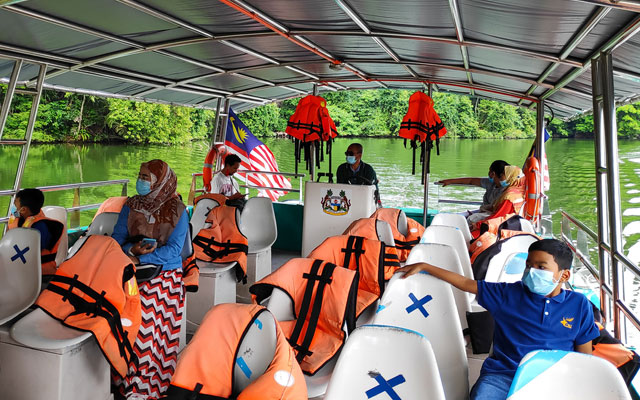
A number of initiatives announced during Malaysia’s Budget 2022 to rejuvenate the tourism sector has drawn mixed response among tourism and hospitality players.
When tabling Budget 2022 in Parliament on Friday (October 29), finance minister, Zafrul Abdul Aziz, announced seven key initiatives amounting to a total of RM1.6 billion (US$385.8 million) which will be rolled out next year to support the tourism sector in its recovery from the Covid-19 pandemic.
The initiatives, which are expected to benefit more than 26,000 employers and 330,000 employees, include an extension of the wage subsidy programme for tour operators whose revenue has declined by at least 30 per cent.
The government is also allocating RM600 million for specific financing for the tourism sector, available through the Penjana Tourism Financing and the Malaysia Development Bank’s Rehabilitation Scheme.
As well, RM85 million in special assistance will be given to more than 20,000 tourism operators registered under the Ministry of Tourism, Arts and Culture (MOTAC) for a period of three months, and another RM50 million for the maintenance of tourism infrastructure in the country.
A sum of RM30 million has also been earmarked for the provision of matching grants for the repair of 738 budget hotels registered under MOTAC, as well as for registered homestay owners.
Furthermore, RM50 million will be given in matching grants to companies that organise arts and culture related programmes, and RM60 million in incentive funds for promotional activities to spur domestic travel.
In addition to these initiatives, Zafrul also announced the extension of the individual income tax relief for domestic tourism expenditure of up to RM1,000 until end-2022, as well as an allocation of RM20 million to the Malaysia Healthcare Travel Council to strengthen the country’s position as a preferred health tourism destination.
Malaysian Association of Hotels president, N Subramaniam, described the Budget 2020 as “encouraging” for the tourism industry.
He said the government had acknowledged the needs of the industry to restart and rebuild with the extension of the targeted wage subsidy programme which is crucial for the industry to rehire manpower needed.
Subramaniam added: “Various funds announced for the upkeep and upgrade of tourism infrastructure as well as specifically for budget hotels are timely, and would contribute to the rebuilding of the tourism industry’s competitiveness.”
He further said that the industry is looking forward to more details on the Penjana Tourism Financing and the rehabilitation scheme funding that could be beneficial to stakeholders if made accessible at low or zero interest rates. “Industry stakeholders are hopeful for it to provide immediate funding and cash flow,” he added.
While general tourism marketing and operational budget was not mentioned in the announcement, Subramaniam expressed hope that the government has allocated sufficient budget to promote and market Malaysia post-Covid given that the competition for tourists will be fierce.
Others are less happy with the newly-announced measures. Both the Malaysia Budget & Business Hotel Association (MyBHA) and the Malaysian Association of Tour and Travel Agents (MATTA) said the initiatives fell short of expectations.
MyBHA deputy president, Sri Ganesh Michiel, opined that the Budget 2022 “does not have a positive long-term impact towards the recovery of the hotel industry” and urged the government to review and increase the financial allocation for the tourism industry.
“It is imperative for the hotel and tourism industry to recover quickly before international borders reopen throughout the country,” he said.
MATTA president, KL Tan, said that while he welcomed the extension of the wage subsidy programme to support tourism workers, “the rest of the budget initiatives fall short of expectations to rehabilitate and stimulate domestic travel”.
He pointed out, for example, that the extension of the personal tax relief of up to RM1,000 for domestic travel will not have a significant impact as the tax savings will only amount to RM210 if a taxpayer is under the 21 per cent tax bracket group. He said MATTA had earlier requested for individual tax relief of RM8,000.
Also missing from the budget was tax incentives for local companies carrying out incentive trips or holidays for their staff within the country to boost domestic travel, said Tan.
He called on the government to “always review and reassess the support to speed up the recovery of the tourism industry” as the country moves into the endemic phase so as to harness the full potential of tourism for economic recovery.
Australia to open to all vaccinated Singaporeans
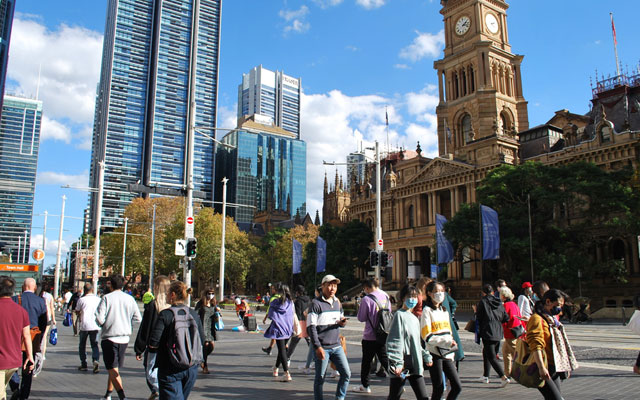
Australia will allow quarantine-free entry to fully vaccinated travellers from Singapore starting November 21.
The announcement was made by prime minister Scott Morrison on Sunday (October 31) following a meeting with Singaporean prime minister Lee Hsien Loong on the sidelines of the G20 summit in Rome.
The arrangement will allow for two-way quarantine-free travel between Singapore and Australia for tourists, business travellers and students. The scheme will start with New South Wales and Victoria, and it is up to the other states to decide if they will waive quarantine, reported Australian newspaper The Sydney Morning Herald.
Morrison said that Australia is “slinging its doors open” to people from Singapore after doing the same for New Zealanders.
“This means within weeks, Australia will be welcoming tourists from two of our top 10 travel destinations. This is the billion-dollar boost that Australia’s tourism industry has been waiting for,” he added.
Lee said in a statement that the move is “a significant step towards restoring the close connectivity between Singapore and Australia”.
Last week, Singapore announced that Australia would be added to its vaccinated travel lane scheme, allowing fully vaccinated Australians to enter the country without quarantine from November 8.
Philippine govt offers free swab tests for domestic tourists
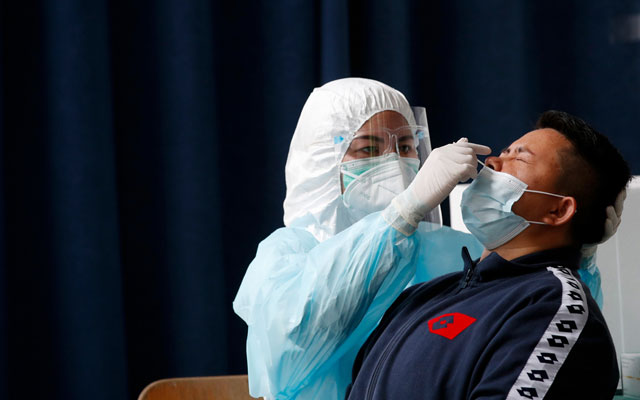
Qualified domestic tourists in the Philippines can now obtain free Covid-19 PCR swab tests at the Philippine Children’s Medical Center (PCMC) starting November 1.
The Tourism Promotions Board (TPB) said in a statement that the initiative is part of its efforts to promote the country as a safe tourism destination and hasten the recovery of the tourism industry.
“As travel restrictions continue to ease up, we aim to encourage more tourists to visit their destination of choice by providing a full subsidy on RT-PCR testing. This programme helps ensure the safety of tourists, tourism workers, and local stakeholders in various destinations”, said tourism secretary Bernadette Romulo-Puyat.
TPB’s partnership with PCMC was first rolled out in December 2020, where they covered 50 per cent of the hospital’s swab testing cost. More than 15,000 tourists availed of the subsidy programme from January to June this year.
In June, the second phase of the programme was implemented covering July to December 2021. This has now been amended to cover the full cost of the PCR tests – or a total amount of 1,500 pesos (US$30) per test – with a cap of 350 approved applicants per day.
The programme is set to benefit more than 12,000 qualified domestic tourists until the end of the year, said TPB.
Wyndham properties in South Korea ready to welcome Singaporeans back

Starting November 15, Singapore and South Korea will have an operational travel corridor, allowing quarantine-free travel between the two countries for people who have been fully vaccinated against Covid-19.
Travellers will still be subjected to PCR tests, but there will be no restrictions on the purpose of travel or requirements for a controlled itinerary. Covid-19 vaccination certificates will also be mutually recognised, with travellers from Singapore able to enjoy vaccination-differentiated safe management measures in both countries.
This upcoming holiday season, rediscover South Korea’s historic landscapes and marvellous attractions in locations such as Jeju Island and Seoul, while staying in comfort with Wyndham Hotels & Resorts.
Here are eight properties to base your explorations from:
SEOUL
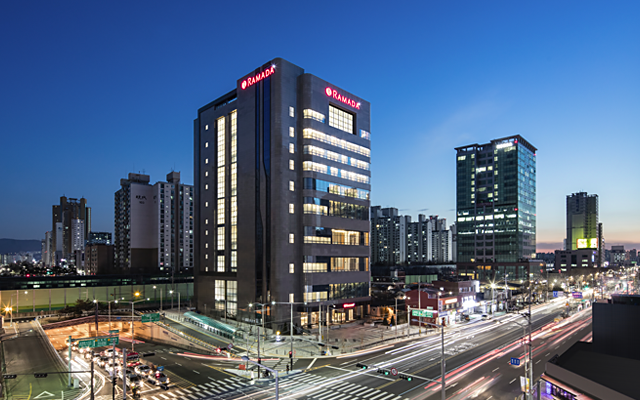
The property offers 104 spacious guestrooms, including 12 suites, alongside facilities such as a fitness centre. Guests are placed within easy reach to Line 1, 2 Sindorim station and the Line 1 Guro station, and to shopping havens Hyundai Department D-cube city, and Gasan Digital Complex mall.
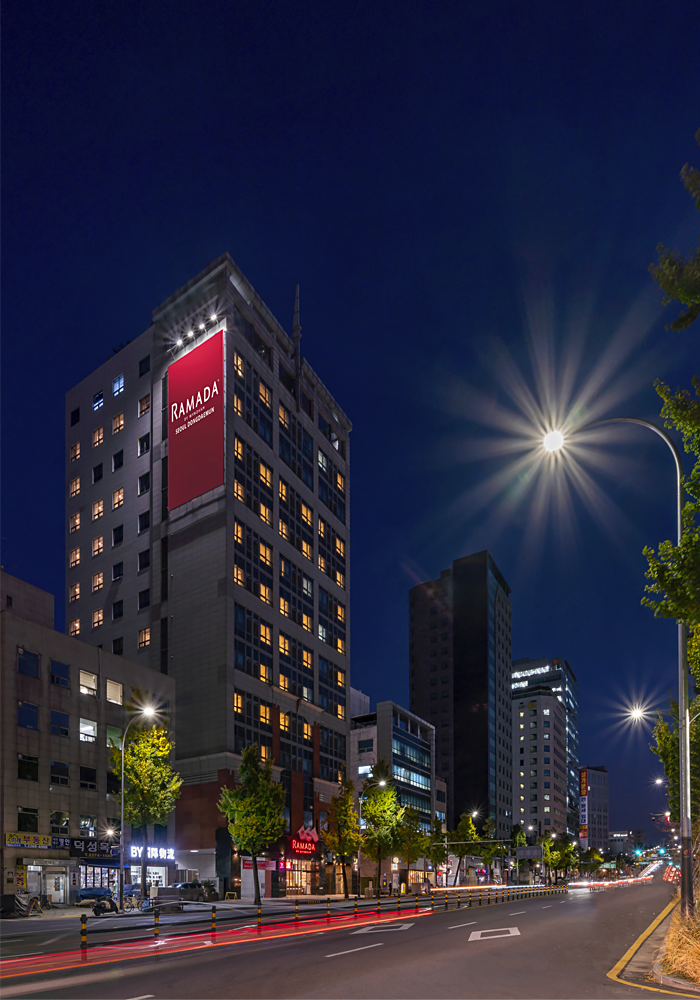
Look no further for a quality hotel with affordable prices in Seoul, for this hotel located near the shopping meccas of Joong Boo Market, Lotte Department Store, and Dongdaemun Fashion Town. After a long day of walking, return home to the warm and well-appointed rooms for a good night’s rest.
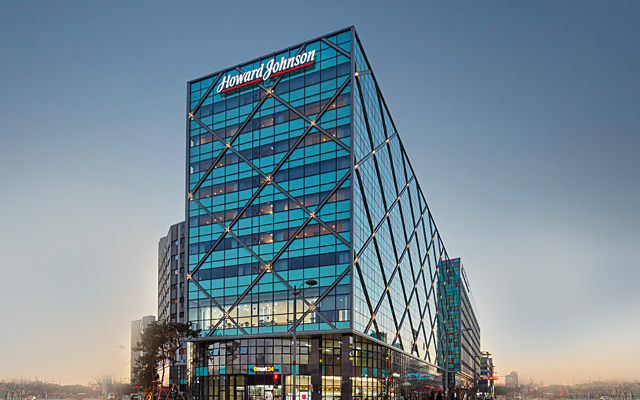
Located in Incheon, this 402-key property is connected to a shopping centre offering myriad options for shopping and eating. Those wishing to experience the area’s natural beauty can opt for a relaxing stroll along Geuppo Beach and Wangsan Beach.
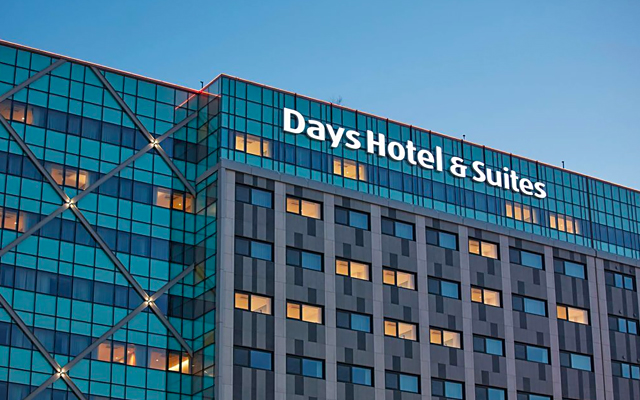
Steps away from the Unseo Subway Station (Airport Railroad Line), this property features an in-house restaurant, free DayBreak Breakfast, spa and indoor swimming pool. Some of the rooms also boast kitchenettes that are equipped with a stovetop, microwave, and washing machine.
JEJU
Standing proudly on the waterfront of Jeju Island near the bustling downtown area, this resort affords panoramic ocean views. Make a splash in their indoor or outdoor pools, relax in the hot tub and steam room, or venture out to explore attractions such as the Sangumburi Crater and Hamdeok Seobong Beach.
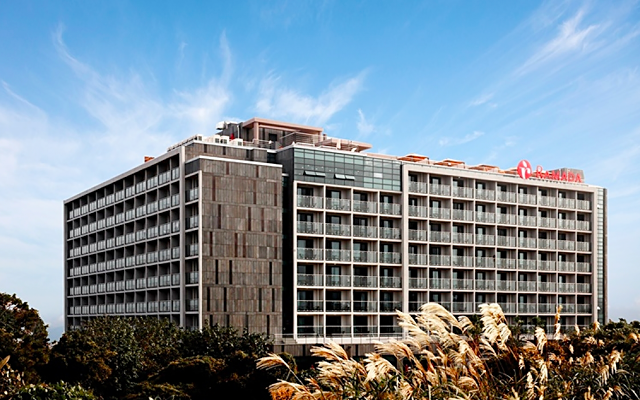
The 311-key hotel stands just minutes from Jeju International Airport, and is easy to get to thanks to the free airport shuttle service. Recreational amenities to ensure a guest’s comfortable stay include a fitness centre, all-day dining restaurant, bar, Jacuzzi, and barbecue facilities.
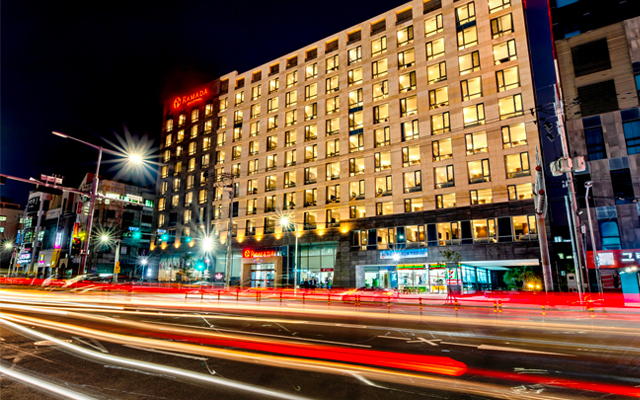
Learn about the rich history of Jeju Island at the museum, before heading to the Dragon Head Rock formation, for that perfect Instagram shot. After touring Jeju’s scenic attractions during the day, retire to the comfortable guestrooms complete with plush comforts such as bathrobes, and spa-style toiletries.
BUSAN
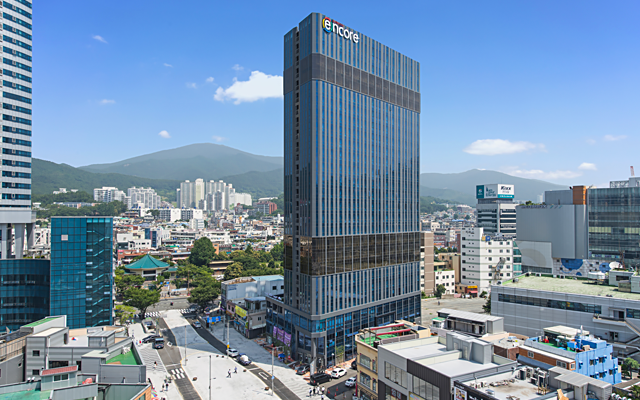
This four-star boutique property in Busan is conveniently located just outside the Haeundae Subway Station, and offers facilities such as a fitness centre. Slowly stroll along the shoreline at the nearby Haeundae Beach, before stopping at one of the numerous F&B options to mull over a pint and watch as the sun sets.
Wyndham Rewards Members Get Rewarded – Stay 4 Nights, Earn a Free Night
Every four qualified nights stayed, guests will earn 7,500 bonus points – enough for a future free night at thousands of hotels and resorts by Wyndham. Nights do not need to be consecutive, and stays beyond the four count will go towards earning a second free night.
Bookings have to be made by January 14, 2021, and stays have to be completed by January 18, 2022. Register here.
Join 89 million members of the Wyndham Rewards programme today. Not a member yet? Visit wyndhamrewards.com to join free.
Safe Stay with Hotels by Wyndham – Count on Us
Wyndham Hotels & Resorts is also committed to the health and safety of their guests and team members, and have taken important steps to ensure health and safety protocols are in place under the global Count on Us initiative.
Find peace of mind when planning your next trip. Whenever – and wherever – you decide to travel, our 1,600 trusted hotels by Wyndham across Asia Pacific are here for you.
Have vaccine will travel
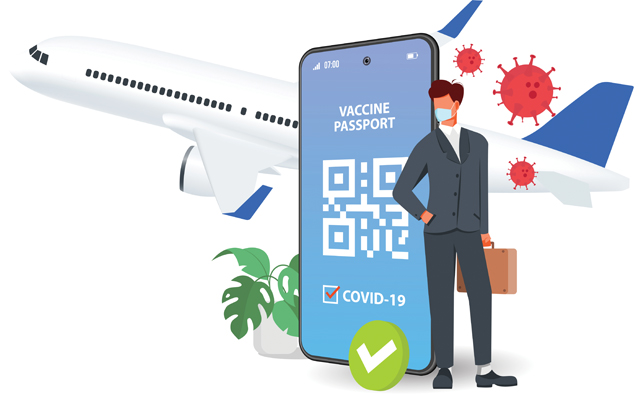
The appetite for travel remains unabated as destinations across Europe report a steady summer of recovery for vaccinated travel. However, tourism across Asia-Pacific remains limited due to tight border restrictions and lagging vaccination rates.
Ahead of the peak summer months, countries across the west that were steaming ahead with vaccination programmes cautiously reopened their borders to foreigners. In spite of stringent sets of rules, travel rebound was a success as pent-up demand came into play.
In July, Spain received 4.4 million international tourists, a 78.3 per cent increase from 2020. In the same month, Switzerland reported a 300 per cent year-on-year rise from the American market. Throughout the summer, France received 150,000 applications for digital Covid certificates, mainly from North America.
Spain’s new regulations for re-starting international tourism came into force on June 7 and take in a raft of measures. These include EU-approved rapid antigen tests and vaccination and recovery certificates for travellers from the EU and European Economic Area countries, as well as vaccination certificates for tourists from non-EU countries.
According to figures from the National Statistics Institute, international visitors in July spent 5,231 million euros (US$6,052 million). The average expenditure per tourist was 19.3 per cent more than a year ago and the average stay was 8.3 days.
Monica Sanchez, director of Spain Tourism Board for Southeast Asia, Australia and New Zealand, said: “This reflects the gradual recovery of international tourism and shows Spain has managed to be perceived as a safe destination.”
Spain’s vaccination programme was key to its reopening, noted Sanchez. It has one of the best vaccination rates in Europe and the world. “The success of the vaccination programme and relaxation of restrictions are allowing the gradual reactivation of tourism, although still far from the levels of 2019,” she said.
Switzerland’s reopening to international visitors is also driven by vaccination rates. Under a raft of measures that are constantly being reviewed, fully vaccinated visitors can enter the country with no quarantine.
Its first bounce-back came from nearby markets, including Germany, the UK and France. From longhaul destinations, Americans started arriving in April 2021. In July, they generated more than 60,000 overnights.
Hurdles for Asians
While visitors from Europe and the Americas are driving rebound, arrivals from Asia-Pacific remain low. According to industry players, this is due to tight restrictions that remain in place across the region.
Batiste Pilet, director South East Asia, Switzerland Tourism, said: “We have not observed a noticeable bounce-back from South-east Asian markets due to discouraging time and money-consuming quarantine requirements upon their return.”
He added the gap has been noticeable. In 2019, South-east Asia accounted for 600,000 overnights in Switzerland and ranked the 10th foreign source market. China was the front runner, totalling 50 per cent of overnight stays from Asia-Pacific. South-east Asia made up 20 per cent; and South Korea, Australia and Japan, 10 per cent each.
Said Pilet: “Border restrictions are the main hurdle preventing recovery. Apart from these restrictions, customers are eager to travel.”
Sanchez said while arrivals from Asia-Pacific to Spain are “very incipient”, it remains a valuable regional market as they travel out of Europe’s high season. She added they are motivated by art, culture and shopping. Post-pandemic, Singapore is predicted to rebound first due to direct flights and the Philippines because of historical connections.

The introduction of the EU Digital Covid Certificate has also proved instrumental in reopening European borders for travel. The digital or paper certificate confirms the holder has been vaccinated, received a negative test result or recovered from Covid-19 in the last six months. It facilitates safe travel within the EU.
This is a factor Sinan Thourn, chairman of B2B Cambodia and PATA Cambodia chapter, said is difficult to achieve in South-east Asia due to geopolitics. “The two continents (Europe and Asia) are totally different,” he said. “The EU has no borders and there is the Schengen Area. All these countries have good bilateral cooperation. If we look at Asia, everyone is trying to be number one and is only looking out for their country, not the whole of Asia.”
He added heavy restrictions that remain in place across the region, such as quarantine on arrival, are a major “annoyance” for travellers. “It is this reason why tourism in Asia will take a lot longer to recover compared with Europe,” he added.
Thourn noted there is a lot of pent-up travel demand across Asia-Pacific, and once restrictions across the region are lifted, there will be a healthy mix of long and short-haul travel. He predicts Europe and the US will be popular longhaul destinations. However, outbound recovery to pre-pandemic levels will take time.
Yes to safety, no to quarantines
Alain Brun, CEO of Cambodia Airports, said Vinci Airports’ European operations have reported a quick recovery since restrictions were lifted. In August, air traffic across Europe reached 71 per cent of pre-pandemic levels. In Costa Rica, the airport has returned to 2019’s growth levels.
“The introduction of the sanitary pass and health protocols have proved instrumental in this,” he said.
Nick Ray, product director of Hanuman Travel which has offices in Cambodia, Laos, Myanmar and Vietnam, said vaccinations are key to the safe reopening of borders. However, this has to be coupled with no quarantine.
“To be given a chance, there has to be entry without quarantine for vaccinated travellers. We’ve seen people want to travel, but destinations on both sides have to be fully open,” he said.
Sivlin Chhay, president of the Cambodia Association of Travel Agents, agreed that regional outbound travel is off the table until quarantine restrictions are lifted for vaccinated travellers. She added that pent-up demand in Asia-Pacific extends beyond leisure travel.
“There are a lot of people who want to travel within the region for business and health reasons,” she noted. “This will pick up fast, but quarantines and other restrictions discourage any non-essential travel.”
New GM for Sofitel Singapore City Centre
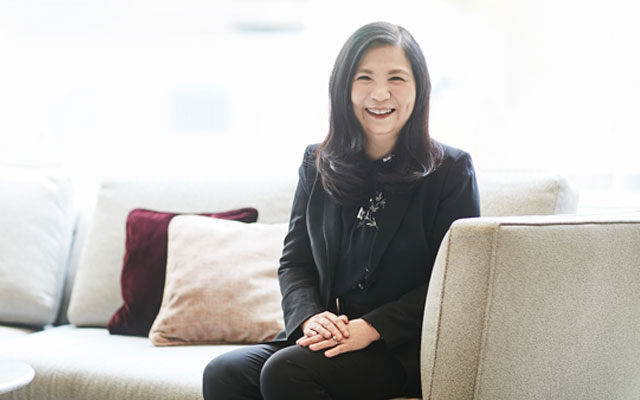
Sofitel Singapore City Centre has appointed Jacqueline Poey as its new general manager effective since October 1.
In her new role, Poey will continue to develop and strengthen the hotel’s successful positioning in the Singapore luxury hospitality market.
Born and raised in Singapore, Poey brings with her over 30 years of industry experience, where she held senior management positions in international hotel brands and groups.
She was previously director, operations support for Asia Pacific for Fairmont Raffles Hotel International, and most recently, hotel manager for Fairmont Singapore and Swissôtel The Stamford for five years.
Adventure tourism outlook buoyant in Indonesia
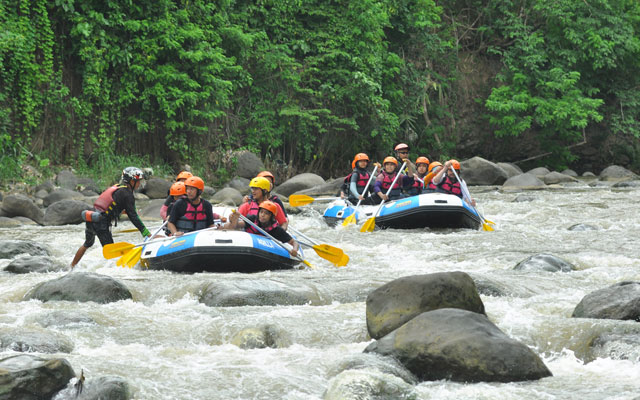
Indonesia’s market for outdoor and adventure tourism is projected to rise notably post-pandemic, but tour operators need to be nimble in adapting to changing trends and traveller needs in order to effectively tap that demand.
A recent study by the Indonesia International Outdoor Festival (IIOUTFEST), in partnership with the Archipelago Nature Tourism Centre Cooperative Services (KOPISETARA) and the BJB Bank, showed that 99 per cent of over 2,000 respondents said they were keen to take adventure trips – ranging from soft, medium to hard adventures – post-pandemic.
Nearly 60 per cent of these respondents were frequent travellers who took several trips a year, shared Heru Prasetyo, head of research and development of Arah Kita Media Group, which conducted the survey.
“(Of this number), 35 per cent travel at least once a month, while seven per cent do it weekly,” he said.
Speaking at this year’s IIOUTFEST, Cahyo Alkantara, chairman of the Indonesia Adventure Travel Trade Association, said: “(At the onset of the pandemic,) adventure tourism was projected to be the last to recover, but it turns out now that it will be the first to come back strongly as travellers are looking for outdoor activities.”
The survey also showed 72 per cent of respondents spent between one and two nights on holidays, while 24 per cent spent more than two nights. Additionally, 25 per cent spent between 250,000 rupiah (US$18) and 500,000 rupiah on each outdoor/adventure trip, while 21 per cent spent up to one million rupiah, and 31 per cent more than one million rupiah.
Cahyo said: “People are eager to travel again but their economic situation make them even more cautious on their spending, (that is why) we now see private cars or camper vans parked at most outdoor tourist spots.”
Travellers equip themselves with tents and mattresses and camp overnight there – a growing trend that has opened up new glamping grounds and camper van businesses, he added.
This corresponds with the survey’s finding that 51 per cent of respondents preferred glamping as their accommodation.
The survey also found that 72 per cent opted to arrange their own trips by referencing information from social media, websites, OTAs and travel aggregators.
Based on the study findings, Cahyo opined that adventure travel operators need to adjust their business models and marketing strategies to capture the market.
While demand for expensive packages will drop, travel suppliers who “can identify and fulfil the needs of today’s travellers” will be able to grab a bigger slice of the market, he said, adding that Indonesia’s huge domestic population coupled with its natural and cultural wealth provide big potential.
He suggested trade players optimise their social media marketing strategy and develop partnerships with other tour operators to reach the market.
Enda Mulyanto, outdoor tourism service chairman of KOPISETARA, stressed the need for outdoor travel businesses to elevate their capacity and capability, and KOPISETARA provides assistance ranging from application to start a business, start-up capital, to business development.
Tour operators split on Cambodia’s phased reopening plan
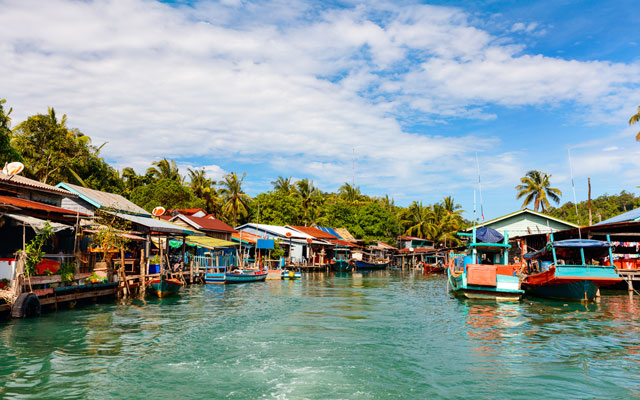
The announcement that Cambodia will start welcoming vaccinated travellers under its sandbox scheme has received a mixed reaction from agents.
From November 30, visitors can enjoy quarantine-free travel to the coastal city of Sihanoukville, Koh Rong island and the Dara Sakor area of Koh Kong. This will be extended to Siem Reap in January as the initial stages of a phased reopening.
On arrival, visitors must take a rapid Covid-19 test and be booked on a package for at least five days.
Virginie Kury, general manager of Asian Trails Cambodia, welcomed the move as a “positive step and way forward to opening the country”. She added: “It seems that after Thailand, Cambodia will be the second country in South-east Asia to reopen, which is great news for the country and economy.”
Sinan Thourn, CEO of B2B Cambodia, echoed the sentiment. “Now all of us can officially start to inform partners about the reopening, and DMCs and tour operators can resume their work,” he said.
However, Steve Lidgey, general manager at Travel Asia a la Carte, believes the restrictions “will only delay the start of recovery”. Said Lidgey: “There are so many countries where it’s far easier to visit. Cambodia will simply be overlooked.”
He revealed he has no plans to actively promote Cambodia under the current conditions. “If we announce to overseas partners Cambodia has reopened but explain the various restrictions, it’s likely to have a negative impact. We will wait for better news before we start pushing,” he added.
Under the scheme, international arrivals must land at Sihanoukville International Airport – a snag as international arrivals, even pre-pandemic, are limited to China. “At this stage, we are still missing flight connectivity,” said Kury. “We trust as demand increases, routes and airlines will too.”
Jacques Guichandut, managing director of All Dreams Cambodia, welcomed the move but said the phased reopening puts Cambodia in direct competition with its neighbours. He fears Cambodia has lost the opportunity to promote itself as a single destination.
“Cambodia has been seen as an extension of Vietnam and Thailand, and unfortunately, with such an opening, this will remain for many years,” noted Guichandut.
Lidgey said the Siem Reap opening shows “a little potential” for longhaul destinations. However, without a full reopening, there will be little impact.
“Until vaccinated travellers can arrive freely, there will be no large uptake,” he added. “If nothing changes, the hospitality industry will continue to struggle and see further casualties until October 2022 onwards.”







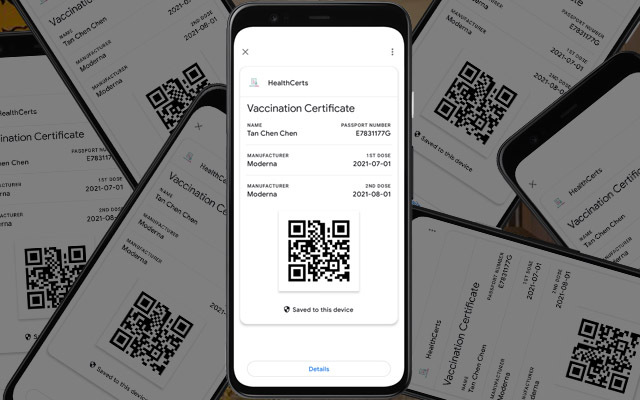
Travellers in Singapore can now store and access their HealthCerts securely and conveniently in their Google Pay app, the first digital payments platform that is partnering with the Government Technology Agency (GovTech) on this new feature.
The integration allows Android users to easily access the digitally authenticated and endorsed vaccination certificates wherever applicable – for authorities, airlines, airports, and other places that require it.
Once a user stores the digital version of the vaccination certificates on their Android device, they will be able to add a shortcut on their device’s home screen and easily access it from there as well.
This feature has been designed with privacy and security at its core. Users can choose whom to show their vaccination details to. The information in the user’s HealthCerts is not shared by Google with its various services or third parties and it is not used for targeting ads.
For added security, a lock screen is required to store HealthCerts on an Android device. Once the certificates are saved onto a user’s phone, they can access their vaccine information even when they are offline.
Patrick Teo, director of engineering for Google Pay, said: “With international travel opening up, we believe we can continue to be helpful to Singaporeans travelling abroad with HealthCerts kept securely in Google Pay and accessible in any of the 40 countries where Google Pay is accepted.”
Users can retrieve their Covid-19 vaccination certificates from HealthCerts on Google Pay by logging into the Singapore government’s Notαrise website with their Singpass.