TTG Asia
Asia/Singapore Saturday, 13th December 2025
Page 825

The new frontier of air travel safety

0

The HealthCert arrangement is applicable to travellers from Indonesia flying to Singapore. What significant changes will this mean for both companies and travellers along this route?
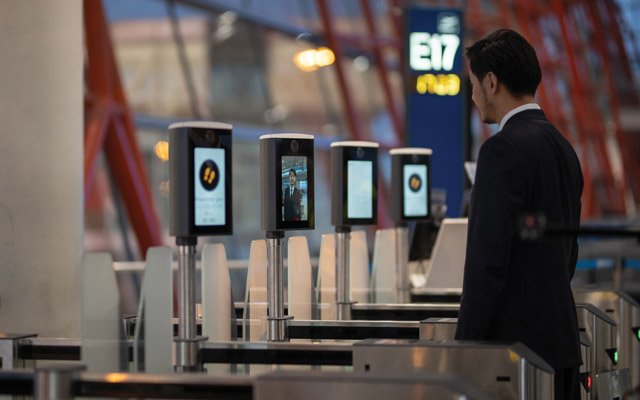
(HealthCert is) recognised by Singapore Airlines, Scoot and Changi Airport. Upon arrival, (travellers) can show their unique HealthCert QR code to be scanned by a universal verifier at any immigration counter, thereby, saving time for airlines and immigration authorities on health status verification and providing travellers exclusive access to the fast lane facility at the airport.

The major challenge being addressed is that without the HealthCert tamper-proof swab result, airline staff and immigration authorities will have to manually verify the document which otherwise would have made it a time-consuming process.

There has been much concern about the veracity of travel certifications in the market. What are your thoughts about authenticity and enforcement?
There have been multiple incidents of Covid-positive travellers doctoring fake Covid-negative swab results to travel overseas. Accredify is a government-authorised service provider, and HealthCert was developed by Accredify to resolve the issue of fraudulent Covid-19 swab results that is prevalent across the world and in black markets. Considering the major challenge of fake medical and test reports being used across the world, travellers can be assured that Covid-19 swab results issued will be recognised by immigration authorities upon their arrival in Singapore.

Which other countries will this arrangement be extended to?
Effective March 23, we have started issuing HealthCerts for Singapore-bound travellers (from) Indonesia. Through this partnership with Accredify, we plan to extend this service to other locations like Cambodia, China, Hong Kong, India, Japan, Malaysia, South Korea and Thailand in the coming months.

In the realm of travel bubbles and green lanes, how significant is adopting certification programmes and applications like HealthCert?
Travel bubbles will become an important (element of) safe travel, at least in the initial phases of resumption. They come with the reassurance that the governments collaborating on these corridors have achieved a certain amount of success in battling and lowering the Covid-19 outbreak in their country.

As an added layer of security to the bubbles, testing pre-departure remains key and only negative-tested travellers can board a plane. A verified test as a security blanket will be key in bolstering the travel spirit and be an effective advocate for both regional and international travel.

If there is a silver lining in this crisis, governments and companies can think much more boldly and expansively about the future, and perhaps act on a once-in-a-generation idea that can be extended across the world to ensure a safe resumption of travel.

Whatever demand looks like, it’s important to carefully monitor the evolution of the pandemic, especially its impact, and align ourselves to cater to any new demands across regions or countries, which will make the paradigm shift in travel a comfortable experience for travellers.

Where do we stand now in terms of standardising Covid testing certifications? How many programmes are being developed, and in your opinion, are there too many or too few?
As Covid-testing certifications are a relatively new segment that is very dynamic, it will be interesting to see who takes the lead, and the interoperability between the governments, technology companies and various organisations will ensure which can become a standard.

While some governments have already made Covid-19 tests mandatory before entering their respective countries, it is important to make these tests hassle-free, easily accessible and (able to deliver) fast results. This could be done either at airports or at certified medical laboratories, in association with a visa services provider like us. Technology like the blockchain based-health passport app CovidPass – developed by WEF Young Global Leaders – will also go a long way in reassuring travellers of their safety.

How is VFS Global responding to ever-changing travel regulations, especially the emerging trend towards digital health passports?
Now that digital solutions such as health passports and certificates are becoming more prevalent, we are helping to digitise authentic test results. We have already partnered with Accredify for a smart and hassle-free travel solution to Singapore to help travellers save time on arrival. We want to support any solution that helps travellers and are actively looking into integrating with several other platforms, IATA’s Travel Pass included.

As vaccination picks up around the world, does VFS Global have plans to develop a vaccination certification programme for inoculated travellers?
The next solutions developed will be around vaccine certification programmes to ensure travel resumption continues for the already vaccinated. Most programmes under development are geared towards facilitating travel and come in the form of smartphone apps with varying criteria for a clean bill of health. Vaccine passports, for example, are a popular way to approach proof of immunity with jab rollouts underway across the globe. Some apps accept positive antibody tests as proof of immunity for those who have had the virus and recovered.

One of the top challenges we see is the authenticity and the verification of these documents – be it vaccination certificates or test certificates – through the interoperability between two governments or the airline community in the near-term.

However, a lot of work is going on in the background with discussions between airlines, governments and technology-enabled companies. One classic case in point is the air bubble concept as it shows how a government can verify the credentials of the traveller, keeping well in mind concerns on data privacy and legal legislations in the respective countries.

How do you envision vaccination certifications will influence the formation of travel bubbles?
From vaccination certificates to digital or health passports, government, airlines and technology-driven companies across the globe are taking steps to relaunch travel by letting people prove their Covid-free status. But vaccine access around the world and mounting concerns over data privacy are some of the key concerns with how the measures will work in the formation of travel bubbles.

Making health passports stricter or requiring them for travel could invite legal challenges. A major worry is that banning unvaccinated people from travelling would exacerbate inequality and discrimination since access to jabs is far from universal. There are also concerns over how applications would access personal data of users.

Singapore hotels, tour operators rev up for return of Hong Kong travellers after travel bubble announcement

0

Tourism and hospitality players in Singapore are raring to go with new inbound and outbound campaigns, as the country’s travel bubble with Hong Kong is set to take off on May 26.

Launching packages targeted at incoming travellers, The Fullerton Hotel Singapore and Fullerton Bay Hotel will offer perks such as arrival champagne, limousine transfers and private dinners exclusively for Hong Kong guests.

Hotels, tour operators and attractions like Gardens by the Bay (above) gear up for Hong Kong travel bubble

They will also be treated to curated experiences including sustainable Fullerton Farm tours, immersive heritage walks, heritage cooking workshops and vintage sidecar tours of Singapore’s Civic District.

“We are delighted that we’ll finally be able to welcome guests from Hong Kong back to Singapore in style,” said Cavaliere Giovanni Viterale, general manager of The Fullerton Hotels & Resorts.

Preparations over the past year have also kept Singapore’s attractions well-positioned for the return of international tourists. Gardens by the Bay will this week open world-renowned artist Dale Chihuly’s first major garden exhibition in Asia, Dale Chihuly: Glass in Bloom, available from May 1 to August 1. Come August, Singapore will also welcome the first Museum of Ice Cream outside of the US.

In total, 46 attractions in Singapore have been approved to reopen with robust safe management measures in place, with capacity limits increased to 65 per cent. Also green-lit to resume operations are 277 hotels and more than 2,100 tour itineraries here. Local walking, kayaking and cycling tours can now take groups of up to 50 people, with no limit on duration.

Some travel agents are also casting a keen eye on the starved outbound market and its hunger for customised tour programmes. For instance, Dynasty Travel has conceptualised small group tour packages exploring “new and old Hong Kong” areas such as Hollywood Road and Canton Road, Ladder and Duddell Street, Lamma Island as well as hiking trails in nature parks.

“We are working closely with the Hong Kong Tourism Board to provide new travel experiences for our customers in the upcoming months. We are also providing seamless travel arrangements for our travellers as we collaborate with Raffles Medical and our overseas partners to provide pre- and post-departure PCR tests,” shared Alicia Seah, director, public relations & communications, Dynasty Travel.

While the trade is rife with preparations for inbound visitors, there still lies a cautious sentiment that this may not be a panacea for local tour operators in the short-term.

Seah explained: “The first wave of visitors to Hong Kong are travellers visiting friends, relatives and loved ones whom they have not seen for more than a year. There are also enquiries from travellers who are already vaccinated and keen to travel to anywhere once the borders are open; however, price and availability of air tickets are of concern since there are limited flights currently.”

Some also believe that the first waves of visitors from Hong Kong are not likely to make tour bookings. “Most of them have been here before, and will come here for food or to visit places on their own. They would not pay for tours, but for food,” said Jane Goh, director of Xperience Singapore DMC, which has a sister office in Hong Kong.

Along with Xperience Singapore DMC, local tour companies are currently kept busy with brimming domestic demand boosted by SingapoRediscover Vouchers, which expire in June.

New GM for Hong Kong SkyCity Marriott Hotel

0

Hong Kong SkyCity Marriott Hotel has named Khan Sung as its new general manager.

A seasoned hotelier, Khan Sung joined Marriott International Corporate Headquarters in 2002, and had his first on-property assignment at JW Marriott Hotel Hong Kong serving as director of revenue strategy in 2005. Transitioning to operations in 2010, his first assignment as general manager came in 2013 at the JW Marriott Hotel Chongqing.

Since then, Khan has led his teams of associates through both operations and openings of hotels in China, including the opening of his most recent property, Sheraton Beijing Lize Hotel.

Travel bubble with Singapore a positive step, say Hong Kong agents

0

Hopes are rising within Hong Kong’s embattled tourism industry that the long-awaited travel bubble between Hong Kong and Singapore signals a baby step towards tourism recovery and may pave the way forward for similar arrangements with other countries to restore travel and trade links.

First slated to launch last November, the Singapore-Hong Kong air travel bubble (ATB) arrangement was suspended due to a sudden spike in Covid-19 cases in Hong Kong. Both cities have set May 26 as the ATB’s new targeted start date.

SG-HK travel bubble offers hope to Hong Kong’s pandemic-hit tourism sector; Hong Kong skyline pictured

Initially, both parties will start the ATB arrangement with one flight a day in each direction, capped at 200 passengers per flight for the first two weeks. The ATB flights will be operated by Singapore Airlines and Cathay Pacific, with both airlines having released their ATB flight schedules.

Gordon Lam, assistant director of Travel Expert, an outbound travel agency, told TTG Asia that in the near-term, he expects his business to reap little benefits of the bubble, as the initial outbound departing from Hong Kong on ATB flights are likely to be VFR and business segments, and less for leisure travel. Air tickets are also limited, and quickly sell out, he noted.

Lam also highlighted the additional costs incurred by travellers due to Covid-19 safety concerns. “Apart from air tickets, our clients also look for additional and new services like arrangement for Covid-19 testing; and door-to-door car transfer services, with clean and disinfected vehicles guaranteed,” he shared.

In anticipation of the return of leisure travel, the agency has started working with hotels and tour suppliers to craft Singapore tour packages for Hong Kong travellers, Lam said.

Paul Leung, managing director of Holiday World Tours, an inbound tour operator, opined that travel agencies may reap some benefits, though minimal. “The volume of traffic between the two destinations has not been huge in the past,” he said. “Hotels would definitely benefit (from the bubble), though (travel agencies like us) may be able to tap some business arising from ground transportation.“

Still, Leung welcomed the ATB arrangement as a positive start that could pave the way for travel bubbles with more countries and regions.

This view was echoed by Ronald Wu, the executive director of Gray Line Tours of Hong Kong, another inbound tour agency. Wu expressed hopes that the ATB could signal to the world that the safe resumption of international travel is possible with proper Covid-19 precautions in place.

He said: “Once flight frequency increases, we agents could benefit from the ATB. Right now, we are eyeing tapping summer holiday bookings, if everything goes smoothly after the (Singapore-Hong Kong ATB) launch.”

Wanderlust, The Unlimited Collection by Oakwood

0
Studio Loft

Location
Perched at the doorstep of Jalan Besar MRT, Wanderlust offers three categories of rooms across its three shophouse levels, along with facilities such as a dipping pool and laundry room.

The hotel is part of The Unlimited Collection by Oakwood, which allows independent properties such as Wanderlust to retain their unique positioning, while tapping into Oakwood’s hospitality management expertise and distribution network.

Rooms
I stayed in a Studio Loft room, on the top floor of the shophouse. My dwelling felt cosy, thanks to the wooden furnishings and earthy palette. In a corner was a working space with a Bluetooth speaker, a contemporary grey sofa, and a small kitchenette for light cooking. A flight of stairs led up to the loft bed, but there wasn’t much walking room on that level.

Due to the configuration of the original site, room sizes in the same category may vary, but all boast similar fixtures and features.

Strangely, my favourite part of the room was the bathroom, strategically hidden behind a wooden door. The white tiles juxtaposed against the black countertop made the space aesthetically pleasing, and made me think about wanting such a design for my future home bathroom. The shower pressure was great, and the bathroom came well stocked with my favourite brand of body wash and shampoo, Ashley & Co.

Aside from providing large bottles of bathroom amenities, the property’s sustainable efforts extend further into the room. For example, two glass bottles could be found in the kitchenette, and these could be filled with warm, cold or sparkling water at the Nordaq filter on Level 2. Guests staying in the studio lofts can also drink directly from the Hyflux filters.

F&B
While I didn’t dine at the Sri Lankan restaurant Kotuwa – the sole F&B venue on-site – on the Friday night I stayed over, the restaurant was abuzz with lively chatter, with patrons abiding by social distancing rules in place.

The myriad food options in the vicinity left me spoilt for choice, with diverse cuisine options available within a 15-minute walking radius, such as Jaggi’s Northern Indian Cuisine and Swee Choon Tim Sum Restaurant.

Facilities
Soak in the Jacuzzi on the second floor to unwind, or knock back a tipple at the rooftop bar overlooking the charming shophouses in the vicinity.
There is also a laundry room with two dryers and two washers on-site. I was delighted to find out that washing powder comes complimentary, which would be an added perk for long-stay guests.

No meeting facilities are available on-site, as this property is geared towards business travellers who are on short-term assignments for around two weeks to a month. Due to ongoing border closures, Wanderlust is currently targeting locals seeking a comfortable and quiet space to live and work in for a short or extended period of time.

Service
The ever-smiling staff, who always addressed me by name, put me at ease and feeling welcomed from the moment I set foot into the property.

To showcase Singapore’s multiracial and multicultural identity, Wanderlust has partnered with several local companies to offer exclusive activities for guests. Options range from a Little India walking tour with Singabites to a leathercraft workshop by Crafune and a Kombucha masterclass using ingredients sourced in the Lion City.

Being a foodie, I chose the Little India tour, which comprises five delicious food stops and visits to several cultural attractions in the historical district. Shabnam, my guide for the two-hour jaunt, was extremely knowledgeable and enthusiastically shared more of Singapore’s backstory with me.

During the tour, we got to admire several wall murals, and made a few stops for authentic South Indian cuisine such as chicken biryani and appams. All of the eating spots were first-time visits for me – rather embarrassing for a local who has lived here for more than three decades.

Verdict
I loved how quiet the property’s surroundings were, and returning to my hotel room felt like coming home. The hotel mattress was comfortably firm and offered a restful night’s sleep, with the bedroom tucked away in a lovely lofty spot that was partitioned off from the rest of the room.

The only downside to staying in a loft room was the hassle of having to clamber down the stairs for a nighttime bathroom trip – not the most pleasant experience when one is half-asleep. For added convenience, it would also be great if USB points and master switches were installed near the bedside.

Number of rooms 29
Rate From S$99 (US$75)
Contact details
Tel: +65 6396 3322
Email: sales-wanderlust.singapore@oakwood.com
Website: theunlimitedcollectionbyoakwood.com/wanderlust

Trans-Tasman travel bubble triggers bookings surge

0

In a sign of pent-up demand for travel, holiday bookings for travel between Australia and New Zealand have spiked since the announcement of the recently-launched travel bubble between the two neighbours.

Sydney a popular choice among Kiwi travellers as Australia-New Zealand travel bubble opens

According to the latest analysis by ForwardKeys, just one day following the New Zealand prime minister’s announcement on April 6 of the quarantine-free travel bubble between Australia and New Zealand, issued tickets reached 101 per cent of 2019 volumes.

Olivier Ponti, vice president insights, ForwardKeys, commented: “We are observing the reactivation of travel and the release of pent-up demand. The shape of the revival is very much in line with what we have been expecting. Leisure travel is leading the charge, as many people have been longing to take a holiday; and they have seized the opportunity immediately.”

Analysis of the major routes between the two countries revealed that the bulk of bookings (46 per cent) are between the three major cities on Australia’s east coast – Sydney, Brisbane, and Melbourne – and New Zealand’s biggest city, Auckland. Bookings between those cities and New Zealand’s second city Christchurch represent 15 per cent.

Analysis of traveller profile showed leisure travel leading the way and business travel lagging, with 91 per cent of bookings for leisure travel and nine per cent for business.

A quick look at comparative market shares revealed that bookings to Queenstown, which promotes itself as “the adventure capital of the world”, have performed exceptionally well.

Overall, bookings made from the whole of Australia to New Zealand in the period April 6-14 were 37 per cent behind those made in the equivalent period in 2019, but bookings to Queenstown were 2.5 per cent ahead of pre-Covid levels.

Closer inspection of travel timing suggested strong pent-up demand for winter sports, such as skiing and snowboarding, because 72 per cent of the bookings to Queenstown are for arrival between June and October 2021 – the popular ski season in New Zealand.

ForwardKeys also noted the post-pandemic trend of longer stays, with a growing number of travellers from Australia choosing to stay over 14 nights – an increase of 32 per cent when compared to 2019 figures. Even the average length of stay has increased from 7.1 nights to 9.7 nights.

“Perhaps this is a sign of ‘cabin fever’; people haven’t had the chance to travel and now that they can, they wish to get away for longer and even splurge on themselves,” said Ponti.

This may be the case as there has also been an eight per cent increase in bookings for business class cabins. Upon closer inspection of the passenger profile regarding the issued tickets between April 6-14, solo travellers and couples lead the pack.

Sri Lanka keeps borders open to foreign tourists amid Covid-19 surge

0

While a resurgence in Covid-19 cases forced the Sri Lankan authorities on Sunday (April 25) to ban state and private functions in the country for two weeks, current rules on inbound travellers remain unchanged.

Inbound tourism to Sri Lanka has remained in the doldrums, as the emergence of new virus variants and Covid-19 resurgences foil international tourism recovery plans. Since reopening to foreign travellers on January 21, the country has seen 9,629 arrivals to date – a far cry from the 507,311 arrivals recorded during the January-April period in 2020.

Flow of foreign visitors to Sri Lanka remain at a trickle; St Anthony’s Church in Colombo, Sri Lanka pictured

On Friday, the country reported 969 new Covid-19 cases, the second highest daily number on record. The virus surge has been attributed to the large numbers flocking to markets, shopping malls and other trading centres ahead of the Sinhala and Tamil New Year in mid-April, and the mass exodus of people returning to their hometowns for the holidays.

On Sunday, the government announced a two-week ban on all state and private events, meetings and parties to curb the virus spread. Public gatherings such as exhibitions, conferences, parties, indoor and outdoor events, carnivals, musical shows and processions have been banned.

The new developments also saw the the US, the UK, and Australia issue updated travel advisories on Sri Lanka. Arrival numbers from the UK and Australia, which were significant source markets pre-Covid, are still at a trickle since the country’s reopening.

The US travel advisory said the Centers for Disease Control and Prevention has issued a Level 2 Travel Health Notice for Sri Lanka due to Covid-19, indicating a moderate level of Covid-19 in the country. Meanwhile, the UK advisory stated that “lockdowns are being imposed in areas affected by Covid-19, and travel restrictions may also be imposed at short notice. Those not adhering to restrictions risk arrest”.

Australia has advised its citizens against travelling to Sri Lanka due to the health risks posed by the pandemic and significant disruptions to global travel.

Tourism minister Prasanna Ranatunga told reporters that despite the current Covid-19 situation, airport operations and border rules on tourist arrivals will be maintained as per recommendations of the health authorities.

“If a tourist who comes to Sri Lanka is found to be infected, he or she would be prevented from socialising. However, at present, there is a lull in tourist arrivals. Nevertheless, we continue to follow the advice of the health sector,” he was quoted as saying in one newspaper.

The authorities have closed the arrival and departure lounges at the main Bandaranaike International Airport to visitors from Sunday until further notice.

Cruise confidence returns for NCL in Asia

0

A combination of tactical consumer promotions, close engagements with travel trade partners, and emphasis on onboard health and safety procedures has helped Norwegian Cruise Line (NCL) to establish a strong and regular forward booking momentum in Asian source markets so far this year.

In an interview with TTG Asia, Ben Angell, vice president and managing director, APAC revealed that there has been a “very positive level of demand” out of Asia despite ongoing travel challenges and, even more encouraging, is that bookings are bucking Asia’s last-minute booking trend.

Angell: committed to expanding deployments in Asia

Said Angell: “It is no secret that many markets in Asia typically book closer in compared to other markets around the world. Despite that, we’ve seen those booking curves lengthen and some Asian guests have told us that they are excited to travel on 2022, 2023 sailings.”

Asian customers are gravitating towards a mix of itineraries, from the all-time popular Europe, Hawaii and Alaska voyages to close-to-home itineraries.

According to Nicholas Lim, general manager, sales Asia, Chinese New Year sailings out of Hong Kong in 2022 as well as Japan voyages for next year’s cherry blossom season have attracted the healthiest forward bookings out of Asia. Strong source markets for NCL now are Singapore, Indonesia, Hong Kong, Thailand and parts of China.

Lim expects more bookings to surface as more travel bubbles are formed, such as between Singapore and New Zealand or Singapore and Australia.

Angell and Lim observed that the promise and delivery of value is more important than ever in cruising today.

“It is not necessarily the lowest price that will convince somebody to put a booking down. It is value that will influence decisions, and we know that value is a complicated mix of price point, promotion, onboard experience, brand quality and so on,” Angell explained.

Lim added that the value mix has to be supported by trade partner engagement and bespoke solutions to help each of them get business in the books.

Norwegian Sun will sail a number of Asian voyages late-2021 through early-2023

To overcome the present challenge of a strained travel retail landscape where agency operations have been disrupted by the travel freeze and past contacts may have disappeared, NCL is focusing on partners that are still active and helping them to grow their bookings.

While solutions would differ across agencies, Angell said the one common assistance rendered by NCL is an aggressive marketing investment to drive consumer demand to partners.

These activities included the best Deal of the Year promotion in late-2020 to trigger year-end bookings for 2021 and 2022 voyages; the CruiseFirst programme for loyal customers; an emotional campaign bearing the slogan “Break free”, launched this year; the Take 5 offer which dishes out freebies, special packages and reduced rates; as well as ease of bookings through a smaller deposit requirement and full payment closer to date of voyage.

NCL would be increasing these investments so as to “position the NCL brand as the brand of choice, for fly-cruise in particular but also for domestic deployment in Asia”, said Angell.

Although NCL has chosen to make its great cruise comeback first in the western region from July to August this year and not in Asia, careful preparations for the widely publicised return to service have boosted customer confidence here.

When asked if NCL had considered deploying cruise-to-nowhere programmes in Asia, which have been successful for competing cruise lines, Angell said “many considerations had been weighed up” and the company would deploy ships “when the best opportunities arise”.

He also expressed a commitment to expanding deployment in Asia, a region that has delivered the fastest growth for the organisation.

Horus launches non-profit podcasts on future of tourism

0

Horus Development & Consulting, a luxury destination marketing firm based in Singapore, has rolled out a series of CHORUS podcasts to promote new ideas, values, and best practices in the fields of sustainability in travel and tourism.

Opinion leaders headlining the video series hail from various industries and across professions, with notable names such as Zhang Zhang, social entrepreneur and first violin at the Monte-Carlo Philharmonic Orchestra; Christine Oberdorff, filmmaker and investigative journalist; Christine Galle, founder and director of Heavens Portfolio; and Cai Yinzhou, director of Citizen Adventures, Singapore.

Badufle (left) and Yew have lined up opinion leaders across industries and professions for conversations on the future of tourism

The episodes will be hosted by either Horus founder, Benoit Badufle, who is recognised as the face of the Principality of Monaco’s tourism campaigns in Asia, or Zhi Heng Yew, the company’s marketing manager.

Badufle said the series would also highlight other relevant topics, such as environmental protection, culture, heritage, leadership, human encounters, adventure, performing arts, animal welfare and more – all of which are “at the core of what travelling ought to be and must become again”.

“History reminds us that it is in the aftermath of global crises that cultural renaissance is born. The question is: what direction will it take? History also teaches us that these cultural dawns can be short-lived,” remarked Badufle.

“So, as the post Covid-19 era is becoming more of a possibility, we aim to play a positive part in encouraging the tourism industry towards better practices. We aim to demote mass tourism and the ‘consumption’ of tourism and travel, demote the ‘been there, done that, bought the tee shirt’ mentality, and instead promote tourism…based on respect, immersion, openness to otherness, whether human or cultural.”

He added that CHORUS podcasts aim for analytical discourse, allowing opinion leaders to “get to the bottom of things, and to open new horizons on a wide variety of subjects for which our participants are passionate about and wish to engage”.

The premiere episode of CHORUS is out now, and it details the manifesto of the project as well as observations on changes to travel and tourism from the viewpoints of Badufle and Yew. The next episode will be out before the end of this month.

Along with this series, Horus has debuted a line of sustainable marketing services to help brands articulate and communicate their sustainability goals.

A day in the life of India

0
(From left) Rohit and Rajeev Kohli

The world is now reading and watching headlines of a story unfolding in India of widespread infections, mass cremations and all-around anguish.

The stories are not all false, of course. It will be irresponsible for us to say otherwise. What happened? How did we go from being a global role model of controlling the infection to a living nightmare in less than a few weeks?

It was simply our complacency and overconfidence spiced with administrative incompetence and political upmanship. All those elements that every other major country in the world has been through in their subsequent waves. We just hit our second wave much later than everyone else. Today, we see other great nations like Japan and Canada also seeing a new wave and imposing lockdowns.

As you see images of India this week, let’s not forget all the images we saw of body trucks in New York or stretchers on the street in Italy. The world is all the same. We have all suffered the same aspects of the pandemic. A small difference in India is that our last rites are very public, very poignant and very visual, and that makes for good news headlines and graphics. As much as we hate it, we need to accept that media markets tragedy.

Till February, as the number of cases dropped across our country and Covid restrictions reduced, people became freer and started getting back to their everyday lives. We dropped our guard. Our governments, central and state, allowed for large political and religious gatherings (in the millions), and this was perhaps just (the) opening that the virus was looking for. Our governance lacked the foresight to see what was coming. The second wave came so fast that it took us all by surprise. We were not prepared.

Things are catching up, though. Medical facilities and supplies are being ramped up on a war footing, and we expect that there will be more of a balance in the next few days.

Don’t forget that India has some of the best doctors globally, and we salute the medical teams working under intense pressure. India has always been called the Pharmacy of the world; 60-plus per cent of all global vaccines for most of the pharma giants are manufactured in India.

It will be too late for some, but the rest are getting help. We do expect more people to get infected, 85 to 90 per cent being mild and recovering with home treatment. The overall recovery rate is also very much higher.

India still has one of the lowest per million caseloads and one of the lowest mortality rates at 1.13 per cent against the world average of 2.12 per cent. We have had an average of 147 deaths per million of population, and only 1.3 per cent of the population has been infected.

India is running the world’s most extensive vaccination programme. On March 1, it was opened to anyone aged above 60 years old; on April 1 to anyone over 45 years; and from May 1 all adults, aged over 18 will be eligible to get the vaccine. Some 39,484 vaccination centres are operating seven days a week, and so far, 138.6 million doses have been administered. India’s millions of doctors, healthcare and frontline workers had all been vaccinated by February, one of the few large countries in the world to have achieved this. This is also a reason there are very few cases of doctors falling ill.

India donated millions of vials to neighbouring nations and other developing countries. The largest vaccine producer in the world is in India and is working overtime to fulfil all its orders. Unfortunately, (production) has been road blocked by a stoppage of supplies of raw materials from some major western countries, which (the producer is) trying to resolve.

We do expect strict lockdowns to be imposed again soon, and we all agree we need some of that. Delhi and Mumbai have already taken these steps. We need to break the chain. It does not alarm us as we now know how to navigate life in that state. The past lockdowns helped us last time, and now with this and the vaccination drive, it will help even more. The silver lining on this dark cloud is that all essential services are operating just as normal, so nobody’s daily lives at home are impacted at all.

Indians are a resilient lot. We have been through many a crisis before, and we have learnt how to support each other. The grassroots support systems that have come up across the country are so heartwarming. No matter what religion or belief they have, all have come together to work as a team. People have grouped to lend a hand…to anyone who needs it, whether it is to deliver home-cooked meals to those in isolation or oxygen cylinders. There are support lines and WhatsApp groups working overtime to make sure we all get through this together.

And we shall! We are a very spiritual nation. As we face the realities of this pandemic, we also look inward for strength from our beliefs. Like all our tragedies and trials of the past, we shall rise as a proud nation, bonded as one to show the world what Indians are made of.

India is incredible.