Western Australian premier Mark McGowan has extended his state’s hard border closure beyond February due to Omicron concerns.
McGowan, however, did not set a new date for reopening, stating only that it would be considered over the next month, reported news.com.au.
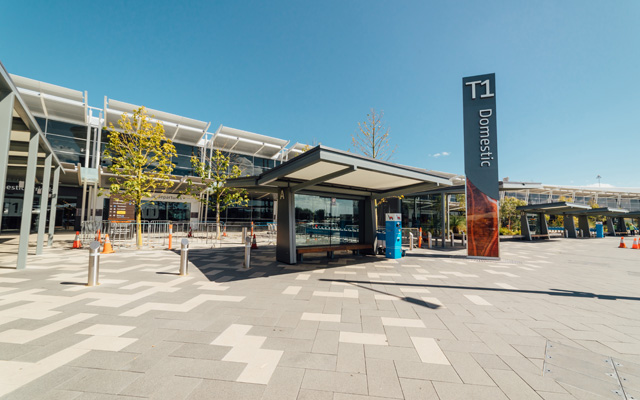
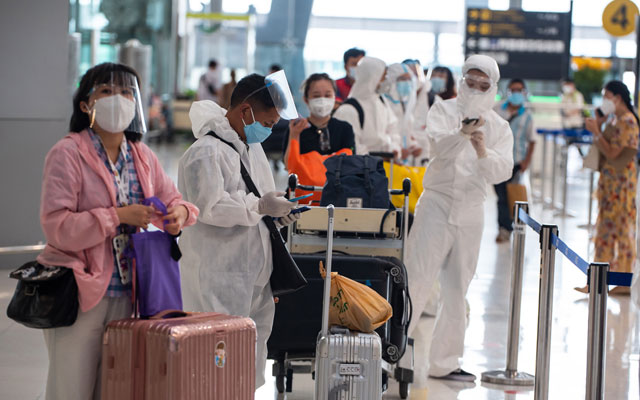
Western Australia delays border reopening indefinitely; Perth Airport pictured
He explained that the delay in border reopening was in view of the large number of people in Western Australia (WA) who were not yet eligible for their boosters, which are key to fight Omicron.
The aim now for WA is to achieve a third booster vaccination rate of at least 80 or 90 per cent. Currently, around 90 per cent of locals have been double jabbed, and around 26 per cent of those 16 years old and above have received a third dose.
However, from February 5, travel exemption rules would be expanded on compassionate grounds, although individuals would still be required to undergo testing, and quarantine for 14 days upon arrival. They would also need to be triple-vaxxed.
Under the revised plan, travellers allowed to enter WA include returning WA residents with direct family connections in the state; those returning on compassionate grounds including for funerals, palliative care or terminally ill visitation; people seeking urgent and essential medical treatment, as well as commonwealth and state officials, members of parliament, and diplomats; among others.
There are now 79 active cases in WA, with 23 in hotel quarantine, 56 in self-quarantine and none in hospital.
The recent lockdowns in China, imposed in response to Omicron outbreaks, have cast a long shadow over new year travel plans, according to new research from ForwardKeys.
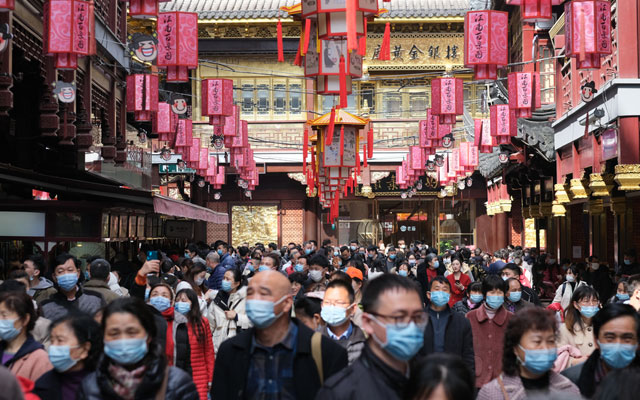
Omicron casts a shadow over CNY travel; tourists thronging City God Temple during CNY last year pictured
The latest data, as of January 11, showed flight bookings for the upcoming holiday period, January 24 to February 13, were 75.3 per cent behind pre-pandemic levels but 5.9 per cent ahead of last year’s dismally low levels.
In addition to Omicron-related travel restrictions, government advice on new year travel has also been an influential factor in dampening demand, said ForwardKeys. However, it also noted that the travel advice issued by local authorities this year is “a little more lenient” as compared to last year. “That stance allows people the flexibility to wait and see how things develop and to make a last-minute decision to travel if they wish,” it said.
However, with a fortnight between the latest data and the beginning of the peak holiday period, ForwardKeys does not rule out a last-minute surge as “the lead time for flight bookings has shortened dramatically during the pandemic”. It noted that recently, around 60 per cent of bookings on Chinese domestic flights were made within only four days of departure.
The possibility of a last-minute spike, however, will depend on new outbreaks of the Omicron variant and how quickly they can be contained.
“This is because the pattern of domestic travel in China throughout the pandemic has been a tug-of-war between strong pent-up demand for travel and draconian restrictions to contain Covid-19, with travel bouncing back strongly as soon as travellers feel the risk of becoming stranded in an area of infection has receded,” it said.
Analysis of the most-booked destinations revealed that leisure travel is the light in what would otherwise be a gloomy outlook. Among the top 15, the most resilient destinations are Changchun, reaching 39 per cent of pre-pandemic levels; Sanya, 34 per cent; Shenyang, 32 per cent; Chengdu, 30 per cent; Haikou, 30 per cent; Chongqing, 29 per cent; Shanghai, 26 per cent; Wuhan, 24 per cent; Harbin, 24 per cent; and Nanjing, 20 per cent.
Of those, Changchun, Shenyang and Harbin contain numerous winter sports resorts; and it is notable that Harbin is still in the top 15 list even though it was affected by a Covid-19 outbreak as recently as December.
Sanya and Haikou, which are both located on Hainan, China’s holiday island in the South China Sea, have seen a consistent growth in popularity throughout the pandemic, fuelled by China’s ban on international travel and special tax treatment on the sale of luxury goods. According to Hainan’s commerce department, the number of duty-free shoppers grew by 73 per cent in 2021 and sales increased by 83 per cent.
The other destinations – Chengdu, Chongqing, Shanghai, Wuhan and Nanjing – are all popular for city sightseeing.
Bing Han Kee, vice president sales – APAC, at ForwardKeys, said: “I am not yet ready to give up hope of a last-minute recovery. The reason: throughout 2021, travel has bounced back strongly as soon as restrictions are lifted, with ever shorter lead times. I am also impressed by the strongly growing enthusiasm for winter sports, which I am sure has been encouraged by publicity surrounding the upcoming Winter Olympics in Beijing.”
The staycation market for the upcoming Chinese New Year holidays continues to dominate the vision of hoteliers in South-east Asia, where international arrivals have been disrupted once more by Omicron.
Take up of festive staycation packages at Shangri-La Singapore, which feature a celebratory high tea experience, has been good, revealed general manager John Rice. The hotel expects to run on high occupancy during Chinese New Year, with locals forming the bulk of the hotel’s guest mix, most of them being couples and families.
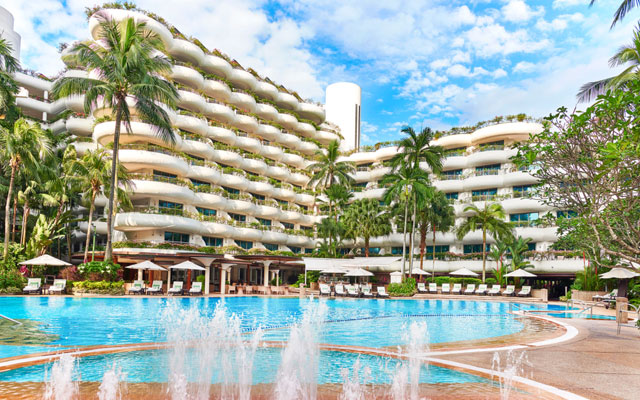
Hotels across Asia like Shangri-La Singapore (above) continue to rely on patronage from local residents
Malaysian hoteliers who have seen advanced bookings for the Chinese New Year holidays said business would peak a few days prior to the season due to the last-minute booking nature of domestic travellers.
Caemen Phoon, director of sales and marketing, Zenith Putrajaya, is hopeful that festive bookings this year will outperform 2020, when it was newly opened and had a 27 per cent occupancy rate.
While hoteliers have described this year’s Chinese New Year performance as positive and encouraging, they acknowledged that bookings were nowhere near pre-pandemic levels.
Christina Tan, spokesperson for G Hotel Gurney in Penang, Malaysia, said the hotel typically enjoyed full occupancy during the season, thanks to its central location. But even with the hotel’s popularity, Chinese New Year occupancy is only expected to hit 50 per cent this year – or 70 per cent at best.
However, should Singapore resume full capacity of her Vaccinated Travel Lane with Malaysia prior to the holidays, Tan said bookings would spike.
Shangri-La Singapore’s Rice, too, noted that international travel restrictions and capacity limits on hotel facilities have dampened Chinese New Year’s performance potential.
Magdalena Martorell, general manager of the new Meliá Phuket Mai Khao in Thailand, emphasised that against a Covid backdrop, the business potential of Chinese New Year is no longer the same.
“Covid-19 has disrupted travel patterns for most countries worldwide, particularly for Chinese travellers. Without the possibility of Chinese travellers comfortably exiting and re-entering their country for the foreseeable future, it’s much more difficult for hotels (worldwide) to look to the Chinese New Year as a period of higher demand like it used to be,” Martorell told TTG Asia.
She observed a “considerable reduction in demand” for the Chinese New Year period when compared against December 2021 and January 2022.
“The decrease is predominantly due to Thailand’s suspension of its Test & Go programme and the current increase of Covid-19 cases on the back of the Omicron variant,” she explained.
Despite international travel restrictions, the hotel will have a 9:1 ratio of overseas guests versus staycationers during Chinese New Year, with most coming from Europe.
For now, brisk takings from festive dine-ins and takeaways are helping to boost Chinese New Year earnings. At G Hotel Gurney, reunion dinner buffets are fully booked, while lunch and dinner buffet slots on the first day of LNY are almost sold out at press time. Takeaways are also doing well, said Tan, with many corporate clients buying festive goodies for clients and staff as tokens of appreciation.
To help Singapore residents navigate continued dine-in restrictions, Shangri-La Singapore boosted its F&B retail and takeaway selections this LNY – and the tills have been ringing, thanks to “encouraging” demand for take-home feasts and treats. – Additional reporting by S Puvaneswary
Indonesia’s Ministry of Tourism and Creative Economy (MoTCE) has earmarked Yogyakarta as host city for ATF 2023.
Sandiaga Uno, minister of tourism and creative economy said the city was chosen over other more established and accessible destinations like Jakarta and Bali in order to showcase Borobudur, which has been identified as one of Indonesia’s Super Priority Destinations.
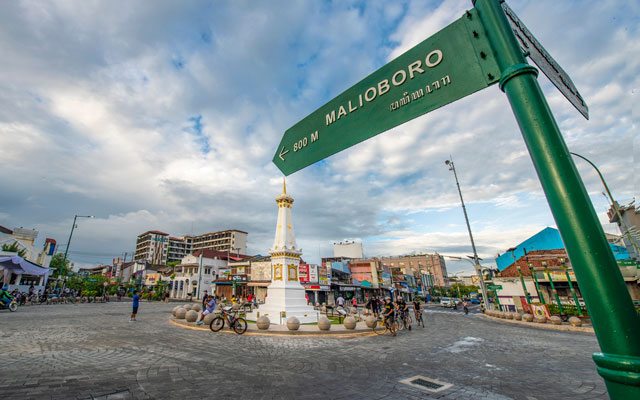
Yogyakarta has seen many infrastructural developments since it last hosted ATF in 2002; Tugu Jogja pictured
He said Yogyakarta is ready for major events, thanks to the new Yogyakarta International Airport and suitable facilities.
Fadli Fahmi Ali, CEO of Werkudara Group, said the city is no stranger to hosting high profile meetings and tradeshows. He noted that Yogyakarta first hosted ATF in 2002, and many infrastructural developments have emerged since.
“We have more accommodation options, technology know-how from hosting many hybrid events during the pandemic, as well as experienced talents to handle international events,” he said.
Fadli added that the destination has many potential venues to offer, including the Jogja Expo Center where ATF 2002 was held.
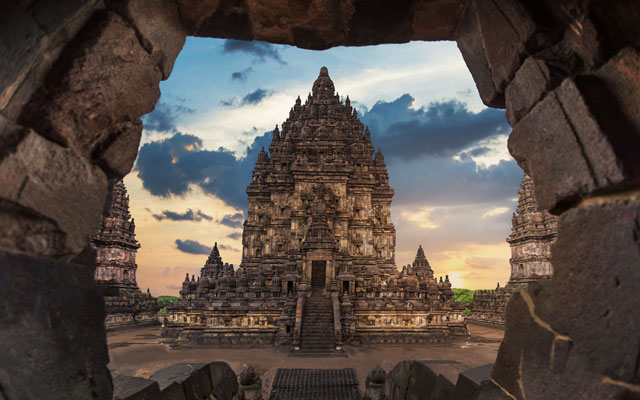
“Prambanan and other surrounding temple gardens can be turned into venues for ATF events, and they will meet current demands for open spaces while presenting the uniqueness of Yogyakarta culture and heritage,” he remarked.
Other industry leaders urged the government to bring in more and frequent international direct flights to ensure the success of ATF 2023.
Herman Rukmanadi, owner and managing director of Bhara Tours, said establishing direct access to Yogyakarta from ASEAN member nations must be the local government’s top priority in the lead up to ATF 2023.
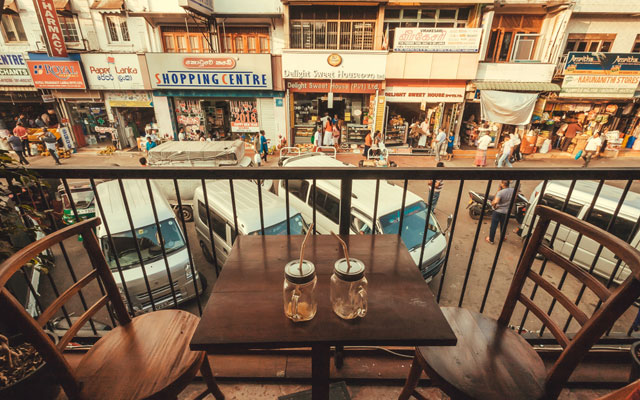
Sri Lankan authorities are taking a tough stand against hotels and restaurants that follow a ‘foreigners only’ policy by threatening to revoke the licenses of such establishments.
The state-owned Sri Lanka Tourism Development Authority (SLTDA) said in a statement on Tuesday that they have received complaints regarding discriminatory practices followed by some tourist establishments against Sri Lankan citizens, and have taken action to combat the issue.
Hotels and restaurants that adopt a ‘foreigners only’ policy face license revocation
Some of these establishments had even put up “foreigners only” boards outside, according to an industry official.
SLTDA said they would not hesitate to suspend or cancel the licenses of establishments found to have been discriminatory, and inform travellers about it and notify OTAs to abstain from taking bookings.
“Domestic tourists have stood by our industry through difficult times… as industry stakeholders, we should be grateful,” read the statement.
Industry veteran and chairman of Jetwing Symphony Hotels, Hiran Cooray, said that he was aware of discriminatory practices to lock out local patrons adopted by some restaurants and beach bars in popular tourist spots at Mirissa and Unawatana in Sri Lanka’s southern region.
He said associations representing the hotel industry and travel agents were happy with the government’s move as local residents have been a supportive client base to hotels and restaurants, especially amid the tourist drought during the ongoing global pandemic.
Thailand will resume its quarantine-free travel programme for vaccinated foreigners starting February 1, the country’s Covid-19 taskforce said on Thursday (January 20).
The announcement comes about a month after Thailand suspended its Test & Go quarantine exemption scheme on December 22 in response to a surge of the Omicron variant. The move meant arrivals to the country had to undergo hotel quarantine, ranging from seven to 10 days.
Thailand expects to welcome five million foreign tourists this year; passengers at Suvarnabhumi Airport pictured
New entry rules will be introduced under the revived scheme, with inbound travellers now required to take a Covid-19 test on the first and fifth day of arrival, spokesperson Taweesin Wisanuyothin was quoted by Channel NewsAsia as saying during a briefing.
Visitors will have to isolate at a hotel while waiting for their test results and will be required to download a tracking app to ensure they comply with the rules.
The government also announced additional destinations to the sandbox programme which was launched last year to revive the country’s battered tourism sector. Under the programme, vaccinated visitors must stay for one week at a designated location before being allowed to travel on to the rest of the country.
An estimated five million foreign tourists are expected to visit Thailand in 2022, according to the tourism ministry’s forecast – down from nearly 40 million a year before the pandemic.
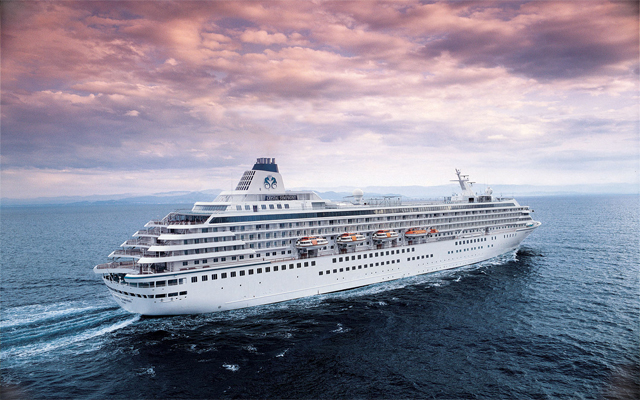
Crystal Cruises has suspended operations for its ocean and expedition ships through April 29, and river cruises through the end of May.
The move comes after its parent company, Genting Hong Kong, filed to wind up its operations after failing to secure funding to pay its debts.
Crystal’s three ships currently in operation will complete their current voyages
“Suspending operations will provide Crystal’s management team with an opportunity to evaluate the current state of business and examine various options moving forward,” said the cruise line in a statement.
Crystal’s three ships currently in operation – Crystal Serenity and Crystal Symphony sailing in the Caribbean and Crystal Endeavor in Antarctica – will complete their current voyages.
Crystal Symphony’s current voyage ends in Miami on January 22, Crystal Serenity in Aruba on January 30 and Crystal Endeavor in Ushuaia, Argentina, on February 4.
“This was an extremely difficult decision but a prudent one given the current business environment and recent developments with our parent company, Genting Hong Kong,” said Jack Anderson, Crystal’s president.
“Crystal has been synonymous with luxury cruising for more than 30 years and we look forward to welcoming back our valued guests when we resume operations. We wish to thank our guests and travel advisors for their incredible support during these ongoing challenging times.”
Meliá Phuket Mai Khao, Thailand
Meliá Phuket Mai Khao, a 30-suite and 70-villa resort, is situated on 3.2ha of Phuket’s northwestern coastline overlooking the Andaman Sea. Fronting Phuket’s longest stretch of sand, the resort on Mai Khao Beach features saltwater swimming pools, private villa pools, a reflection pond with sunken seating areas, water gardens, and vertical falls.
The Mediterranean-inspired accommodations comprise 30 one-bedroom suites and 70 one-bedroom villas that each cater for up to two adults and two children. All feature outdoor bathtubs, open-air showers and outdoor terraces. The 78m² suites are complemented by cabanas and the 85m² one-bedroom villas have private plunge pools. Fifteen wellness villas feature an open-air Vitamin C shower, daily massage, ultrasonic essential oil diffuser, air purifier, Tempur-Pedic pillows, fit ball and yoga mat.
The hotel will explore a diverse culinary landscape from four outlets. Near the beach pool with its cabanas and sun lounges, Gaia Beach Club showcases Mediterranean and fusion cuisine, along with a cocktail selection. All-day dining restaurant Sasa specialises in South-east Asian cuisine, while Elyxr Café serves juices and liquors. Leisure amenities include a spa, fitness centre, and kids’ club; while conference facilities comprise of a grand ballroom and two additional multifunctional rooms.
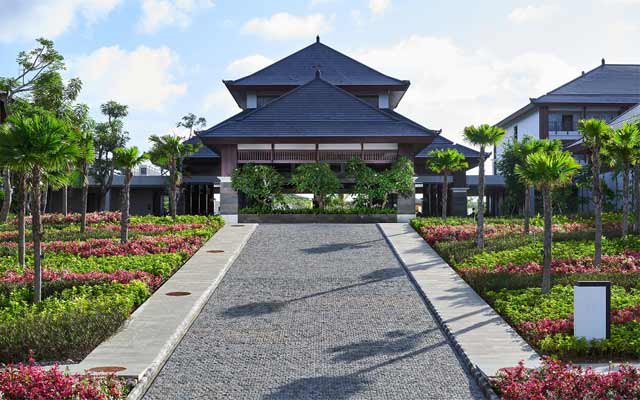
Renaissance Bali Nusa Dua Resort, Indonesia
Perched on the hills above Nusa Dua and overlooking views of the Indian Ocean, Renaissance Bali Nusa Dua Resort features 310 guestrooms and suites. Anchoring the six F&B experiences at the resort is Backstage, an all-day dining restaurant offering local and international favourites. There is also contemporary Chinese restaurant Lion X and Indonesian restaurant Nusantara by Locavore. A pottery atelier and cooking lab by day, Tanah Liat transforms by evening into a restaurant featuring seasonal seafood and plant-based cuisines. Atomic 17 is the resort’s resident pool bar which serves fresh juices and smoothies as well as purist cocktails. Integrating the lobby and lounge, R Bar offers crafted cocktails and cold-brew coffee.
Leisure amenities are a spa, 24-hour gym, and four thematic pools including a lagoon-like jungle pool where The Cove is located, a wedding venue with an aisle stretching right to the heart of the pool. The resort also offers 1,119m² of flexible function space, including the Grand Ballroom which can accommodate up to 1,100 persons, five event rooms and seven breakout rooms.
The Tasman, a Luxury Collection Hotel, Hobart; Australia
The Luxury Collection has debuted in Australia with the opening of The Tasman, a Luxury Collection Hotel, Hobart. Located within the restored heritage area of Parliament Square overlooking Hobart’s waterfront, The Tasman offers 152 guestrooms and suites. The hotel’s three epicurean experiences is led by Peppina, showcasing authentic Italian cuisine with a local Tasmanian twist. Mary Mary is a craft cocktail bar and spirit library, while The Deco Lounge offers afternoon tea or a light lunch in a residential setting that spills out onto a terrace overlooking Parliament Square.
Additionally, the hotel offers 769m² of meeting space spread over seven customisable rooms. The Cumulo Room features floor-to-ceiling windows framing an outdoor terrace overlooking the St. David’s Park, while Parco is an underground warehouse-style events space that can hold up to 400 people. Guests also enjoy complimentary access to a 24/7 fitness centre.
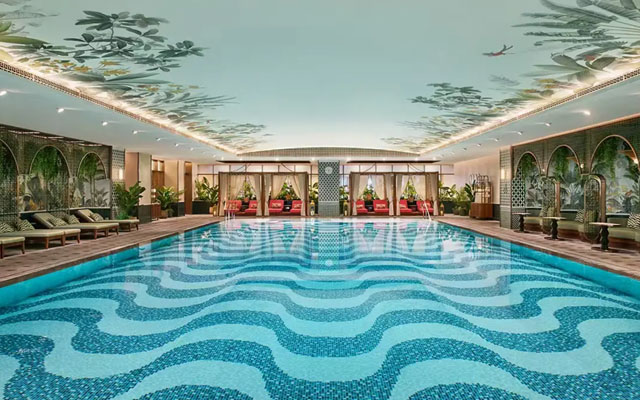
Conrad Shanghai, China
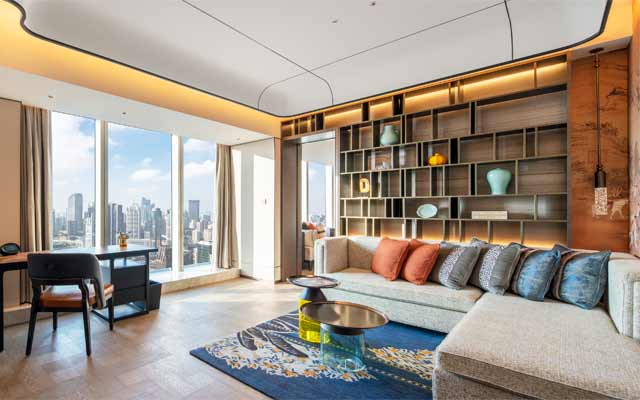
Located in the heart of People’s Square, Shanghai’s tourism and business district, Conrad Shanghai boasts 728 rooms across 66 floors, including 60 luxury suites. Each guestroom features smart connectivity and floor-to-ceiling windows that frame views of Puxi and the Bund. Conrad Shanghai’s selection of restaurants take guests on a culinary tour, from the Mediterranean seaside and the artisanal bistros of Paris to the banquet halls of China. The hotel also offers a 2,500m² pillarless event space with views of East Nanjing Road. The versatile space includes a 864m² ballroom which can accommodate up to 600 guests, 13 meeting rooms, as well as the Hu’s Penthouse and Hu’s Atelier spaces on the 64th floor.
ATF 2023 will bear the theme, Empower Talents, Embrace Technology, Recover Tourism, when Indonesia takes over chairmanship of ASEAN Tourism in 2022-2023.
Sandiaga Uno, minister of tourism and creative economy, said the theme is in line with this year’s G20 Indonesia summit – Recover Together, Recover Stronger. It also signals the region’s tourism recovery.
The Indonesian city of Yogyakarta will play host to ATF 2023; Prambanan Temple pictured
“Indonesia will foster the resurgence of the tourism sector and the opening of jobs to spur (recovery of) both national and ASEAN economy,” he said.
Pauline Suharno, chairman of Association of the Travel Agencies in Indonesia, said ATF 2023’s vision of togetherness must be reflected in implementation, through applicable programmes such as common health passport measures, border controls and returning policies across the region.
Herman Rukmanadi, CEO of Bhara Tours, called for collective facilitation of travel within ASEAN member countries and intra-ASEAN travel promotions.
Siargao, Mindanao - Philippines - March 1, 2016: A local tour guide assists a German surfer couple off the boat on Daku Island, part of an island hopping tour in the Southern Philippine Islands.
One of South-east Asia’s biggest European buyers, TUI Group, says the region’s recovery depends not only on the easing of entry rules and availability of flights, but on the reopening of Thailand and Vietnam.
This reflects the bloc’s dependence on each other and the need for destinations to work in unison to bring back arrivals to pre-pandemic 2019 levels.
Ongoing travel restrictions hinder German travel to Asia; a local tour guide with German tourists on a boat on Daku Island pictured
Senior product & contracting manager, Christiane Thoma-Ratnasiri, who travelled from Germany to attend ATF 2022, explained that many clients enjoyed a combination of South-east Asian destinations.
“So, not having those (combination) possibilities is a big disadvantage for the region at the moment,” she added.
Thoma-Ratnasiri does product and contracting for brands Airtours and TUI, covering Indochina, Myanmar, India, Nepal, Hong Kong, China, Taiwan, South Korea and Japan.
She described the impact of the pandemic on German travel to Asia as “immense” and said that recovery is still difficult.
“Travel restrictions are very strict and they change very often, as seen in Thailand. So, clients don’t feel confident to travel, as what’s valid today may be overturned the next day,” said Thoma-Ratnasiri.
Demand is further weakened by poor flight connectivity to ASEAN member countries, she said. This, however, goes back to the need for “reliable rules which can be handled easily”.
Asia, with a long list of requirements to satisfy before a visitor is allowed in, is widely seen as a mini China fortress, especially to Europeans who largely enjoy hassle-free travel within the Schengen Area since the European Union standardised entry protocols.
Organisations such IATA in Asia-Pacific and the ASEAN Tourism Association have been urging for a similar standardisation effort within South-east Asia.
Thoma-Ratnasiri said Germans are “desperate” to travel and will come back once the barriers are removed. In South-east Asia, Thailand is its most important destination, followed by Indonesia/Bali, while Vietnam has potential. The only ASEAN destination that’s not likely to recover in 2022 is Myanmar.
TUI is ready to handle a return of business immediately, she said. Despite the barriers, contract negotiations with partners have continued as before so that everyone’s prepared in case the business restarts. Most of the negotiations were done via email or virtual calls, although she prefers a personal meeting where a contract can been signed within 1.5 hours and everyone feels “good and satisfied”.
During her time at ATF 2022, Thoma-Ratnasiri explored island destinations in Cambodia such as Koh Rong, in the Sihanoukville province. The luxury 67-villa Royal Sands Koh Kong Resort is hosting 90 ATF delegates on the island this week.
“Actually I am mostly fascinated by the friendliness of the Cambodian people, and I love the southern islands. Of course Angkor is outstanding, however, there is much more to discover in Cambodia. I am excited to reconnect with my business partners after two years of no personal contact,” she said.











The recent lockdowns in China, imposed in response to Omicron outbreaks, have cast a long shadow over new year travel plans, according to new research from ForwardKeys.
The latest data, as of January 11, showed flight bookings for the upcoming holiday period, January 24 to February 13, were 75.3 per cent behind pre-pandemic levels but 5.9 per cent ahead of last year’s dismally low levels.
In addition to Omicron-related travel restrictions, government advice on new year travel has also been an influential factor in dampening demand, said ForwardKeys. However, it also noted that the travel advice issued by local authorities this year is “a little more lenient” as compared to last year. “That stance allows people the flexibility to wait and see how things develop and to make a last-minute decision to travel if they wish,” it said.
However, with a fortnight between the latest data and the beginning of the peak holiday period, ForwardKeys does not rule out a last-minute surge as “the lead time for flight bookings has shortened dramatically during the pandemic”. It noted that recently, around 60 per cent of bookings on Chinese domestic flights were made within only four days of departure.
The possibility of a last-minute spike, however, will depend on new outbreaks of the Omicron variant and how quickly they can be contained.
“This is because the pattern of domestic travel in China throughout the pandemic has been a tug-of-war between strong pent-up demand for travel and draconian restrictions to contain Covid-19, with travel bouncing back strongly as soon as travellers feel the risk of becoming stranded in an area of infection has receded,” it said.
Analysis of the most-booked destinations revealed that leisure travel is the light in what would otherwise be a gloomy outlook. Among the top 15, the most resilient destinations are Changchun, reaching 39 per cent of pre-pandemic levels; Sanya, 34 per cent; Shenyang, 32 per cent; Chengdu, 30 per cent; Haikou, 30 per cent; Chongqing, 29 per cent; Shanghai, 26 per cent; Wuhan, 24 per cent; Harbin, 24 per cent; and Nanjing, 20 per cent.
Of those, Changchun, Shenyang and Harbin contain numerous winter sports resorts; and it is notable that Harbin is still in the top 15 list even though it was affected by a Covid-19 outbreak as recently as December.
Sanya and Haikou, which are both located on Hainan, China’s holiday island in the South China Sea, have seen a consistent growth in popularity throughout the pandemic, fuelled by China’s ban on international travel and special tax treatment on the sale of luxury goods. According to Hainan’s commerce department, the number of duty-free shoppers grew by 73 per cent in 2021 and sales increased by 83 per cent.
The other destinations – Chengdu, Chongqing, Shanghai, Wuhan and Nanjing – are all popular for city sightseeing.
Bing Han Kee, vice president sales – APAC, at ForwardKeys, said: “I am not yet ready to give up hope of a last-minute recovery. The reason: throughout 2021, travel has bounced back strongly as soon as restrictions are lifted, with ever shorter lead times. I am also impressed by the strongly growing enthusiasm for winter sports, which I am sure has been encouraged by publicity surrounding the upcoming Winter Olympics in Beijing.”