


Banwa Private Island, the Philippines
Located in North-eastern Palawan in the Sulu Sea, Banwa Private Island promises absolute privacy, vast space and intense pampering with six contemporary beachfront pool villas. The island resort welcomes no more than 22 guests, and takes them into the embrace of a protected marine and nature reserve.
Banwa Private Island offers bubble travel for multi-generation family reunions, getaways with friends, and corporate events.
A Destination Dining option serves up various gourmet experiences on the island, through the help of private chefs.
Access: Ascent Flights Global charters direct flights to the island resort, via an eight-seat seaplane from Manila as well as helicopters for up to 10 passengers.
Buyout possibility: Yes
Activities: There are infinite opportunities for water sports enthusiasts. Go on dive trips to Tubbataha Reef and Banwa’s surrounding areas, cruise around in the Wajer 38 Banwajer, or spend a night on the Lagoon 630 Catamaran.
Alternatively, land recreation comes in the form of stargazing, bird watching, hiking, tennis, golf on Banwa’s nine-hole course, spa retreats, or fitness work-outs in the Pilates studio or gym.
Sustainability bonus: The island’s owners established the Aquos Foundation to support, nurture and protect the island’s delicate ecosystems, including the critically endangered Hawksbill Turtle.
Aquos’ Reef Balls programme helps stimulate reef regeneration off the South-western shores of the island, and has to date funded the deployment of over 200 structures, which are promoting significant coral growth in the area.
Aquos also pursues nationally-recognised research programmes, guided by world-leading experts, including studies into the native Tabon Bird and Mantanani Scops Owl, and preservation of the indigenous beach forests where they nest.
Makepeace Island, Australia
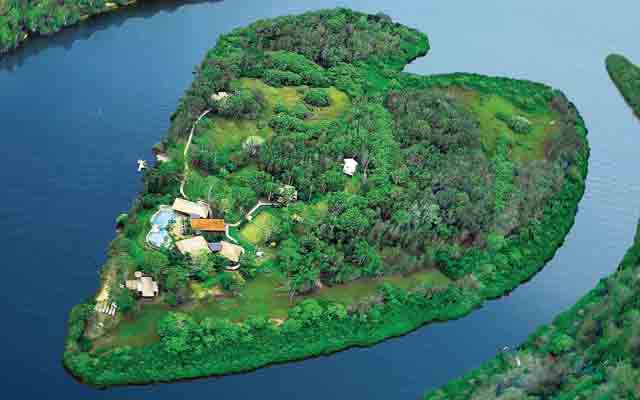
Makepeace Island is Australia’s answer to a proper celebrity-style escape. Known as Sir Richard Branson’s private hideaway, the heart-shaped island located on the Noosa River on Sunshine Coast in Queensland promises to be a sanctuary of seclusion, presumably from pesky paparazzi.
Three tropical-inspired luxury villas, four rooms in the Island House, and a unique Boathouse lets you host up to 20 guests at a time in an exclusive island rental. There’s an extensive range of onsite facilities including tennis courts, swimming pools, water sports and yoga.
Access: Get there by private boat transfer from Noosa Heads, which is just minutes away.
Buyout possibility: Yes. Island hire comes with your own restaurant and an executive chef who will co-create culinary adventures with the guest. Meals are sourced from local organic producers across the region, and the team can organise masterclass experiences.
Activities: For those feeling a little more adventurous, there are unique experiences and activities, such as walks through the World Heritage listed K’gari (Fraser Island) and Great Sandy National Park, beach horse riding on North Shore’s white sand dunes, circumnavigating the island on board a Hobie cat, scenic flights or heli-rides.

Moturua Island, New Zealand
Designed by famous New Zealand architect Pete Bossley, this private retreat in Bay of Islands boasts a stunning beachside house that gives visitors access to walking tracks with scenes echoing from the Lord of the Rings movies.
Featuring a sprawling multi-split level living area, all four of the retreat’s beautifully appointed bedrooms open to a private terrace and ocean views. There’s also a separate guest house with two additional bedrooms, taking total guest capacity to 14.
Access: Only by boat or helicopter, with the option of keeping the helicopter and its pilot onsite during one’s stay.
Buyout possibility: Yes
Activities: Ocean lovers will enjoy exploring the property’s underground boat shed with a treasure trove of toys like fishing gear, paddle boards, sea kayaks and snorkelling equipment.
A helicopter can also be arranged to take guests to Moturua Island which has world-class golf courses and a day spa. Island cruises and deep sea fishing for adrenaline seekers are on offer too.
Sustainability bonus: The island is connected to New Zealand’s indigenous people and its maintenance is undertaken by the Department of Conservation.

Nikoi Island and Cempedak Island, Indonesia
Two private island resorts run by the same operator, both Nikoi Island and Cempedak Island offer a laidback luxury vibe. Nikoi Island was built with driftwood and alang alang grass roofs, while Cempedak Island used bamboo.
Each have found favour with different traveller segments; Nikoi Island is a hit with families, while Cempedak Island’s 16-year-old minimum age limit for all guests earns it loyalty among holidaymakers desiring greater privacy and exclusion.
Both islands are situated within a marine protected area that has a fascinating array of rare and endangered species.
Great pride is taken in serving guests delicious Indonesian dishes — both Nikoi Island and Cempedak Island use organic ingredients harvested from their own farm on nearby mainland Bintan.
Access: The islands are a 2.5-hour journey from Singapore via Bintan by ferry, car and speedboat, with the option for private boats that journey from Singapore right to the island.
Buyout possibility: Yes
Activities: A range of activities is available to keep guests busy, from snorkelling, diving, kayaking and windsurfing to rock climbing, mountain biking, guided nature walks and cooking classes. Young guests can enjoy fun programmes at the kids club on Nikoi Island.
Sustainability bonus: The island operators are committed to running a sustainable operation that has a positive impact on the local environment and community. Their efforts have earned the islands many awards.
The operators helped to establish and raise funds for three different local foundations. The Island Foundation was established over 10 years ago to help improve education standards on Bintan. Next is Yayasan Ecology, founded a couple of years ago to improve management of the Marine Protected Area that both islands are located within.
The most recent initiative is to support Seven Clean Seas in establishing a local NGO to do coastal clean-ups in the area. Through this effort, resort staff and Seven Clean Seas have collected over 200 tonnes of plastic waste over the last 18 months.

Pangkor Laut Resort, Malaysia
Pangkor Laut Resort in Perak is nestled in a two million year-old rainforest, on a private island fringed by white sandy beaches and emerald waters.
Guests looking for total relaxation amid nature will find bliss on this private island, which is also home to a variety of wildlife, ranging from the long tailed macaques, oriental pied hornbills, white-bellied sea eagles, and large monitor lizards. Should fortune shine, one might spot tiny black-tip reef sharks darting between the corals.
The resort offers 137 villas, three suites and eight estates.
Access: AirAsia and Malaysia Airlines flies from Kuala Lumpur to Pangkor Island. From there, a 10-minute ferry ride takes guests to Marina Island Pangkor jetty for the check-in process and another 20-minute speedboat ride to the resort.
Buyout possibility: Yes
Activities: Unwind at the spa or on a sunset cruise that comes with tipples and canapes, or join a naturalist on a jungle trek to learn about the local flora and fauna. Not to be missed is the Chef’s Kitchen Experience, a memorable in-house local cooking activity that begins with guests catching their own fish from a floating fish farm.

Pangulasian Island, El Nido Resorts, the Philippines
Pangulasian Island, El Nido Resorts in Palawan’s Bacuit Bay boasts a 750m stretch of white sand beach set against a tropical forest backdrop. Sunrise and sunset views are stunning here. The resort’s 42 well-appointed villas feature contemporary Filipino and eco-friendly design.
Access: Airswift flies from Manila to Lio airport in El Nido. From there, Pangulasian Island is just a short car and boat ride away.
Buyout possibility: Yes
Activities: Resort guests take it slow and easy with low-impact nature-based activities that are also low in carbon footprint, such as island hopping, kayaking, lagoons tour, scuba diving, snorkelling in secret spots, and going around in coracle boats. There are no jet-skis and other motorised marine sports equipment.
A luxurious spa retreat awaits those wanting to untie stress knots. There are also options for guests to play a game of billiards and darts, or read in the library.
Sustainability bonus: As part of El Nido Resorts, Pangulasian Island is big on operating with the least impact on the environment while respecting local people and culture. The Be G.R.E.E.N. (Guard, Respect, Educate El Nido) programme trains all staff on ecological waste management, water, energy and biodiversity conservation, and environmental laws.
It has several nature conservation and protection projects running, such as the Marine Turtle Conservation Program and El Nido Biodiversity Online which tracks El Nido’s flora and fauna.
Only sustainable menus are available, with ingredients locally and organically produced or raised.
Guest amenities, such as bags and slippers, are produced by women in the local villages.

Rebak Island Resort & Marina, Malaysia
Recognised as Langkawi’s only exclusive resort located on a private island, the 94-key Rebak Island Resort & Marina overlooks the Andaman Sea and is surrounded by a 100 million year-old rainforest. Accommodation is spread out in chalet blocks, with spacious seaview rooms available for couples and generous suites for families.
Access: A 20-minute car ride takes guests from Langkawi International Airport to Port Cenang, and a seven-minute boat transfer onwards to the island.
Buyout possibility: Yes
Activities: The island resort is a dream-come-true for nature lovers. A guided nature trail runs from the resort lobby through the island. Adventurous guests may hike down a two-hour-long return trail adjacent to the marina and discover the red grotto beach.
There are also options for private yacht charters to explore the many uninhabited islands that surround Langkawi, and to pair that with a picnic and snorkelling.
Cook with Chef programmes are popular with travellers keen to learn about the local cuisine.
After a day of activities, a therapeutic spa treatment is a great way to unwind.
Sustainability bonus: The resort supports sustainable operations and is certified by Earth Check.

Sunlight Eco Tourism Island Resort, the Philippines
Nestled in the clear blue waters of Culion in Palawan is the Sunlight Eco Tourism Island Resort, one of the biggest single privately-owned island resorts in the region. Set across 18 hectares of lush forests, hills and gardens are 55 villas with 99 rooms as well as nine restaurants.
The resort is strategically designed to give guests a 360-degree view of the Calamian group of islands.
All villas are architecturally designed to offer guests views of the ocean, sunrise or sunset. Sirakan Villas, set over the water on stilts, offer a fun way to stay, with glass-bottom floors allowing guests to gaze at teeming marine life beneath.
Access: Sister company Sunlight Air operates hour-long flights from its private hangars in Manila and Clark to Busuanga airport in Palawan.
Commercial flights are also available to Busuanga from Manila, Cebu, Clark, El Nido, Puerto Princesa and Boracay via Manila.
From Busuanga, a private van and motorised speedboat take guests to the resort.
Buyout possibility: Yes
Activities: Within the resort, guests can enjoy a variety of recreational facilities, such as an infinity pool, spa, gym, and the Ocean Wave KTV karaoke room. Active folks can cycle around the resort, while those preferring sedentary pastimes have billiard, chess and games to while away their time.
Fun extends beyond resort grounds, as the waters surrounding the island can be explored by yacht. Diving and snorkelling in World War II shipwrecks, glass bottom rides, and water play on towables, hydrobobs, jetskis, banana boats, aquajets, and Molokini clear kayaks form the many options available to sunseekers.
Sustainability bonus: Sunlight Eco Tourism Island Resort was built with sustainable materials, while resort amenities such as beach baskets and espadrilles were handcrafted by local women in Samar and Liliw.
The resort conducts regular ocean and beaches clean-ups, and guests are obliged to follow the resort’s protocols in conserving and preserving the natural environment.
Coming up soon are an organic farm and butterfly sanctuary.
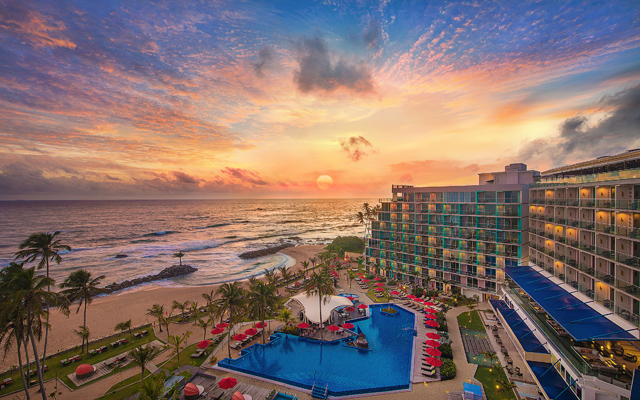


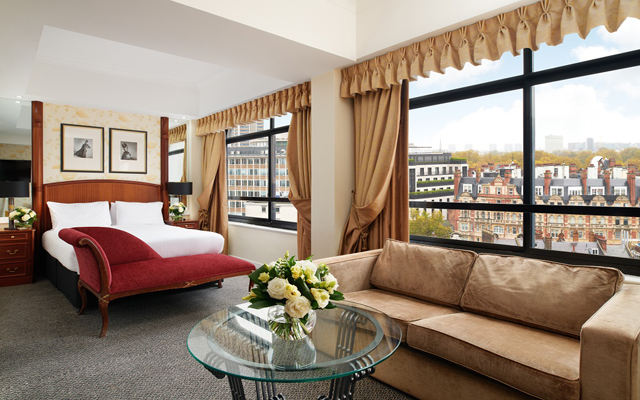

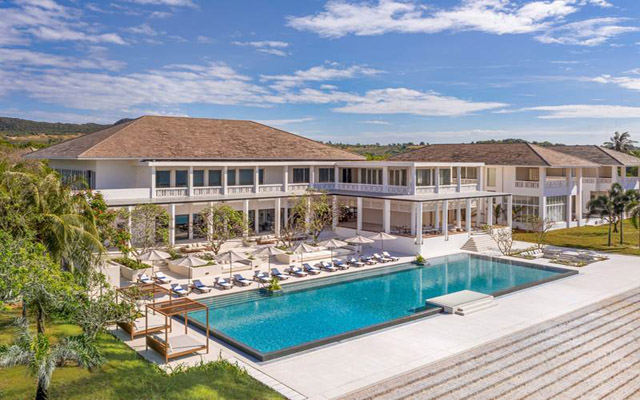
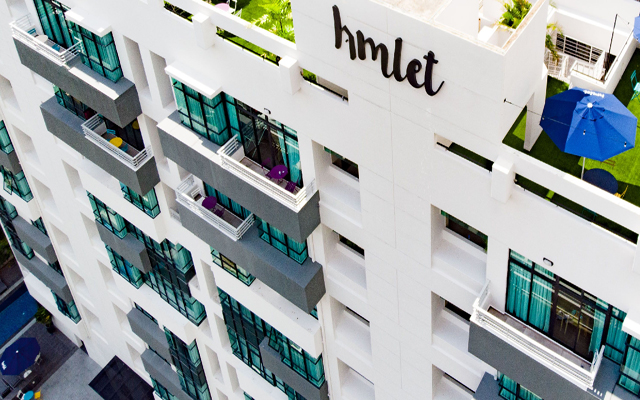







Millennium Hotels and Resorts’ My Millennium loyalty programme now comes with a new prestige tier with enhanced benefits, such as additional point accumulation, priority check-in/out, complimentary room upgrade, welcome amenities, and triple points accumulation on members’ birthday month.
Members of My Millennium – which used to be a single-tier programme – will be automatically upgraded to the new Prestige status when they stay a total of 10 nights with Millennium Hotels and Resorts. They will get to enjoy the privileges of their upgraded membership for one year.
Saurabh Prakash, group senior vice president, commercial for Millennium Hotels and Resorts, said the enhancement of My Millennium “comes at an opportune time”, as travel restrictions are relaxed around the world.
“My Millennium is one of our key pillars in engaging and acquiring customers by delivering memorable member experiences. By enhancing our loyalty programme, we aim to turn guests into loyal members so that Millennium Hotels and Resorts remains their preferred accommodation choice,” added Prakash.
Pearlie Teo, global loyalty & partnerships director, said the new Prestige tier “aims to give members more reasons to book their long-awaited vacations or business trips with us and make the most of our properties across the globe”.