
Adiwana Jelita Sejuba Natuna, Indonesia
Adiwana Jelita Sejuba Natuna is the perfect place for a beachfront getaway.
Located on Natuna Island, the resort has 33 rooms and villas, and guests are offered tailored activities like snorkelling to explore the thriving coral reefs; island-hopping; and even locally inspired cooking classes.
Enjoy spectacular views at the one-of-a-kind granite infinity pool built right into the ocean. Couples can opt for a romantic meal by the ocean.
Other facilities include a spa, gym, and floating function space.
The resort is a short 15-minute drive from Raden Sadjad Airport.
Visit Adiwana Jelita Sejuba Natuna.

Fairmont Ambassador Seoul, South Korea
Fairmont Ambassador Seoul enjoys one of Seoul’s most prestigious new addresses, and its 326 well-appointed guestrooms offer panoramic views of the Yeouido skyline and the Han River.
Indulge in seasonally inspired menus at Mariposa and Spectrum, and sip signature cocktails at M29, an elegant rooftop bar.
Guests can relax with a personalised treatment at ESPA at Fairmont, or stay on track with their fitness routine at the gym or the all-weather-friendly indoor pool.
Fairmont Ambassador Seoul is 55 minutes by car from Incheon International Airport, and 30 minutes from Gimpo International Airport.
Visit Fairmont Ambassador Seoul.

Hilton Singapore Orchard, Singapore
Hilton Singapore Orchard has earned plenty of attention in the marketplace since its opening in February, for being the brand’s largest property in Asia-Pacific. Its central location in the heart of Orchard Road and collection of 1,080 rooms, five dining concepts – with the largest being Estate which can seat 360 diners at once, along with 16 event venues make the hotel a formidable competitor in the space of leisure travel and business events.
The hotel marked a strong entry with its accommodation of all players and entourage attending the high-profile HSBC Women’s World Championship LPGA Tour, and continues to be a popular choice for weddings as well as corporate meetings and events.
Hilton Singapore Orchard takes over what was once Mandarin Orchard Singapore. A S$150 million (US$110.2 million) comprehensive renovation has given the property a new look and freshed hardware, where the hotel’s interior design pays homage to Singapore’s rich colonial history and the area’s agricultural heritage.
Visit Hilton Singapore Orchard.

Hoshinoya Okinawa, Japan
A luxury seaside resort in Yomitan, Okinawa Prefecture, Hoshinoya Okinawa offers oceanfront villas and suites with rooms that open up to a garden, while the windows, balconies, and terraces open up to the sea.
The resort’s Yugafu Kitchen, a kitchen studio that offers an opportunity for guests to learn and enjoy Okinawa’s unique food culture, embraces the idea of using ingredients from nature without producing waste, as well as the idea that a balanced diet will prevent illnesses – one of the reasons behind Okinawans’ longevity.
Adjacent to the studio is the kitchen garden, where guests can enjoy the aroma of freshly picked herbs and vegetables. Meals can be enjoyed in the private dining area of the Yugafu Kitchen after a cooking session.
There is also a Ryukyu Karate Stay where guests can learn the martial art at the resort’s dojo.
Visit Hoshinoya Okinawa.

Hotel Indigo Adelaide Markets, Australia
IHG Hotels & Resorts’ boutique lifestyle brand, Hotel Indigo, debuted in Australia with the opening of Hotel Indigo Adelaide Markets. The hotel’s 145 boutique rooms in Adelaide’s CBD pay homage to the legendary festivals of the city, and is located next to the Adelaide Central Market.
The hotel’s restaurants and bars tap into the best of local produce for seasonal appeal. Head to Market & Meander for a taste of rustic, home-style Modern Australian with its daily lunch menu, then chill on the rooftop at Merrymaker bar with a refined menu showcasing the best of South Australian seafood and charcuterie along with creative cocktails.
Other facilities include an outdoor infinity pool, 24/7 fitness centre, two boardroom-style meeting rooms and the option to hold events on the mezzanine level and rooftop.
Visit Hotel Indigo Adelaide Markets.
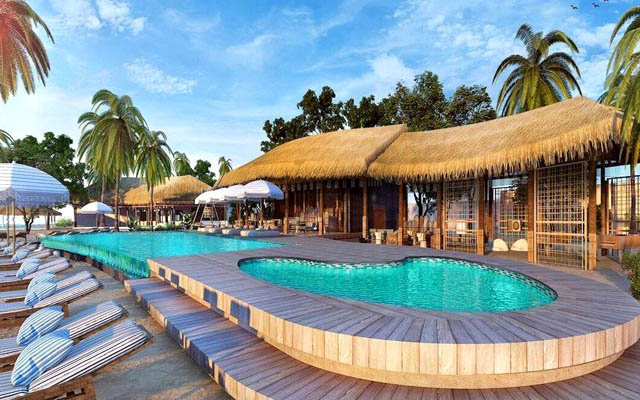
Le Méridien Maldives Resort & Spa, Maldives
Le Méridien Maldives Resort & Spa is nestled on the island of Thilamaafushi in the beautiful Lhaviyani Atoll, and is accessible by a 35-minute seaplane ride from Malé International airport.
Boasting a white sandy beachscape surrounded by a turquoise lagoon, Le Méridien Maldives is home to 97 overwater villas and 44 beach villas.
Guests can explore the two signature restaurants: Turquoise serves both local dishes and Asian and European favourites, while Tabemasu offers Japanese meal varieties.
This five-star destination also includes a kids’ club, adult-only pool, water sports centre and more.
Visit Le Méridien Maldives Resort & Spa.

Lihim Resorts, the Philippines
Lihim Resorts by Araw Hospitality Group is a hidden gem waiting to be discovered. Located in El Nido, Palawan, it sits secluded in the forests of Calaan, beside the pristine waters of the Bacuit Bay.
Luxurious villas are located in varied environments, from lawn, forest, seaside, hilltop and more. Guests can opt for curated tours and nature walks, or simply lounge by the pool all day with a cocktail.
Enjoy culinary experiences at Gana Restaurant that showcases farm-to-table specials and heritage recipes. The Bacarrat Lounge and LangkaLounge are also
great for hosting intimate events, presentations, and meetings.
Visit Lihim Resorts.

Meliá Phuket Mai Khao, Thailand
Fronting Phuket’s longest stretch of sand sits Meliá Phuket Mai Khao, overlooking the Andaman Sea. Just a 15-minute drive from Phuket Airport, this new resort is a tranquil getaway comprising private pool villas, wellness pool villas, and suites with a Mediterranean-inspired touch.
All accommodation feature outdoor bathtubs, open-air showers and outdoor terraces, some of which are complemented by cabanas while others have private plunge pools. Highlights of the wellness villas include an open-air Vitamin C shower, daily massage, ultrasonic essential oil diffuser, air purifier, Tempur-Pedic pillows, fit ball and yoga mat.
Feast on fresh Mediterranean cuisine at Gaia Beach Club, enjoy South-east Asian delights blended with Mediterranean flair at all-day dining restaurant SASA, and down thirst-quenching juices and liquors at Elyxr Café. Leisure amenities include a spa, fitness centre, and kids’ club.
Visit Meliá Phuket Mai Khao.

Novotel Shanghai Qingpu Excellence Hotel, China
The Novotel Shanghai Qingpu Excellence Hotel combines with the existing Pullman Shanghai Qingpu Excellence to create an ideal destination with an array of offers for business and leisure travellers.
Function spaces include a pillarless grand ballroom, outdoor terrace space connected to the ballroom and 15 breakout rooms of varied configurations and sizes.
For families, the new 240-key hotel has two floors dedicated to family rooms – 25 in all – including four whimsically decorated family suites that can be connected with neighbouring family rooms.
Other facilities include InBalance fitness centre, and a range of F&B outlets.
Visit Novotel Shanghai Qingpu Excellence Hotel.

Regent Phu Quoc, Vietnam
Guests seeking a serene sanctuary need look no further than Regent Phu Quoc.
Situated off the south-west coast of Vietnam alongside a UNESCO-designated World Biosphere Reserve, the luxury resort’s 176 suites and 126 villas feature expansive windows and verandas that invite natural light in, complemented by garden or panoramic ocean views.
Sensory baths are included in every suite and villa, and private cabanas where tailored dining experiences can be arranged.
With six restaurants and bars, guests enjoy complimentary gourmet beverages and snacks, breakfast buffet, pressing and laundry services, and unpacking service.
Regent Phu Quoc also has agents available to arrange bespoke services for a personalised experience.
Visit Regent Phu Quoc.





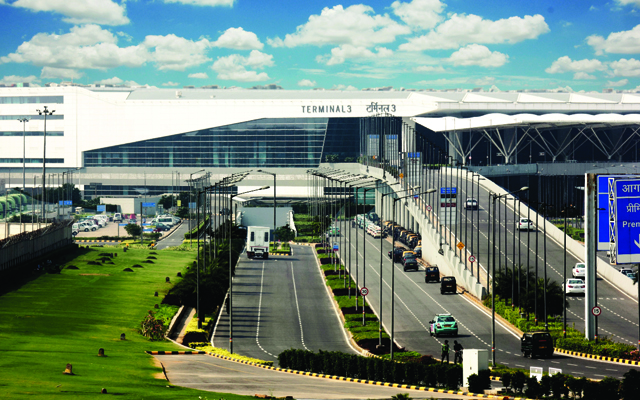












Chalet Hotels Limited (CHL) has been awarded the contract by Delhi International Airport Limited (DIAL) to develop a hotel at Terminal 3 of Indira Gandhi International Airport (IGIA).
The five-star hotel will have 350 to 400 rooms, and is expected to be commissioned in 2026 or earlier. It will be CHL’s ninth hospitality property in the country and first in northern India.
One of the busiest airports in Asia, IGIA received 67.3 million passengers in 2019, and with the resumption of travel, saw 10.2 million passengers in April and May this year.
Sanjay Sethi, managing director and CEO, CHL, said: “We are excited about our entry into the NCR and north India as a part of our stated strategy. We look forward to working with DIAL and best of the hotel brands to create a marquee asset in the airport district of New Delhi.”
GMR Group’s CEO Aman Kapoor commented that the development of the hotel at IGIA is set to “provide a significant benefit to transit passengers, both domestic and international”.