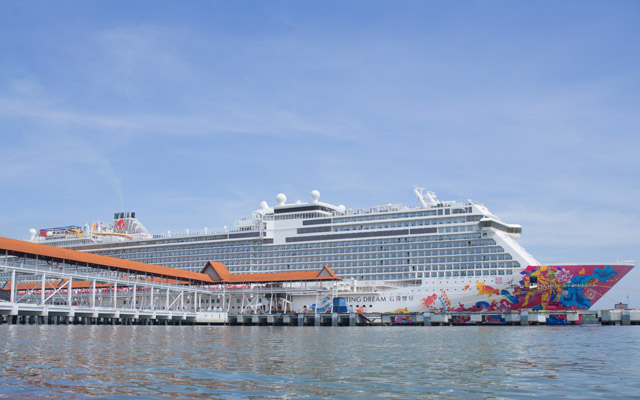
Resorts World Cruises (RWC) has launched the new season for Genting Dream with cruise itineraries from Singapore, starting May 5, 2024 to April 13, 2025.
The latest season will introduce a new schedule with convenient timing for embarkation from Singapore three times a week.
Genting Dream’s new season will include itineraries sailing from Singapore; Genting Dream at Port Klang Cruise Terminal, pictured
During this period, vacationers can choose different cruise itineraries from Singapore, including the two-night Weekend Getaway Cruises departing every Friday; two-night Kuala Lumpur Cruises every Sunday, and the three-night Phuket Cruises or Penang-Kuala Lumpur Cruises every alternate Tuesday. The arrival and departure at each port of destination are also better timed to provide guests with ample opportunity to enjoy local attractions and activities.
Cruises from Kuala Lumpur are also available every fortnight, which include the three-night Singapore-Penang Cruises departing Mondays and the four-night Singapore Cruises departing Thursdays.
“With strong demand for the Genting Dream in the region and from the Fly-Cruise segment, we are pleased to announce our latest season of itineraries that will have convenient boarding timing and destination port time, which will elevate our guests’ experience in Phuket, Kuala Lumpur and Penang,” said RWC’s president Michael Goh.
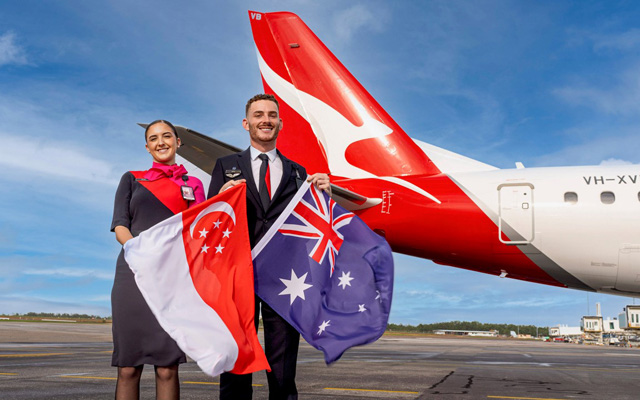
Qantas will launch a second international route from Darwin, with direct flights from the Northern Territory to Singapore, this December.
The airline last operated direct flights between Darwin and Singapore in 2006.
Qantas will fly direct from Darwin to Singapore from December this year
From December 9, flights will initially operate five days per week, increasing to daily from March 2025.
The new service will add more than 60,000 seats on the route each year. It will provide those from the Northern Territory with a direct Qantas option to Singapore as well as a seamless connection to London and other destinations across Europe or Asia with partner airlines.
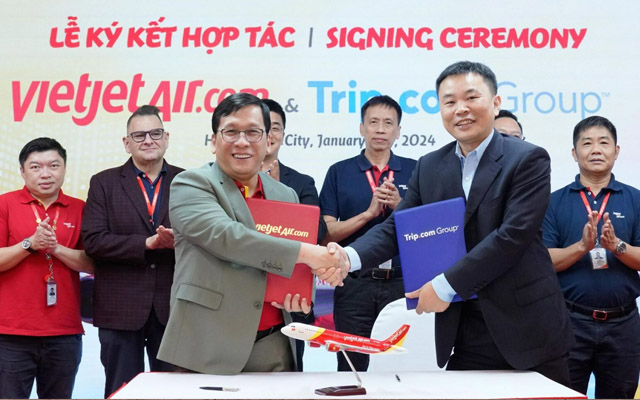
Vietjet Air and Trip.com Group have signed a Memorandum of Understanding (MoU) to leverage the expertise and resources of both parties to make travel easier and more convenient for travellers around the world.
This will be achieved through various initiatives, such as offering Trip.com Group’s products – including hotels, airport transfers, attractions and activities – to Vietjet customers. The group will also provide Vietjet with innovative technologies, such as the Virtual Interline solution to widen Vietjet’s global network footprint, and also share valuable insights to empower Vietjet to make informed decisions to optimise customer experience.
From left: Trip.com Group’s Yudong Tan and Vietjet’s Dinh Viet Phuong
Furthermore, the data integration initiative will enable customers to enjoy numerous benefits from both parties’ loyalty programmes. Members of Vietjet SkyJoy and Trip.com Rewards can accumulate reward points to exchange for gifts, flight tickets, and other incentives from abundant third-party products and services.
Yudong Tan, CEO, flights, Trip.com Group, said: “We have worked with Vietjet before on successful campaigns to promote Vietnam as a destination of choice for travellers, and believe our mutual commitment to prioritising customer satisfaction is a testament to both companies’ customer centricity.”
Muwa Niseko, Japan
Muwa Niseko is a new resort in Hokkaido offering 113 guestrooms, including ski-in/ski-out guestrooms and suites with hot springs.
The resort has two restaurants, Hito By Tacubo, and Sukiyaki Hiyama. There is also a spa, and the infinity onsen where guests can enjoy views of Mount Yotei.
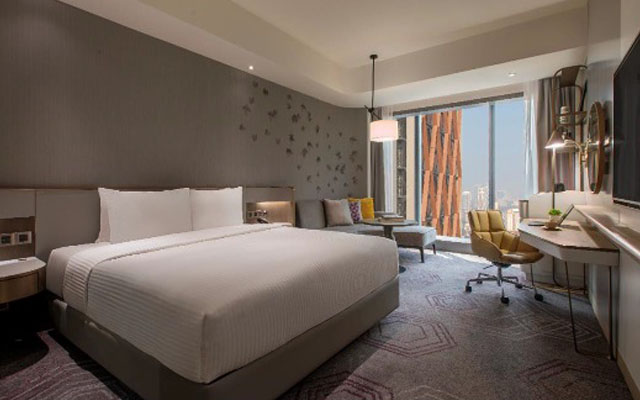
Crowne Plaza Kuala Lumpur City Centre
Crowne Plaza Kuala Lumpur City Centre, Malaysia
The 320-room Crowne Plaza Kuala Lumpur City Centre is located in the heart of Malaysia’s capital city and within walking distance to the KLCC business and shopping districts.
The rooms and suites offer a versatile experience with distinct zones, ensuring a perfect balance between work and relaxation.
Facilities include a lobby lounge and bar, co-working lounge, rooftop infinity pool, fitness centre, F&B, and event venues.
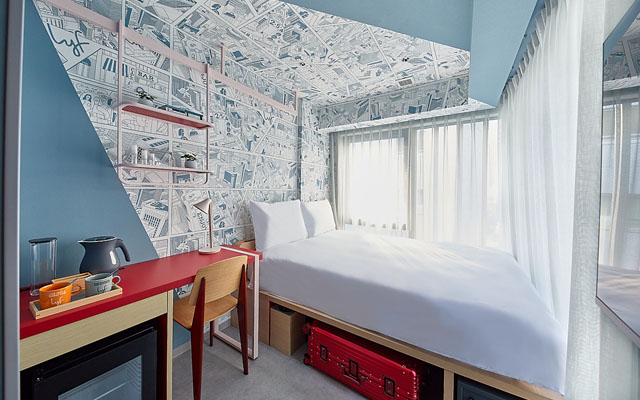
lyf Ginza Tokyo
lyf Ginza Tokyo, Japan
Just a one-minute walk from Kyobashi and Takaracho subway stations and a seven-minute walk from Tokyo station is the newly opened lyf Ginza Tokyo. The hotel’s location also provides easy access to Ginza, Asakusa and Tsukiji.
lyf Ginza Tokyo will offer 140 guestrooms in a variety of sizes, from compact studios to larger two-bedroom rooms.
The property includes a co-working space and communal lounge, social kitchen, launderette, gym, as well as a café and bar on the ground floor.
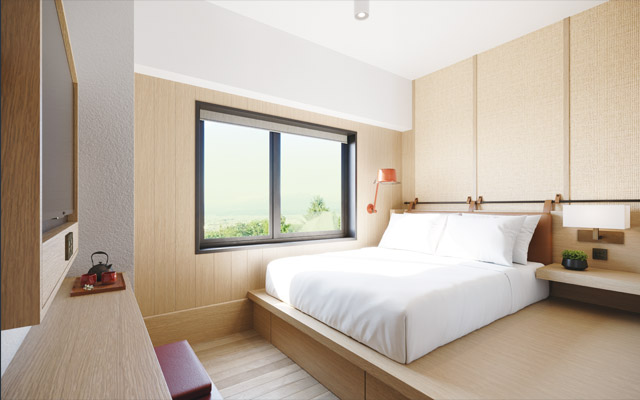
Nozo Hotel
Nozo Hotel, Japan
Nozo Hotel is a winter ski resort situated near the powder snow and snowboarding slopes in Kitanomine, Furano. Aside from winter, the hotel also offers biking, hiking, and water rafting activities in the summer.
The 78-room hotel features Superior and Deluxe rooms for two, and larger Family Rooms and Junior Suites for families. It also has a restaurant onsite, as well as a bar lounge, bakery, communal hot water baths, sauna, gym, kids’ playroom, coin laundry, ski lockers, shop, and event venues.
The property is a two-hour drive from Sapporo’s New Chitose Airport and a one-hour drive from the domestic airport at Asahikawa.
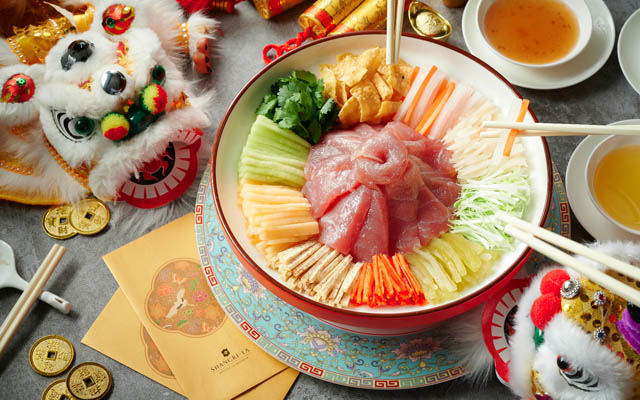
Hong Kong’s Island Shangri-La invites guests to immerse themselves in a celebration to welcome the year of the Dragon this Chinese New Year (CNY) with two new room packages, both priced from HK$5,800 (US$741).
The Dragon in Full Swing package takes guests across Victoria Harbour in a traditional Chinese junk, and treats them to performances by the Khuan Loke Dragon & Lion Dance performers from Malaysia, and the Xi’an Acrobatic Troupe.
Island Shangri-La offers two stay packages and a host of CNY feasting and activities this Chinese New Year
On February 11, guests are also invited to enjoy the Chinese New Year Fireworks Display Party to revel in the fireworks display from Island Shangri-La’s Harbour Room – which has uninterrupted views of the skyline – while enjoying live entertainment and Hong Kong market-themed snacks, Moutai ice cream and champagne.
The Dragon in Full Swing package includes daily breakfast, dining credits, and exclusive access to all the CNY experiences across all three Shangri-La Hotels in Hong Kong.
Families staying at Island Shangri-La over CNY can also book the action-packed Family Getaway package for a stay in a Family Room with two adults and two kids. This package offers lots of fun experiences to keep the kids busy, such as a Family Workshop and a CNY-themed Treasure Hunt at Hong Kong Park, as well as access to the Aberdeen Marina Club Kid’s Club. Daily breakfast and dining credits are also included.
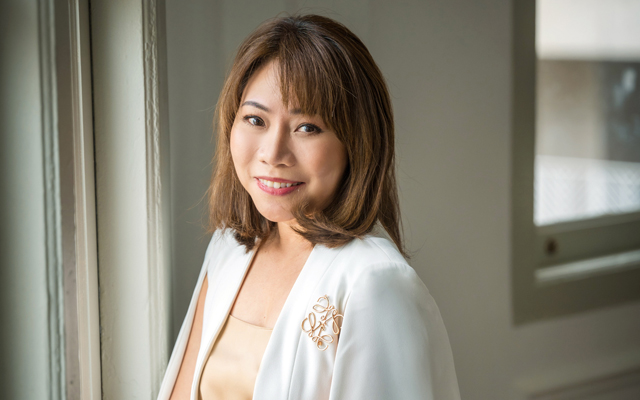
The Travel Corporation (TTC) has appointed Koo Sok Hoon as the marketing communications director for TTC Asia.
She will lead the development and execution of TTC Asia’s marketing and communications strategy, planning and implementation of new marketing initiatives, alongside exploring and activating new partnerships.
Bringing a wealth of experience and expertise to TTC Asia, she has previously headed various marketing roles in luxury brands from automobile, hospitality, timepieces to fashion.
Japan Airlines (JAL) has named its first female president, Mitsuko Tottori. She first joined in 1985 as a flight attendant and rose through the ranks to senior management over the years.
She will take over from current president Yuji Akasaka starting April 1.
Mandarin Oriental, Singapore has appointed Jill Goh as general manager, making her the property’s first female to hold this position.
A veteran hotelier with over three decades of experience in the global luxury hospitality industry, she brings a wealth of expertise and knowledge in hotel operations and management to her new role.
Having previously been the resident manager at Mandarin Oriental, Singapore, she rejoins the Singapore property from The Landmark Mandarin Oriental, Hong Kong where she also served as general manager.
Steve Odell has been appointed chief sales officer of Regent Seven Seas Cruises.
With over 35 years of experience, Odell rejoins Regent and brings with him a wealth of experience in the luxury travel industry having most recently tenured for Regent as senior vice president and managing director of the Asia-Pacific region for seven years.
He will be responsible for the sales organisation including maximising opportunities across all booking distribution channels and deepening valued travel partner relationships.
Skyscanner has unveiled its latest campaign, Everywhere Agency, connecting travellers with five record-holding travellers who have visited every country in the world.
Travellers can explore tips offered by the Everywhere Agents through the Everywhere Guide, or speak to these five travellers by making free, one-to-one virtual appointments.
Hui: inspire travellers to explore new destinations, help them expand their horizons, and create more unforgettable memories. Photo: Rachel AJ Lee
At a recent event, when queried about who had access to this Everywhere Agent feature, Cyndi Hui, Skyscanner, commercial director, APAC, told TTG Asia: “The (virtual appointments are) available in 14 different countries. In Asia-Pacific, it is available in Australia, Singapore, India, and South Korea. However, the guides are accessible to travellers globally.”
Everywhere Agents include Singaporean Basanth Sadasivan, who at the age of 25, became one of the youngest people to visit every country in the world; Renee Burns, a world-record holder for travelling to the most countries in a year in a wheelchair; and Rachel Davey and Martina Sebova, the first Australian and Slovakian women to have travelled to every country in the world, all achieved on a daily budget of A$50 (US$33).
Hui shared that since the Everywhere Agency campaign was rolled out in the UK a few weeks ago, it has been “very popular”, and she expects it to be well-received in Asia-Pacific too.
In addition to the virtual appointments, the Everywhere Guide will be an online widget on Skyscanner that shares responses to frequently asked questions, based on each Everywhere Agent’s personal experience. Questions include “Where’s the most memorable night out?”, “Where should everyone try a once-in-a-lifetime activity?”, and more. The Everywhere Guide also displays a Trip Snapshot for every suggested destination, showing the lowest flight and hotel prices, and the cheapest day to travel, for any selected month of 2024.
This campaign was inspired by Skyscanners’ Everywhere search, a tool that helps travellers discover destinations – not thought about previously and ordered by price – from thousands of travel sites.
“This is a value-add for travellers. These days, travellers are very influenced by social media, and films and TV shows they consume. We launched this campaign to inspire travellers to explore new destinations, help them expand their horizons, and create more unforgettable memories,” she said.
Overall, Hui pointed out that “demand for travel out of Asia-Pacific is really, really strong”, with Skyscanner reporting more travellers booking trips at least 90 days in advance.
“Singapore’s travel search volume during the period (between) December 26, 2023, and January 2, 2024, rose by 13 per cent compared to the same period last year. For South Korea and India, this is even higher, closer to the 40 per cent mark,” she added.



 Bringing a wealth of experience and expertise to TTC Asia, she has previously headed various marketing roles in luxury brands from automobile, hospitality, timepieces to fashion.
 She will take over from current president Yuji Akasaka starting April 1.
 Having previously been the resident manager at Mandarin Oriental, Singapore, she rejoins the Singapore property from The Landmark Mandarin Oriental, Hong Kong where she also served as general manager.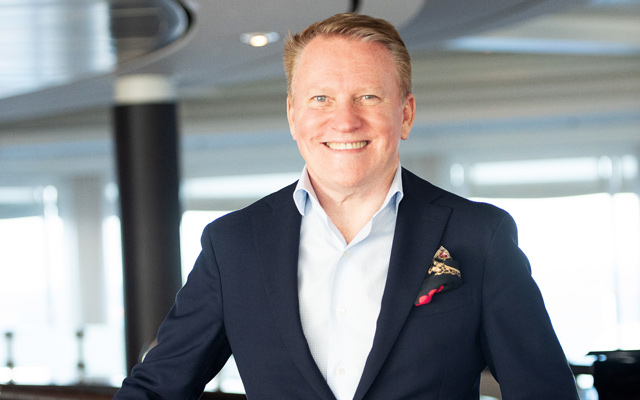
 He will be responsible for the sales organisation including maximising opportunities across all booking distribution channels and deepening valued travel partner relationships.