TTG Asia
Asia/Singapore Monday, 15th December 2025
Page 399

PwC study highlights Traveloka’s contribution to Indonesia’s tourism ecosystem

0

A socio-economic impact study released by PwC Indonesia revealed that Traveloka is making significant social, environmental, and economic contributions to Indonesia, Malaysia, Singapore, Thailand and Vietnam.

While Traveloka’s primary economic contribution is within the tourism sector, its activities also extend to other sectors such as agriculture and energy, indicating a broader economic involvement.
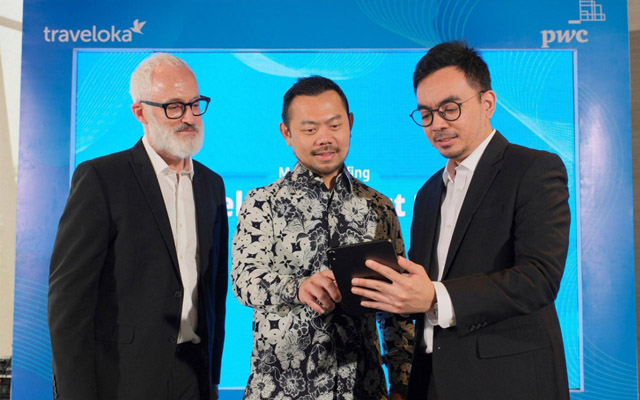
From left: PwC Indonesia’s Julian Smith, Traveloka’s Caesar Indra, and PwC Indonesia’s Radhiyan Irwansyah

The study highlights Traveloka’s role in stimulating an increase in Indonesia’s Gross Value Added across a four-year period, accounting for approximately US$10 billion between 2019 and 2022. Of this amount, the tourism sector accounted for more than US$4.5 billion, contributing 2.7 per cent to the sector’s GDP. This contribution played an important role in aiding the post-lockdown recovery of the travel and tourism sector in the region.

The study by PwC Indonesia highlights Traveloka’s impact as the platform enables its partners in Indonesia to unlock access to new global audiences and innovate to diversify revenue streams. 86 per cent of businesses who participated in the study agreed that Traveloka has helped to accelerate their business growth in the Travel & Tourism, Food & Beverages and Lifestyle sectors. Respondents reported an average of 50 to 75 per cent growth in sales after partnering with Traveloka.

Furthermore, 67 per cent of businesses based in off-the-beaten-track destinations reported experiencing positive trends in visits to their businesses after partnering with Traveloka, with 77 per cent agreeing that Traveloka has helped them promote domestic tourism. In addition, 62 per cent agreed that Traveloka has helped increase their competitiveness against businesses in other destinations. Among women-owned businesses, 85 per cent agreed that Traveloka has helped them promote their products and services, reach more customers, and obtain higher revenue from online sales.

PwC Indonesia’s director Julian Smith commented: “This study measures the ripple effect that Traveloka’s operations have on various sectors in the region. It is encouraging to witness a tech unicorn not only thrive but also catalyse positive change in the South-east Asia region.”

Traveloka not only established more direct, sustainable partnerships with suppliers in South-east Asia and fostered more profound relationships with travel partners, but is also committed to conducting its business responsibly and ethically to reduce its direct and indirect environmental footprint, both internally and externally. In fact, Traveloka has incorporated a filtering option labelled “Sustainable Tourism” within the app, allowing users to select the Carbon Offset Checkout on their flights and accommodation options certified by the GSTC.

Caesar Indra, president of Traveloka, shared: “We engage with millions of travellers daily, and this PwC Indonesia study quantifies for the first time our sizeable contribution to Indonesia’s economy through powering innovation, driving growth for local businesses, and job creation.

“As we continue to grow our presence around the region and the world, we remain committed to serving our customers, and delivering positive and sustainable impact in Indonesia for the long-term.”

WATG reveals five trends shaping the hospitality landscape in 2024

0

With the return of travel, consumer preferences and expectations have evolved as indicated by the increased demand for all things responsible yet purposeful. This heightened sense of self-awareness and personal lifestyle has triggered changes in the way hospitality stakeholders personify their brand promise.

Integrated luxury hospitality designer WATG reveals five emerging trends that will shape Asia-Pacific’s hospitality industry in shape the hospitality industry in the months ahead.

Rissai Valley, a Ritz-Carlton Reserve nestled in Jiuzhaigou, China, was the host venue for a high jewellery exhibition curated for high-net-worth travellers

Luxury brand collaborations fuelled by the experience economy
WATG observed a growing prominence of luxury fashion and lifestyle brands within the hospitality space as they seek to capture growth in the ‘experience’ economy by aligning their brands with aspirational High-Net-Worth Individuals’ (HNWIs) recreation and way of life. Some examples include the emergence of pop-up beach clubs like Fendi Puente Romano and Dior Bali, exclusive suites within famed hotels such as the Bentley Suite and Dior Suite at St Regis NYC, entire luxury hotels like Bulgari, Armani, and Baccarat, and the proliferation of branded residences by such brands.

WATG’s collaborations with Bulgari and the newly-opened JW Marriott Jeju Hotel & Resort in Jeju, South Korea, showcase the timeless glamour and heritage of the renowned Italian watch and jewellery maker, as well as the Louis Vuitton Deep Time luxury jewellery exhibition held at Rissai Valley, a Ritz-Carlton Reserve nestled in Jiuzhaigou, China – Ritz-Carlton’s first all-villa resort.

Private members clubs targeting daycations sector
Growth in concept with the line blurring between hotel and club is observed as hotels now turn to the local community for patronage. An array of amenities is activated to create club-like concepts for these daycations. The subscription model these clubs are based on offers hotels more diversified and stable revenue streams than from transient trade. Rosewood, Six Senses and Aman are all opening private clubs for local residents integrated within urban hotels. At the same time, there is growth and innovation from the traditional private members club space targeting specific market segments with increasingly curated offering comprising a guestroom component or offering retreat concepts away from the city.

Branded ecosystems
Hotel operators are extending their services and brands beyond traditional hotels into other adjacent lifestyle concepts. This includes the branding and operation of a range of synergistic components within an urban mixed-use development including residences, wellness hubs, serviced offices and private members clubs. Accor, for example, has launched a dedicated service line Accor One Living to focus on the development, operation and branding of these mixed-use spaces with a focus on creating complementary experiences under a single brand for a range of users from guests, onsite residents to the local population. Hotel operators are also continuing to expand their presence into non-hotel leisure experiences through the branding and management of standalone vacation rentals, superyachts and private jets.

Scaled-up accommodation
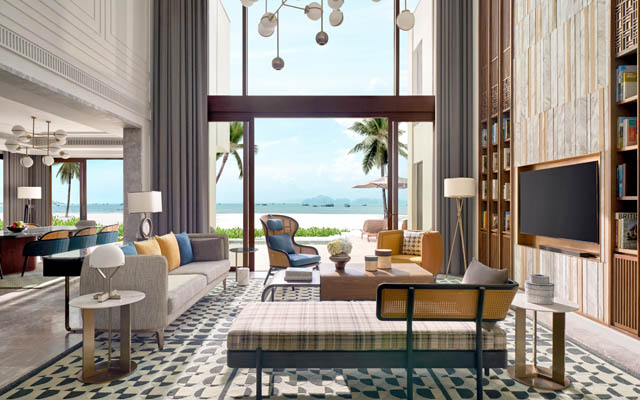
The post-lockdown trend for multi-generational and blended travel is having a demonstrable impact on the demand and supply for larger accommodation typologies within a resort setting. Hotels are being designed today with a greater consideration for this market. Larger villas are making up a greater proportion of total inventory. Family-friendly in-villa amenity is being bolstered while flexibility to cater to the different needs of a travel group is being designed into the product. This growing transient multi-generational demand dovetails neatly with the growth of branded residences, creating an all-round beneficial scenario from a cashflow and end user demand perspective.

Amenity innovation to go against the conventional
As the experience economy enters a new phase, there is an arms race underway in the hospitality sector for amenity programming that helps destinations to stand out from the crowd. Developers are going to extra lengths, investing in wow-factor concepts that capture the imagination and place the destination on the map. Leveraging the unique context of each destination, including natural assets and local cultural themes, is central to anchoring amenities and providing one-of-a-kind experiences that cater to growing expectations for authenticity. Partnerships with third party specialist operators, brands and celebrity endorsed concepts are also adding a new dynamic and visibility to the destination offering that speaks directly to the targeted guests. Be it kids’ clubs, sports and fitness facilities, wellness programming, cultural experiences and translating through into the F&B offering and poolside experience, each new resort requires a new layer of thinking in terms of experience curation through the guest stay.

“As the hospitality landscape evolves in Asia-Pacific, we must rethink what this means to us, to our clients, their guests and to the planet. It is imperative that we continue to innovate as we strive to respond quickly to market needs, to elevate guest experiences and recapture revenue to optimise returns for our clients. Backed by a thorough research-led framework, our deep understanding of what today’s travellers seek allows us to set new standards for what guests can expect in a new era. We believe that these trends don’t just guide our clients to build a more resilient business model but also shape our industry to ensure we can keep on thriving in 2023 and beyond,” said Guy Cooke, associate principal and studio director of advisory services, WATG Singapore.

Collinson, Visa to ease flight delay woes with airport lounge access across Asia-Pacific

0

Collinson has teamed up with Visa to offer eligible Visa cardholders in Asia-Pacific instant access to premium airport lounges in the event of flight delays or cancellations.

Collinson’s SmartDelay will provide customers with instant benefits without the need to complete a claim form. It will allow travellers to enjoy lounge access, including complimentary food and beverages, once notified of the delay or cancellation.

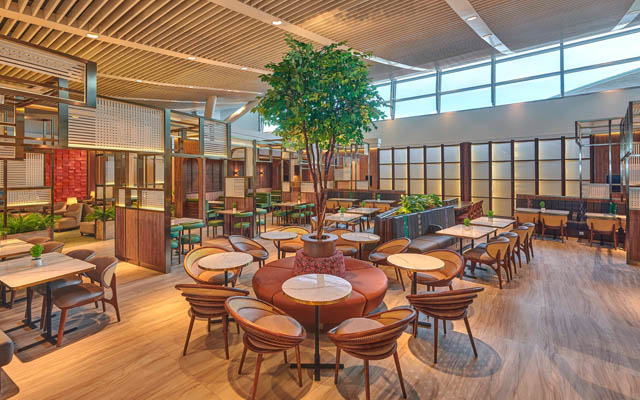
Eligible Visa cardholders in Asia-Pacific will get instant access to premium airport lounges in the event of flight delays or cancellations; Plaza Premium Lounge at Kuala Lumpur International Airport, pictured

Insights from Collinson’s recent Asia-Pacific customer engagement and loyalty research report, The New Rules of Engagement: Customer Expectations Revealed, found that travellers regard lounge access as the number one most desirable travel benefit at the airport.

By equipping travellers with SmartDelay, it automatically addresses a pressing pain-point and improves cardholder service by immediately easing the pain of flight delays or cancellations.

Todd Handcock, global chief commercial officer and Asia-Pacific president at Collinson, shared: “With travel across Asia finally open, there’s no better time than now to ensure that your customers are fully covered when they choose to travel. We know that flight delays and cancellations are extremely stressful, and through SmartDelay, we aim to provide an easy solution to alleviate some of the stress and give travellers a place to relax and enjoy the benefits of the airport lounge.”

Conor Lynch, head of consumer solutions, Asia-Pacific, Visa, said: “Flight delays and cancellations are often an inevitable and frustrating aspect of travel for many consumers – our collaboration will offer eligible Visa cardholders with the assurance that they will be well taken care of if they face flight delays or cancellations before the start of any trip.”

Emirates ramps up services to Hong Kong and Sydney

0

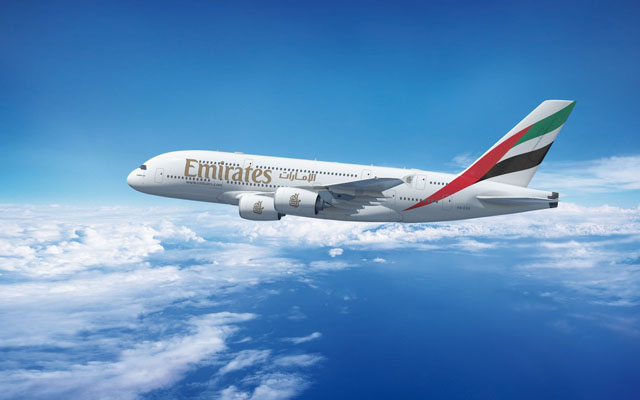
Emirates has announced a third daily flight from Dubai to Hong Kong, which will complement its current two direct services, operating with a short stopover in Bangkok.

The airline will also be upgrading its services to Sydney to an all-A380 operation, committing nearly 2,000 extra weekly seats with the upgrade to its double-decker aircraft on its third daily flight, starting November 4.

Emirates will fly thrice daily from Dubai to Hong Kong

The Emirates A380 service will replace the Boeing 777-300ER currently being deployed, adding more than 260 extra daily seats and more connection opportunities to and from Dubai. The third service will complement the two existing Sydney routes.

Emirates currently operates thrice daily Melbourne and Sydney services, flies twice daily to Brisbane, and daily flights to Perth. It has also reintroduced services from Melbourne to Singapore, in addition to connecting Sydney with Christchurch.

In addition, the airline will soon return to Adelaide in the summer of 2024 with the introduction of the Emirates Airbus A350.

Etihad Airways adds daily services to Kuala Lumpur

0

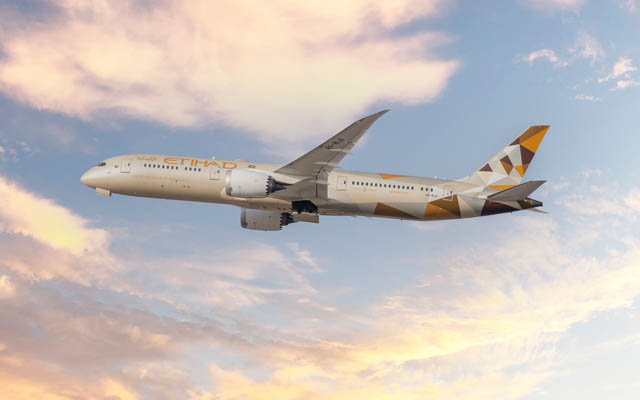
Etihad Airways will be adding a second daily flight between Abu Dhabi and Malaysia’s capital Kuala Lumpur from January 15 next year, bringing a total of 14 daily services per week between both cities.

Etihad Airways will now fly twice daily between Abu Dhabi and Kuala Lumpur

Both daily frequencies will be operated on a state-of-the-art Boeing 787-9 Dreamliner aircraft.

Hiroshima Prefecture takes aim at Asian markets with new initiatives

0

The Hiroshima Tourism Association (HIT), which takes charge of destination promotion for the Japanese prefecture, is intensifying efforts aimed at Asian travel markets, with the launch of the HIT Hiroshima Tourism Ambassador programme and an adventure tourism push into the Seto islands.

The Hiroshima Tourism Ambassador calls on travellers who are fans of the prefecture and first-movers in travel ideas to share their destination discoveries with communities around the world using various media channels. Approved tourism ambassadors will be invited to monitor tours and be given an appointment letter plus their own official business cards.

The Seto islands boast many activities, such as scenic cycling, pictured

The programme was first introduced in October 2020 to both the domestic and international markets. Despite not being actively promoted then, the programme has since gained 18,000 tourism ambassadors. More is being done now to call for registrants – a community site for HIT Hiroshima Tourism Ambassador was launched in Taiwan last year while the same was created for Singapore this year.

Yamabe Shotaro, chief producer and executive director of HIT, hopes that these travel influencers will impress upon potential visitors that the prefecture has far more exciting and endearing tourism experiences than what the public has come to know of Hiroshima.

Yamabe told TTG Asia: “There are some strong preconceptions about Hiroshima as a tourist destination. It isn’t just Hiroshima’s atomic bomb history that influences travellers programme choice; many only know of Miyajima (for its iconic giant torii gate that is partially submerged at high tide) even though the prefecture has so many other amazing islands in the Seto Inland Sea; many come to eat our oysters and okonomiyaki (savoury pancakes cooked on a hot plate), but we also have very good local beef and fresh seafood, just to name a few.”

To entice deeper exploration of its many destinations among Asian travellers, HIT is kicking off a campaign that highlights island-hopping around the Seto Inland Sea.

“Seto islands are the best charm of Hiroshima Prefecture. Not only do they have stunning scenery, they are also part of the prefecture’s long and established history,” he opined.

“Our culture and history may attract the more experienced travellers, while our scenery may appeal more to the younger ones. Our Seto islands, however, are so versatile that they are suitable for all ages. The islands boast culture, history and scenery, and as a bonus, offer a variety of signature local produce, good food and great sake,” he added.

Yamabe: Seto islands are the best charm of Hiroshima Prefecture

He defines adventure tourism as one that combines activity, nature, and community interactions.

“Adventure tourism isn’t all about energetic activities,” he said. “Hiroshima’s popular sport is currently stand-up pedalling and shower climbing (climbing up a flowing river). However, glamping in the mountains and coastal areas is also a form of adventure, and so is a journey to the local markets to meet local producers and pick up the morning’s harvest before learning to cook a local meal.”

With the introduction of the deluxe high-speed sightseeing cruise line, Sea Spica, three years ago, Yamabe believes that it is easy for international guests to get around the Seto Inland Sea and discover interesting islands like Okunoshima, which is also known as rabbit island; Setoda, a town that offers a plethora of activities, from lemon picking to scenic cycling; and Mitarai, where traditional Japanese architecture has been preserved to offer visitors a peek into the past.

Yamabe said: “We intend to communicate this to the Asian markets. Asia is not the prefecture’s top source market; Europe and the US are, and promotions have traditionally been focused on these two regions. We are working to step up attention on Asia – specifically Singapore and Hong Kong – while maintaining our commitment to Europe and the US. This will allow us to grow our international arrivals and spread demand across the prefecture.”

Hiroshima currently ranks in the 35th to 40th range in terms of share of the Asian traveller market in the whole of Japan.

“This only means the prefecture has a lot more room to grow,” he remarked.

Furthermore, to build interest in longer stays and deeper exploration of the prefecture, HIT is collaborating with airlines, local train companies, and tour operators to create innovative travel packages.

HIT will carry these messages of welcome and creative touring ideas when it participates in overseas travel fairs and international travel trade shows. It is also planning its second B2B trade engagement event for this year.

Trip.com Group anticipates soaring travel bookings for China’s golden week

0

China’s eight-day Golden Week holiday, which combines the Mid-Autumn Festival and the National Day holiday, is set to drive booking consumption as Trip.com Group’s data reveals. Outbound travel orders in China increased nearly 20 times, and domestic travel increased more than four times over the Golden Week period this year, compared to the same period in 2022.

With this Golden Week being the first long holiday since the resumption of international travel, outbound travel has experienced a significant surge in growth.

China’s outbound travel has experienced a significant surge in growth with the upcoming Golden Week

During the country’s National Day holiday, overall orders have increased nearly 20 times year-on-year with popular countries for outbound travel, including Thailand, South Korea, Malaysia, Singapore, Australia, the UK, and more.

More bespoke and previously untravelled destinations are on the rise for this holiday, with Uzbekistan, Azerbaijan, Georgia, Sri Lanka, Kenya and other countries experiencing the highest increase in group tour orders compared with the same period before the pandemic.

It is worth noting that users’ outbound travel consumption has increasingly changed, with travellers more willing to pay for in-depth experiences and high-quality services.

Globally, the volume of five-star bookings for the Golden Week period have surged compared to the same period last year – by 562 per cent in South-east Asia, by 559 per cent in the Middle East, and by 379% in Europe.

Moreover, in Europe, the volume of first class and business class flight seats have increased by 300 per cent for this year’s Golden Week period compared to the same period last year.

Jane Sun, CEO, Trip.com Group, said: “This year’s holiday season reflects a strong desire among travellers for unique and immersive experiences. We’ve observed a significant shift towards high-quality services and in-depth travel encounters. Travellers are not just exploring popular destinations but also seeking authentic and off-the-beaten-path experiences.”

Private tours, with independent groups and flexible itineraries, are more popular among users during National Day. Trip.com Group’s data shows that National Day outbound private group tour orders increased significantly by more than two times compared with August this year.

In addition, with Hangzhou hosting the Asian Games later this year, it will help spur domestic travel as well.

Overall, order booking volume during the National Day holiday has increased by more than five times year-on-year. Air ticket booking volume also increased by nearly five times year-on-year, and hotel booking volume increased by more than eight times year-on-year.

Meanwhile, the proportion of inter-provincial travel orders reached 73 per cent, an increase of 10 percentage points compared with the same period in 2022, and nearly 20 per cent of users chose to stay for three or more days.

Popular destinations for long-term travel are focused around the north-west region, suitable for autumn tours, such as Burqin, Urumqi, Lanzhou, and Dunhuang, as well as Sanya, Guangzhou, Xiamen and other places in South China with pleasant climates.

TAT Star awards gild travel entrepreneurs for embracing sustainability

0

The Tourism Authority of Thailand (TAT) has launched the Sustainable Tourism Acceleration Rating (STAR) project to enhance sustainable tourism and augment Thailand’s standing as a sustainable destination, aligning with the United Nations’ 17 Sustainable Development Goals (SDGs).

A collaboration with the Ministry of Tourism and Sports and the Ministry of Public Health, the STAR project is an upgrade to the Amazing Thailand Safety & Health Administration (SHA) certification scheme launched in 2020 to elevate health and safety standards during the pandemic.

The inaugural TAT Star certificate award ceremony was held on August 25

It is an integral part of Thailand’s strategic vision to cultivate a tourism sector that places a premium on both safety and sustainability, not only escalating Thailand’s global appeal in tourism as a destination for responsible travel, but also conserving its cultural heritage and natural allure for subsequent generations.

In order to enhance the sustainability framework for local travel entrepreneurs, travel entities are asked to rate themselves across four key dimensions in the tourism ecosystem, consisting of economic, social, environmental, and good governance factors.

Entrepreneurs who pass SDGs 13, 16 and 17 – Climate Action; Peace, Justice & Strong Institutions; and Partnerships for the Goals – earn three stars, while those who pass the aforementioned SDGs plus any other six SDGs are awarded four stars. To earn five stars, establishments must adhere to SDGs 13, 16 and 17 plus another nine or more goals – 12 or more total.

Enterprises adhering to the programme’s self-assessment criteria earn the Sustainable Star certificate, which is valid for two years.

The inaugural TAT Star certificate award ceremony was held on August 25, and recognised over 80 entrepreneurs meeting the project’s sustainable tourism standards.

Since the programme’s launch on August 16, 179 establishments have already applied and passed the criteria. The TAT Star website lists all entrepreneurs who have passed the criteria to date, with 132 entities having earned a five-star rating.

Marriott International signs three new hotels in Indonesia

0

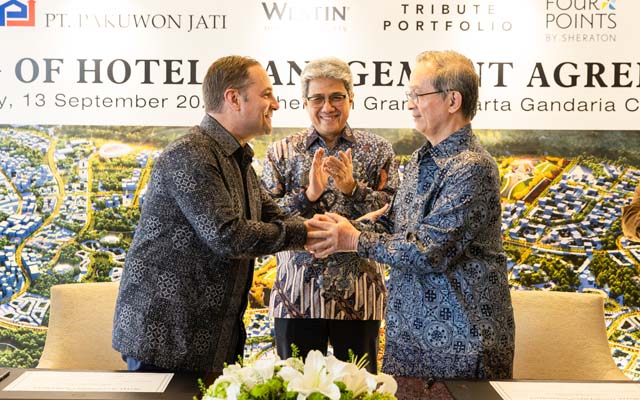
Marriott International has signed a hotel management agreement with Indonesian real estate developer Pakuwon Jati to open three properties in Indonesia’s new capital city, Ibu Kota Negara Nusantara (IKN).

The multi-deal agreement was signed by Marriott International’s president and CEO Anthony Capuano and Pakuwon Jati’s president commissioner Alexander Tedja.

The multi-deal agreement will see the launch of three properties in Indonesia’s Ibu Kota Negara Nusantara

Ramesh Jackson, area vice president, Indonesia and Malaysia, Marriott International, said: “This milestone signing underscores our commitment to strategically expand our footprint in Indonesia, and we are pleased to also support the local government’s efforts to accelerate the country’s economic transformation especially with the designation of Indonesia’s new capital city (IKN).”

Marriott expects to debut three brands – Four Points by Sheraton, Westin Hotels & Resorts and Tribute Portfolio – in the highly anticipated destination, featuring transformational experiences and destination-rooted authenticity.

“We are certain that through this project, we will inspire travellers to embark on new journeys to Indonesia’s new capital city,” shared Alexander.

Slated to be the first of these three openings, Four Points by Sheraton in Nusantara is expected to have 300 rooms with facilities including an outdoor pool, function spaces with natural daylight, and a gym.

Meanwhile, the Westin in Nusantara is anticipated to have 200 rooms and suites, three restaurants, three bars and lounges, function spaces, meeting rooms, swimming pool, fitness studio, spa, and a kids’ club.

Tribute Portfolio in Nusantara plans to have 150 rooms and suites, including a signature destination dining venue, a café, pool bar and lobby lounge and an outdoor swimming pool, gym and spa.

Apart from these new business deals, Marriott International in Indonesia recently launched Amarterra Villas Resort Bali Nusa Dua, Autograph Collection. With 42 private-pool villa properties, it is the second Autograph Collection in Bali and the third in Indonesia.

Ivan Widarmana, vice president hotel development at Marriott International, told TTG Asia that currently, Marriott has some 40 projects in the pipeline in Indonesia which are slated to open in the next five to seven years.

“The ones that are to open this and next year are the Four Points by Sheraton Bintan, Manado Marriott (Resort and Spa) in North Sulawesi, (Hurun Beach Resort by) Marriott, Lampung and Ta’aktana Labuan Bajo,” he noted.

The Bintan property will have 300 rooms with eight beachfront villas, while the 355-room Manado Marriott Resort and Spa will be the first five-star property in the Likupang Special Economic Zone, one of Indonesia’s five super priority destination developments.

Ta’akana Labuan Bajo, a Luxury Collection, which is targeted to open 1Q2024, will have 70 keys including sea villas, family suites and oversized rooms.

In the meantime, Hurun Beach Resort by Marriott Lampung is targeted to open 1H2024 with 162 rooms.

Expedia expands features, products to aid travel planning

0

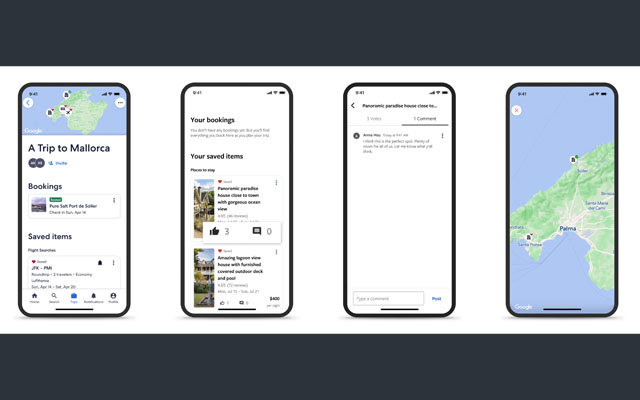
Expedia’s Autumn Release 2023 highlights a collection of new features and products that reinvents how travellers discover new places, collaborate with friends and family, and get quick AI-generated answers to common travel questions.

Travellers can now discover new places and ways to plan on the Expedia app with new features and products. For example, the Trip Planner enables travellers to collaborate and engage with friends and family on a trip where both saved options and booked items are shared across the group; and dynamic travel guides that provide insights into hotel prices, weather conditions, and crowd levels for the most visited cities in the world.

The Expedia app has new features and products that will reinvent how travellers plan their trips

Others include amenity answers, which uses generative AI to sift through guest reviews to share their experience of the amenities at a hotel or vacation rental, as well as answer property queries. Both of these features are currently available on the Expedia app in English language only.

There is also a flexible date search which gives travellers the ability to find the best accommodation options by length of stay and time of year.

In addition, self-service features have been simplified: travellers can add their hotel booking information to Apple Wallet and Google Wallet; they can also add breakfast to a hotel reservation when available, any time up to a day before check-in.

“Expedia Group invented online travel more than 25 years ago with the goal of using technology to empower travellers around the world. In the past few years, we’ve doubled down and invested massively in the latest tech capabilities using AI and machine learning to accelerate our innovation to better serve the millions of travellers who come to us every day,” said Peter Kern, vice chairman and CEO, Expedia Group.

“Our new intelligent discovery and planning features are designed to address traveller pain points, allowing our members to easily plan, book and enjoy travel across our apps.”

All features and products included in Autumn Release 2023 will roll out on the Expedia app by the end of 2023 globally.