TTG Asia
Asia/Singapore Tuesday, 13th January 2026
Page 1742

New hotel openings: August 29 to September 2, 2016

0

The latest hotel openings and announcements made this week

wyndham_grand_phuket_kalim_bay

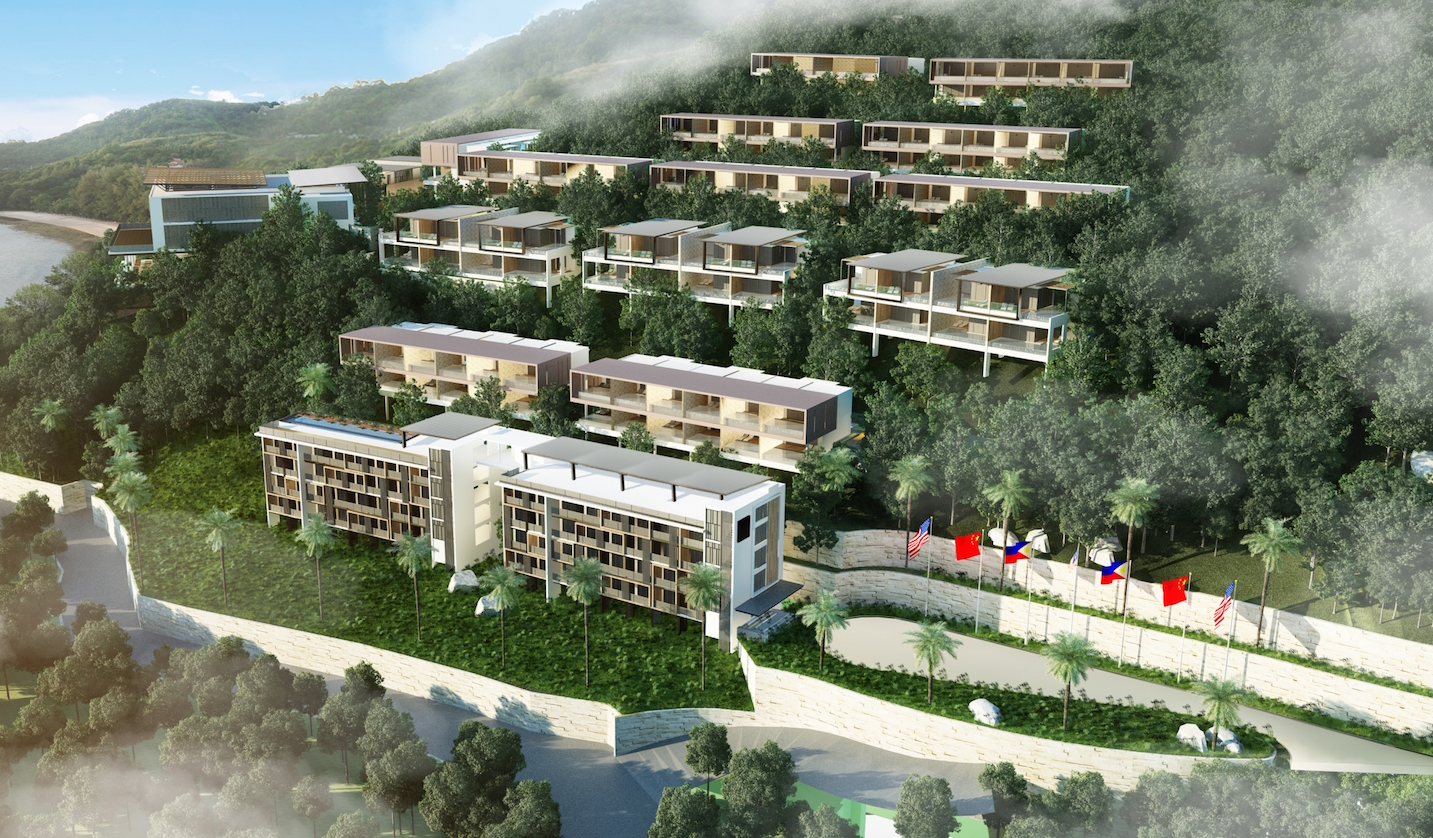
Wyndham Grand Phuket Kalim Bay
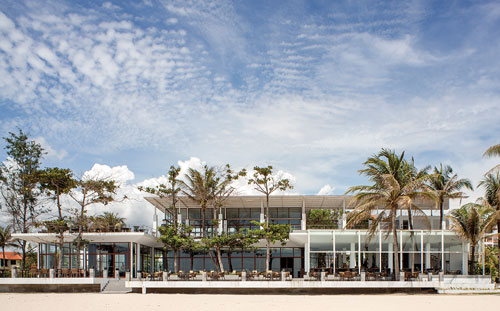
Wyndham Hotel Group is bringing the Wyndham Grand brand to South-east Asia with the opening of the 214-key Wyndham Grand Phuket Kalim Bay in November. The mixed-use luxury development is located just north of Patong Beach nestled on the edge of a cliff boasting views of the Andaman Sea. Rooms range from 48m2 suites to expansive villas featuring outdoor sundecks and infinity pools. Other facilities include two F&B venues, a spa, gym, kids club and a grand ballroom suitable for gala dinners and casual business meetings.

mercure_shanghai_hongqiao_airport

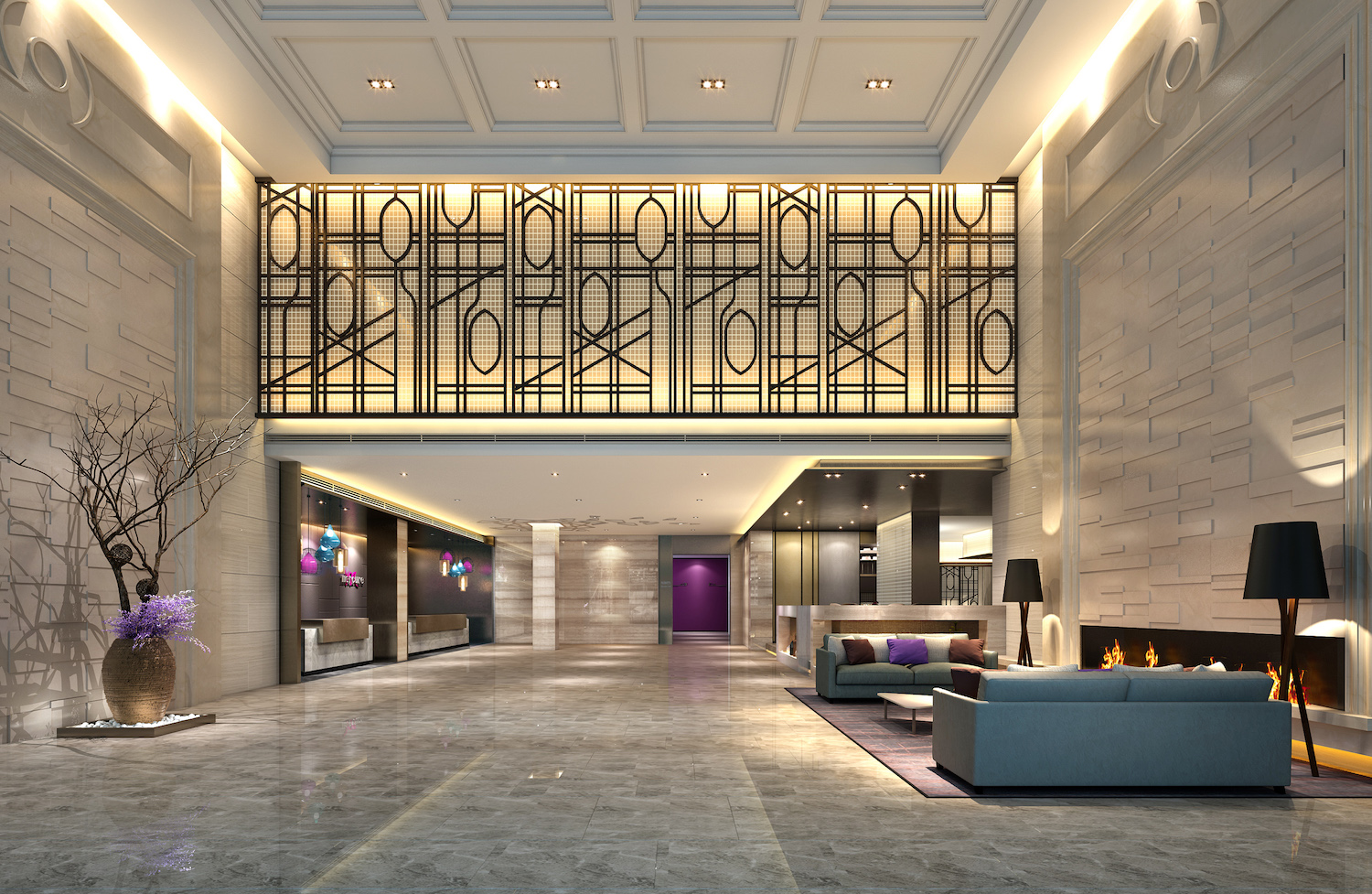
Mercure Shanghai Hongqiao Airport
AccorHotels has renovated the former site of Junrui Hotel Shanghai into the 224-room Mercure Shanghai Hongqiao Airport, located opposite Hongqiao International Airport Terminal 1. The midscale hotel, opened on August 28, features design elements with a mix of local and French themes. Amenities include a restaurant and bar offering Chinese and International cuisine, as well as a gym, kids club and self-service business centre.

artwork by obilia

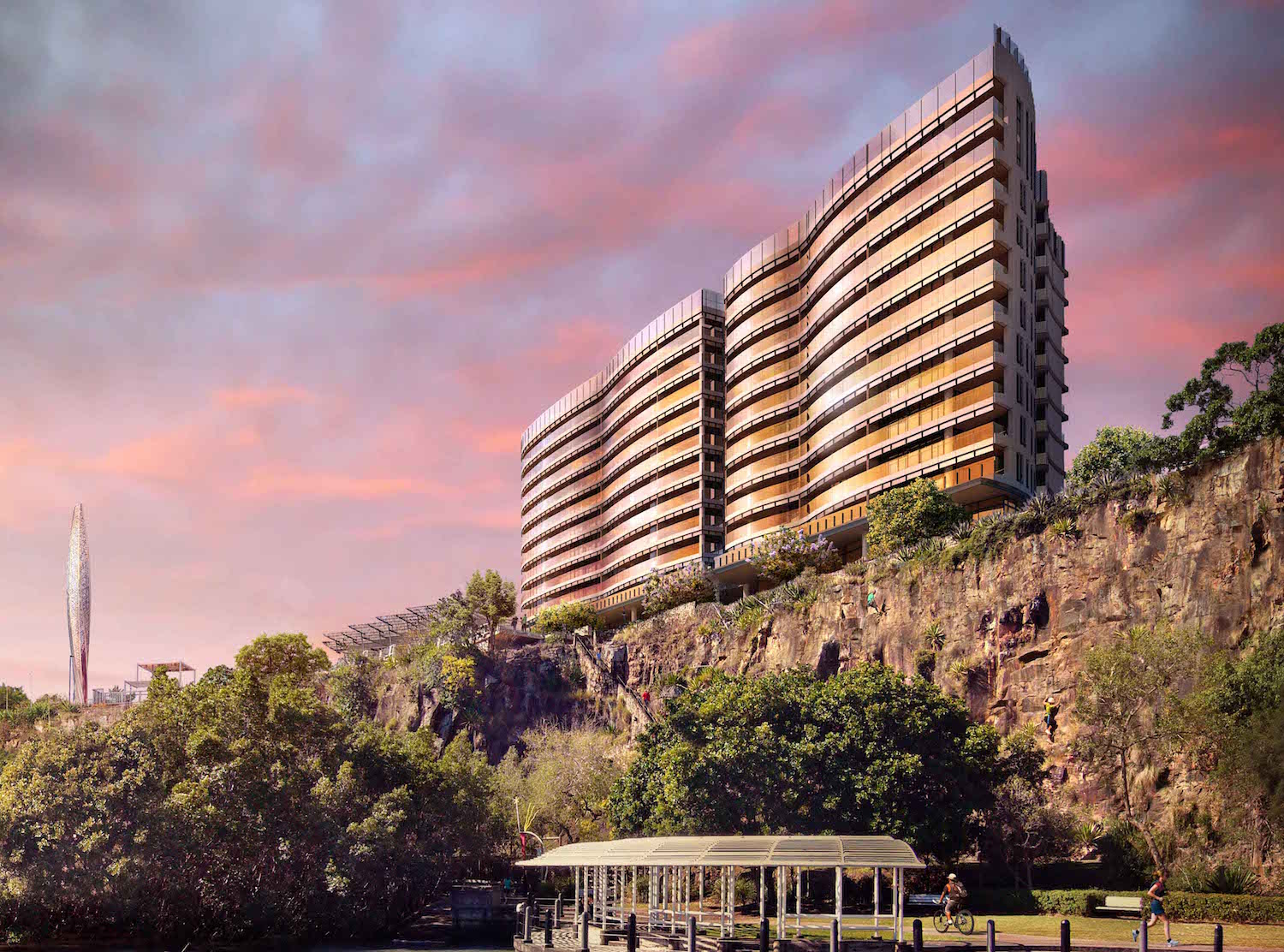
Banyan Tree Residences Brisbane
The Banyan Tree Group has began construction of its first residence project in Brisbane. The 76-unit, A$150 million (US$113 million) development is located at Kangaroo Point on a 2,200m2 plot of land. Units comprise four penthouses (250-631m2), three with rooftop infinity pool and private garden terrace, 27 three-bedroom apartments (170-244m2), and 45 two-bedroom apartments (109-172m2). Facilities include 24-hour concierge service, a Banyan Tree spa, various F&B venues, rooftop garden, infinity pool, gym and private function spaces.

MATTA tackles manpower shortage with new training programme

0

hamzah
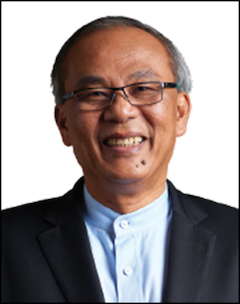
Hamzah Rahmat

THE Malaysian Association of Tour and Travel Agents (MATTA) is tackling the shortage of frontliners in the tourism industry by introducing an 18-month training programme known as the National Dual Training System.

The course combines classroom learning with practical training and is endorsed by the government’s skills development department.

Hamzah Rahmat, president of MATTA, explained: “Apprentices spend only 20 to 30 per cent of their time in a training centre. For the rest of the programme, they are attached to a travel or tour company for work-based learning under the supervision of specially trained coaches, who are members of MATTA.

“Upon completion of the programme, successful apprentices will be certified competent in inbound and outbound tour operations, reservations and ticket handling, tour transportation handling, sales and marketing as well as tour leading.”

Recruitment begins today, September 2, at MATTA Fair Kuala Lumpur and the first intake of 20 will begin the programme in January. The number of intakes will depend on demand for the programme.

Those who complete the programme can further upgrade their qualification by taking courses that lead to a Malaysian Skills Diploma.

Japan plans to reduce landing fees for domestic flights

0

airplane-landing

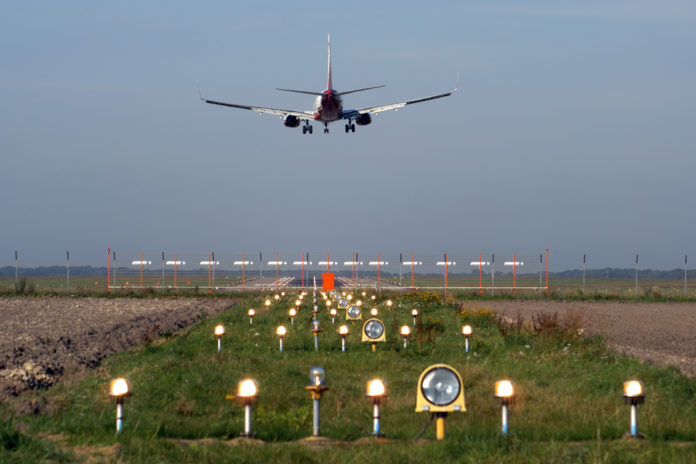
THE Japanese government will be dramatically reducing landing fees for domestic flights serving some of the nation’s more remote airports in order to encourage foreign tourists to explore more of the country.

Landing fees for domestic flights into Japan’s more far-flung destinations will be reduced by a minimum of 10 per cent while some airports will have their fees slashed by as much as 50 per cent.

The initiative has been welcomed by travel companies with operations outside the primary destinations of Tokyo, Kyoto and Osaka.

“Anything that the authorities can do to reduce the costs associated with getting to Japan would be extremely helpful to us and the rest of the tourism industry,” said Paul Christie, CEO of specialist hiking company Walk Japan.

“A lot of the airports that they have built up and down the country are not being used to anywhere near their full capacity and I hope this would encourage more low-cost carriers to expand their operations within Japan,” he said. “For us, an initiative like his cannot come soon enough.”

The transport ministry is also looking into reducing landing fees for international flights into some regional airports.

Landing fees are calculated according to aircraft weight and noise levels, with a Boeing 767, for example, carrying 175 passengers charged around 200,000 yen (US$1,936) to land at an airport operated by the national government.

The ministry expects airlines to pass on the reduced fees to passengers in the form of lower ticket prices.

Details of the proposal are to be discussed before the end of the year and the new tariffs could be introduced for the start of Japan’s new fiscal year on April 1.

Israel goes big in India with marketing campaigns, roadshows

0

tel-avivTel Aviv, Israel

ISRAEL’s ministry of tourism has stepped up marketing efforts in India with a focus on digital and television campaigns that kick-started in August.

The NTO also organised its maiden roadshow in India covering Mumbai, New Delhi, Kolkata, Bengaluru and Chennai last month with plans to introduce an online training programme for travel agents in the next few months.

“It is our first major advertisement campaign in India that we have designed to cater to high-end and experienced travellers. We are investing around 7 million shekels (US$1.8 million) on the campaign,” said Hassan Madah, director, Israel Ministry of Tourism, India.

The tourism board had engaged with Indian travel agents before. Now, the NTO hopes promote different segments.

“We are looking to highlight our offerings for segments like adventure, incentive, spa and wellness. Also, many new hotels are coming up in Israel. So we are planning to introduce a new training programme for Indian travel agents that will include all this information,” said Madah.

The NTO is also in talks with Air India to begin direct flights to Tel Aviv. Israel’s second largest carrier Arkia has shown interest to operate flights to India as well, and at present is awaiting delivery of three Dreamliners before beginning operations.

“Connectivity is a major challenge for the growth of tourist arrivals from India. We believe that once new sectors open up for direct connection between the two countries, there will be a healthy increase in tourist arrivals from India,” added Madah.

At present, El Al Israel Airlines is the only one operating direct flights between Mumbai and Tel Aviv.

Israel recorded about 40,000 Indian tourist arrivals last year. It is expecting a 10 per cent increase in foreign arrivals from the market this year.

WTTC calls for entries for Tourism for Tomorrow Awards 2017

0

t4t_awards_2017_rgb

THE World Travel & Tourism Council (WTTC) is calling all travel and tourism businesses to present their sustainable initiatives for the Tourism for Tomorrow Awards 2017.

This 28th edition of the annual awards will feature five categories for applicants, namely Community; Destination; Environment; Innovation; and People.

“Through the Tourism for Tomorrow Awards 2017 we shall highlight the commitment of the travel and tourism sector to the Sustainable Development Goals adopted by all 193 member states of the United Nations in September 2015,” said David Scowsill, president and CEO, WTTC.

“Companies and organisations that enter for these awards can show governments and other tourism organisations how growth and successful business models go hand in hand with the safeguarding of local communities, the environment and cultural heritage.”

Fiona Jeffery OBE, former chairman of World Travel Market and founder and chairman of the international water aid charity Just a Drop, will be chairing the awards for the third time.

Graham Miller, chair in sustainability in business at the University of Surrey, will oversee an independent judging and on-site evaluation process carried out by an international panel of experts representing academia, non-profit organisations, government and the private sector.

The finalists will be announced in January 2017 and the winners will be awarded during the WTTC Global Summit 2017 in Bangkok, held from April 26-27, 2017.

Applications can be submitted online. Entries close on November 14, 2016.

Alexandre de Juniac begins work as IATA chief

0

alexandre-de-juniac
Alexandre de Juniac

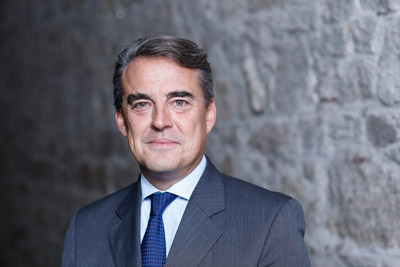
CHAIRMAN and CEO of Air France-KLM, Alexandre de Juniac, has officially taken office as director general and CEO of IATA, succeeding Tony Tyler who is retiring from the post after five years in service.

De Juniac was confirmed by the 72nd IATA Annual General Meeting in June to be the seventh person to lead IATA. He started work yesterday, September 1.

“I am excited to be taking on this great responsibility. IATA plays a critical role in facilitating safe, efficient and sustainable global air transport. My aim is to ensure that IATA continues to deliver the value that our members and partners rely upon,” said de Juniac.

“IATA’s mission is to represent, lead, and serve the airline industry with global standards. For me that means we must use change as a catalyst for innovation to please customers and contribute positively to the business of our members.”

He further emphasised the need for industry stakeholders, especially governments, to recognise the value that aviation creates.

“The numbers are clear. Air transport supports an impressive 63 million jobs and some US$2.7 trillion in economic activity. But that’s only a part of the value that aviation creates,” he added.

“Our industry is in the business of freedom. We help people to explore the planet, to do business globally, to bridge cultures with friendships and understanding, and to enjoy better lives through the prosperity that connectivity creates.”

Good tailwinds expected

0

Still reeling from the flight of Chinese visitors, Macau’s tourism sector is finding hope in new air links and infrastructural development.

sept-09-macau-shutterstock_163503404

New air links into Macau and the construction of mega-infrastructures like the Hong Kong-Zhuhai-Macau Bridge are promising to boost Macau’s accessibility and brighten its tourism prospects, alongside a flurry of new integrated resorts opening in the destination.

Launched in March 2016, Air Macau’s Macau-Fukuoka service became the third air link between Macau and Japan, in addition to the Tokyo and Osaka routes. The national carrier will increase its flight frequency from four to five times weekly from October 30 onwards.

A Macau Government Tourist Office (MGTO) spokesman commented: “The regular air service will help (us) further tap the Japanese market, one of Macau’s top international visitor source markets.”

In May, Royal Flight airline also commenced a twice-weekly charter service between Macau and Moscow. According to Macau International Airport’s (MIA) website, the Russian charter airline stepped up frequency for this service to thrice-weekly in July 2016.

“The new connection with Russia will definitely help open up a new market. Russians love travelling to Hong Kong and Macau in winter. Therefore, we’d start preparing for this market and (target) the mid-tier group tour and upscale FIT markets,” China International Travel Services, manager, Cooper Zhang said.

“Given there’s only a handful of Russian-speaking tour guides in town, we have managed to track down some and booked them in advance.”

Also interested to capitalise on the new route is Hong Kong-based HS Travel, which operates a branch office in Macau.

Said executive director, Hazen Tang: “We may ride on this new connection to push more high-end Russian incentives, but there isn’t any enquiry from Russia yet and I reckon it’s owing to the depreciation of the ruble.”

Despite the suspension of services from both Thai Smile Airways (since August 30) and TransAsia Airways (October 30), MIA has attracted four new carriers in 1H2016, namely VietJet, Lion Air, Royal Flight and Nok Air. Lion Air also launched Macau-Manado (Indonesia) charter services on July 4, 2016, providing three flights every two weeks.

“The cessation of routes may result in inconvenience and change of airfares due to lower seat supply and time slots, but I’m sure other carriers would take up the time slots. In fact, traffic from Thailand remains stable and I heard that Air Macau has just opened an office in Bangkok so we expect more happenings,” Zhang shared.

Tang also downplayed the effect of the suspended services: “The suspension affects us but visitors can easily (connect to Macau via) Hong Kong.”

Infrastructure wise, MIA’s new four-storey north extension will cover approximately 14,000m2 in total floor space and house facilities like an arrival hall, a departure lounge, commercial area, offices, a nursery, conference rooms and an emergency operations centre. The entire project is expected to be completed in 2Q2017.

Daniella Tonetto, general manager, sales & marketing for Sheraton Grand Macao Hotel, Cotai Central and The St Regis Macao, Cotai Central, added: “We look forward to the new Hong Kong-Macau-Zhuhai bridge and the opening of the Taipa Ferry Terminal. Both will rapidly accelerate the flow of travel into Macau and make travel more seamless and efficient, which is paramount for meeting and convention visitors.”

She continued: “Macau has always been fortunate to be within just a five-hour flight radius of many major cities. For those who choose to fly into neighbouring Hong Kong, which offers more connections, the Hong Kong International Airport (HKIA) provides ferry services directly to Macau. Upon arrival in Hong Kong, travellers (can bypass) immigration, go straight to the Sky Pier and take the one-hour ferry into Macau.”

Tonetto also favoured an increase in ferry frequencies between Macau and HKIA, as these would be beneficial for MICE travellers by reducing waiting time at the airport.

This article was first published in TTG Asia September 2016 issue. To read more, please view our digital edition or click here to subscribe.

All hail the new Bintan

0

Thanks to two new integrated resorts developments, existing properties in Bintan are also spurred to spruce up their hardware, benefitting the destination’s appeal overall.

sept-09-nelayan-ext-day_mg_1925

There was a time when Bintan was better known as a recreational add-on to concrete-jungle Singapore, but the progressive developments of two integrated resorts – Lagoi Bay and Treasure Bay – have expanded the attractions and accommodation selection, raising the island’s allure as a standalone destination.

Treasure Bay’s centrepiece, the Crystal Lagoon is South-east Asia’s first and largest recreational seawater body equivalent in size to 50 Olympic swimming pools. At this man-made lagoon, thrill seekers can swim, wakeboard, kayak and fly nine metres up in the air on a hydro-powered Jetovator, among other activities.

Bintan’s evolving landscape can also be appreciated from the comfort of an ultralight seaplane that takes a scenic route along the northen coast. Operated by the Air Adventures Flying Club, the experience has already earned a strong following among travellers.

The destination’s rich culture and heritage are also being spotlighted through Bintan Resorts Cakrawala Tours’ three new tours – Trail of the Sea Gypsies, Gods & Dragons and Islands of the Kings – led by experienced guides to help visitors understand the destination better.

Bintan Resorts International, which has been marketing these “new discoveries”, has plans to develop even more eye-opening island tours, according to director of marketing Asad Shiraz.

He said: “Very few destinations can stand only on their appeal of having good beaches and golf courses. Bali is not just famous for its beaches, neither is Phuket. Their appeal is strengthened by their ‘localness’, their people, history, and culture.

“Bintan, too, has historical stories to tell. It has religious, cultural and natural features that are unique, significant and attractive. The new tours are designed to showcase these and encourage visitors to explore the rest of Bintan.”

Besides dangling more fun lures, Bintan’s two upcoming integrated resorts also comprise new properties to satisfy different budgets and accommodation desires.

The four-star, 130-key Swiss-Belhotel Lagoi Bay is currently completing its second hotel tower, which will add 27 one- and two-bedroom apartment-style guestrooms and more restaurants to its inventory. The two-year-old hotel recently rolled out an entertainment centre with a 30-seat movie theatre, a games area, a fishing facility on the edge of Lake Lagoi, and a new fleet of jetskis and banana boats.

The Sanchaya, an ultra-luxe colonial estate which has almost single-handedly put Bintan on the global luxury travel map, presents 21 villas and nine suites across 9.6ha of land.

The property has been attracting “a lot of attention” from Russians, the British and Australians, revealed Fay Gauna Lugue, director of sales at The Sanchaya.

“We have had many international celebrities staying with us, as well as a Middle Eastern royal family and its entourage that took our Vanda Villa presidential suite,” she added.

Also, The Canopi features 41 safari tent-suites lining the massive Crystal Lagoon, making it a hit with families, youth travellers and corporate event planners looking for fun in the sun.

Completing the current round-up of new accommodation on the island is Lagoi Bay Villas, which opened in May to feature five one- or two-bedroom villas with plunge pools. Its full inventory of 25 villas will be ready over the next two years.

The upcoming developments have, meanwhile, spurred existing hospitality players on Bintan into revamping their own offerings for a better fight.

Bintan Lagoon Resort has been undergoing an intensive renovation since 2015, starting with a rebranding in July and upgrading its Silk nightclub and Terrace Sports Bar. It also opened the Powerhouse Gym, Jungle Gym for kids and the 650-seat Fiesta housing three micro-restaurants within.

“These works have positioned the resort as a trendsetter in Bintan,” said Gerald Hendrick, vice president, business development and hotel operations, Bintan Lagoon Resort.

The 20-year-old Nirwana Gardens complex has also refreshed rooms in Nirwana Resort Hotel’s west wing in 2015 and opened the new PADI-certified Max’s Dive Centre in November.

Further renovations will be made to the east wing, Banyu Biru Villas, Indra Maya Pool Villas and Mayang Sari Beach Resort.

Recreational offerings will be enhanced too, with new and upgraded sports equipment coming online including the guided sunset and sunrise tours on ATVs and Ninebots.

Despite intensifying competition, existing resort chiefs agree that fresh products will help to raise awareness of Bintan. “(They) create a buzz for Bintan and boost tourist arrivals,” remarked Hendrick.

Alpha Eldiansyah, general manager of Banyan Tree Bintan, expects the new attractions to drive weekend arrivals to the island, as well as more repeat visitors and longer stays at his property and Angsana Bintan.

Eldiansyah said Banyan Tree Hotels & Resorts will add a third hotel to its collection in Bintan. Cassia Bintan is a residence-styled hotel with one- and two-bedroom apartments that come with a fully equipped kitchen and living room.

This article was first published in TTG Asia September 2016 issue. To read more, please view our digital edition or click here to subscribe.

Living the glory days

0

TTG Asia finds out why destinations should not rest on UNESCO laurels as industry players share how the coveted status interplays with tourism in the region

Singapore Botanic Gardens
Blossoming into maturity

sept-09-unesco-singapore

Established in 1859, Singapore Botanic Gardens was inscribed a UNESCO World Heritage Site in July 2015, marking a first for the city-state.

Highlights at this tropical garden paradise include the National Orchid Garden, home to the world’s largest orchid display with over 60,000 plants and orchids.

Nigel Taylor, group director at Singapore Botanic Gardens and National Parks Board (NParks), said: “Following its inscription, NParks is committed to sustaining Singapore’s green legacy through the gardens’ site management plan. Measures such as the protection of the gardens’ centuries-old trees have been set in place.”

There are also plans to add more orchid varieties to the National Orchid Garden, introduce a new Learning Forest and extend the Jacob Ballas Children’s Garden, he shared.

As well, the gardens in April announced it will develop a new Ethnobotany Garden to allow visitors to learn about plants used by indigenous cultures of South-east Asia.

Taylor added: “This will enhance the gardens’ role as an educational provider, which is in line with UNESCO’s mission.”

And since its UNESCO inscription last year, the gardens has recorded an increase in footfall, said Taylor, and now attracts more than 4.7 million visitors annually.

However, the garden does not rank top among Singapore’s must-sees, Ajambar Basmet, director of Chariot Travels noted, urging strong marketing to raise awareness of and leverage the gardens’ new UNESCO status.

Likewise, Samson Tan, CEO of GTMC Travel, wants more marketing to promote the gardens, especially at the ground level.He said: “The venue management needs to sit down with the NATAS inbound committee to brainstorm new marketing (activities) and get the industry to roll out (the initiatives in a concerted way).”

Reporting by Paige Lee Pei Qi


Great Barrier Reef, Australia
Wounded coast still a star

sept-09-unesco-australia

The world’s largest coral reef, which stretches over 2,000km along the Queensland coastline, continues to be a tourist magnate despite facing a current mass bleaching crisis.

Alex de Waal, CEO of Tourism Tropical North Queensland, said half of the visitors to the site are domestic but the number of international tourists is growing rapidly. Top source market China supplied approximately 200,000 visitors last year, followed by the US and Japan at about 130,000 and 100,000 respectively.

In recent months, the reef has reportedly been plagued with one of the worst coral bleaching crises in history with at least 35 per cent of corals in the northern and central areas killed.

Professor Terry Hughes, director of the ARC Centre of Excellence for Coral Reef Studies at James Cook University, stated: “This year is the third time in 18 years that the Great Barrier Reef has experienced mass bleaching due to global warming. The current event is much more extreme than we’ve measured before.”

Nevertheless, Waal emphasised that this environmental issue has “minimal impact on the tourist”.

“This doesn’t mean the death of the reef. It’s like having a sun tan, you get burnt but don’t die. Visitors are still able to see the beautiful colours of the reef.”

Caitlin Williams, a spokesperson from the Capta Group, agreed: “We still have huge numbers of people wanting to visit the reef and there is no change in any of the sites that they visit.”

Williams added that the reef remains a top “must-do” for any visitor to Queensland.

Likewise, Andy Indra, senior sales manager of Experience Tour Australia, said the reef is still a popular destination and with its identity as renowned UNESCO World Heritage Sites clearly cemented, there is no lack of awareness of this spectacular site.

Reporting by Paige Lee Pei Qi


George Town, Malaysia
A market for festivals

sept-09-unesco-penang

Penang’s George Town has undergone tremendous transformation from its 18th century beginnings as the first British Straits Settlement to become UNESCO listed in 2008 and globally recognised for its vibrant arts and culture scene.

In honour of the UNESCO designation, the George Town Festival was inaugurated in 2010. Every year, the month-long event transforms the city into a stage showcasing local and international acts. The festival attracts some 250,000 visitors annually, both domestic and international.

In addition to the George Town Festival, Penang island also boasts a trio of cultural festivals in the last quarter of the year – the George Town Literary Festival, In-Between Arts Festival and Penang Island Jazz Festival.

Its growing array of festivals aside, George Town’s UNESCO status is also deemed advantageous for tour operators.

“The branding is important as travellers will trust an internationally recognised brand more than they would a tour operator. It makes it easier for operators to promote,” Manfred Kurz, managing director, Diethelm Travel Malaysia, said.

Henry Ong, head of business development, Holiday Tours, agreed: “The branding is an endorsement by a world body and it is important for the Caucasian markets such as Australia and Europe since they are travelling from afar to come here.”

On what more can be done, Kurz said: “Most of our Penang programmes are based around its heritage. The local government should train more special guides to conduct heritage tours and special interest tours in George Town. There is also room for improvement on the maintenance of the old site.”

In 2015, Penang saw a 4.7 per cent increase in arrivals to 683,897 tourists, a feat considering the 6.3 per cent decrease in overall arrivals into Malaysia in 2015.

Reporting by S Puvaneswary


Khao Yai, Thailand
Lush tourism potential

sept-09-unesco-khaoyai

Located in Thailand’s north-east is the country’s oldest national park, Khao Yai, which was proclaimed a UNESCO World Heritage Site in 2005.

Covering more than 2,000km2 of forest and grassland, the park teems with natural life and features such as the Haew Narok Waterfall (left) where Leonardo Dicaprio’s famed jump in The Beach was filmed.

Travel operators interviewed see value in the park’s UNESCO status.

Pornthip Hirunkate, managing director – Thailand, Destination Asia, said: “The UNESCO brand is a useful selling tool in bringing the right kind of exposure – it is also attractive as people aspire to visit renowned destinations.”

Samuel Desmier, Abercrombie & Kent’s regional managing director for South-east Asia, commented: “It is always a huge draw for travellers planning their vacations in South-east Asia. It’s a stamp of approval from the foremost authority on culture and natural beauty, and travellers commonly believe that a UNESCO Site shouldn’t be missed.”

Khao Yai’s developments over the last 10 years have made it a destination “of potential” for the luxury tour operator.

Added Desmier: “If the vineyards in Khao Yai continue to develop, the area has the potential to become the Napa Valley of South-east Asia. (Together with) its UNESCO status and the small collection of boutique five-star properties such as Kirimaya and Muti Maya, we expect the area to shine in the next five years.”

But illegal land encroachment has become an issue for Khao Yai as it grows as a hillside resort location, with the Thai government recently clamping down on properties built in the national reserve.

Pornthip remarked: “Khao Yai is a unique destination in Thailand – currently the state of tourism in and around the park needs to be controlled for the ecological future of the park and its inhabitants.”

Reporting by Xinyi Liang-Pholensa


Angkor Wat Archaeological Park, Cambodia
A push for conservation

sept-09-unesco-cambodia

Angkor Wat is undoubtedly Cambodia’s largest tourist attraction, drawing more than 2.1 million visitors to explore the ancient temple complex in 2015.

Spanning over 40,000ha, the archaeological park in Siem Reap is home to hundreds of temples dating from the 9th to 15th century, including the iconic Angkor Wat, Bayon and Ta Prohm.

Agents say Angkor is Cambodia’s biggest selling point, with its World Heritage badge offering no additional incentive to travellers. “Angkor sells itself,” says Exo Travel’s Cambodia general manager, Pierre-André Romano, adding that 80 per cent of clients include Angkor in their itineraries. “The challenge is always to sell other elements of Cambodia.”

Likewise, Angkor also forms the centrepiece of Discover the Mekong’s itineraries, said CEO Kimhean Pich. However, the company has created tours that showcase the wider area of Siem Reap province to travellers. “We need to show there is more than just Angkor Wat,” he added.

Angkor’s World Heritage status – awarded in 1992 – has brought with it benefits, such as conservation and restoration efforts. During the last decade, decaying sections of Angkor Wat, Bayon Temple and Ta Prohm have been restored to their former glory, with work ongoing.

In June, the Cambodian government requested further help from UNESCO to assist with restoration training, claiming erosion, tourist traffic and pollution were creating a greater need.

In response to fears raised over whether the ancient structures can cope with heavy visitor volumes, the governing Apsara Authority has installed designated walkways and wooden steps to protect vulnerable areas and promoted the use of bicycles and electric bikes.

In May, all traffic was banned from the front of Angkor Wat to cut down on congestion.

Reporting by Paige Lee Pei Qi


Luang Prabang, Laos
Keeping development in check

sept-09-unesco-luang-prabangDubbed the best-preserved city in South-east Asia, Luang Prabang was designated a UNESCO World Heritage Site in 1995, but the status has not been particularly important in marketing the town.

“(The UNESCO status) is a plus and nice to have,” said Laurent Granier, co-founder and general manager of Laos Mood Travel. “But I have not noticed any agency and clients telling me they come to Luang Prabang because it is listed.”

Jon Bourbaud, Laos general manager at Apple Tree Group added: “The label is more important to ensure that future development does not happen too fast (and) bring negative impacts to Luang Prabang.”

Luang Prabang’s World Heritage Site status has helped to protect its rich architectural heritage, as regulations are placed on hotel sizes and buildings, remarked Bourbaud. He shared that Apple Tree Group’s new Parasol Blanc hotel, for example, cannot have a swimming pool due to its location is in a wetland area surrounded by natural ponds.

Granier believes the UNESCO label has helped attract newer markets like China and South Korea, especially with Lao Airlines launching new air routes to China.

But Luang Prabang’s pre-eminent status as a World Heritage site tends to overshadow other destinations in Laos.

Added Granier: “Luang Prabang has so much ‘charm’ that visiting anywhere after it is somehow challenging to propose. Sadly, Vientiane and other provinces do not have the matching profiles to be featured confidently.

“(That said), Luang Prabang is still too often the object of an extension from Bangkok or Hanoi,” he elaborated.

Reporting by Xinyi Liang-Pholsena


Puerto Princesa Subterranean River National Park, the Philippines
Ebb and flow of a famed site

sept-09-unesco-puerto-princessa

Home to the world’s longest underground river, the Puerto Princesa Subterranean River National Park does not draw the resounding praise from tourists and agents that one might expect.

The site has had its UNESCO badge since 1999 but it only found fame in 2012 when it was recognised under a separate accolade, the New Seven Wonders of Nature.

Tourists started arriving in droves, leading the city government to limit visitation to 800 pax a day or half the daily demand.

Still, this left some concerned about the environmental impacts of tourism and whether the UNESCO committee’s recommendations are being followed.

Although the use of audio guides in place of local boatmen has helped to minimise noise in the cave, Felise Cruz, marketing and operations manager of Trips Travel, opined that tours now are less interactive and do not offer the touch of local humour.

Cruz explained that Asians, in contrast to Europeans, are less awed by the attraction since neighbouring countries such as Malaysia, Indonesia and Vietnam share similar geography with the Philippines.

Wilson Techico, vice president for business and product development, Uni-Orient Travel, would like to see more activities introduced in the area so tourists can spend more time there.

It takes two hours to get from Puerto Princesa to the river but the river tour alone only takes about 45 minutes.

Techico said a programme packed with more activities can make the experience more memorable, adding that the few restaurants in the area serve just “basic” food.

Reporting by Rosa Ocampo


Sundarbans National Park, India
No roaring reception

sept-09-unesco-india

Inbound operators acknowledge that this UNESCO World Heritage site has far from met its full tourism potential.

“Until now Sundarbans has been projected (mostly) as the home of the royal Bengal tiger. The challenge is to reposition it in the international market as a magical world of mangrove, rivers, flora and fauna and a site for (ecotourism),” said Surajit Bose, joint director, tourism, government of West Bengal.

Trade sources shared that roughly 5,500 foreign tourists visited the park during last year’s inbound season.

Rajib Banerjee, director, East Wind Holidays, said international demand is weak due to inadequate marketing.

“Despite being a UNESCO site, Sundarbans received less traction compared to some other sanctuaries because of the lack of infrastructure and regional connectivity,” explained Dipak Deva – managing director, Travel Corporation, India.

“A lack of forest lodges, boats  and improper safety measures make it difficult to sell to foreign tourists,” added Ravi Gosain, director, Erco Travels.

Compounding the challenge is the lack of guides who speak foreign languages, both Amaresh Tiwari, managing director, AT Seasons & Vacations Travel and Arun Anand, managing director, Midtown Travels pointed out.

Nevertheless, the park’s UNESCO title brings a glimmer of hope. Tiwari remarked: “We always highlight (the UNESCO badge) in our brochures and marketing material to sell the destination.”

Also optimistic, Anand added: “There is a segment of international tourists who always keep in mind to visit such sites.”

Reporting by Rohit Kaul


Himeji Castle, Japan
Location matters

sept-09-unesco-japan

Among the most popular of Japan’s 18 UNESCO World Heritage Sites is the ancient Himeji Castle, also known as the White Heron castle.

A record number of over 2.8 million people visited the castle in the town of Himeji, Hyogo Prefecture in the financial year ending March 31, 2015, of which 306,348 were from overseas, nearly four times the figure of the previous year. The previous record of over 1.7 million visitors was set in 1964.

The UNESCO tag carries great weight for visitors to Japan. Shigeki Misawa of the sales division of inbound specialists Freeplus said: “In our experience, virtually all tourists coming to Japan on a package tour will go to at least one UNESCO site.”

However, agents expressed that there are other important factors such as location and proximity to other attractions.

“Himeji Castle is very popular with overseas groups because it is convenient to reach, while somewhere like Shiretoko is much harder to get to,” said Hayashi Nori, director of sales of Tokyo Asean Service.

He added: “Places like Shiretoko or the Iwami Ginzan Silver Mine in Shimane Prefecture have relatively few other attractions…  Groups will not be happy to travel for three hours just to see one thing.”

Nori opined there are ways to better capitalise on the appeal of UNESCO sites. “The national government and local authorities need to do more, such as providing information on how to get to the more remote sites or details on accommodation,” he said.

“It would (also) be helpful if local governments hold workshops for agents to inform us of additional attractions in their regions.”

Reporting by Julian Ryall


Kandy, Sri Lanka
Paving the way

sept-09-unesco-sri-lanka

Widely seen as Sri Lanka’s cultural capital, the pre-colonial kingdom is one of eight UNESCO World Heritage Sites in the country.

Famous for the 17th century Sacred Temple of the Tooth, the city is also home to the Kandy Esala Perahera, a 10-day Buddhist ceremony replete with elephants in ceremonial gear, dancers, drummers and stilt-walkers that parade the streets.

Rodney Armstrong, past president of the Kandy Hoteliers’ Association and resident manager at Mahaweli Reach Hotel – Kandy, said the city, 115km north of Colombo, has great potential of serving as a hub and destination for three-night stays if roads are widened and traffic congestion is alleviated. Currently, single-night itineraries are more typical of visits to the city.

Similarly, traffic poses the biggest problem in growing Kandy’s tourism for Colombo-based inbound agents like Mahen Kariyawasam, managing director of Andrews Travels, who added that the authorities have plans to build tunnels to help road users bypass the busy city centre.

Government plans include the widening of entry roads. A new four-lane highway from Colombo is on the cards, aimed at shaving the trip time from at least 180 minutes to 60-80 minutes.

Both Mahen and Armstrong also see value in adding a dance theatre to the city, which they suggested could be the cultural centre of the city where authentic Kandyan dances and other cultural events are showcased.

At least 80 per cent of foreign visitors to Sri Lanka visited Kandy last year, according to Sri Lankan Tourism.

Reporting by Feizal Samath


This article was first published in TTG Asia September 2016 issue. To read more, please view our digital edition or click here to subscribe.

Photo of the Day: GM of The Fullerton Heritage knighted

0

giovanni-fullerton
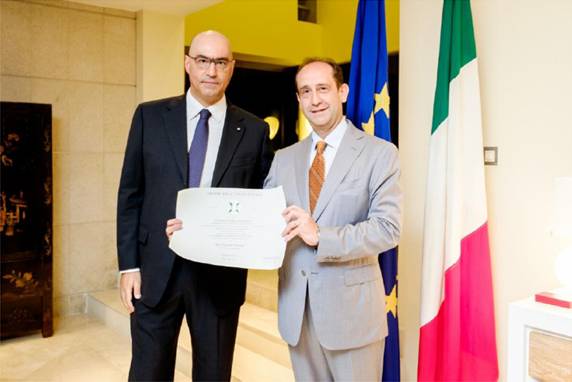
Giovanni Viterale (right), general manager of The Fullerton Heritage knighted with the Order of the Star of Italy

General manager of Singapore’s The Fullerton Heritage, Giovanni Viterale, has been honored by the president of Italy with the bestowing of the Order of the Star of Italy upon the hospitality industry veteran. Viterale was knighted on August 26 for his efforts in facilitating the promotion of friendship and cooperation between Italy and Asia.

The Fullerton Heritage comprises establishments The Fullerton Hotel Singapore, The Fullerton Bay Hotel Singapore, The Fullerton Waterboat House, One Fullerton, The Fullerton Pavilion, Clifford Pier and Customs House. The Fullerton Hotel was recently gazetted as Singapore’s 71st National Monument in December 2015.