TTG Asia
Asia/Singapore Monday, 29th December 2025
Page 1658

Tigerair Australia’s Bali exit not a big deal, says trade

0

tigerair-australia

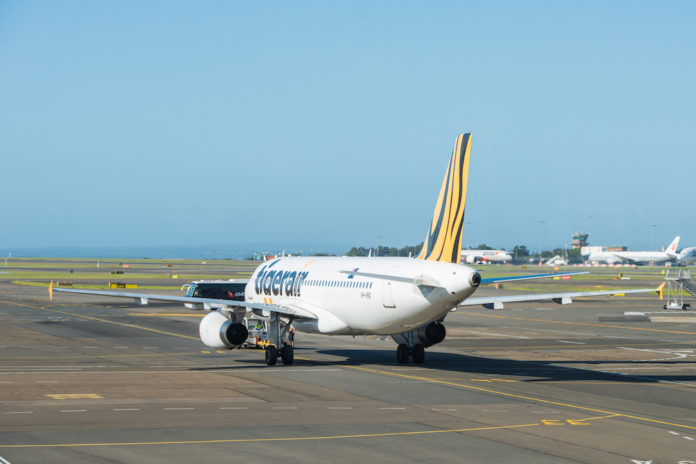
Tigerair Australia last Friday announced it would pull the plug on services to Bali after failing to get approval from the Indonesian authorities, but industry players are confident that despite an immediate impact from the reduced seat capacity other flight options are available to soften the blow.

Following the first cancellation of flights last month, the Virgin Australia subsidiary reportedly got the go-ahead to resume services from February 3, before announcing that it will permanently withdraw flights from Bali.

Pamela Ong, director of sales and marketing, The Stones – Legian, Bali, said: “The pullout will have an impact as Tigerair was a cost-effective option out of Melbourne, Adelaide and Perth. From Perth, the flight is less than four hours, so a lot of Australian would come to Bali for short weekend breaks.”

Yani Suwanda, cluster director of sales and marketing, Bali at Padma Hotels and Resorts, added: “Australia is a big market for us, with more than 50 per cent share of business, and (a significant) chunk of them arrive on Tigerair.”

As last-minute bookings tend to be more expensive, Yani said some clients who were meant to fly in on the cancelled Tigerair flights had postponed their trips due to the inability to find alternatives within their budget at short notice.

However, with the reduced seat capacity coming during the low season, there will be enough seats on the sector when airlines operate more flights during peak season, opined according to Nyoman Astama, chairman of Indonesia Hotel General Manager Association Bali.

As well, Jason Lim, COO of Smailing Tour DMC, is confident Bali will remain a go-to destination for Australians, with other carriers such as Garuda Indonesia, Jetstar and AirAsia also serving the Australia-Bali sector.

He noted that a growing number of Australian families visiting Bali are spending more on better hotels, restaurants and services, and are more willing to pay extra for full-service airlines. In comparison, a good portion of those affected by Tigerair’s flight cancellations tend to be younger travellers with weaker spending power.


Travel to US hit by Trump slump

0

donaldtrump

As American president Trump seeks to reinstate his executive order banning travel from seven Muslim-majority countries, Forwardkeys releases findings that the initial ban has deterred travel from other countries as well.

In the period of January 28 and February 4 after the executive order was signed, net bookings issued from the seven countries directly affected by the ban (Iraq, Syria, Iran, Libya, Somalia, Sudan and Yemen) were down 80 per cent on the same period last year.

Notably, when looking at wider international trends in bookings to the US, Forwardkeys discovered a 6.5 per cent negative variation compared with the equivalent period the year before, suggesting the turmoil over his ruling is putting those from outside the Middle East off travelling to the US.

This analysis excludes China and Hong Kong because of the seasonal effect from Chinese New Year.

Bookings from Northern Europe (-6.6 per cent), Western Europe (-13.6 per cent), Southern Europe (-2.9 per cent), the Middle East (-37.5 per cent) and Asia-Pacific (-14 per cent) were all down. Even after benchmarking against total outbound traffic from these region, the US still lost market share in all cases.

Demand for the US from Central/Eastern Europe and the Americas were up 15.8 per cent and 2.3 per cent respectively. However, when one looks at outbound travel from those two regions of the world, total travel was up 12 per cent from Central/Eastern Europe and 4.8 per cent from the Americas, making the increase in travel to the US less impressive.

On February 3 and 4, after federal judge James Robart placed a temporary block on the travel ban, bookings to the US from Iran saw a dramatic surge, five times higher than same two days last year. Most were for arrivals on February 5 and 6 and with lengths of stay of 22 nights or more.

Iran was the only country to see such a surge following the suspension of the ban, with ForwardKeys acknowledging that those entering the US could include US citizens/residents returning home from Iran. The study monitors trip origin rather than nationality of travellers.

Looking at forward bookings over the next three months, the seven banned countries are behind 15 per cent on last year, compared with a 10 per cent decrease observed on January 27, suggesting a worsening of a negative trend resulting from the travel ban.

Total international bookings for the US for the coming three months are currently 2.3 per cent ahead of last year. Just eight days before, they were running 3.4 per cent ahead.

Millennials targeted for PATA’s new membership category

0

pata-ytp

PATA has launched the Young Tourism Professionals (YTP) membership category along with a suite of benefits to support and develop students, an initiative that was earlier disclosed during PATA Travel Mart 2016.

Open to those aged 18-35 years enrolled at a certified educational institution, the new category provides members with the opportunity to connect to PATA’s industry network that includes NTOs, DMOs, online and offline influencers, airlines, tour operators, industry startups and hotels.

Benefits include 25 per cent discount on student rates for PATA annual events and on PATAcademy-HCD training programmes; scholarship eligibility from PATA and partners; priority consideration for PATA Intern and Associate Programme; plus complimentary PATA reports and publications.

The YTP programme was developed in consultation with current and previous intern associates as well as PATA Student Chapters.

Said PATA CEO Mario Hardy: “As we embrace 2017 as the International Year of Sustainable Tourism for Development, the development of Young Tourism Professionals is our primary focus. This new membership category strengthens our commitment to raise the voices of tomorrow’s tourism leaders.

“I encourage all students looking to grow their respective networks, insights and careers to join us and work with us to develop a more responsible and sustainable travel and tourism industry within the Asia-Pacific region and beyond.”

Future plans will include giving members access to the PATA Careers page to publish a resume and seek job opportunities from PATA International members; and the opportunity to participate in a new PATA Mentorship Programme.

Japan, Australia triumph over Europe for Asian travellers amid safety concerns

0

sydney-opera-house
Sydney Opera House

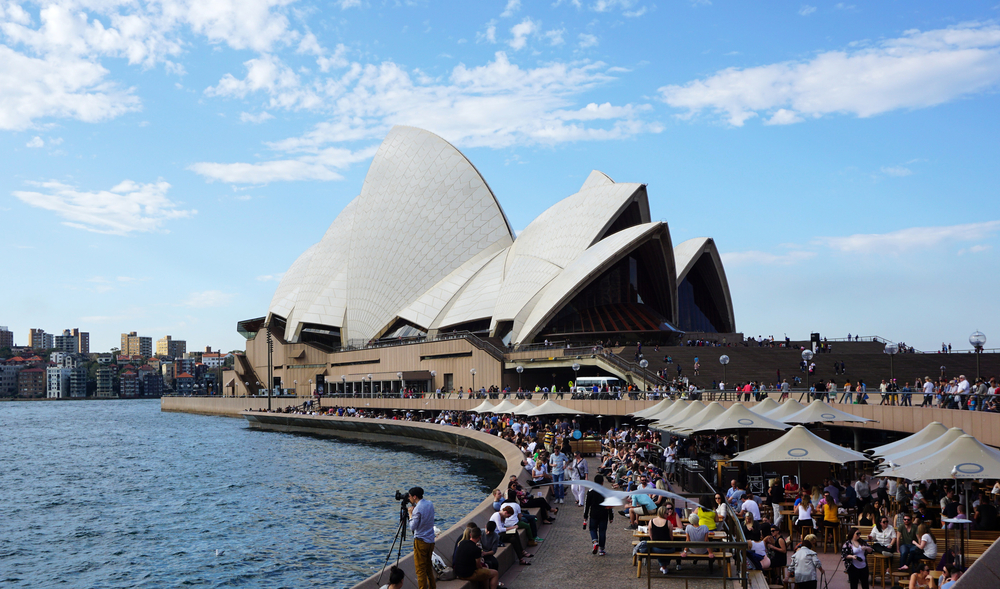
Asian tourists plan to travel abroad more frequently and explore “safer” destinations like Japan and Australia this year, according to the 2017 Travelzoo Travel Trends Report.

The survey found that 70 per cent of Chinese respondents say they will travel abroad two times or more in 2017, an increase by almost 10 per cent compared with the same period last year.

Similar sentiments are observed among Hong Kong respondents, where 30 per cent plan to travel four times or more this year, an increase of five per cent year-on-year.

Moreover, the number of Chinese tourists willing to spend more than RMB 14,000 (US$2,035) on travelling has also increased nearly 10 per cent from last year. As well, 11 per cent more respondents indicated they would spend more than RMB600 per night on a hotel this year.

Commenting on the rising travel interest among Asian tourists, Vivian Hong, president of Travelzoo Asia Pacific, said: “Thanks to Asia’s ascendancy in the global economy, consumer confidence in Asia remains strong and it’s reflected in the travel industry. This is especially the case for China.

“China is witnessing a generation of millennials that is becoming the dominant force in leading the travel wave. Most of them are married and have children now. They love to spend more of their disposable income on a sunny beach holiday with their family.”

The survey findings show that destinations within the Asia-Pacific region are notably more attractive to Asian tourists. Japan currently tops the list for travellers from China, Hong Kong, Taiwan and Singapore. Australia also reigns high in interest in every Asian country, and is the second favourite destination for Chinese and Singaporean travellers.

And for the first time, none of the Western European destinations was voted for the top five destinations due to safety concerns among Asian travellers. Nearly 65 per cent of Chinese respondents chose “safer” as one of their reasons behind voting for Australia, while 50 per cent chose the same reason for picking Japan.

Hong said: “Nearly 80 per cent of (Asians) travel with family so they are very mindful of the security measures. As a result, destinations within the Asia-Pacific region, such as Japan and Australia, offer a compelling alternative.”

Thailand extends visa incentives for another six months

0

thailand-immigration
Immigration control at Suvarnabhumi Airport

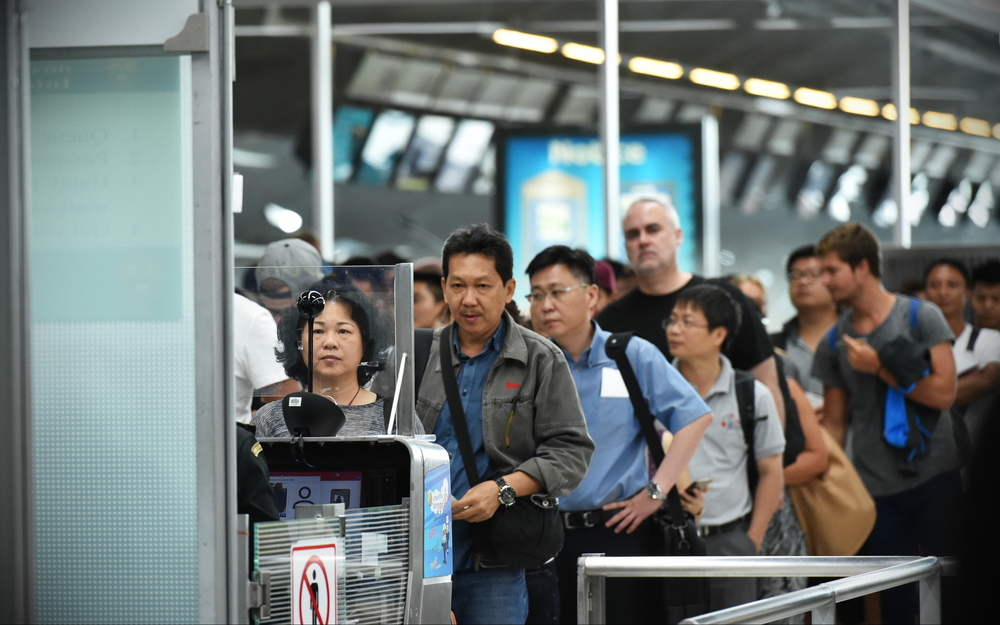
The Thai cabinet on Tuesday approved the extension of visa concessions for another six months to August, in a bid to attract more tourists to the country, reported the Bangkok Post.

The move was first introduced in December as part of a move to shore up tourist arrivals to Thailand, after the clampdown on zero-fee tours put a damper on the Chinese inbound market. It was originally scheduled to end this month.

Under the measure, visa fees at Thai consulates and embassies are waived while the visa-on-arrival fee is halved to 1,000 baht (US$29).

This scheme is applicable for visitors from Andorra, Bulgaria, Bhutan, China, Cyprus, Ethiopia, Fiji, India, Kazakhstan, Latvia, Lithuania, the Maldives, Malta, Mauritius, Papua New Guinea, Romania, San Marino, Saudi Arabia, Taiwan, Ukraine and Uzbekistan.

Travel to US hit by Trump slump

0

As American president Trump seeks to reinstate his executive order banning travel from seven Muslim-majority countries, Forwardkeys releases findings that the initial ban has deterred travel from other countries as well.

In the period of January 28 and February 4 after the executive order was signed, net bookings issued from the seven countries directly affected by the ban (Iraq, Syria, Iran, Libya, Somalia, Sudan and Yemen) were down 80 per cent on the same period last year.

donaldtrump

Notably, when looking at wider international trends in bookings to the US, Forwardkeys discovered a 6.5 per cent negative variation compared with the equivalent period the year before, suggesting the turmoil over his ruling is putting those from outside the Middle East off travelling to the US.

This analysis excludes China and Hong Kong because of the seasonal effect from Chinese New Year.

Bookings from Northern Europe (-6.6 per cent), Western Europe (-13.6 per cent), Southern Europe (-2.9 per cent), the Middle East (-37.5 per cent) and Asia-Pacific (-14 per cent) were all down. Even after benchmarking against total outbound traffic from these region, the US still lost market share in all cases.

Demand for the US from Central/Eastern Europe and the Americas were up 15.8 per cent and 2.3 per cent respectively. However, when one looks at outbound travel from those two regions of the world, total travel was up 12 per cent from Central/Eastern Europe and 4.8 per cent from the Americas, making the increase in travel to the US less impressive.

On February 3 and 4, after federal judge James Robart placed a temporary block on the travel ban, bookings to the US from Iran saw a dramatic surge, five times higher than same two days last year. Most were for arrivals on February 5 and 6 and with lengths of stay of 22 nights or more.

Iran was the only country to see such a surge following the suspension of the ban, with ForwardKeys acknowledging that those entering the US could include US citizens/residents returning home from Iran. The study monitors trip origin rather than nationality of travellers.

Looking at forward bookings over the next three months, the seven banned countries are behind 15 per cent on last year, compared with a 10 per cent decrease observed on January 27, suggesting a worsening of a negative trend resulting from the travel ban.

Total international bookings for the US for the coming three months are currently 2.3 per cent ahead of last year. Just eight days before, they were running 3.4 per cent ahead.

Shangri-La’s Boracay Resort & Spa gets new GM

0

Shangri-La’s Boracay Resort & Spa, Philippines has appointed Anne Busfield as general manager to succeed Ester Marcaida, who will move on to handle various Shangri-La projects.

Prior to joining the Shangri-La group, the season hotelier has worked with numerous international chains as a general manager. A British national, Busfield has over 30 years in the hospitality industry, including Britain, Hong Kong, Brunei, Australia, Fiji and Phuket.

Anne_Busfield_is_the_new_general_manager_of_Shangri-La_s_Boracay_Resort_&_Spa(1)

Associated Luxury Hotels buys Worldhotels

0

alhi-worldhotels

US-based hospitality sales and marketing consortium Associated Luxury Hotels, which owns and operates Associated Luxury Hotels International (ALHI), has acquired Frankfurt-based rival Worldhotels for an undisclosed sum.

Together, both groups will create a global portfolio of around 600 independent hotels, comprising 350 hotels under Worldhotels, predominantly in Europe and Asia-Pacific; and 250 hotels under ALHI, mostly in North America.

According to Associated Luxury Hotels chairman, David Gabri, the company will operate ALHI and Worldhotels as separate divisions, initially keeping the memberships and operations of each organization separate. Select member hotels and resorts within Worldhotels may be invited into the ALHI membership portfolio.

Gabri said: “Together ALHI and Worldhotels will create a powerful combination to provide guests, members and MICE planners a comprehensive sales and marketing infrastructure and an expanded array of services that will effectively compete with the world’s biggest hospitality chains.

Associated Luxury Hotels’ chief commercial officer Tom Santora added: “In contrast to the mega-brand conglomerates, the ALHI and Worldhotels’ portfolios consist primarily of authentic and unique independent hotels and resorts that are prized for their distinctiveness, individuality and character, which are highly sought after by today’s travellers.

“As the MICE, business travel and leisure markets demand extraordinary localised experiences over accommodations and sameness, the two portfolios stand prepared to provide comprehensive sales, marketing, distribution and hospitality services for independent hotels and resorts worldwide, and are ideally positioned to serve this need.”

In conjunction with the acquisition, Santora will assume the additional role as executive chairman of Worldhotels to oversee its strategic direction. Worldhotels’ CEO Geoff Andrew, meanwhile, will continue to lead the organisation from the Frankfurt headquarters.

Tourico Holidays to merge with HotelBeds

0

hotelbeds-group-tourico-merger

Global bedbank and B2B service provider HotelBeds Group has announced plans to merge its business unit with US-based Tourico Holidays.

The merger will mark the company’s move into the next phase of development since it became independent last September with the backing of Cinven and CPPIB, said Joan Vilà, executive chairman of Hotelbeds Group.

“The proposed deal will enable us to enhance our footprint, especially in Tourico Holidays’ home market of North America whilst (Tourico) will benefit from belonging to Hotelbeds Group’s global network,” added Vilà.

“Together we will combine our best in class technology and distribution expertise for the benefit of both our hotel partners and clients.”

For now, it will be business as usual at both companies, while development of a long-term strategy to combine the businesses gets underway.

No date has been announced for the transaction, which is subject to customary regulatory and anti-trust approvals.

GHA chooses Sabre as technology partner

0

gha-logo-stacked-1

Global Hotel Alliance (GHA), which represents more than 550 hotels across 35 brands, has selected Sabre Hospitality Solutions as an alternative distribution provider for its members.

GHA’s members now have the option to distribute via the Sabre SynXis Central Reservations while still enjoying the benefits of GHA’s multi-brand Discovery loyalty programme.

With eight member brands already using the Sabre SynXis Central Reservations, selecting Sabre as a preferred technology partner “was a natural step”, said Christopher Hartley, CEO of GHA.

The SynXis central reservations system provides rates and inventory through online and offline distribution channels; connectivity to GDSs, OTAs, website and mobile booking engines; and integration of critical property, revenue management, loyalty and content systems.